
Scrap Metal Recycling Line Solutions
Haoxing Machinery specializes in complete scrap metal recycling plant solutions for scrap steel, aluminum scrap, motor rotors, radiators, UBC cans and mixed industrial metal waste. Our recycling production line integrates shredding, crushing, magnetic separation, eddy current separation, airflow sorting and dust collection technologies for efficient ferrous and non-ferrous metal recovery.
- ✓5–60 TPH Customized Capacity
- ✓Heavy Duty Industrial Design
- ✓High Purity Metal Separation
- ✓Turnkey Recycling Plant Solution
Main Recycling Applications
Designed for industrial scrap processing plants and metal recycling facilities worldwide.
- ✔ Scrap Steel Recycling Plant
- ✔ Scrap Aluminum Recycling Line
- ✔ Motor Rotor Crushing Line
- ✔ Car Body Shredding Plant
- ✔ UBC Can Recycling System
- ✔ Radiator Recycling Line
18+
Years Experience
30+
Export Countries
200+
Installed Recycling Plants
CE / ISO
Certified Manufacturer
What Is A Scrap Metal Recycling Plant?
A scrap metal recycling plant is an integrated industrial recycling system designed for shredding, crushing, separating and recovering valuable ferrous and non-ferrous metals from industrial scrap materials. The production line combines heavy-duty shredders, hammer crushers, magnetic separators, eddy current separators and airflow sorting systems to maximize metal recovery efficiency and output purity.
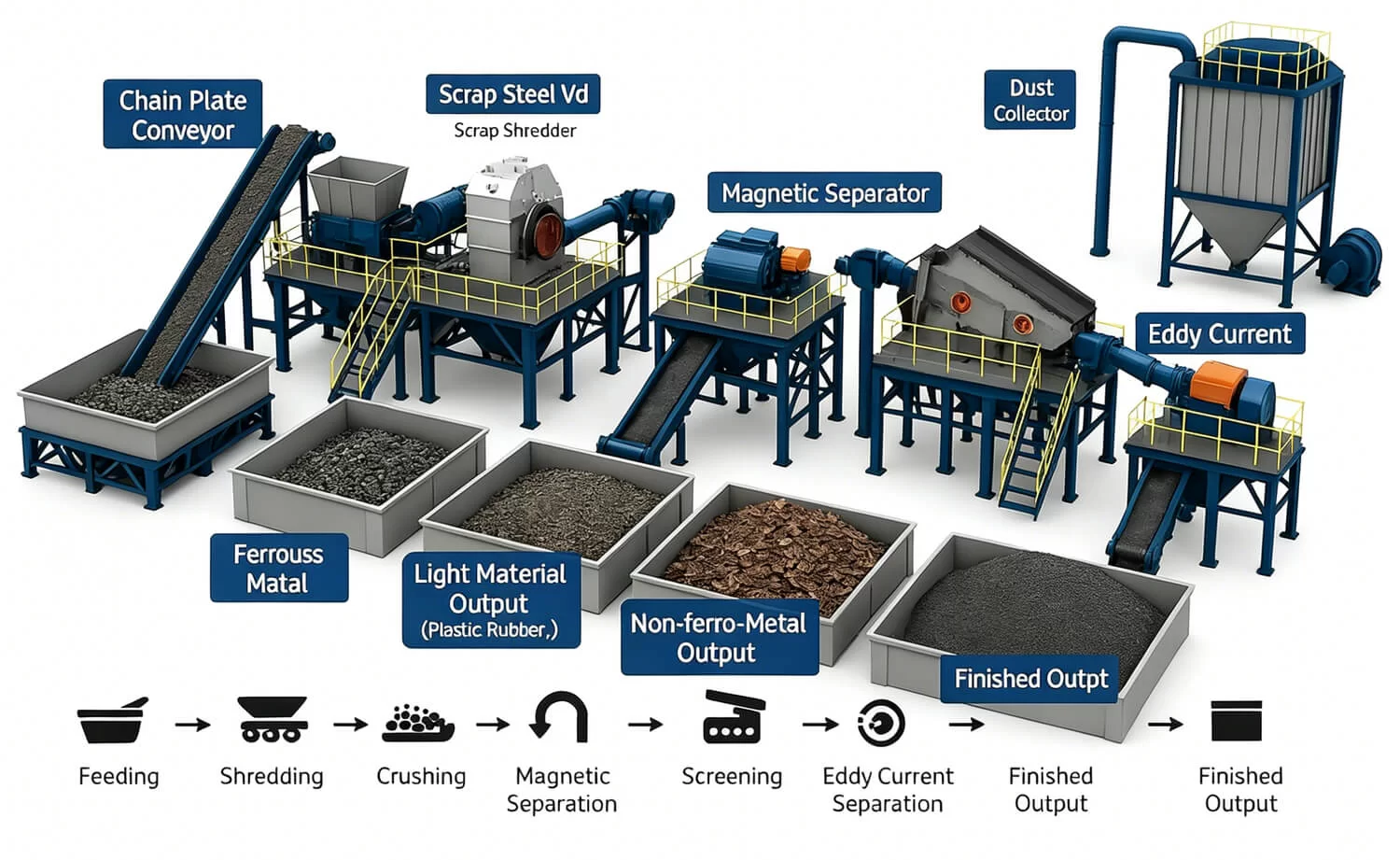
How the Line Is Configured
Haoxing Machinery configures scrap metal recycling lines according to the actual feed material, required capacity, target output and available installation space. The system is not based on a fixed equipment package because different scrap conditions require different feeding, size-reduction and separation methods.
A project may use primary shredding, hammer crushing or a combination of both. The selected route depends on the material dimensions, thickness, density, composition and required downstream result.
Shredding and Crushing Perform Different Tasks
A twin shaft shredder provides low-speed, high-torque coarse size reduction for bulky, irregular or compressed scrap. Its main purpose is to open difficult material, reduce volume and prepare a more manageable feed for conveying or further processing.
A scrap metal crusher uses high-speed hammer impact when smaller material, improved liberation or screen-controlled discharge is required. Prepared light scrap may enter a suitable crusher directly, while bulky or difficult-to-feed material may require primary shredding first.
Separation Depends on Material Preparation
Magnetic separation can recover exposed iron and steel after the material has been sufficiently opened or crushed. Eddy current separation may recover conductive non-ferrous metals from suitably sized non-conductive material after ferrous removal, screening and controlled feeding.
One separation machine does not normally produce individual high-purity aluminum, copper, zinc and brass products. Additional density separation, sensor-based sorting or manual inspection may be required when the project needs separate metal grades.
Material Testing and Processing Boundaries
Representative material testing is recommended when the feed contains several metals, attached non-metallic material or uncertain contamination. Testing helps evaluate feeding behavior, material liberation, particle-size distribution and the separation stages required for the intended output.
Sealed containers, batteries, pressure vessels, hot material and scrap containing explosive, radioactive or chemically hazardous substances must be removed before processing. Heavy solid steel, large castings and unusually thick structural components also require separate evaluation.
Information Required for Line Configuration
Clear photos or videos of the actual feed material
Normal and maximum material dimensions
Material thickness, bulk density and individual item weight
Loose, bundled, baled or pre-crushed feed condition
Approximate composition and attached contaminants
Required hourly processing capacity
Expected output size and target recovered fractions
Daily operating hours and feeding method
Available plant length, width and height
Local voltage, frequency and environmental requirements
After reviewing this information, the feeding system, main processing equipment, separation stages and production-line layout can be selected for the actual project. Final capacity and separation results should be confirmed from representative material conditions rather than equipment power alone.
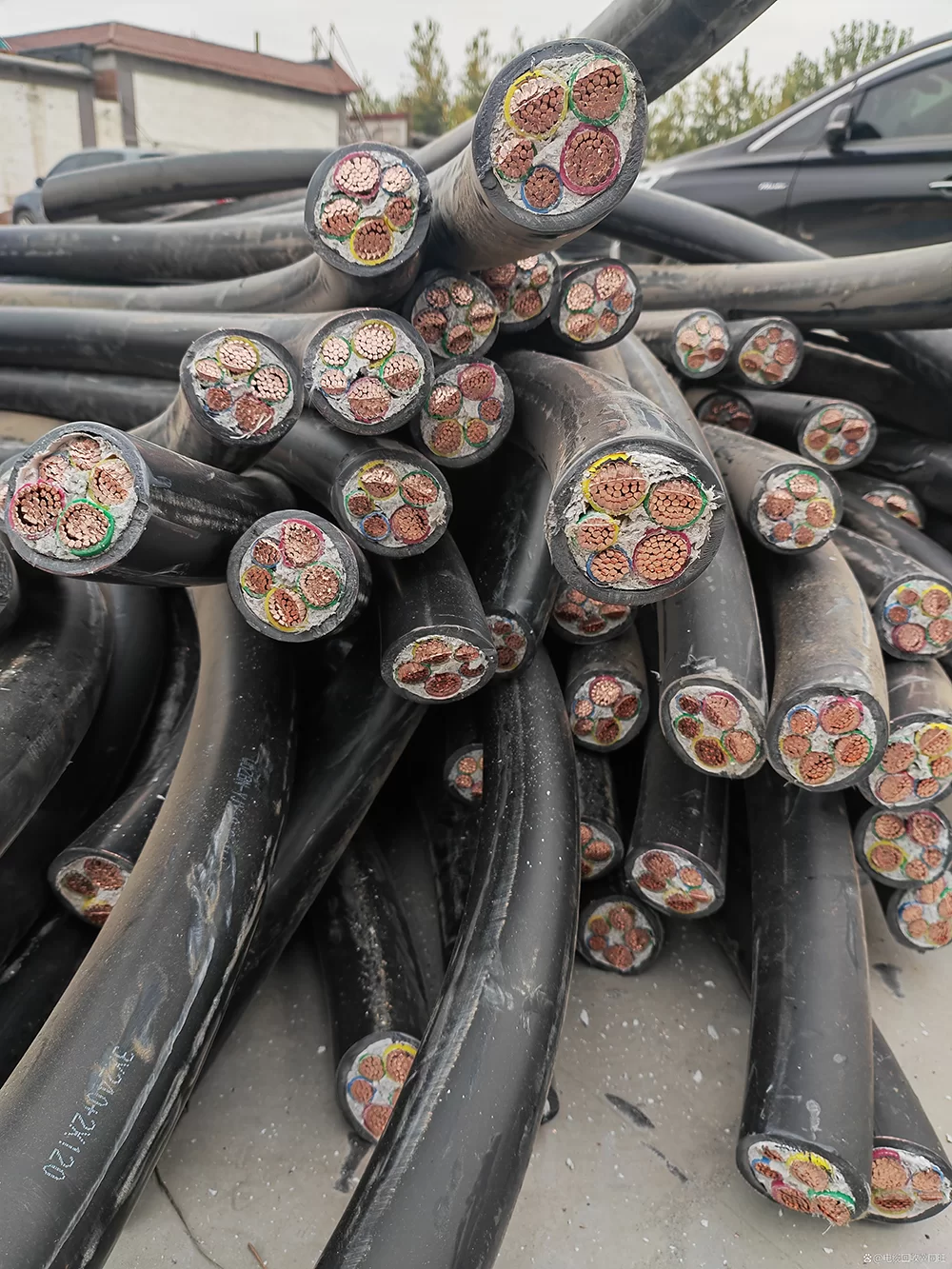
Materials Processed By Scrap Metal Recycling Plant
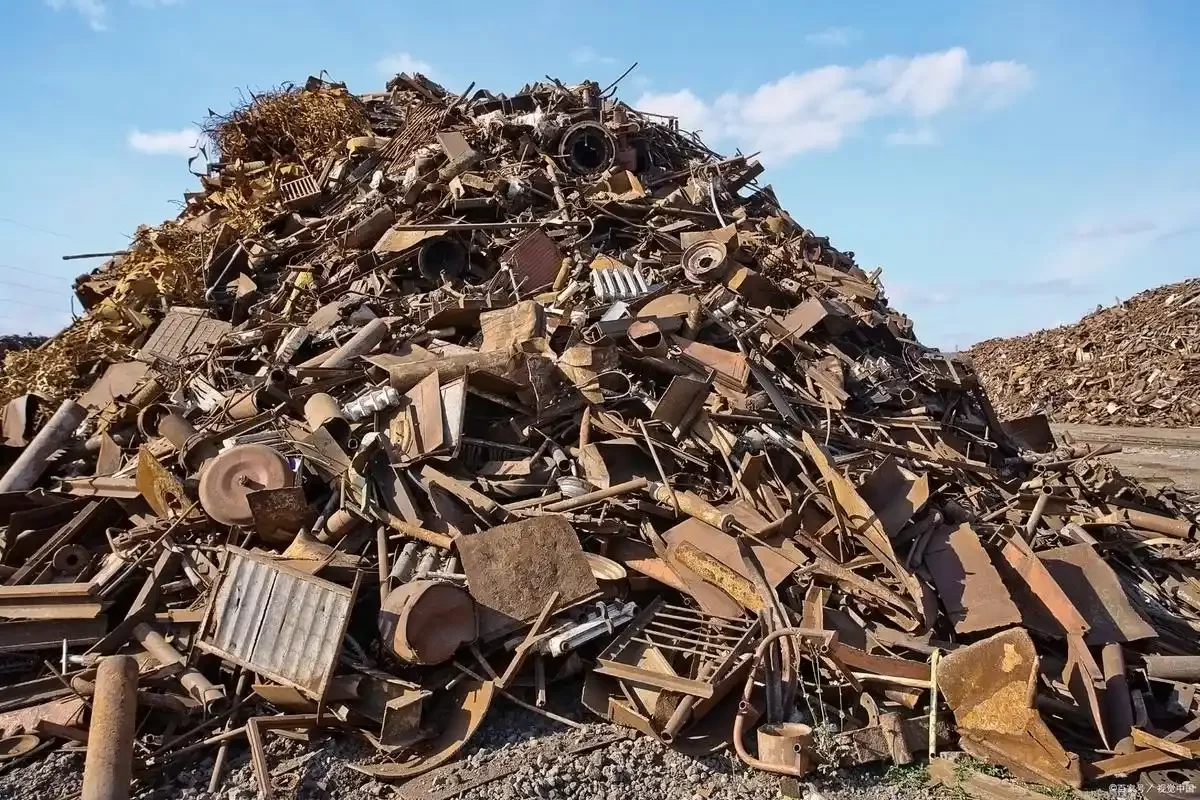
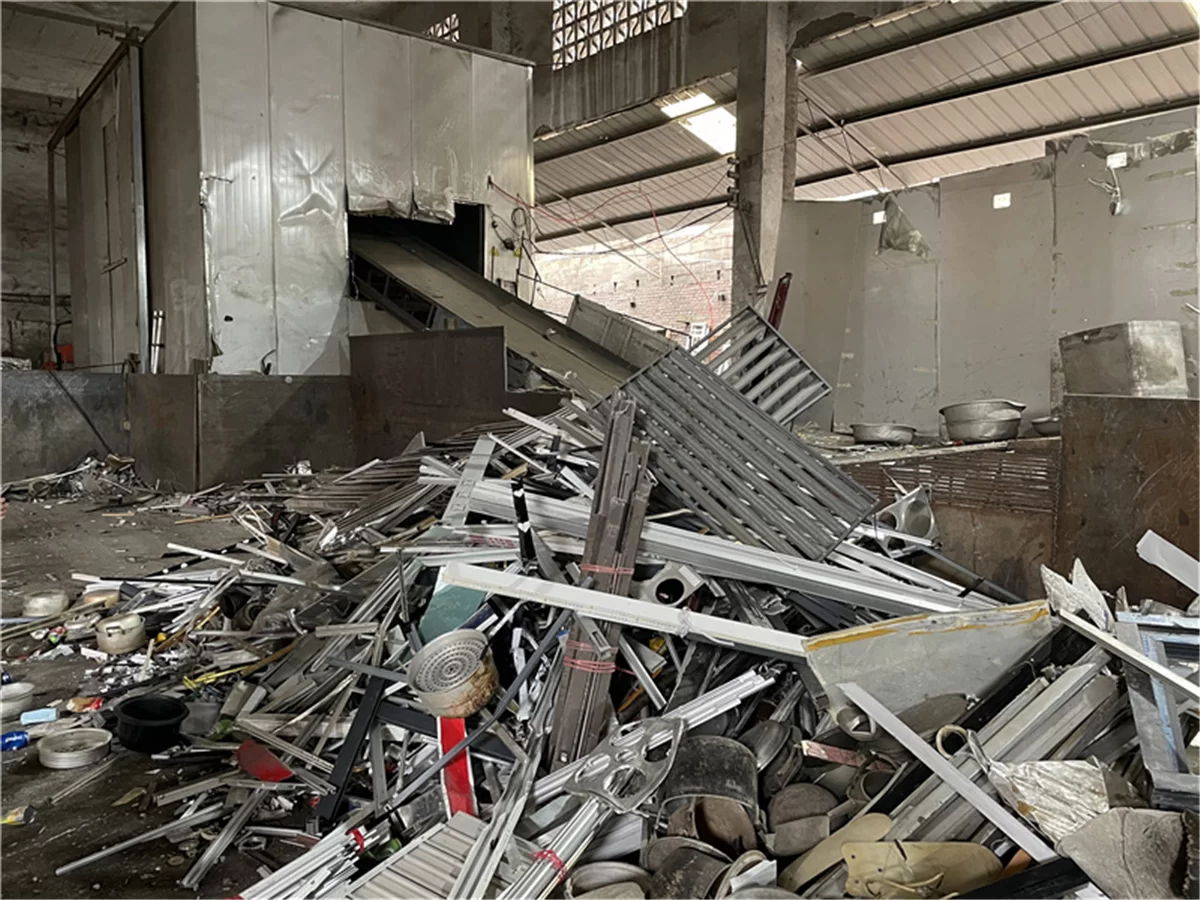
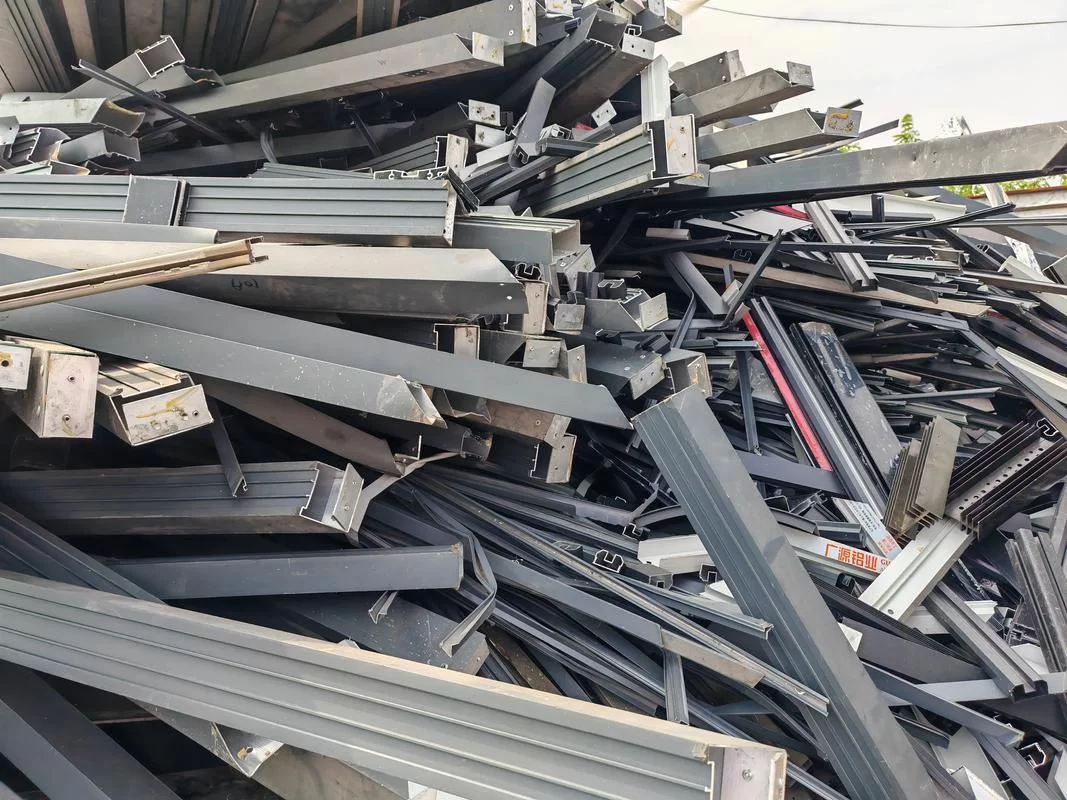
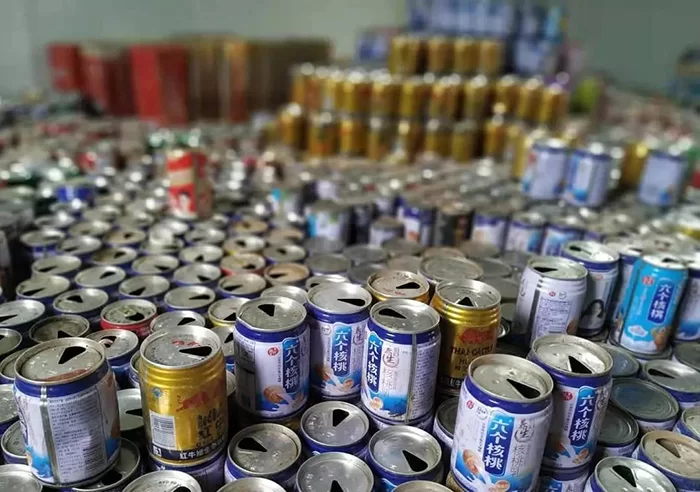
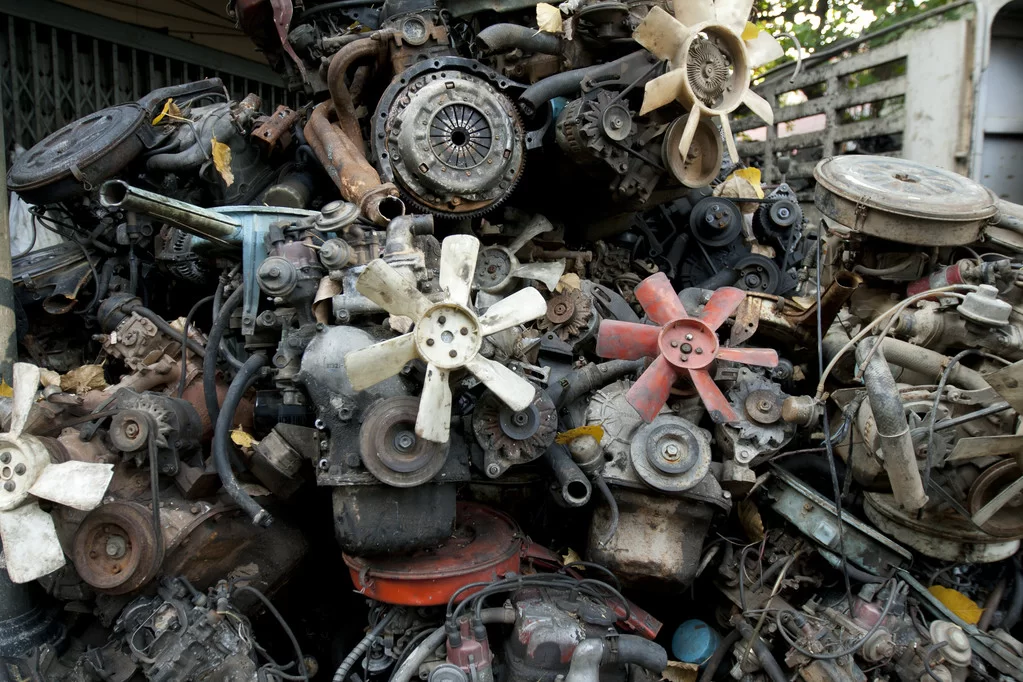
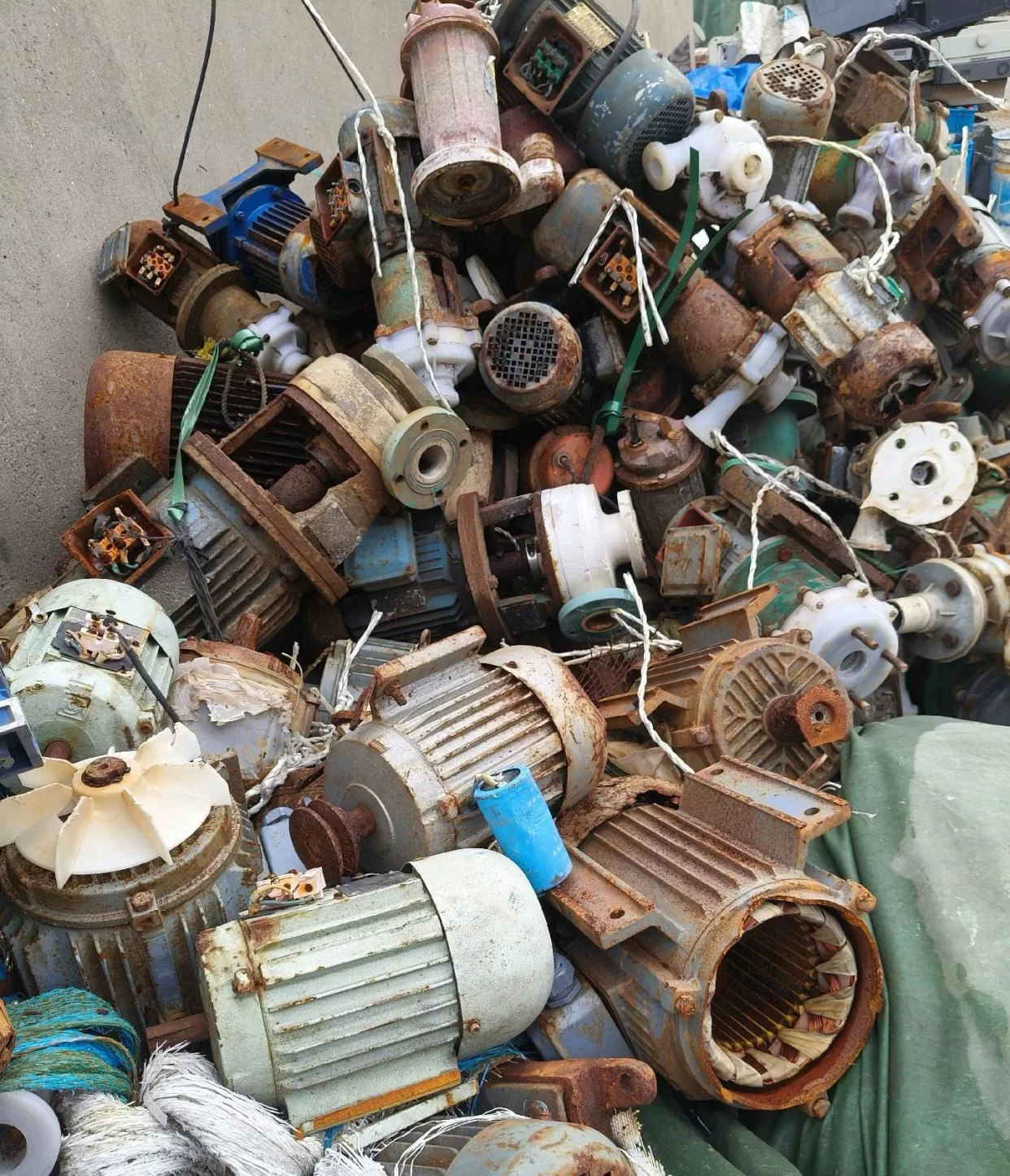
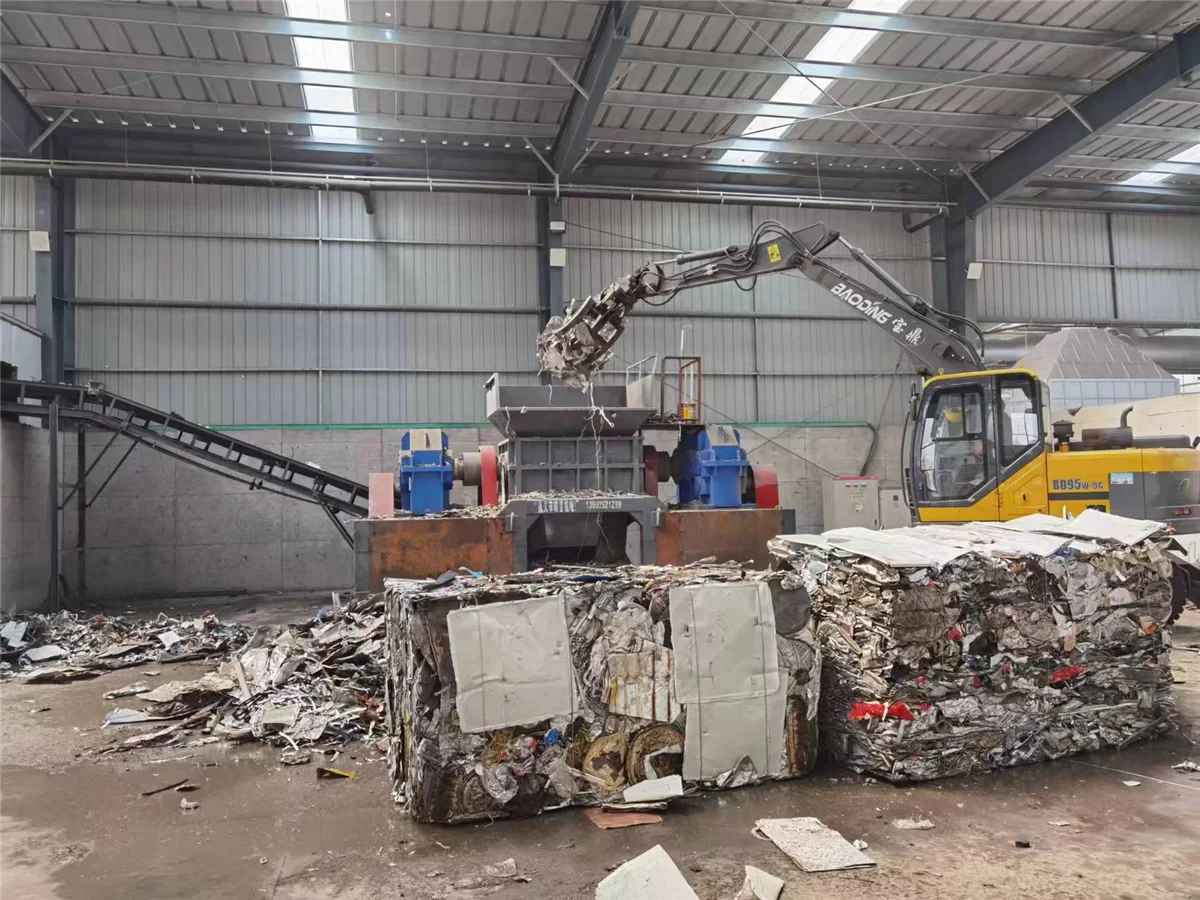
The recycling production line is suitable for processing various ferrous and non-ferrous scrap materials including heavy scrap steel, aluminum profiles, motor rotors, car bodies, radiators, household appliance scrap and mixed industrial metal waste.
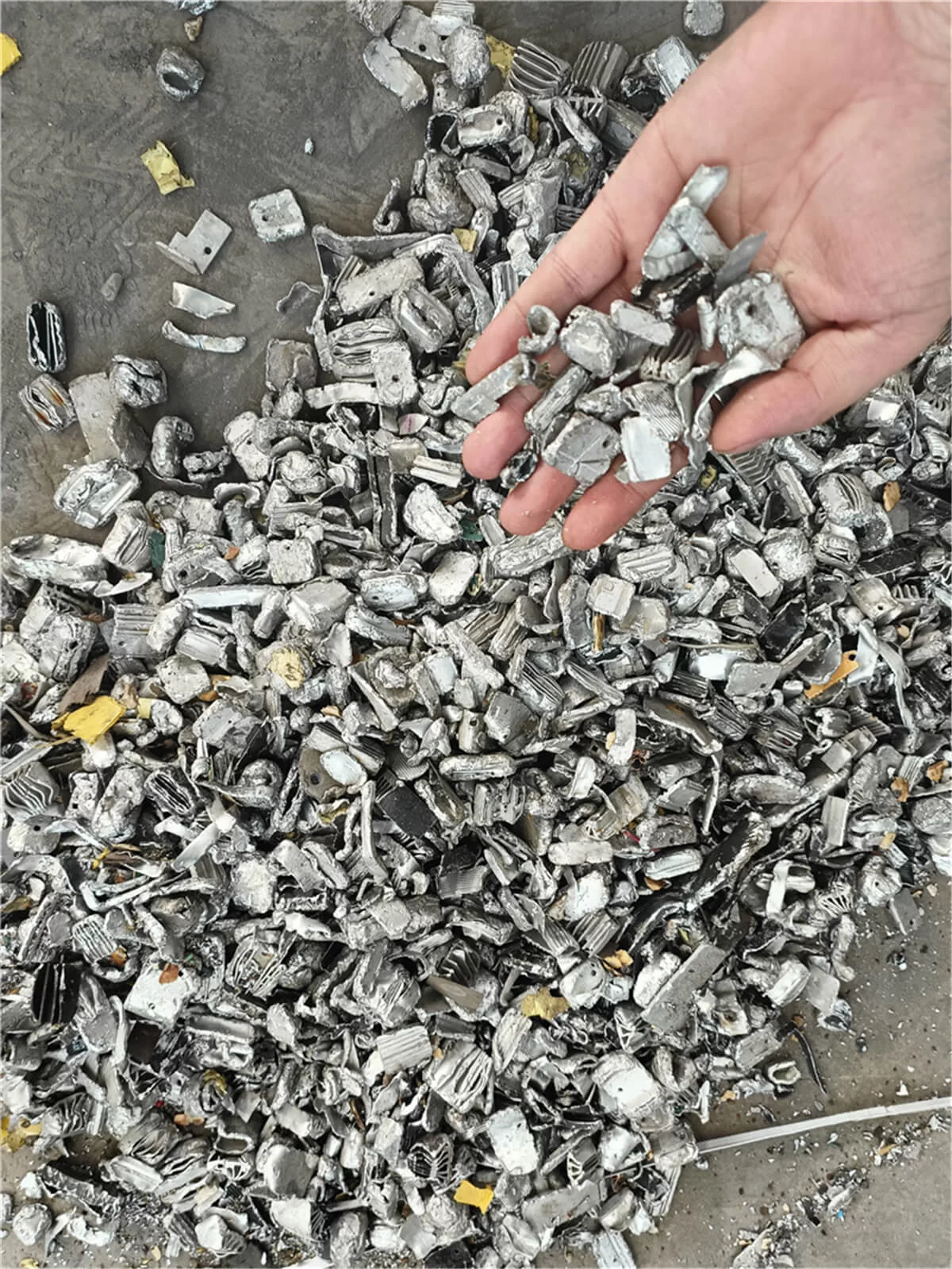
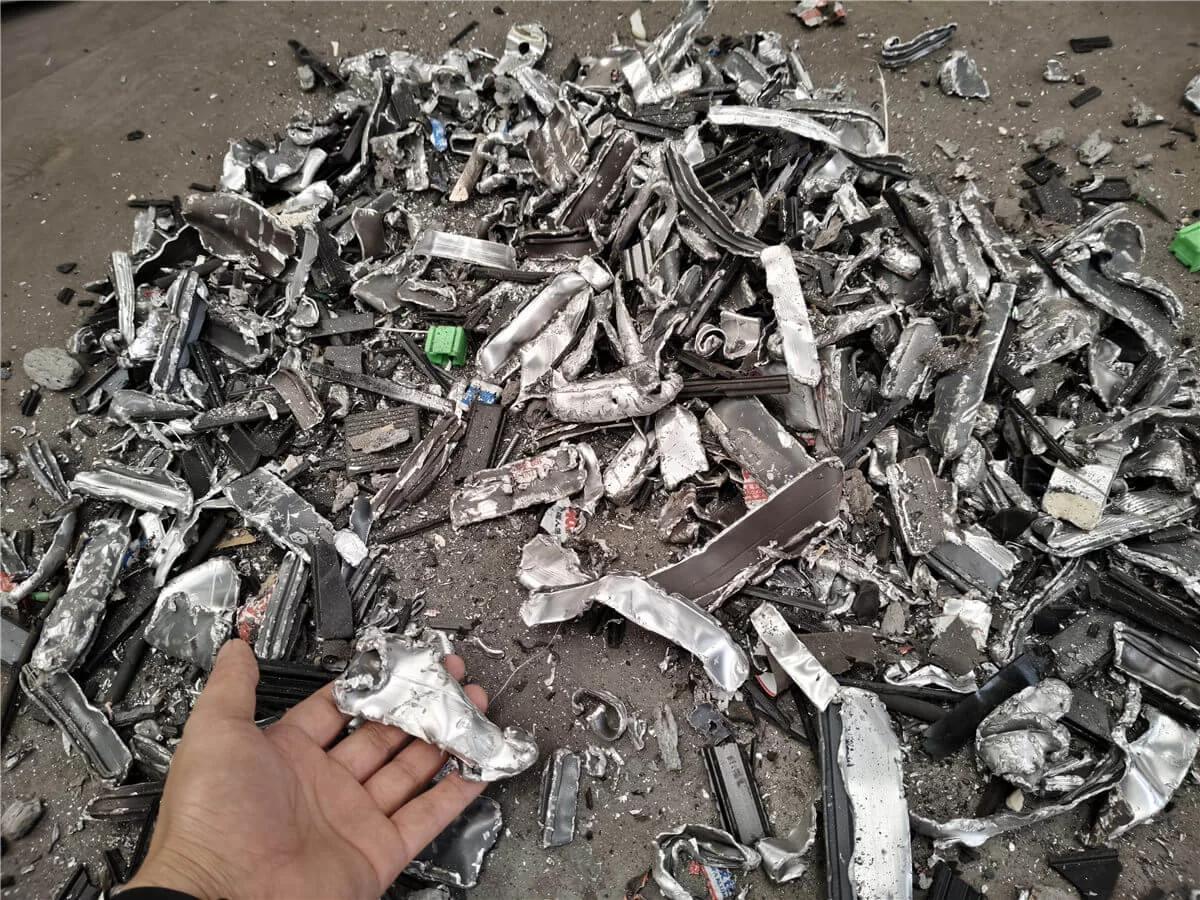
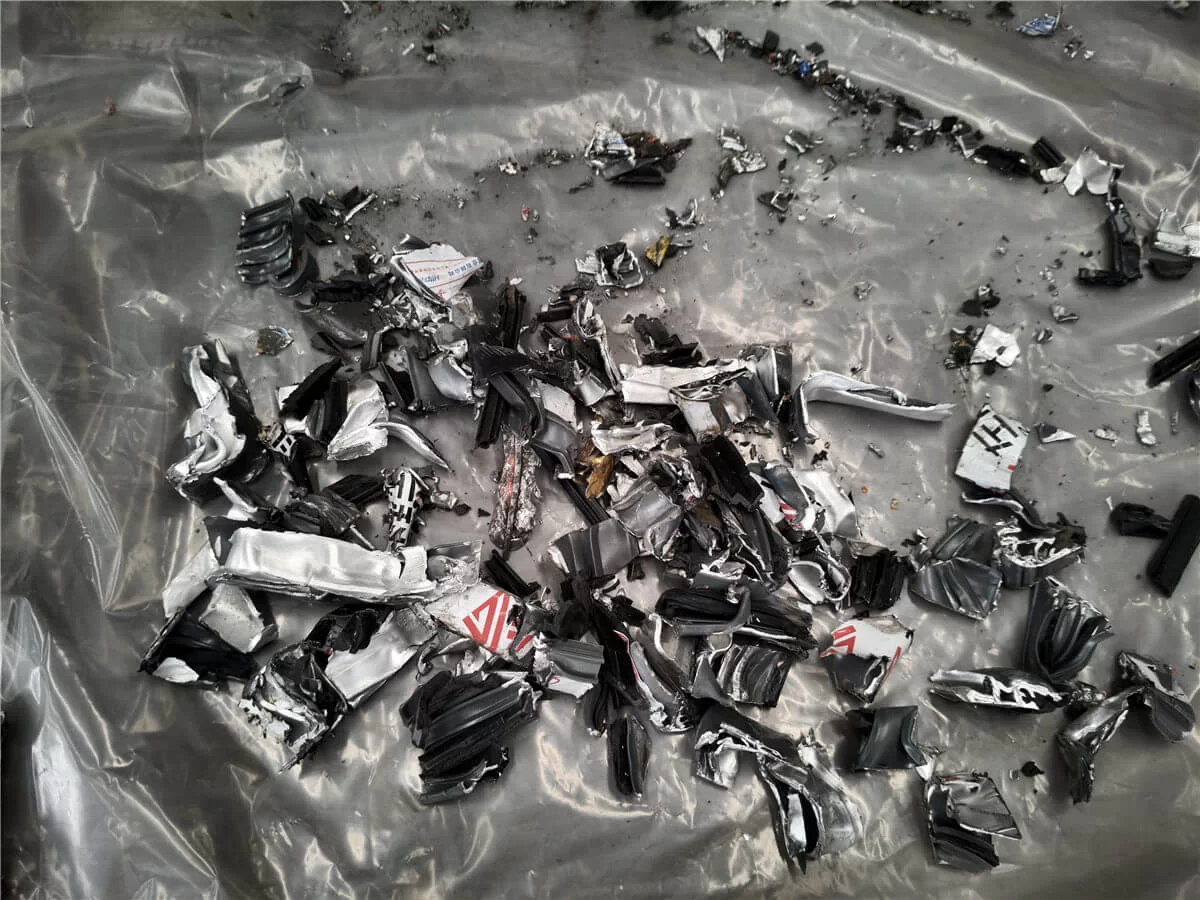
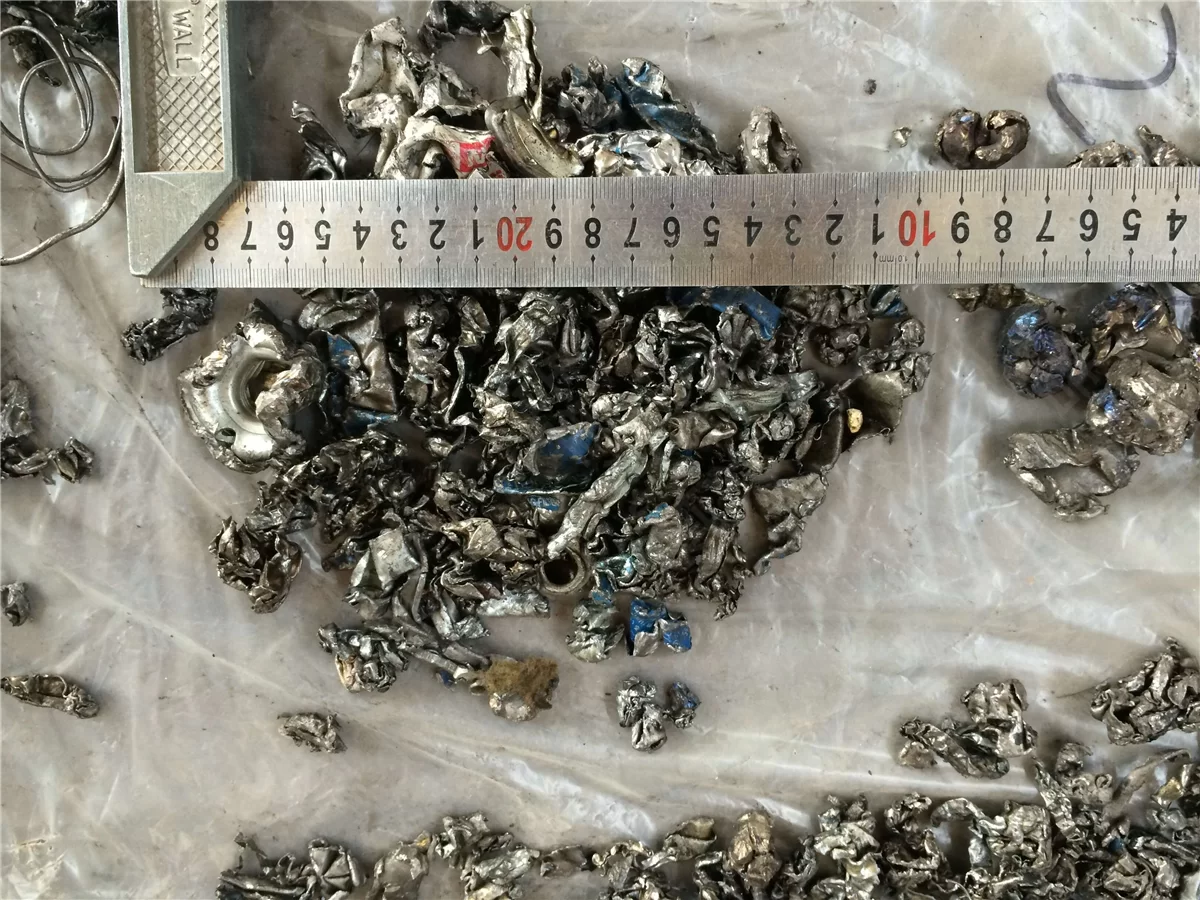
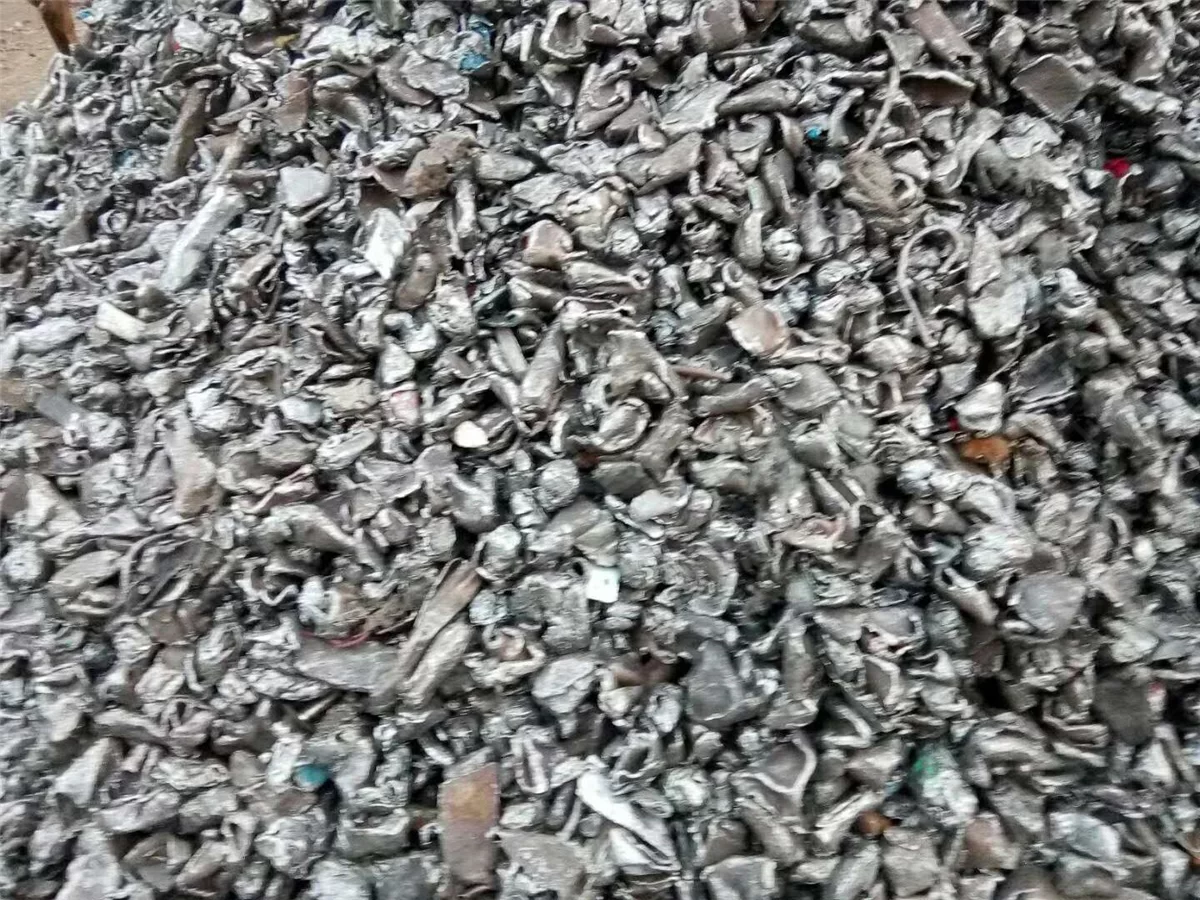
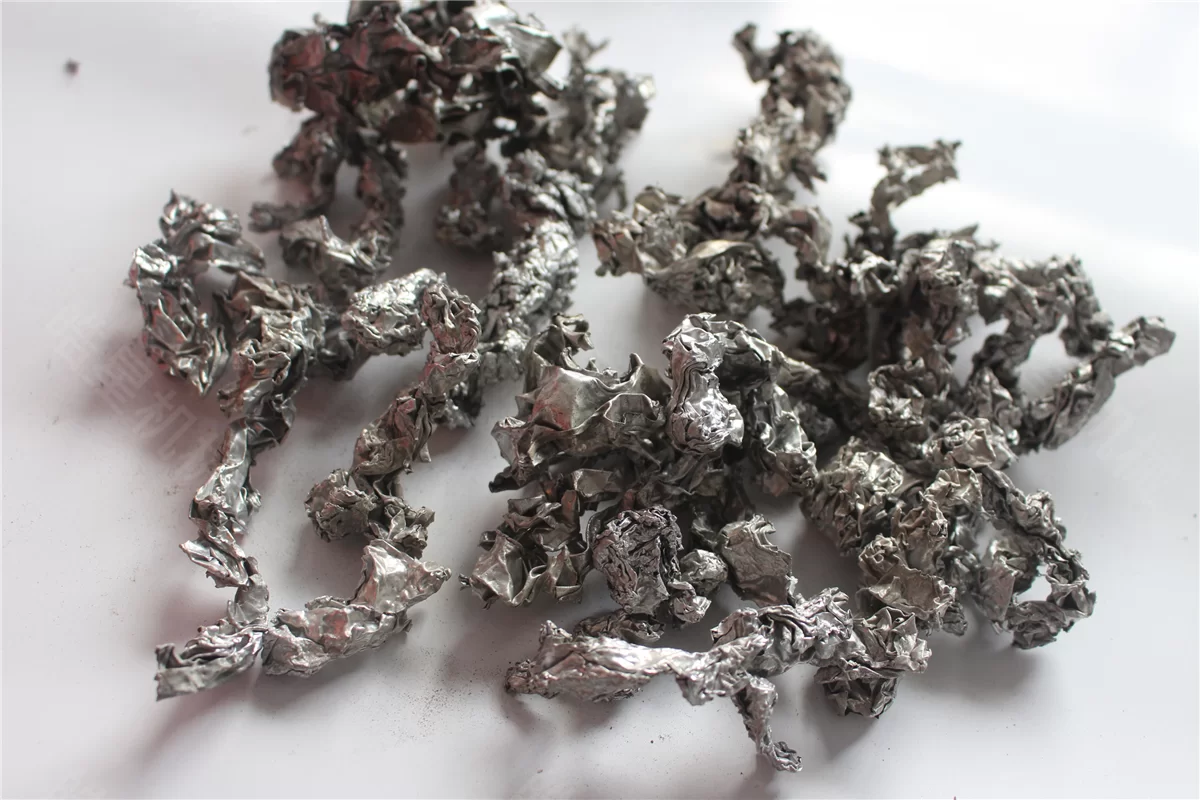
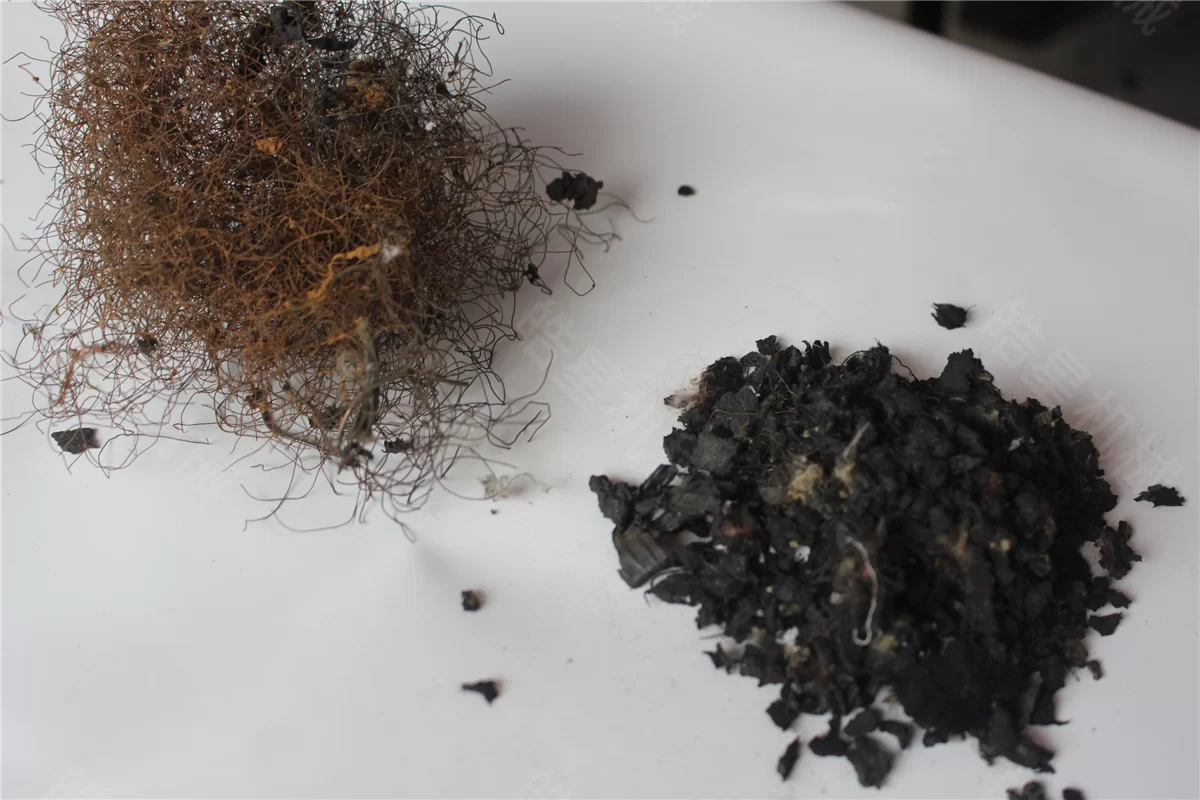
Final Metal Output Of Recycling Plant
After shredding and sorting, the recycling production line separates ferrous and non-ferrous metals into high purity recyclable materials for industrial reuse and resale.
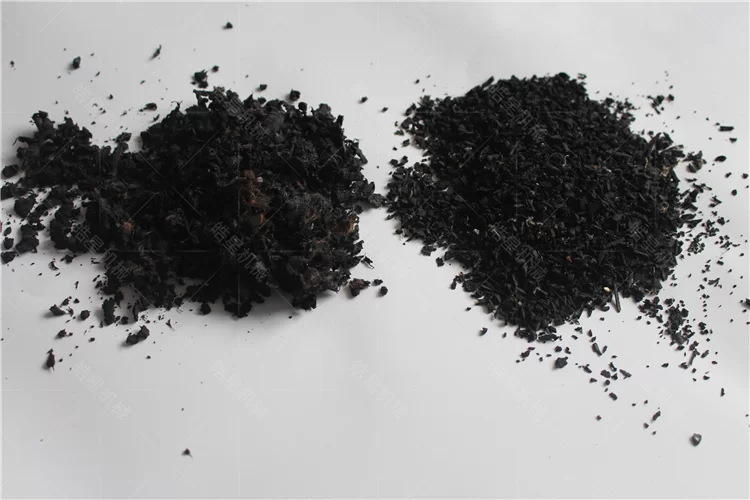
How Scrap Metal Recycling Plant Works
The scrap metal recycling plant integrates multiple crushing and sorting stages to improve metal liberation and maximize recycling efficiency.
Feeding
Hydraulic conveyor feeding system for continuous material loading.
Primary Shredding
Twin shaft shredder reduces bulky scrap metal size efficiently.
Hammer Crushing
Hammer crusher improves metal liberation and crushing efficiency.
Magnetic Separation
Magnetic drum separator removes ferrous metals automatically.
Eddy Current Separation
ECS system separates aluminum and non-ferrous metals.
Airflow Sorting
Air separator removes light impurities and fluff materials.
Final Output
High purity recyclable metals ready for industrial reuse.
Main Equipment Of Scrap Metal Recycling Plant
A scrap metal recycling line can integrate feeding, shredding or crushing, conveying, screening and separation equipment according to the project requirements. The exact process configuration depends on the feed material, target capacity, required output size and separation objective.
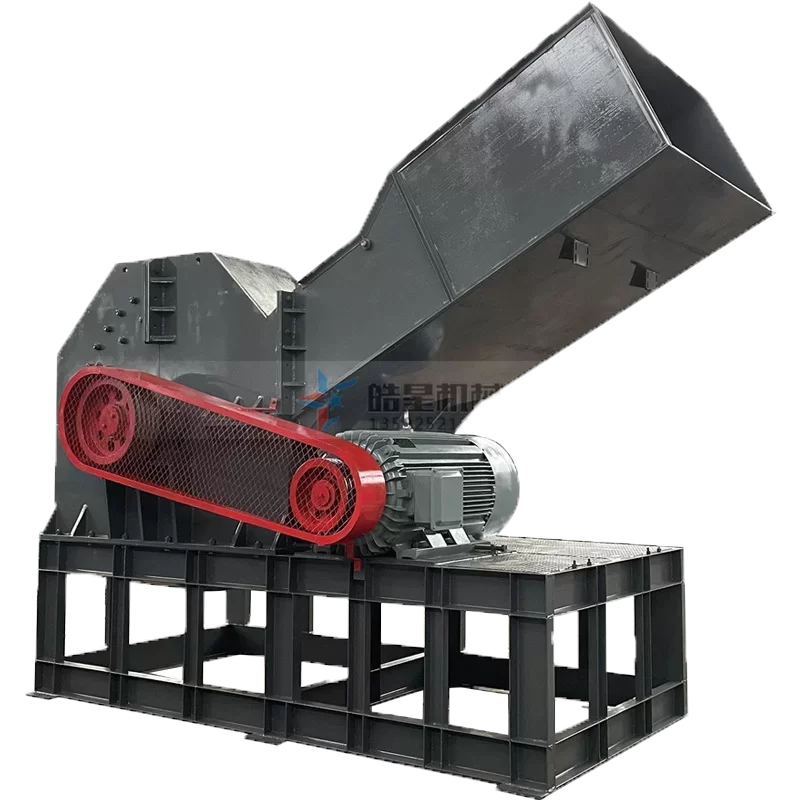
Scrap Steel Crusher
Scrap steel crusher for prepared light steel, sheet scrap and appliance-shell material requiring hammer impact and screen-controlled discharge size.
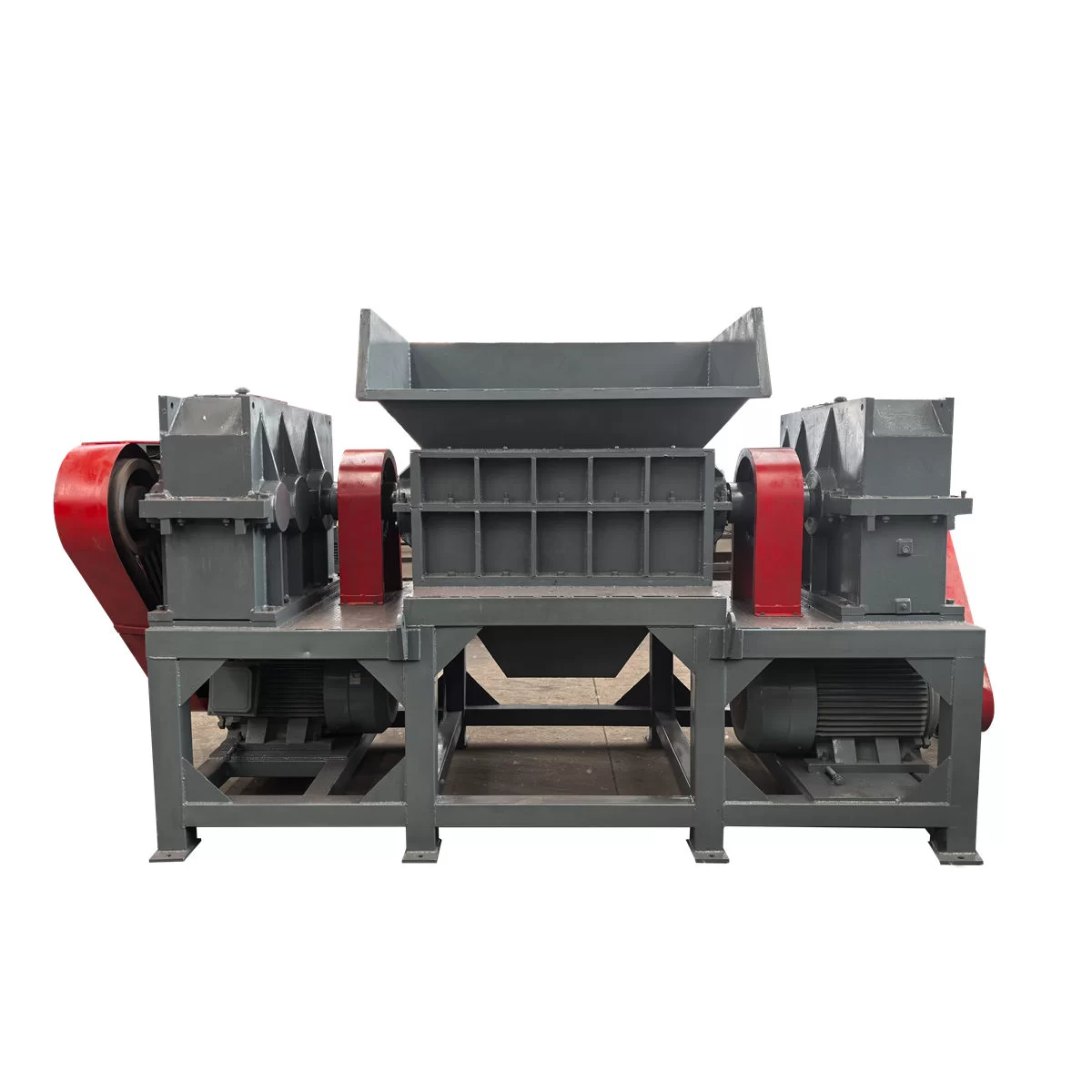
Twin Shaft Shredder
Twin shaft shredder equipment for coarse size reduction by low-speed, high-torque tearing and shearing. Covers shaft arrangement, cutter selection, drive protection and material limits.
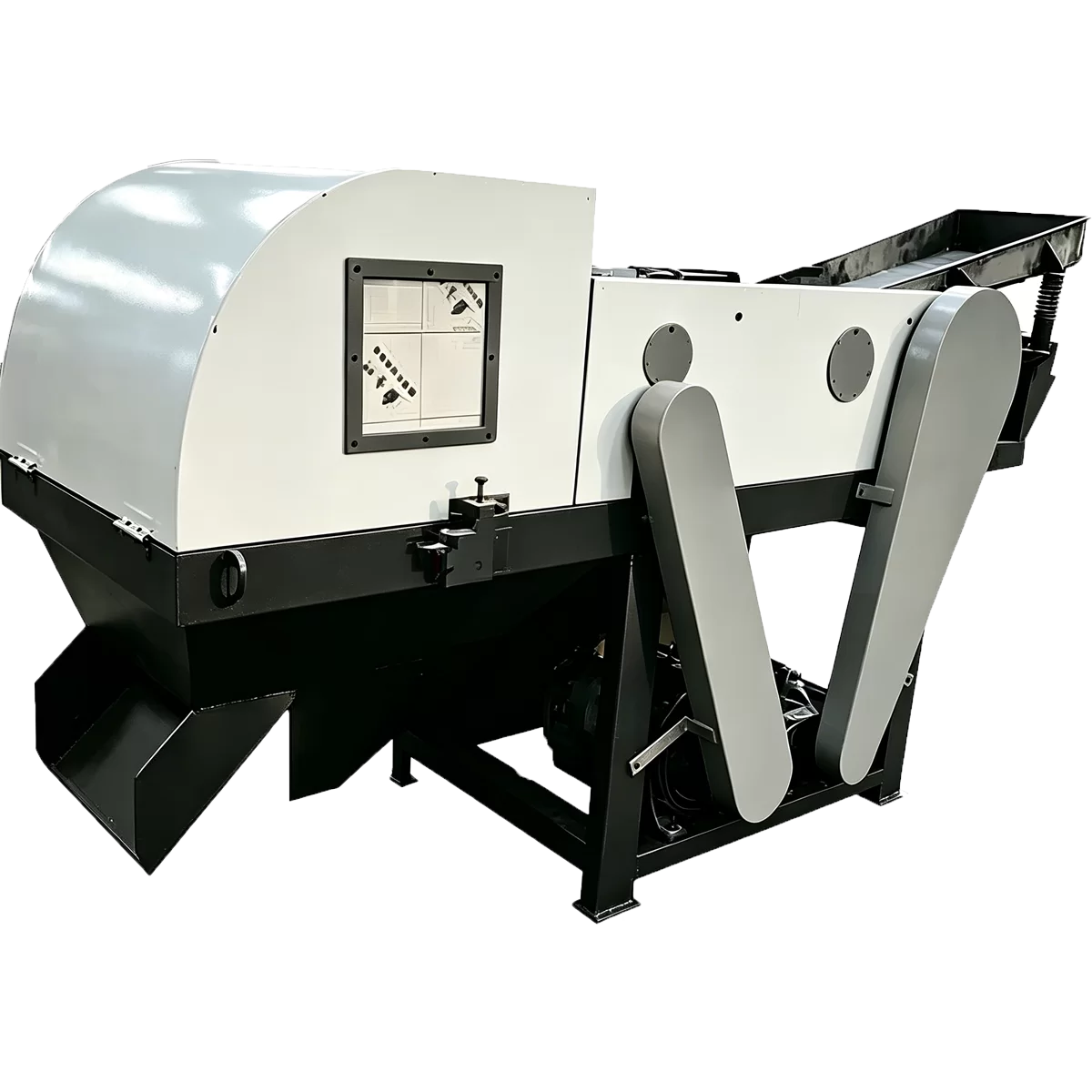
Eddy Current Separator
Haoxing Machinery eddy current separator separates aluminum, copper and other non ferrous metals from crushed scrap metal, electronic waste, automotive shredder residue and mixed recycling materials.
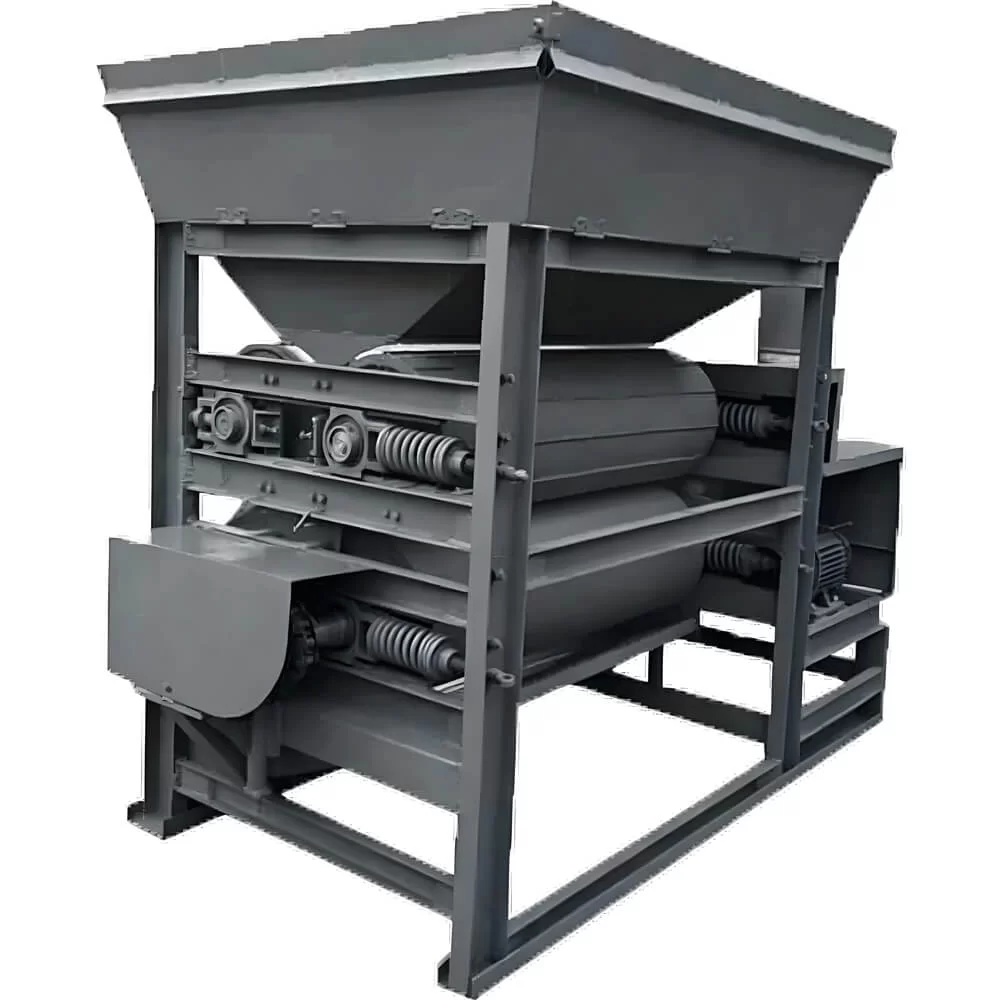
Can Flattening Machine
Can flattening machine for reducing the volume of loose aluminum cans, UBCs and tinplate cans before storage, transportation, baling or further recycling.
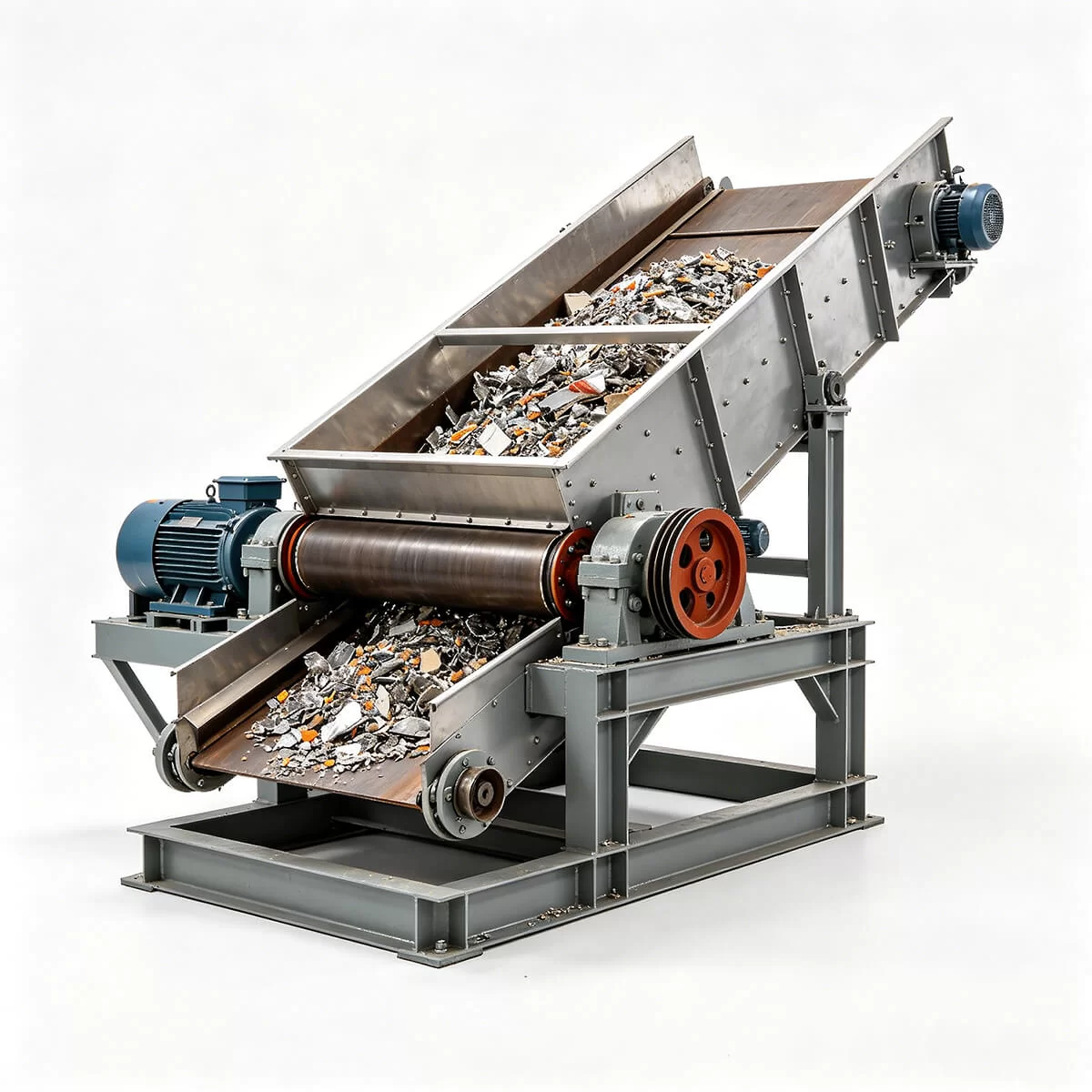
Magnetic Separator
Haoxing Machinery magnetic separator is used to separate iron, steel and other ferrous metals from crushed scrap metal, aluminum scrap, mixed waste and recycling materials in metal crushing and sorting lines.
Technical Parameters Of Main Recycling Equipment
Equipment specifications can be customized according to raw material density, production capacity and discharge size requirements.
Twin Shaft Shredder Technical Parameters
| Model | Capacity | Motor Power | Reference Weight | Plant Area | Applicable Materials |
|---|---|---|---|---|---|
| SSJ-800 | 2-4 T/H | 2×22KW | 3.2T | 40-50㎡ | Scrap Steel / Metal Waste |
| SSJ-1000 | 5-6 T/H | 2×37KW | 6T | 50-70㎡ | Car Shell / Mixed Scrap |
| SSJ-1600 | 10-12 T/H | 2×75KW | 12T | 120-160㎡ | Heavy Metal Recycling |
| SSJ-1800 | 15-20 T/H | 2×90KW | 15T | 160-220㎡ | Bulky Scrap Steel |
Scrap Metal Crusher Technical Parameters
| Model | Motor Power | Capacity | Rotor Diameter | Hammer Quantity | Output Size |
|---|---|---|---|---|---|
| PSX-1000 | 90KW | 2-3 T/H | 650mm | 16 | 30-50mm |
| PSX-1300 | 160KW | 4-6 T/H | 850mm | 24 | 50-80mm |
| PSX-1600 | 315KW | 8-12 T/H | 1000mm | 32 | 50-100mm |
| PSX-2000 | 450KW | 15-25 T/H | 1200mm | 40 | 80-120mm |
Engineering Advantages
- Heavy-duty rotor structure designed for continuous industrial recycling operation.
- Wear-resistant alloy hammer heads improve service life and reduce maintenance costs.
- Magnetic separation and eddy current systems improve metal recovery purity.
- PLC intelligent control system supports automatic operation and overload protection.
- Compact recycling plant layout reduces installation area requirements.
- Dust collection and airflow systems improve plant environmental protection.
- Customized production line configuration available according to material type.
- Overseas installation guidance and technical support service available.
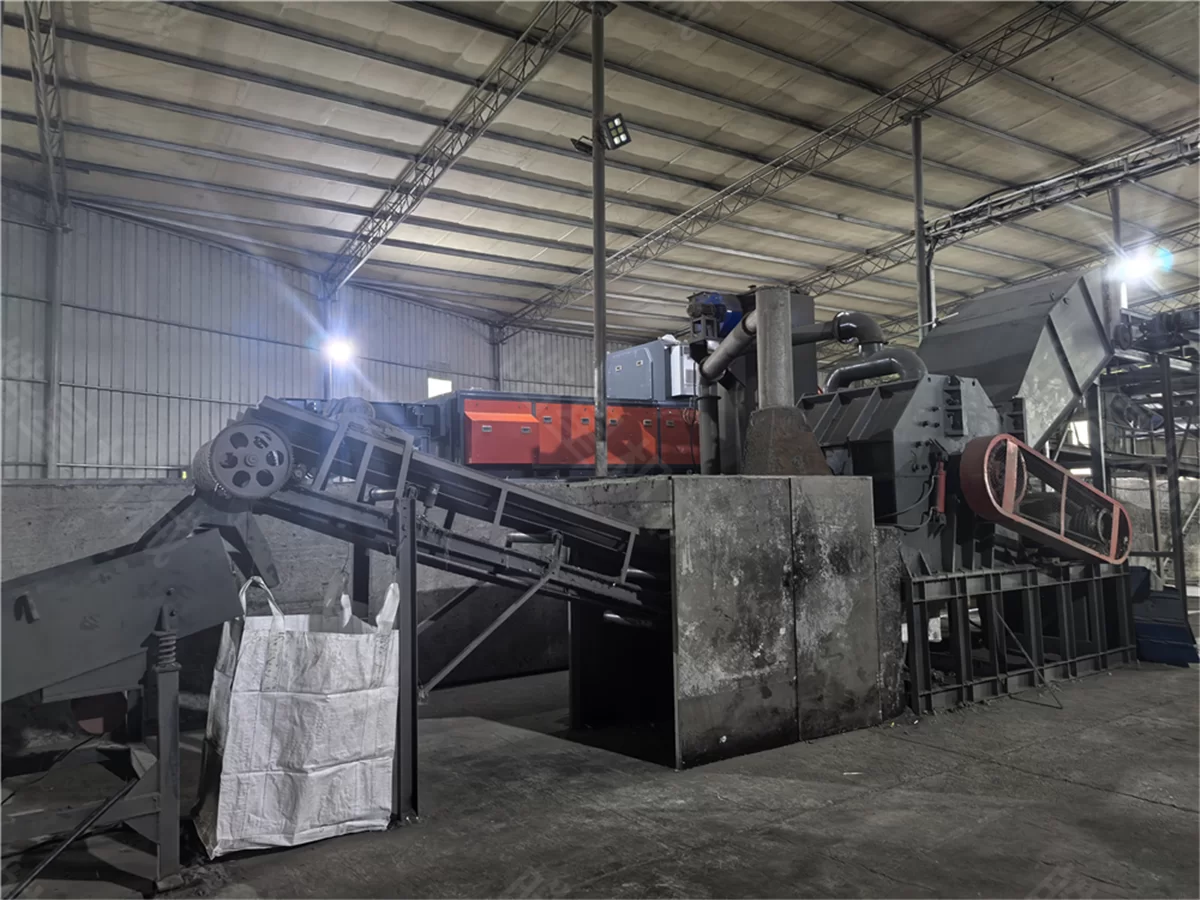
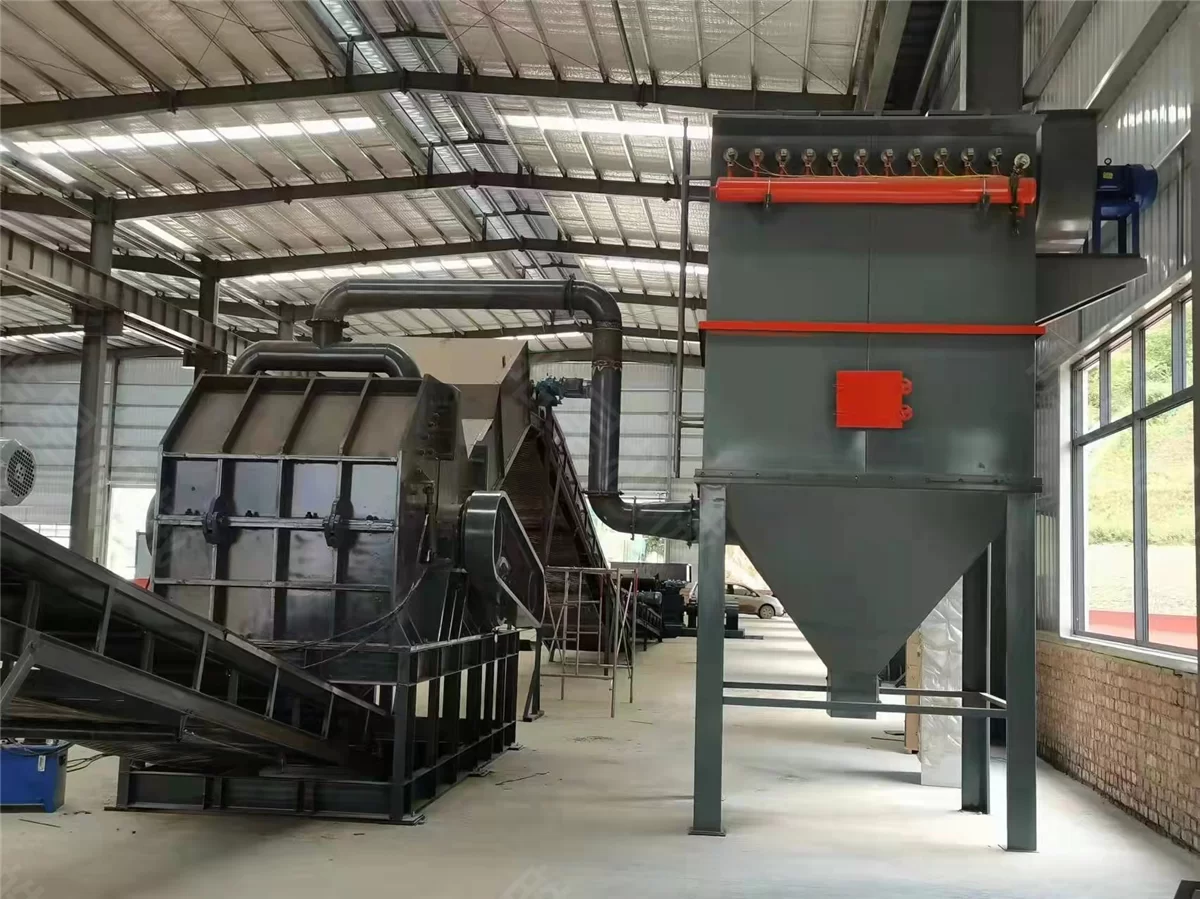
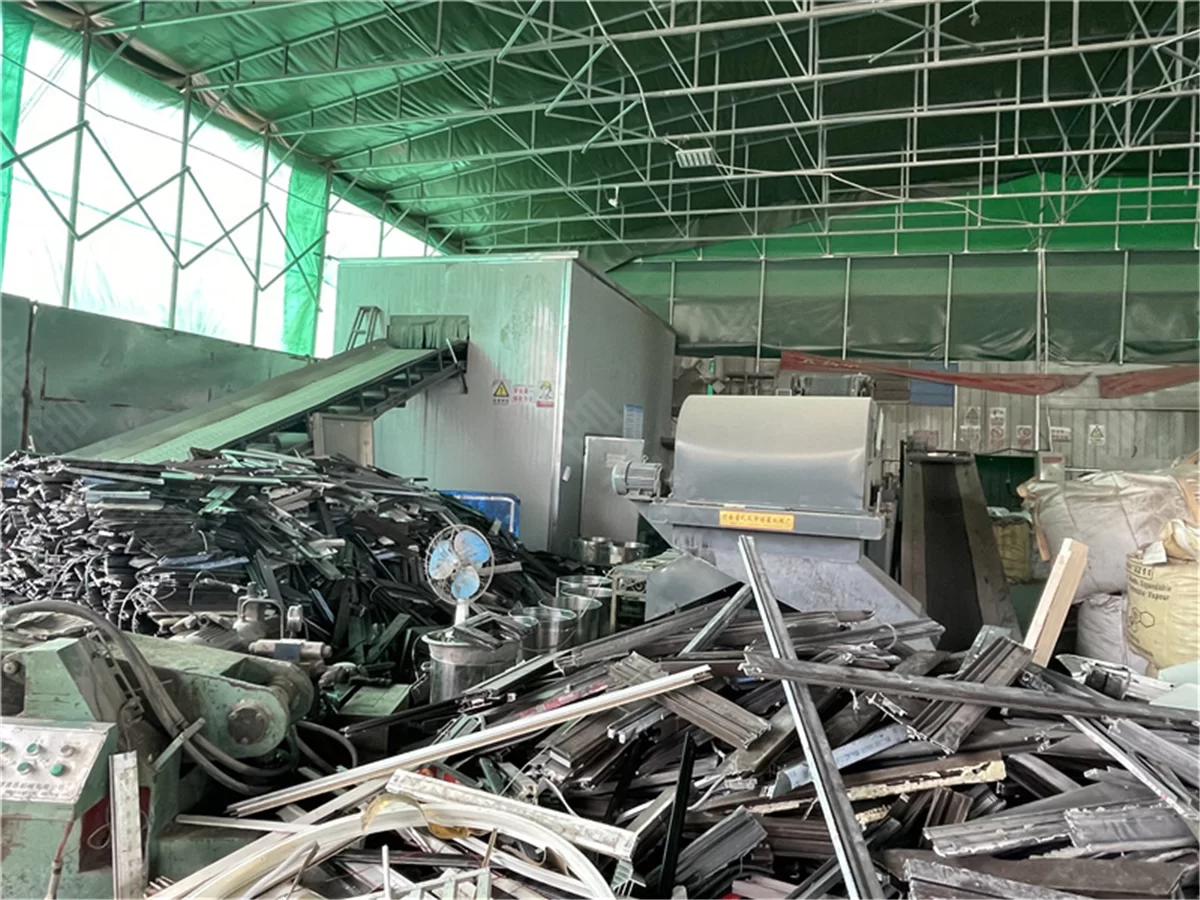
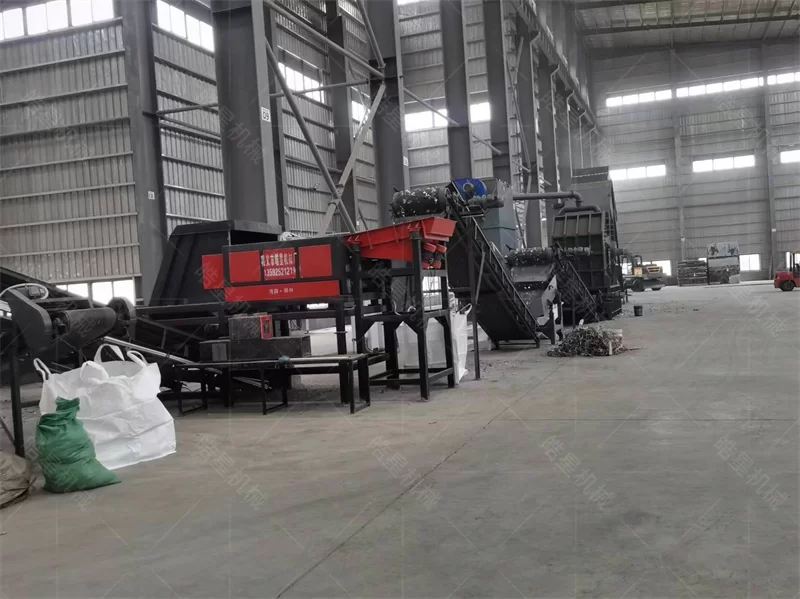
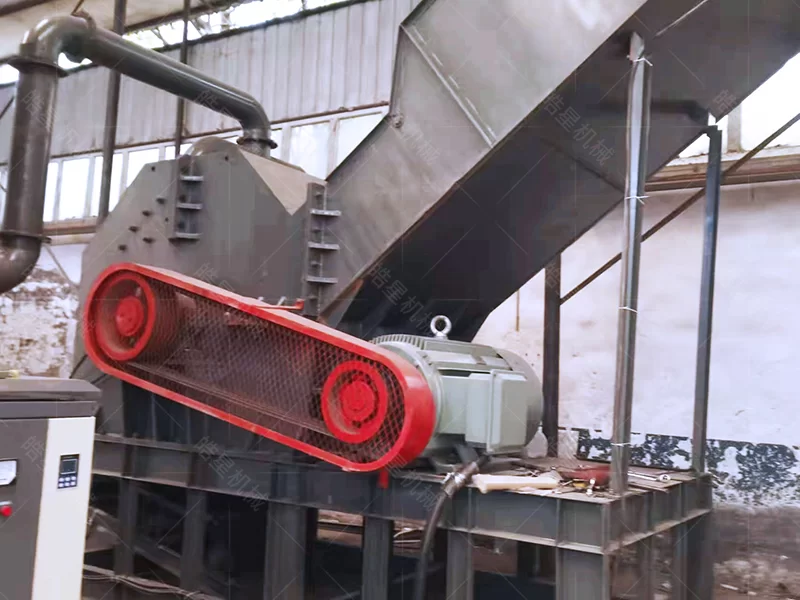
Global Scrap Metal Recycling Plant Cases
Our recycling systems are widely used in automobile dismantling plants, industrial scrap processing centers and aluminum recycling facilities worldwide.
FAQ About Scrap Metal Recycling Plant
Common questions about scrap metal recycling equipment, production capacity and plant configuration.
Need A Customized Scrap Metal Recycling Plant Solution?
Contact Haoxing Machinery today for recycling plant layout design, equipment quotation, technical support and turnkey project solutions.