Project Overview
See how a twin shaft shredder and scrap aluminum crusher open plastic-contaminated aluminum profiles before magnetic, air and eddy current separation.
This processing test uses mixed scrap aluminum profiles and related aluminum materials carrying plastic strips, rubber seals, thermal-break inserts, protective film, screws and other attachments. Typical feed includes discarded window and door profiles, frame offcuts, hollow extrusions and irregular aluminum sections that are difficult to sort while they remain long and assembled.
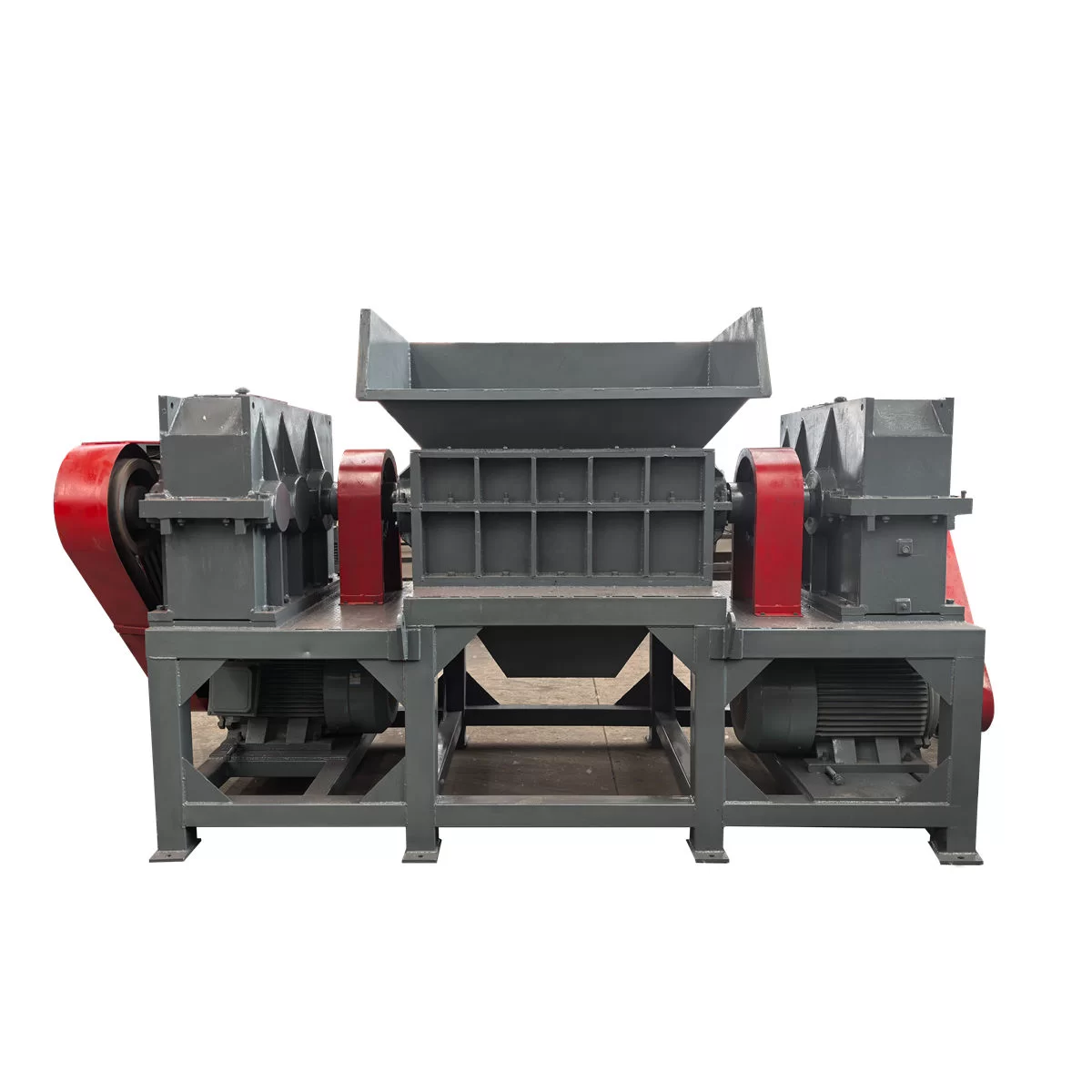
The twin shaft shredder performs the primary coarse reduction. Its low-speed, high-torque cutters grip long profiles, fold hollow sections and shear the material into shorter pieces. Plastic strips and rubber seals are exposed as the aluminum frame is opened, reducing bridging and creating a more stable feed for the next machine.
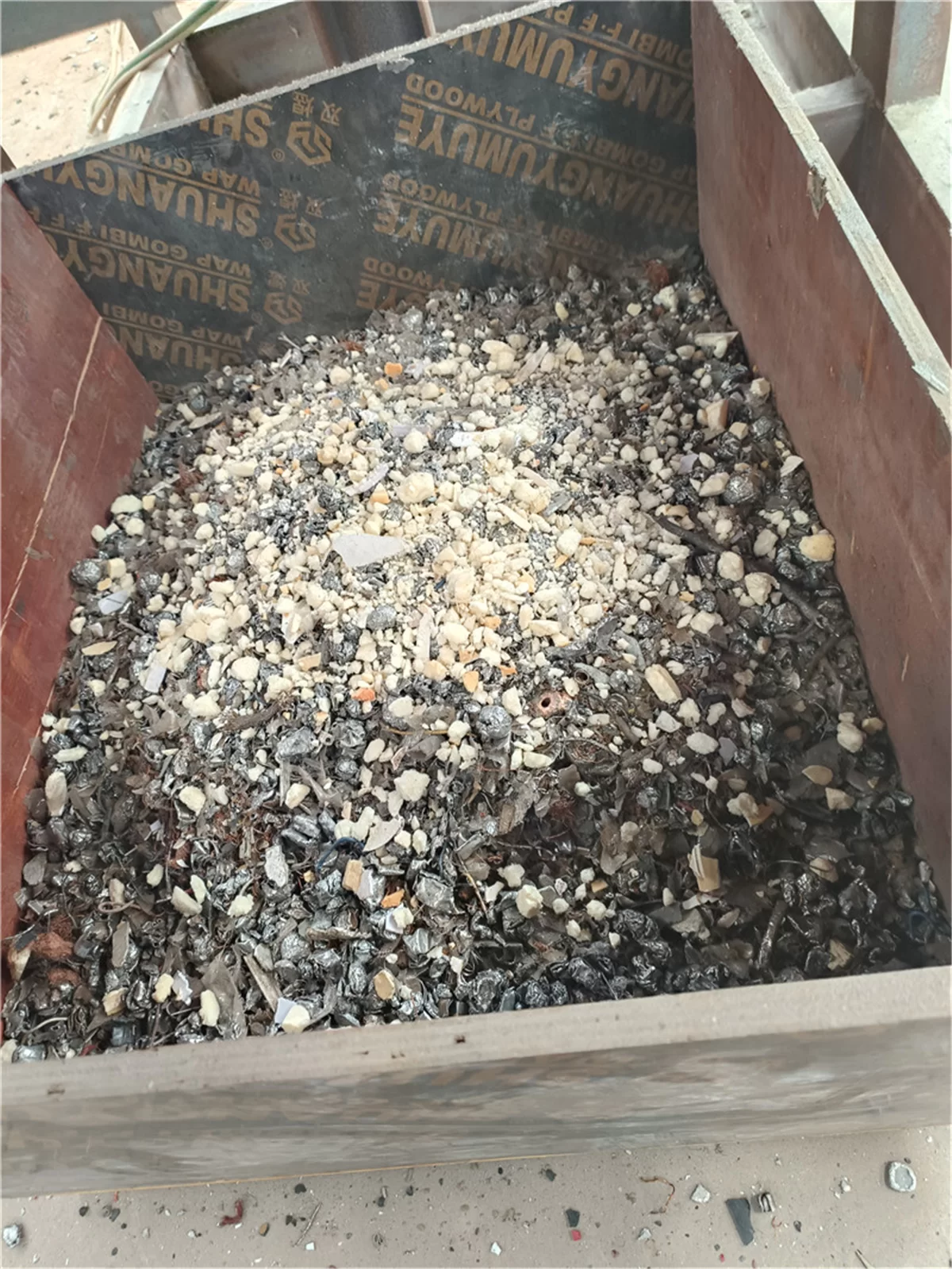
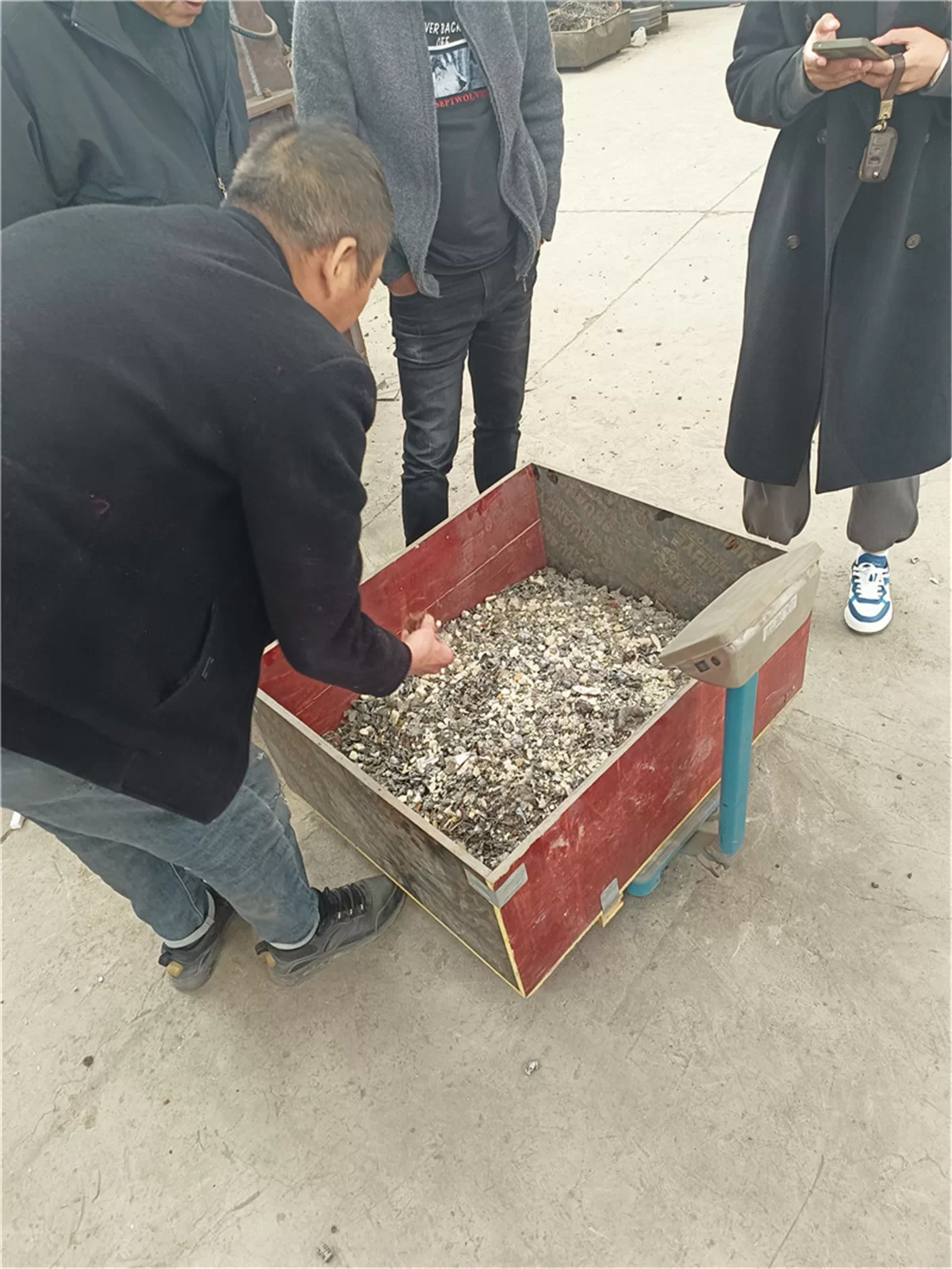
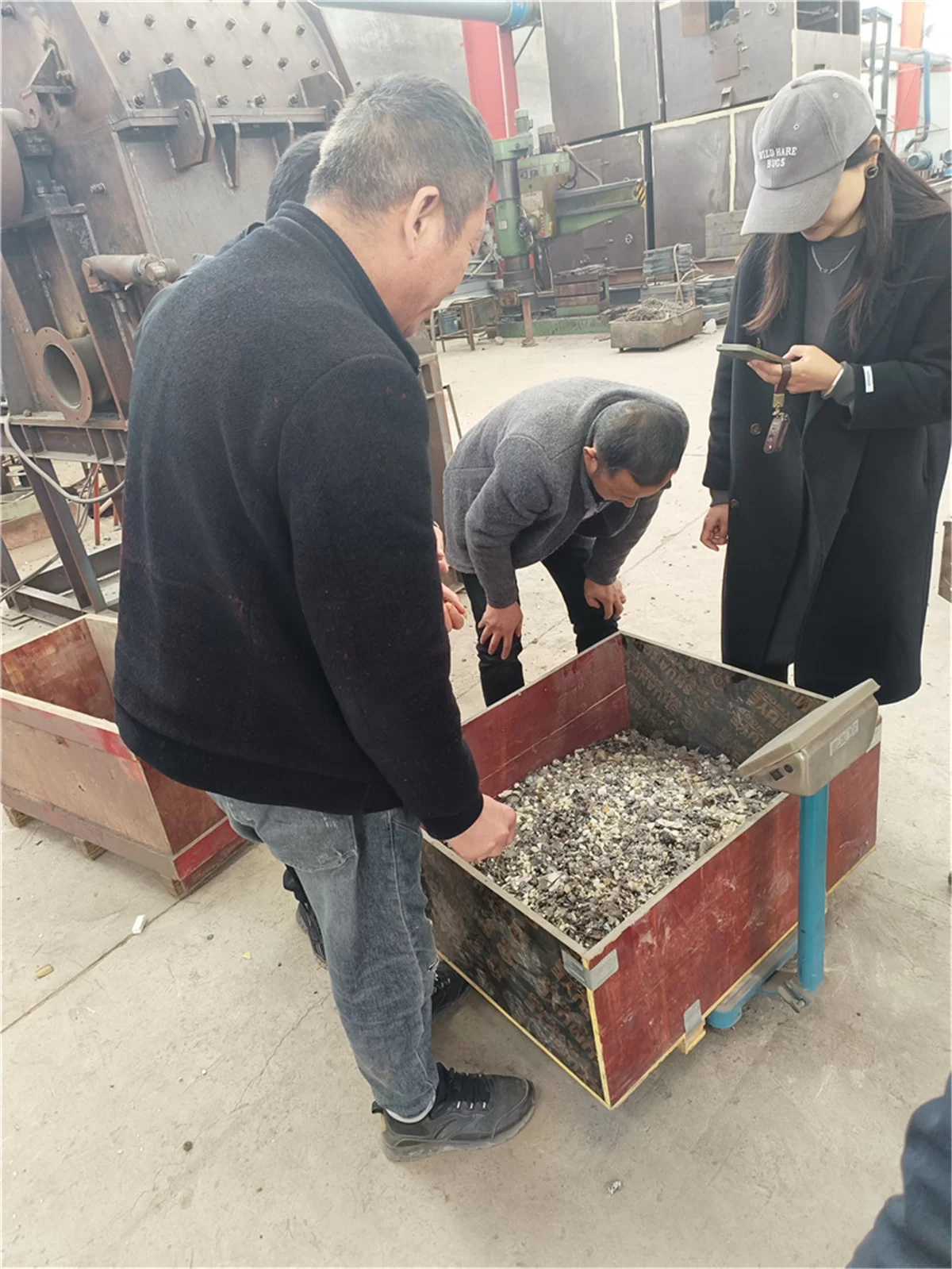
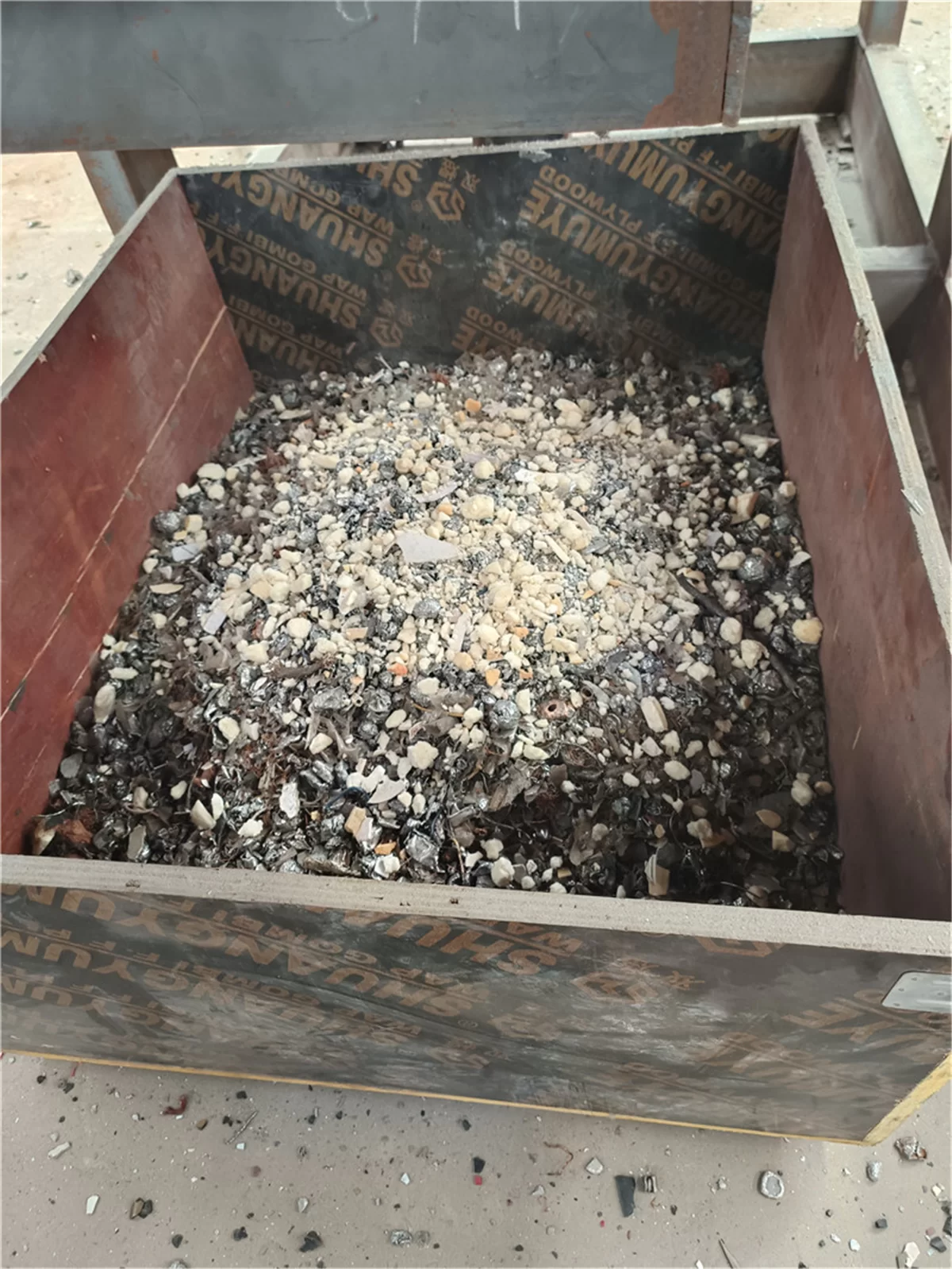
After primary shredding, the profiles are no longer long complete sections. The discharge contains bent aluminum pieces, shortened plastic strips, rubber fragments and exposed fasteners. This is an intermediate material-opening result, not a finished clean aluminum product.
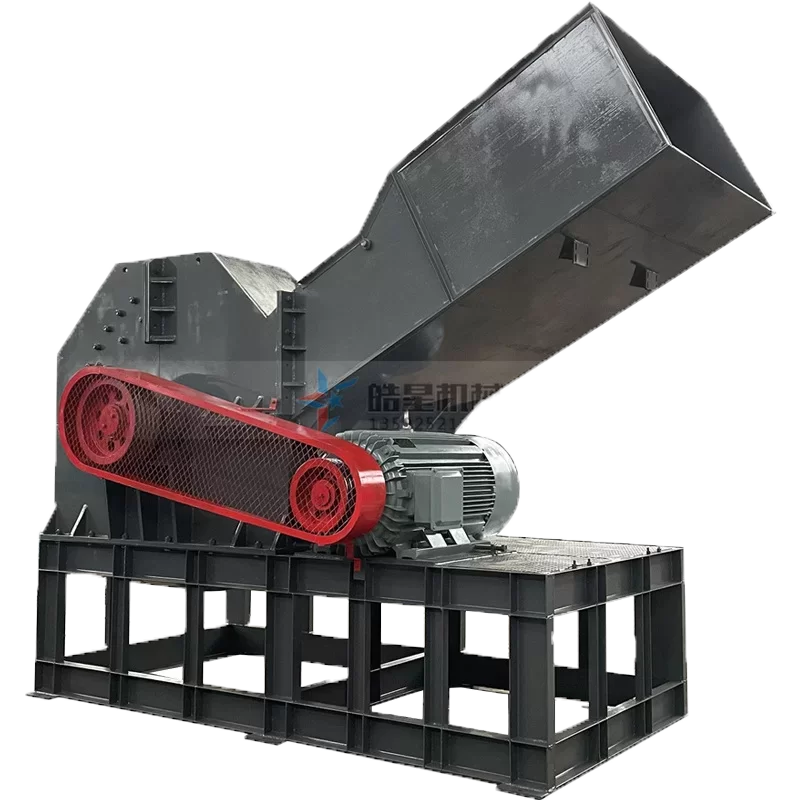
The scrap aluminum crusher carries out the second-stage impact crushing and rubbing action. Repeated impact deforms and curls the aluminum while loosening plastic, rubber, coatings and attached ferrous parts. This additional liberation prepares the mixed material for screening and mechanical separation.
The two machines have different functions. The twin shaft shredder accepts long or bulky feed and controls the initial size. The scrap aluminum crusher further reduces and conditions the opened material. Using the machines in sequence is more suitable for mixed profiles than expecting one machine to complete both coarse feeding and final liberation.
Thermal-break aluminum profiles deserve particular attention because the plastic insulation strip is mechanically locked inside the aluminum sections. Ordinary surface plastic may fall away quickly, while embedded strips can require stronger deformation or repeated impact before the aluminum and plastic are sufficiently separated.
The aluminum output commonly appears folded, curled or compacted because extrusion alloy is ductile. Plastic and rubber may appear as strips, flakes or irregular blocks. These different shapes are normal and depend on profile wall thickness, cavity design, insert type, cutter geometry, hammer arrangement and grate opening.
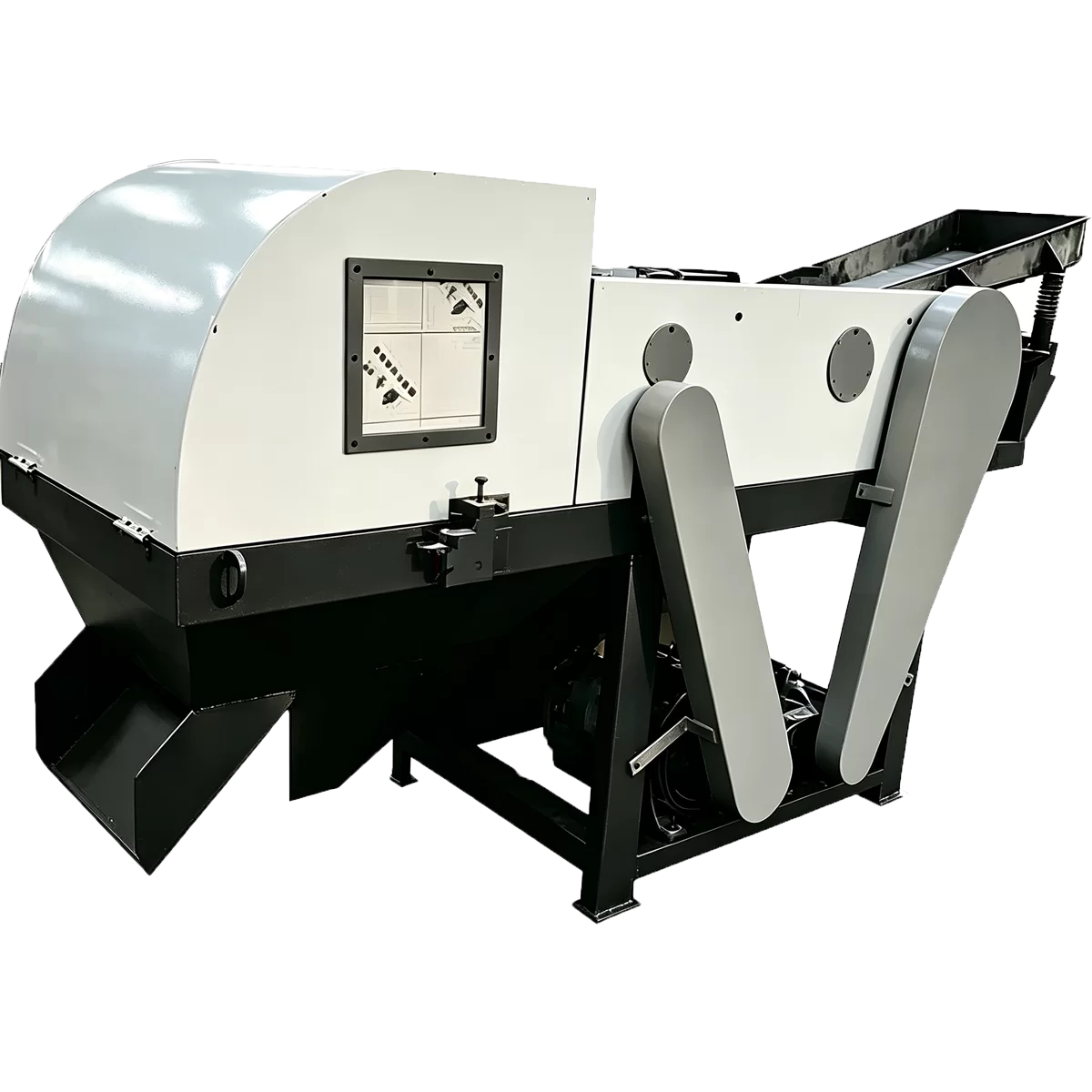
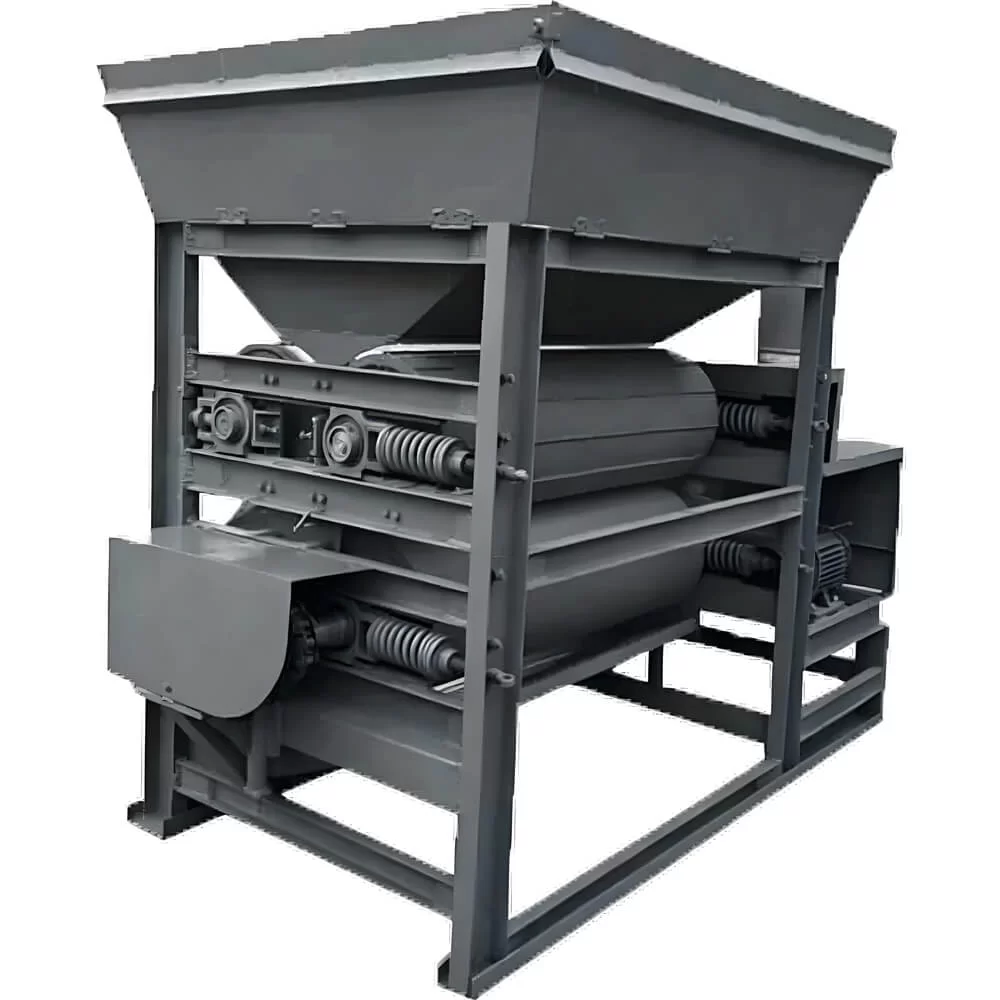
Ferrous screws, corner brackets and steel reinforcements should be removed with a magnetic separator. An air separator can remove light plastic, film and rubber after suitable size reduction. An eddy current separator can then recover aluminum from the remaining non-metallic fraction when particle size and material distribution are appropriate.
The visible discharge should not be described as high-purity aluminum if plastic, rubber or steel remains present. Final purity depends on the number of separation stages, feed cleanliness and the degree to which attached materials have been liberated. A crushing photograph alone cannot establish recovery rate or saleable grade.
Before feeding, oversized steel inserts, sealed components, glass and heavy solid pieces should be identified. Window and door scrap may retain glass, hardware or construction debris that places a different load on the equipment. Removing unsuitable objects protects the cutters and improves separation stability.
A controlled feeding conveyor aligns long profiles and prevents large bundles from entering the chamber at once. The discharge conveyor should meter the shredded pieces evenly into the aluminum crusher. Stable transfer between the two stages reduces idle running, overload reversal and uneven particle distribution.
The practical result should be evaluated by whether long profiles have been shortened, hollow sections have been opened, embedded plastic has become exposed and the material can enter the separation system continuously. Uniform particle size is useful, but liberation of aluminum from attached non-metallic material is the more important indicator.
Actual capacity changes with profile wall thickness, bundle density, plastic proportion, steel attachments and required final size. Thin window-frame offcuts process differently from heavy industrial extrusions. Representative samples are required before confirming cutter thickness, motor power, hammer configuration and screen size.
For relatively clean profile offcuts, a simpler process may be sufficient. For demolition material containing thermal-break plastic, rubber, screws and coatings, magnetic separation, air separation and eddy current separation become more important. The line should be configured according to the actual contamination level rather than only the name scrap aluminum profile.
The useful final result of the crushing stage is an opened and reduced mixture in which aluminum, ferrous attachments and non-metallic inserts are sufficiently liberated for downstream sorting. The twin shaft shredder handles coarse opening, while the scrap aluminum crusher improves deformation and separation conditions.