Project Overview
See how a twin shaft shredder opens electronic appliance parts and copper heating plates before magnetic removal and copper separation.
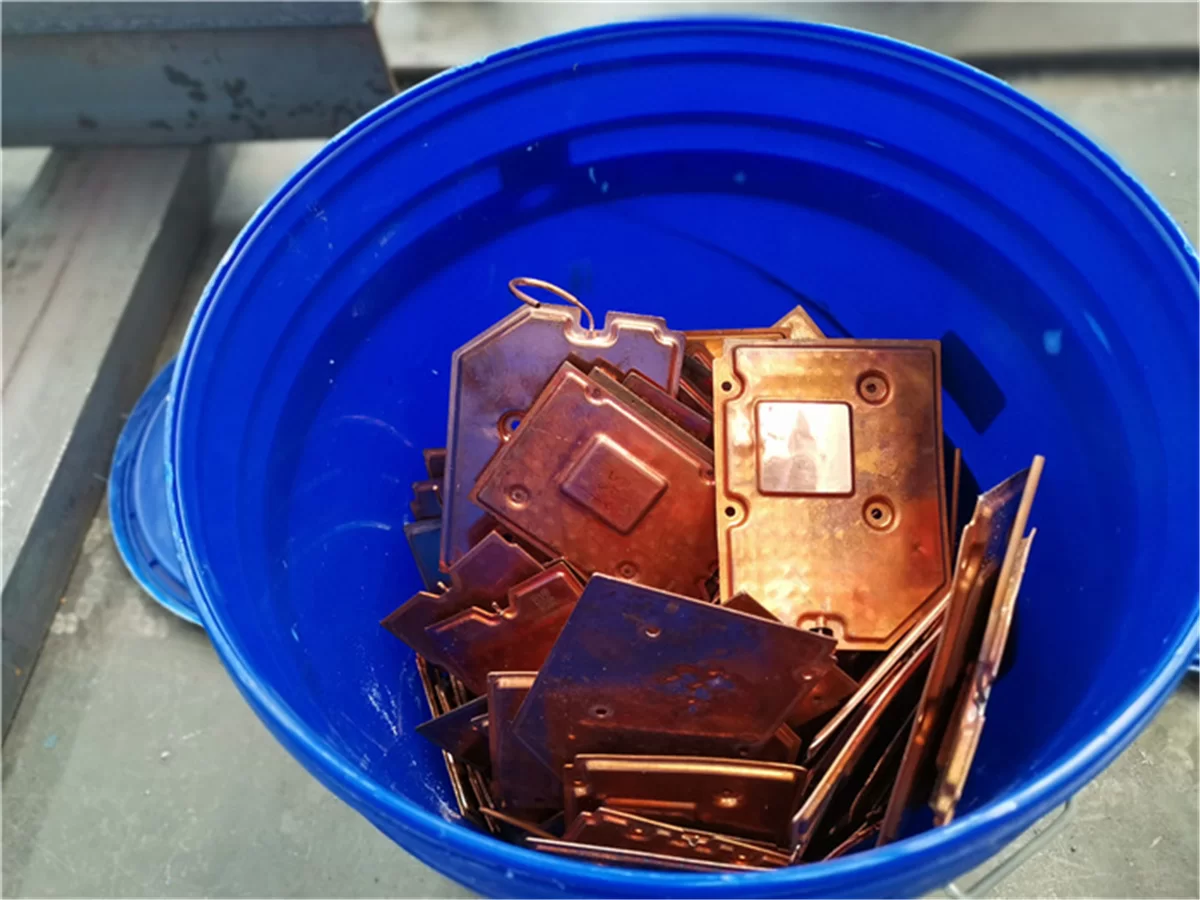
This processing test uses discarded electronic and electrical appliance parts containing copper heating plates and related conductive components. The feed may include copper-clad heating plates, metal heating bases, thin steel covers, aluminum supports, wires, terminals, heat-resistant plastics, ceramic insulation, mica sheets and small electronic assemblies. These mixed structures are difficult to sort efficiently while the components remain complete.
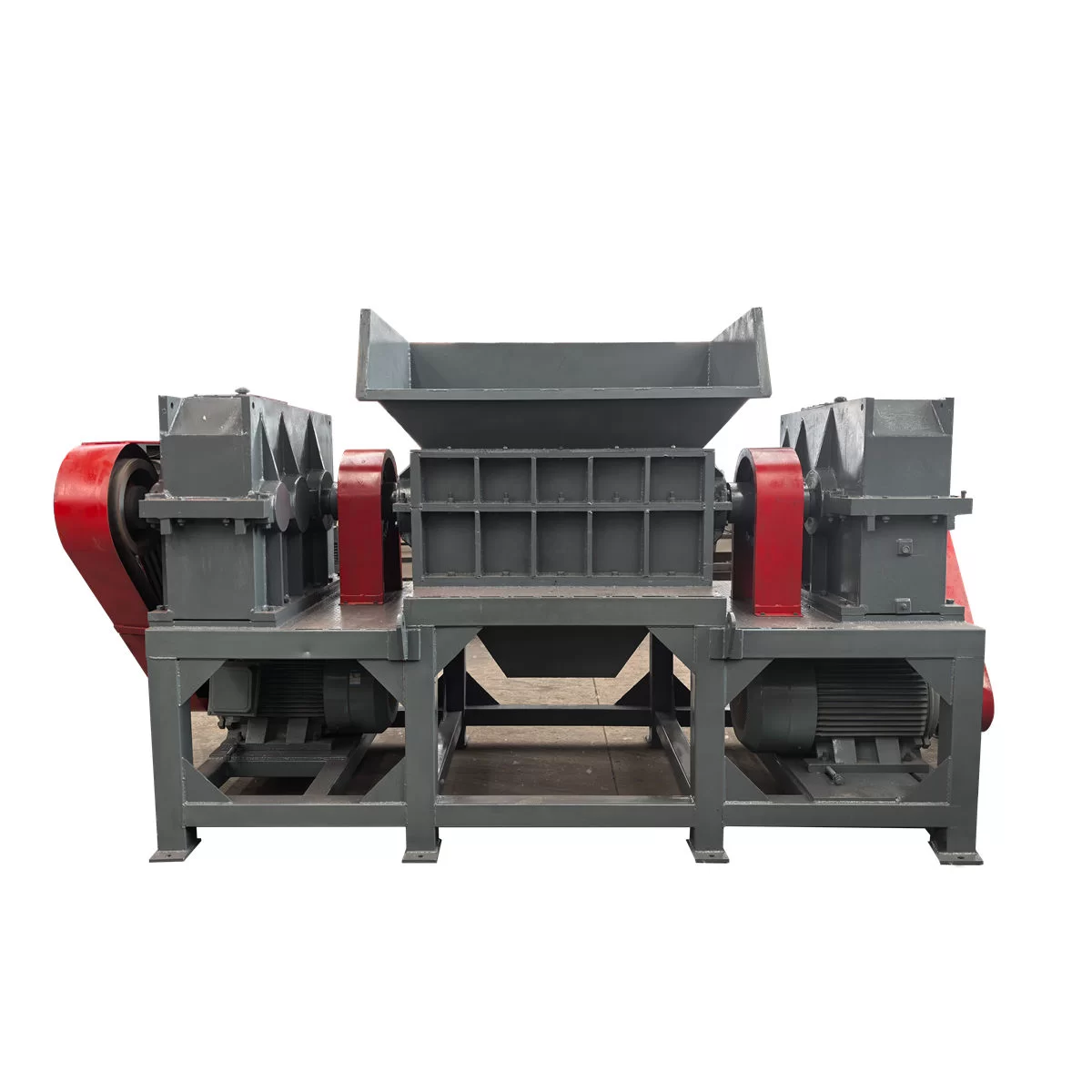
The twin shaft shredder applies low-speed, high-torque cutting to grip the edges of the appliance parts and pull them into the cutting chamber. The opposing cutters open the outer housings, bend the heating plates and shear large assemblies into shorter pieces. This primary stage reduces component size and exposes internal material layers without attempting to create fine metal granules.
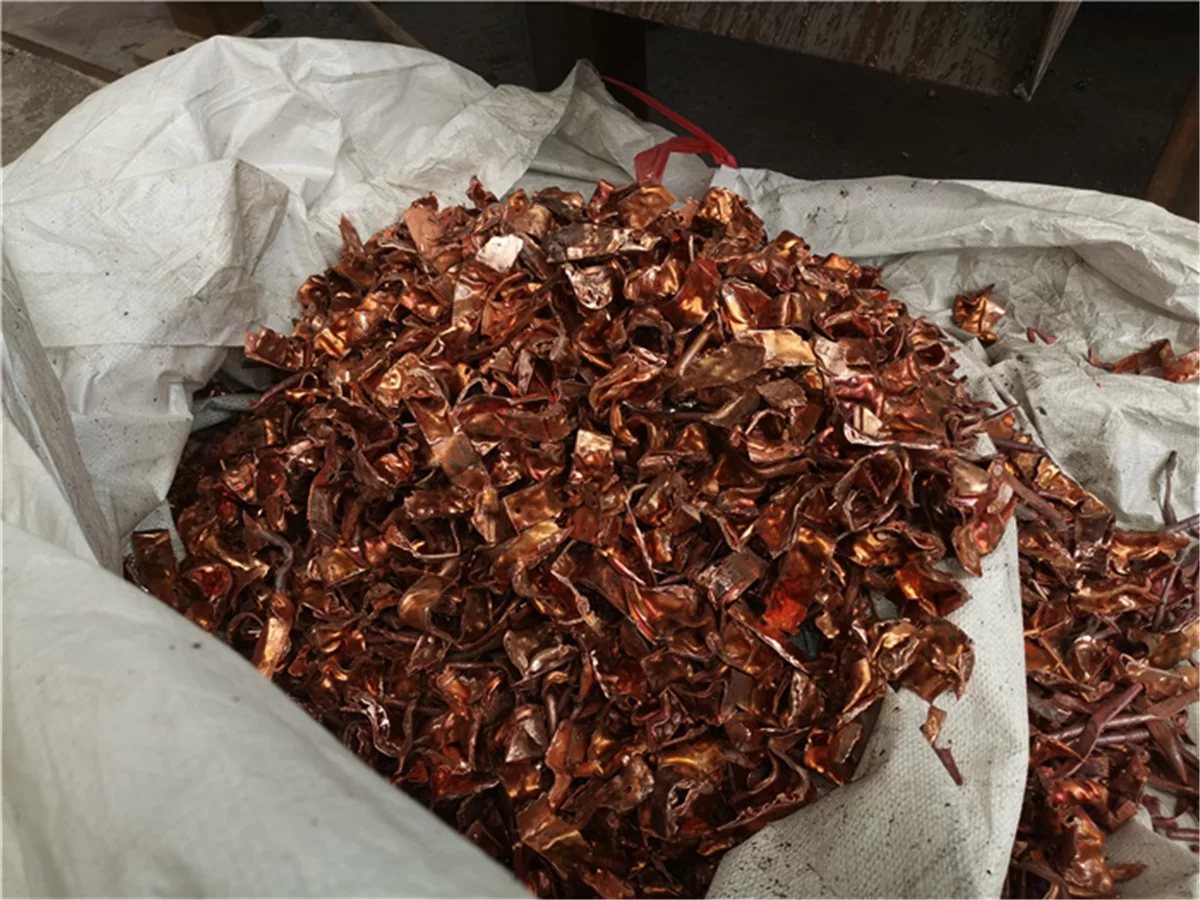
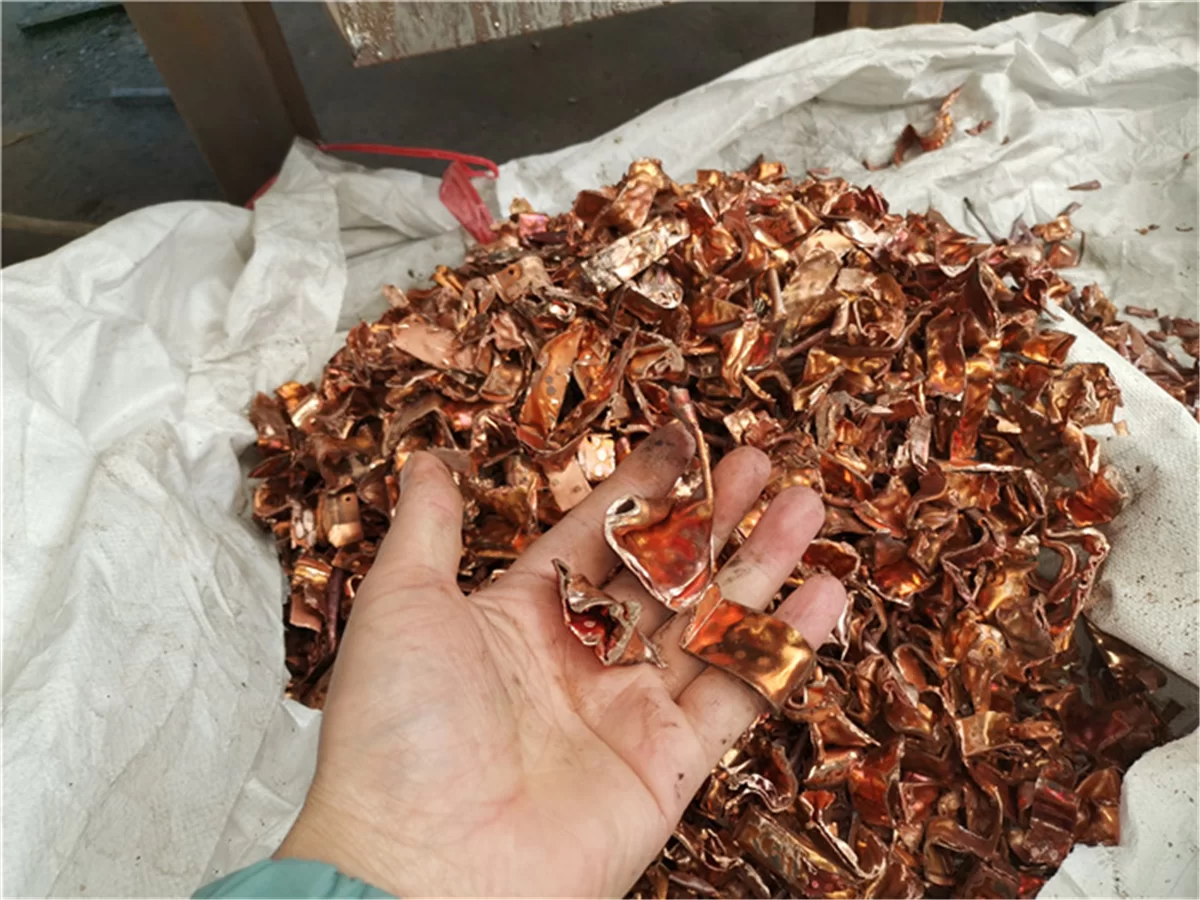
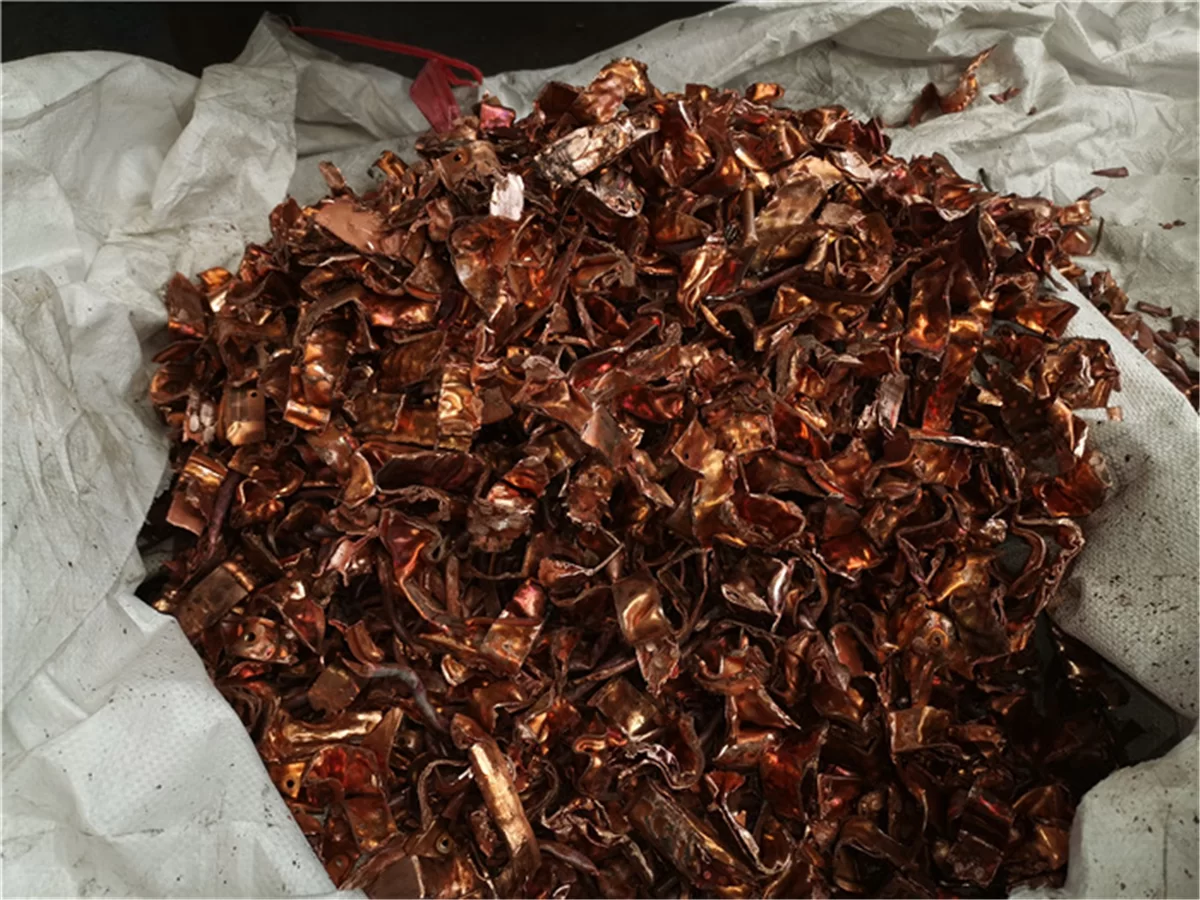
After shredding, flat heating plates become bent, folded or partly torn fragments. Copper-bearing sections, steel covers, aluminum supports and non-metallic insulation become more visible in the mixed discharge. The output is still a combined material, but the opened structure provides better conditions for conveying, manual inspection and mechanical separation.
Copper heating plates can consist of several bonded layers rather than one solid sheet of pure copper. Some components may contain a copper conductor, stainless-steel cover, resistance wire, ceramic powder, mica or adhesive insulation. For this reason, a copper-colored surface does not by itself prove that the complete plate is copper, and the shredded output should be evaluated according to its actual construction.
Ductile copper sections may bend or curl during low-speed cutting, while brittle ceramic and mica insulation can break into smaller pieces. Steel covers may remain as folded sheet fragments, and resistance wire may appear as short strands. These different forms are expected because each material responds differently to shear, compression and bending inside the shredder.
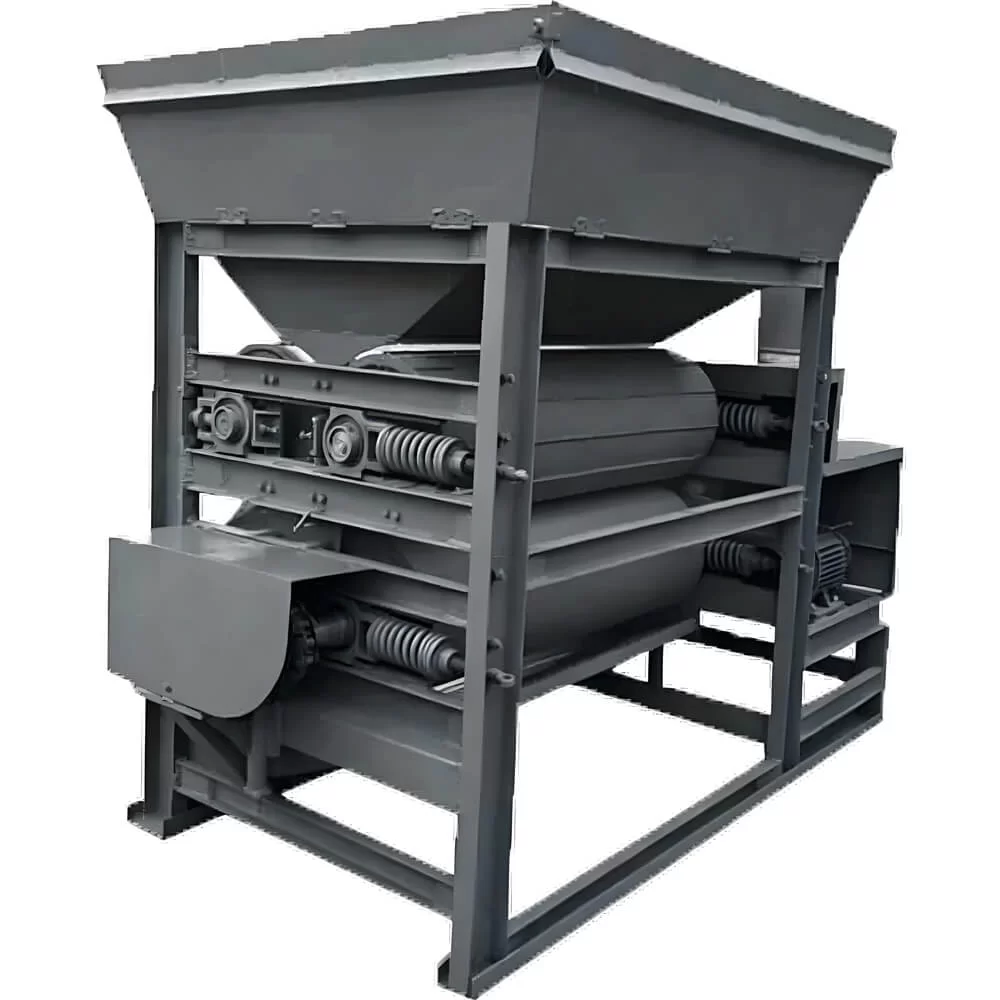
The purpose of the twin shaft shredder is to open and condition the mixed electronic appliance scrap before separation. The machine does not directly produce a clean copper product. Ferrous covers and fasteners can be removed with a magnetic separator, while exposed copper, aluminum and non-metallic fractions require additional sorting according to particle size and liberation condition.
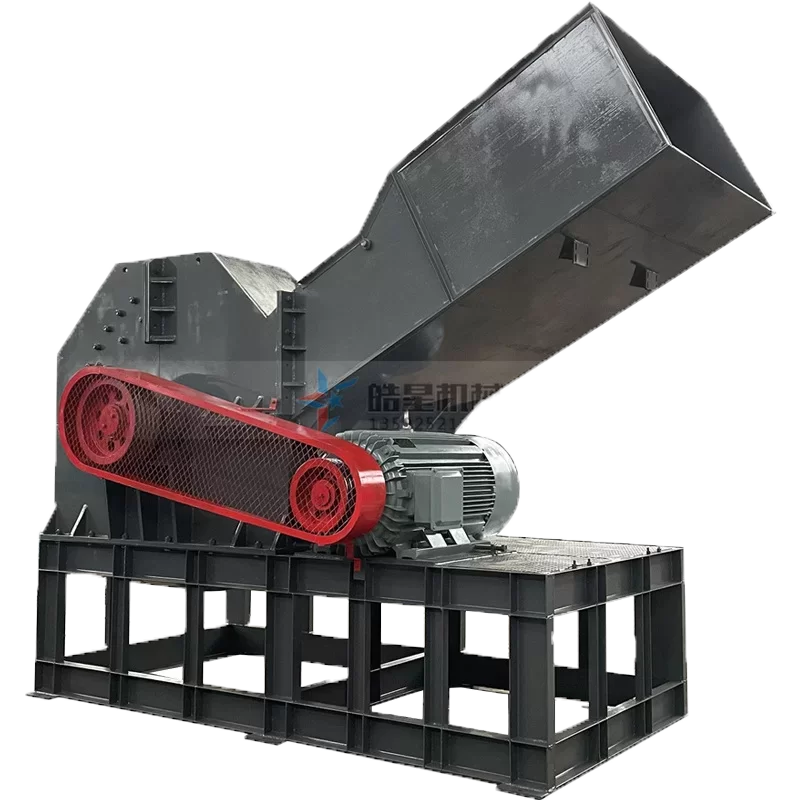
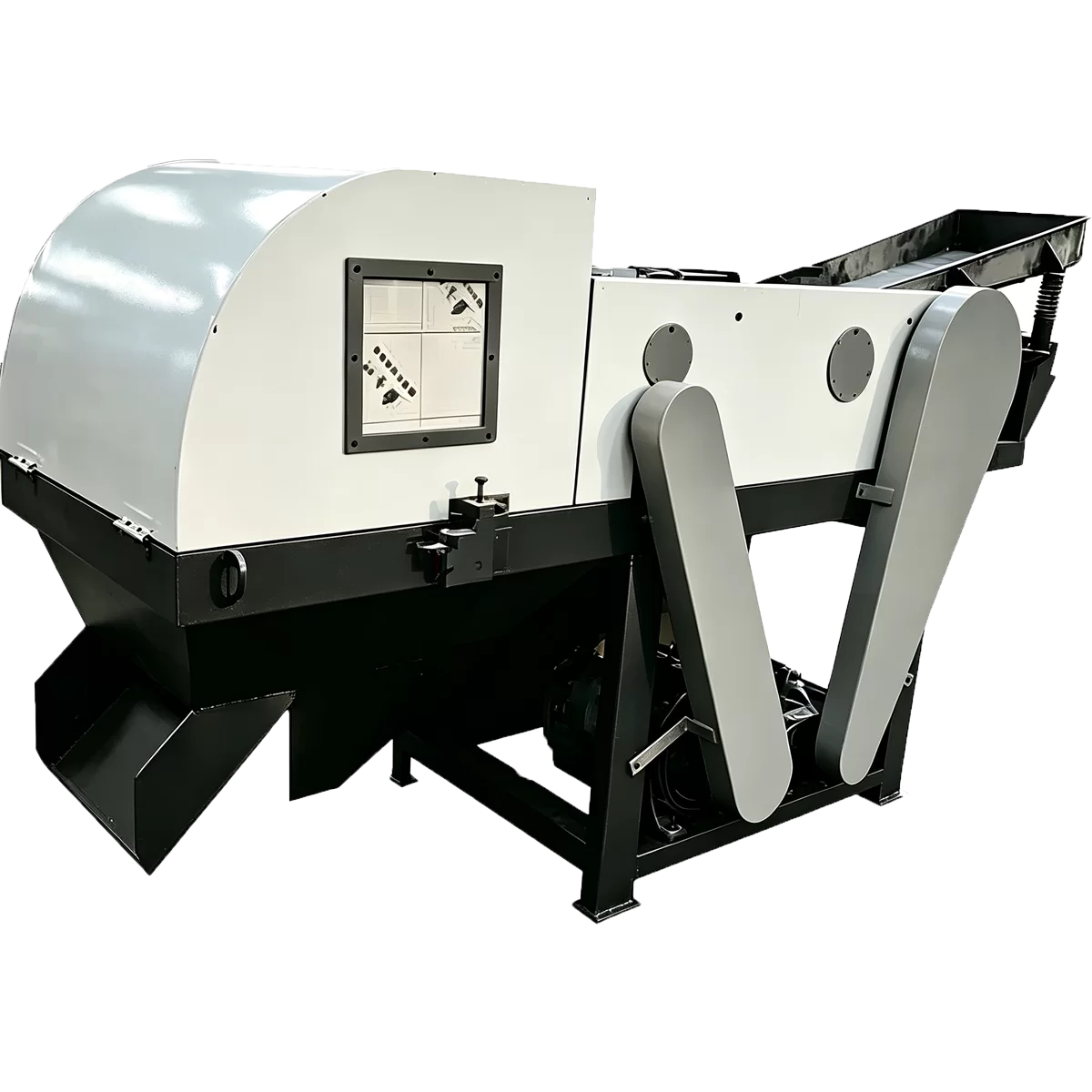
Where copper layers remain tightly bonded to steel, ceramic or heat-resistant substrates, secondary crushing may be required. A metal crusher, granulator or dedicated copper separation system can further reduce the opened material. The appropriate process depends on the thickness of the heating plate, copper content, required recovery purity and whether fine non-metallic powder is acceptable.
Electronic appliance scrap must be inspected before feeding. Batteries, capacitors, sealed pressure parts, oil-filled components, mercury-containing devices and units with unknown chemical residues should be removed and handled separately. The equipment must not be used as a substitute for hazardous-component identification or compliant e-waste pretreatment.
A controlled feeding conveyor helps spread flat plates and irregular assemblies across the shredder inlet instead of allowing a large stack to enter at once. Stable feeding reduces abrupt load changes and gives the cutters time to grip layered parts. The discharge conveyor can then transfer the opened mixture through magnetic removal and into subsequent metal separation equipment.
The practical shredding result should be judged by whether complete assemblies have been opened, whether large heating plates have been shortened, whether internal copper-bearing sections are exposed and whether the output can pass through the next process without extensive manual dismantling. Uniform particle shape is not the primary target at this stage.
Actual capacity is influenced by the proportion of thin sheet-metal covers, dense heating bases, ceramic insulation and flexible wiring. Lightweight appliance shells and solid heating plates place different loads on the cutting shafts. Representative testing is therefore needed before confirming cutter thickness, motor power, shaft speed and the downstream separation route.
If the feed mainly consists of loose copper heating plates already removed from appliances, a smaller and more controlled inlet arrangement may be suitable. If complete electronic appliances are included, preliminary dismantling and hazardous-part removal become more important. The processing line should be designed around the actual feed rather than a broad electronic-scrap description.
For recycling operations, the most useful result is a shortened and opened mixture in which copper-bearing layers, ferrous covers and insulation can be recognized and separated more effectively. Final copper purity depends on the following crushing, screening and sorting stages, not on the twin-shaft shredding step alone.