
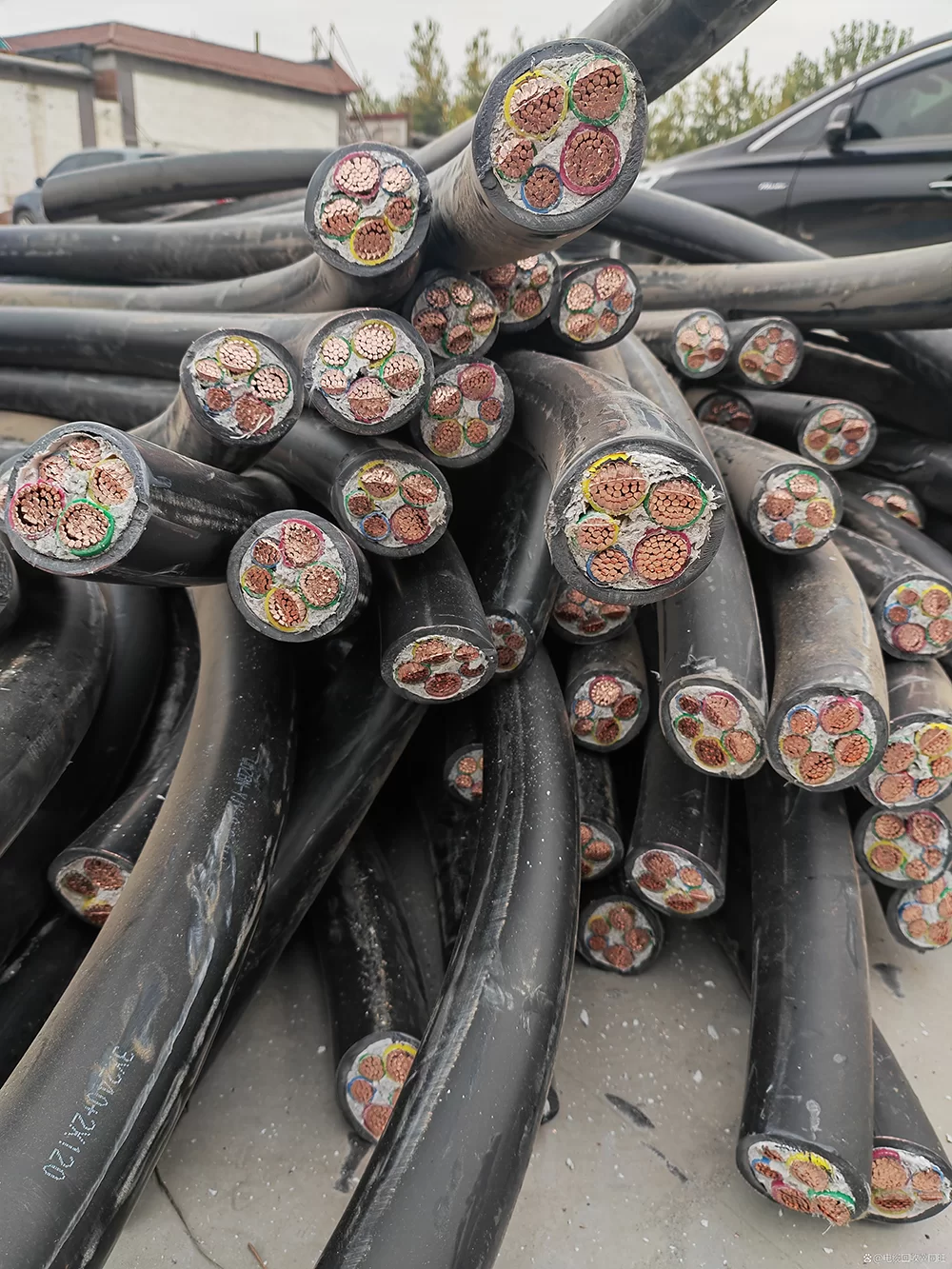
Copper and aluminum cable scrap comes from electrical installation, power transmission, equipment maintenance, vehicle dismantling, appliance recycling and wire manufacturing. The material usually consists of a conductive metal core covered by plastic, rubber or composite insulation.
Waste cables should not all be treated as one uniform material. A thick copper power cable, a lightweight aluminum conductor, a fine communication wire and a mixed automotive wire harness differ in structure, metal content and feeding behavior.
Before selecting a recycling process, the cable should be classified according to its conductor material, diameter, insulation type and the presence of plugs, terminals or steel reinforcement. These details are more useful than the total material weight alone.
Cable Scrap Covered by This Page
This page applies to:
Copper conductor cable scrap
Aluminum conductor cable scrap
Insulated copper wire
Insulated aluminum wire
Power cable offcuts
Communication cables
Control cables
Automotive wire harnesses
Appliance wires
Industrial electrical cables
Building wire
Flexible electrical cords
Multi-core cables
Mixed cable bundles
Cable production offcuts
Rejected wire and cable products
Dismantled cables with terminals
Cables containing plastic or rubber insulation
The incoming material should be inspected before processing. Batteries, electronic control units, large plugs, heavy steel connectors and other unsuitable components should be removed where necessary.
Difference Between Copper and Aluminum Cable Scrap
The primary difference between the two materials is the conductor inside the insulation.
Copper cable scrap
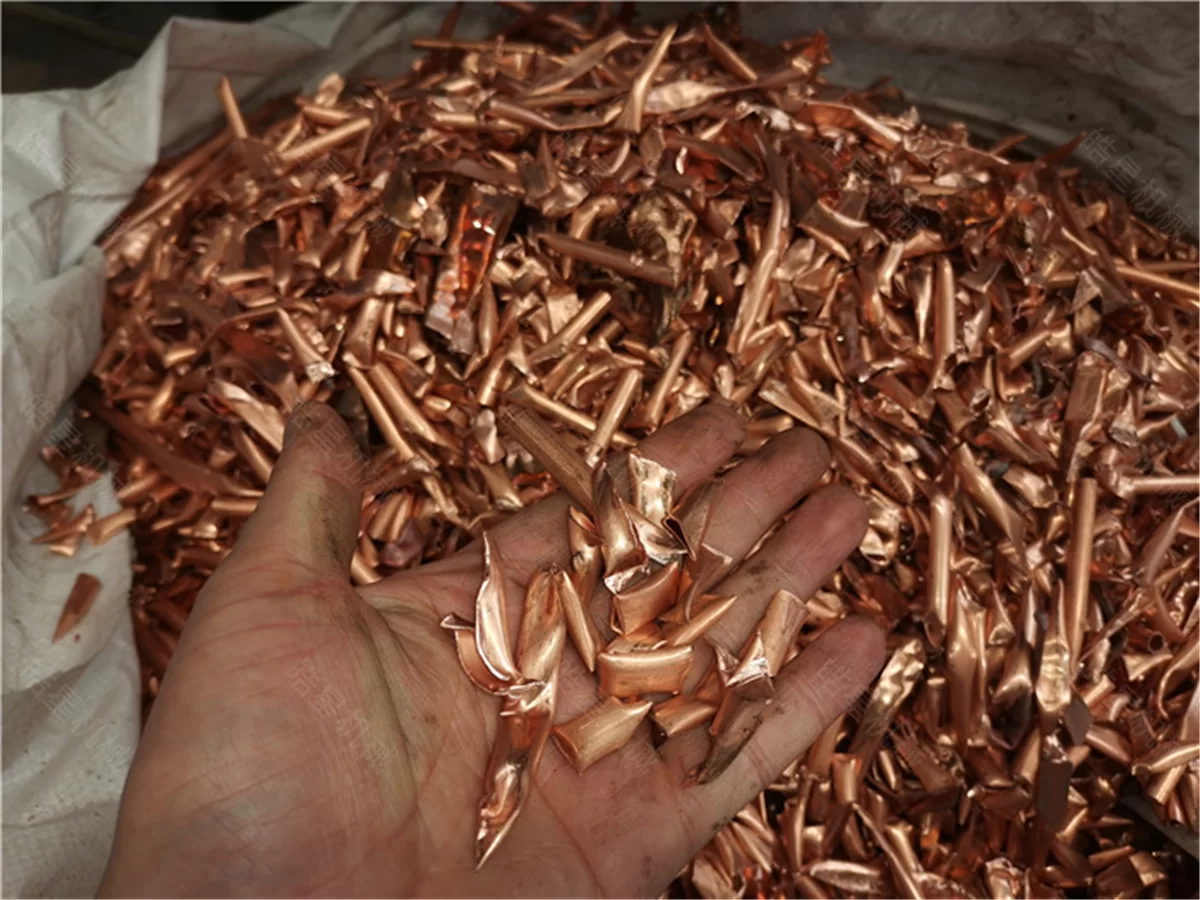
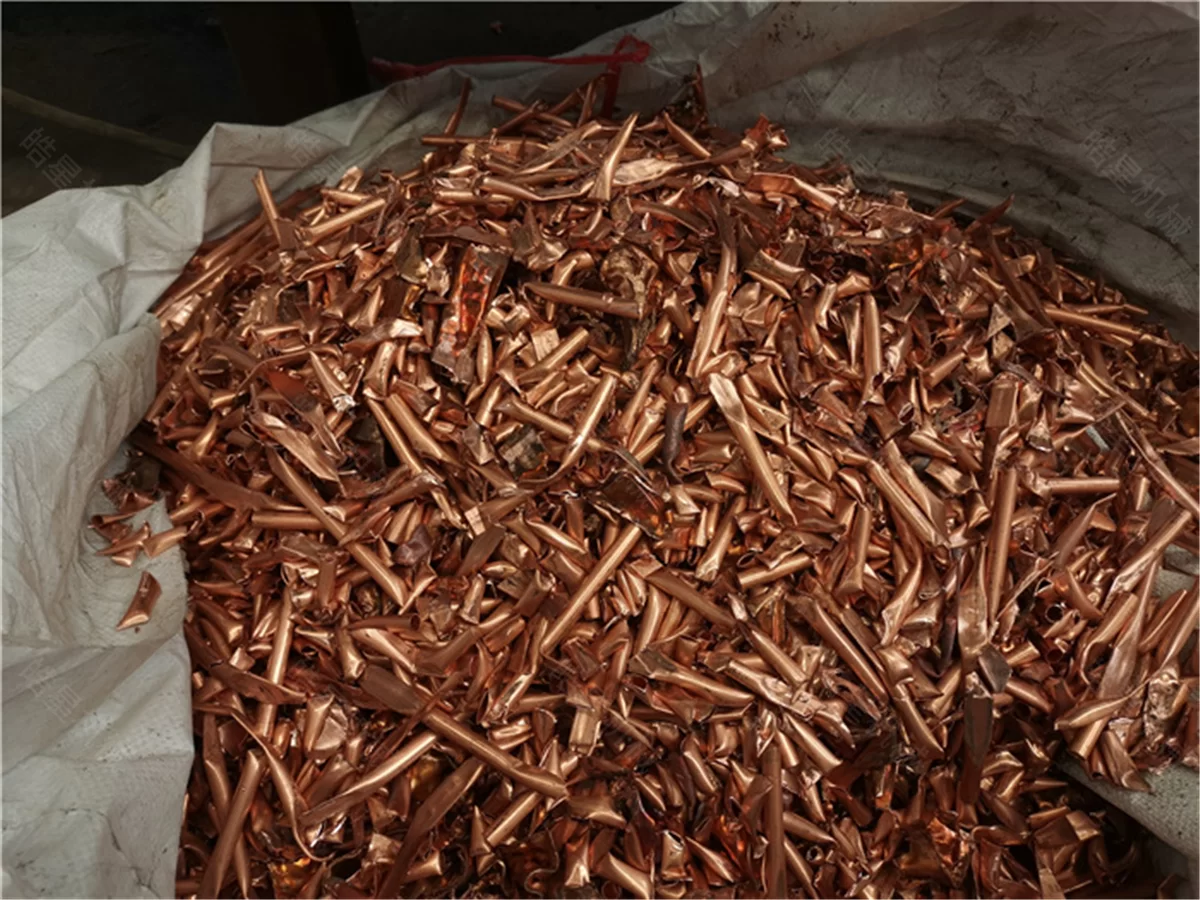
Copper cables contain copper wire or stranded copper conductors. Copper has a higher density and usually represents the principal recoverable fraction in this material.
The processing objective is to release the copper from plastic or rubber while limiting the amount of insulation, iron and fine residue entering the recovered metal.
Aluminum cable scrap
Aluminum cables use aluminum conductors. They are often lighter than copper cables of a similar outer size and may be used in power transmission, building wiring and industrial electrical systems.
The recovered conductor should be identified as aluminum rather than grouped with copper output. When copper and aluminum cables are processed together, the non-ferrous output may contain both metals.
Mixed copper and aluminum cables
Mixed cable scrap should be classified before processing whenever separate copper and aluminum fractions are required. Mechanical size reduction can release conductors from insulation, but it does not automatically identify the conductor alloy.
If mixed copper and aluminum cable is processed as one batch, additional sorting may be required after the insulation has been removed.
Cable Structure Affects the Recycling Process
A cable may contain more than a conductor and an outer plastic layer. Depending on its purpose, it may include:
Copper or aluminum conductor
PVC insulation
Rubber insulation
Polyethylene covering
Textile filler
Steel armor
Metallic shielding
Aluminum foil shielding
Copper braiding
Plastic connectors
Steel terminals
Plugs
Electronic components
The cable structure determines how easily the conductor can be released.
A simple single-core wire is generally easier to process than an armored cable or automotive harness containing connectors, terminals and several insulation materials.
Customers should provide a cable cross-section or stripped sample when the internal structure cannot be identified from exterior photos.
Sorting the Material Before Processing
Pre-sorting can improve the consistency of the recovered material and reduce unnecessary contamination.
Cable scrap can be classified by:
Copper or aluminum conductor
Single-core or multi-core construction
Fine or thick cable diameter
Flexible or rigid structure
Plastic or rubber insulation
Armored or non-armored design
Presence of plugs and connectors
Clean production scrap or post-consumer cable
Loose cable or tangled bundles
Dry cable or oil-contaminated material
If clean copper wire, aluminum power cable and mixed automotive harnesses are processed together, the equipment must handle a wider range of material sizes and constructions. The resulting metal fraction may also require additional separation.
When Cable Stripping May Be Suitable
Not every cable needs to be crushed.
Large, straight cables with thick conductors may be suitable for mechanical stripping. The insulation can be cut and separated from the conductor while keeping the metal relatively intact.
Cable stripping may be considered when:
The cable diameter is relatively uniform
The conductor is thick
The cable is straight enough to feed steadily
The insulation can be removed mechanically
The customer wants an intact metal conductor
The material does not contain many plugs or connectors
Labor and operating conditions make stripping practical
Stripping may be less suitable when:
The feed consists of fine wire
Different cable diameters are mixed
The material is tangled
The cable contains many short sections
Automotive wire harnesses are included
The insulation consists of several layers
Connectors and terminals remain attached
Processing each cable individually would be inefficient
The choice between stripping and crushing should be based on cable construction and production requirements rather than the general material name.
Preparation of Mixed Cable Scrap
Mixed cable scrap may require preparation before entering the main processing line.
Preparation can include:
Removing batteries and electronic parts
Removing large plugs and control units
Cutting oversized cable coils
Separating steel-armored cable
Removing heavy metal terminals
Dividing copper and aluminum cables
Separating oil-contaminated material
Loosening tangled wire bundles
Classifying cables by approximate diameter
These steps help produce a more stable feed and reduce the risk of rigid foreign components entering equipment intended for flexible wire.
Cable bundles should not be forced into a machine if their size exceeds the inlet or feeding capacity. Controlled feeding is more reliable than loading a complete tangled bundle at once.
Size Reduction and Material Release
For fine, mixed or irregular cable scrap, mechanical size reduction can be used to open the insulation and release the conductor.
The objective is to separate the metal from the non-metallic covering, not simply to produce the smallest possible particles.
A suitable size-reduction process can help:
Cut tangled wire into manageable lengths
Open plastic and rubber insulation
Release copper or aluminum conductors
Reduce attached plastic components
Prepare material for screening
Expose steel terminals for magnetic removal
Produce a more consistent feed for downstream sorting
Excessive crushing may produce fine metal and plastic particles that are difficult to separate cleanly. The required output size should therefore match the downstream screening and sorting process.
Screening by Particle Size
After size reduction, the processed mixture may contain particles of different sizes and shapes.
Screening can divide the material into controlled size ranges before further separation. This is useful because large conductor pieces and fine insulation particles do not behave in the same way during air classification or other sorting stages.
Screening may help:
Remove oversized material for further processing
Separate fine plastic and dust
Produce a more uniform sorting feed
Reduce particle overlap
Stabilize downstream equipment
Identify material that has not been released sufficiently
Material circulating back to the crusher should be checked for excessive metal loss or repeated over-crushing. The purpose of recirculation is to complete material release, not to turn recoverable conductors into unnecessary fines.
Removing Ferrous Components
Some cable scrap contains steel terminals, plugs, reinforcement, armored layers or attached fasteners.
After these components have been exposed, a magnetic separator can remove suitable ferrous material from the processed cable mixture.
Magnetic separation is affected by:
Whether steel components have been released
Particle size
Material layer thickness
Conveyor speed
Distribution across the conveyor
Type of steel reinforcement
Amount of conductor still attached to the steel
A steel terminal that remains connected to copper wire and plastic may carry valuable metal into the ferrous output. Material release and preparation should therefore be checked before adjusting the magnetic equipment.
Separating Metal from Plastic
After size reduction and screening, the mixture may contain:
Copper conductor pieces
Aluminum conductor pieces
PVC fragments
Rubber pieces
Textile filler
Insulation powder
Small steel components
Mixed composite particles
The separation method should be selected according to the particle size, material density and required output.
Air classification may be used in a cable recycling process to separate heavier metal particles from lighter plastic and insulation material. Stable particle size and controlled feeding are important because large differences in size can interfere with density-based separation.
An eddy current separator may be useful in specific mixed-material applications where conductive non-ferrous metal needs to be recovered from suitable non-conductive residue. However, it should not be presented as the only or universal cable separation device.
It also does not automatically divide copper from aluminum. If both metals are present, further identification or sorting may be required.
Copper and Aluminum Separation
Copper and aluminum are both conductive non-ferrous metals. Once they have been released from their insulation, separating one from the other may require more than magnetic or eddy current separation.
The appropriate method depends on:
Particle size
Shape of the conductor fragments
Difference in material density
Purity requirement
Copper-to-aluminum ratio
Required processing capacity
Whether manual sorting remains practical
Available downstream sorting equipment
The easiest way to prevent copper and aluminum from mixing is to classify the cable before crushing.
When separate batches are possible, copper cables and aluminum cables should be processed independently. This reduces contamination between the recovered metal fractions and simplifies downstream handling.
Processing Automotive Wire Harnesses
Automotive wire harnesses contain many fine insulated wires, connectors, terminals, tape, protective sleeves and plastic housings.
They are more complex than ordinary single-core power cables because the incoming material may contain:
Multiple wire diameters
Copper conductors
Plastic connectors
Steel terminals
Fuse boxes
Relay components
Textile tape
Rubber sleeves
Electronic modules
Before mechanical processing, large electronic components, batteries, control modules and rigid connectors should be removed where practical.
Automotive harnesses often require a different feeding and separation approach from thick industrial cable. The fine wire and mixed plastics can create a larger proportion of small particles during crushing.
Processing Communication and Fine Wire
Communication cables and fine electrical wires contain small conductors and relatively high proportions of insulation.
These materials may produce:
Fine copper or aluminum particles
Plastic granules
Insulation powder
Textile fibers
Thin shielding material
Mixed composite particles
Dust control and particle-size management become more important when fine wire is processed. Excessive air movement can carry small metal particles into the light fraction, while insufficient airflow may leave too much plastic in the recovered metal.
Equipment settings should be based on representative cable samples rather than on settings used for thick power cable.
Processing Armored Cable
Armored cable may contain steel wire, steel tape or another protective metallic layer around the insulated conductors.
The armor should be identified before processing because it can:
Increase equipment load
Affect cutter wear
Enter the ferrous output
Remain connected to insulation
Carry copper or aluminum into the wrong fraction
Require a separate preparation stage
Where practical, heavily armored cable should be separated from ordinary insulated wire and processed according to its specific construction.
A general waste cable process should not be presented as equally suitable for every armored cable without evaluating the material.
Processing Oil-Contaminated Cable
Cable recovered from machinery, mines, industrial plants or underground installations may contain oil, grease, dirt or water.
Contamination can:
Reduce feeding stability
Carry dirt into the recycled metal
Affect air classification
Increase dust adhesion
Contaminate conveyors
Complicate storage of plastic residue
Affect the value of recovered material
Oil-contaminated cable should be identified and handled separately where necessary. The customer should provide information about the previous application and contamination condition before equipment selection.
Recommended Processing Routes
Different cable types require different preparation and separation routes.
Thick and Uniform Cable
Material inspection → Removal of attachments → Mechanical stripping where suitable → Separate conductor and insulation collection
This route may be appropriate for larger cables that can be fed steadily into stripping equipment.
Fine and Mixed Cable
Material inspection → Removal of unsuitable components → Controlled feeding → Size reduction → Screening → Metal-plastic separation → Separate collection
This route is more suitable for mixed fine wire and irregular cable offcuts.
Copper Cable Scrap
Material classification → Required preparation → Size reduction or stripping → Separation of copper from insulation → Copper and plastic collection
Processing copper cable separately can reduce aluminum contamination in the recovered conductor.
Aluminum Cable Scrap
Material classification → Required preparation → Size reduction or stripping → Separation of aluminum from insulation → Aluminum and plastic collection
The lower density of aluminum should be considered when adjusting downstream separation equipment.
Automotive Wire Harnesses
Removal of batteries and electronic modules → Connector reduction where required → Controlled feeding → Size reduction → Screening → Ferrous removal → Metal-plastic separation → Collection
Automotive harnesses require more preparation because of their mixed connectors, tapes and protective components.
Mixed Copper and Aluminum Cable
Pre-sorting where practical → Separate processing or controlled mixed processing → Insulation removal → Ferrous separation → Non-ferrous recovery → Further copper-aluminum sorting if required
The most effective approach is generally to reduce copper and aluminum mixing before size reduction.
Complete Waste Cable Recycling Line
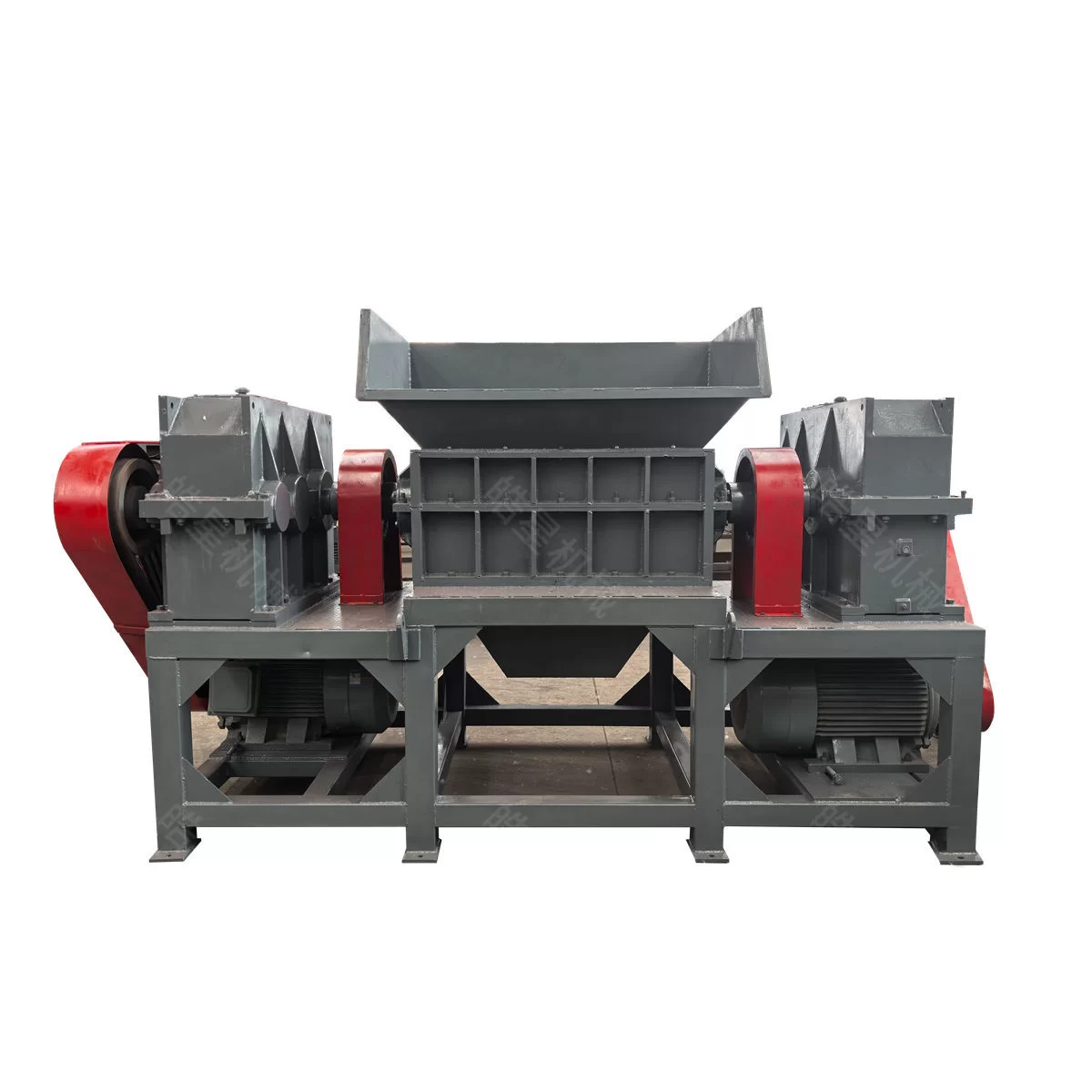
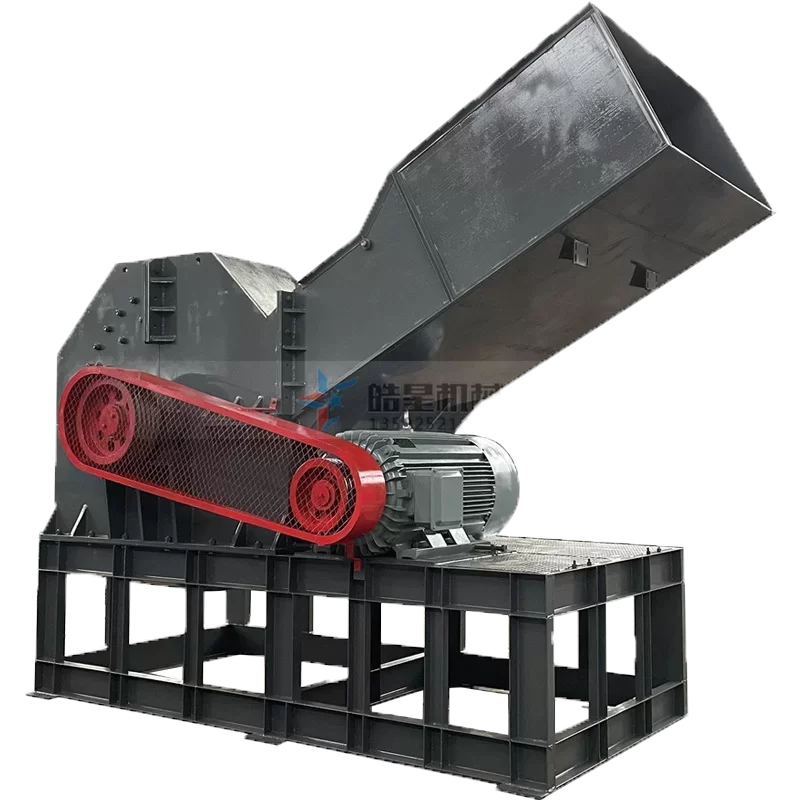
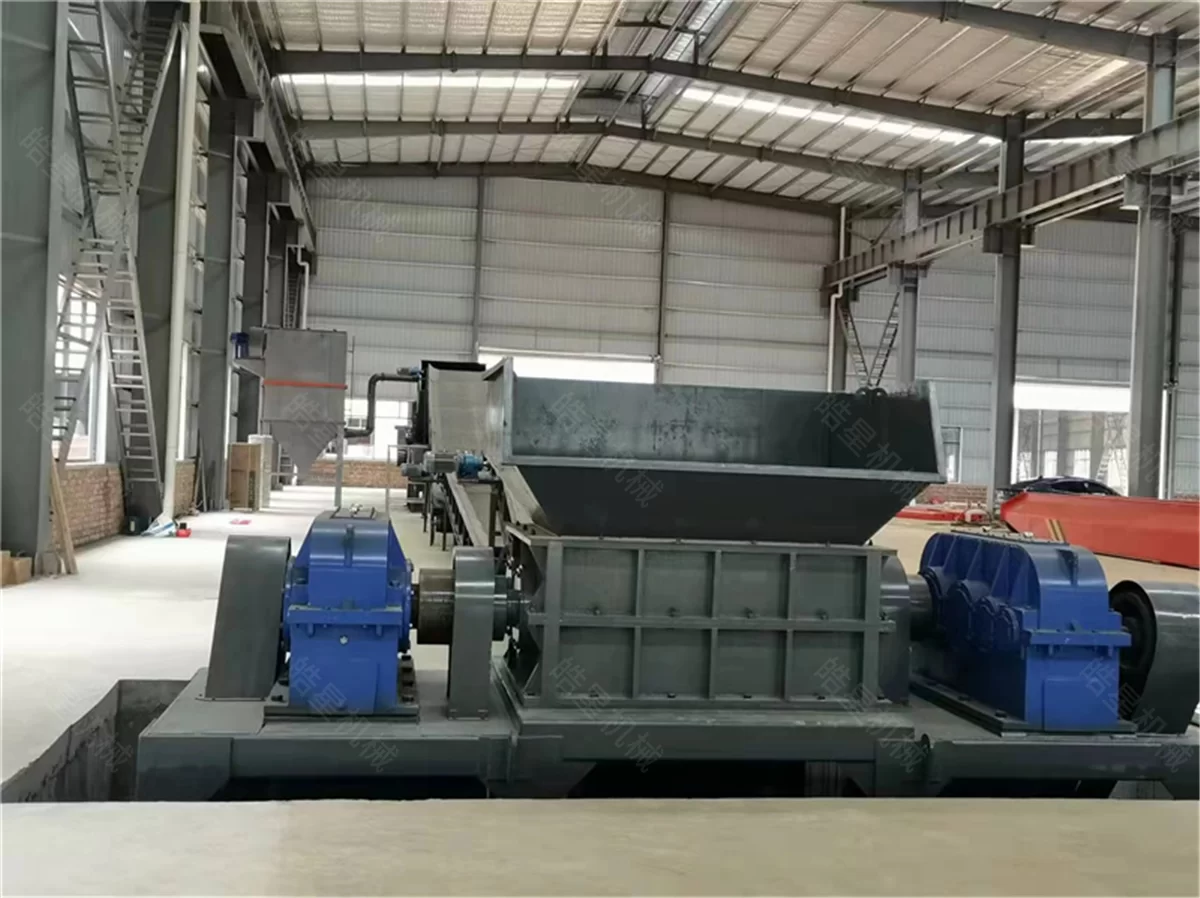
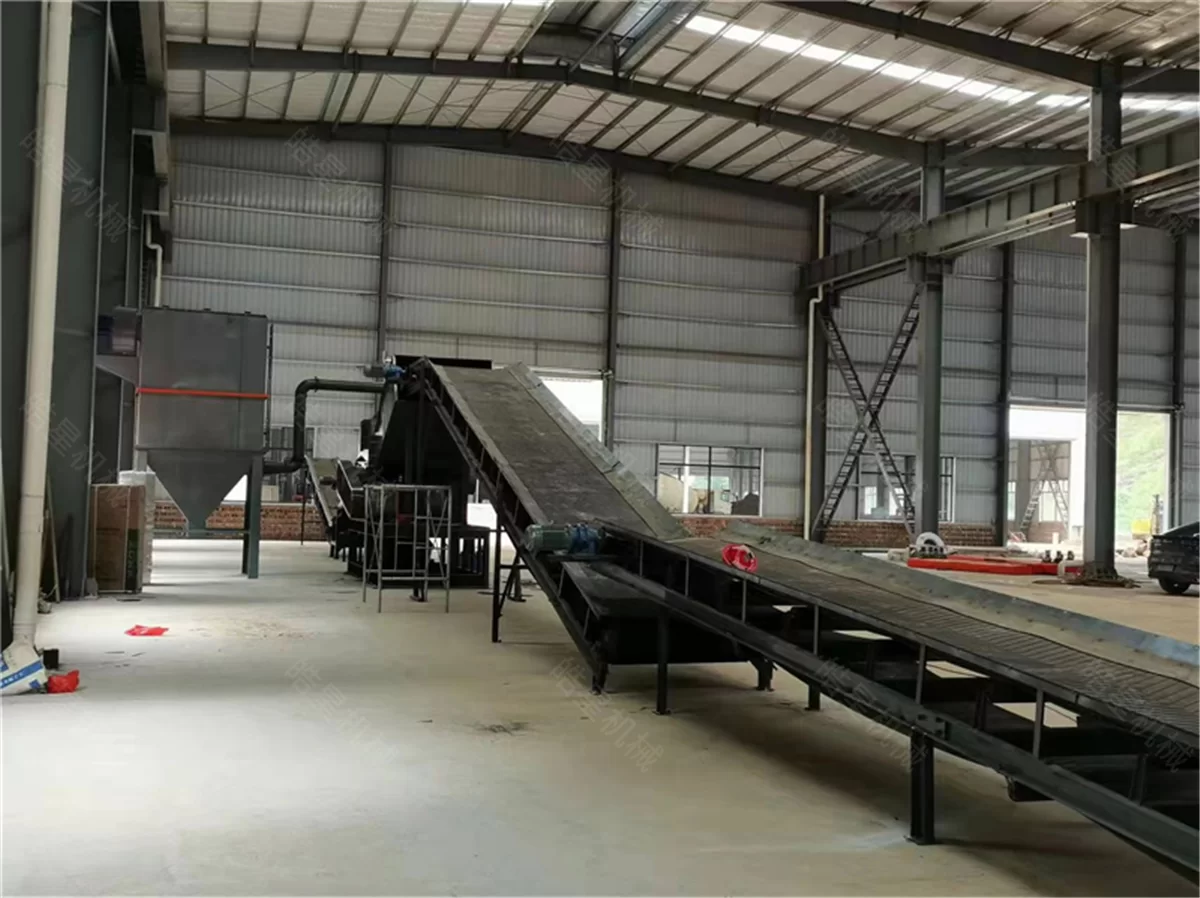
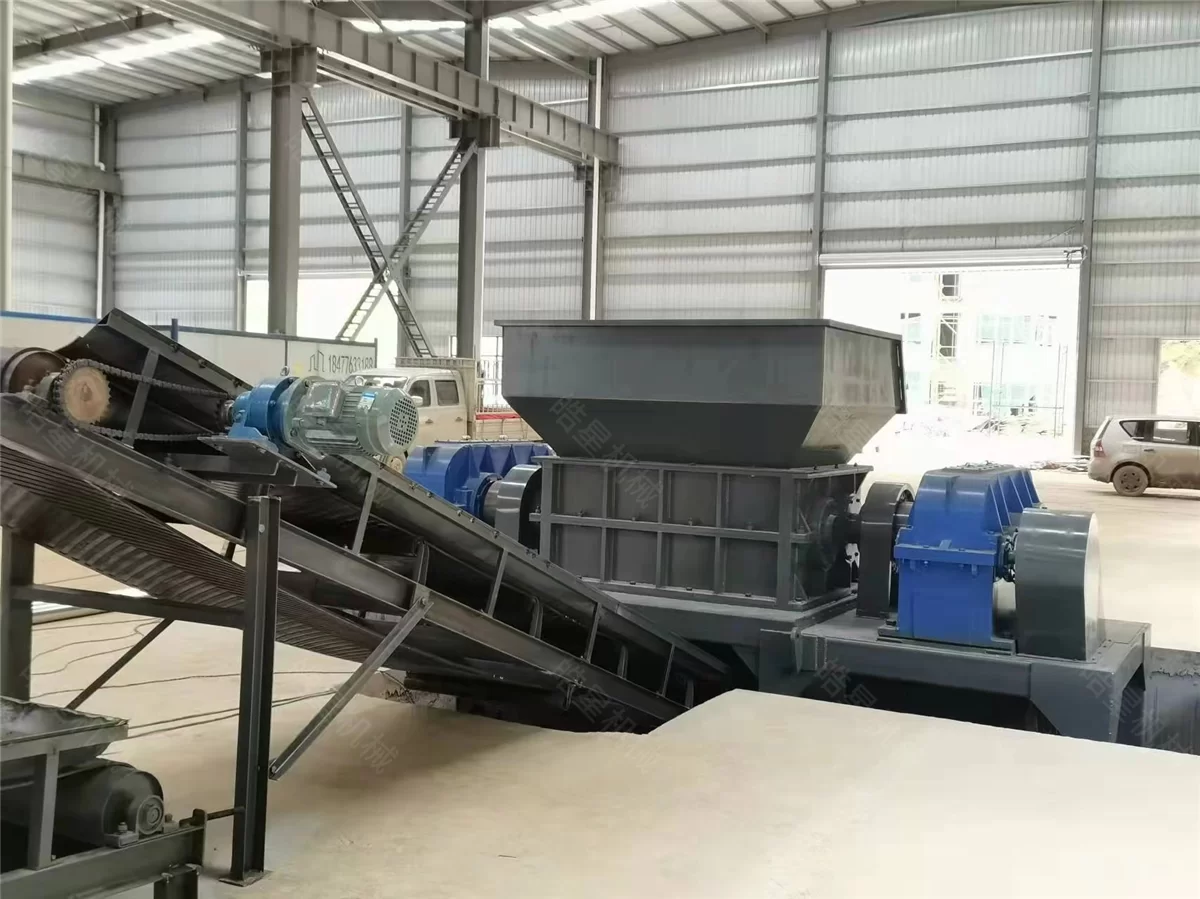
For mixed cable scrap requiring continuous size reduction and material separation, a waste cable crushing separation recycling line may include:
Material inspection and classification area
Preparation station
Controlled feeding equipment
Cable size-reduction equipment
Discharge conveyor
Screening equipment
Magnetic separator where ferrous material is present
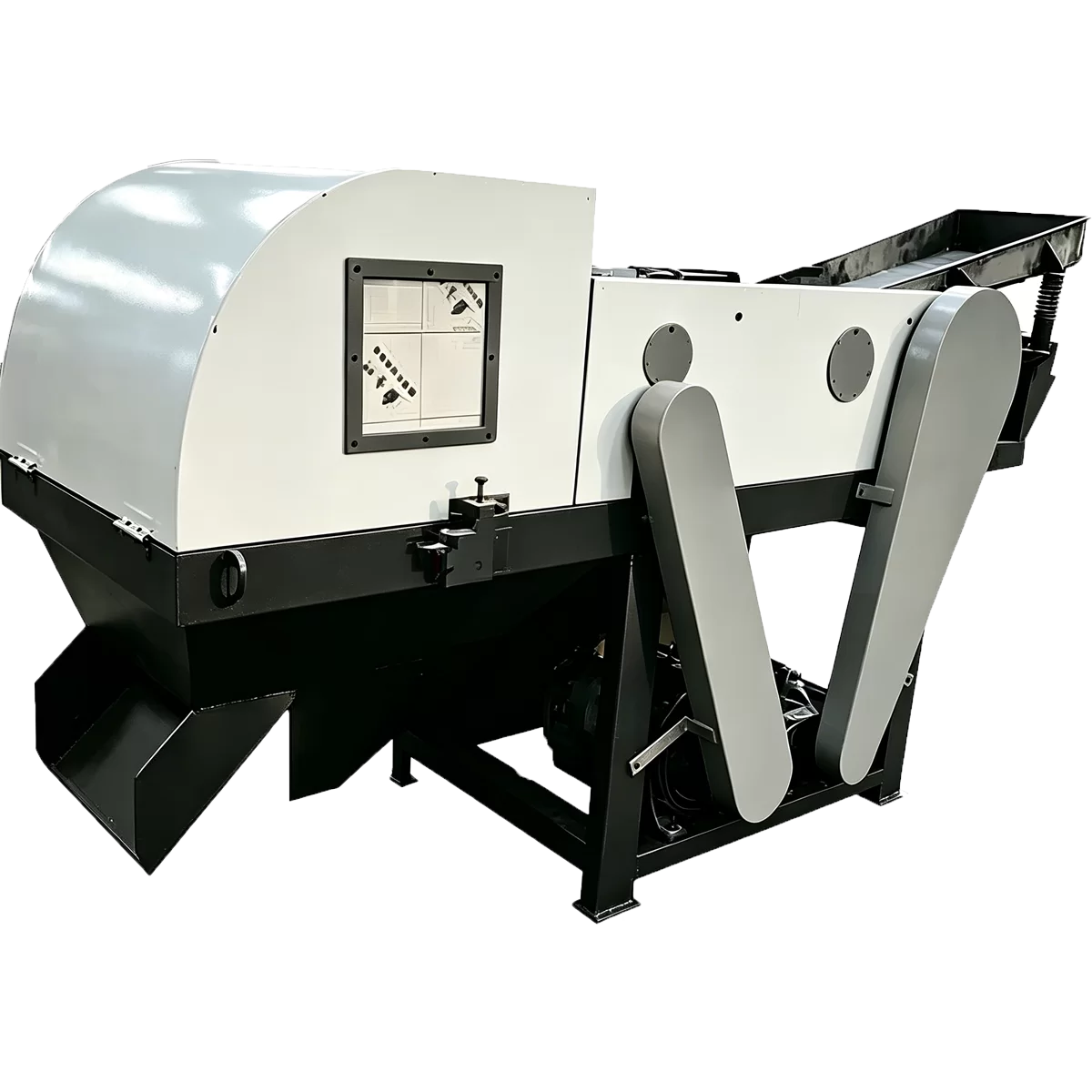
Metal-plastic separation equipment
Copper or aluminum collection outlet
Plastic and insulation collection outlet
Dust collection system
Electrical control system
The actual configuration should be selected according to the cable structure and output requirements. A line for fine automotive wire harnesses may differ from one processing thick aluminum power cables.
Not every customer requires a complete line. Clean, thick and uniform cable may be processed with a simpler stripping arrangement.
Role of a Non-Ferrous Sorting Line
A non ferrous metal sorting line may be used when cable-derived material is part of a wider mixed-metal recycling process.
For example, the customer may process:
Cable scrap
Mixed copper and aluminum pieces
Small non-ferrous components
Plastic residue
Ferrous attachments
Other dismantled industrial materials
In this application, cable processing is only one part of the complete sorting system.
The line must be configured around the actual mixed output rather than assuming that all cable-derived material has the same size and composition.
Equipment Selection by Cable Condition
Thick copper power cable
Evaluate stripping before crushing. If stripping is practical, keeping the copper conductor intact may simplify recovery.
Thick aluminum power cable
Confirm the conductor type before processing. The downstream system should be adjusted for aluminum rather than assuming copper output.
Fine mixed wire
Size reduction and controlled separation may be more practical than individual stripping.
Automotive wire harnesses
Remove large connectors, control modules and other rigid components before crushing where practical.
Communication cable
Fine conductors, shielding material and high insulation content require careful particle-size and airflow control.
Armored cable
Identify and prepare the steel armor before selecting the main process.
Mixed cable bundles
Sort the material by conductor type, diameter and structure whenever separate metal fractions are required.
Processed Material Outputs
Depending on the incoming material and selected process, the outputs may include:
Recovered copper conductor
Recovered aluminum conductor
Mixed copper and aluminum
Ferrous terminals and reinforcement
PVC fragments
Rubber insulation
Textile and filler material
Plastic granules
Mixed fines requiring further separation
The actual metal recovery, output cleanliness and particle size depend on:
Cable construction
Conductor material
Insulation type
Degree of pre-sorting
Size-reduction result
Screening efficiency
Separation method
Feeding consistency
Equipment settings
A fixed metal purity or recovery rate should not be promised without testing representative cable scrap.
Common Cable Recycling Problems
Copper and aluminum mixed together
If the cables are not classified before processing, both metals may enter one non-ferrous fraction. Additional sorting may then be necessary.
Excessive plastic in the metal output
This can result from incomplete material release, unsuitable particle size, excessive feeding or incorrect separation settings.
Metal loss in the plastic fraction
Fine or light conductor particles may follow the insulation stream if the material is over-crushed or the air classification settings are unsuitable.
Tangled cable bundles
Large bundles can create unstable feeding. The material may require cutting or loosening before entering the processing equipment.
Steel terminals carrying copper
Copper wire attached to steel terminals may enter the magnetic fraction. Better preparation and material release may be required.
Excessive dust
Fine cable and aged insulation can produce dust. Enclosed equipment and suitable dust collection should be considered.
Benefits of Cable Scrap Processing
A properly selected cable recycling process can help:
Recover copper or aluminum conductors
Separate metal from plastic insulation
Reduce manual cable handling
Process fine and mixed wire that is difficult to strip
Remove exposed ferrous attachments
Reduce cable volume
Produce separate metal and non-metal outputs
Improve storage and transportation
Prepare recovered metal for further recycling
Adapt the process to different cable constructions
The objective is to recover the conductor with limited insulation contamination, not simply to reduce the cable into smaller mixed particles.
Information Required Before Equipment Selection
Please provide:
Photos or videos of the cable scrap
Cable cross-section photos
Copper or aluminum conductor type
Maximum and average cable diameter
Cable length range
Percentage of fine wire
Percentage of automotive wire harnesses
Presence of steel armor
Presence of plugs and terminals
Type of plastic or rubber insulation
Amount of contamination
Approximate copper and aluminum proportions
Required hourly capacity
Required output fractions
Desired metal cleanliness
Available installation area
Feeding and discharge height restrictions
Local electrical specifications
Representative samples are particularly important for mixed cable scrap. Two cable batches with the same total weight can require different processes when one contains thick copper power cable and the other consists mainly of fine automotive wire harnesses.