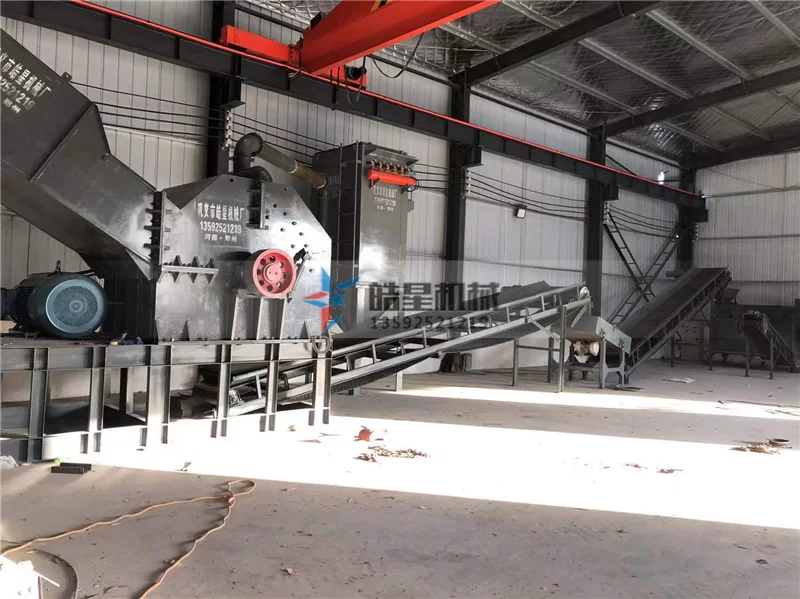
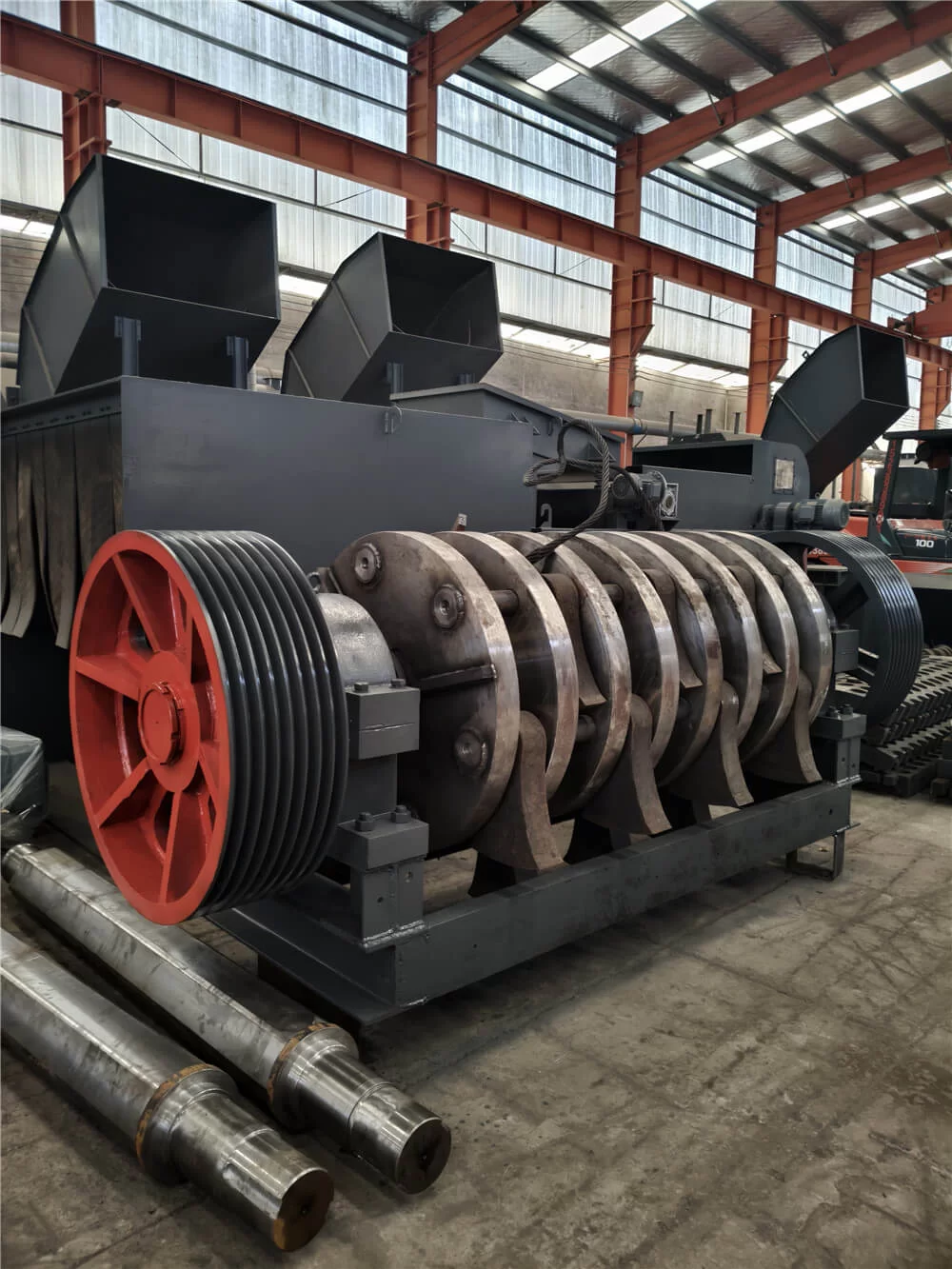
🏭 Category: Steel Shredding Equipment

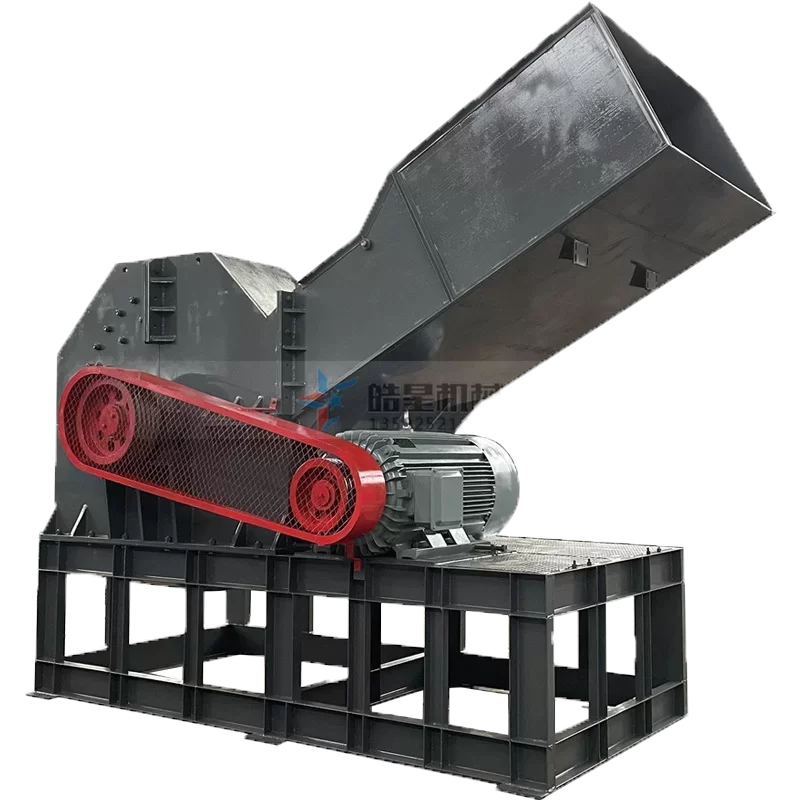
Metal Crusher

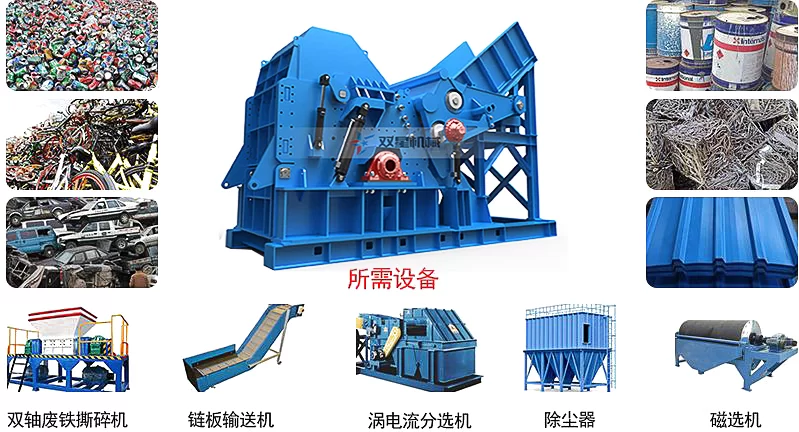
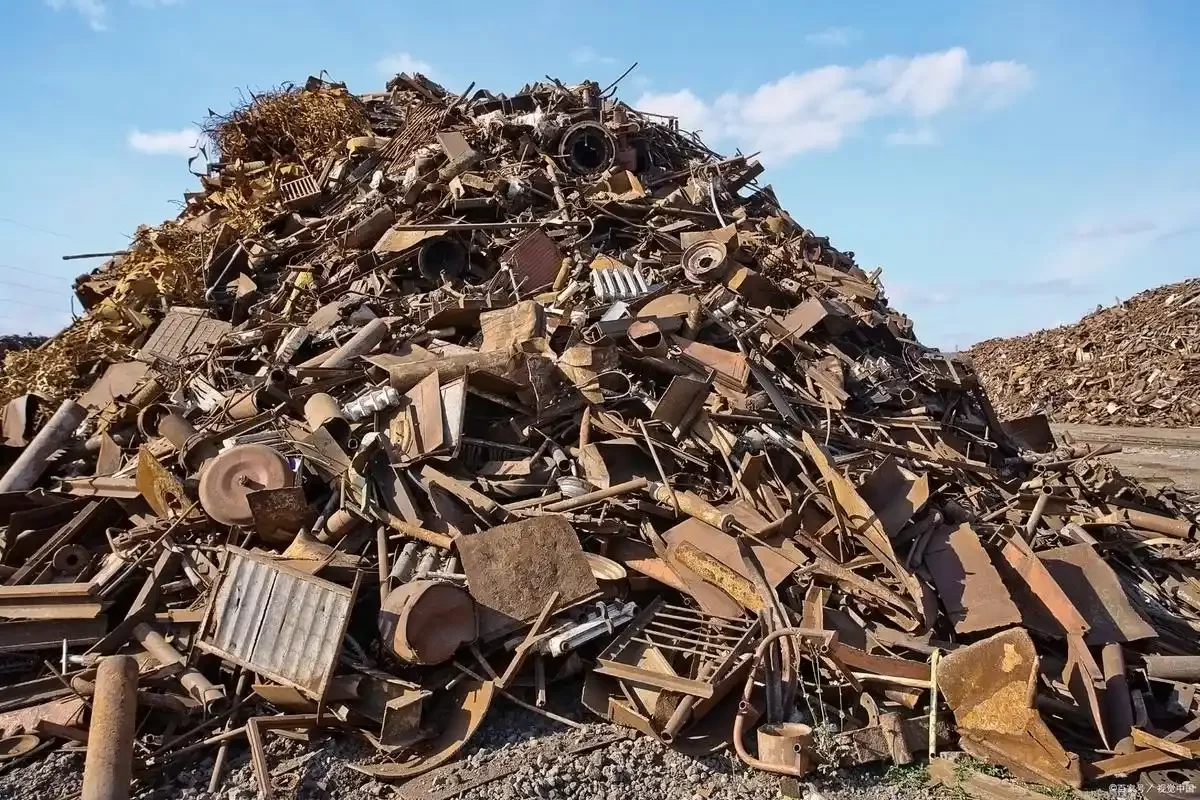
Applicable Materials: Used for crushing various scrap iron and steel, iron and steel shavings, scrap iron drums, color-coated steel sheets, household appliances, scrap bicycles, thin iron sheets, raw aluminum and aluminum alloys, aluminum cans, and other metal materials.

Product Parameters

Key technical information for quick evaluation.

Power
30kW-200kW(View Specs)
Production Capacity
0.6t/h-16t/h(View Specs)
Output Size
20mm-100mm(Screen Customization Available)
Production Line Composition
Metal crusher main unit, power distribution cabinet, motor, workbench, magnetic separator, eddy current separator (optional), metal shredder (optional), etc.
Reference Price
(Price varies by model. See specs or call.)
Product Details

Metal Crusher

Review the equipment introduction, working principle, advantages and technical specifications in one clear page.

01

Equipment Introduction

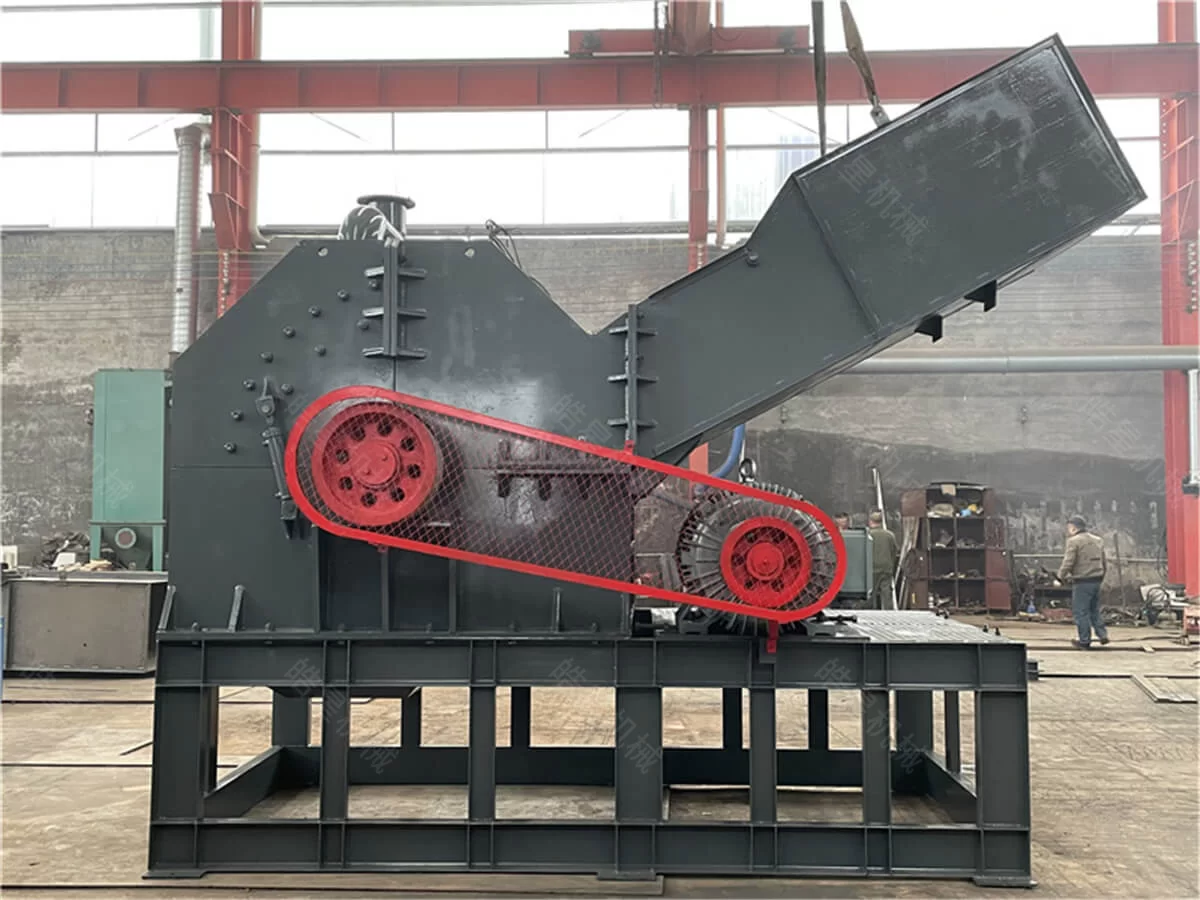
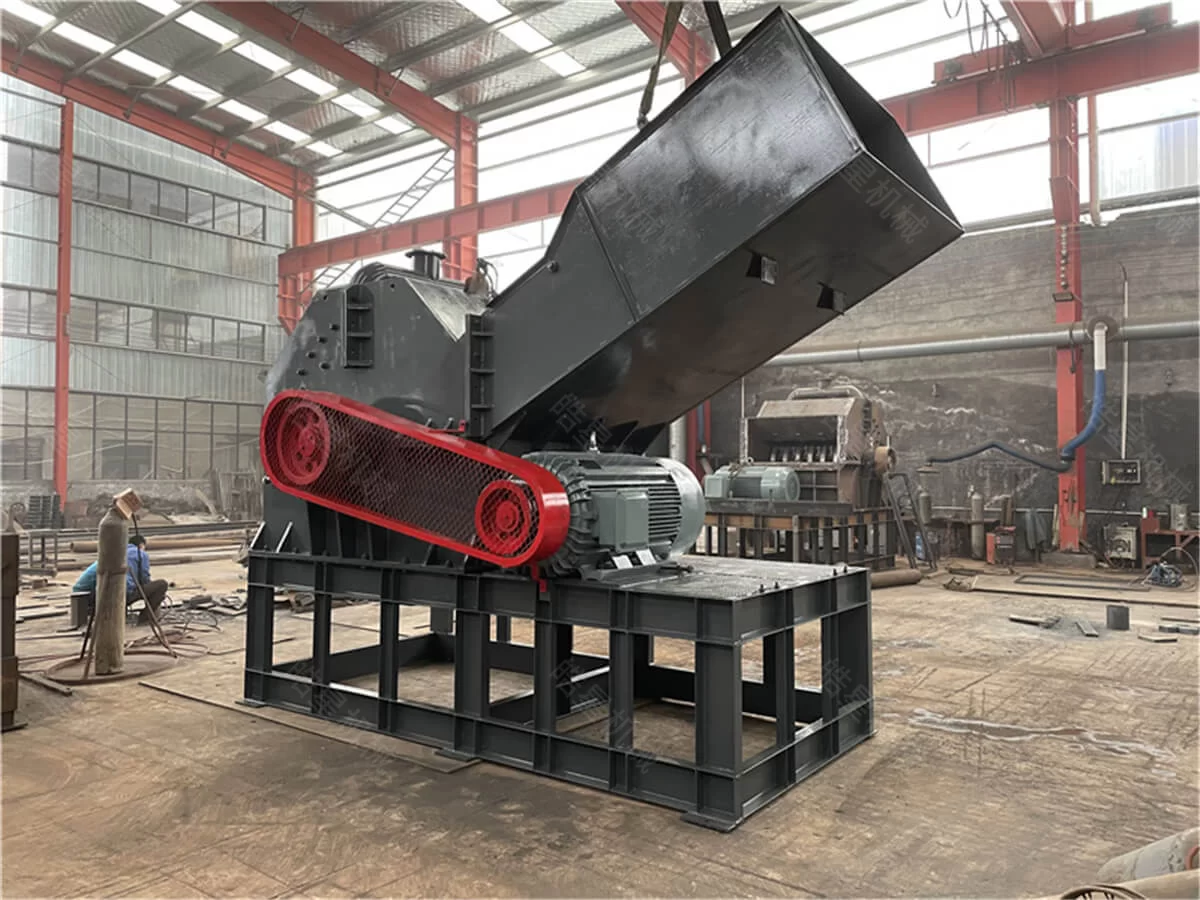
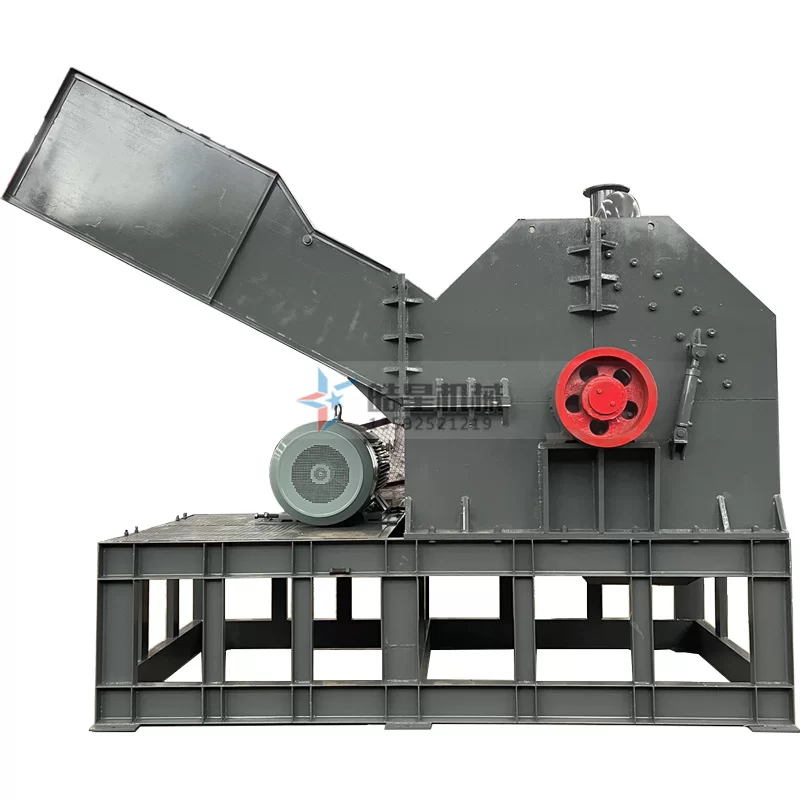
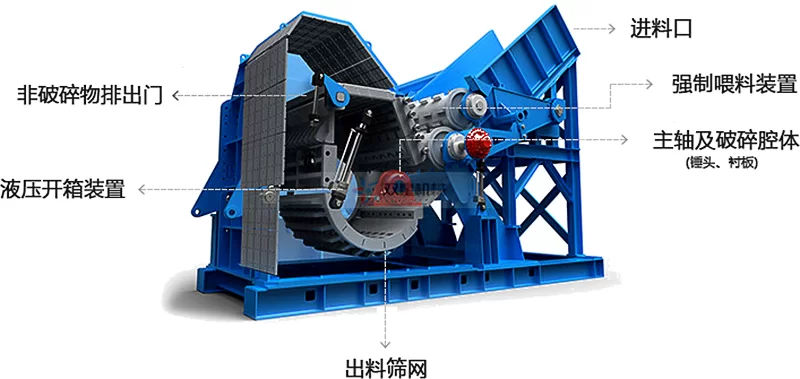
HXPS series metal crusher main machine planing structure diagram display:
Metal Crusher

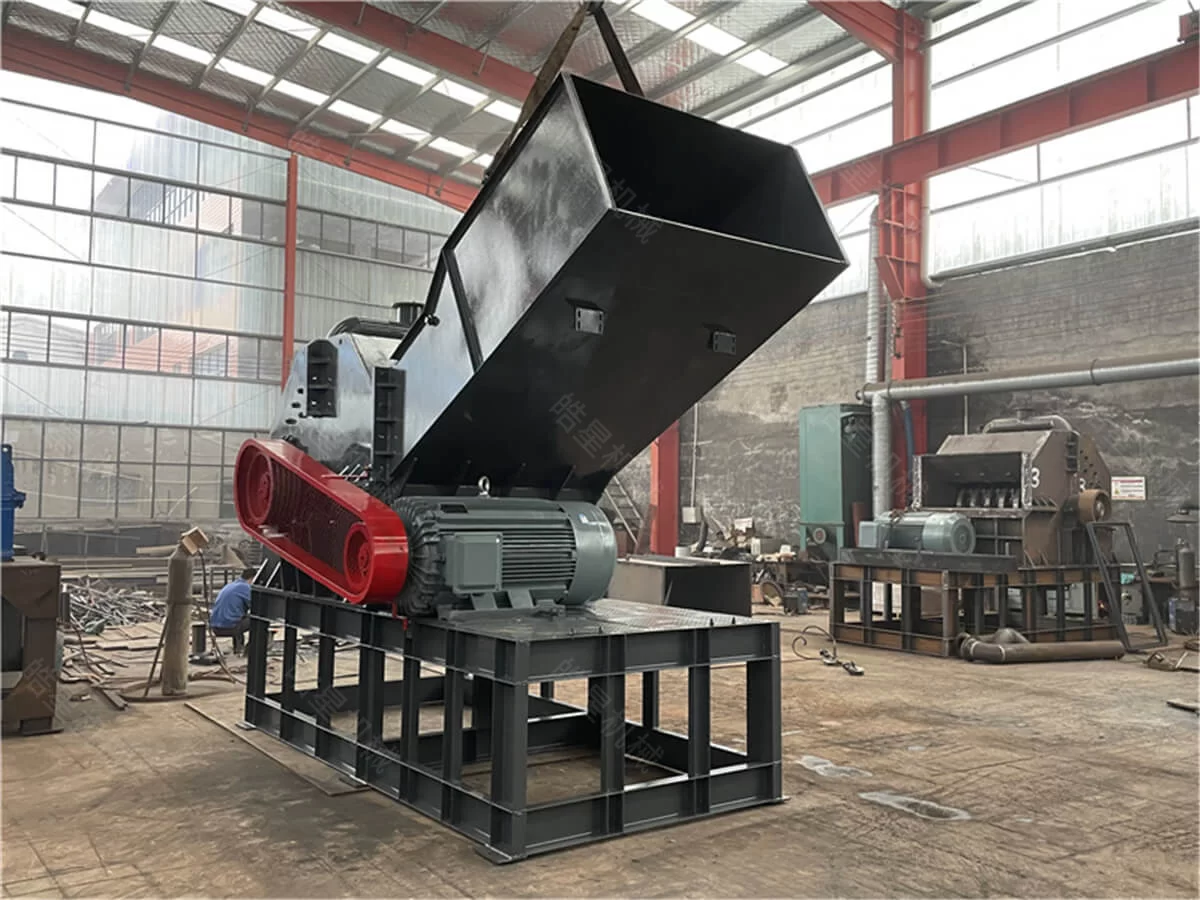
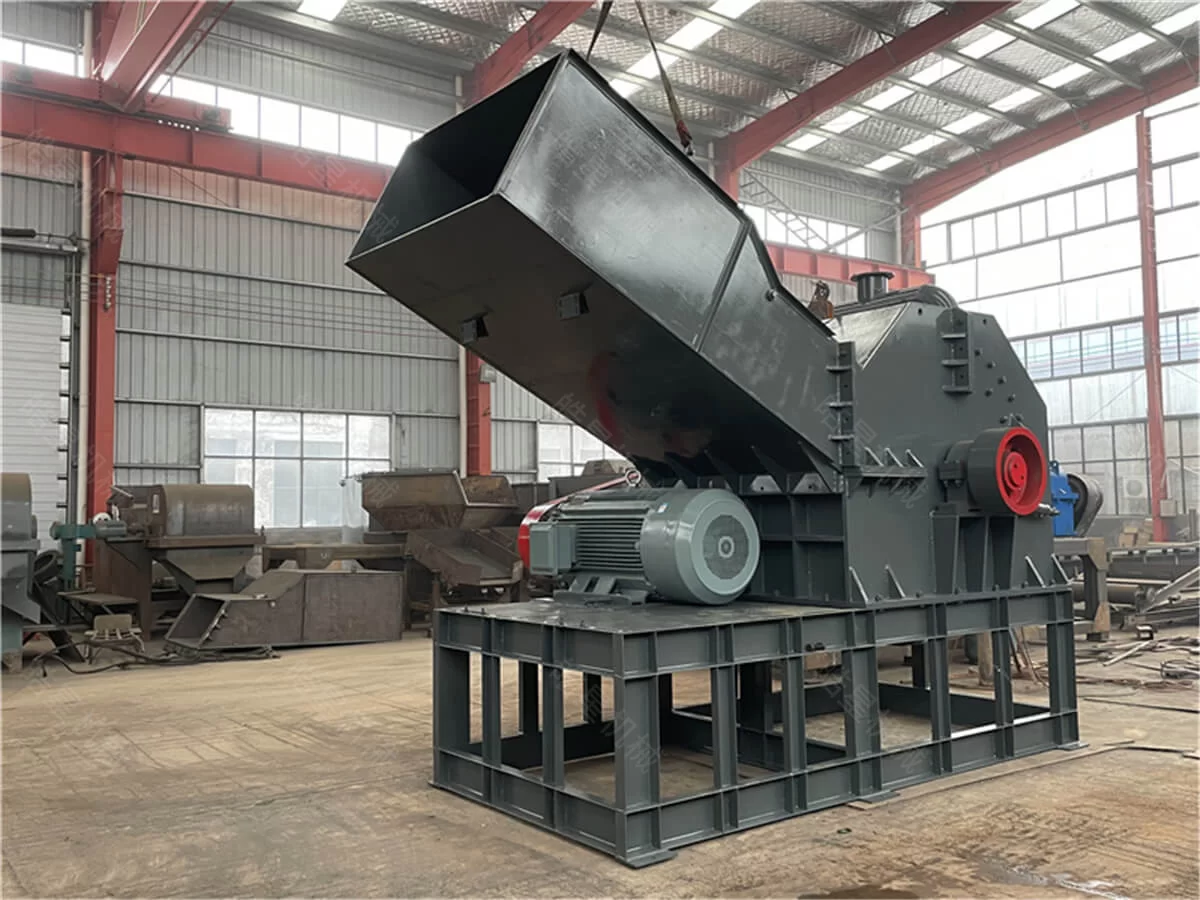
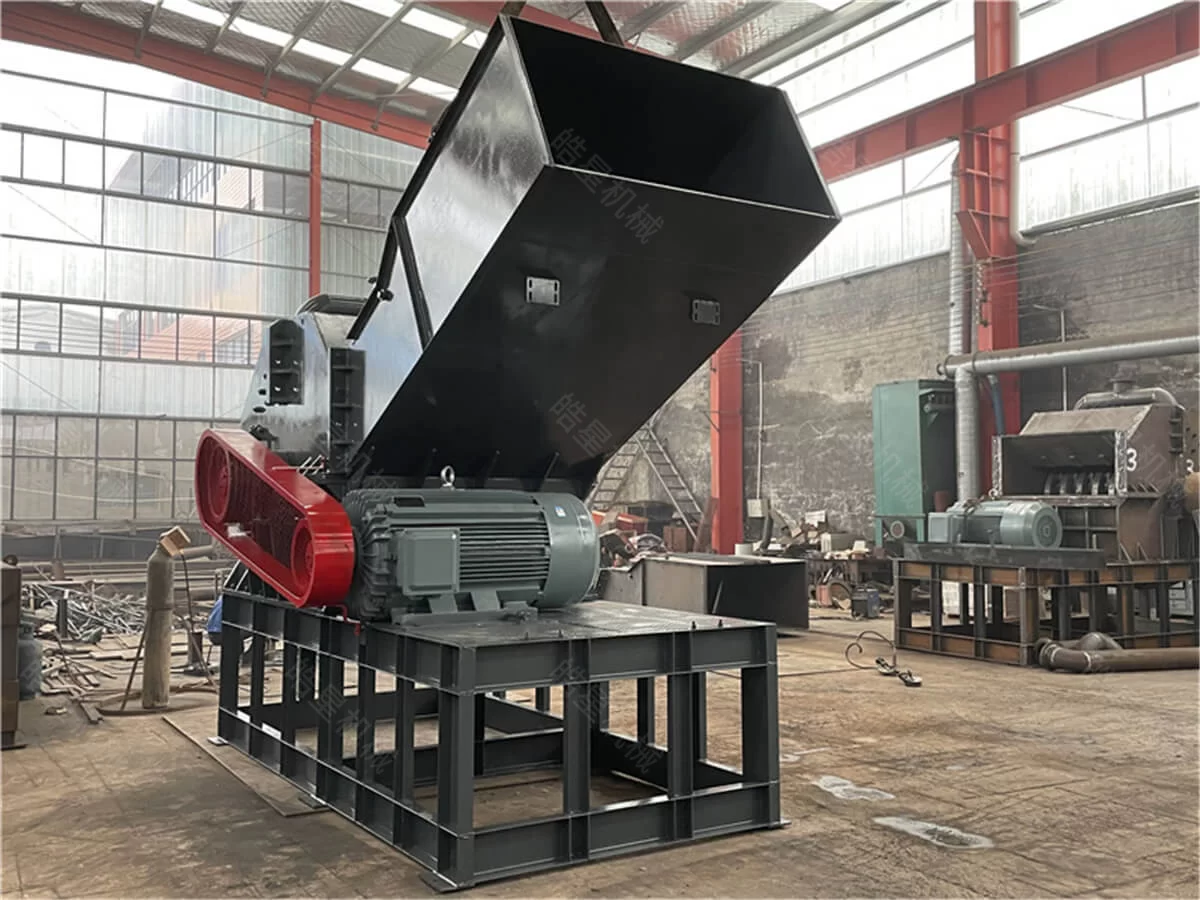
Metal Crusher, also called a scrap metal crusher, metal hammer crusher or scrap steel crusher, is used for crushing light and medium scrap metal materials into smaller pieces. It uses a high-speed rotating rotor and hammers to impact, tear and crush scrap metal inside the crushing chamber.

Scrap metal materials are repeatedly impacted, rubbed and squeezed between the hammers, liner plates and screen area. This process helps reduce material volume, improve bulk density and prepare the material for magnetic separation, sorting, storage, transportation or further recycling.

The main machine usually consists of a rotor system, hammer assembly, feeding device, discharge device, drive system, crusher housing, wear-resistant liner plates, screen grate, dust collection interface and electric control system. A complete production line can also include feeding conveyor, discharge conveyor, magnetic separator, dust collector, eddy current separator, vibrating feeder, sorting platform and other auxiliary equipment.

After crushing, the material can be conveyed to the magnetic separation system. Ferrous metals such as iron and steel are separated by the magnetic separator and discharged to a dedicated collection area. Non-ferrous metals and non-metallic materials can be further processed by eddy current separation, screening or manual sorting according to material condition and recycling requirements.

The metal crusher is commonly used in scrap recycling yards, metal recovery plants, steel scrap processing sites, appliance recycling lines and industrial waste metal recycling production lines.

02

Working Principle

Metal Crusher Working Process

The metal crusher uses a motor to drive the rotor and hammers at high speed. After scrap metal enters the crushing chamber, the rotating hammers repeatedly impact, tear and crush the material. The material is also rubbed and squeezed between the hammers, liner plates and screen grate, gradually reducing bulky or mixed metal scrap into smaller pieces.

Hammer Crushing

The high-speed hammers impact the material inside the crushing chamber. During this process, metal sheets, drums, appliance shells, light scrap steel and other recyclable metal materials are reduced into smaller fragments through impact, tearing, rubbing and squeezing.

Screening and Discharge

The screen grate at the bottom of the crusher helps control the output size. Materials smaller than the screen openings are discharged from the machine, while larger pieces remain inside the crushing chamber until they reach the required discharge size.

Dust Collection

According to the material condition and site requirements, the metal crusher can be connected to a dust collection system. The dust collector helps collect dust and fine particles generated during crushing and conveying.

Magnetic Separation

After crushing, the material can be conveyed to a magnetic separator. Ferrous metals such as iron and steel are separated from the mixed material stream, while non-magnetic materials can continue to the next sorting stage.

Centralized Discharge

The separated materials are discharged by belt conveyors or other conveying equipment to different collection areas. Depending on the recycling process, eddy current separation, manual sorting or other downstream equipment can also be added.

03

Features and Advantages

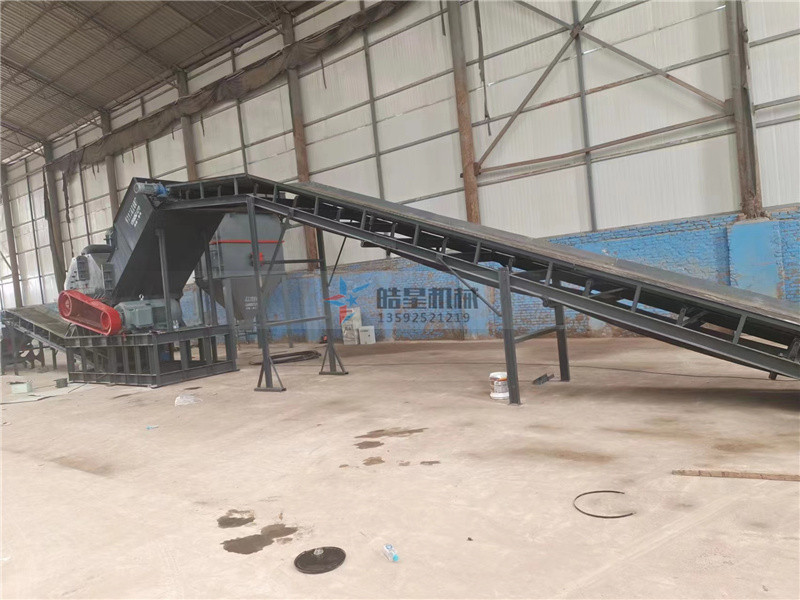
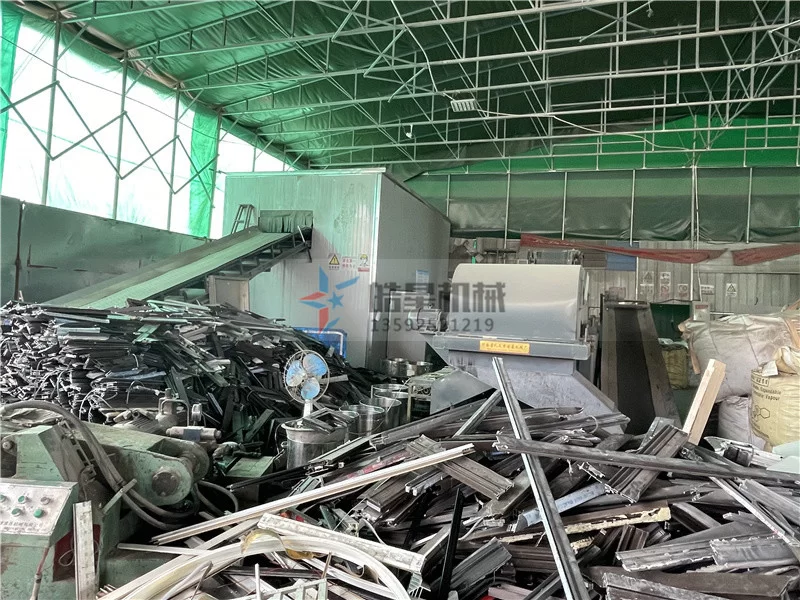
HXPS series metal crusher main machine, production line and material handling display:

Metals that can be processed by a metal crusher

  • Heavy-duty crusher structure: The main crusher body is welded with thick steel plates. The reinforced structure is suitable for continuous crushing of scrap metal, metal sheets, drums, appliance shells, color steel tiles and other recyclable metal materials.

  • Hammer crushing system: The crusher uses high-speed rotating hammers to impact and crush scrap metal materials. The hammers, liner plates and screen area work together to reduce bulky metal scrap into smaller pieces for further sorting or recycling.

  • Wear-resistant hammers and liners: The hammers and liner plates can be made from wear-resistant alloy materials according to material type and production requirements. Wear parts can be replaced according to actual working conditions.

  • Size reduction and density improvement: After crushing, loose scrap metal becomes smaller and easier to handle, store, transport and sort. The output size can be adjusted by screen or grate configuration.

  • Magnetic separation available: The metal crusher can work with a magnetic separator to separate ferrous metals such as iron and steel from mixed crushed materials. Eddy current separation, screening or manual sorting can also be added according to material composition.

  • Dust collection interface: The crusher can be connected with a dust collection system according to site layout and material condition. This helps reduce dust during crushing and conveying.

  • Customizable feeding and discharge: Feed opening size, screen opening, hammer configuration, motor power, conveyor layout and discharge method can be customized according to material type, feeding size, required capacity and site layout.

  • Suitable for metal recycling lines: The metal crusher can be used as a standalone machine or integrated with feeding conveyors, discharge conveyors, magnetic separators, eddy current separators, dust collectors, vibrating feeders and sorting platforms to form a scrap metal recycling process.

04

Technical Specifications

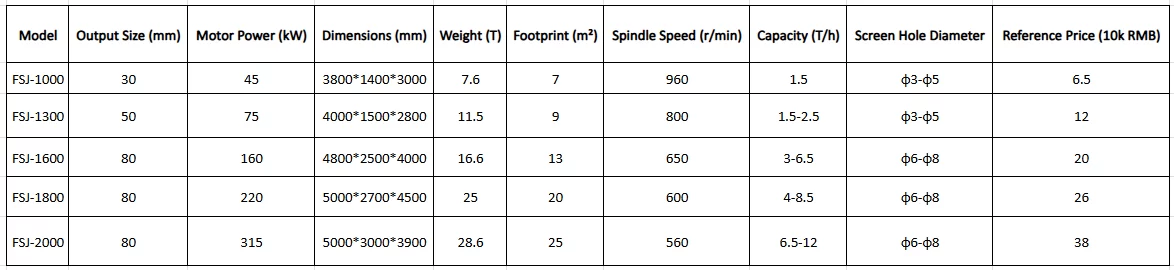
Parameter description diagram for Metal Crusher | Scrap Metal Crushing Machine for Recycling | Haoxing Machinery:

Metal Crusher Parameter Price List

Note: Specifications are for reference only. Actual capacity, motor power, output size and line configuration depend on material type, feeding size, material thickness, screen opening, hammer configuration and production line layout.

Custom configurations are available according to material condition, required capacity, output size and site layout. Feeding conveyor, discharge conveyor, magnetic separator, eddy current separator, dust collector, vibrating feeder and sorting platform can be added according to the recycling process.

For model selection, price and production line configuration, please contact Haoxing Machinery with your material type, required capacity and site layout.

FAQ

Frequently Asked Questions

Find common questions about scrap metal crushers, shredders, recycling lines, equipment selection, capacity configuration and operation requirements.

QWhat are the power requirements for a metal crushing and recycling line?

A

Power requirements depend on the planned capacity, crusher model, conveyor system, separation equipment, dust removal system, and automation level. The electrical design should be matched to the total installed power and local power supply.

QHow can oversized discharge from a metal crusher be solved?

A

Oversized discharge may be caused by worn hammers, excessive clearance between hammers and impact plates, unsuitable screen size, or uneven feeding. Check the wear parts, adjust clearance, replace worn hammers, and confirm the screen configuration.

QHow many tons can a metal crusher system produce per day?

A

Daily output depends on machine model, hourly capacity, working hours, raw material type, feeding stability, and discharge size. Please provide your required capacity and working schedule for model selection.

QIs a metal crusher noisy, and what noise reduction solutions are available?

A

Noise depends on the material and machine configuration. Metal crushers may produce about 80 to 90 dB or higher during operation. Noise can be reduced with soundproof rooms, acoustic panels, vibration damping foundations, and enclosed feeding systems.

QDo your products include after-sales support?

A

Yes. We provide warranty support, technical guidance, spare parts supply, and long-term service support. The specific warranty period and service details depend on the equipment model and contract terms.

QWhich output material has higher value, shredded metal or crushed metal?

A

The value depends on raw material type, particle size, cleanliness, impurity level, and local recycling prices. Cleaner and better sorted output usually has higher market value.

QWhat machine size and motor power are used for this metal crusher?

A

Common metal crusher models include 1000-type and 1600-type machines. Motor power may range from about 45 kW to 160 kW or higher, depending on the model, capacity, and material type.

QIs this metal crusher suitable for continuous industrial operation?

A

Yes. A properly configured metal crusher can support continuous industrial operation. Stable feeding, regular maintenance, overload protection, and suitable dust removal equipment are important for long-term performance.

QCan this machine process motor rotors?

A

Yes. A suitable metal crusher can process motor rotors. The configuration should be selected according to rotor size, copper content, steel thickness, and whether further separation is required.

QWhat should I do if the discharge size of a scrap steel crusher is uneven?

A

Uneven discharge may be caused by unstable feeding, worn blades or hammers, improper screen size, loose liners, incorrect clearance, or inconsistent material size. Check feeding speed, wear parts, screen condition, and machine settings first.

Post a Question

Leave your question about material type, capacity, equipment model or recycling line configuration.

Verification code
Get A Quote

Get Instant Pricing & Specs

Send your email and tell us your material type, capacity requirement and site condition. Our team will provide equipment selection, technical specifications and quotation details.

  • Model recommendation
  • Capacity configuration
  • Recycling line quotation

Request Product Details

We usually reply with equipment details and pricing information as soon as possible.

WhatsApp
💬
WhatsApp
WhatsApp QR Code
Scan or click to chat with us on WhatsApp.