Project Overview
See how a twin shaft shredder shortens tangled scrap rebar into compact steel pieces for conveying, baling or secondary crushing.
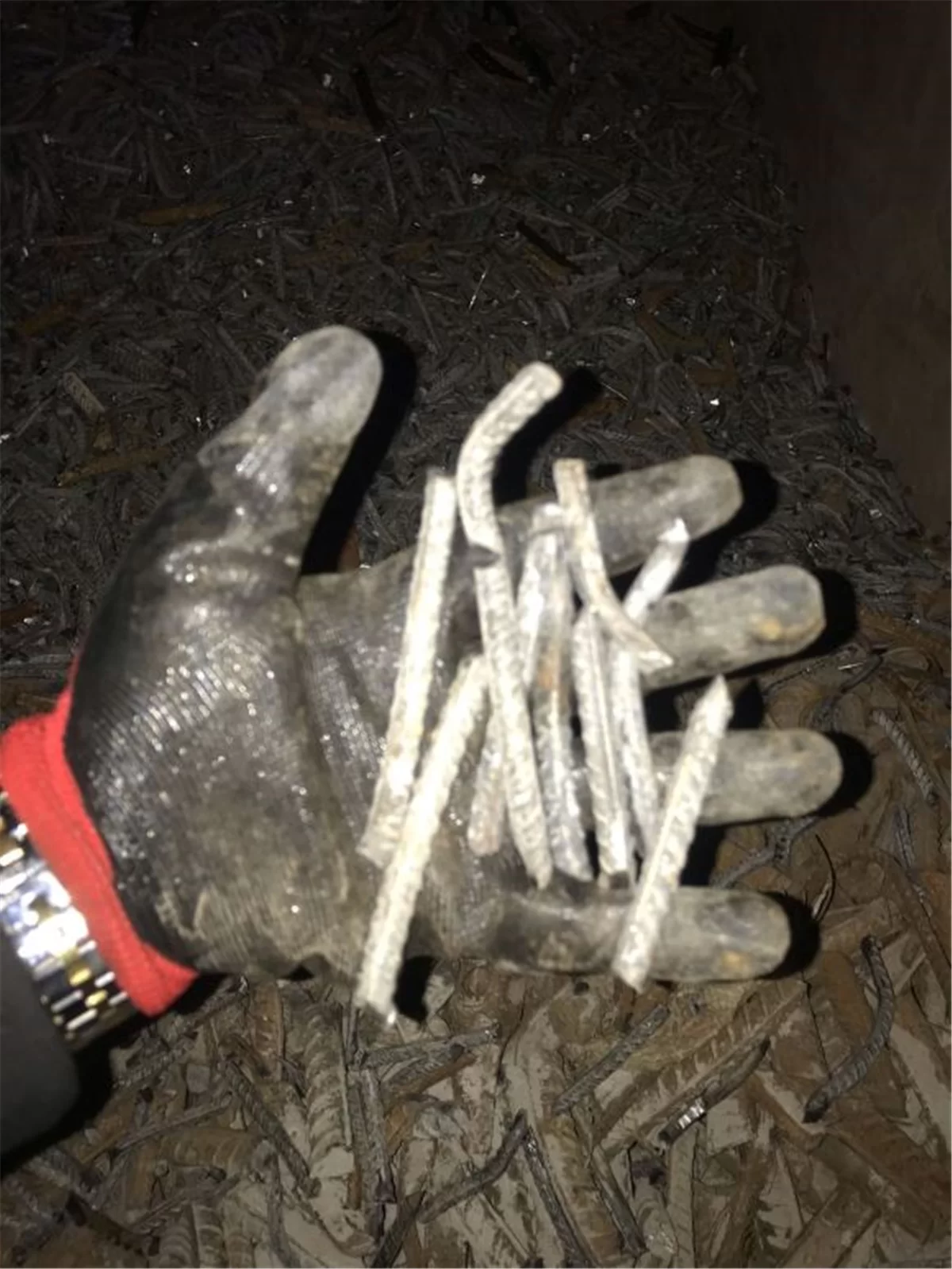
This test shows how mixed scrap reinforcing bars are reduced by a twin shaft shredder before further steel recycling. The feed consists of bent, crossed and irregular lengths of waste rebar that are difficult to stack, transport or feed directly into downstream equipment.
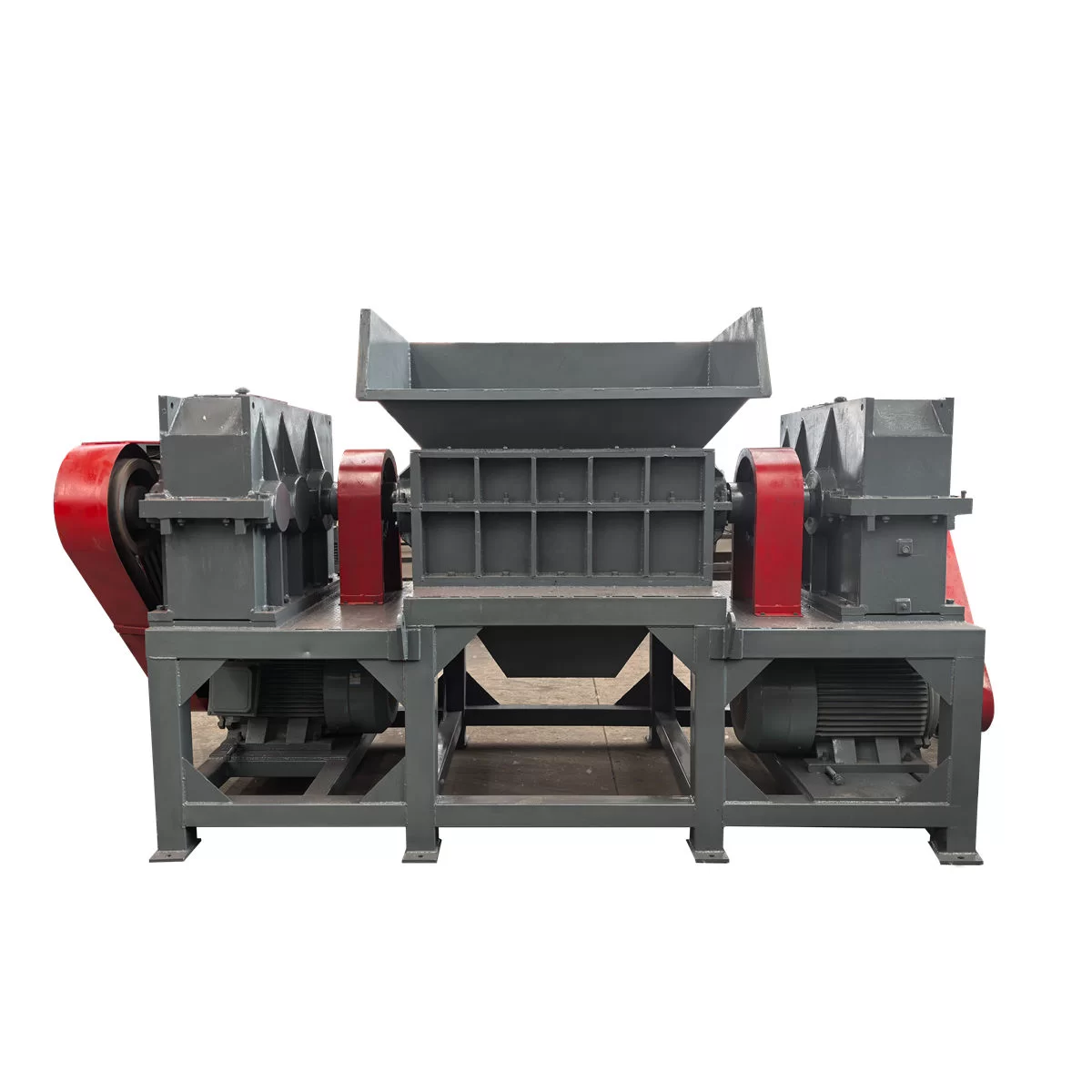
The low-speed, high-torque cutting shafts grip the long steel bars and repeatedly shear and bend the material. Instead of producing fine chips, the machine shortens the rebar into compact pieces and opens tangled bundles, creating a more controllable feed for conveying, magnetic handling, baling or secondary crushing.
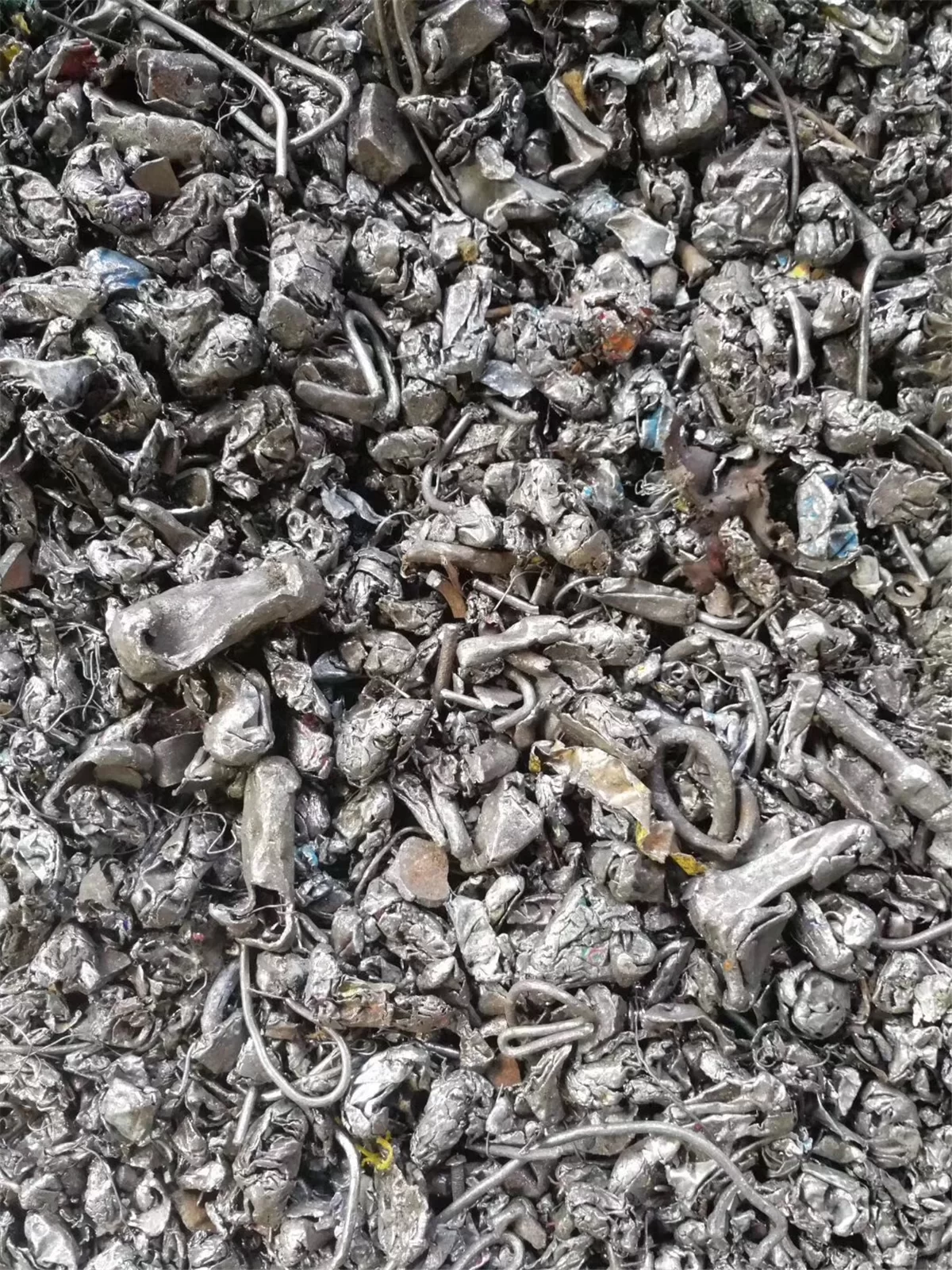
The discharge retains the dense characteristics of steel, but the long bars have been broken into much shorter sections. This reduces bridging at transfer points and lowers the risk of long material wrapping around downstream conveyors. The actual length of the output depends on the blade width, hook profile, shaft speed, screen arrangement and the number of times the material passes through the cutting chamber.
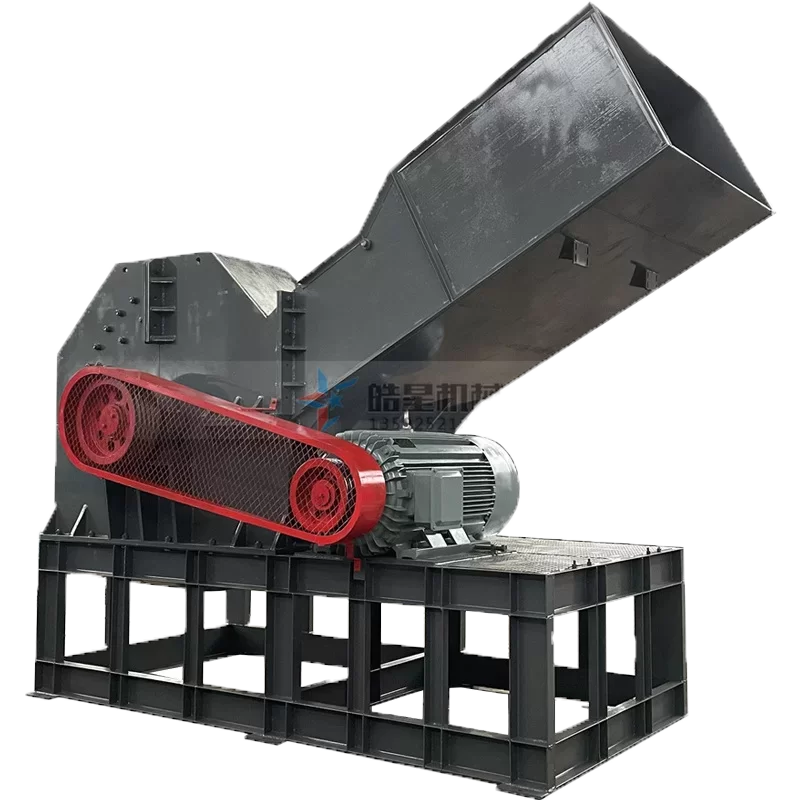
The twin shaft shredder is used here as a coarse size-reduction machine. The purpose is to cut and condition scrap rebar, not to turn steel into uniform small granules in a single pass. Where a smaller and more consistent furnace feed is required, the shredded material can be sent to a scrap steel crusher or another secondary reduction stage.
Rebar diameter, bundle density and contamination directly affect production. Loose short bars are easier to process than tightly tied bundles, while very thick reinforced sections, concrete residue and large welded plates require separate evaluation. Representative samples should therefore be tested before the final model and motor power are selected.
For continuous operation, a controlled feeding conveyor helps prevent sudden overloading and keeps the cutting chamber evenly supplied. A discharge conveyor can transfer the shortened steel to a magnetic separator, collection box or baler. Hydraulic reversal and overload protection are also important when processing irregular construction scrap.
The result visible in the material photographs should be assessed by three practical indicators: whether long rebar is effectively shortened, whether tangled pieces are opened, and whether the discharge can move steadily through the next process. Particle shape alone is not a reliable measure because reinforcing bar bends and fractures differently according to diameter and steel grade.
Equipment configuration should be based on the maximum bar diameter, maximum feed length, hourly capacity and required discharge size. Supplying representative rebar samples allows the cutter geometry and process route to be confirmed before production.