🏭 Category: Steel Shredding Equipment

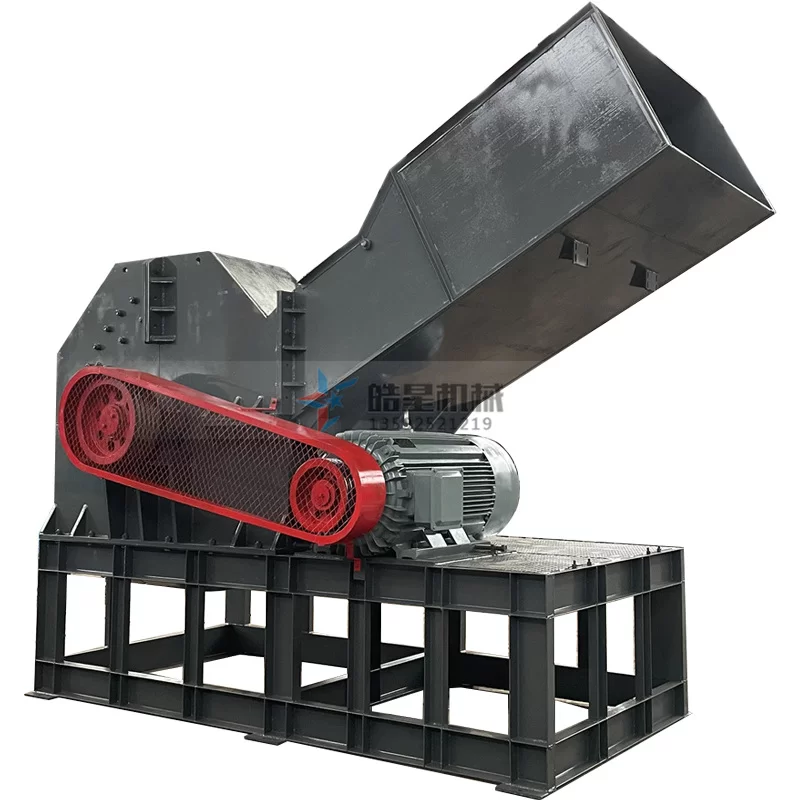
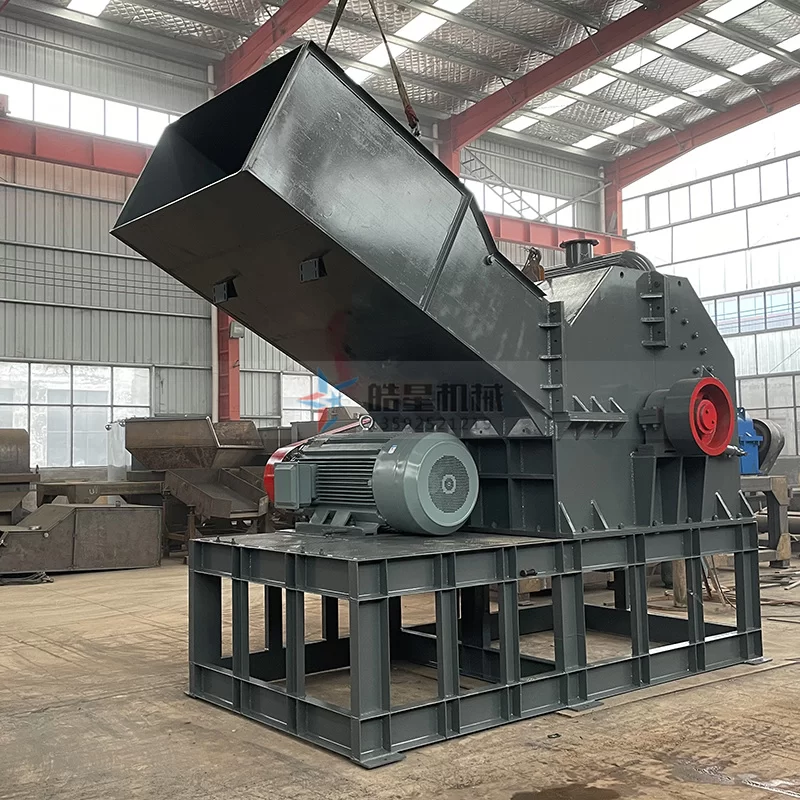
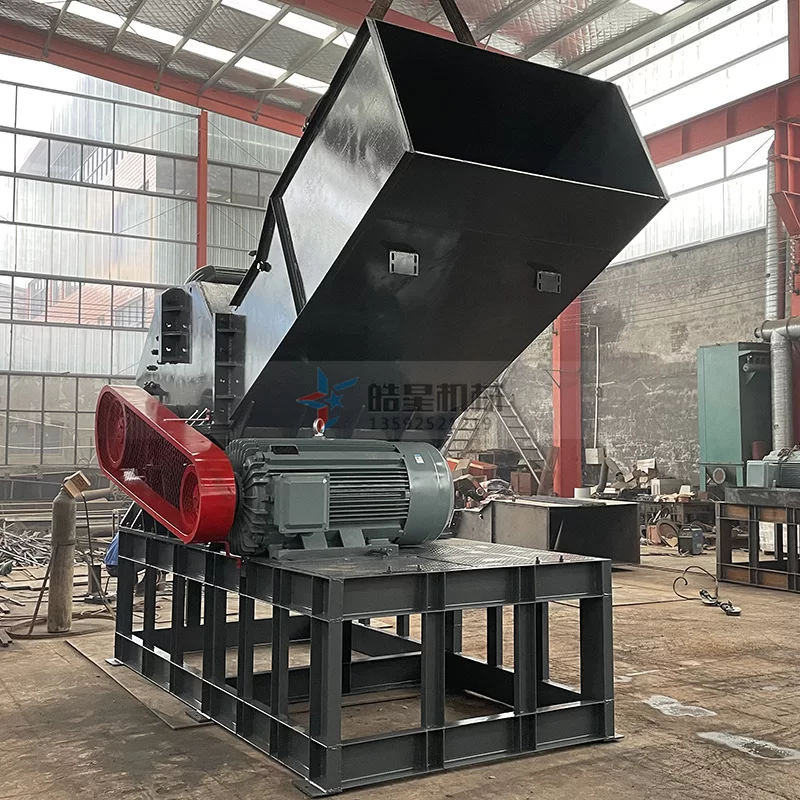
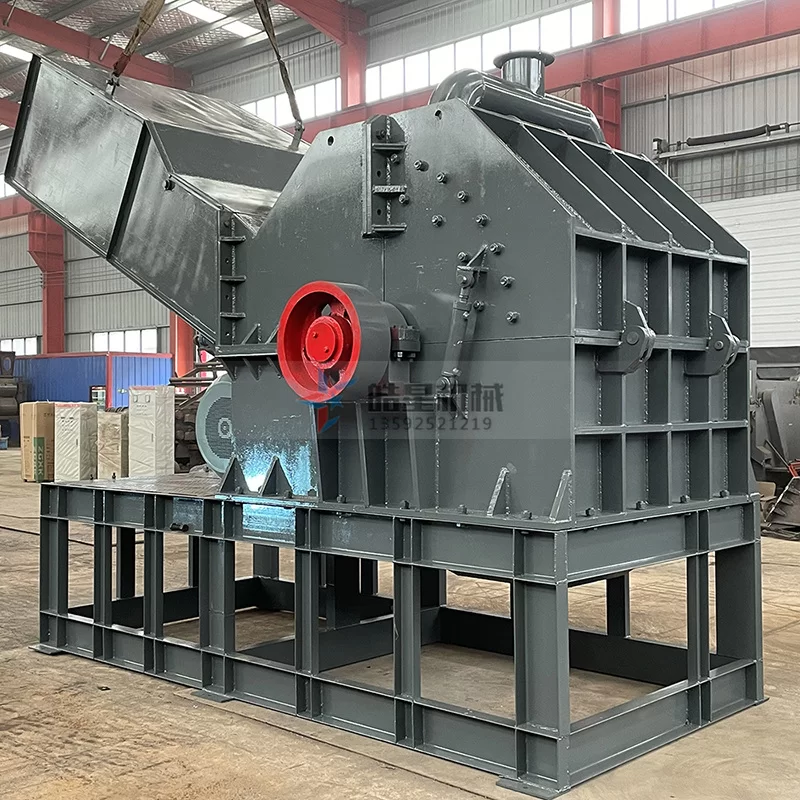
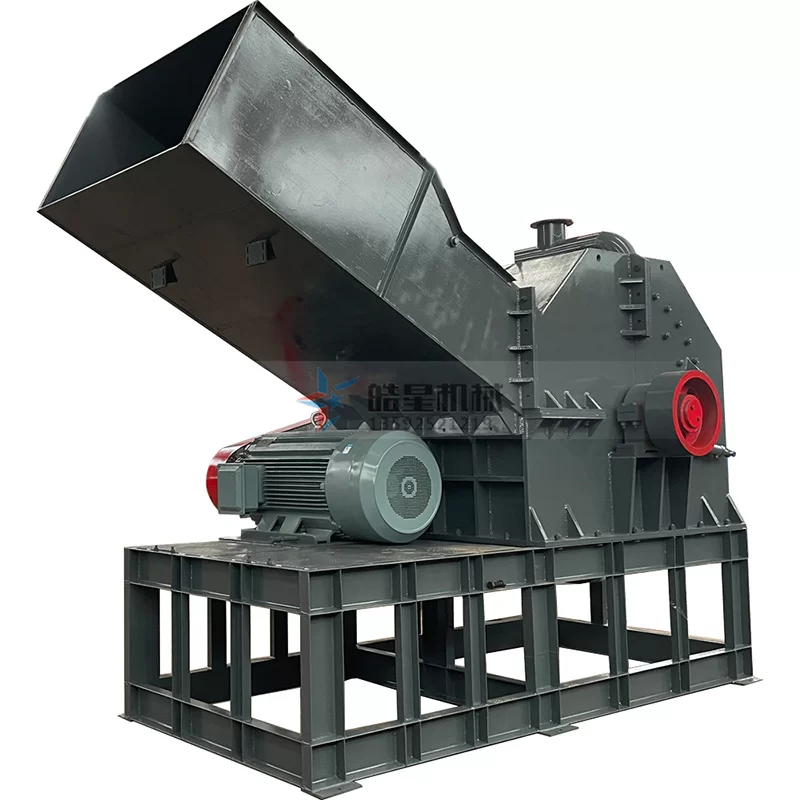
Scrap Steel Crusher

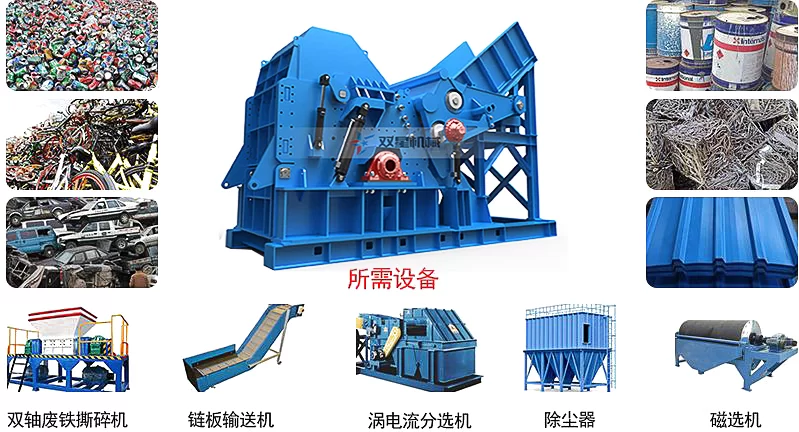
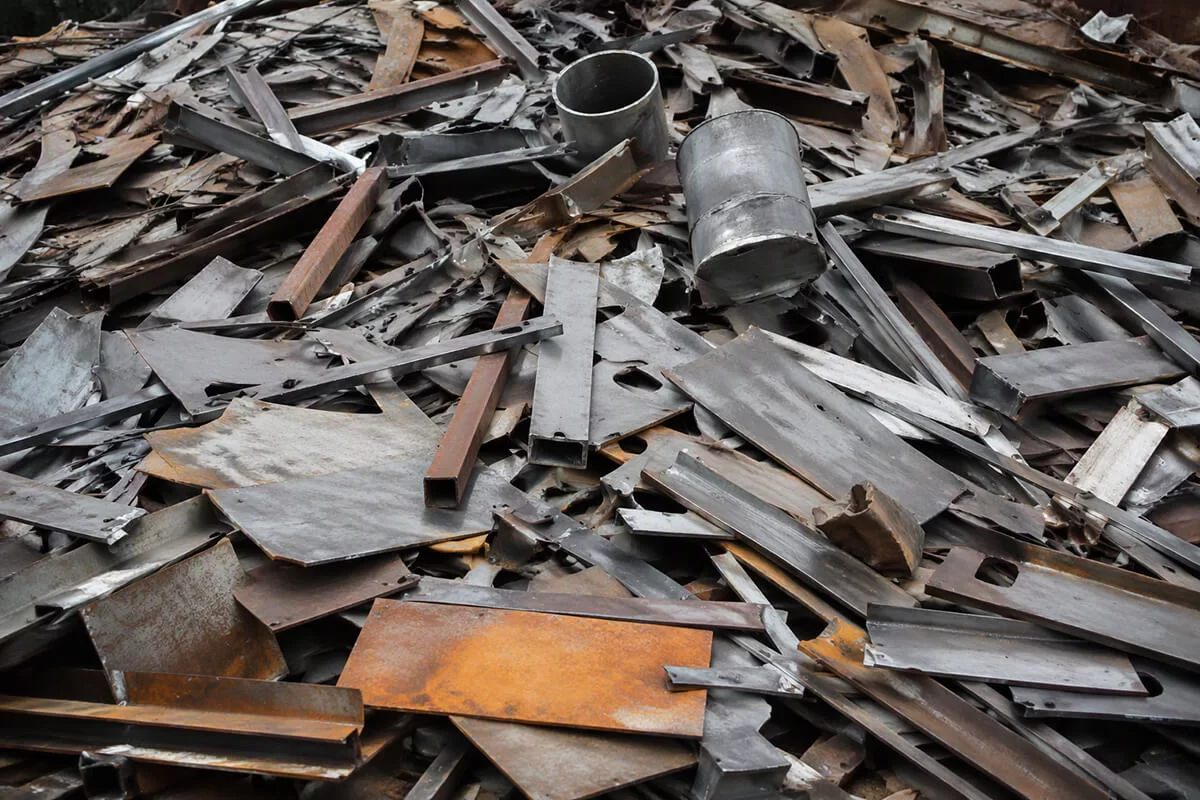
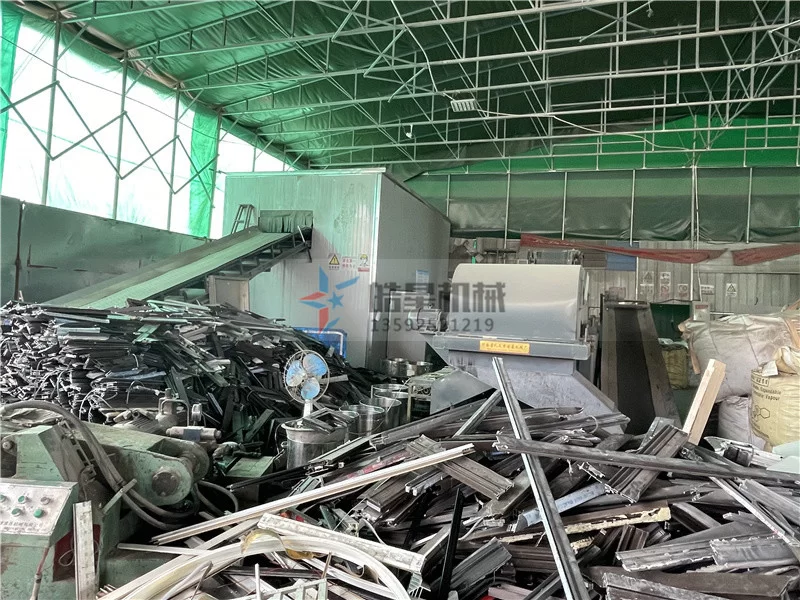
Applicable Materials: Scrap car frames, end-of-life appliance shells, light scrap iron, metal sheets, color steel tiles, paint buckets, oil drums, aluminum profiles, aluminum offcuts, die-cast aluminum parts, and other recyclable metal scrap.

Product Parameters

Key technical information for quick evaluation.

Power
30kW-450kW(View Specs)
Production Capacity
0.6t/h-18t/h(View Specs)
Output Size
20mm-100mm(Screen Customization Available)
Production Line Composition
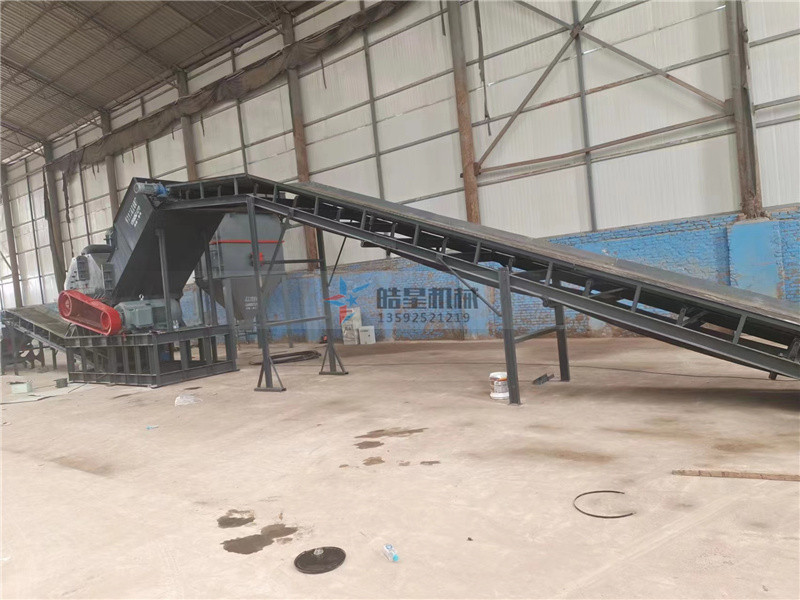
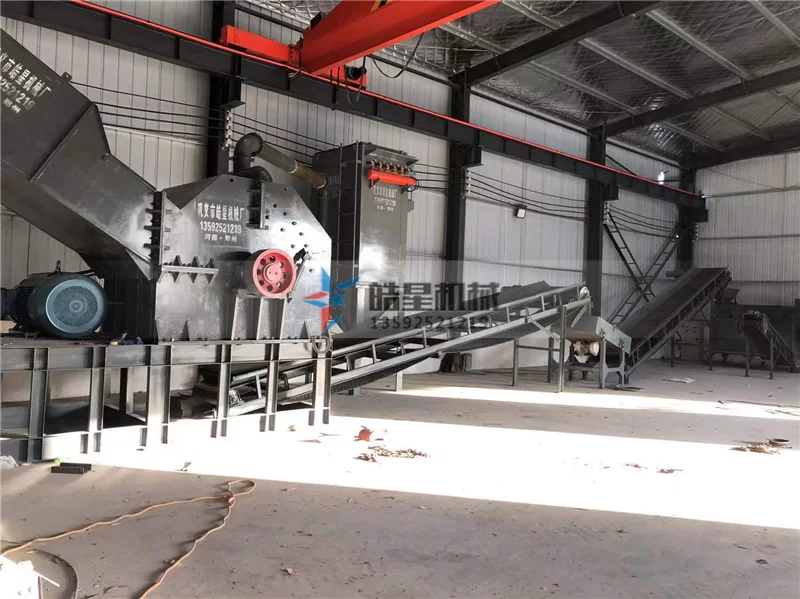
Scrap steel crusher main unit, feeding conveyor, discharge conveyor, magnetic separator, power distribution cabinet, motor, supporting platform, dust collector optional, eddy current separator optional, and other supporting parts.
Reference Price
(Price varies by model. See specs or call.)
Product Details

Scrap Steel Crusher

Review the equipment introduction, working principle, advantages and technical specifications in one clear page.

01

Equipment Introduction

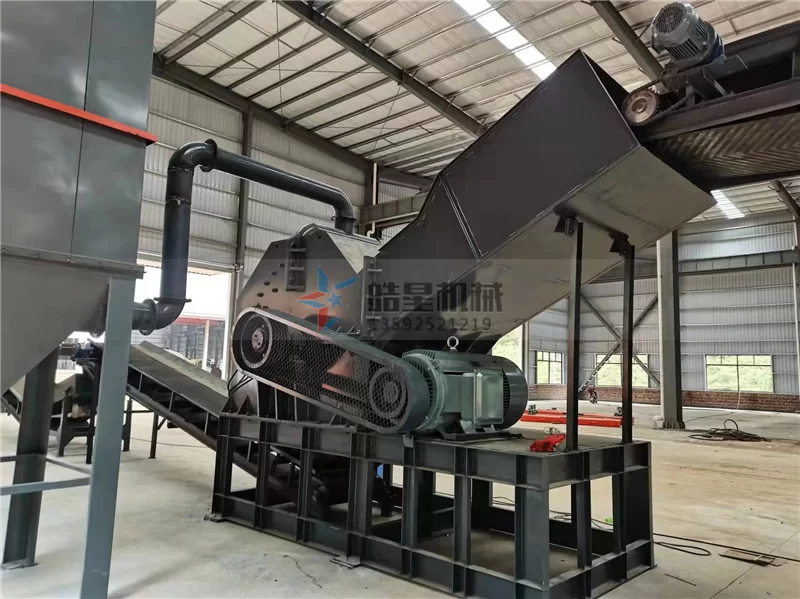
Diagram of the Crushing Surface Structure of the HX-PJ Series Metal Crusher Main Machine:
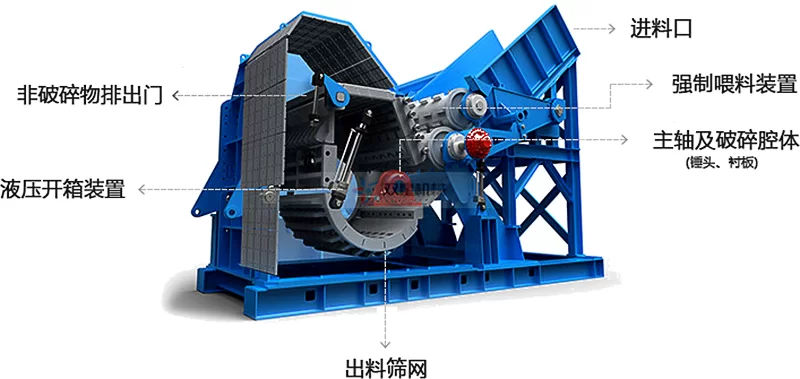
Scrap Steel Crusher

Scrap Steel Crushing Process

The scrap steel crusher is designed to crush light and medium scrap metal into smaller pieces for easier sorting, magnetic separation, storage, transportation and further recycling. It can process prepared car shells, appliance shells, bicycles, motorcycles, metal drums, paint buckets, color steel tiles, metal sheets and other recyclable scrap metal materials.

Hammer Crushing and Sorting

During operation, high-speed rotating hammers impact and crush the scrap metal inside the crushing chamber. The output size can be controlled through the screen grate configuration. After crushing, the material can be conveyed to magnetic separation or other sorting equipment for further processing.

Flexible Production Line Configuration

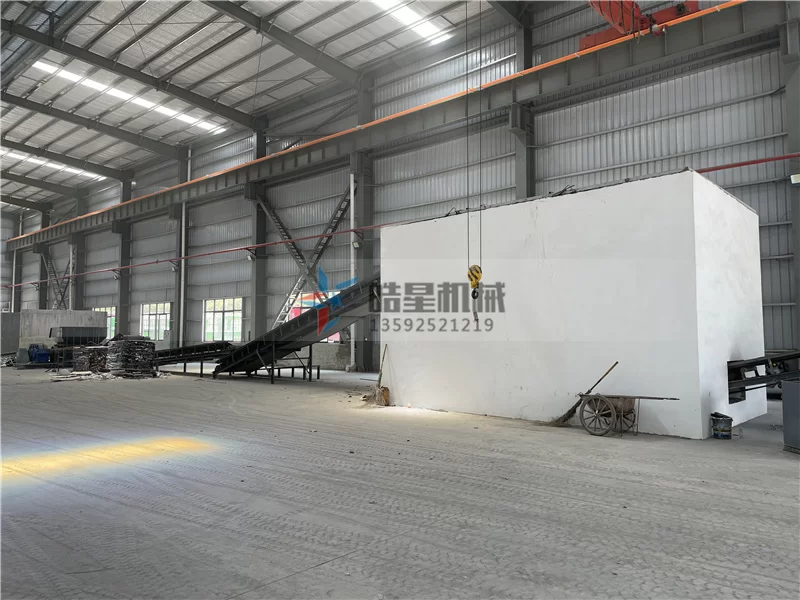
The scrap steel crusher is commonly used in scrap recycling yards, steel scrap processing plants, dismantling centers and metal recovery lines. Different conveyors, crushers, screens and separators can be selected according to the material condition and site requirements.

Applicable Materials

Scrap Vehicles and Frames

  • Prepared car shells

  • Motorcycle frames

  • Electric vehicle frames

  • Three-wheeled vehicle frames

  • Agricultural machinery parts

  • Tractor parts

  • Construction machinery sheet metal parts

Scrap Metal Sheets, Containers and Shells

  • Iron sheets

  • Iron drums

  • Emptied paint buckets

  • Emptied oil drums

  • Color-coated steel sheets

  • Metal fences

  • Radiators

  • Air conditioner shells

  • Refrigerator shells

  • Washing machine shells

Structural Steel Offcuts and Mixed Metal Scrap

  • Rebar ends

  • Angle steel offcuts

  • Channel steel offcuts

  • Light I-beam offcuts

  • Metal door and window frames

  • Aluminum profiles

  • Scrap aluminum pieces

  • Machinery aluminum parts

Light and Compressed Scrap

  • Scrap cable sheathing

  • Light-gauge scrap iron

  • Baled light scrap steel

  • Compressed metal scrap

  • Small metal parts

  • Other recyclable metal materials

Other Recyclable Metal Materials

  • Stainless steel scrap

  • Metal kitchenware

  • Metal cabinets and lockers

  • Automotive parts

  • Metal tools and farm tools

  • Bearings

  • Mixed recyclable metal scrap

Note: The actual crushing effect, capacity and output size depend on the material type, material thickness, feeding size, screen opening and equipment configuration.

02

Working Principle

The scrap steel crusher uses high-speed rotating hammers to impact, tear and crush scrap steel materials inside the crushing chamber. After the material enters the crusher, the rotor driven by the motor rotates at high speed, and the hammers continuously strike the scrap metal. Under repeated impact and hammering, the material is broken into smaller pieces and discharged through the screen or grate.

The screen or grate structure helps control the output size according to different recycling requirements. After crushing, the material can be conveyed to a magnetic separator to recover ferrous metals such as iron and steel from mixed material streams. According to the material and sorting requirements, the line can also be equipped with an eddy current separator, dust collector, vibrating feeder, conveyor system and other supporting equipment.

Through crushing, screening and sorting, the processed scrap metal becomes easier for storage, transportation, magnetic separation, resale or further recycling. The final material cleanliness, particle size and separation effect depend on raw material composition, feeding size, screen opening and sorting equipment configuration.

When hard objects that cannot be crushed, such as large solid metal blocks, enter the crushing chamber, the tramp metal protection device can help release or eject the uncrushable material and then reset. This helps reduce the risk of equipment blockage and protects key parts such as the rotor, hammers, screen and machine body. This design supports more stable operation during continuous scrap metal recycling work.

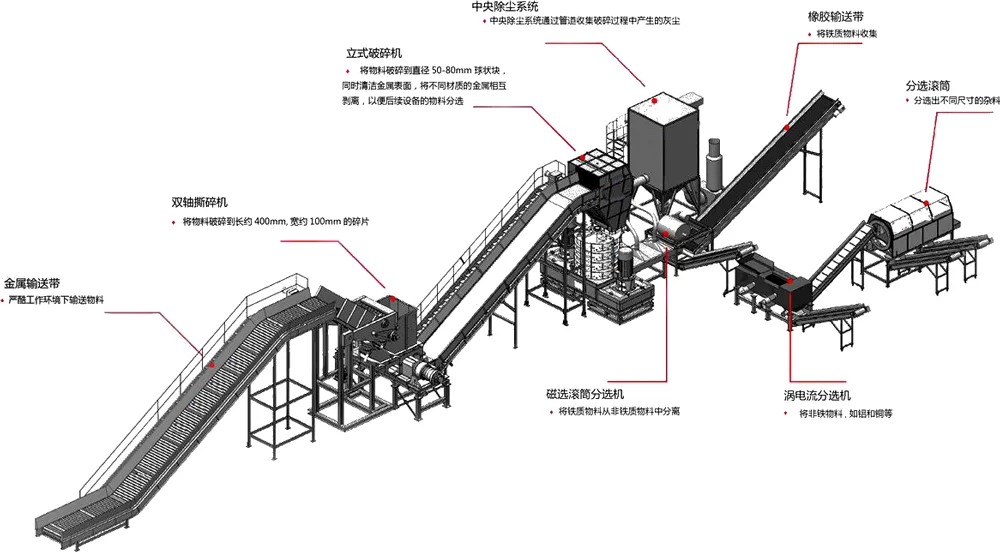
HXPS Series Scrap Steel Crusher Production Line Configuration

The HXPS series scrap steel crusher production line can be configured according to material type, required capacity, output size and site layout. A standard configuration usually includes:

  • 1 set of main scrap steel crusher

  • 1 set of matching drive motor

  • 1 set of central control cabinet

  • Feeding conveyor

  • Discharge conveyor

  • Magnetic separator

  • Supporting platform and auxiliary parts

Optional equipment can be added according to actual production needs, including:

  • Dust collector

  • Eddy current separator

  • Vibrating feeder

  • Sorting platform

  • Additional conveyor system

  • Material spreading device

  • Other supporting equipment

The motor power, screen opening, feeding method and sorting equipment can be selected according to material type, material thickness, feeding size, working intensity, required capacity and final output requirements.

Note: Oil drums, paint buckets and similar containers should be emptied and properly cleaned before crushing. The actual crushing capacity and output size depend on material condition, feeding method, screen configuration and production line layout.

HXPS series scrap steel crusher production line material handling and production line equipment composition:

Scrap Steel Crusher that can be processed

03

Features and Advantages

Flowchart of HXPS Series Scrap Steel Crusher Processing Production Line:

  Scrap Steel Crusher Production Line Process

Scrap Steel Crusher Structure and Components

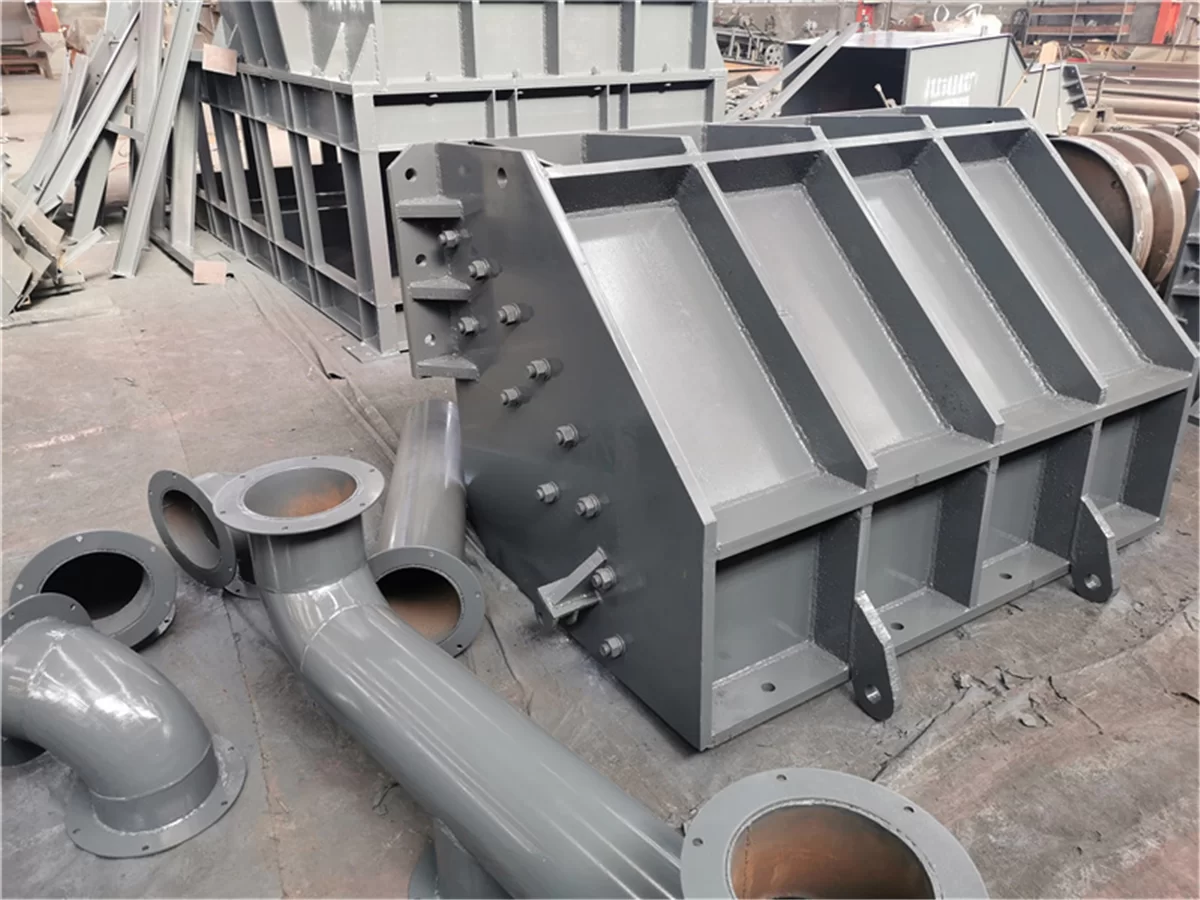
Machine Housing

The housing of the scrap steel crusher is made of extra-thick steel plates. The heavy-duty welded structure provides strong support for high-impact crushing and helps maintain stable operation when processing scrap steel, metal sheets, paint buckets, oil drums and other recyclable metal materials.

Wear-Resistant Liners

The crushing chamber is equipped with high-manganese cast steel liner plates. These liners protect the main machine body from direct wear and impact during crushing. They can be replaced after long-term use, helping reduce maintenance costs and extend the service life of the crusher.

Rotor Discs

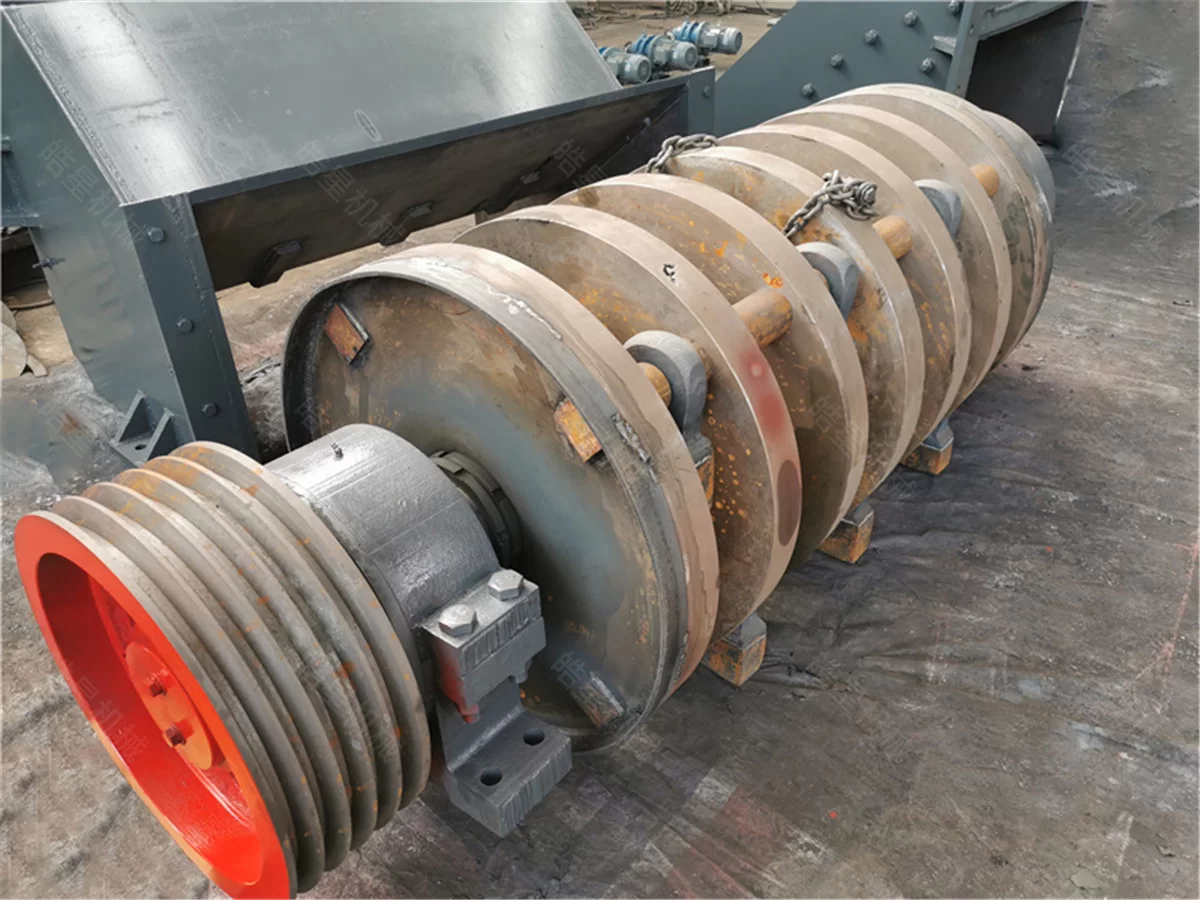
The main crusher uses a disc-type rotor structure. The rotor discs are securely mounted on the main shaft to provide stable support for the hammers during high-speed rotation. This structure helps improve crushing performance and supports smooth rotor operation under continuous working conditions.

Pin Shafts

Multiple steel discs are mounted on the horizontal rotor shaft, with several pin shafts distributed around the discs. The number and diameter of the rotor discs vary according to the crusher model. The pin shaft structure allows the hammers to swing during operation, improving the impact force on scrap metal materials.

Wear-Resistant Hammers

Multiple hammers are mounted on the rotor through the pin shafts. The hammers are made of wear-resistant alloy steel for continuous impact crushing. During operation, they rotate at high speed and repeatedly strike the scrap metal inside the crushing chamber, reducing it into smaller pieces.

Lubrication and Cooling System

The main shaft bearing system can be equipped with lubrication and cooling devices. Proper lubrication helps reduce bearing wear, control the operating temperature and maintain smooth main shaft operation during continuous production.

Temperature Monitoring

The main shaft bearing system can be equipped with temperature sensors to monitor its operating condition. During extended high-speed operation, temperature monitoring helps detect abnormal heating and supports safer equipment operation.

Optional Feeding and Pressing Device

The scrap steel crusher can be equipped with a forced feeding and pressing device according to the material condition. It presses loose or bulky scrap into the crushing chamber more steadily, helping improve feeding efficiency and reduce material bouncing. It is especially suitable for light scrap steel, color steel tiles, paint buckets, appliance shells and other thin metal materials.

04

Technical Specifications

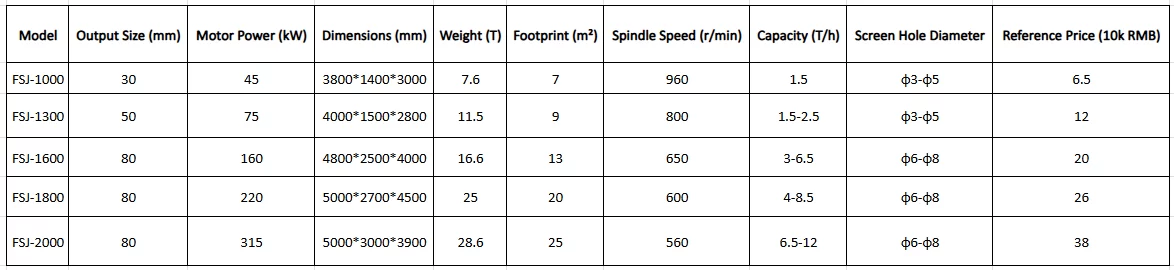
Parameter description diagram for Scrap Steel Crusher for Scrap Metal Recycling | Haoxing Machinery:


   Scrap Steel Crusher Parameters

Scrap Steel Crusher Parameters

The scrap steel crusher is used in scrap metal recycling and scrap steel crushing production lines. It crushes light and medium scrap metal materials into smaller pieces for sorting, magnetic separation, storage, transportation and further recycling.

The actual capacity, motor power, output size and line configuration depend on raw material type, feeding size, material thickness, screen opening and sorting equipment configuration. Different crusher models can be selected according to production capacity, site layout and final output requirements.

The equipment can process prepared car shells, appliance shells, light scrap iron, metal sheets, color steel tiles, paint buckets, oil drums, scrap aluminum pieces and other mixed scrap metal materials. The crushed material is easier to handle, transport and store, and can be used for resale, further sorting or furnace preparation after proper processing.

The scrap steel crusher is commonly used in scrap recycling yards, steel scrap processing plants, dismantling centers and metal recovery production lines.

FAQ

Frequently Asked Questions

Find common questions about scrap metal crushers, shredders, recycling lines, equipment selection, capacity configuration and operation requirements.

QWhat crusher model is suitable for processing 2.3 tons per hour?

A

For about 2.3 tons per hour, a medium-sized crusher such as a 1300-type model may be suitable. The final model should be selected according to material type, feeding size, discharge size, and site conditions.

QHow should a 3-ton-per-hour scrap steel crushing and sorting line be configured?

A

A 3-ton-per-hour line can be configured with a medium-sized crusher, feeding conveyor, discharge conveyor, magnetic separator, dust removal system, and electrical control cabinet. The final layout should be designed according to site conditions and material type.

QHow often should hammers and other wear parts be replaced?

A

Wear-part service life depends on material hardness, impurity level, operating hours, feeding method, and maintenance. For normal scrap, wear parts may last several months, but highly abrasive materials require more frequent inspection and replacement.

QAre environmental permits needed for scrap metal crushing?

A

Environmental requirements vary by region, but an environmental impact assessment, dust collection, noise control, and emission compliance may be required. Please confirm local regulations before installation.

QHow much space does a scrap steel crushing and sorting line need?

A

A small or medium scrap steel crushing and sorting line may require about 30 to 80 square meters or more, while a large line may need over 100 square meters. The actual space depends on equipment layout, conveyors, separation system, dust removal, and storage area.

Post a Question

Leave your question about material type, capacity, equipment model or recycling line configuration.

Verification code
Get A Quote

Get Instant Pricing & Specs

Send your email and tell us your material type, capacity requirement and site condition. Our team will provide equipment selection, technical specifications and quotation details.

  • Model recommendation
  • Capacity configuration
  • Recycling line quotation

Request Product Details

We usually reply with equipment details and pricing information as soon as possible.

WhatsApp
💬
WhatsApp
WhatsApp QR Code
Scan or click to chat with us on WhatsApp.