🏭 Category: Twin Shaft Shredder

Twin-Shaft Shredder

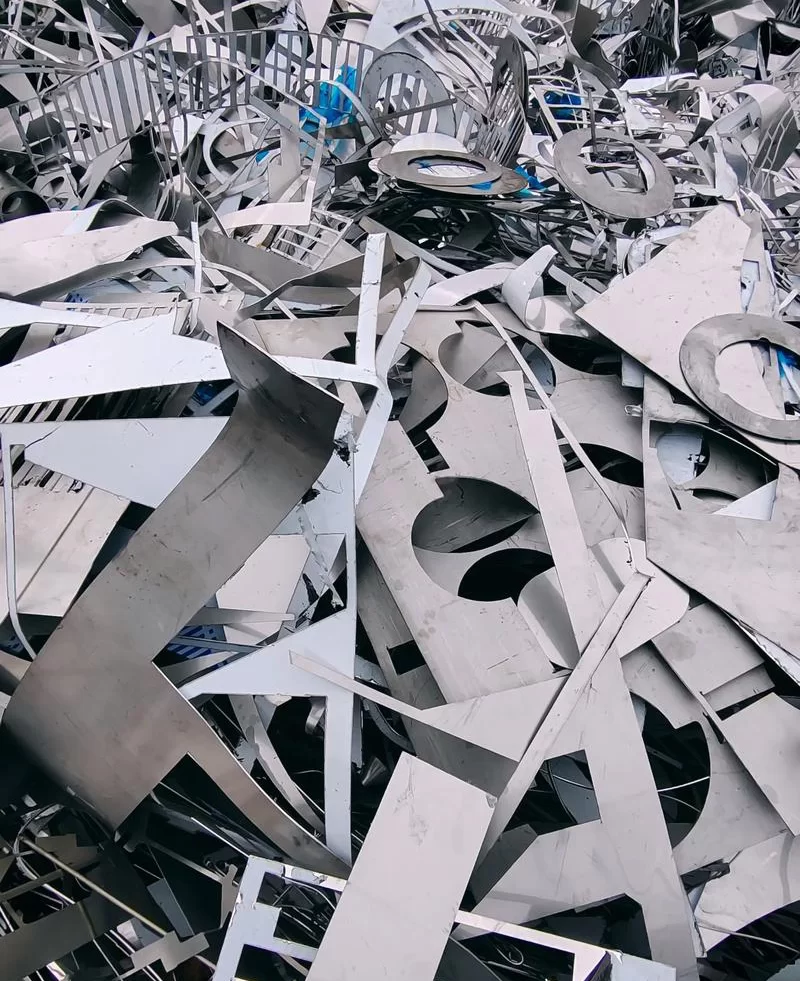
Applicable Materials: Suitable for various materials such as scrap cars and motorcycles, raw aluminum and aluminum alloys, car tires, waste oil drums and paint buckets, color steel tile sheets, aluminum cans, wood, etc.

Product Parameters

Key technical information for quick evaluation.

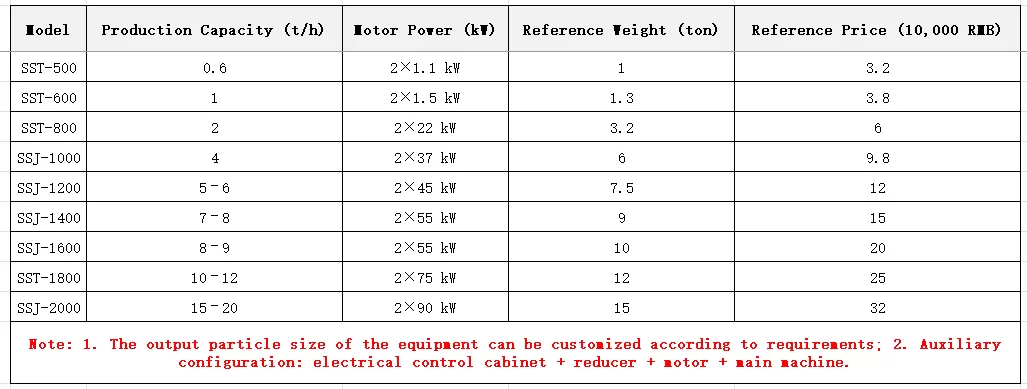
Power
2*11kw-90kw电机(View Specs)
Production Capacity
0.6T/h-6T/h(View Specs)
Processing Efficiency
Coarse crushing effect, size is determined by the number of cutter claws
Production Line Composition
Shredder main unit, power distribution cabinet, reducers ×2, motors ×2, magnetic separator, eddy current separator (optional).
Reference Price
(Price varies by model. See specs or call.)

Product Details

Twin-Shaft Shredder

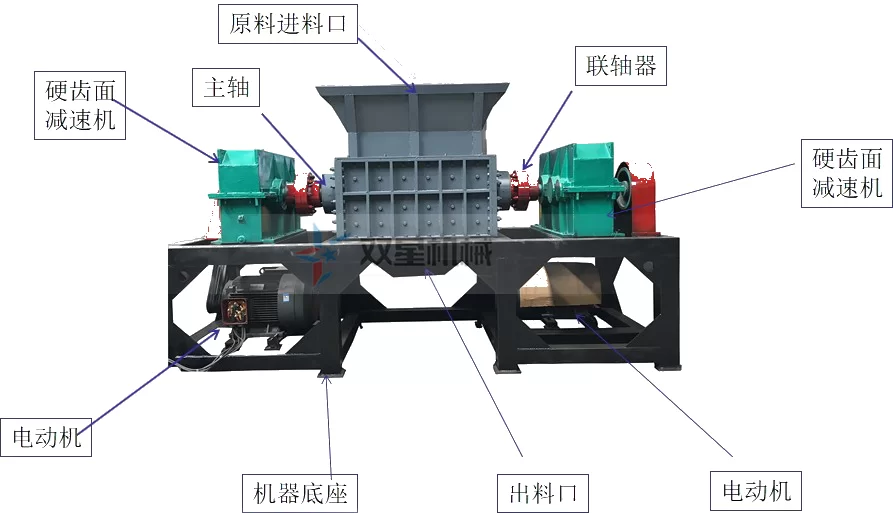
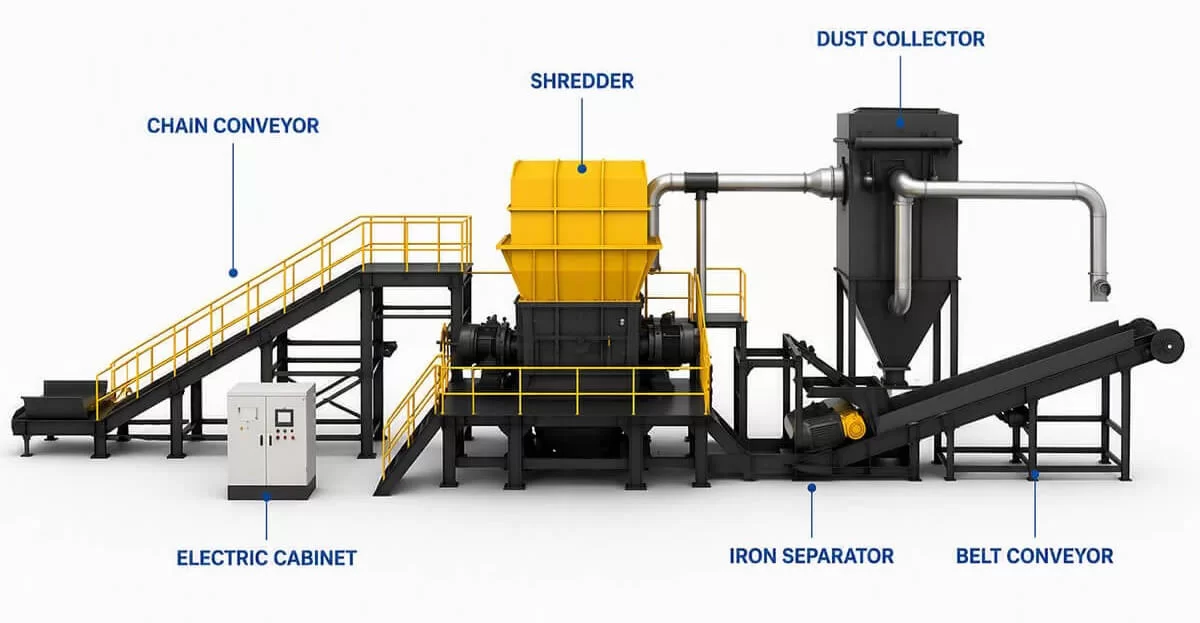
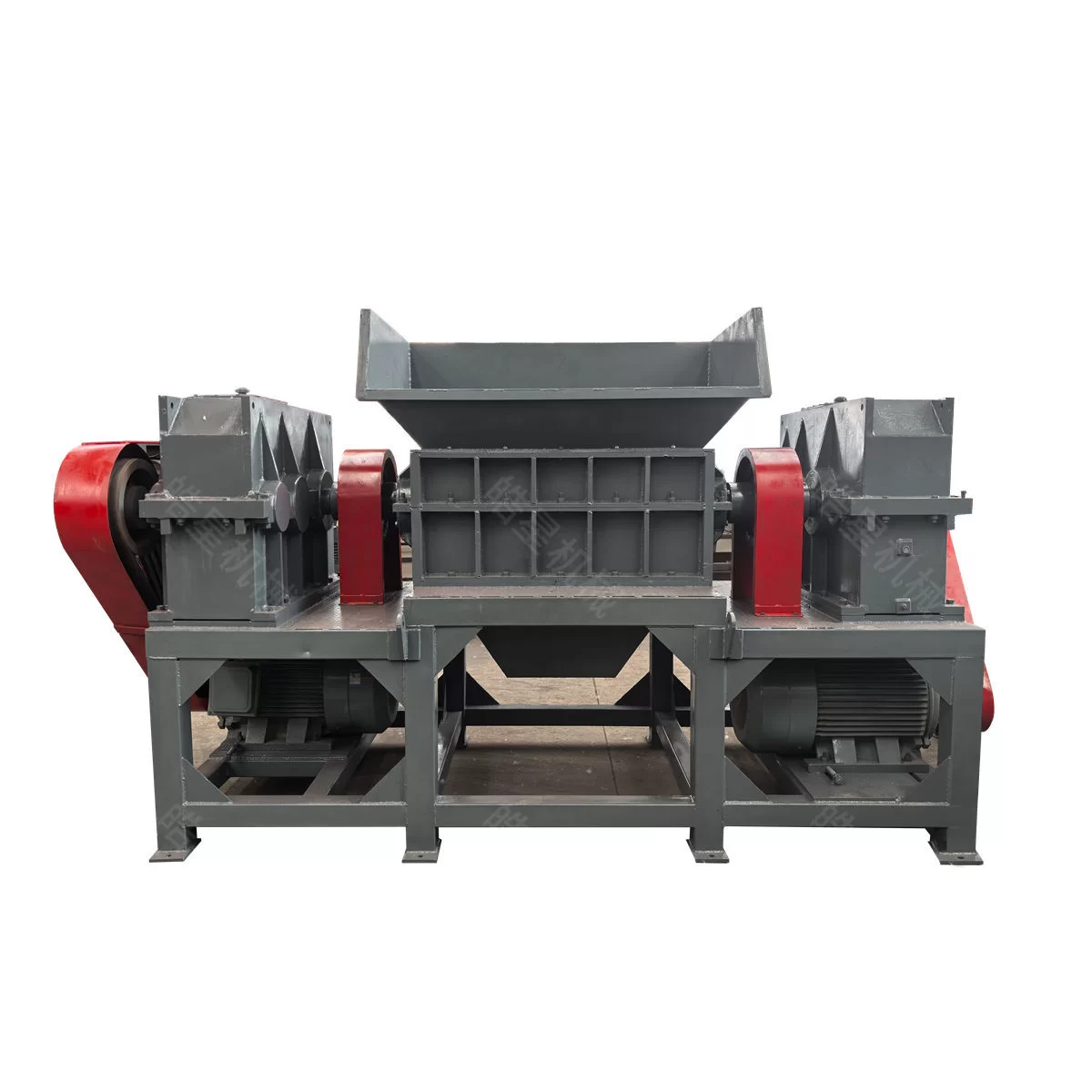
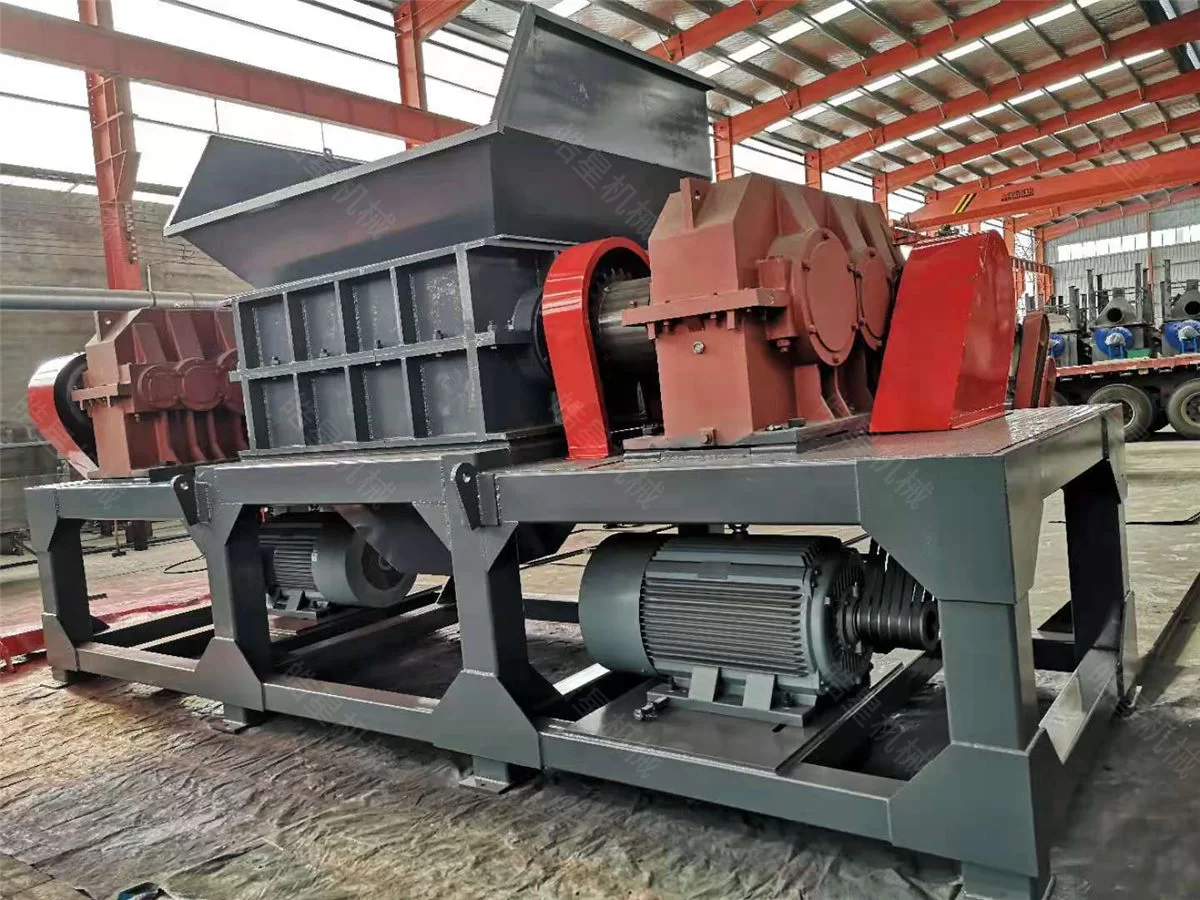
Schematic diagram of the structural composition of a metal twin-shaft shredder

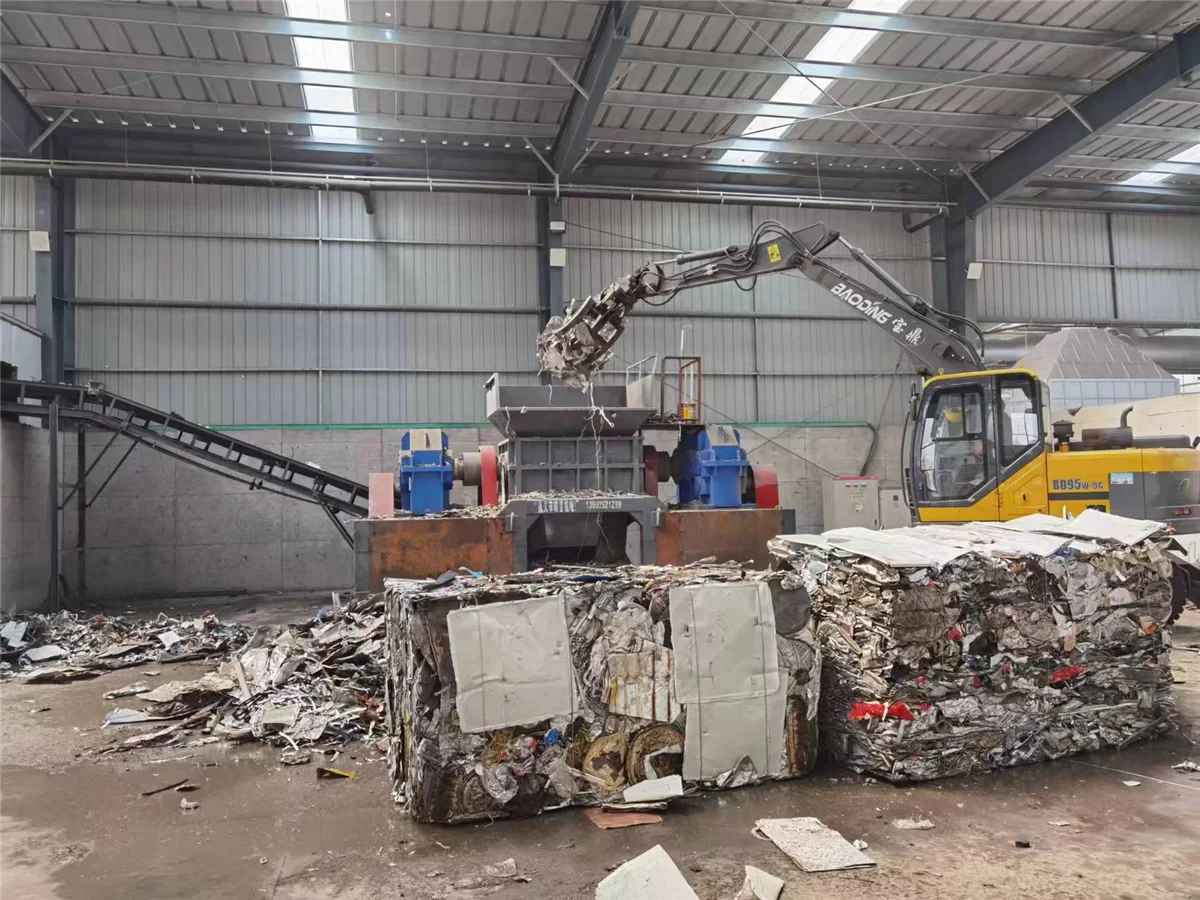
The twin-shaft shredder, also known as a metal shredder, offers significant advantages such as low speed, high torque, and low noise. The equipment features a split-type bearing housing structure, which makes disassembly and maintenance convenient. It can efficiently process various bulky, high-hardness, and difficult-to-break materials. It is widely used for shredding car shells, waste tires, large metal drums, scrap aluminum and raw aluminum parts, scrap steel plates, household waste, industrial waste, end-of-life vehicles, discarded home appliances, and other materials.

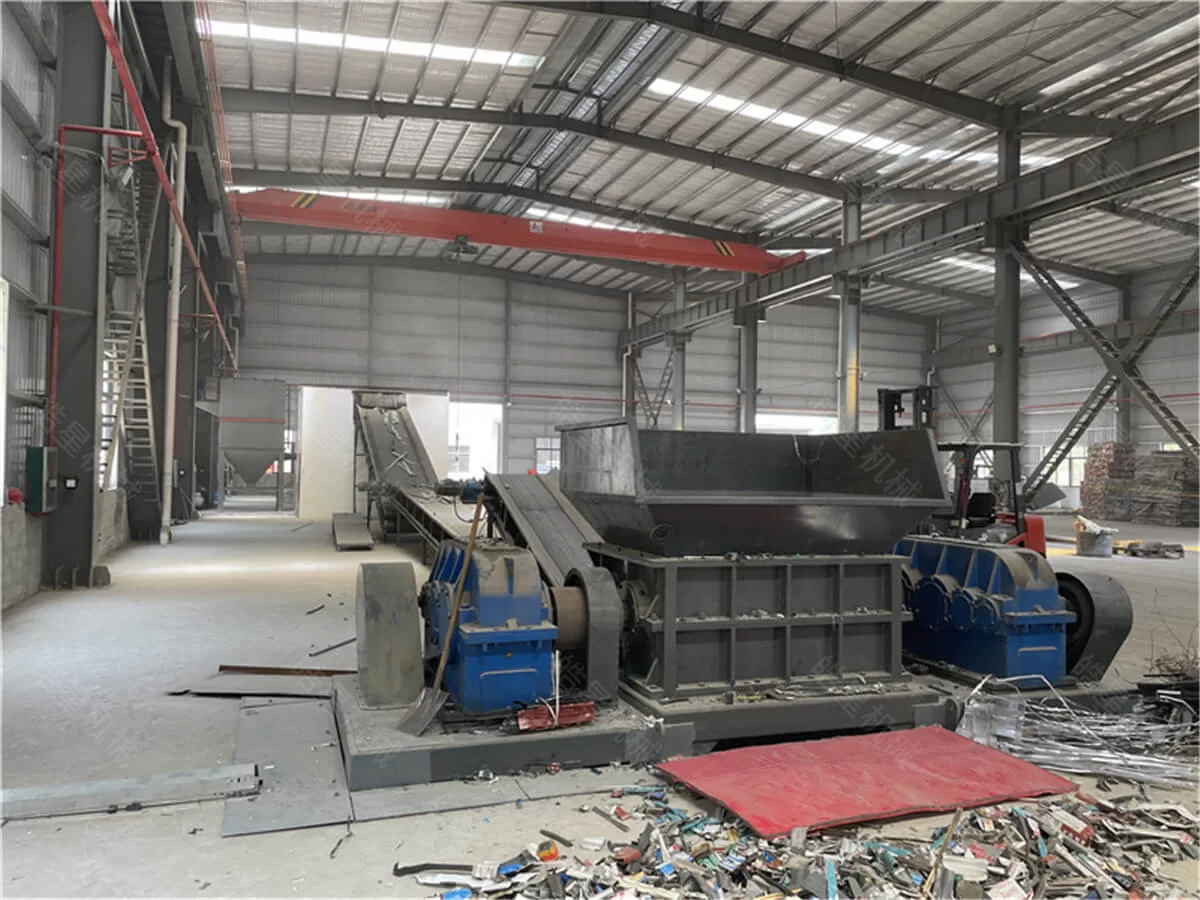
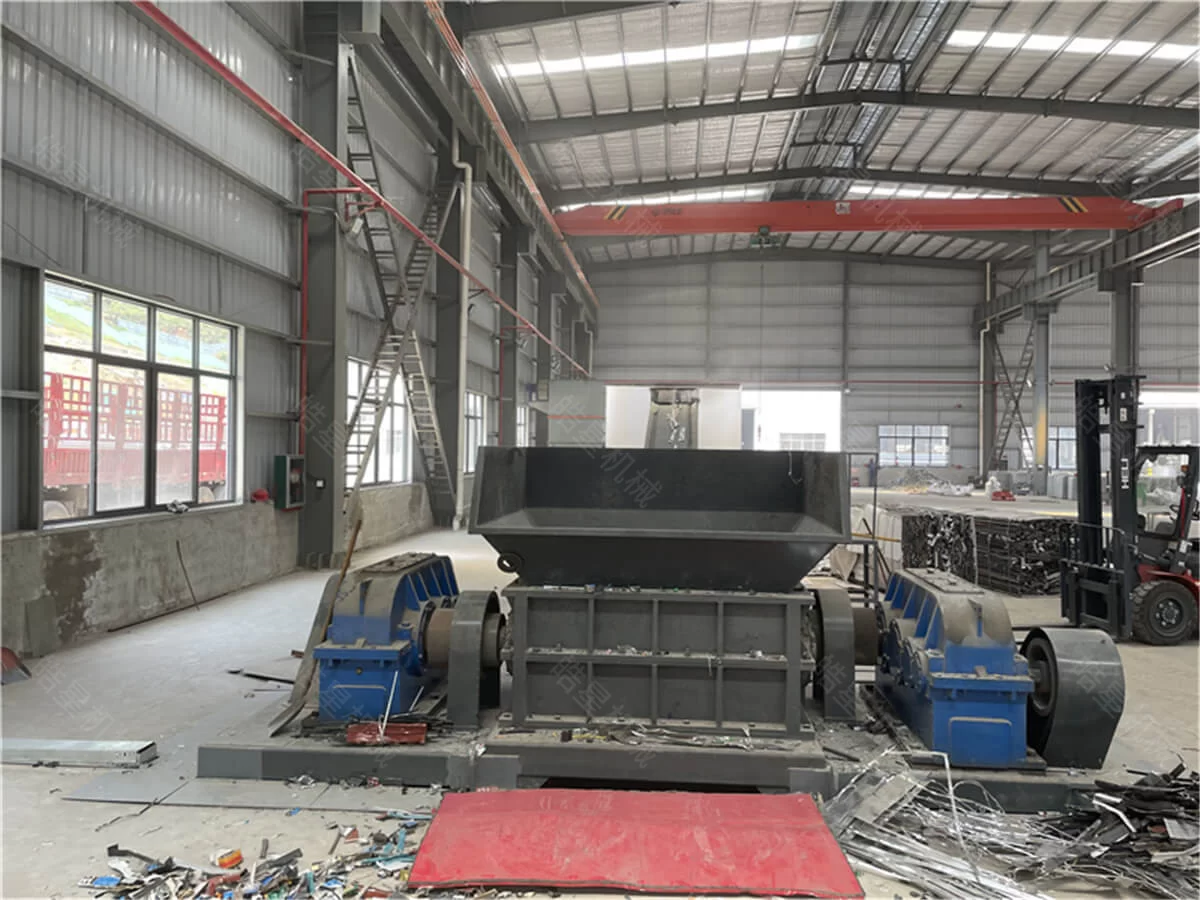
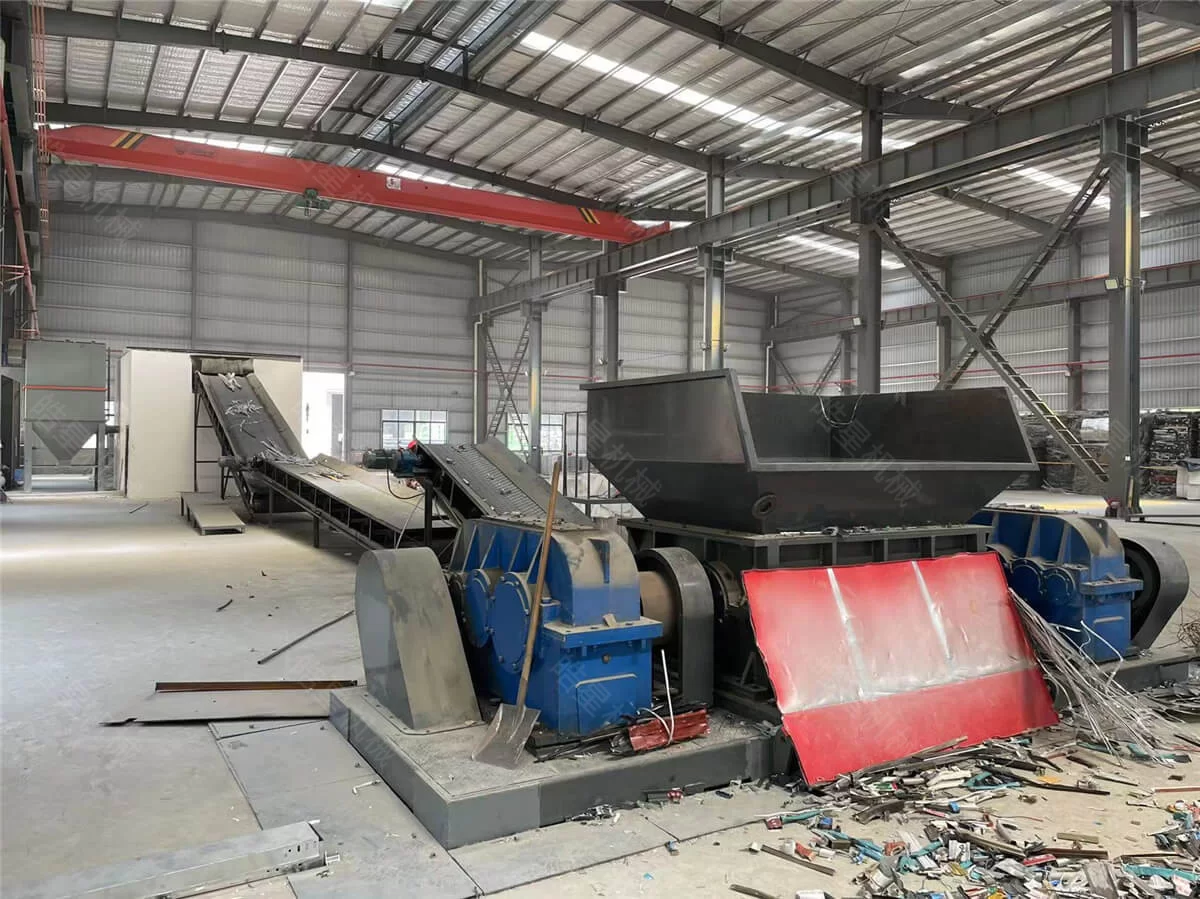
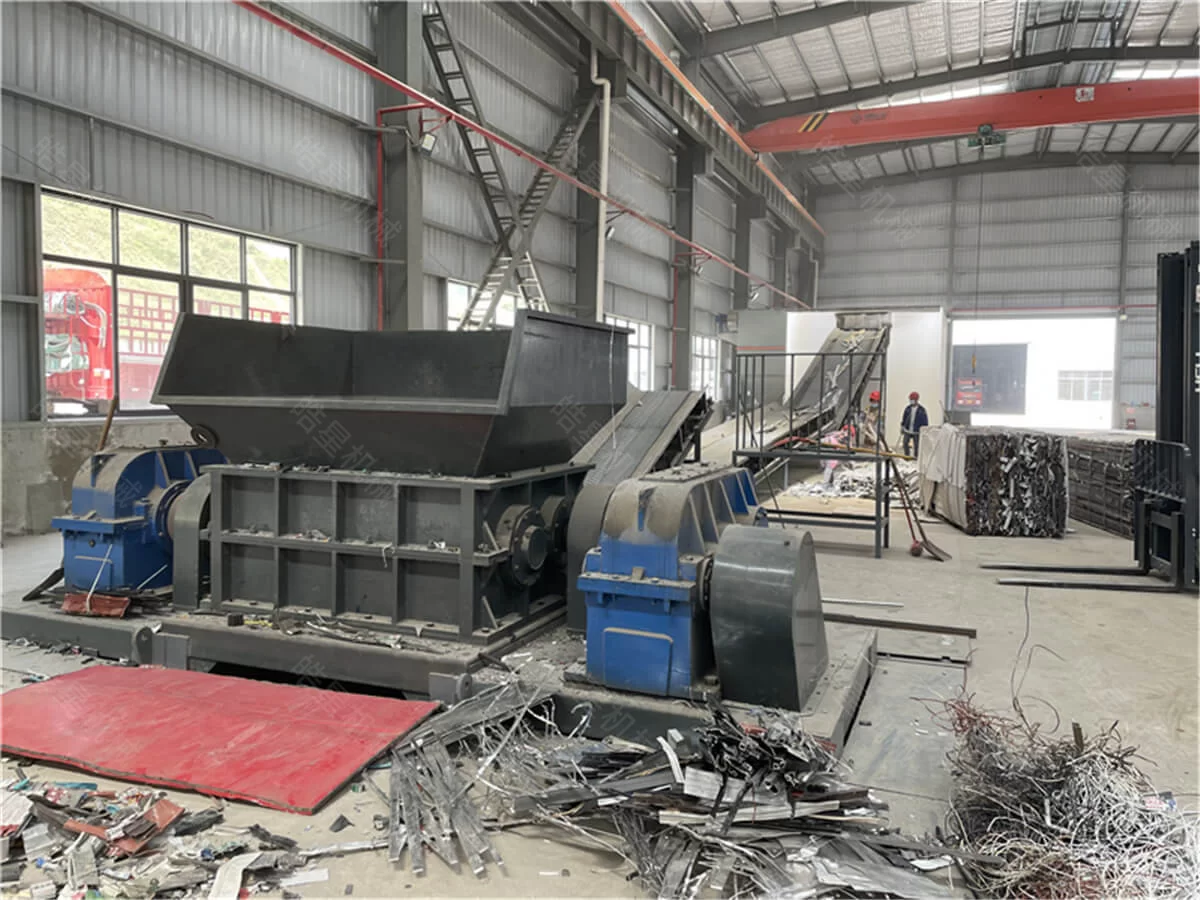
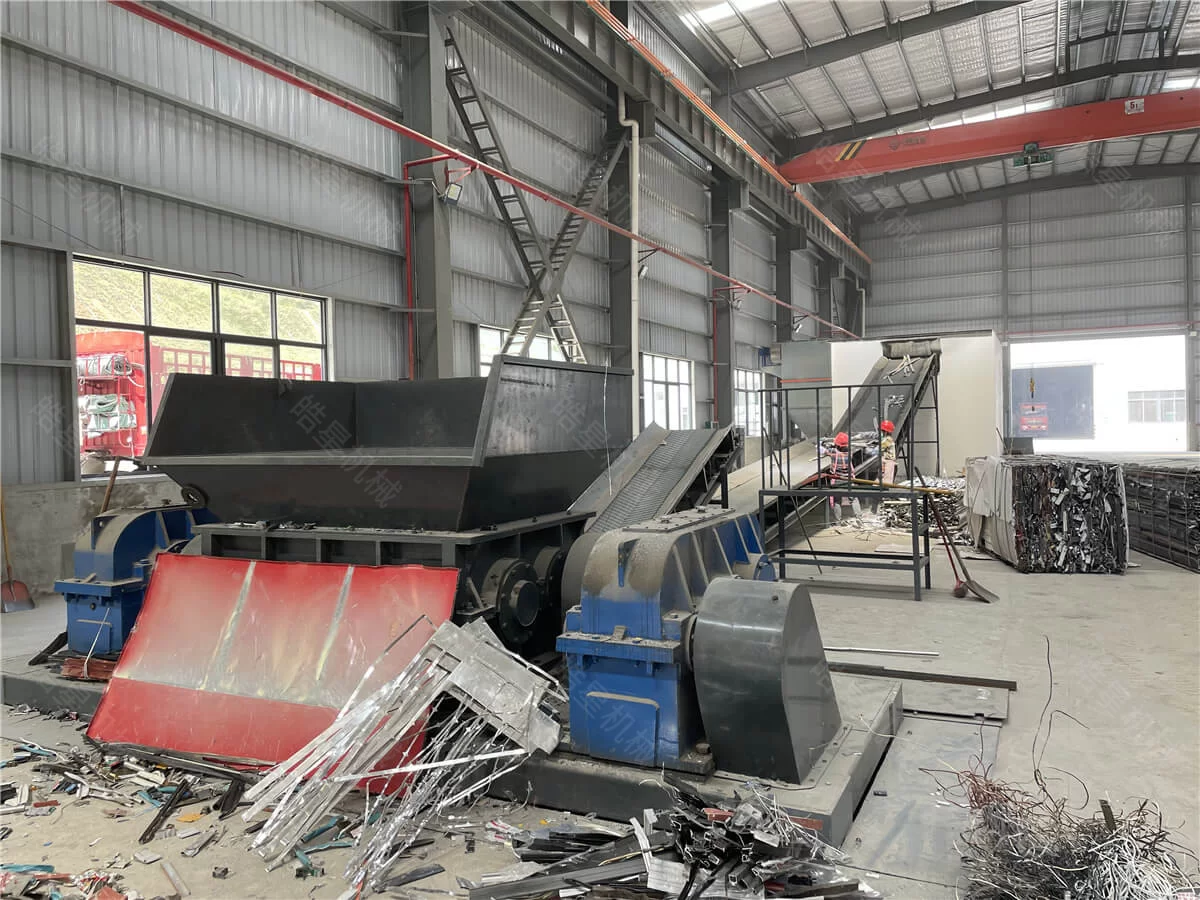
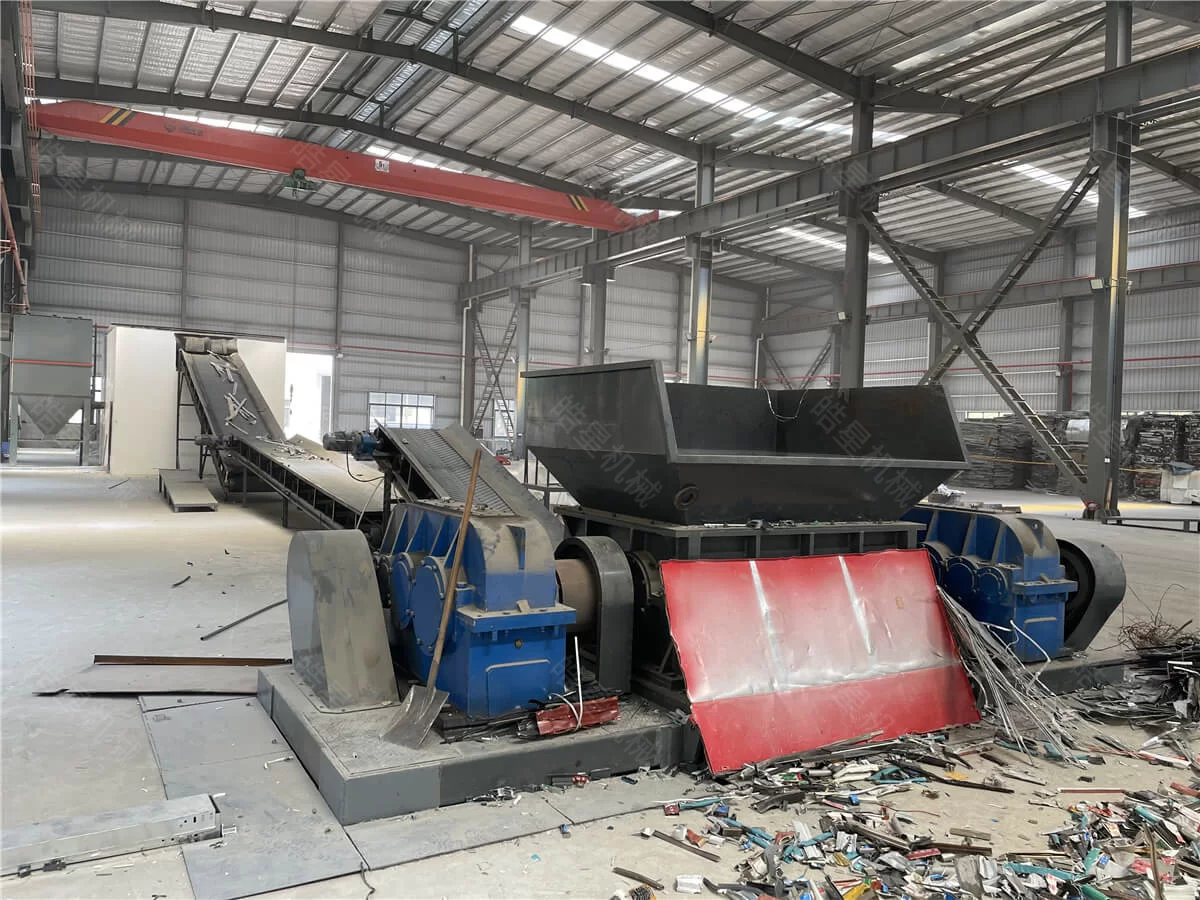
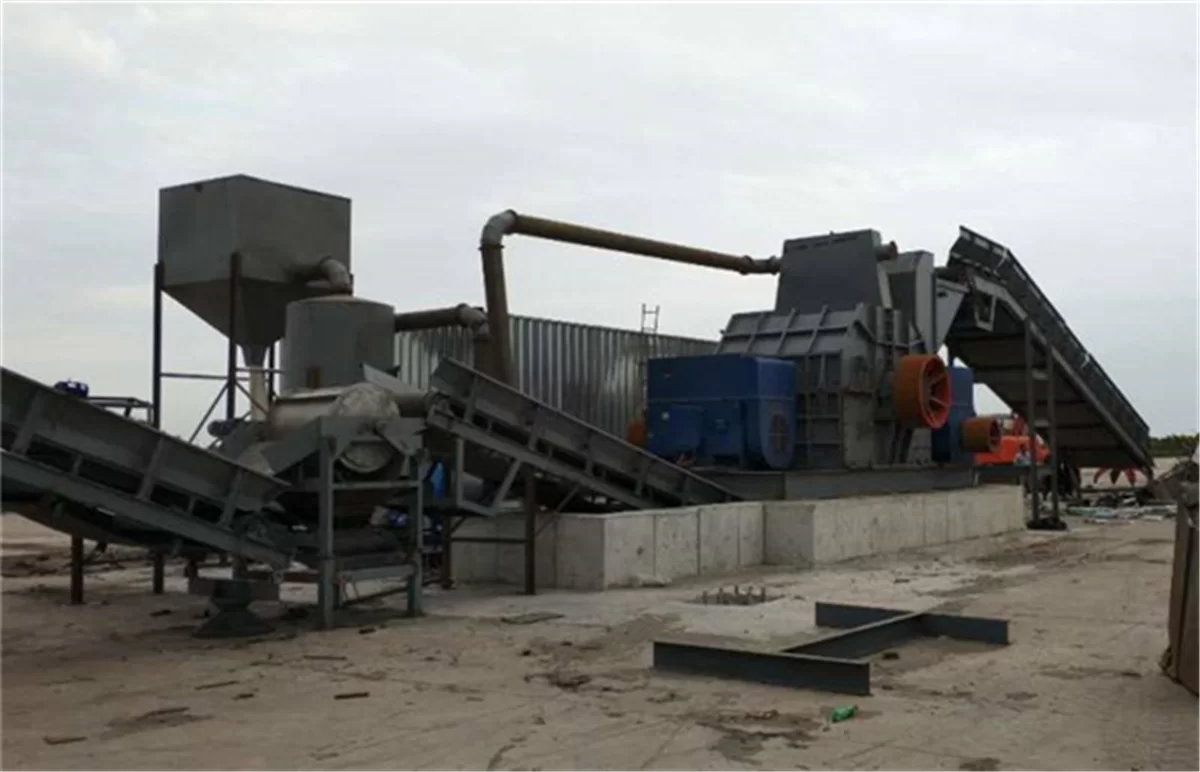
1000-type dual-shaft waste aluminum shredder shredding, sorting, and conveying operation line display:

Materials suitable for the twin-shaft shredder:

  • Various metal materials: scrap iron, color steel tiles, oil drums, oil filters, paint buckets, iron filings/swarf, steel wire ropes, etc.

  • Various aluminum materials: raw aluminum, aluminum alloys, aluminum profiles, broken bridge aluminum, raw aluminum castings, engine shells, etc.

  • Various packaging containers: plastic beverage bottles, aluminum/steel beverage cans, steel drums, packing boxes, packing barrels, etc.

  • Waste household appliances: televisions, washing machines, refrigerators, plastic housings of appliances, metal housings, etc.

  • Plastics and wood: plastic pipes, wooden pallets, plastic pallets, fork truck skids, waste tires, etc.

  • Other wastes: kitchen waste, household waste, animal carcasses, crop straw, garden waste, woven bags, etc.


    hxss1200 model dual-shaft metal shredder delivery video:

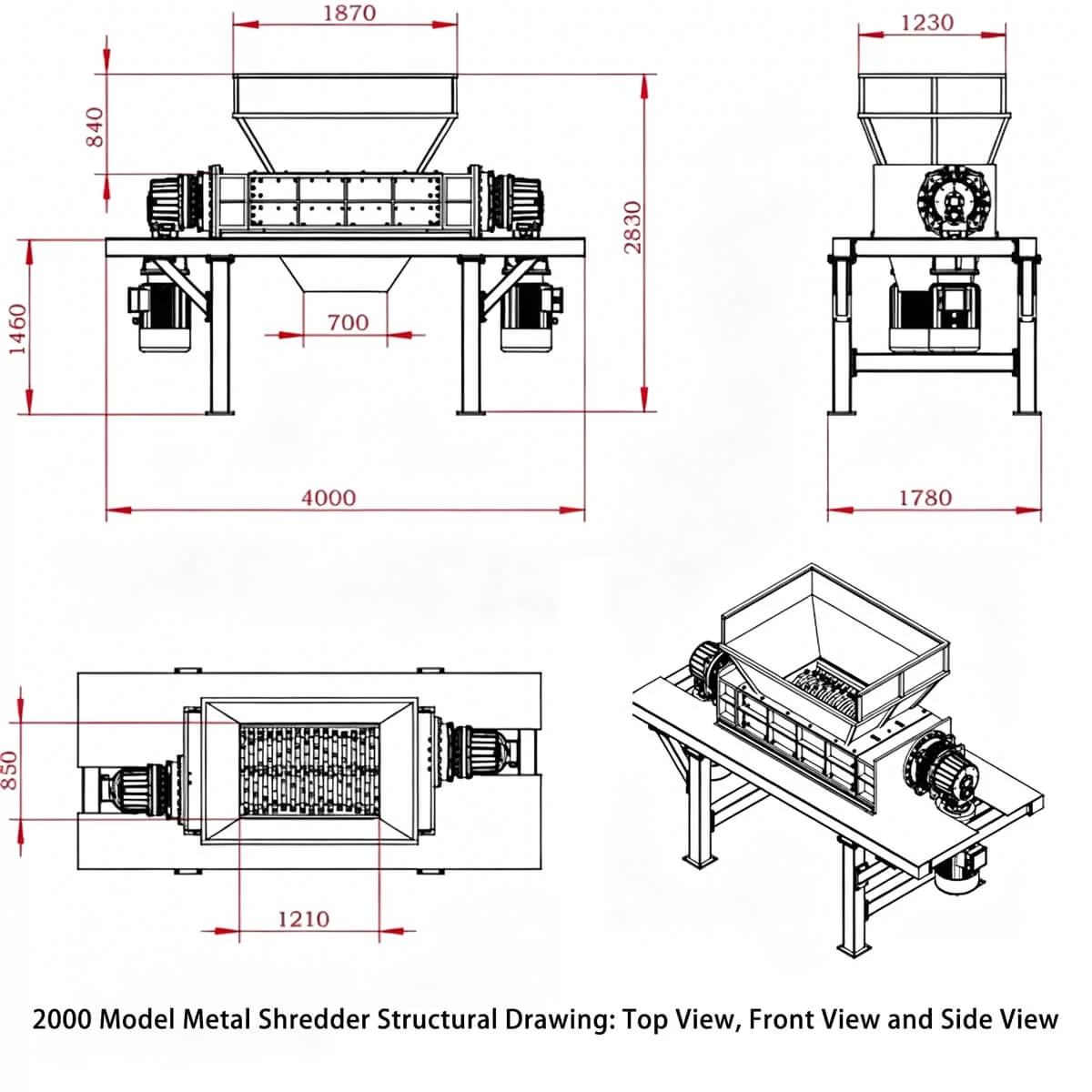
Schematic diagram of the front, side, and elevation planing structure of the 1200-type double-shaft metal shredder:

1-200109100H5534.jpg

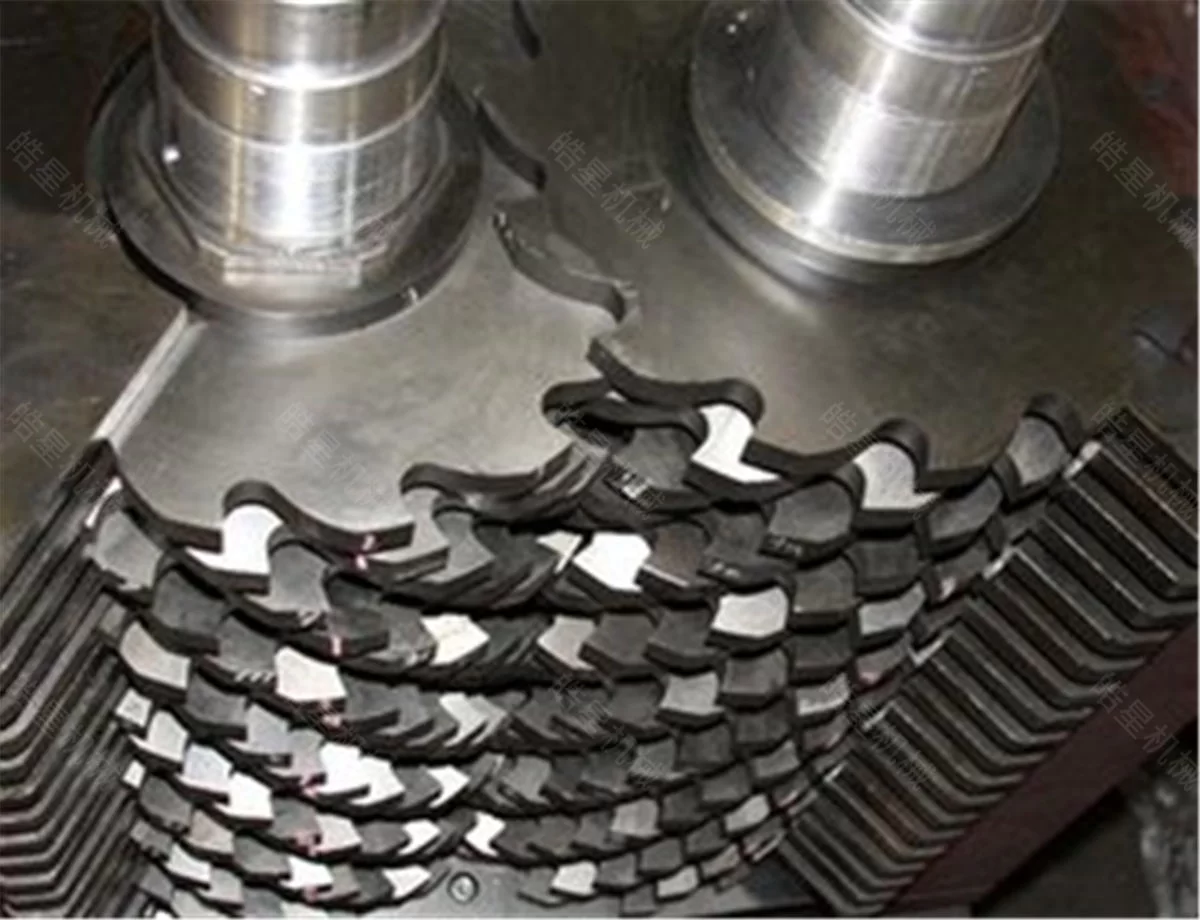
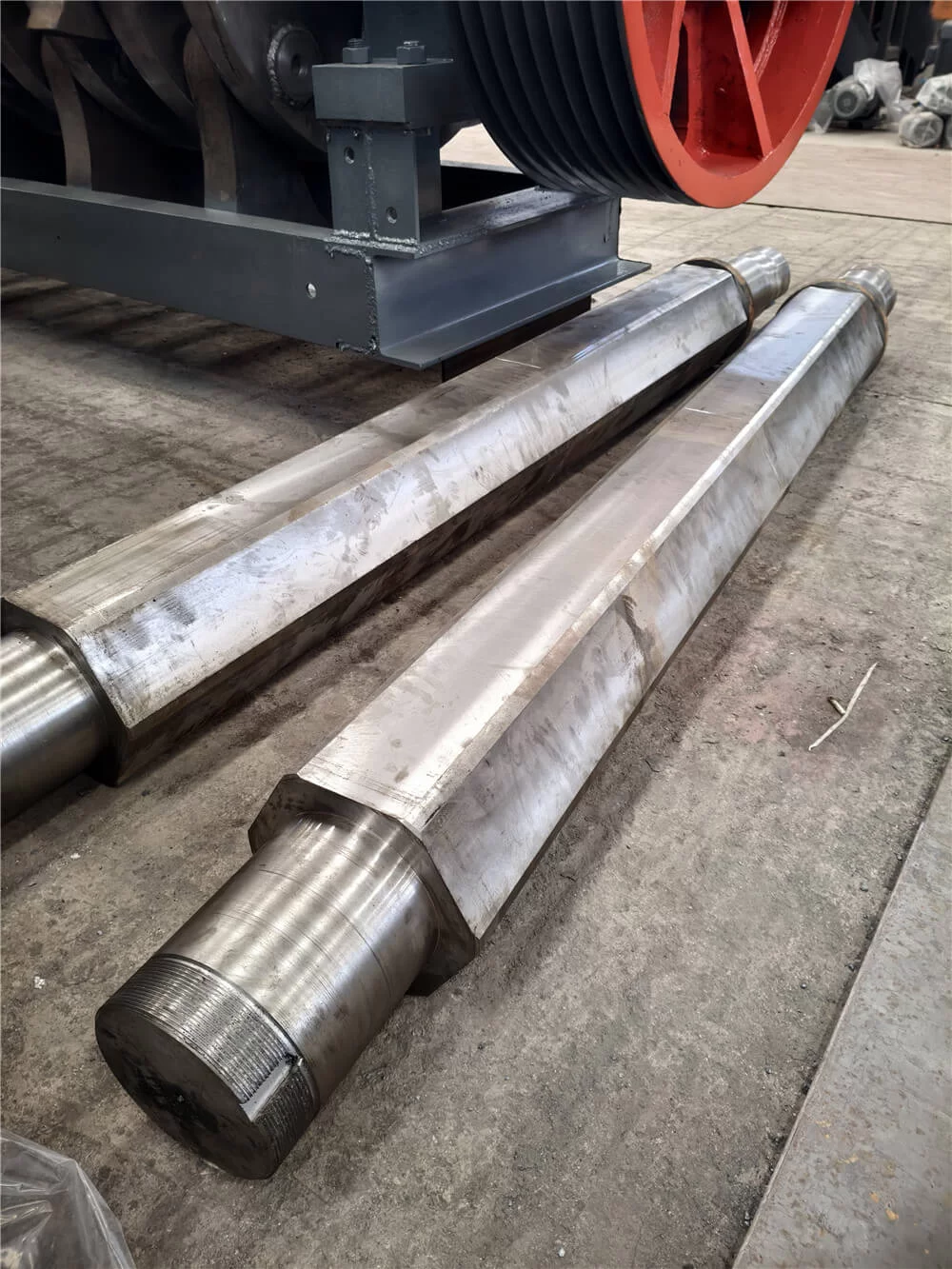
A twin-shaft shredder is a common coarse crushing device. It mainly consists of two counter-rotating cutter shafts. Each shaft is equipped with multiple high-hardness alloy cutter claws (or blades), and the cutter claws on the two shafts are arranged alternately with spacers in between.

Working process:

  1. Material grabbing: After the material is fed into the hopper, it falls by gravity into the area between the two shafts.
    Counter-rotation and shearing: The two cutter shafts are driven by a gearbox to rotate at low speed with high torque in opposite directions (commonly inward or outward rotation, depending on the design). The hook‑shaped design of the cutter claws grabs the material, tearing and pulling it into the gap between the two shafts.

  2. Tearing, squeezing, and cutting: The material is subjected to shearing, tearing, and squeezing forces between the two sets of cutter claws. The sharp teeth of the cutter claws and the edges of the spacers on the opposite shaft form shearing edges, gradually shredding large pieces of material (e.g., car shells, tires, plastic drums, metal cans, etc.) into smaller strips or irregular blocks.

  3. Screen controls output size: The shredded material falls onto a screen (or grid) at the bottom of the machine. Particles smaller than the screen openings are discharged; material that has not yet reached the required size is carried back by the cutter shafts for further shredding until it can pass through the screen.

  4. Overload protection: When encountering hard materials that are difficult to shred (e.g., large solid metal pieces), the control system can automatically reverse the cutter shafts to eject the foreign object, or the hydraulic pusher can retract, protecting the cutter shafts and gearbox.

Diagram of the 1200 Model Scrap Iron Shredding and Sorting Production Line:

1-200G209110VJ.jpg

1000 Model Dual-Shaft Metal Shredder Blade Display:

1-2005221h55n42-87.webp

As a medium-to-low speed, high-torque coarse crushing equipment, the twin-shaft shredder offers the following product advantages:

1. Strong crushing capability and robust construction
The main body adopts a low-speed, high-torque structural design. The entire machine is made of high-quality steel plates through precision machining and firm welding. It can efficiently shred even high-hardness and high-toughness materials such as scrap metal, tires, plastic drums, and wood, with stable operation, low risk of jamming, and rare overload conditions.

2. Wide material adaptability
It can process a variety of mixed wastes, including scrap car shells, raw aluminum/aluminum alloys, color steel tiles, iron sheets, aluminum cans, waste oil drums, paint buckets, car tires, wood, plastics, etc. It also has a certain tolerance for materials containing iron wire or rebar.

3. Controllable output size with flexible adjustment
The cooperative action of fixed blades and moving blades achieves core advantages such as efficient shearing, anti-wrapping, easy maintenance, and controllable particle size. Output size is mainly determined by the number of cutter claws and the screen mesh aperture. The denser the cutter claws and the smaller the screen mesh, the finer the output. Users can select suitable cutter claw configurations and screen meshes according to subsequent processes (e.g., magnetic separation, eddy current separation).

4. Automatic reverse and overload protection
When encountering difficult-to-break materials (e.g., large solid metal pieces) that cause excessive torque, the control system can automatically reverse the cutter shafts to discharge the foreign object and then resume forward rotation, effectively protecting the gearbox and cutter shafts.

5. Easy maintenance, low cost, and long service life
The cutter claws are made of high-strength alloy steel, wear-resistant and durable, and can be repaired multiple times by hardfacing or replaced individually without needing to replace the entire cutter shaft. The spacer structure allows adjustment of the gap between cutter claws for easy maintenance. Bearings and seals feature multi-layer protection to reduce dust ingress.

6. Stable operation and relatively low noise
Compared with high-speed crushers, the twin-shaft shredder operates at low speed (typically 10–40 rpm), resulting in lower noise and vibration, as well as less dust generation, making it more suitable for environments with high environmental requirements.

7. Flexible integration with other equipment into production lines
It is often used as the first-stage coarse crushing equipment in a production line, followed by crushers, magnetic separators, eddy current separators (optional), fine crushers, etc., to achieve a full recycling process of "coarse crushing → separation → fine crushing".

8. Reasonable energy consumption
Although the single-machine power is not low, the low-speed, high-torque design results in high crushing efficiency. Its energy consumption per unit output is better than that of some high-speed fine crushers, especially suitable for directly shredding large pieces of material.


Parameter description diagram for Twin Shaft Shredder | High-Torque Metal Shredder for Scrap Recycling | Haoxing Machinery:

1-1ZH0114022227.png

The twin-shaft shredder has a wide range of applications and can efficiently process scrap metal, scrap steel, waste tires, end-of-life vehicles, waste aluminum alloys, waste plastics, waste rubber, wood, and various bulky wastes. Based on the actual needs of the domestic market, Haoxing Machinery has continuously optimized, improved, and independently developed a series of twin-shaft shredders featuring mature technology and advanced design, providing customers with shredding equipment that offers stable performance, reliable quality, and outstanding cost-effectiveness.

FAQ

Frequently Asked Questions

Find common questions about scrap metal crushers, shredders, recycling lines, equipment selection, capacity configuration and operation requirements.

Q What is the price, color option, and configuration of the SX1200 twin-shaft shredder?

A

The SX1200 twin-shaft shredder can be customized in color and configuration. The price depends on motor power, cutter thickness, reducer brand, material type, and capacity requirements.

Q What is the maximum material thickness this twin-shaft shredder can process?

A

The maximum processable thickness depends on machine model, cutter thickness, motor power, and material hardness. For heavy materials such as wheel hubs or thick scrap, a suitable heavy-duty configuration should be selected.

Q What machine is suitable for recycling scrap thermal break aluminum at a waste recycling station?

A

A scrap aluminum crusher or thermal break aluminum recycling line is usually suitable. The final configuration should be customized according to site size, budget, material size, and expected output.

Q Can I visit a nearby twin-shaft shredder project site?

A

If a suitable reference site is available near your area, we can help arrange a visit. Please provide your location, material type, and capacity requirement.

Q How much does a twin-shaft shredder with 2 tons per hour capacity cost?

A

The price depends on motor power, cutter thickness, reducer configuration, frame strength, and material type. Please provide the material and required output size for an accurate quotation.

Q Can a medium-sized twin-shaft shredder process scrap aluminum alloy materials?

A

Yes, but the model should be selected according to daily processing volume, feeding size, aluminum alloy thickness, and discharge requirements. Please provide the approximate amount of material you need to process per day.

Q Can a twin-shaft shredder be customized for special materials?

A

Yes. Standard models are available for most applications, and customized twin-shaft shredders can also be designed for special materials, special feeding sizes, or specific output requirements.

Q What should I do if a twin-shaft shredder suddenly jams?

A

Stop the machine immediately and use reverse rotation to release the stuck material. Do not insert hands into the chamber. After clearing the jam, check for oversized material, hard foreign objects, and cutter clearance.

Q What materials are twin-shaft shredder blades made of and how often should they be replaced?

A

Twin-shaft shredder blades are commonly made of alloy tool steel such as Cr12MoV, H13, or other wear-resistant materials. Replacement frequency depends on material hardness, working hours, blade material, and wear condition.

Q How much does an 800-type twin-shaft shredder cost?

A

The price of an 800-type twin-shaft shredder depends on cutter thickness, motor power, reducer brand, frame design, and the material to be processed. Please confirm the material and capacity requirement before quotation.

Post a Question

Leave your question about material type, capacity, equipment model or recycling line configuration.

Verification code
Get A Quote

Get Instant Pricing & Specs

Send your email and tell us your material type, capacity requirement and site condition. Our team will provide equipment selection, technical specifications and quotation details.

  • Model recommendation
  • Capacity configuration
  • Recycling line quotation

Request Product Details

We usually reply with equipment details and pricing information as soon as possible.

WhatsApp
💬
WhatsApp
WhatsApp QR Code
Scan or click to chat with us on WhatsApp.
WhatsApp Now
Email
1121113722@qq.com
📞
Phone
+8613592521219