
Suitable Projects
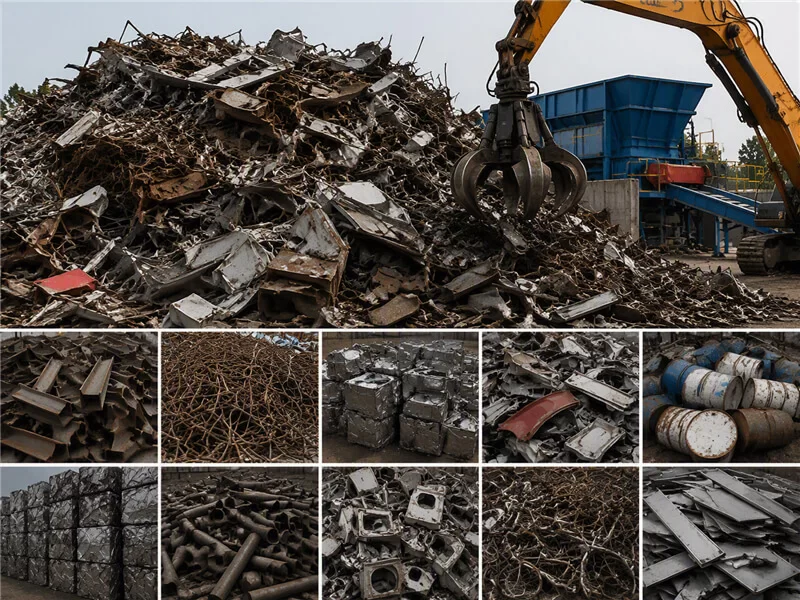
Light steel scrap, prepared appliance shells, color steel sheets, empty drums, fabrication offcuts and selected vehicle body panels.
A complete line for controlled feeding and low-speed, high-torque coarse shredding of bulky, loose and irregular ferrous scrap before inspection, magnetic recovery or secondary crushing.
The line page explains the complete system rather than repeating one machine page.
This line is used when bulky, folded or irregular ferrous scrap cannot be handled efficiently by ordinary conveying or direct hammer crushing.
The twin shaft shredder performs primary coarse size reduction. A hammer crusher is a separate optional stage used only when smaller, screen-controlled output is required.
Light steel scrap, prepared appliance shells, color steel sheets, empty drums, fabrication offcuts and selected vehicle body panels.
Reduce volume, open folded material and create stable feed for inspection, separation or secondary crushing.
Heavy solid shafts, thick beams, pressure vessels, batteries and hazardous containers require separate preparation.
Magnetic separation, hammer crushing, screening, dust collection and additional sorting can be added when required.
Cutter size, shaft length, drive power and feeding arrangement depend on dimensions, thickness, density and internal structure.
Only the stages required by the material and target output are included.
Remove hazardous and unsuitable items.
Meter scrap according to shredder load.
Twin shafts tear and shear bulky scrap.
Transfer coarse output from the shredder.
Recover exposed ferrous metal when required.
Produce smaller screen-controlled output.
Collect or route each output stream.
Equipment is selected for a specific task rather than added as a fixed package.
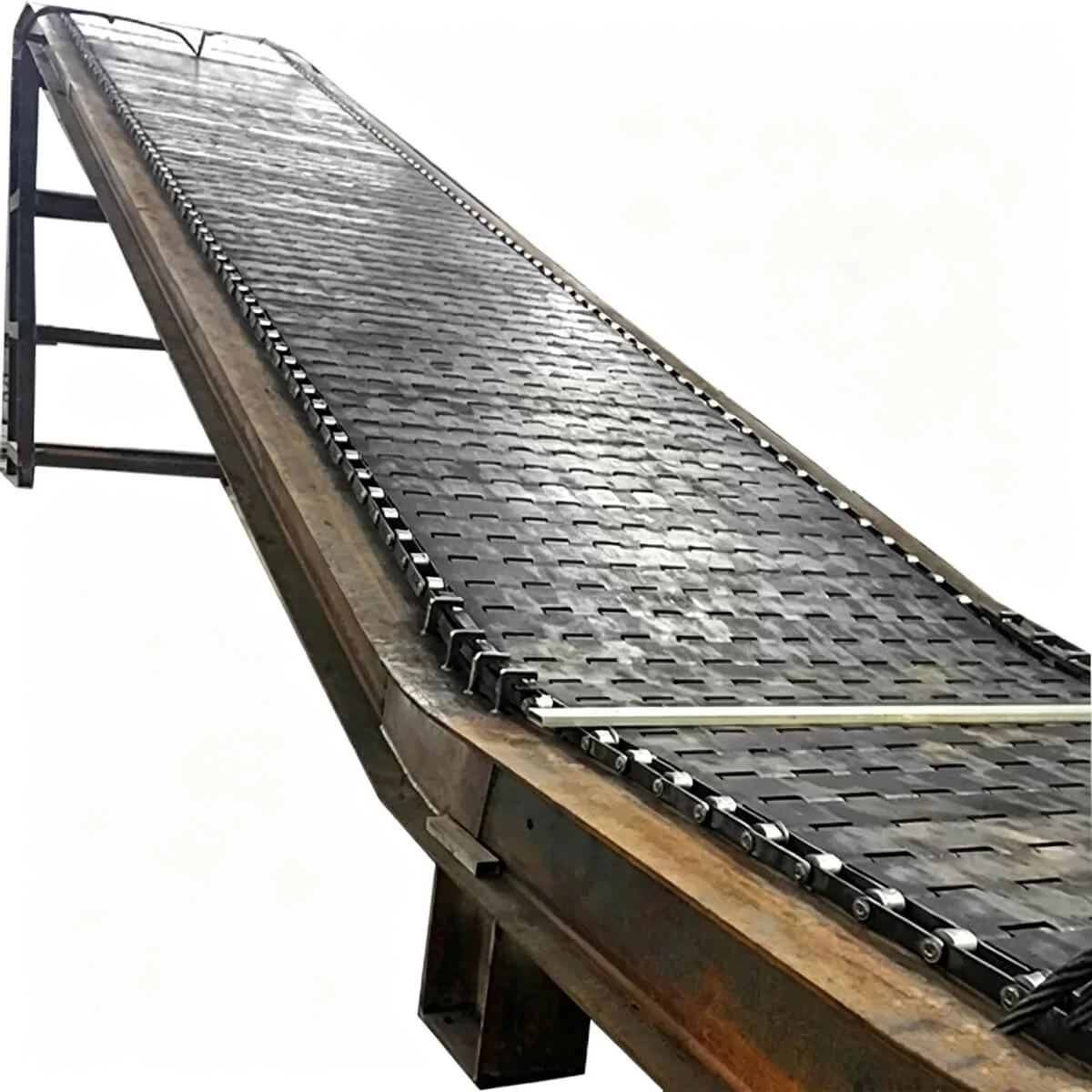
Controls the feeding rate and carries bulky, sharp-edged scrap.
View equipment details →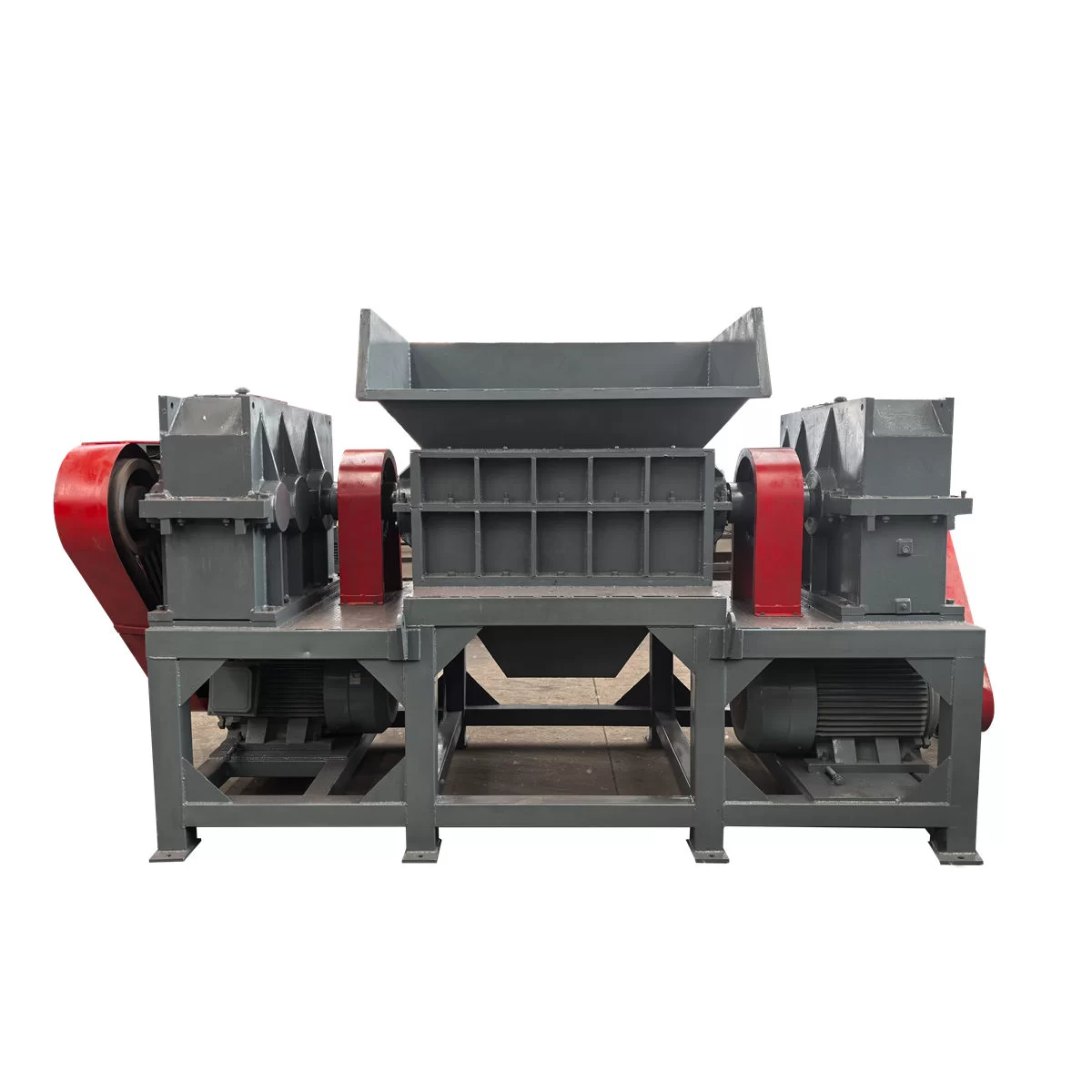
Provides low-speed, high-torque coarse shredding.
View equipment details →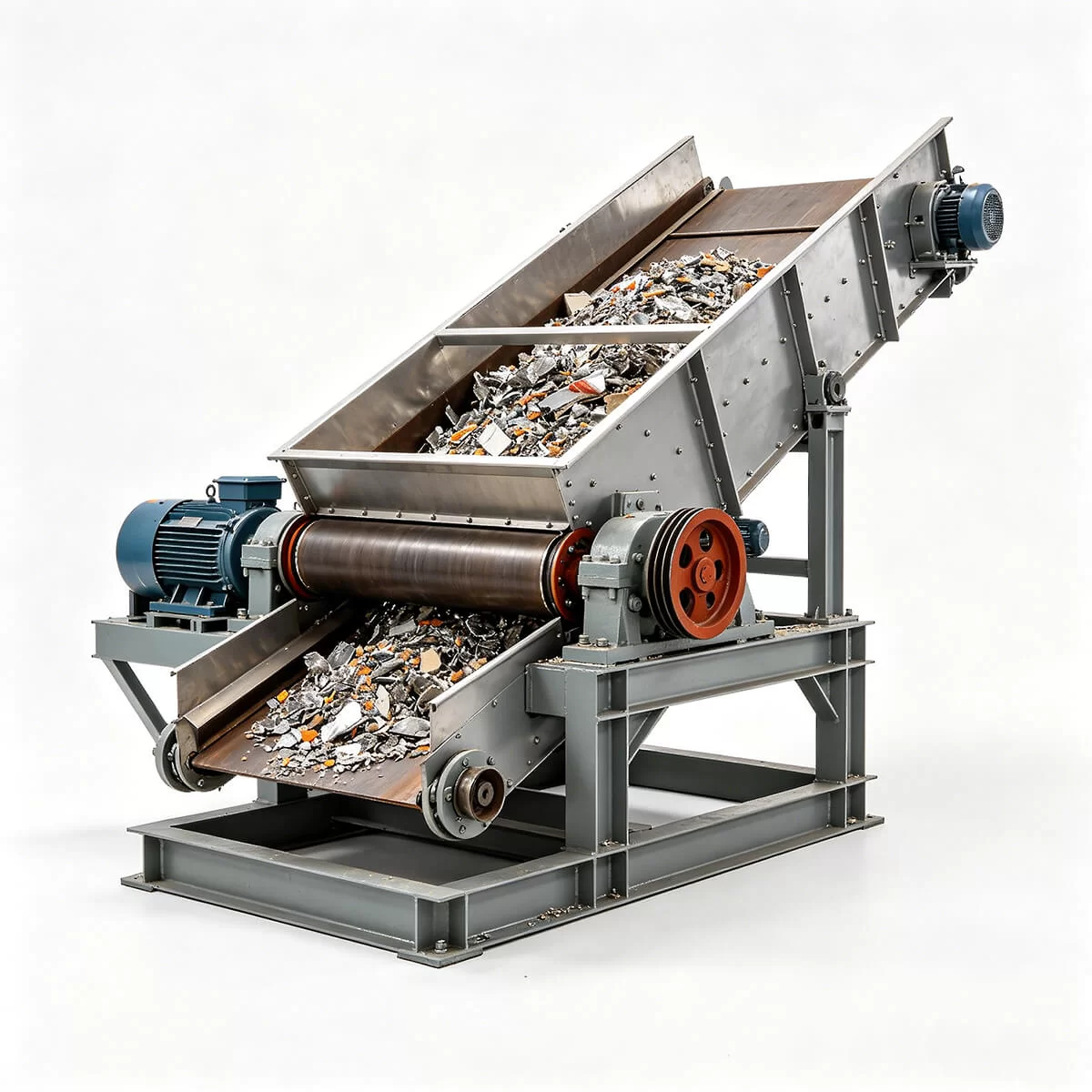
Recovers exposed iron and steel from suitable mixed output.
View equipment details →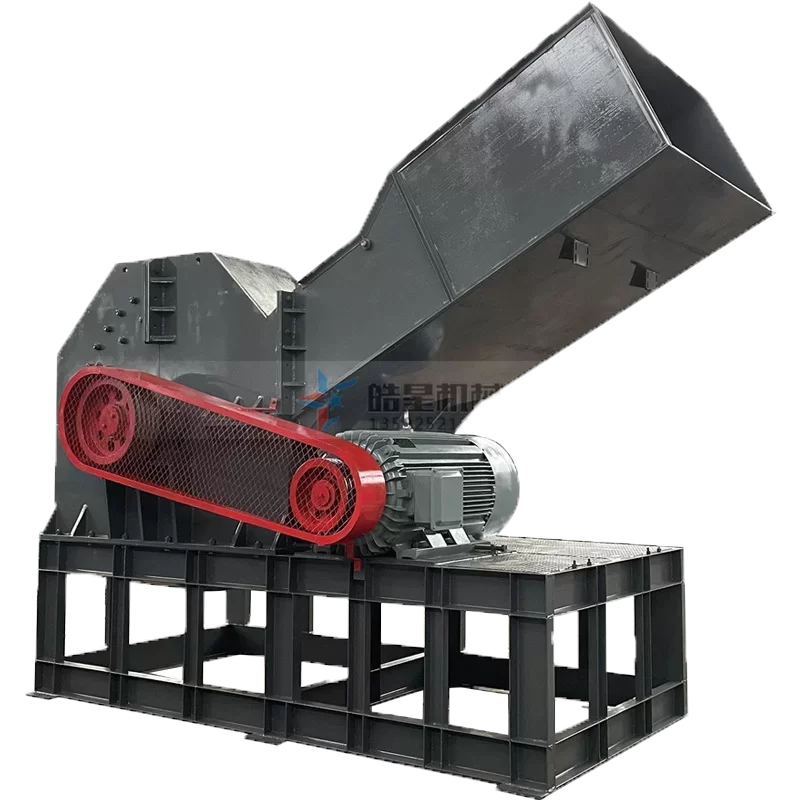
Provides high-speed hammer crushing and screen-controlled discharge.
View equipment details →Different machines solve different processing problems and should not be presented as interchangeable.
The final output depends on feed composition, liberation and installed separation stages.
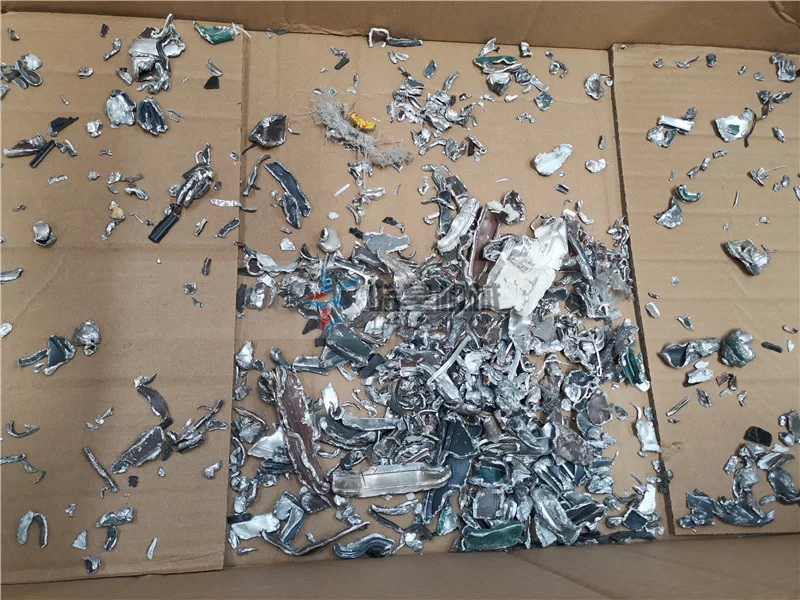
See the processing and separation results of prepared ferrous and aluminum material using crushing, magnetic separation and eddy current sorting equipment.
View Processing Record →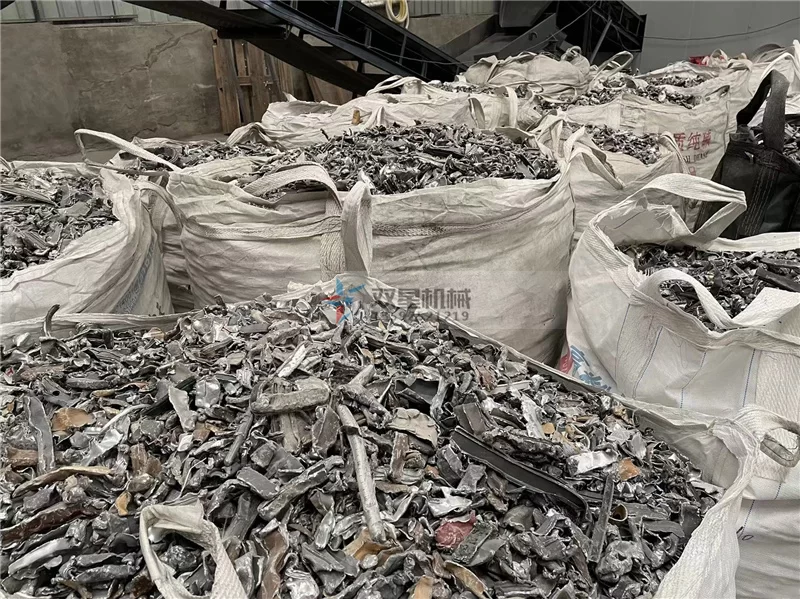
See the coarse output produced when prepared aluminum profiles are processed by a twin shaft shredder, including material shape and downstream crushing options.
View Processing Record →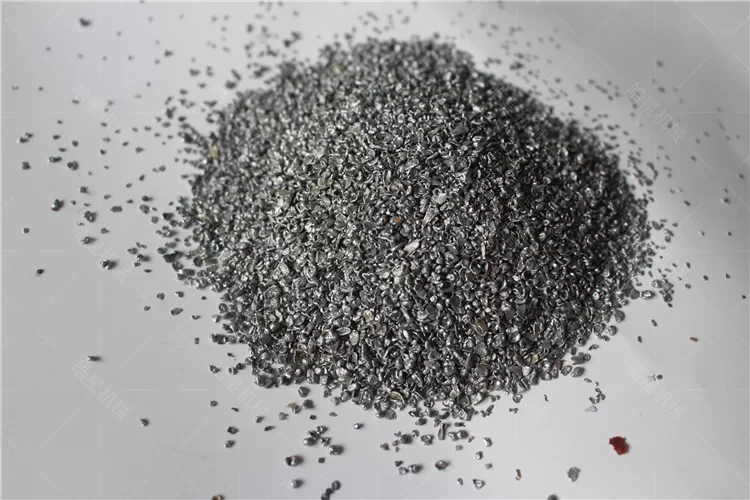
See the output condition of iron chips and metal turnings after low-speed shredding, including shorter, looser material for downstream handling.
View Processing Record →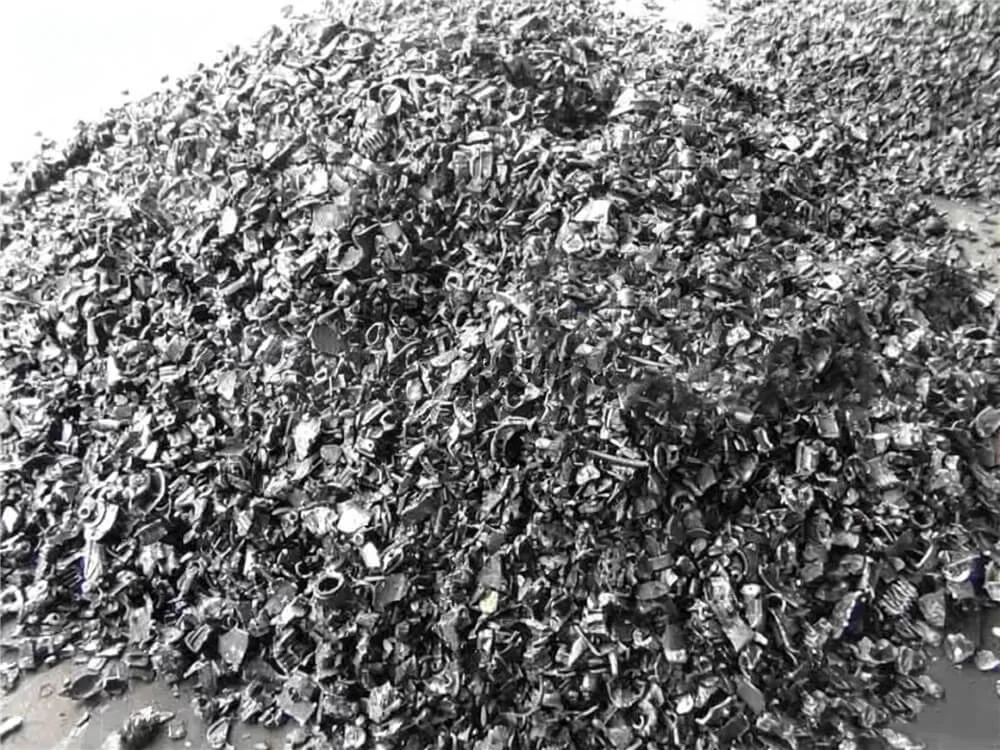
See how long and tangled iron chips or swarf become shorter, looser and easier to convey, collect or prepare for briquetting after shredding.
View Processing Record →Review working videos, technical data and project information.
The scrap steel shredding production line is designed for bulky, folded and irregular ferrous scrap that requires coarse size reduction before inspection, separation, transportation or secondary crushing. A twin shaft shredder operates at low speed and high torque, using two counter-rotating cutter shafts to grip, tear and shear the incoming material.
The standard output is coarse and irregular. This line is intended to reduce material volume and improve downstream handling rather than produce a small, screen-controlled final particle size.
Typical feed may include prepared light steel scrap, appliance shells, empty metal drums, color steel sheets, fabrication offcuts and selected vehicle body panels. Material suitability depends on actual dimensions, thickness, bulk density, individual weight and attached components.
Heavy solid shafts, large castings, thick structural steel, sealed containers, batteries and unidentified hazardous material require separate evaluation. Oversized solid parts may need hydraulic shearing or another preparation method before entering the shredder.
The twin shaft shredder serves as the primary size-reduction machine. It opens folded material and converts bulky scrap into shorter, looser pieces that are easier to convey and inspect.
A scrap steel crusher can be added downstream when the project requires smaller material, better liberation or screen-controlled output. The shredder and crusher have different functions: the shredder performs low-speed coarse shredding, while the crusher uses high-speed hammer impact and a screen or grate to control the maximum discharge size.
Before selecting the shredder and supporting equipment, please provide representative material photos or videos, normal and maximum feed dimensions, material thickness, solid-part percentage, bulk density, required hourly capacity and expected output condition.
The final line may include a heavy-duty feeding conveyor, twin shaft shredder, discharge conveyor, magnetic separator, secondary crusher, screening equipment, dust collection system and centralized electrical control. Optional equipment is selected according to the actual feed and downstream processing objective.
Final models and performance are confirmed after reviewing representative material information.
For coarse size reduction and volume reduction.
For suitable mixed feed requiring ferrous recovery.
For smaller output and improved liberation.
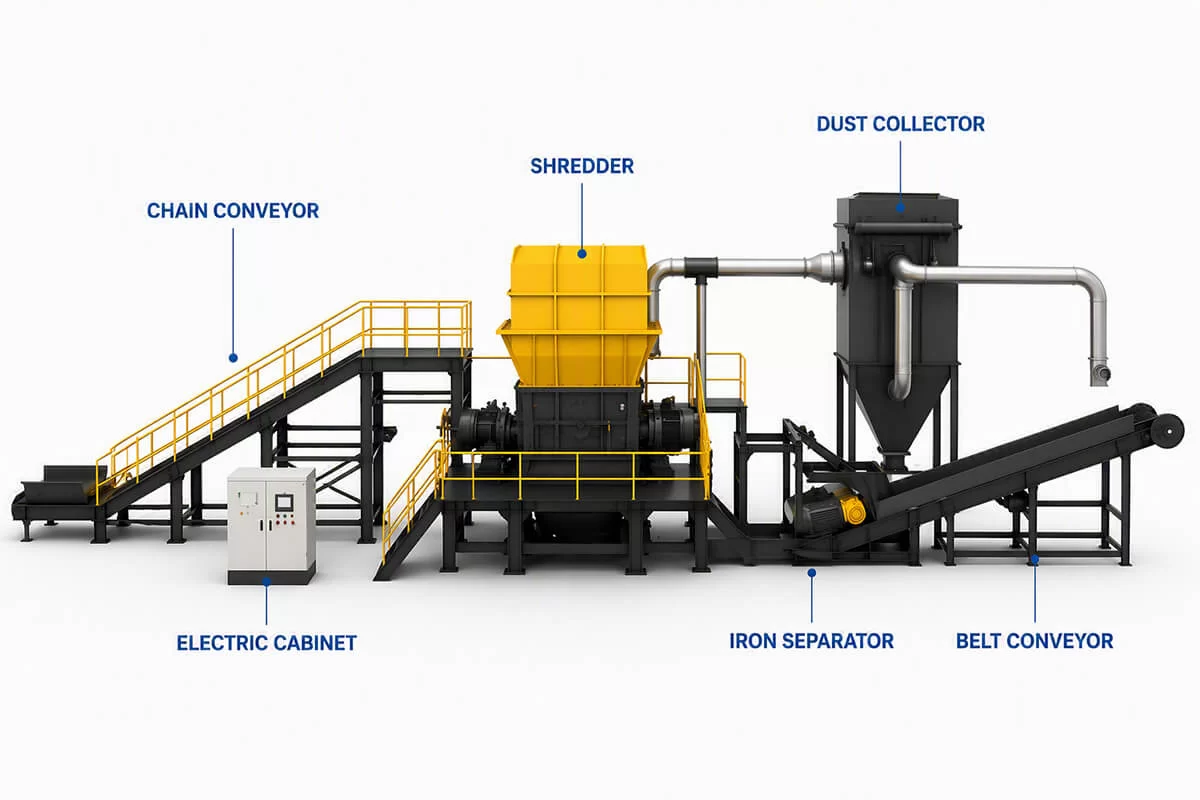
Equipment spacing, conveyor length and collection positions depend on building dimensions, loading method, maintenance access and final material handling.
The gallery stays in the content rather than dominating the top like a single-machine carousel.
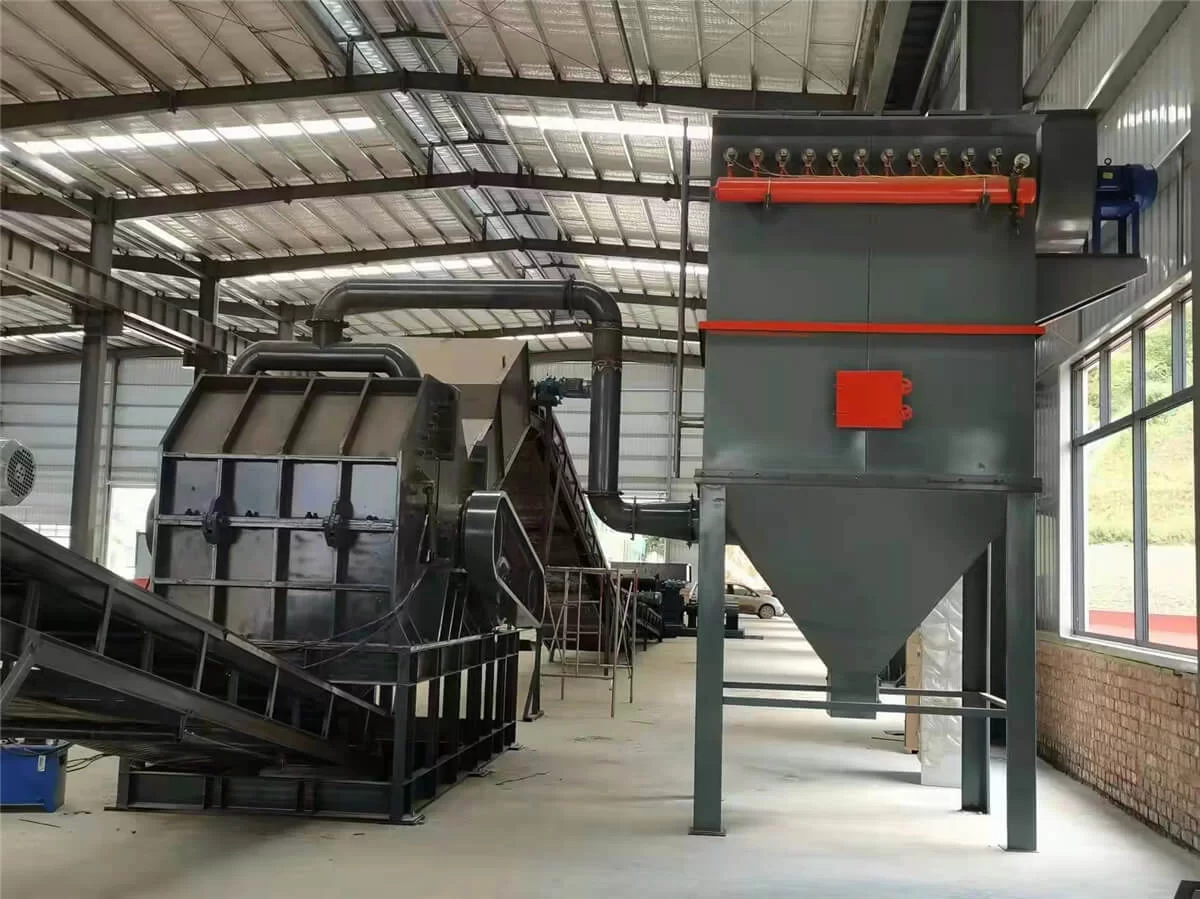
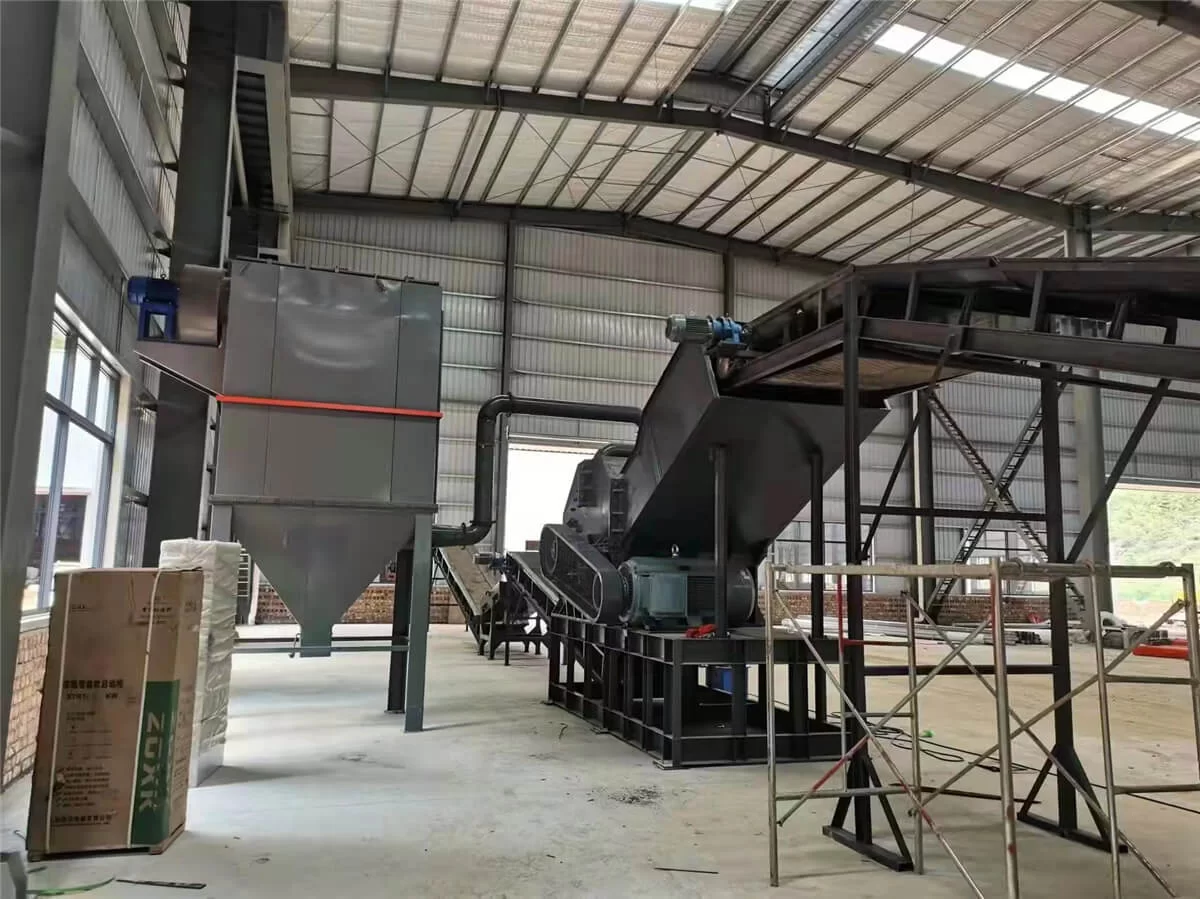
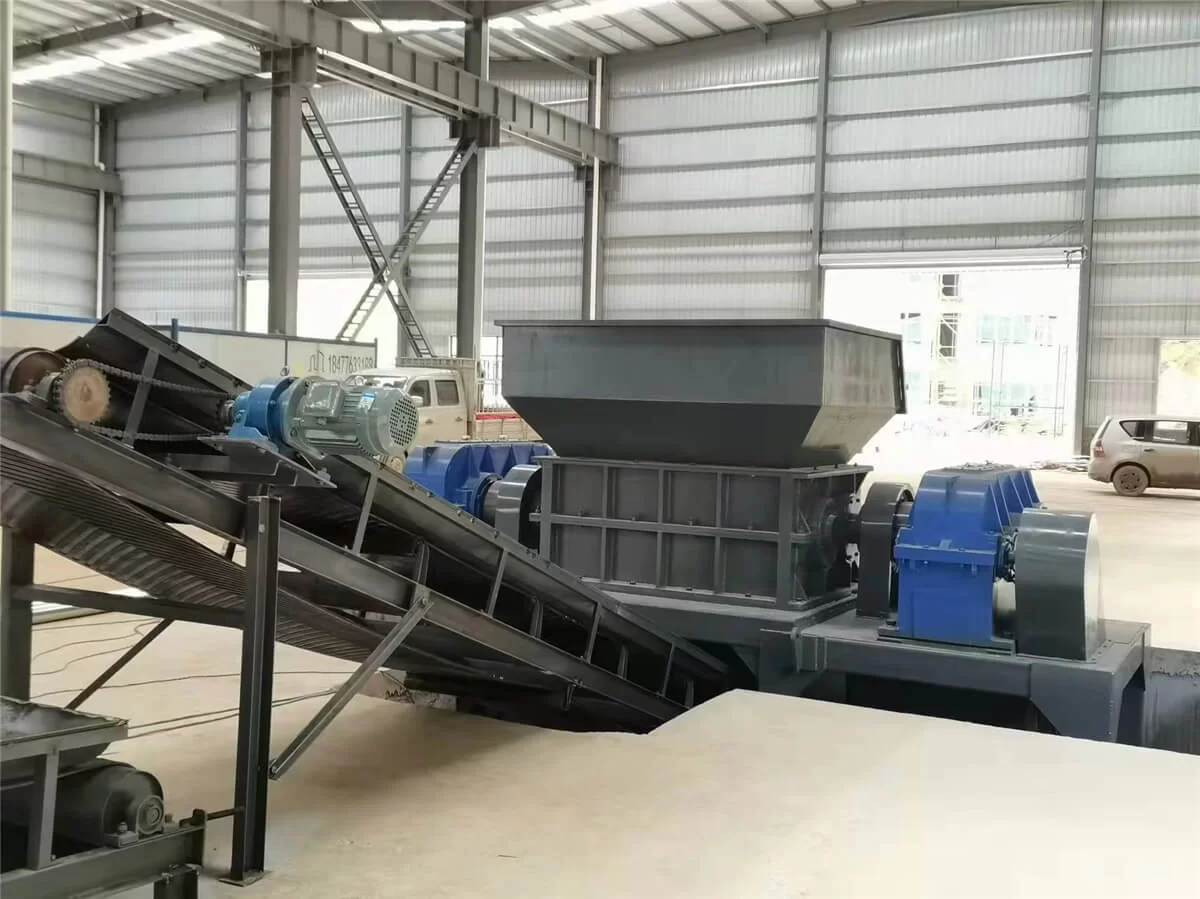
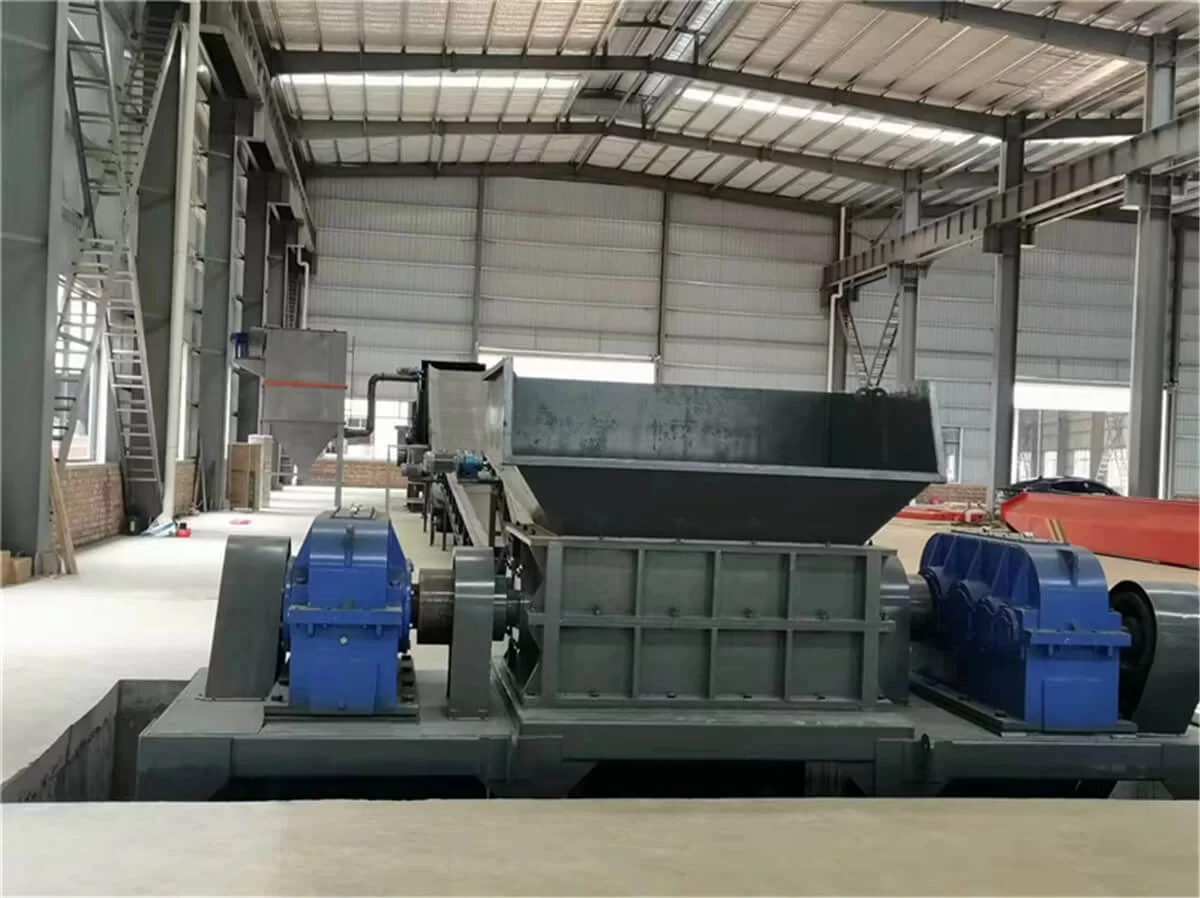
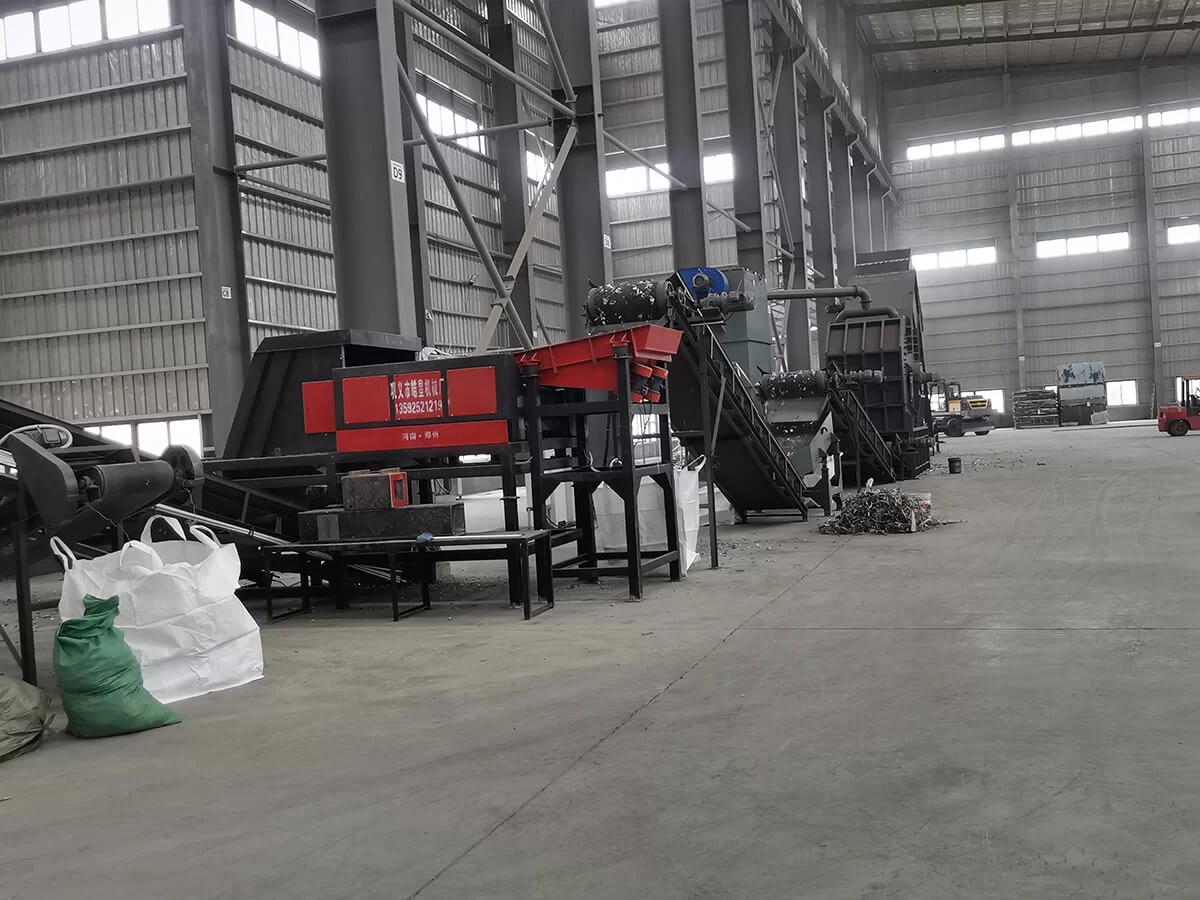
A standard twin shaft shredder produces coarse and irregular output without precise screen control. When the project requires a smaller maximum size, a suitable hammer crusher can be installed after the shredder to provide screen-controlled secondary crushing.
Heavy beams, solid shafts, large castings and thick structural sections require separate evaluation. Hydraulic shearing, cutting or another preparation method may be required before shredding. The decision depends on the material dimensions, thickness, weight and steel structure.
No. Relatively clean ferrous scrap may be collected directly after shredding. Magnetic separation is used when the processed material contains recoverable iron or steel mixed with plastic, rubber or other non-magnetic material.
A hammer crusher should be considered when the coarse shredded material must be reduced further, the maximum output size needs to be controlled by a screen or grate, or improved material liberation is required before magnetic separation, screening or furnace preparation.
Selected steel bales may be processed after the bale dimensions, weight, compression density, material thickness and internal composition have been reviewed. Projects focused mainly on compressed bales should use a bale-specific feeding and opening configuration rather than a general loose scrap
The final configuration should be based on real feed conditions and required output, not a fixed equipment package.