
Suitable Projects
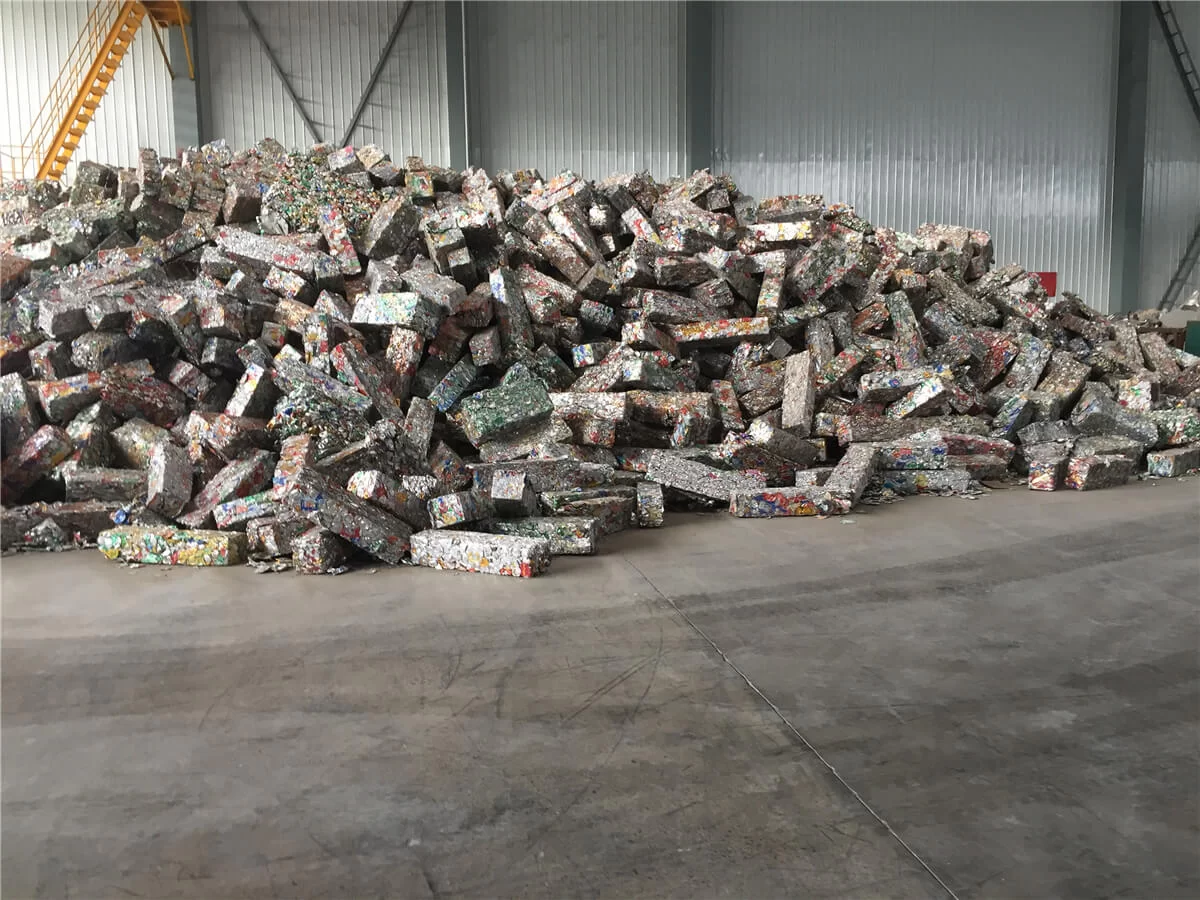
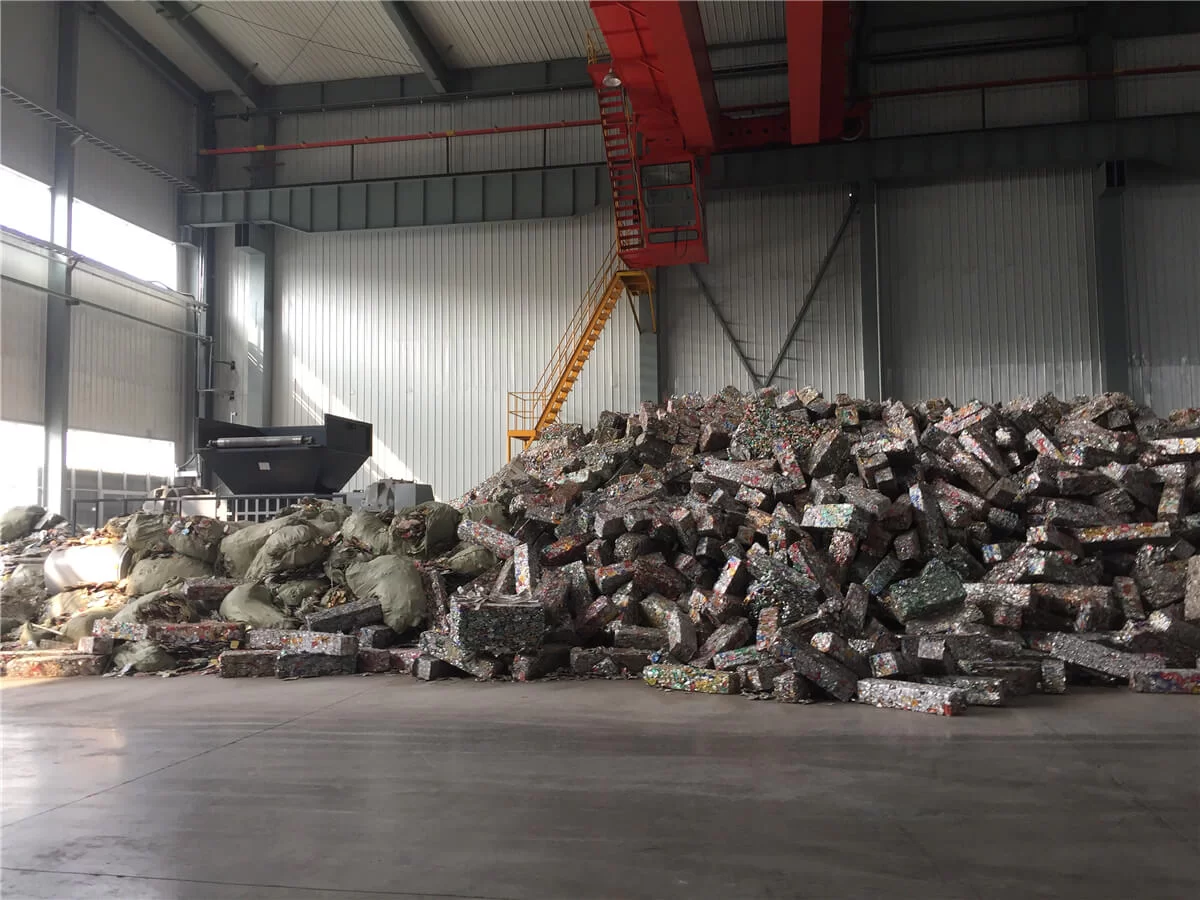
Light steel bales, sheet bales, aluminum bales, appliance shell bales and selected mixed metal bales.
A complete system for controlled feeding, opening and coarse shredding of suitable steel, aluminum and selected mixed metal bales before inspection, separation or secondary crushing.
The line page explains the complete system rather than repeating one machine page.
The line is designed for bale opening and coarse size reduction rather than producing a small and uniform final particle size.
Bale dimensions alone are not enough. Individual bale weight, compression density and internal composition must also be reviewed.
Light steel bales, sheet bales, aluminum bales, appliance shell bales and selected mixed metal bales.
Reduce manual bale cutting, stabilize downstream feeding and expose mixed components.
High-density briquettes, solid steel blocks, sealed containers, batteries and hazardous material need separate handling.
Magnetic separation, secondary crushing, screening, dust collection and additional sorting.
The same external bale size can contain very different material thickness, compression density and internal components.
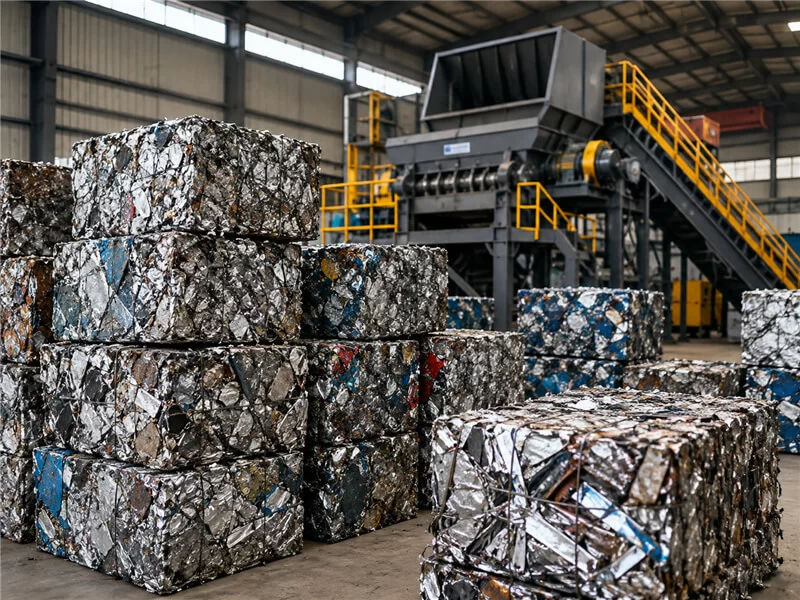
Only the stages required by the material and target output are included.
Confirm bale data and remove hazards.
Place the bale on the feeding conveyor.
Move the bale steadily to the shredder.
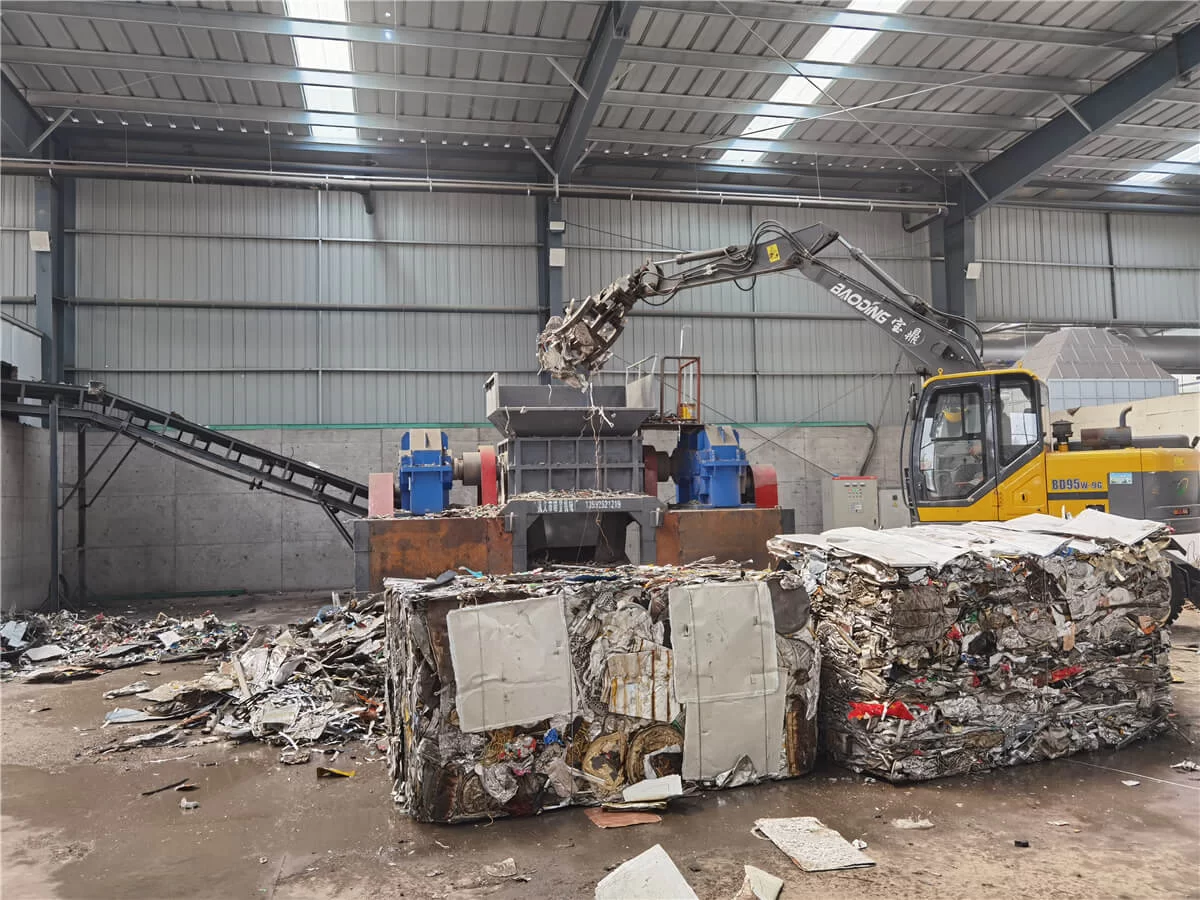
Twin shafts tear open compacted material.
Transfer loose output from the shredder.
Recover exposed ferrous material.
Produce smaller screen-controlled output.
Equipment is selected for a specific task rather than added as a fixed package.
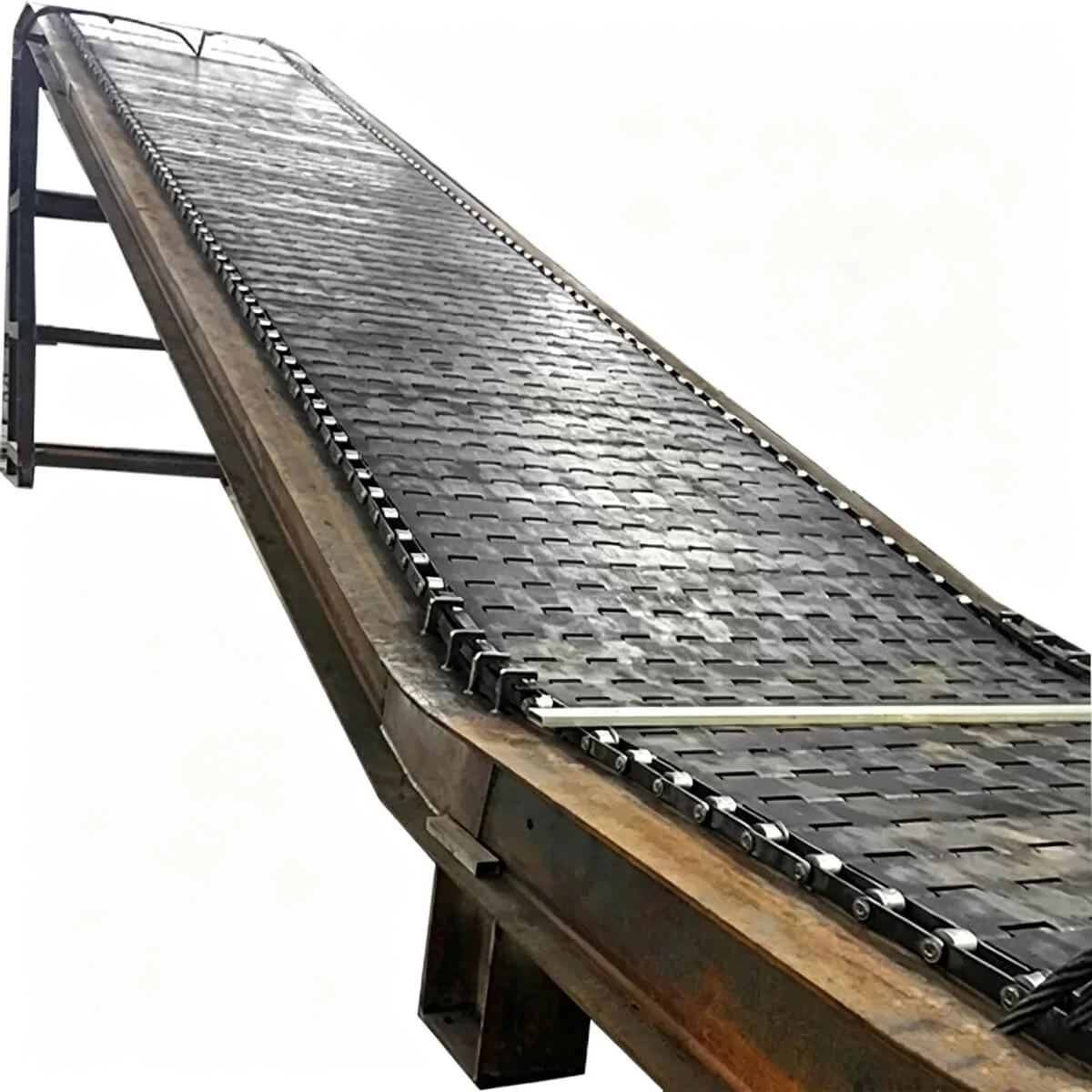
Carries heavy bales and controls the feeding rate.
View equipment details →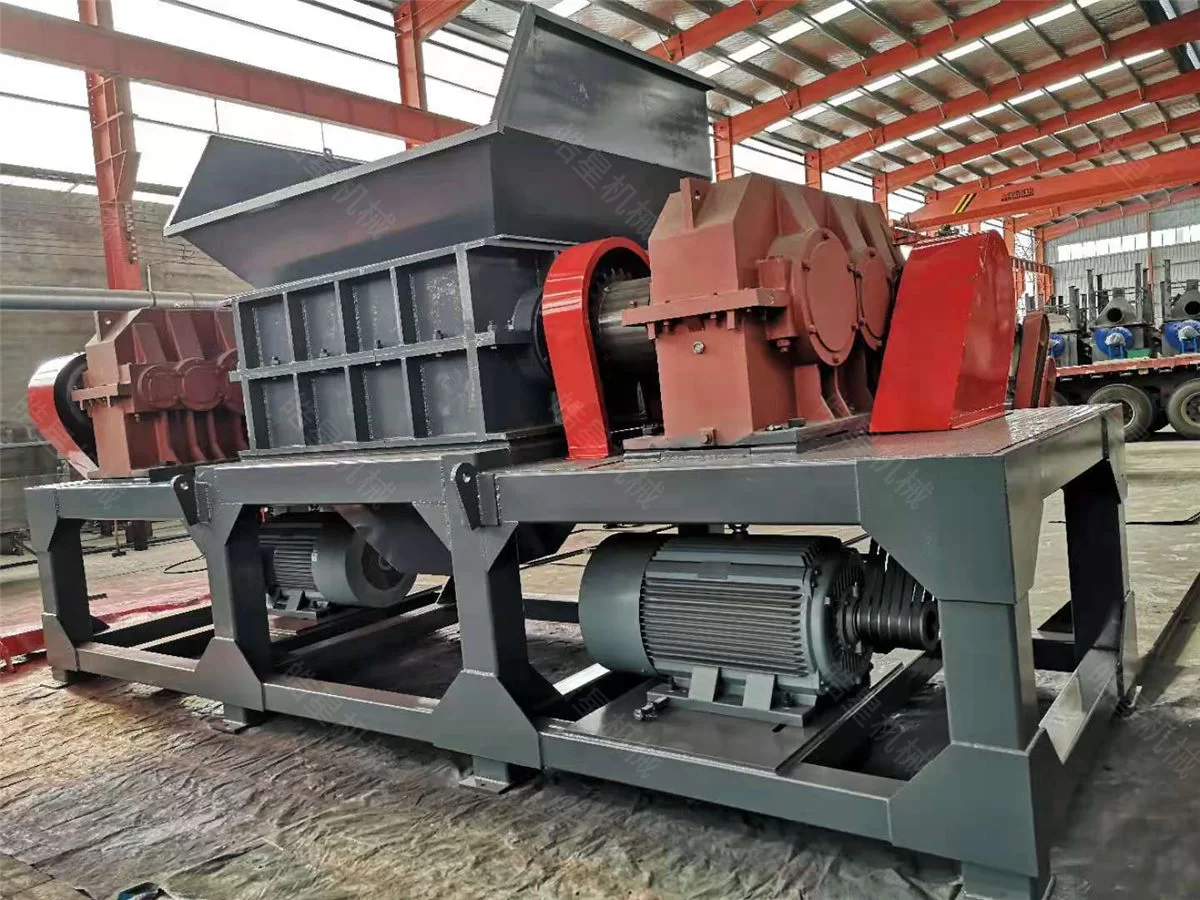
Opens compressed bales by low-speed, high-torque tearing.
View equipment details →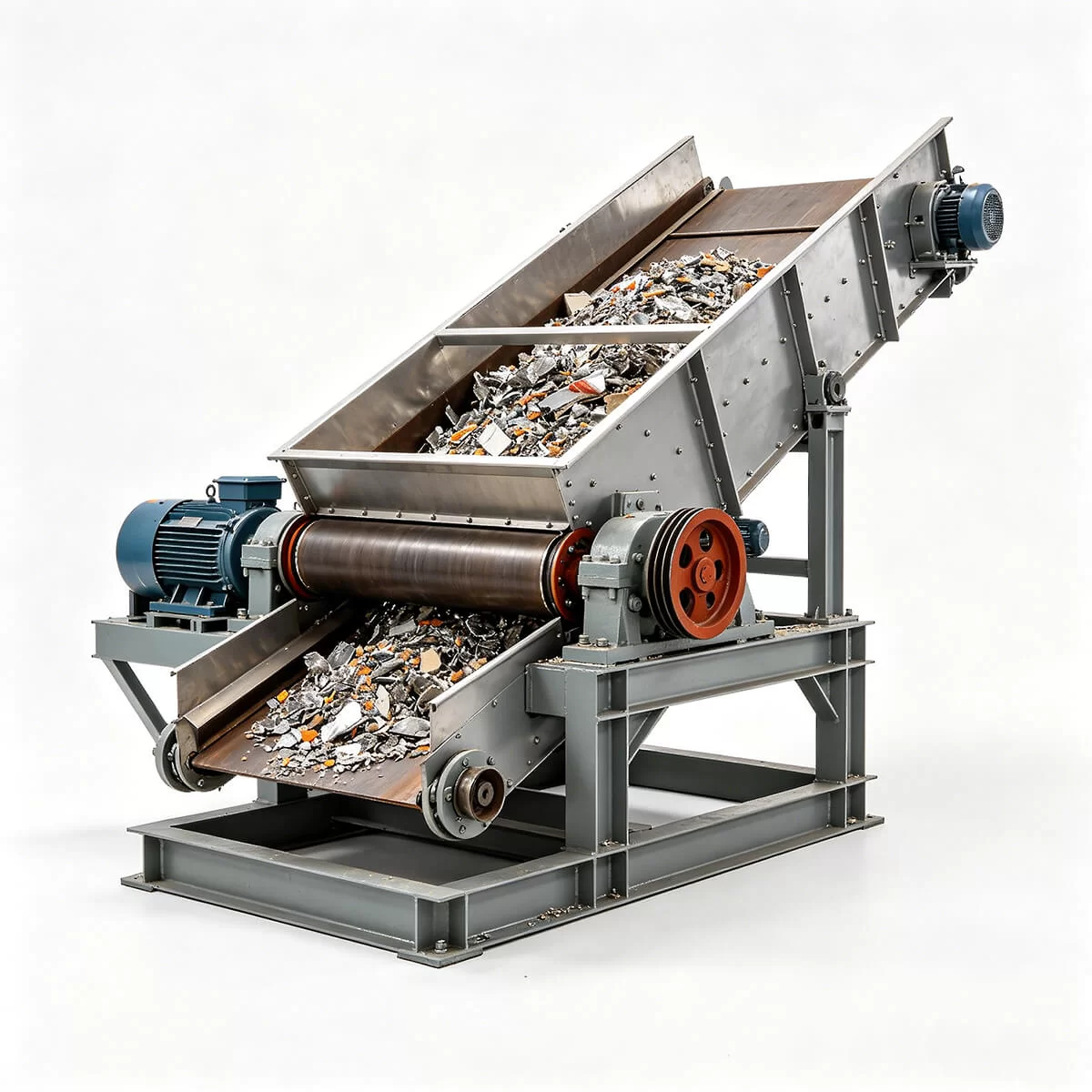
Recovers exposed iron and steel after bale opening.
View equipment details →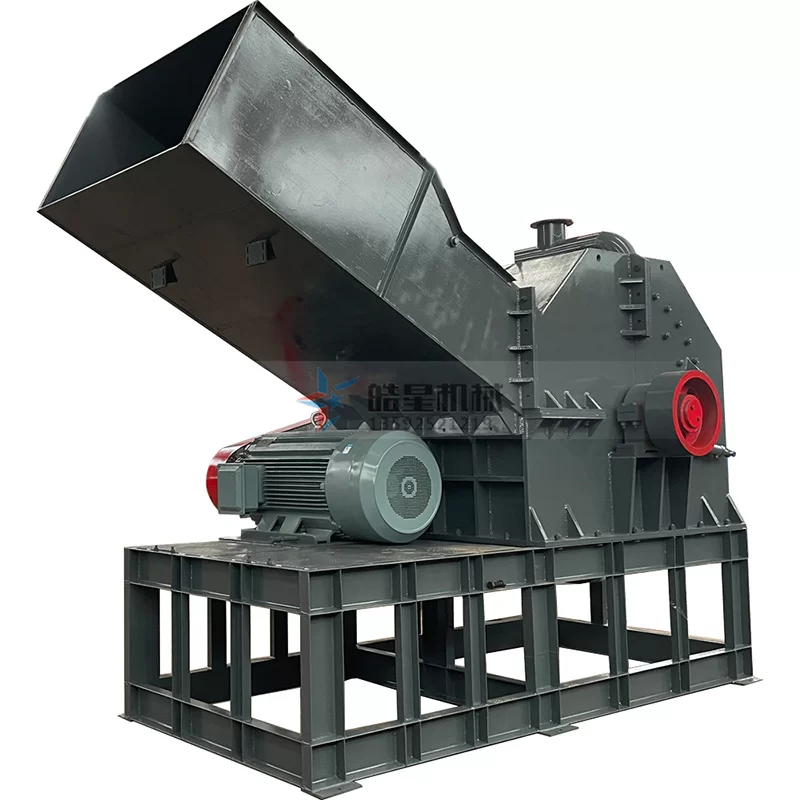
Provides hammer crushing for smaller output.
View equipment details →Different machines solve different processing problems and should not be presented as interchangeable.
The final output depends on feed composition, liberation and installed separation stages.
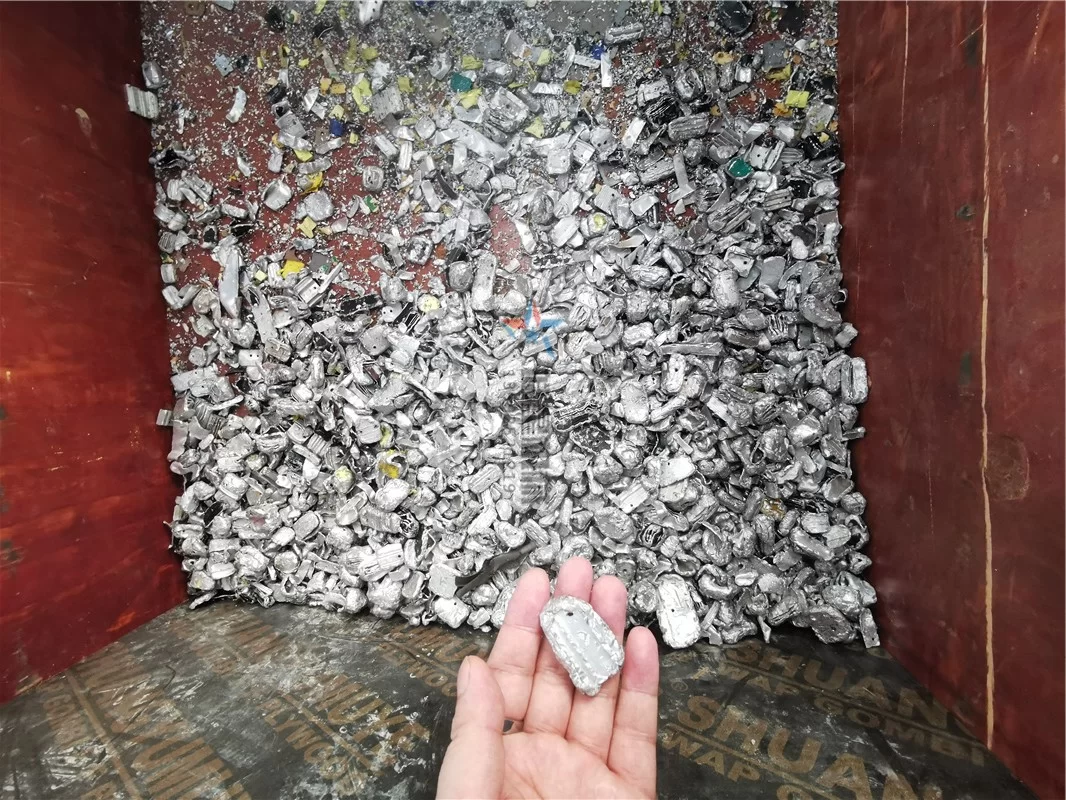
View the shredding results of prepared thermal break aluminum profiles, including coarse material opening and output condition before further processing.
View Processing Record →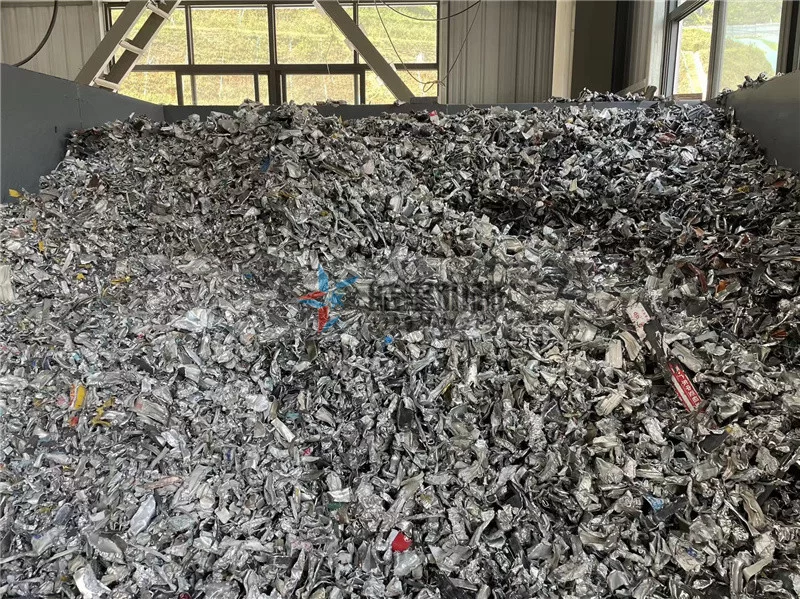
See the coarse, irregular output produced when prepared aluminum scrap is processed by a twin shaft shredder, with downstream crushing and sorting options.
View Processing Record →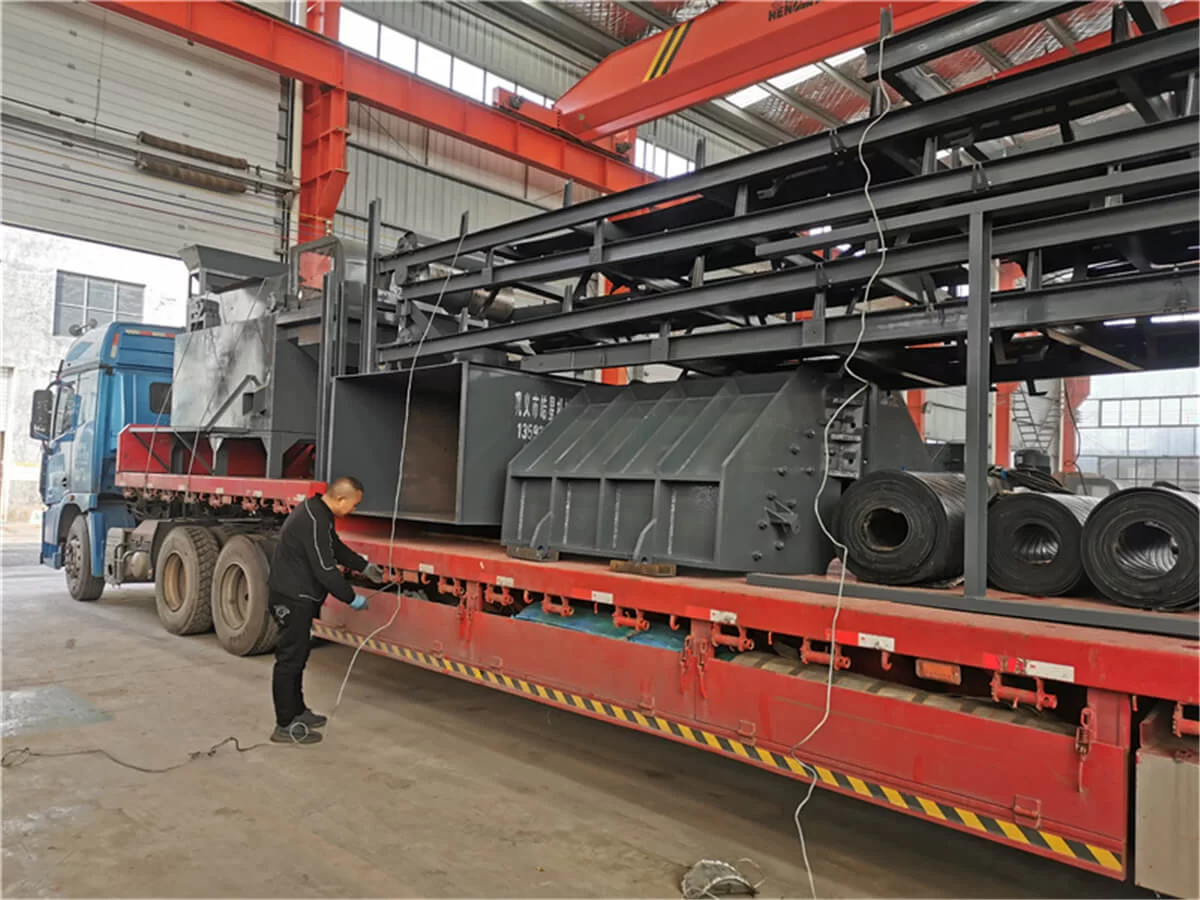
On November 21, 2021, one 1800 scrap steel crusher, one 96-bag dust collector, one 1200 metal separator, and several belt conveyors were loaded in the production workshop and shipped to the customer site in Chongqing. Conveyor belts, crusher inlet screen plate structure, motor, and other supporting parts can be seen on the truck.
View Processing Record →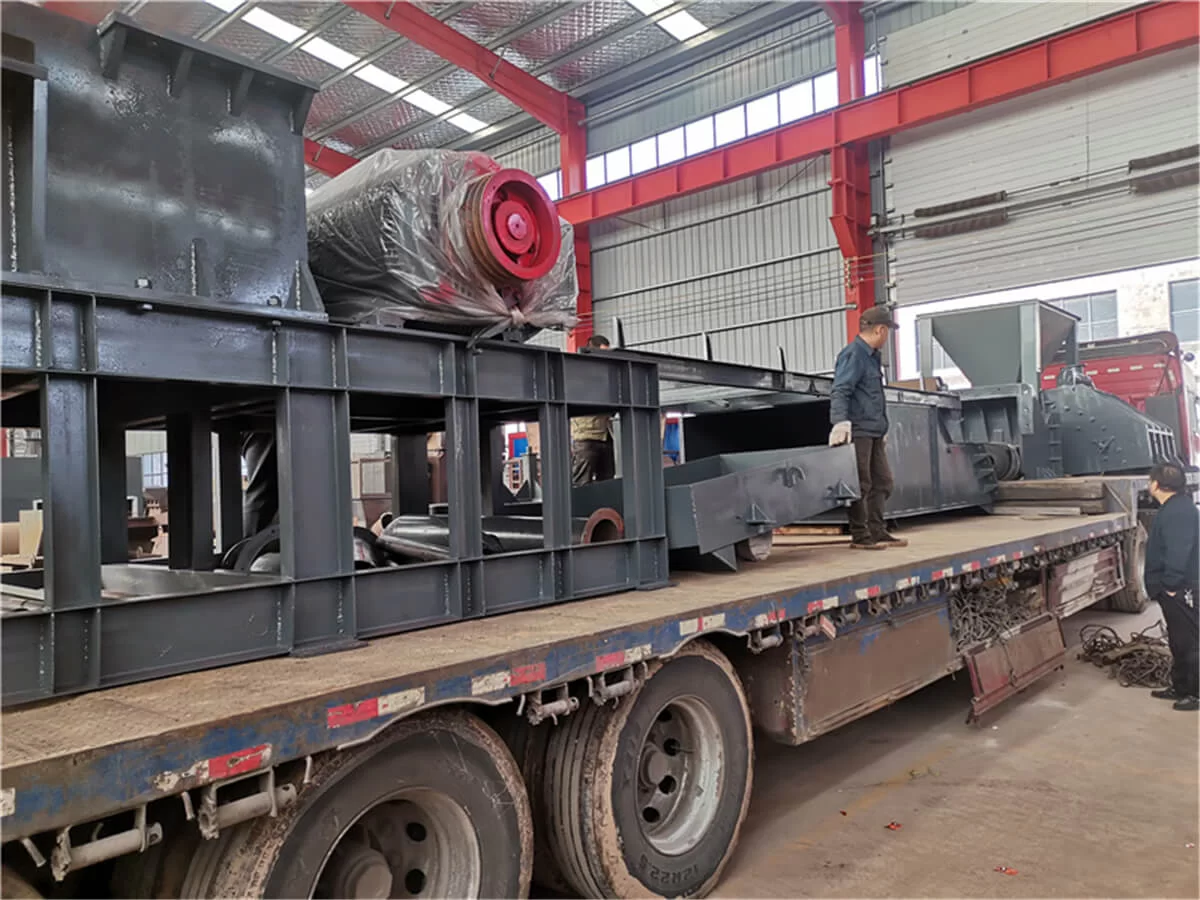
Haoxing Machinery completed the shipment of a thermal break aluminum recycling equipment system to Luoyang, Henan, on November 10, 2025. The delivery includes crushing equipment, feeding systems, and supporting recycling components for aluminum profile processing.
View Processing Record →Review working videos, technical data and project information.
The baled scrap shredding line is designed for controlled feeding, bale opening and coarse shredding of suitable compressed steel, aluminum and selected mixed metal bales. The line converts compacted material into loose pieces that are easier to inspect, convey, separate or process further.
Bale dimensions alone are not sufficient for equipment selection. Two bales with the same external size may have very different weights, compression densities, material thicknesses and internal compositions.
A heavy-duty slat conveyor receives the prepared bale and moves it steadily toward the shredding chamber. Conveyor structure and feeding speed are selected according to bale weight, impact load and shredder capacity.
The baled scrap shredder uses two low-speed, high-torque cutter shafts to grip and tear the compressed material. The main purpose is to open the bale and produce loose, coarse output. The shredder does not normally provide the uniform particle size produced by a screened hammer crusher.
Magnetic separation can be added when opened mixed bales contain recoverable iron or steel. Relatively clean single-metal bales may be collected directly after shredding without a magnetic separation stage.
A secondary metal crusher may be installed when the opened material must be reduced to a smaller size, liberated further or prepared for screening and furnace use. Secondary crushing is optional and should not be included when coarse bale opening already meets the project objective.
Please provide the bale length, width, height, normal weight, maximum weight, compression density and internal material composition. Photos or videos of complete bales and opened material are particularly useful for machine selection.
High-density briquettes, heavy solid steel, cast iron blocks, sealed containers, batteries and hazardous components require separate evaluation. The final line is configured only after confirming that the bale can be fed and opened safely.
Final models and performance are confirmed after reviewing representative material information.
For opening suitable metal bales.
For mixed bales requiring ferrous recovery.
For smaller and more consistent output.
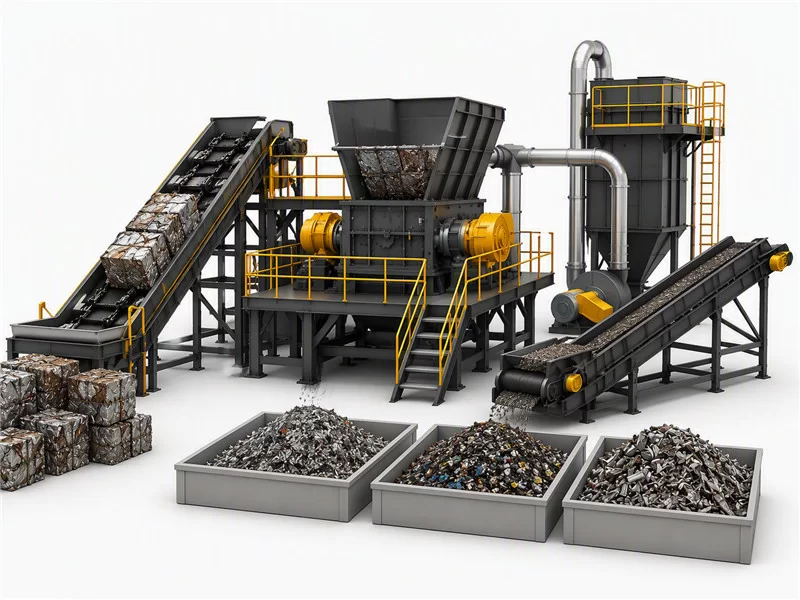
Equipment spacing, conveyor length and collection positions depend on building dimensions, loading method, maintenance access and final material handling.
The gallery stays in the content rather than dominating the top like a single-machine carousel.
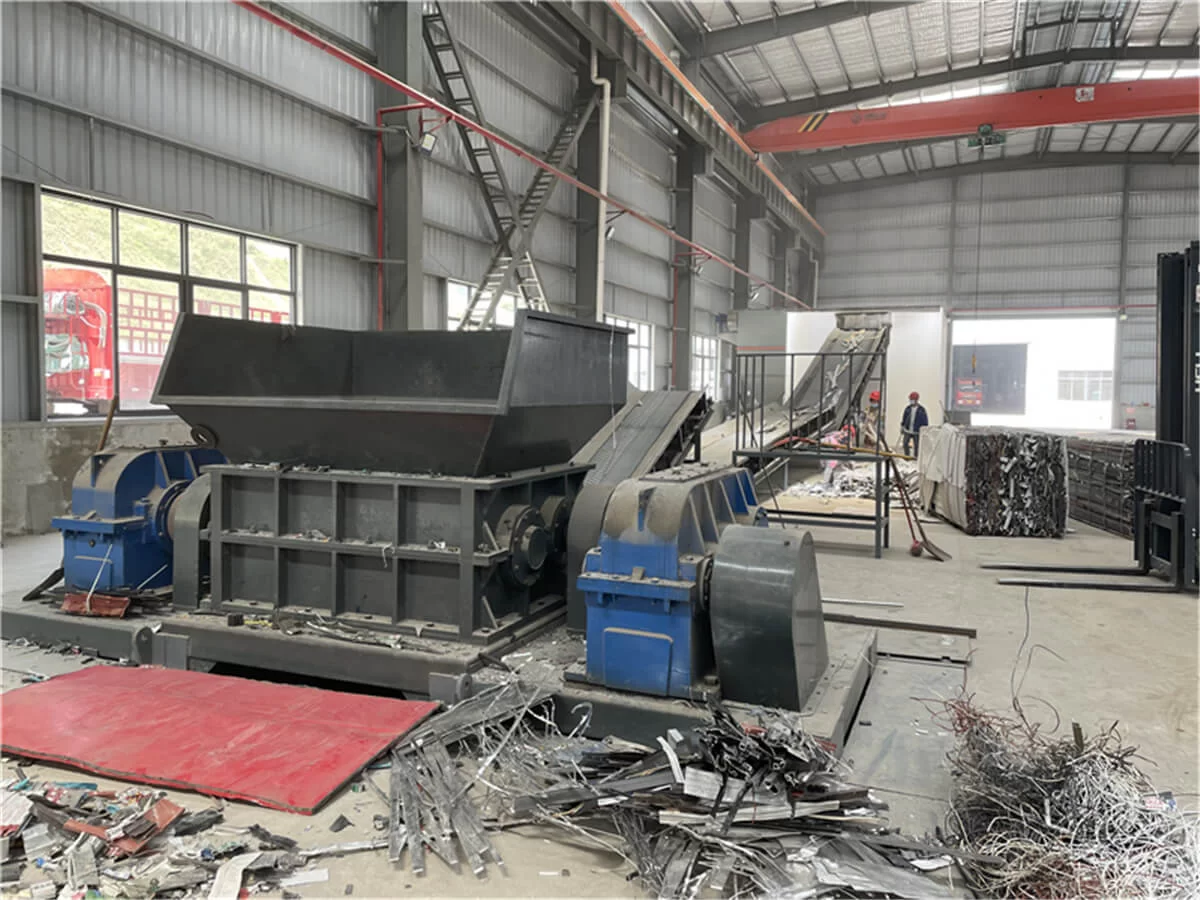
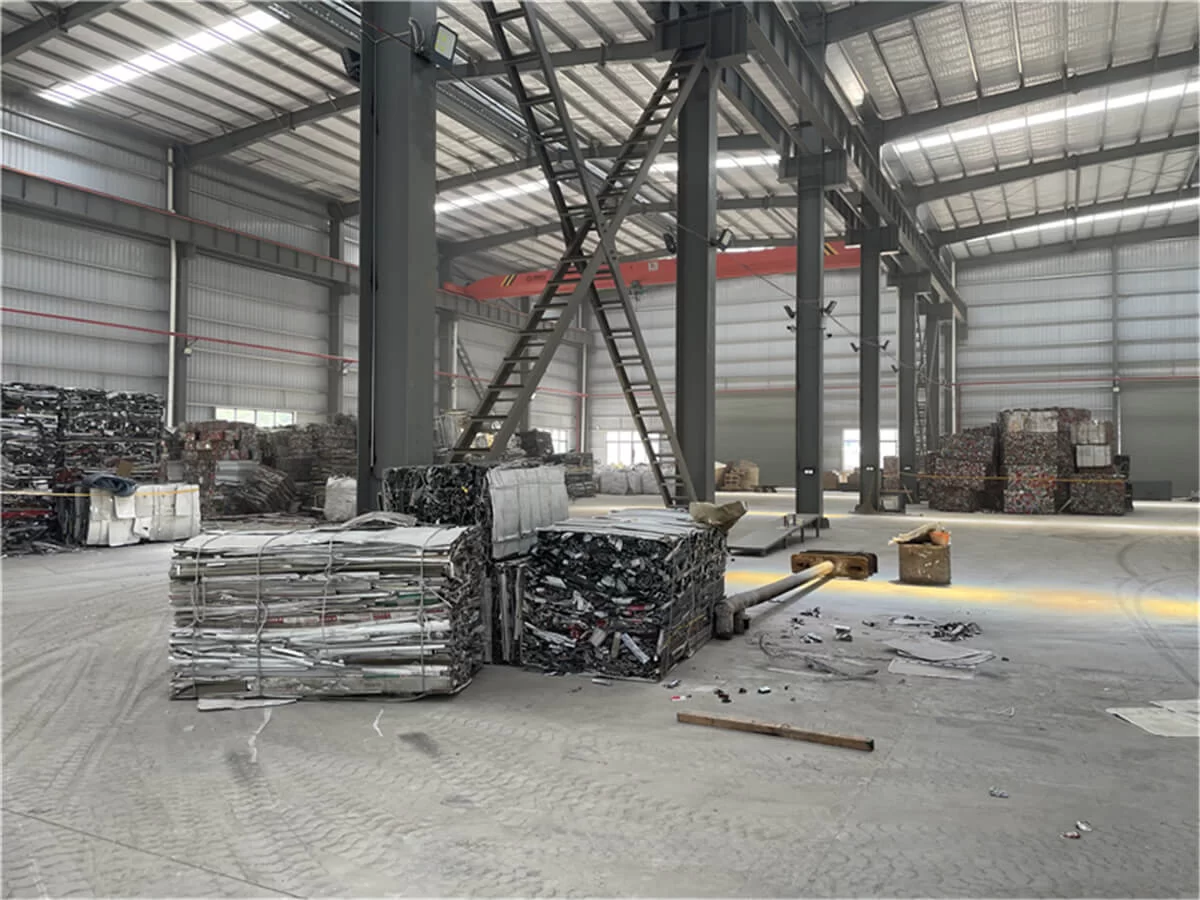
No. Bale weight, compression density, dimensions, material thickness and internal composition must be reviewed before selecting the shredder. A machine suitable for light sheet-metal bales may not be suitable for high-density bales containing thick or solid components.
No. A twin shaft shredder produces coarse and relatively irregular material during bale opening. If the project requires smaller, screen-controlled output, a suitable metal crusher can be installed as a secondary processing stage after the shredder.
No. Bales must be inspected before processing. Batteries, sealed containers, pressure vessels, fuel tanks, explosive items and chemically contaminated materials must be removed. The internal composition should be confirmed as far as practical before the bale enters the feeding conveyor.
Bale weight and compression density affect conveyor load, shredder torque, feeding stability and actual processing capacity. Two bales with the same external dimensions may require different equipment when one contains loosely compressed sheet metal and the other contains dense or reinforced material.
The same line may process selected steel and aluminum bales in separate batches when the bale dimensions, density and material thickness are suitable for the installed equipment. Mixed processing should be evaluated carefully because different materials can require different cutter configurations, operating settings and downstream separation arrangements.
Magnetic separation is recommended when opened bales contain recoverable iron or steel mixed with aluminum, plastic, rubber or other non-magnetic material. Relatively clean single-material steel bales may be collected directly after shredding, while mixed bales may require magnetic recovery and separate material collection.
The final configuration should be based on real feed conditions and required output, not a fixed equipment package.