
Waste aluminum cans are generated by beverage production, household collection, commercial recycling, sorting facilities and packaging plants. In the recycling industry, post-consumer aluminum beverage cans are commonly known as used beverage cans or UBC scrap.
Although loose cans, flattened cans and baled UBC are made from similar aluminum packaging material, they behave differently during feeding and processing. Loose cans have low bulk density and occupy considerable storage space. Flattened cans are easier to transport, while tightly compressed bales may require opening before the material can enter downstream equipment steadily.
A suitable recycling process should therefore be selected according to the physical condition of the cans, the amount of contamination and the customer’s required output. Not every project needs flattening, shredding and crushing at the same time.
Waste Aluminum Cans Covered by This Page
This page applies to the following aluminum can materials:
Loose used beverage cans
UBC scrap from collection centers
Flattened aluminum cans
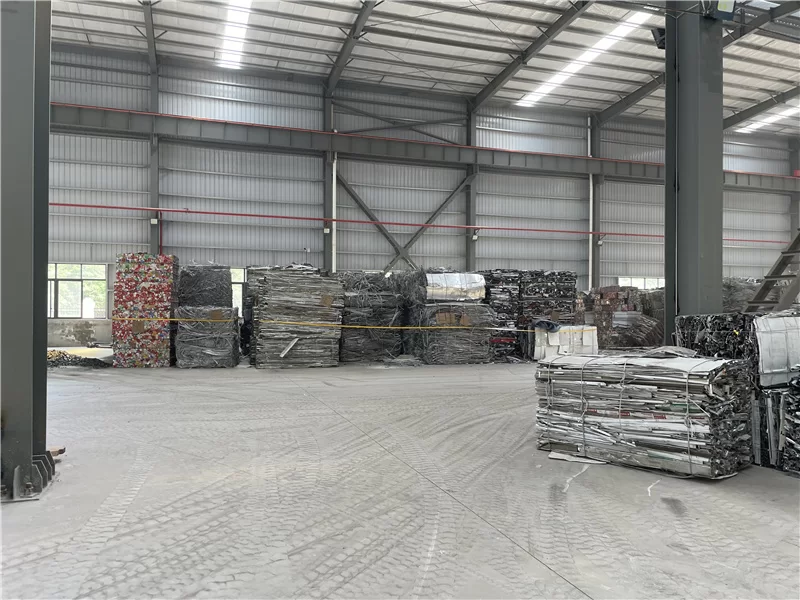
Baled aluminum beverage cans
Rejected beverage cans
Printed aluminum cans
Aluminum can manufacturing offcuts
Empty soft drink cans
Empty beer cans
Aluminum food and beverage containers
Lightly contaminated post-consumer cans
Mixed loose and compressed aluminum cans
The material should be inspected before processing. Excess liquid, glass, stones, steel cans, plastic bottles and other foreign material can affect equipment operation and the quality of the recovered aluminum.
UBC Scrap and Used Beverage Cans
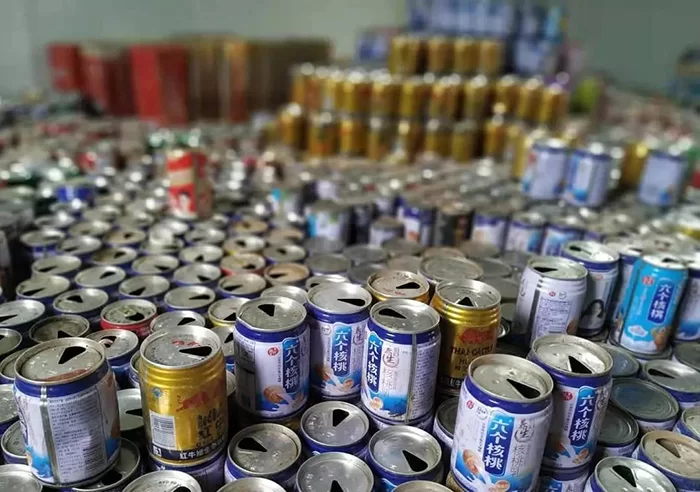
UBC stands for Used Beverage Cans. The term is widely used in aluminum recycling and scrap trading to describe empty post-consumer beverage cans collected for recovery.
Typical UBC scrap may contain:
Aluminum can bodies
Aluminum lids and pull tabs
Printed coatings
Residual liquid
Labels and small plastic components
Dirt from collection and storage
Occasional steel cans
Glass or other packaging waste
Clean UBC scrap generally requires less preparation than mixed municipal packaging waste. When cans arrive from a mixed collection stream, inspection and removal of obvious contaminants should take place before mechanical processing.
The term UBC should not be used for every metal container. Steel food cans, tinplate cans and pressurized aerosol containers have different material and handling requirements.
Loose Aluminum Cans
Loose aluminum cans have low bulk density. A large volume of cans may contain relatively little aluminum by weight, which can increase storage space, handling time and transportation costs.
Depending on the customer’s objective, loose cans may be:
Collected without further size reduction
Flattened to reduce volume
Crushed into smaller pieces
Cleaned and prepared for baling
Sent into a wider aluminum recycling process
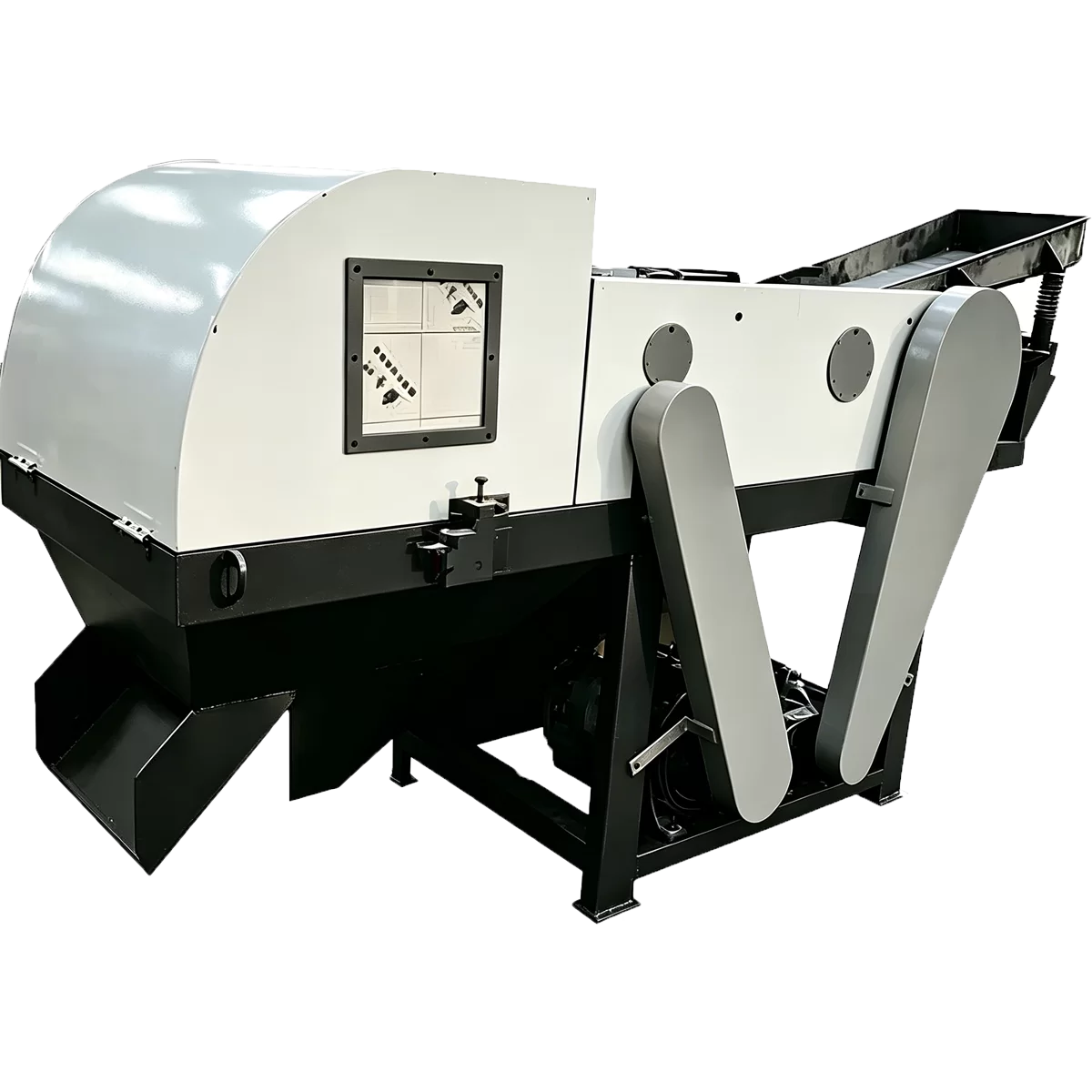
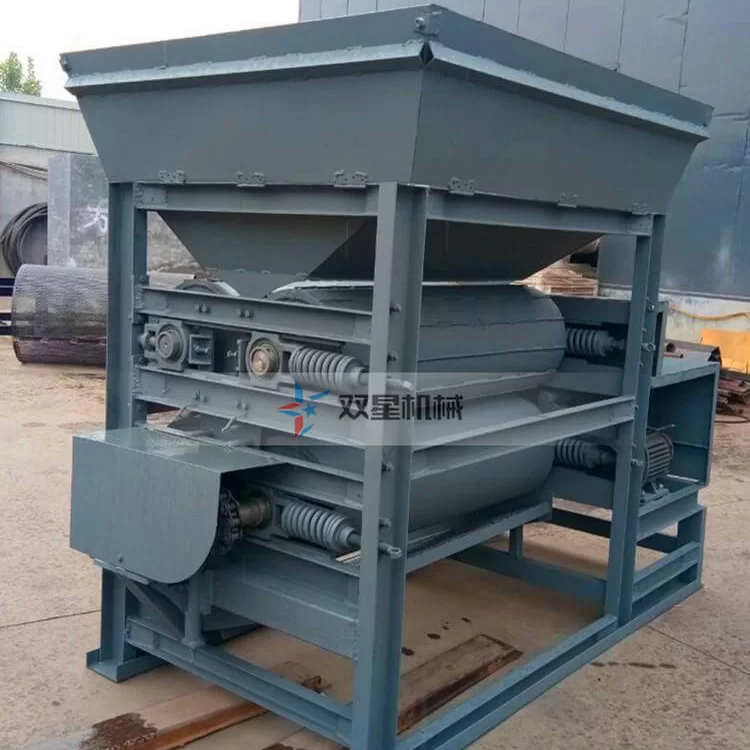
A can flattening machine is suitable when the main objective is to compress loose cans into a flatter shape. It reduces occupied volume and can make subsequent conveying, storage or baling more convenient.
Flattening is not the same as crushing. A flattened can may retain most of its original body structure, while a crusher reduces the material into smaller pieces.
Flattening Loose Aluminum Cans
A can flattening machine applies pressure to loose cans and changes their shape without necessarily producing small fragments.
This process can help:
Reduce the volume of loose cans
Improve storage efficiency
Simplify manual collection
Prepare cans for baling
Reduce transportation space
Create a more manageable material form
Improve feeding consistency in a later process
Flattening is usually considered for loose, empty cans. The feeding system should provide a reasonably steady material flow instead of allowing large piles of cans to enter at once.
Before flattening, the material should be checked for rigid foreign objects that may not compress in the same way as aluminum cans. Stones, heavy steel components and sealed containers should be removed.
Crushing Aluminum Cans
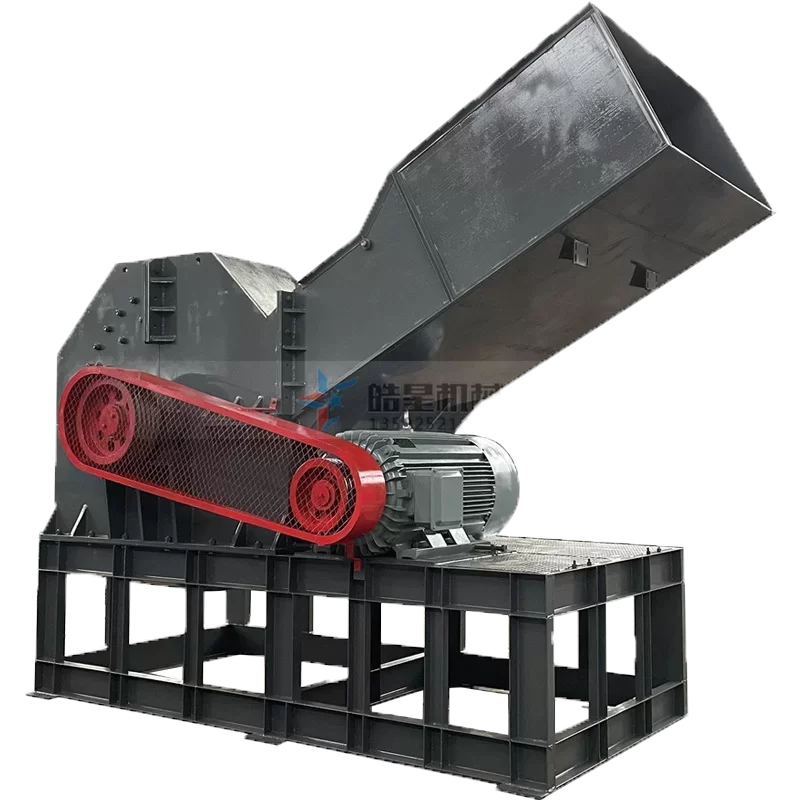
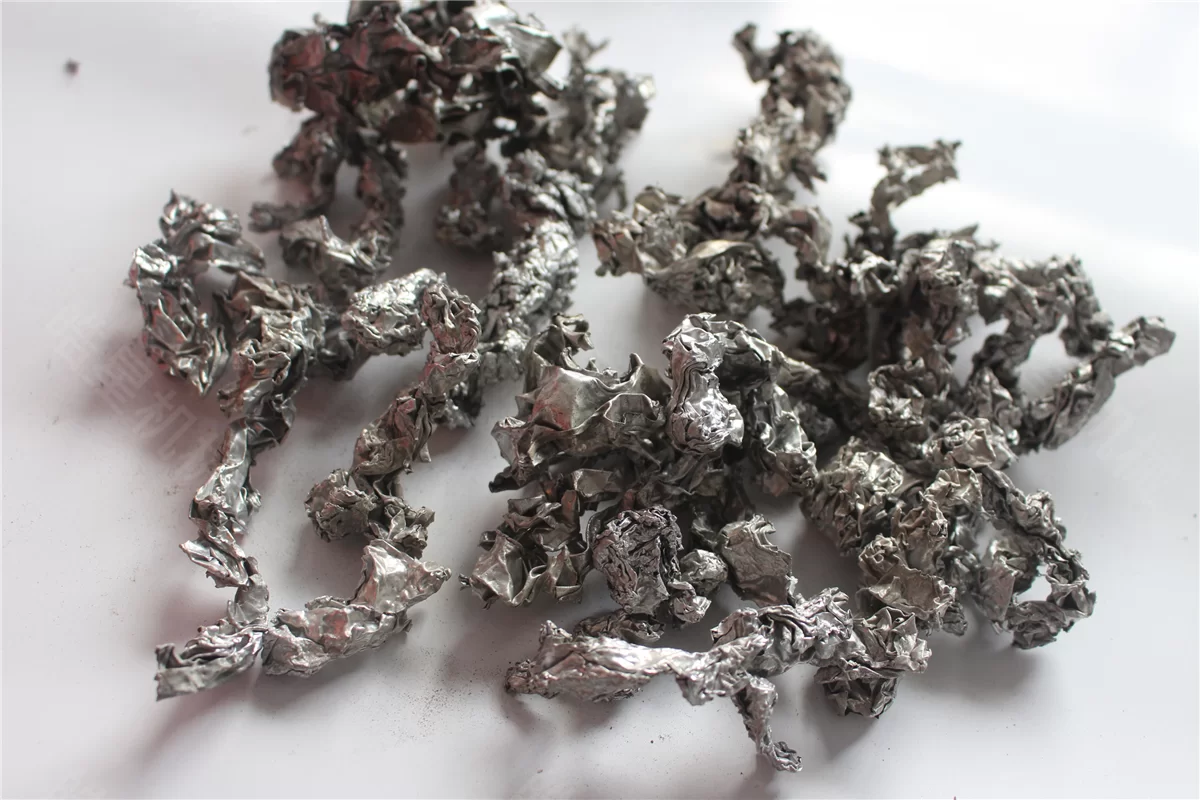
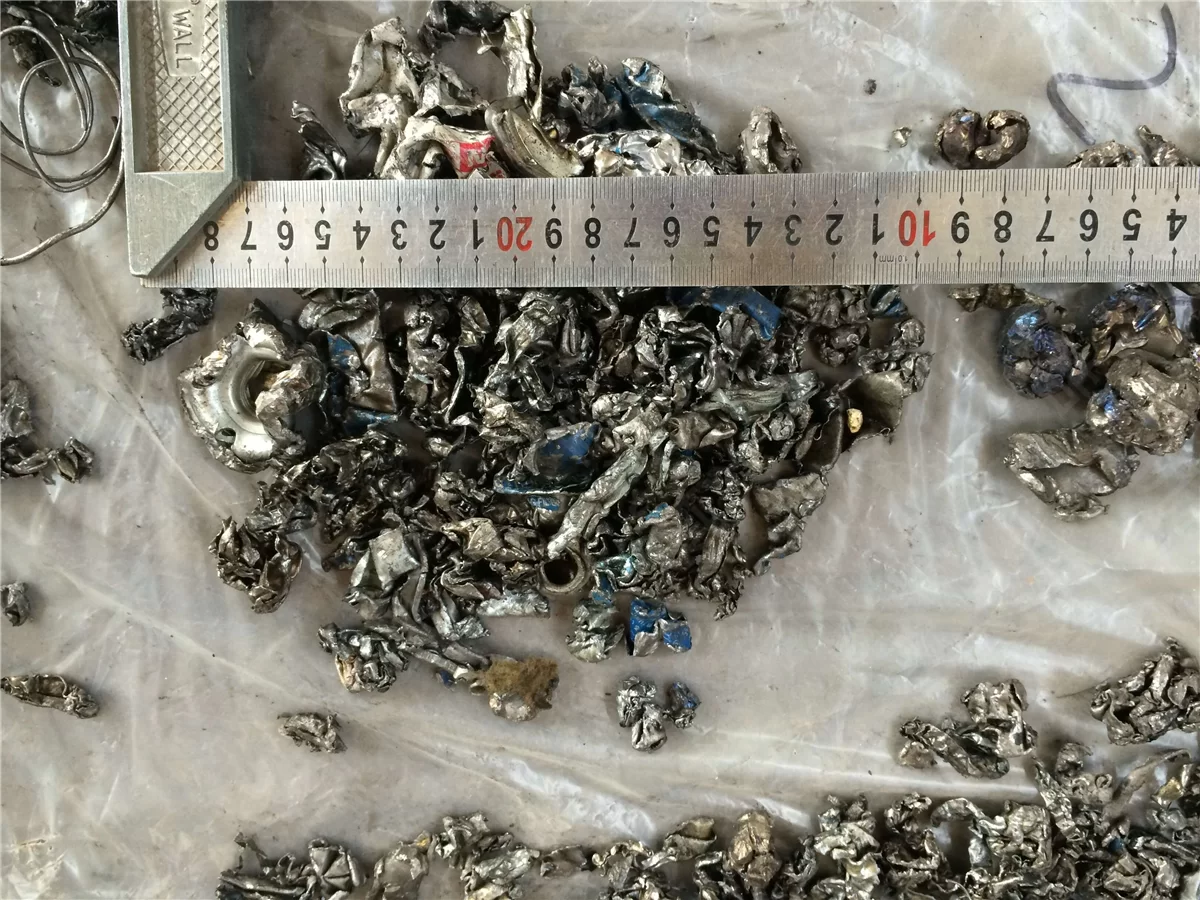
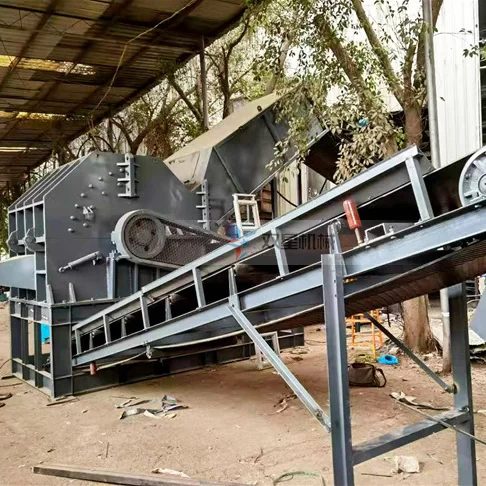
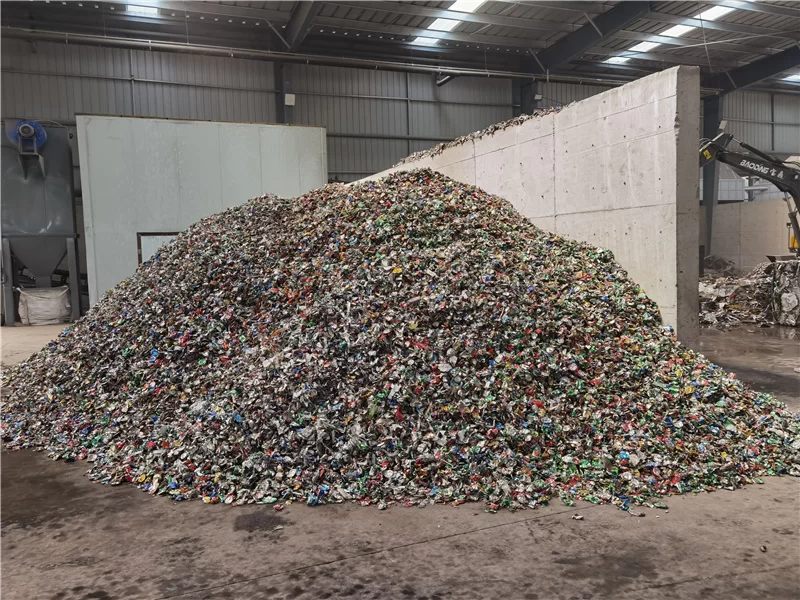
A can crusher is used when the customer requires more complete size reduction than simple flattening. The machine breaks the aluminum can structure and produces smaller processed material.
Crushing may be selected to:
Reduce loose can volume
Produce smaller aluminum pieces
Open folded or compacted can structures
Prepare contaminated cans for further sorting
Improve material movement through downstream conveyors
Release some non-metallic attachments
Prepare aluminum for collection or further processing
The required output size depends on what happens after crushing. Material intended for direct collection may not need the same size as material prepared for downstream separation.
Crusher configuration should be selected according to:
Whether the cans are loose or compressed
Bale density
Amount of contamination
Required hourly capacity
Desired output size
Downstream conveying method
Required separation process
A can crusher should not automatically be recommended for every loose-can project. If the customer only needs volume reduction before baling, flattening may be sufficient.
Processing Baled UBC Scrap
Baled aluminum cans have already been compressed for storage and transportation. Their density and structural strength vary according to the baling pressure, bale dimensions, moisture and amount of mixed material.
A loosely compressed bale may break apart during handling, while a dense bale can be difficult to feed directly into a high-speed crusher.
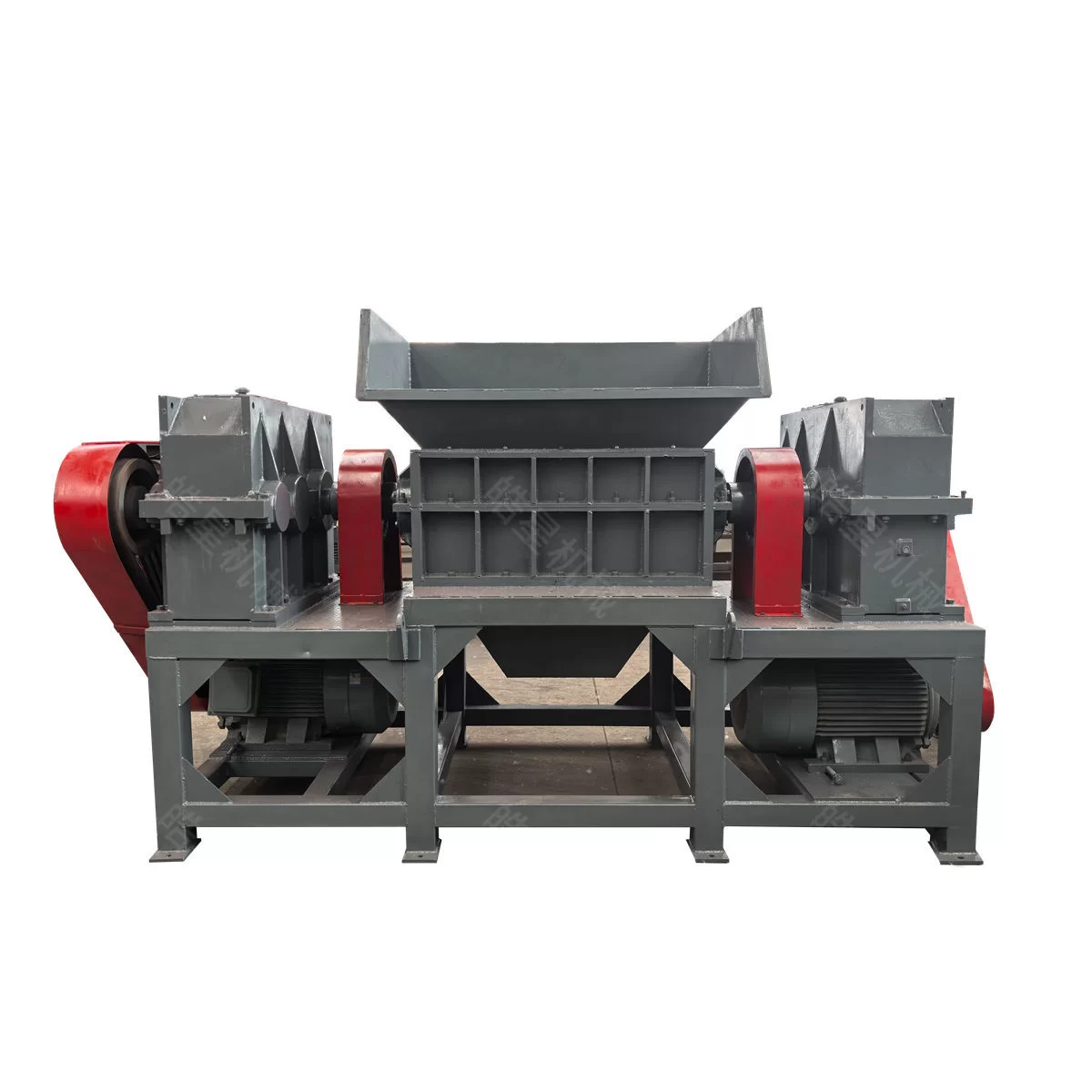
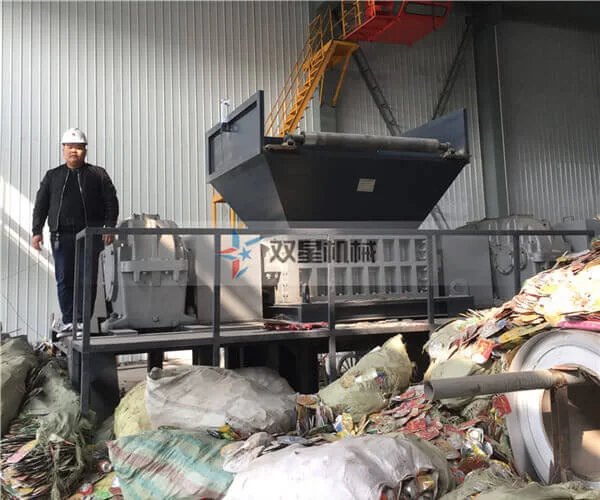
For dense or oversized bales, a baled scrap shredder can perform low-speed, high-torque coarse reduction. Its purpose is to open the bale and divide it into smaller, more manageable sections before the material enters the following process.
The shredder and crusher perform different functions:
The baled scrap shredder opens dense bales and performs coarse size reduction.
The can crusher performs higher-speed crushing and produces smaller material.
The can flattening machine compresses loose cans without performing the same crushing action.
These machines should not be presented as interchangeable equipment.
Does Every UBC Bale Need a Shredder?
Not every bale requires pre-shredding.
A shredder may be considered when:
The UBC bale is dense and tightly compressed
The complete bale cannot enter the crusher inlet
Cans remain locked together after the bale straps are removed
Bale dimensions are too large for stable feeding
The material contains mixed packaging waste
Controlled feeding cannot be maintained
Coarse bale opening is required before sorting
Pre-shredding may not be necessary when:
The bale has already been opened
The cans separate easily after the straps are removed
The feed material consists of loose cans
The crusher inlet can accept the prepared material safely
Flattening alone meets the customer’s objective
The decision should be based on actual bale dimensions, density and feeding behavior.
Removing Steel Cans and Ferrous Contaminants
Post-consumer can collections may contain steel food cans, tinplate containers, caps and other ferrous material. These contaminants should be removed from the aluminum stream where required.
After the cans have been opened or crushed, a magnetic separator can recover exposed ferrous components.
The iron-removal result depends on:
The amount of steel in the incoming material
Whether cans are loose or compacted
Material layer thickness
Conveyor speed
Distribution across the belt
Size of the processed material
Position and strength of the magnetic unit
Steel cans should not be described as UBC. UBC refers specifically to used beverage cans in the aluminum recycling context, while tinplate cans belong to a different material category.
Separating Aluminum from Non-Metallic Material
When crushed UBC contains plastic, labels, dirt or other non-conductive residue, an eddy current separator may be used as part of the downstream sorting process.
The separator works with processed material rather than complete compressed bales. Before sorting, the cans should be opened or reduced to a suitable form, and the material should be distributed evenly across the separator belt.
Conductive aluminum responds to the changing magnetic field and follows a different discharge trajectory from plastic and other non-conductive material.
The separation result is affected by:
Material particle size
Degree of can opening
Feeding thickness
Belt speed
Rotor operating condition
Material moisture
Amount of dirt and residue
Divider position
Distribution across the working width
If plastic or other material remains mechanically trapped inside folded aluminum, the combined piece may enter the aluminum outlet. Upstream preparation therefore has a direct effect on downstream sorting.
Recommended Processing Routes
Different forms of waste aluminum cans require different processing routes.
Loose Cans for Volume Reduction
Material inspection → Controlled feeding → Flattening → Collection or baling
This route is suitable when the customer mainly needs to reduce the storage and transport volume of loose cans.
Loose Cans for Crushing
Material inspection → Controlled feeding → Can crushing → Material collection
This process can be selected when smaller aluminum pieces are required after processing.
Loose Mixed Cans Requiring Ferrous Removal
Material inspection → Controlled feeding → Crushing → Magnetic separation → Aluminum collection
This route is suitable when the incoming material may contain steel cans or ferrous attachments.
Baled UBC Scrap
Bale inspection → Strap removal → Bale opening or coarse shredding when required → Crushing or further processing → Metal separation → Material collection
The coarse shredding stage is only included when bale density and dimensions prevent stable direct feeding.
Contaminated Aluminum Can Scrap
Material inspection → Removal of unsuitable containers → Required size reduction → Magnetic separation → Further sorting → Separate collection
This configuration may be used when the cans come from a mixed packaging stream and contain both metallic and non-metallic contaminants.
Complete Aluminum Can Recycling Process
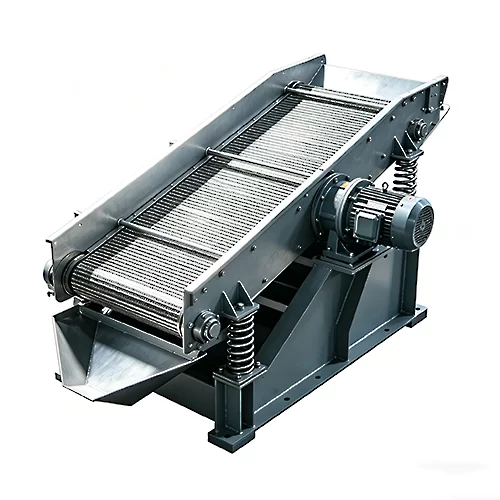
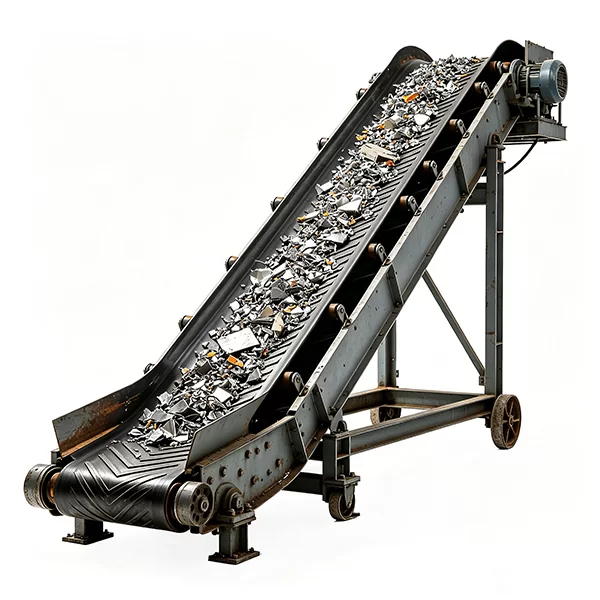
When a project requires continuous feeding, volume reduction, crushing and separation, the equipment can be arranged as part of an aluminum recycling line.
Depending on the incoming material, the system may include:
Material inspection area
Feeding conveyor
Can flattening machine or bale-opening equipment
Can crusher
Discharge conveyor
Magnetic separator
Eddy current separator
Aluminum collection outlet
Non-metallic residue outlet
Dust collection equipment
Electrical control system
Not every project requires all these units. A loose-can flattening project may only need feeding, flattening and collection. A contaminated UBC recycling project may require crushing and separation.
The line configuration should be based on the customer’s actual material rather than on a fixed equipment list.
Tinplate Cans Are Not Aluminum UBC
Tinplate cans are generally steel containers coated with a thin layer of tin. They respond differently from aluminum cans during magnetic separation and should not be grouped with aluminum UBC without explanation.
When the feed contains both aluminum and steel cans, the customer should provide the approximate proportion of each material.
This information affects:
Feeding equipment
Crushing requirements
Magnetic separation capacity
Expected aluminum output
Number of discharge fractions
Downstream sorting arrangement
A mixed can project should be described as metal can sorting or mixed packaging recovery rather than pure UBC recycling.
Aerosol Can Handling
Aerosol cans require separate attention because they may contain residual pressure, flammable propellant or other contents.
They should not be placed directly into ordinary UBC processing equipment unless they have been properly identified, emptied and prepared under an appropriate handling procedure.
Waste aluminum beverage cans and aerosol cans should therefore be listed as different incoming materials. If a customer needs to process aerosol containers, the exact can type, previous contents and preparation method must be confirmed before selecting equipment.
Moisture and Residual Liquid
Used beverage cans may contain residual liquid, especially when they have been collected without draining or stored outdoors.
Excess moisture can:
Increase the measured material weight
Contaminate conveyors and work areas
Cause unpleasant odors
Affect storage conditions
Increase corrosion of attached steel
Carry dirt into downstream equipment
Reduce the quality of stored scrap
Where necessary, the customer should drain the cans and provide a suitable collection method for residual liquid before mechanical processing.
Cans should not be described as clean and dry unless their actual condition has been verified.
Material Inspection Before Processing
Before equipment selection and operation, the incoming cans should be checked for:
Residual liquid
Sealed containers
Aerosol cans
Tinplate or steel cans
Glass bottles
Stones
Batteries
Plastic bottles
Large rigid metal objects
Excessive dirt
Corroded material
Bale wires and steel straps
Removing unsuitable material protects the equipment and improves the quality of the recovered aluminum.
Processed Material Outputs
Depending on the incoming material and equipment configuration, the recycling process may produce:
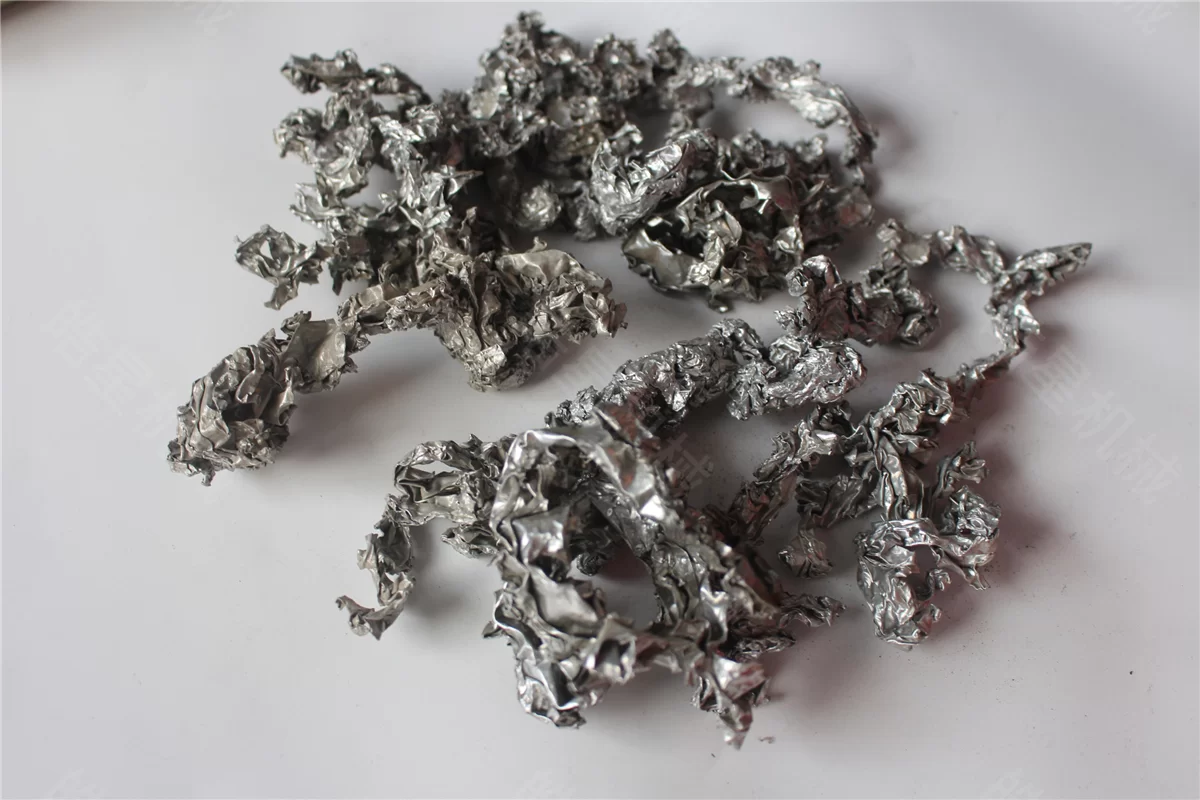
Flattened aluminum cans
Opened UBC bales
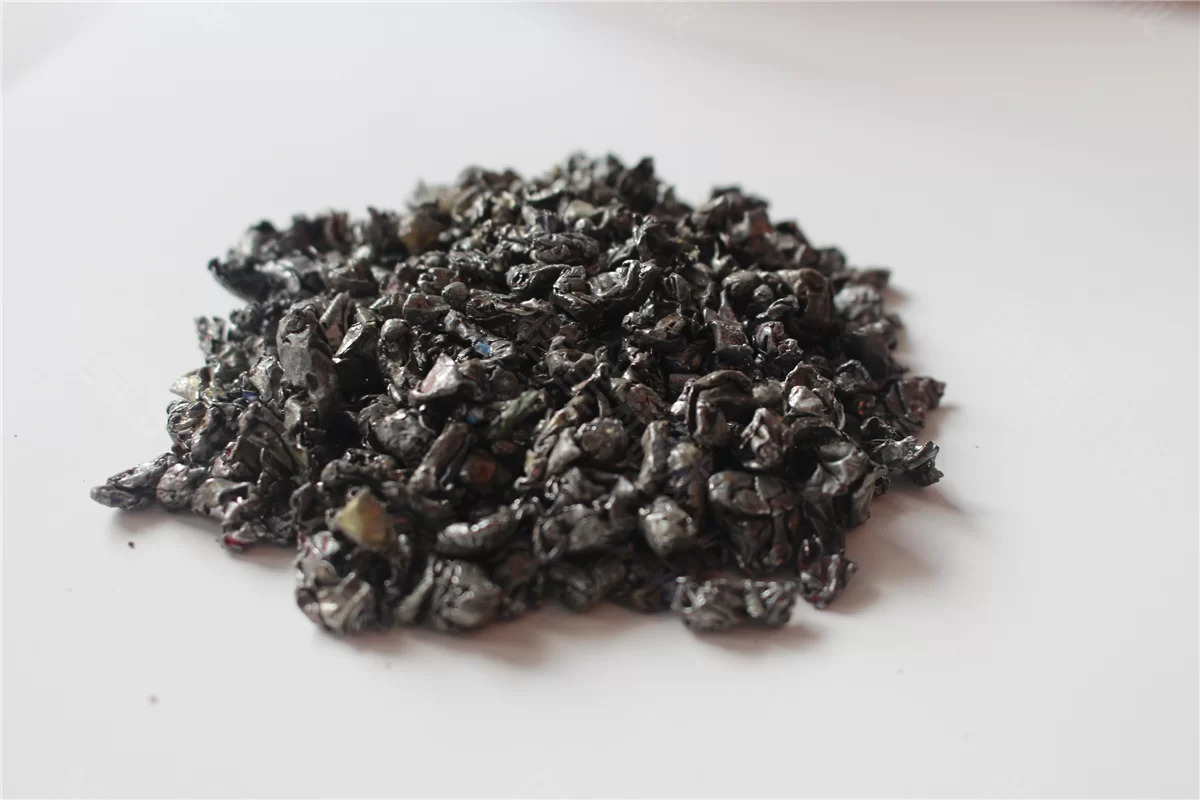
Crushed aluminum can pieces
Aluminum-rich material
Recovered steel cans and ferrous material
Plastic and non-metallic residue
Mixed material requiring additional sorting
The actual output size, aluminum recovery and material cleanliness depend on:
Original can condition
Bale density
Contamination level
Selected equipment
Feeding stability
Separation arrangement
Operating settings
A fixed purity, recovery rate or processing capacity should not be promised without representative material information or testing.
Equipment Selection by Can Condition
Loose and clean aluminum cans
A can flattening machine can be selected for volume reduction, while a can crusher may be used when smaller output material is required.
Flattened aluminum cans
These may enter collection, baling or further crushing according to the customer’s downstream requirements.
Tightly baled UBC
Dense bales may require opening or coarse shredding before crushing and separation. A shredder should only be included when the bale cannot be fed steadily in its original condition.
Mixed aluminum and steel cans
The process should include magnetic separation after adequate material preparation.
Contaminated post-consumer cans
Inspection, removal of hazardous containers and downstream sorting become more important than simply increasing crusher capacity.
Benefits of Waste Aluminum Can Processing
A properly selected process can help:
Reduce the volume of loose cans
Improve storage and transportation efficiency
Open compressed UBC bales
Produce a more manageable material size
Remove steel cans and ferrous contaminants
Recover aluminum from suitable mixed material
Reduce manual material handling
Improve downstream feeding stability
Prepare aluminum cans for further recycling
Adapt the process to loose, flattened or baled material
The objective should be defined before selecting equipment. A customer seeking simple volume reduction does not need the same configuration as a sorting plant handling contaminated UBC.
Information Required Before Equipment Selection
Please provide the following information:
Photos or videos of the waste aluminum cans
Whether the cans are loose, flattened or baled
Bale dimensions
Average bale weight
Approximate bale density
Amount of steel cans
Amount of plastic, glass and other contaminants
Moisture and residual liquid condition
Whether aerosol cans are present
Required hourly capacity
Required output form
Preferred output size
Required separation result
Available installation area
Feeding and discharge height restrictions
Local electrical specifications
The physical condition of the material is more important than the general description “waste aluminum cans.” Loose UBC, flattened cans and dense aluminum can bales may require different feeding and processing equipment.
Classify Loose, Flattened and Baled UBC Scrap
Before selecting equipment, separate loose beverage cans, already flattened cans, dense can bales and mixed light-container scrap. Record the bale dimensions and density, moisture, residual liquids, aluminum and steel proportions, labels, plastic and other contamination.
Choose the First Mechanical Step from the Incoming Form
Loose cans may be flattened when the main requirement is volume reduction or baling. Dense bales may require a bale shredder for controlled opening. Prepared cans can enter a can crusher when smaller, screen-controlled material is required. Not every project needs all three stages.
Sorting and Product Requirements
Magnetic separation is appropriate when tinplate steel cans or ferrous fragments are present. Additional screening, air separation or other sorting may be required for labels, plastics and light residue. The target product should be defined before configuring the line, including whether the material is intended for transport, rebaling, furnace charging or further sorting.
Project Information Required
Provide representative photos, loose or baled condition, bale dimensions and weight, bulk density, hourly quantity, contamination, moisture, required output, loading method, downstream equipment and available installation space.