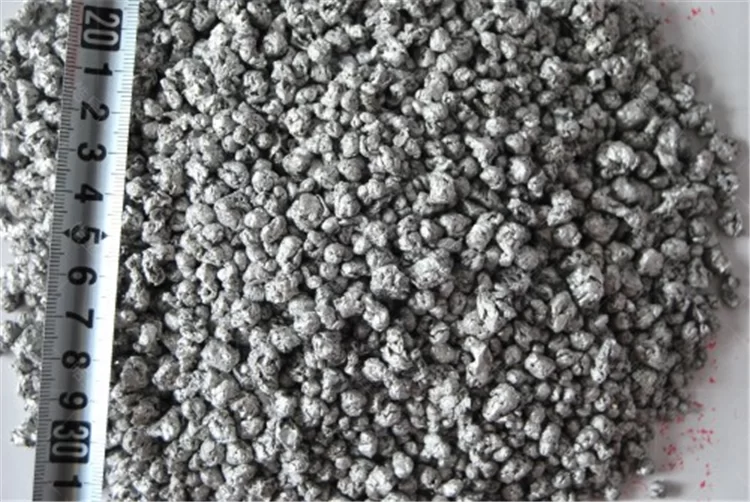
The magnetic separator is used to recover iron, steel and other ferrous materials from processed scrap, mixed waste and recycling residues. It is commonly installed after shredding or crushing to remove exposed magnetic components before subsequent sorting or material collection.
The equipment can work with material produced by a scrap metal crusher or twin shaft shredder. The processed material is transferred by conveyor through a magnetic field, where ferrous metal is attracted and discharged into a separate collection area.
Magnetic separation performance depends on the material size, loading depth, feeding uniformity, conveyor speed, installation height, magnetic strength and the degree of metal liberation. Bulky or compact material may require shredding or crushing before effective separation.
After iron and steel have been removed, the remaining non-magnetic fraction can be screened or transferred to an eddy current separator when conductive non-ferrous metals need to be recovered from suitable non-metallic residues.
A magnetic separator does not recover aluminum, copper, zinc or other non-magnetic metals. It also does not separate different grades of steel or remove oil, plastic and rubber from clean ferrous material.
The magnetic separator can operate as an individual unit or form part of a scrap metal recycling line with feeding, shredding, hammer crushing, screening, non-ferrous sorting, material conveying and centralized control.
The suitable separator type and installation arrangement should be selected according to the incoming material, maximum particle size, required capacity, conveyor width, material layer thickness and target ferrous recovery result.
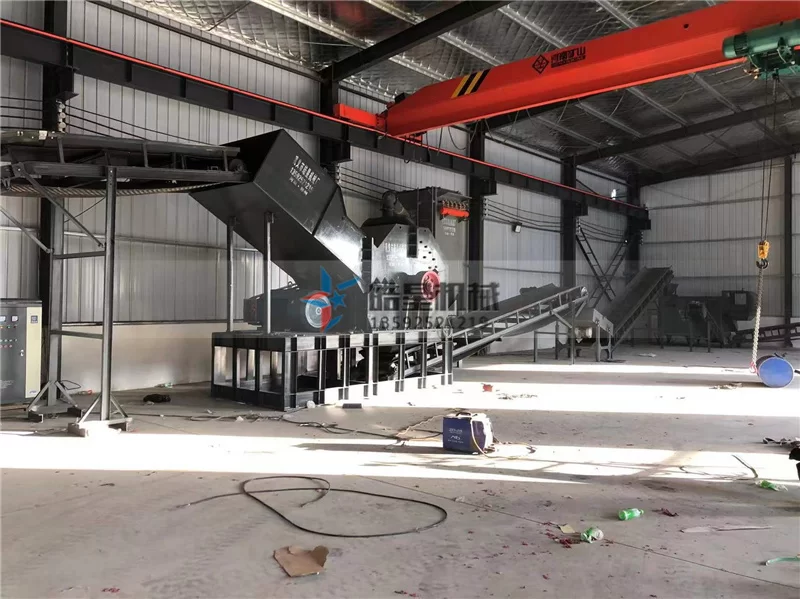
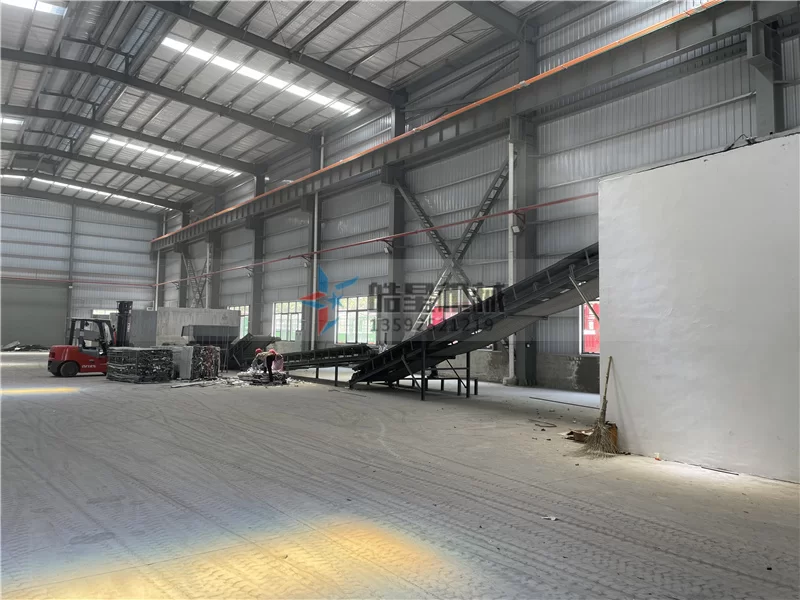
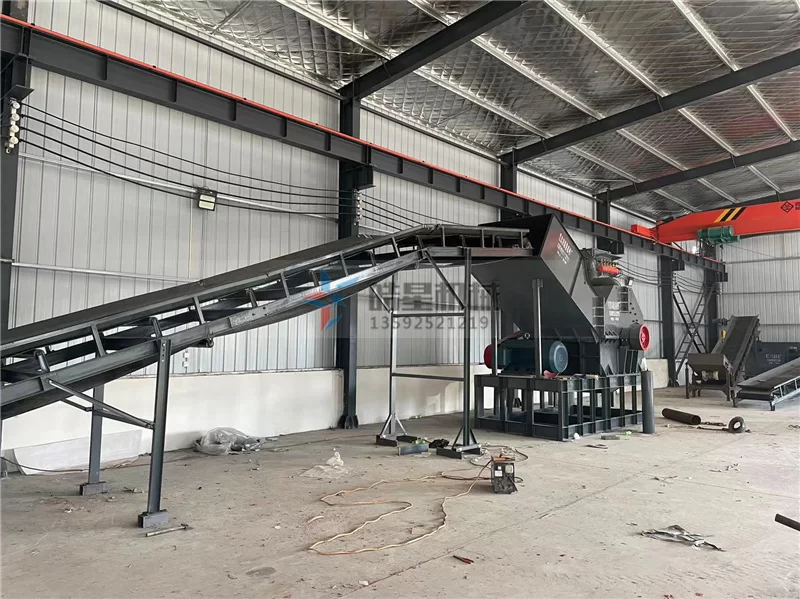
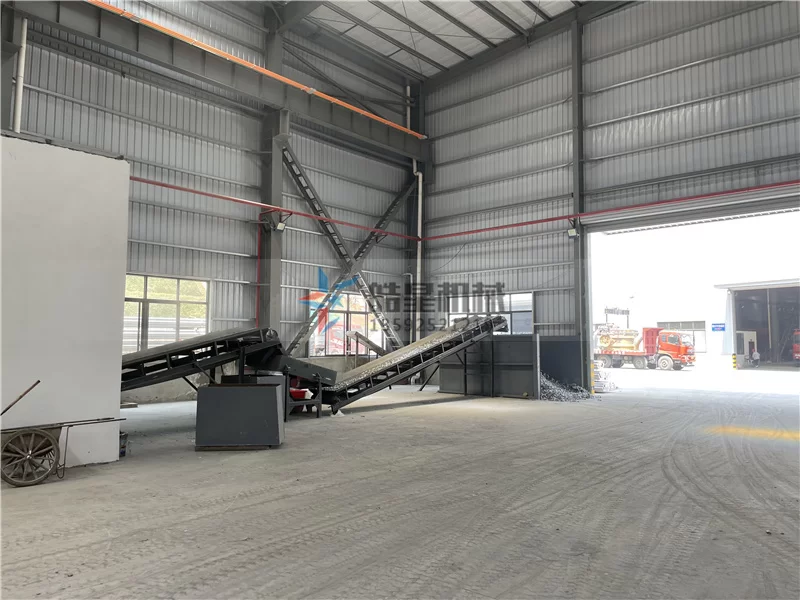
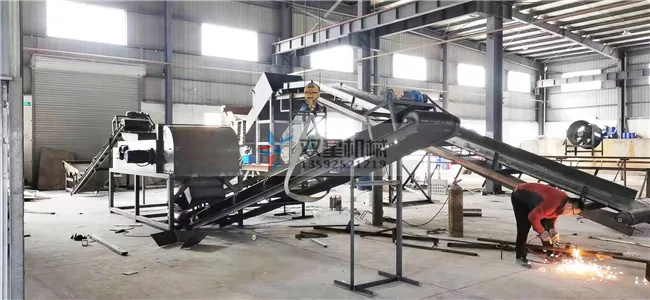
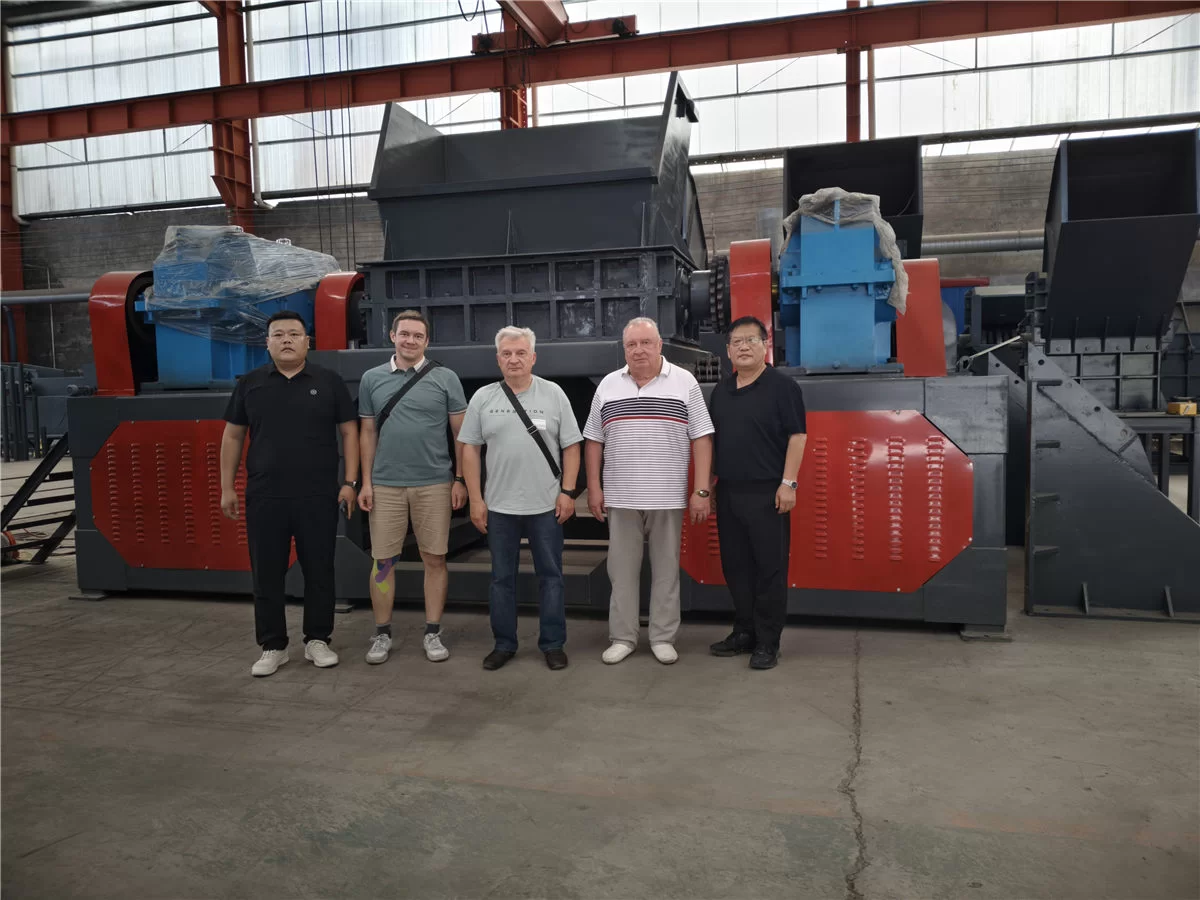
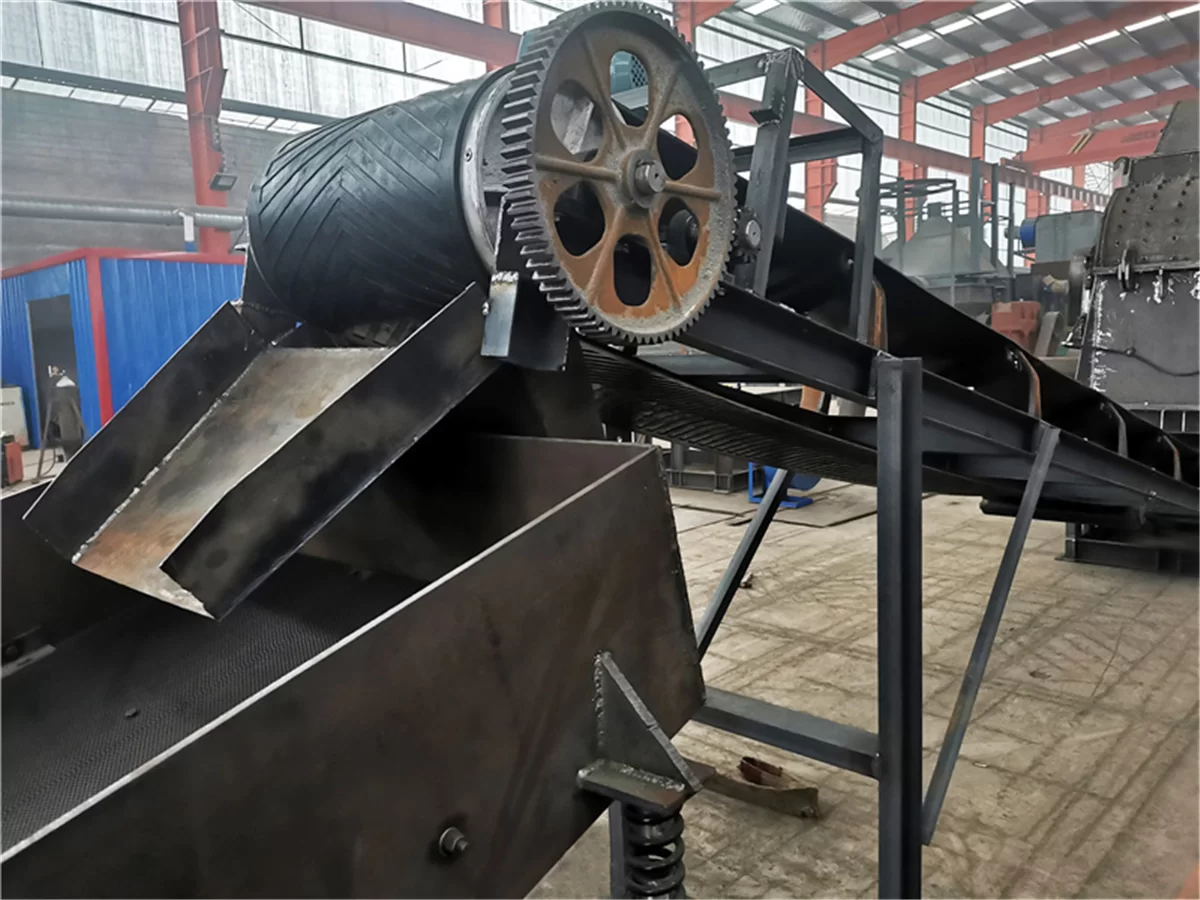
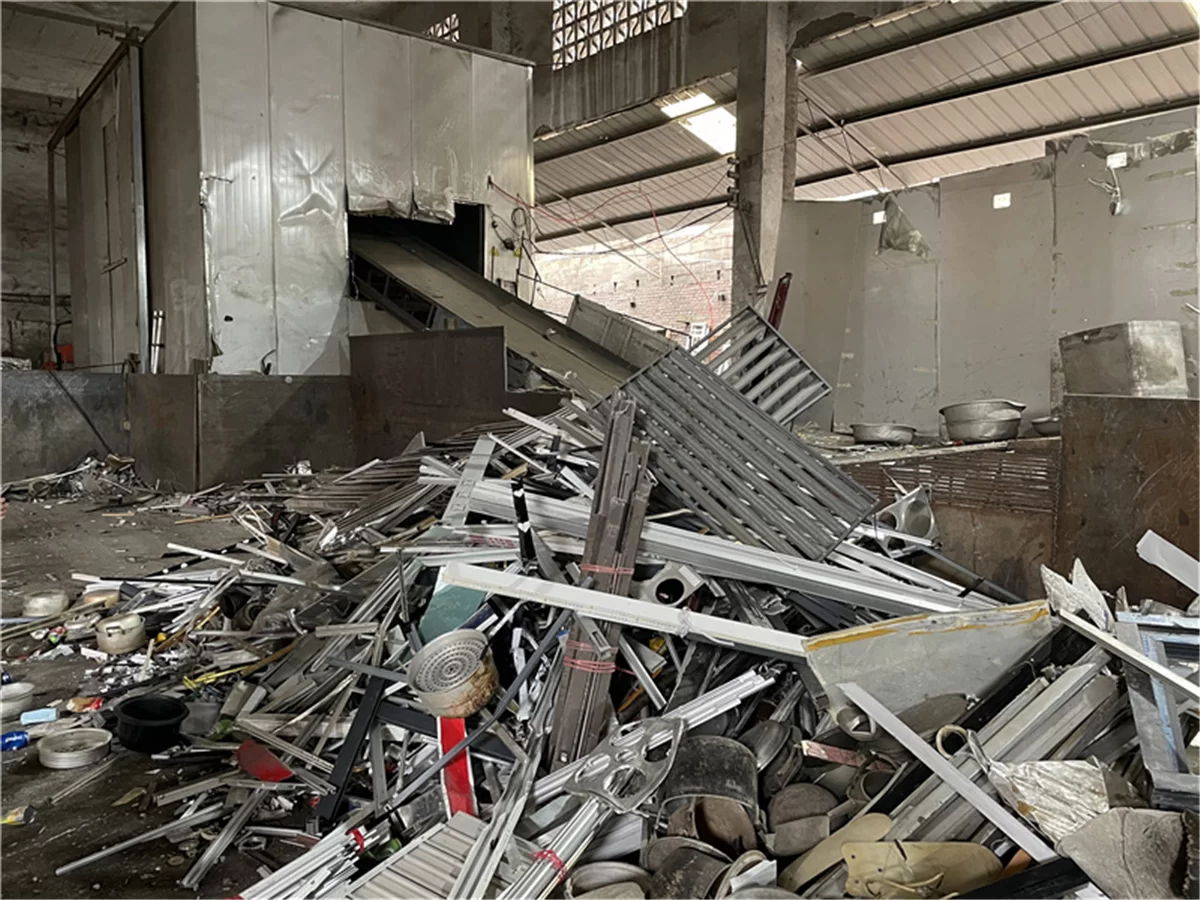
Magnetic Separator Equipment and Production Line Layout Display Diagram:
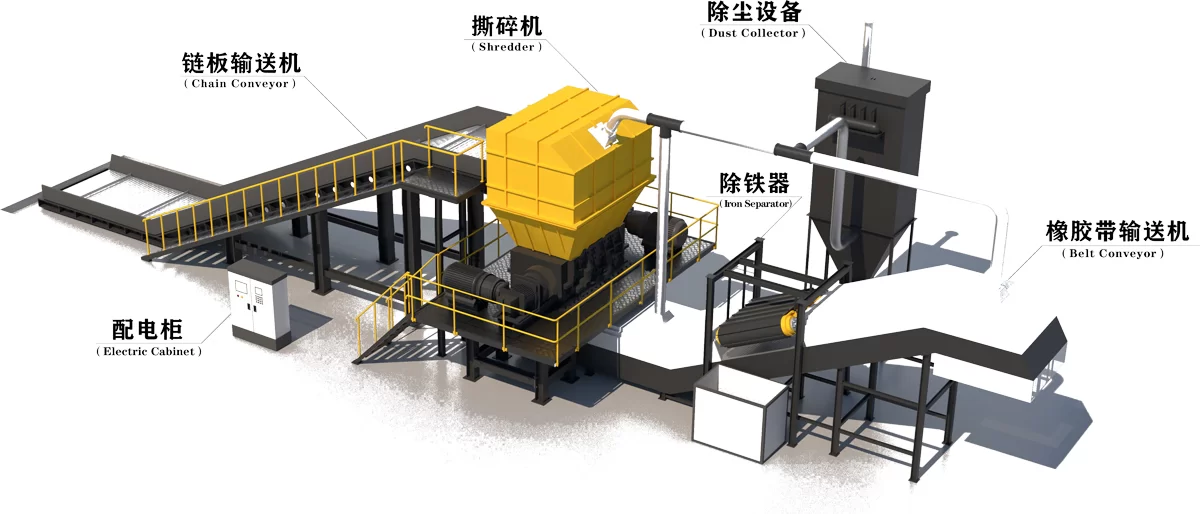
Magnetic Separator Equipment and Production Line Layout Display Diagram :
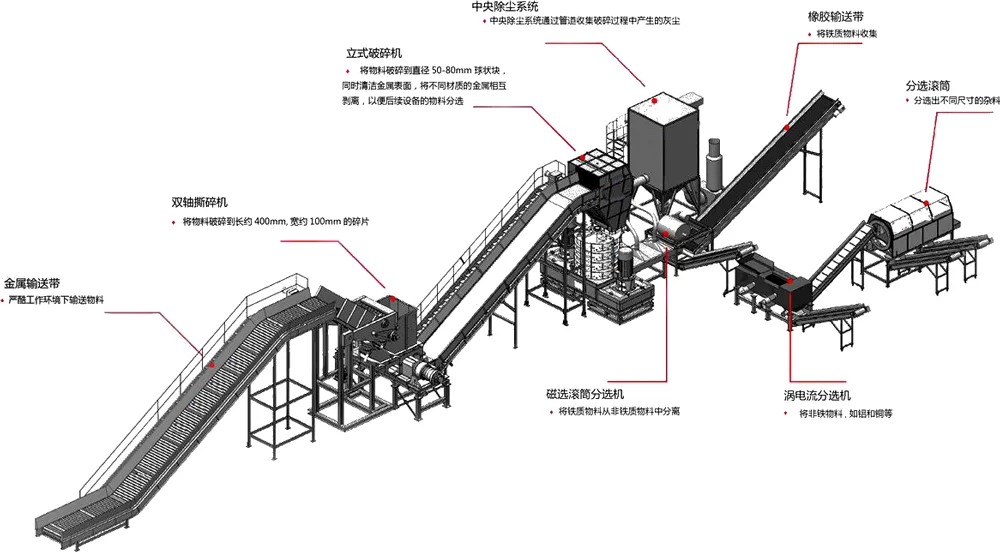
Position of Magnetic Separation in a Recycling Line
A magnetic separator removes exposed iron and steel from a material stream before or after size reduction. In lines that use an eddy current separator, ferrous metal should normally be removed first because large iron pieces can interfere with downstream high-speed separation equipment and contaminate the non-ferrous product.
Material Presentation and Separator Selection
Separation performance depends on bed depth, conveyor speed, suspension height, magnetic field strength, particle size and the degree to which ferrous pieces are exposed. Thick or uneven layers can hide iron beneath non-magnetic material. Representative samples and the expected feed rate are required before selecting an overband, drum or other magnetic configuration.
What a Magnetic Separator Cannot Do
This equipment targets ferromagnetic metals. It does not separate aluminum from copper, plastic, rubber or glass, and it cannot compensate for material that has not been opened or spread adequately. Additional screening, conveying or non-ferrous separation should be selected according to the actual mixture.