Project Overview
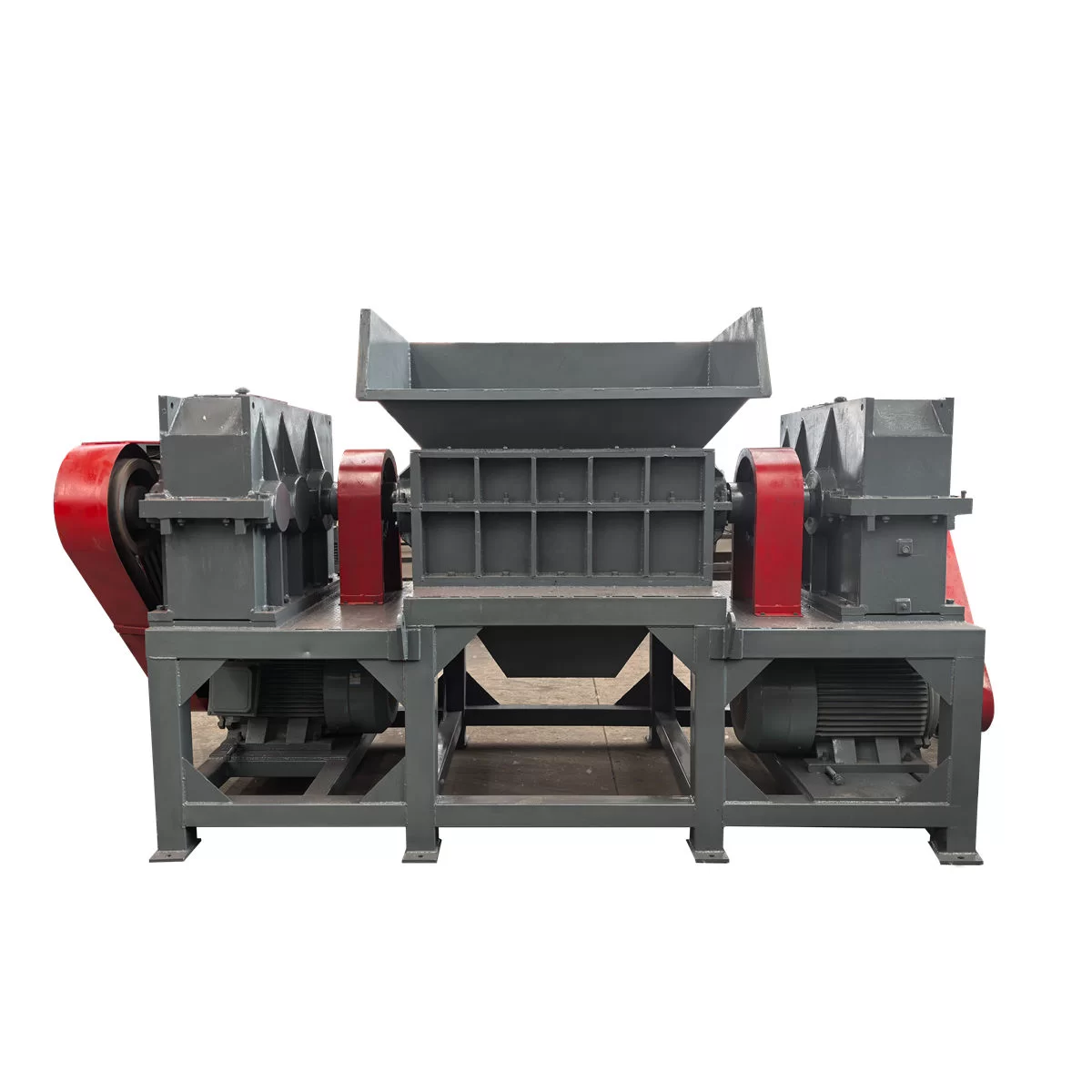
See how a twin shaft shredder opens and reduces bulky light gauge steel sheet and iron panels into compact pieces for baling or secondary crushing.
This processing test uses mixed light gauge ferrous scrap, including thin steel sheet, discarded metal panels, offcuts, painted iron sheet and other hollow or folded sheet-metal pieces. Although the material is relatively thin, large sheets and irregular shells occupy considerable space and can bridge across a hopper, making direct conveying, baling or secondary crushing difficult.
The twin shaft shredder relies on low-speed, high-torque cutting rather than high-speed impact. Opposing cutters grip the edges of the sheet metal, pull the material into the cutting chamber and repeatedly shear, tear and fold it. Large panels are opened and reduced into shorter, denser pieces without requiring the feed to be cut manually into small sections first.
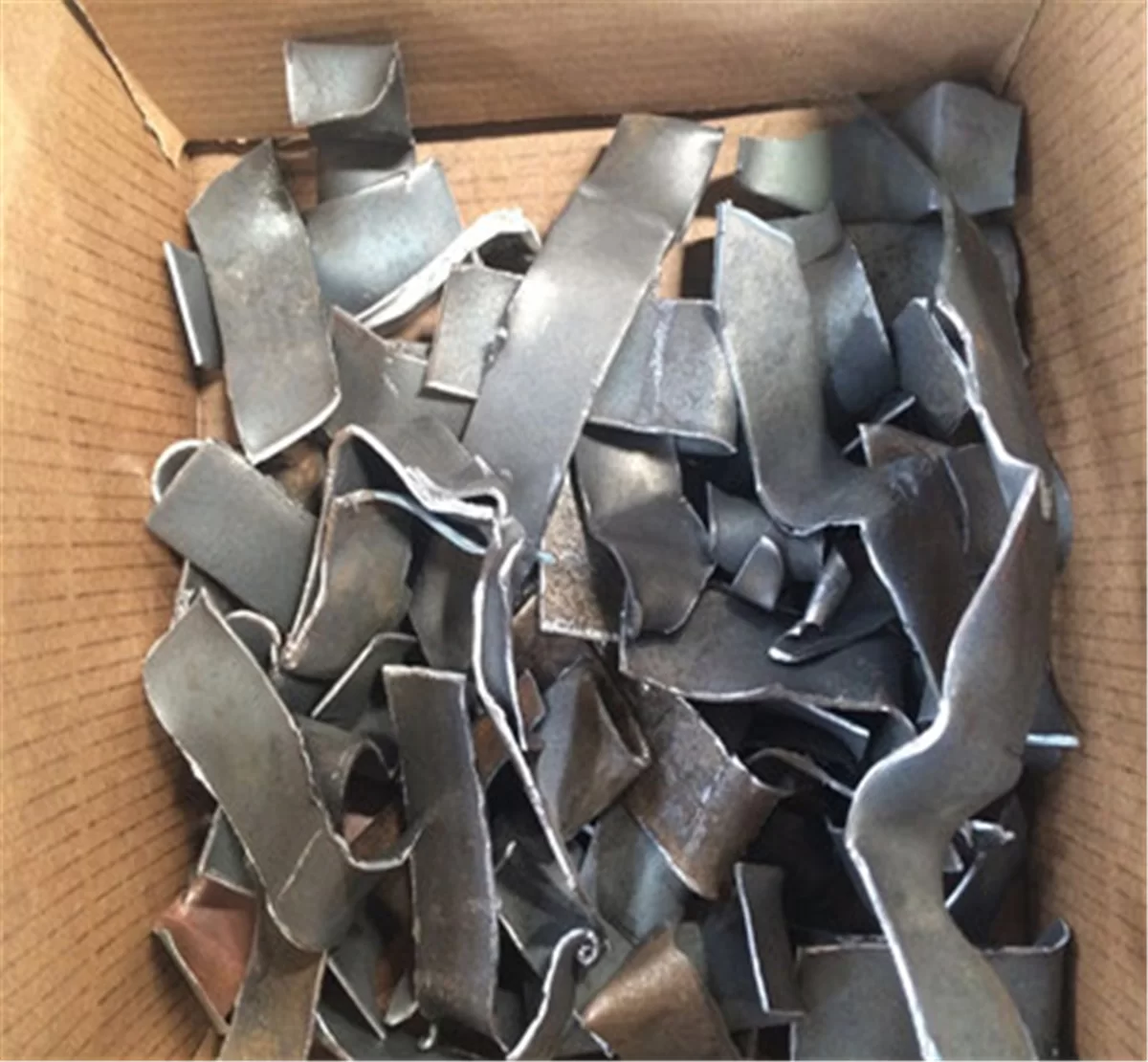
After shredding, the original flat sheets and hollow shells become irregular strips, folded pieces and compact fragments. The discharge is not intended to be a fine, uniformly screened product. The main processing result is a clear reduction in overall dimensions and volume, allowing the material to move more steadily through conveyors and subsequent recycling equipment.
Light sheet metal may bend before it breaks, so some discharged pieces retain curled or folded edges. This is a normal characteristic of coarse shredding rather than incomplete processing. The final piece shape depends on sheet thickness, material hardness, coatings, folded seams, cutter width, hook profile and the clearance between the two cutting shafts.
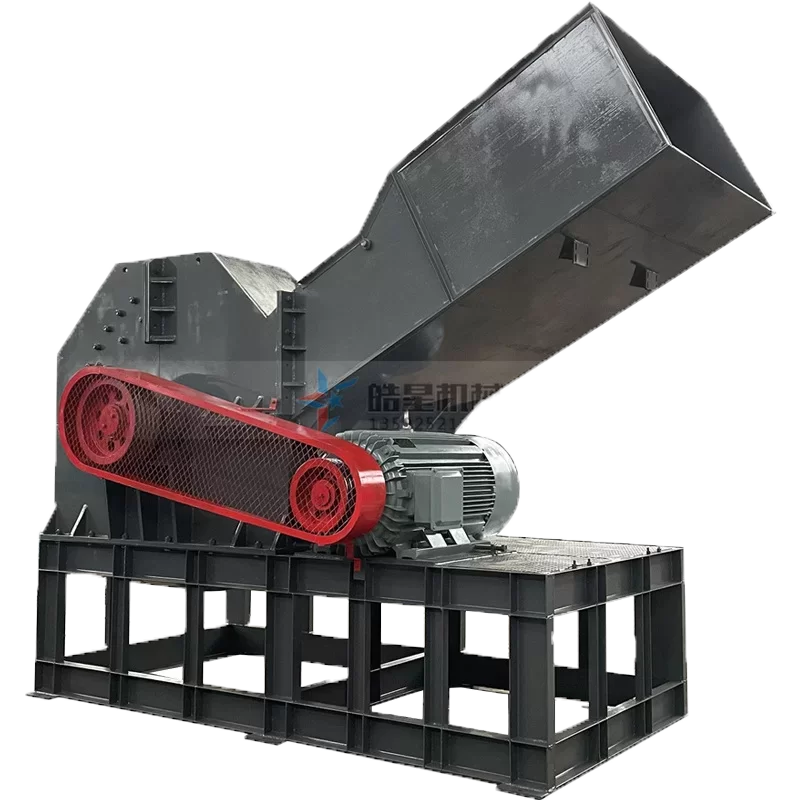
For loose painted iron sheet and ordinary steel offcuts, the shredded material can be collected directly, magnetically handled or sent to a baler. Where the objective is to obtain a smaller and more consistent furnace feed, the twin shaft shredder can serve as the primary stage before a scrap metal crusher. The two machines perform different duties: the shredder opens and shortens bulky feed, while the crusher carries out further size reduction and densification.
Contaminants should be reviewed before continuous production. Thin sheet mixed with wire, fabric, rubber, plastic, sealed containers or heavy solid steel can behave differently in the cutting chamber. Closed drums, pressure vessels and containers with unknown residues must be opened, depressurized and inspected before feeding to avoid fire, pressure and contamination hazards.
A controlled feeding conveyor is recommended because an oversized bundle can cover the entire inlet and cause uneven loading. Stable feeding helps the cutters maintain a consistent bite and reduces unnecessary reversing. A discharge conveyor, magnetic separator and collection system can then be arranged according to whether the material will be baled, sorted or crushed again.
The practical shredding result should be judged by whether large sheets are effectively opened, whether long or wide pieces are shortened, whether bulk volume is reduced and whether the output can enter the next process without frequent bridging. A single photograph cannot determine hourly capacity because loose density and sheet thickness have a direct effect on actual throughput.
Equipment selection should be based on the largest feed dimensions, sheet thickness range, presence of folded or reinforced sections, required capacity and target discharge condition. Representative material testing is the safest way to confirm cutter geometry, motor power and whether a secondary crushing stage is necessary.
For recycling yards handling mixed light ferrous scrap, this coarse shredding method can reduce manual cutting and improve feeding continuity. The configuration should remain matched to the actual material rather than relying only on the nominal name of “light sheet metal,” since roofing sheet, appliance panels and industrial offcuts can differ substantially in thickness and attached components.