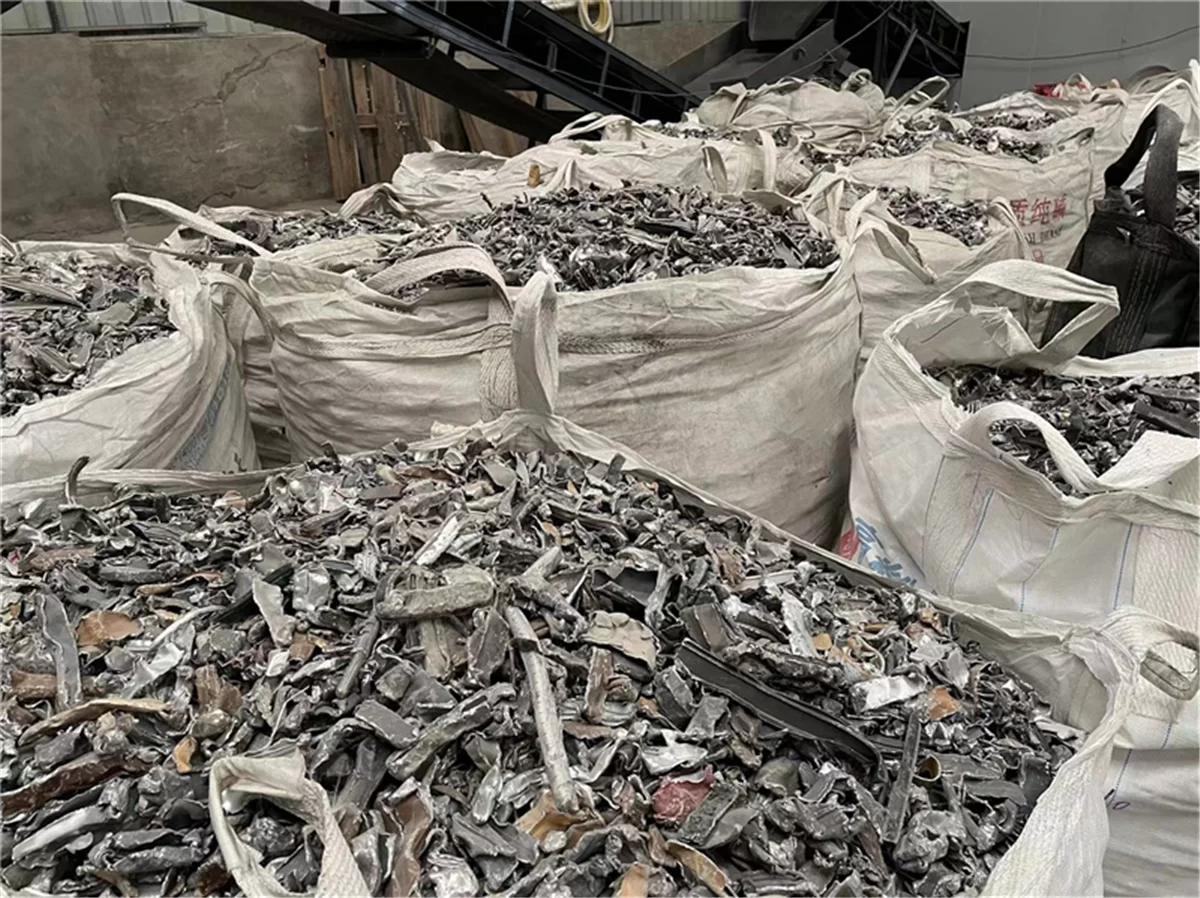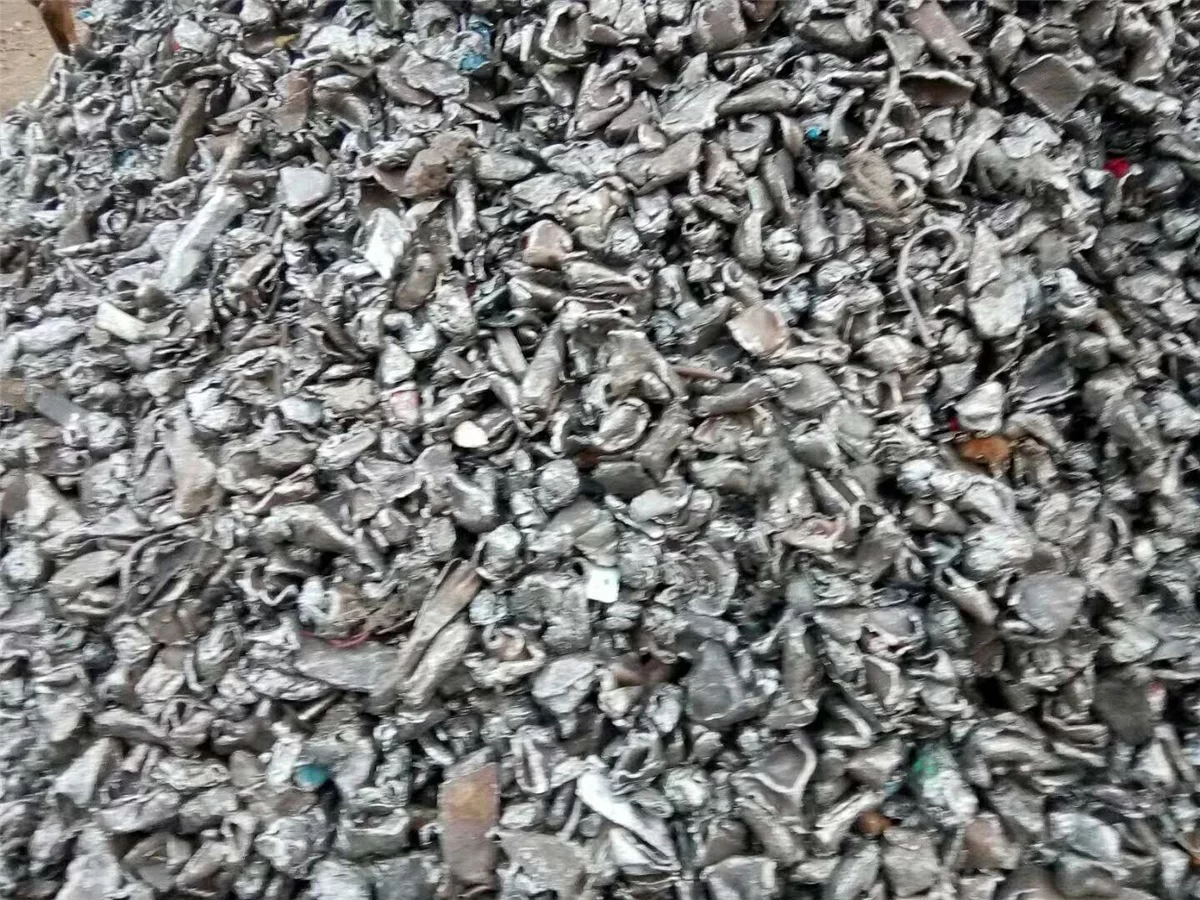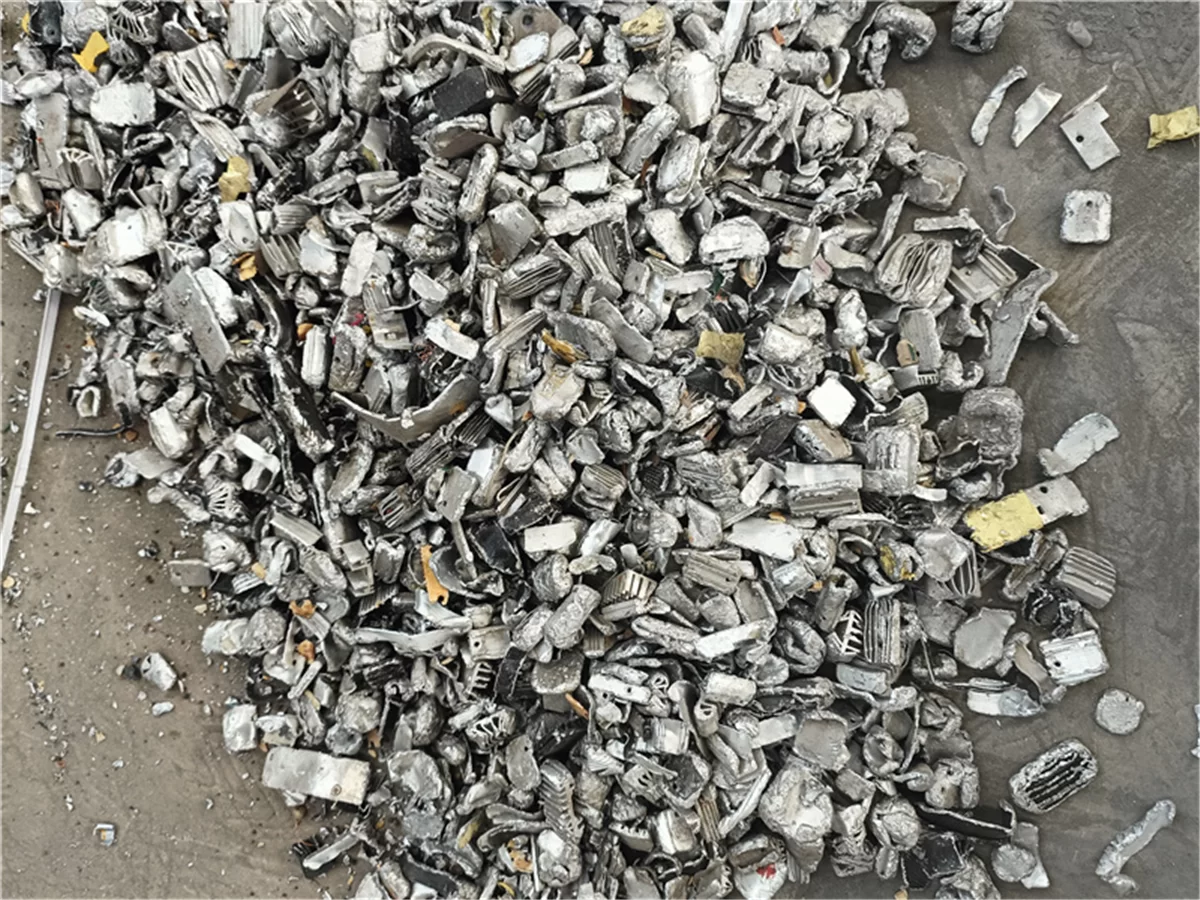

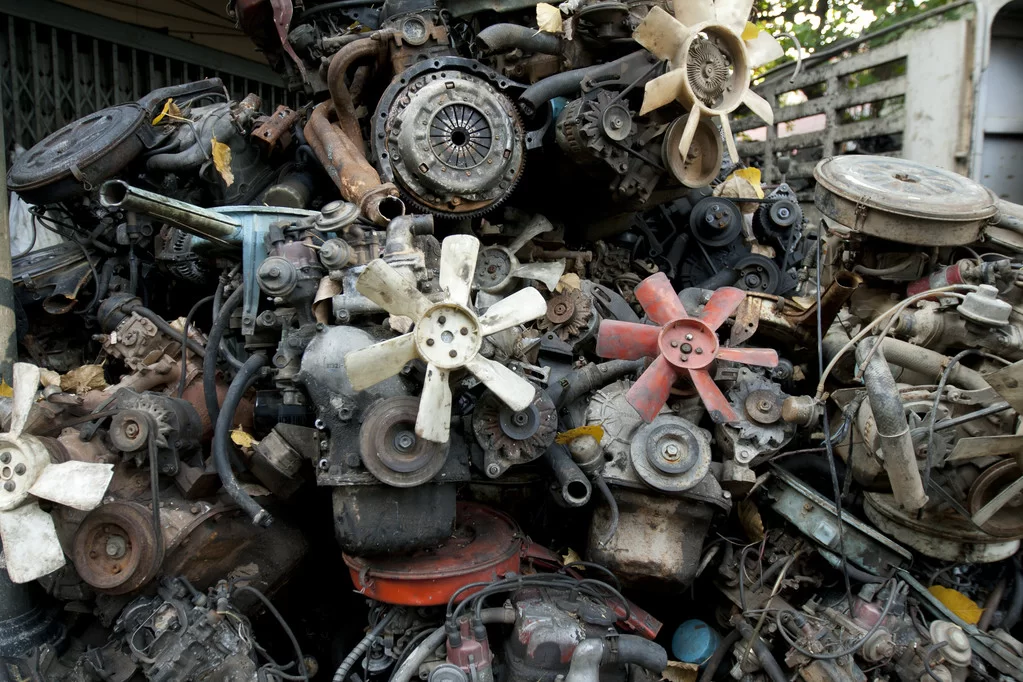
Aluminum engine blocks are cast aluminum components recovered from end-of-life vehicles, automotive dismantling facilities, engine repair workshops and metal recycling operations. Related materials include cylinder blocks, crankcases, engine housings, transmission housings, gearbox housings and other automotive aluminum castings.
Used engine blocks are rarely made of aluminum alone. Depending on their design and condition, they may contain iron cylinder liners, steel bolts, shafts, bearings, bushings, seals and residual oil or coolant. These attachments can affect equipment selection and the subsequent separation process.
Before size reduction, engine blocks should be drained and inspected. Removable steel parts and unsuitable attachments can be dismantled where practical. The appropriate processing method depends on the casting dimensions, wall thickness, internal steel components and required output.
Common Aluminum Engine Block Materials
Scrap aluminum engine blocks
Aluminum cylinder blocks
Engine crankcases
Aluminum engine housings
Aluminum transmission housings
Aluminum gearbox housings
Aluminum compressor housings
Cast aluminum engine parts
Automotive aluminum castings
Engine dismantling scrap
Materials containing sealed cavities, residual fluids or unidentified attachments should be inspected and prepared before mechanical processing.
Why Aluminum Engine Blocks Require Size Reduction
Aluminum engine blocks are bulky, irregular castings that may contain embedded iron and steel parts. Processing them into smaller pieces can expose internal components and make the material easier to convey and sort.
Depending on the incoming material and downstream requirements, size reduction may help:
Reduce the volume of bulky castings
Make the material easier to convey and store
Expose embedded iron and steel components
Prepare the material for magnetic separation
Produce a more manageable feed size
Reduce the amount of manual dismantling
Prepare the processed material for further sorting or recovery
The final output and separation result depend on the engine block design, internal components, equipment configuration and operating conditions.
How Are Aluminum Engine Blocks Processed?
A typical processing system may include:
Inspection and Draining → Dismantling or Pre-treatment → Size Reduction → Magnetic Separation → Further Sorting → Material Collection
The exact process should be selected according to the size and construction of the engine blocks.
Inspection and Pre-treatment
Before processing, residual oil, coolant and other liquids should be removed. Large steel shafts, bearings and easily removable attachments can also be dismantled where practical.
Oversized or unusually thick castings may require breaking, cutting or other preparation before entering the selected machine.
Primary Size Reduction
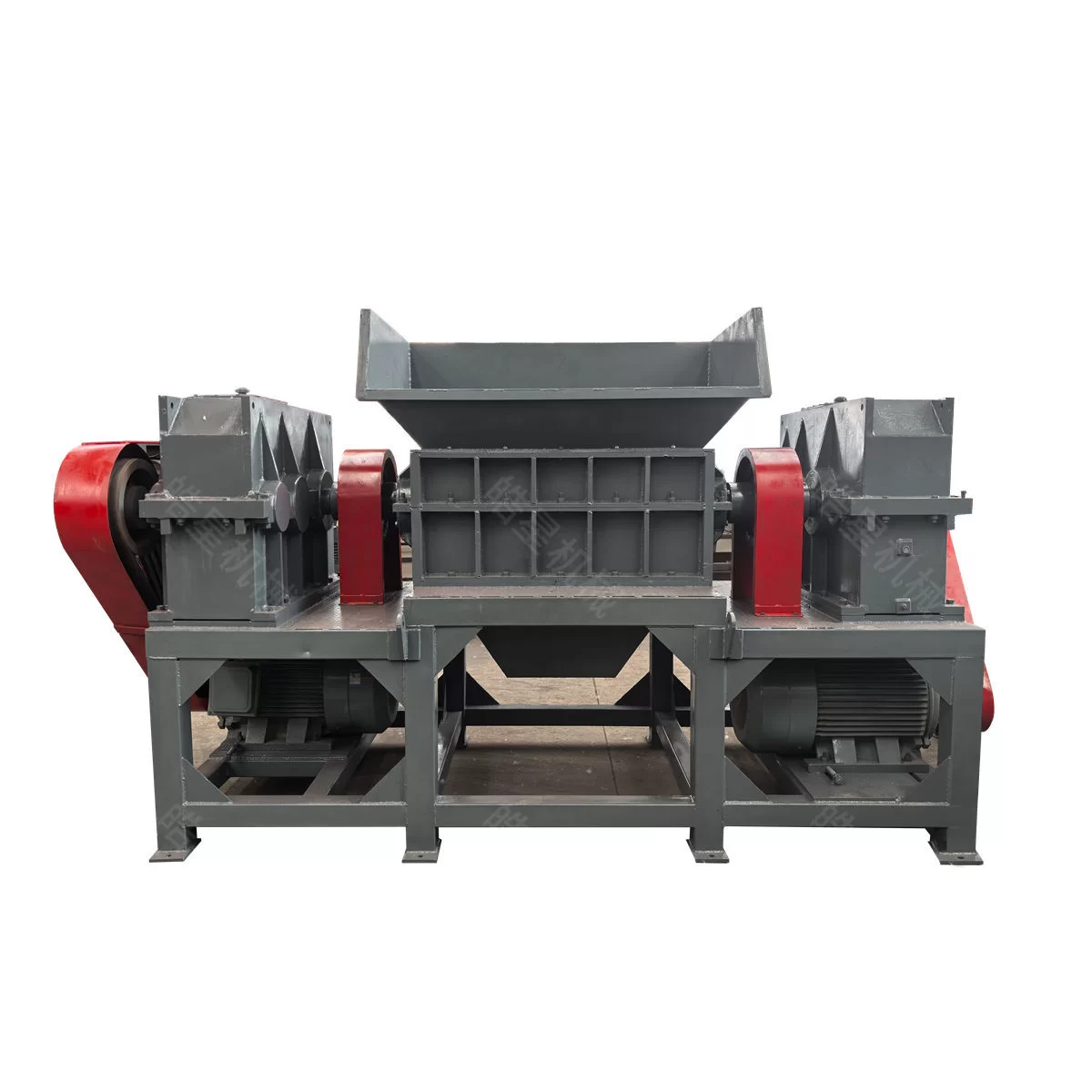
Large and irregular engine components may require primary size reduction before entering a downstream crusher. Whether a twin shaft shredder is suitable depends on the casting dimensions, wall thickness, internal steel components and cutter configuration.
The shredder should not be presented as a mandatory first-stage machine for every aluminum engine block application.
Crushing
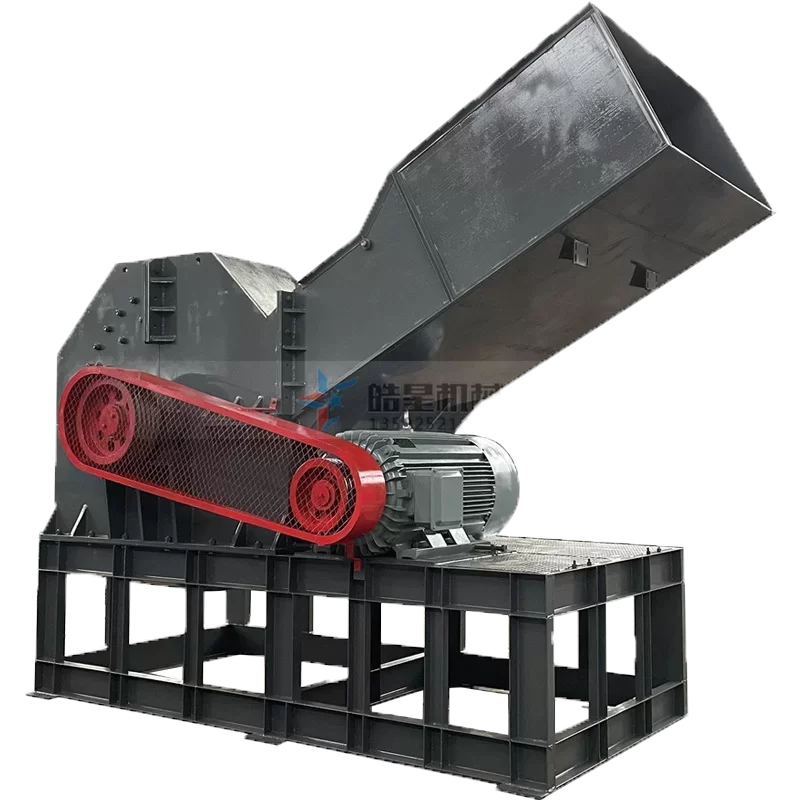
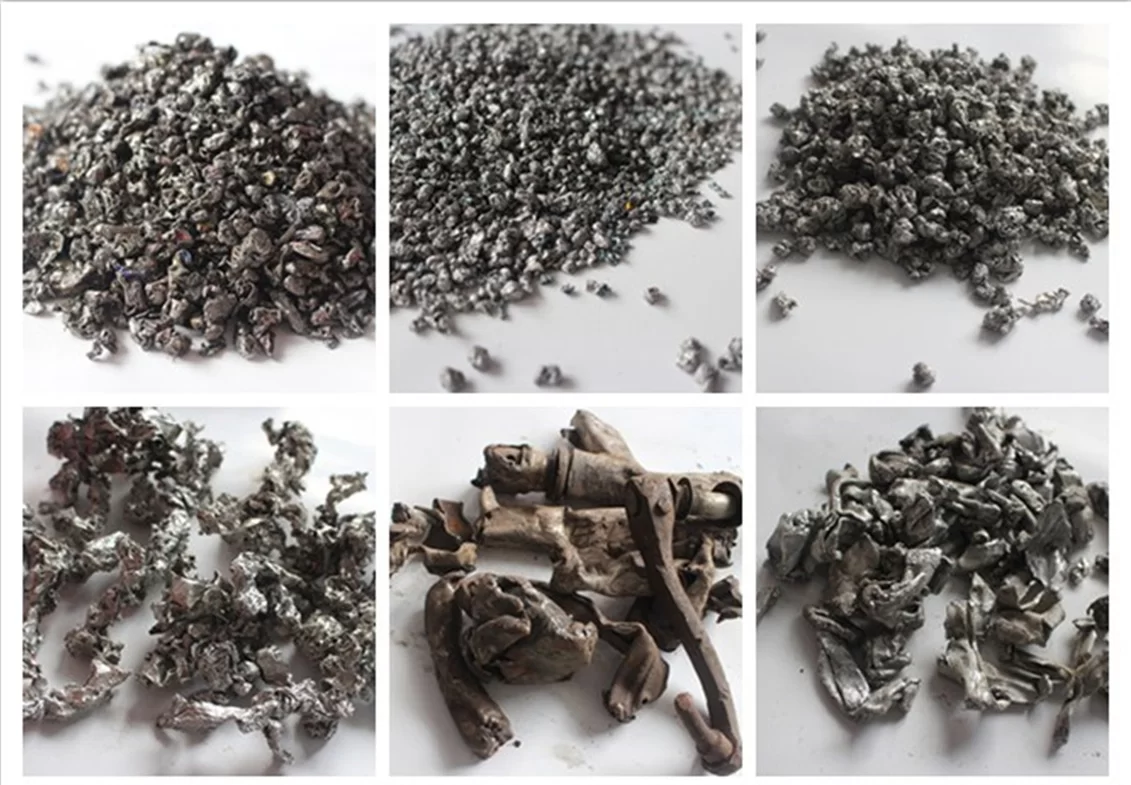
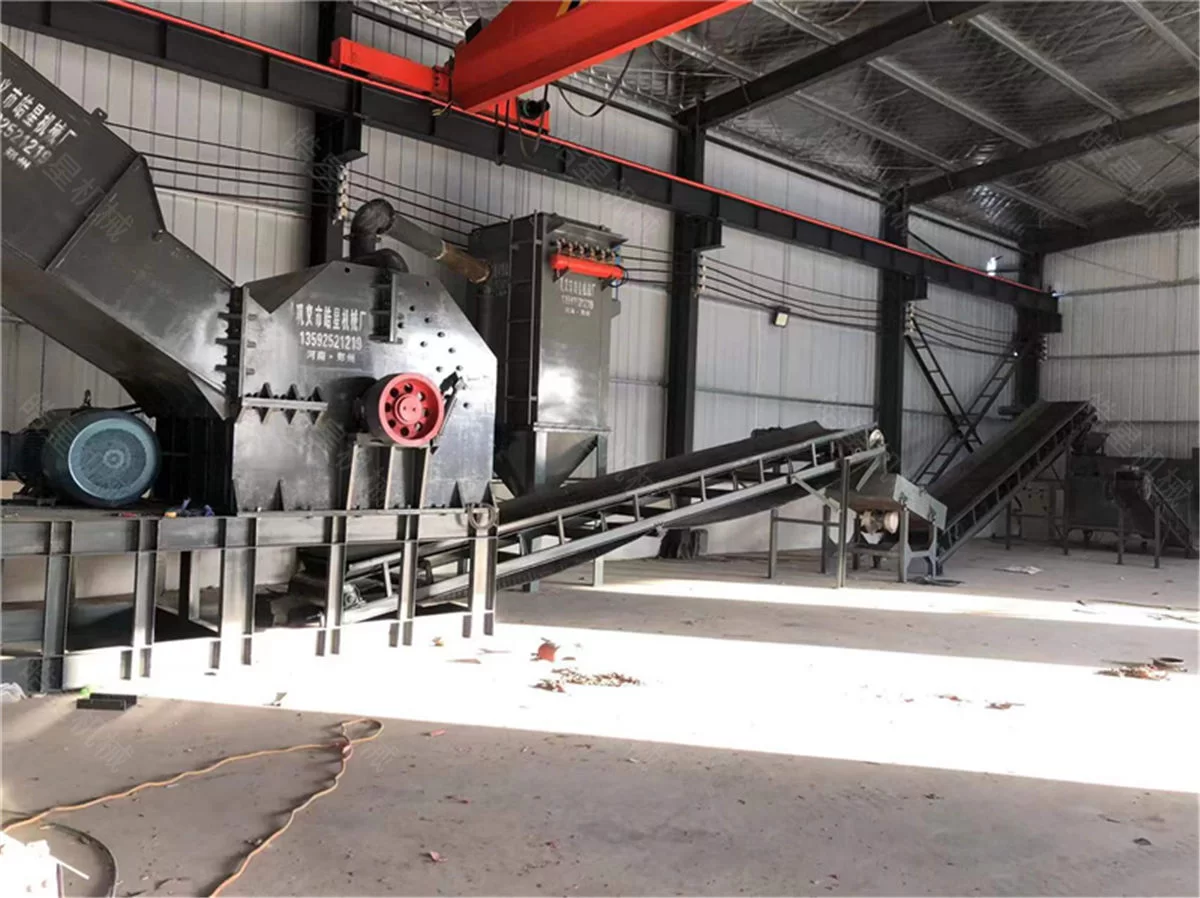
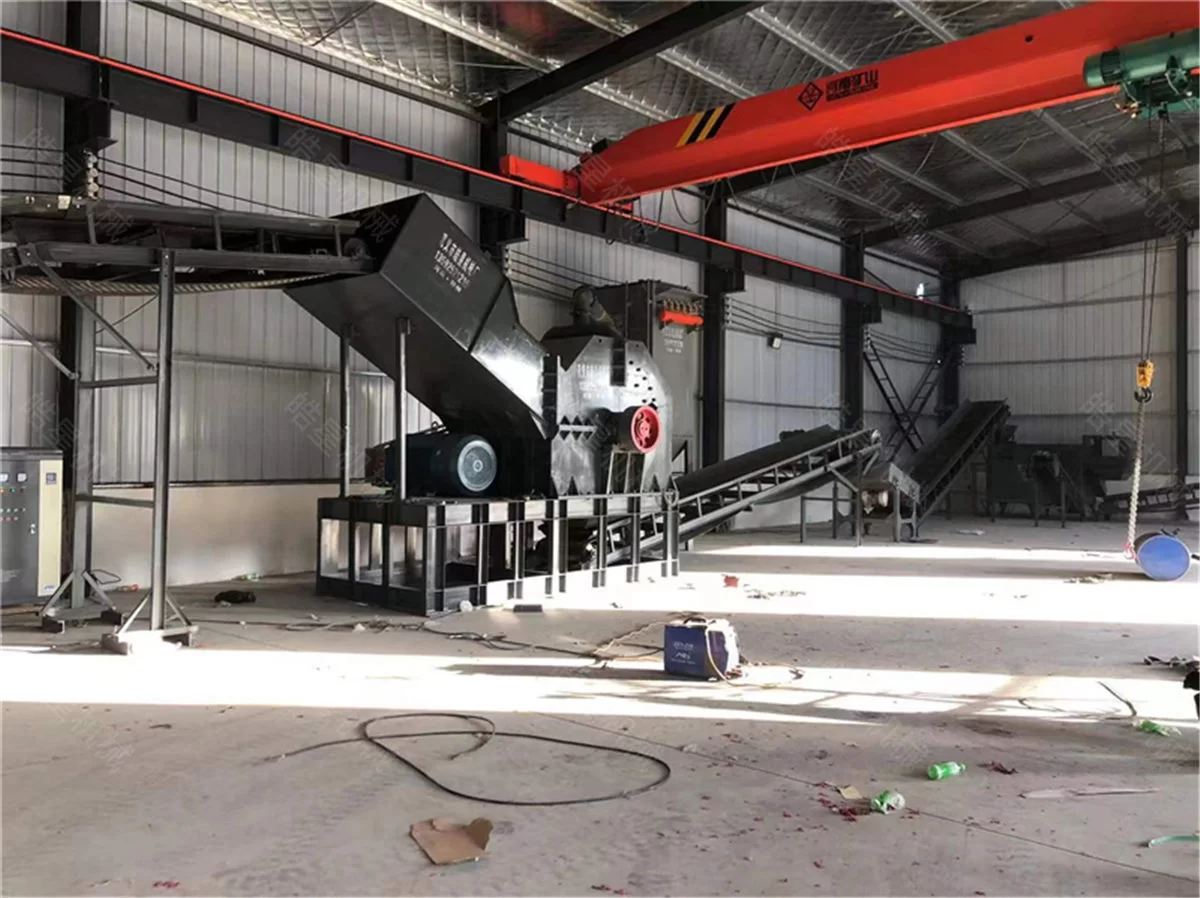
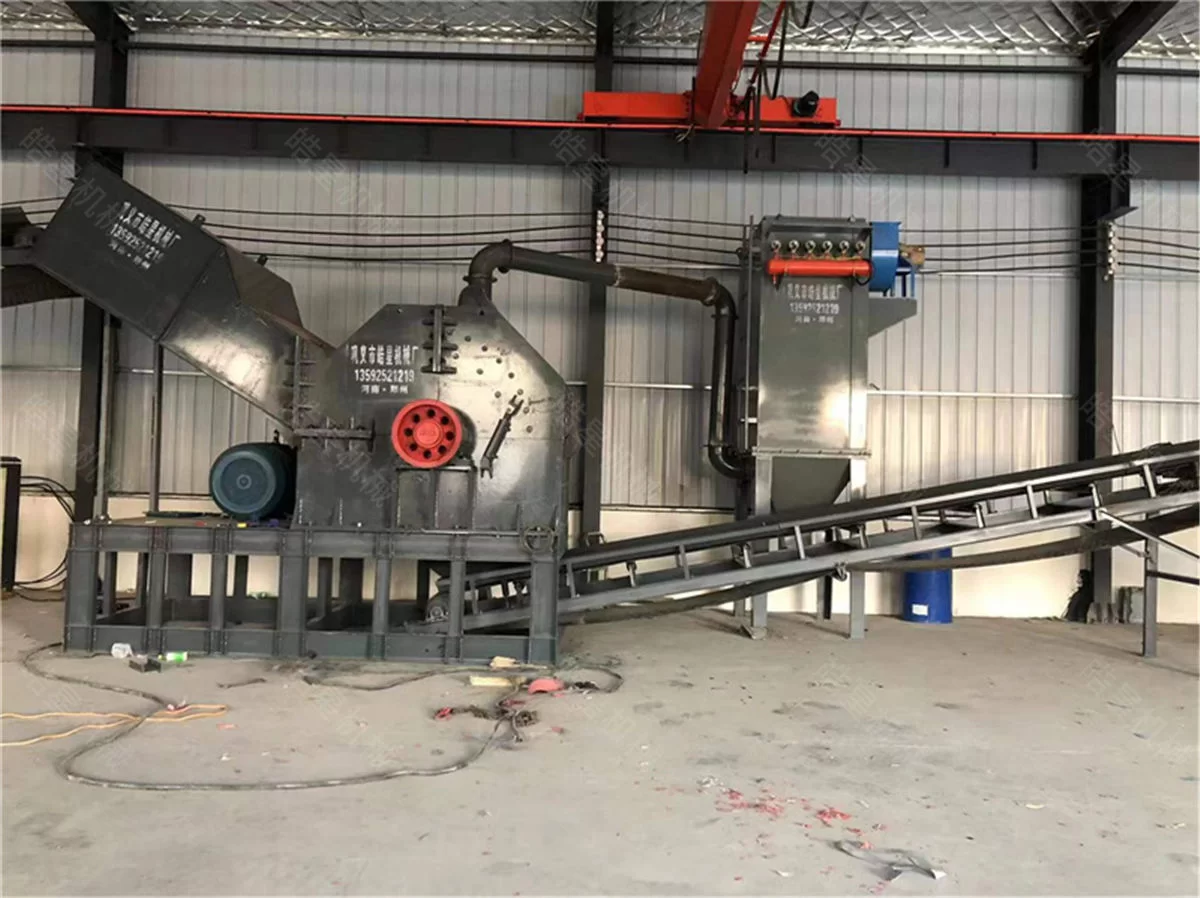
A suitable aluminum crusher can further reduce prepared engine blocks and cast aluminum housings. Crushing helps break the casting into smaller pieces and exposes embedded ferrous components for subsequent separation.
The required crusher model should be selected according to:
Maximum feeding dimensions
Casting wall thickness
Internal steel components
Required processing capacity
Expected discharge size
Downstream separation method
Magnetic Separation
After size reduction, a magnetic separator can remove exposed iron and steel components from the aluminum-rich material stream.
Magnetic separation is intended to recover ferrous material. It cannot remove every non-aluminum attachment or guarantee a fixed aluminum purity from all types of engine scrap.
Further Sorting
If the processed material contains other non-ferrous metals, additional sorting equipment may be considered. The final configuration depends on the composition of the incoming engine components and the required recovered fractions.
Aluminum Engine Block Processing Equipment
Twin Shaft Shredder
A twin shaft shredder may be used for primary size reduction when the engine components are suitable for low-speed, high-torque shredding. The cutter arrangement and machine model must match the actual casting size and construction.
Aluminum Crusher
An aluminum crusher is used to reduce prepared aluminum castings into smaller pieces. The crushing stage also helps expose embedded iron and steel parts for magnetic separation.
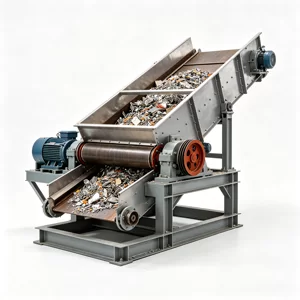
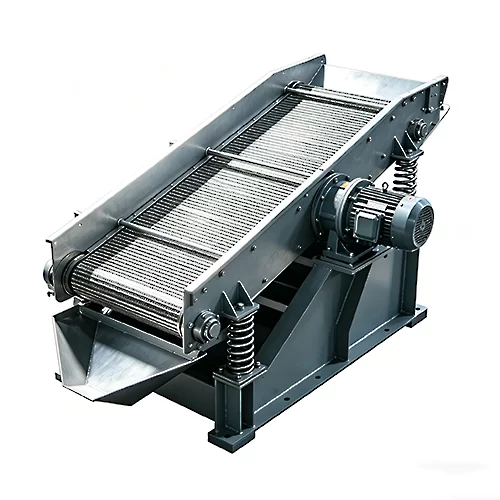
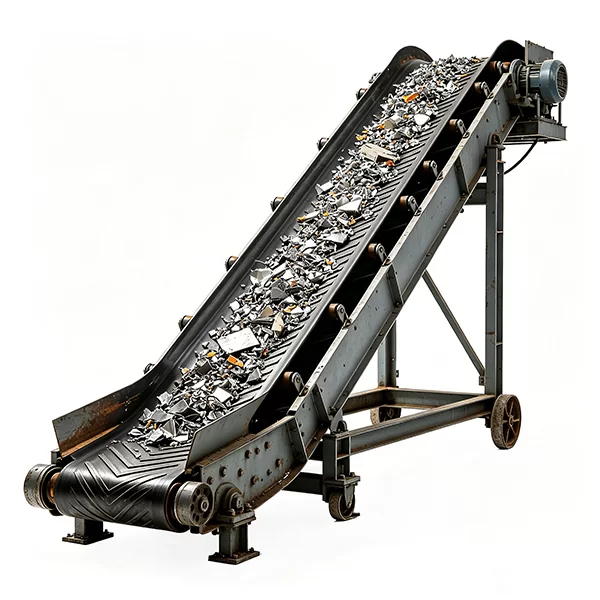
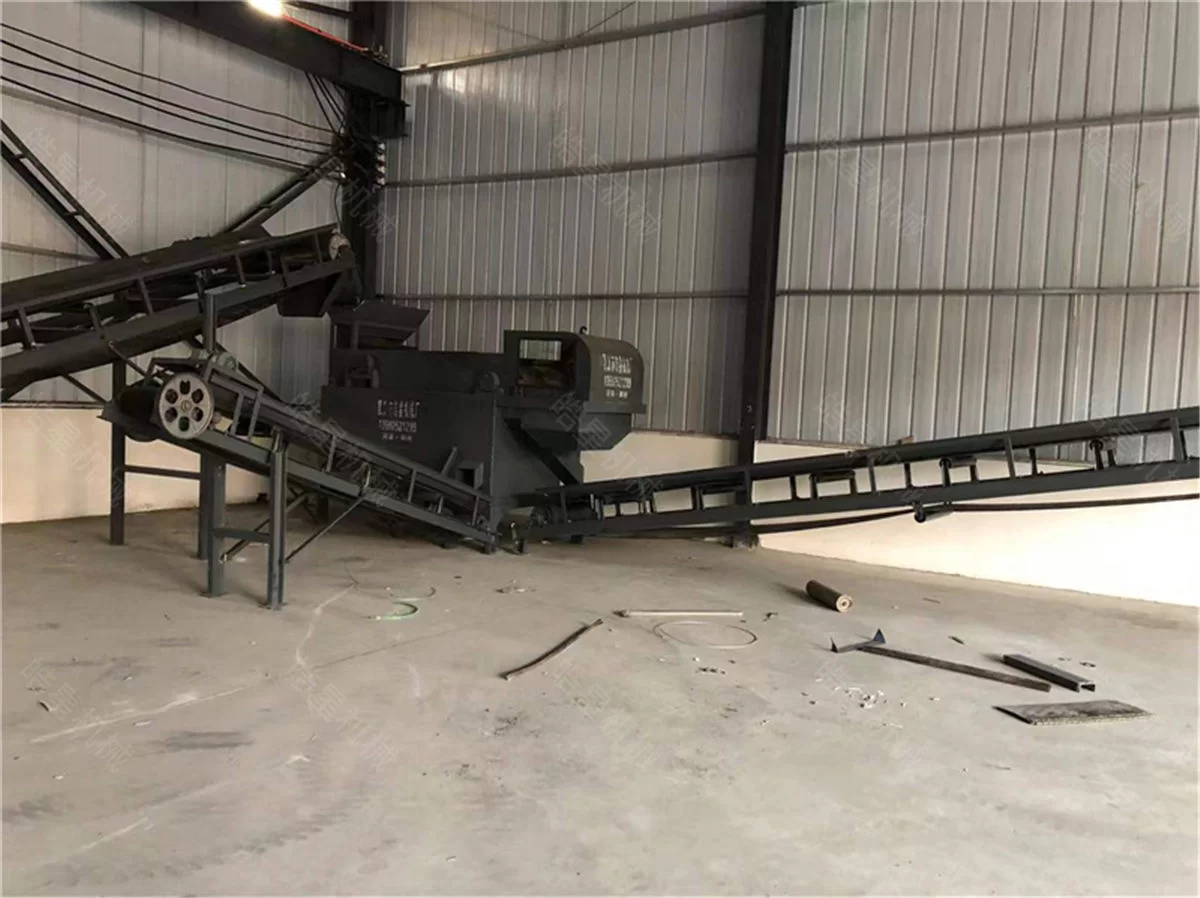
Feeding and Discharge Conveyors
Conveyors provide controlled material transfer between the processing stages. Their structure should be selected according to the weight, shape and impact characteristics of the castings.
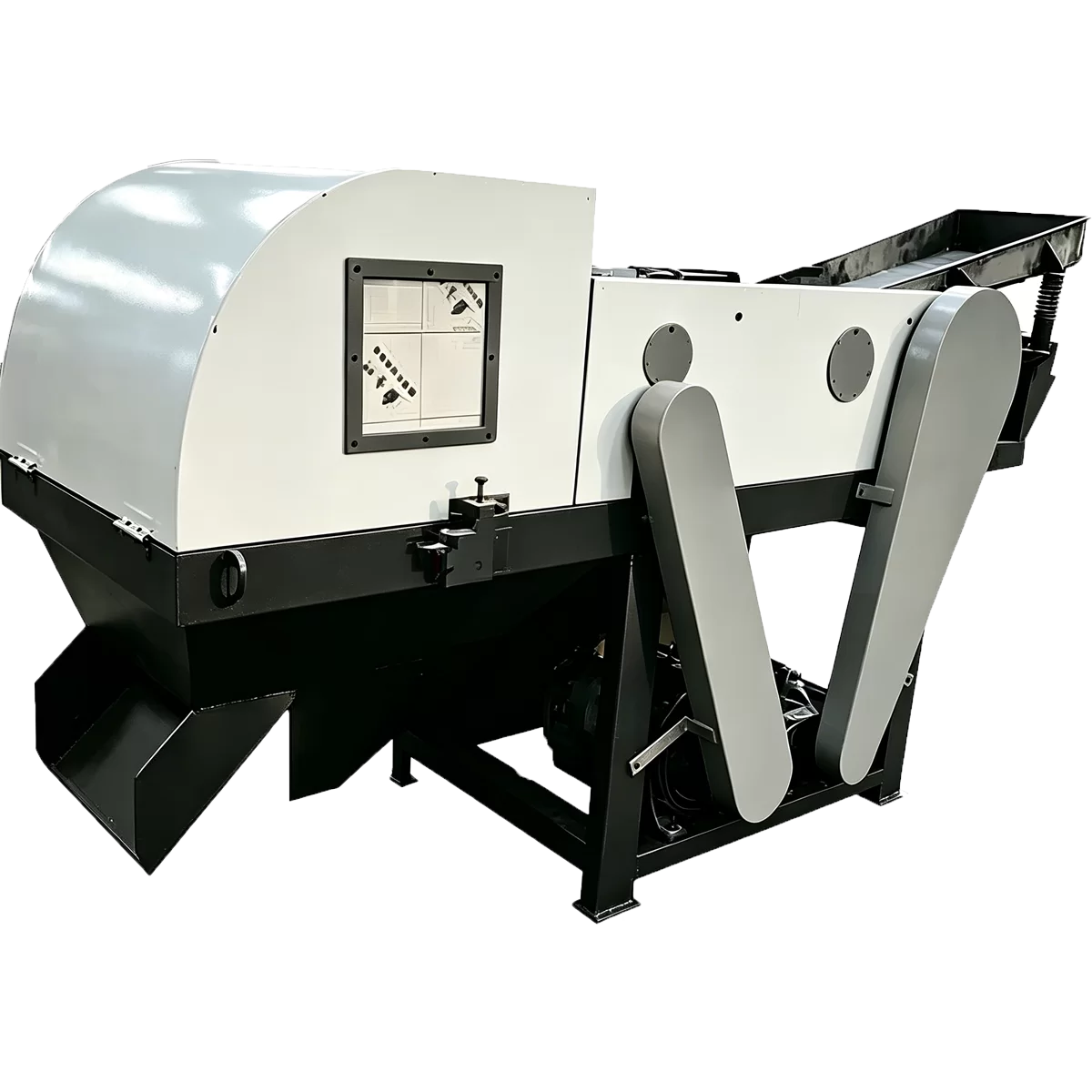
Magnetic Separator
A magnetic separator removes exposed ferrous components from the crushed material.
Eddy Current Separator
An eddy current separator may be added when the processed stream contains a mixture of conductive non-ferrous metals and other materials. Its suitability depends on the particle size and material composition.
Dust Collection Equipment
Dust collection can be configured according to the surface condition of the castings, crushing method and workshop requirements.
Selecting a Suitable Processing System
To recommend suitable equipment, the following information is required:
Engine block type and representative photos
Maximum feeding dimensions
Approximate casting wall thickness
Weight of individual pieces
Iron liners and internal steel components
Residual oil or coolant condition
Required processing capacity
Expected discharge size
Downstream separation requirements
Material testing is recommended when the construction and internal composition of the engine blocks are uncertain.