Project Overview
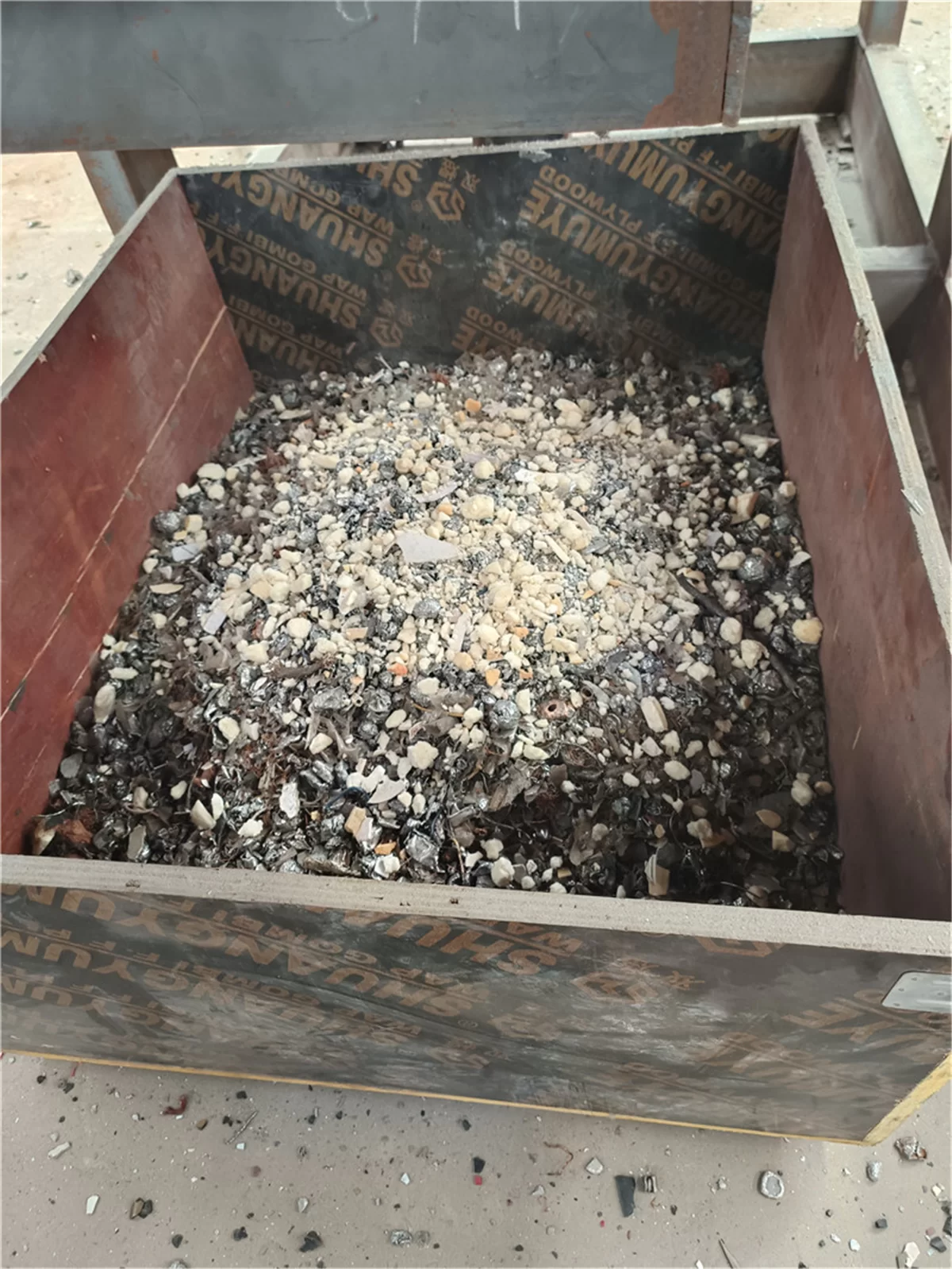
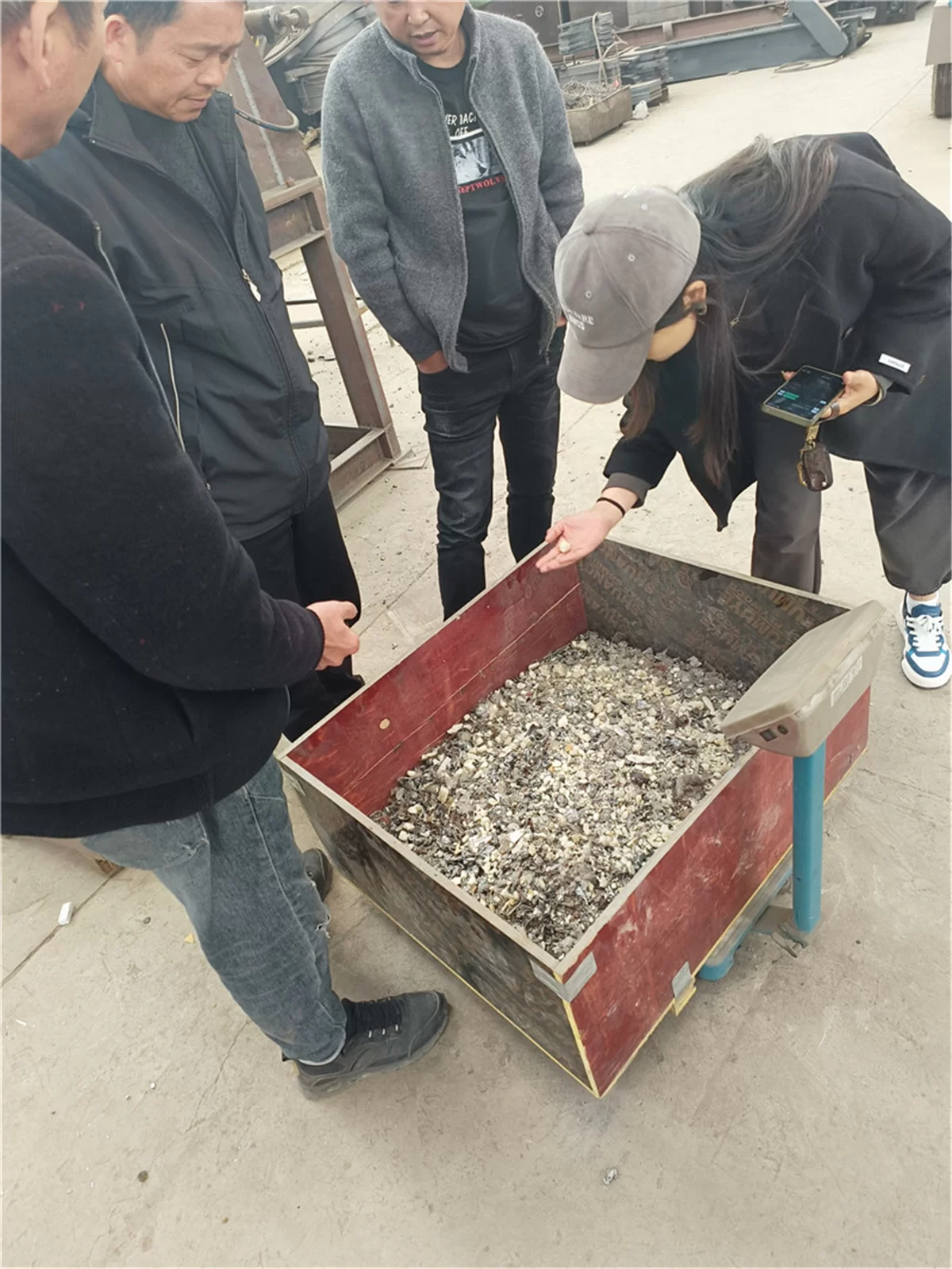
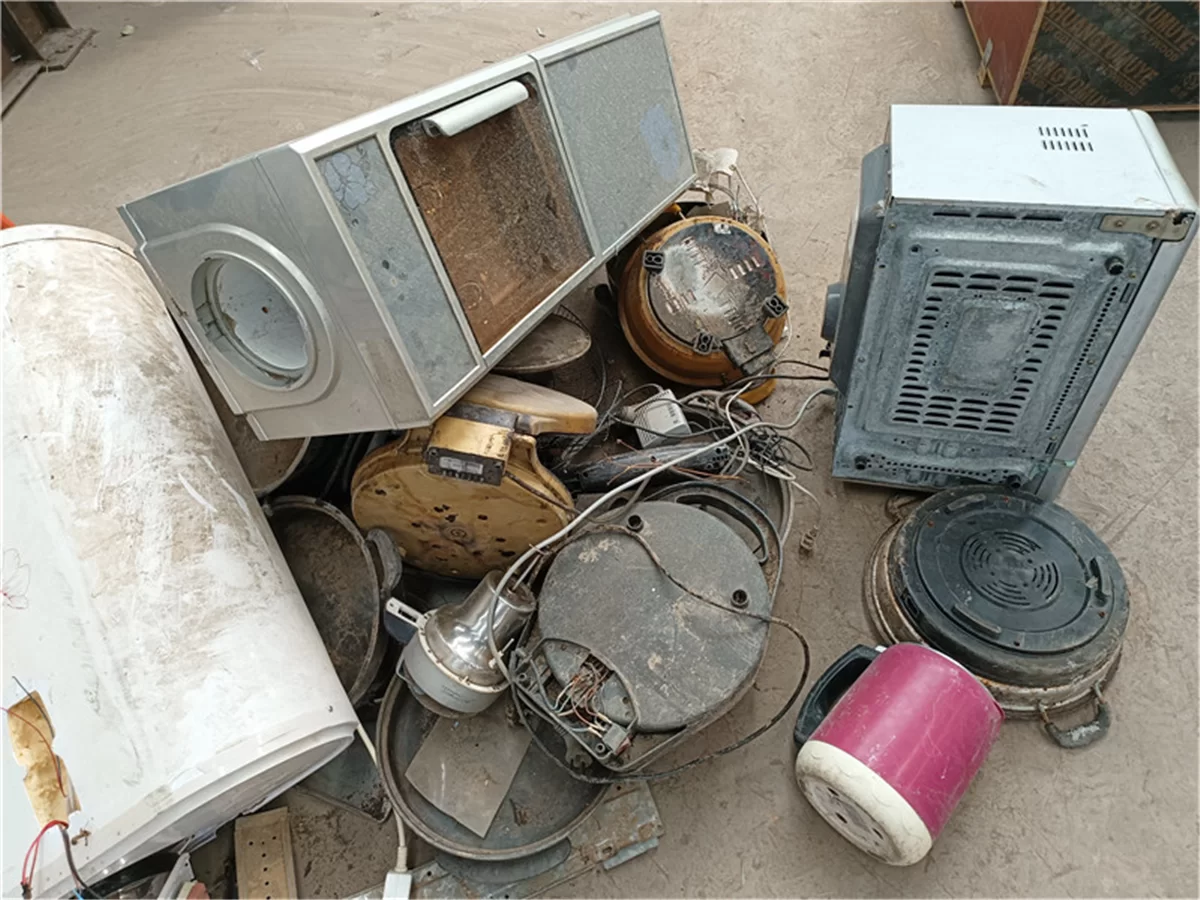
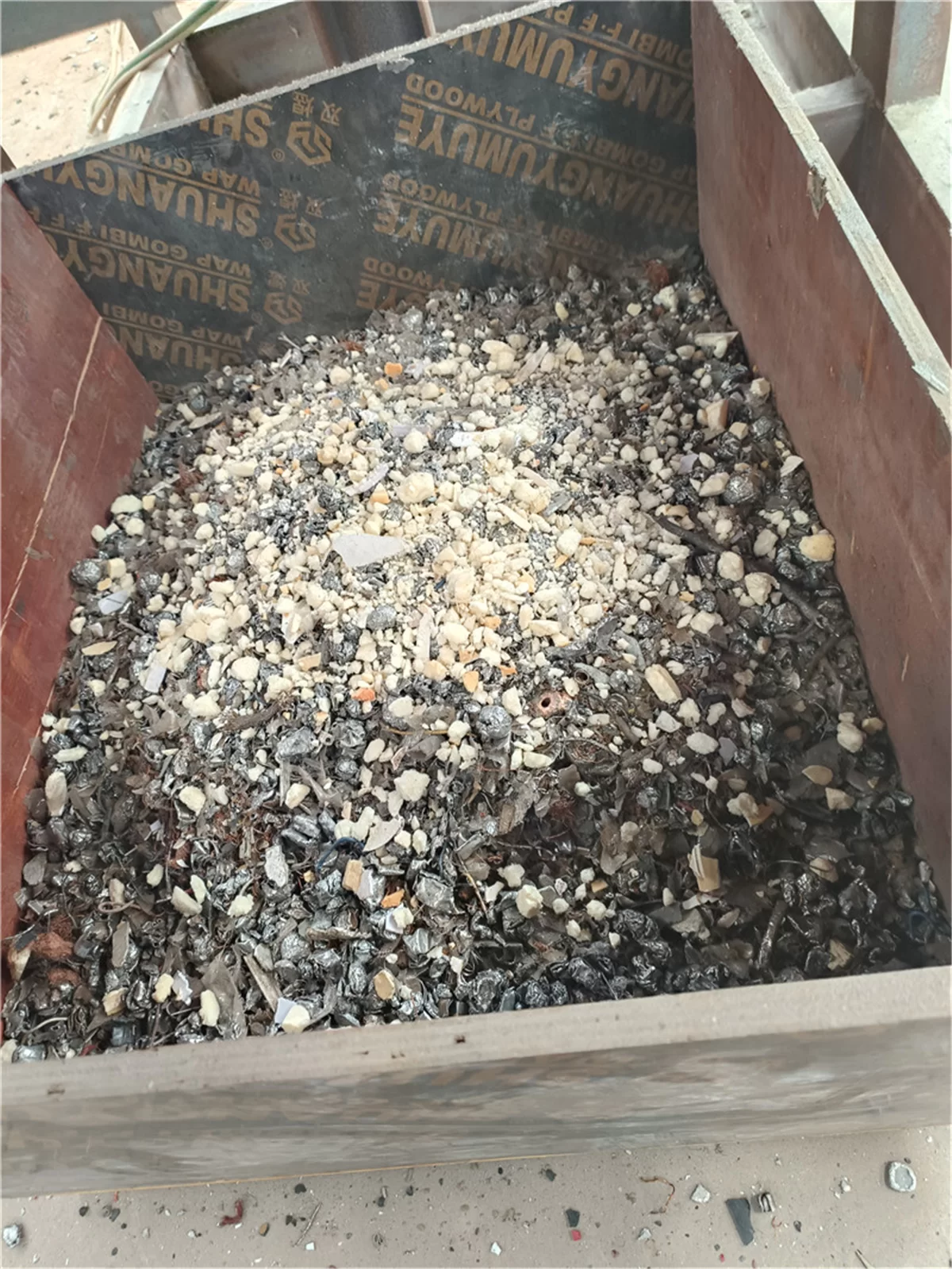
See the crushing results of aluminum-containing water dispensers, used heaters and mixed appliance scrap before magnetic, air and eddy current separation.
This material test used discarded aluminum-containing appliances, including water dispensers, used heaters and similar small household appliance parts. The feed contained aluminum sheets and housings together with hard plastic, foam insulation, wire, rubber and a small amount of ferrous attachments.
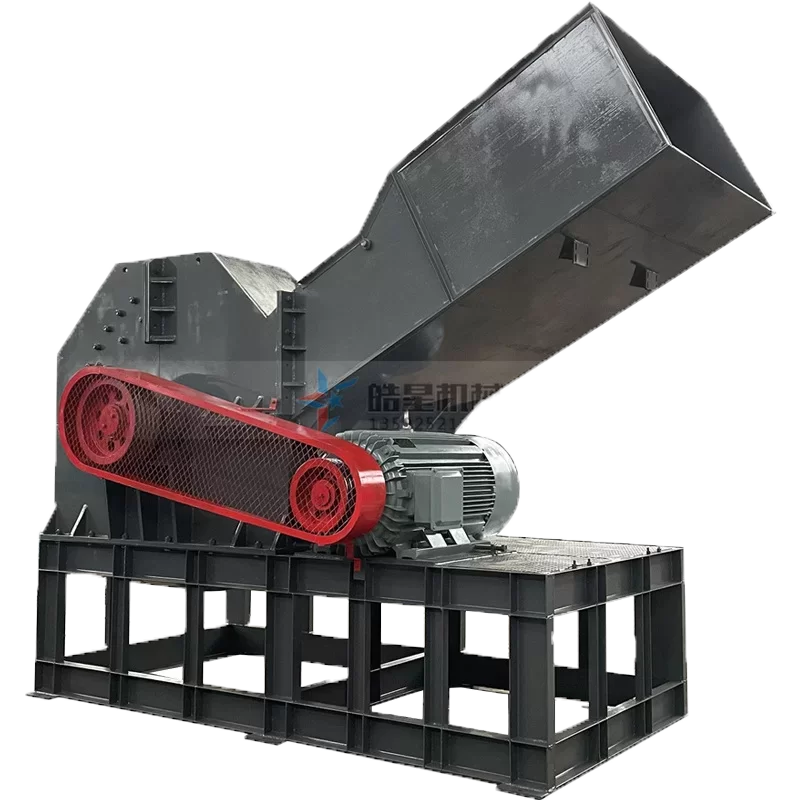
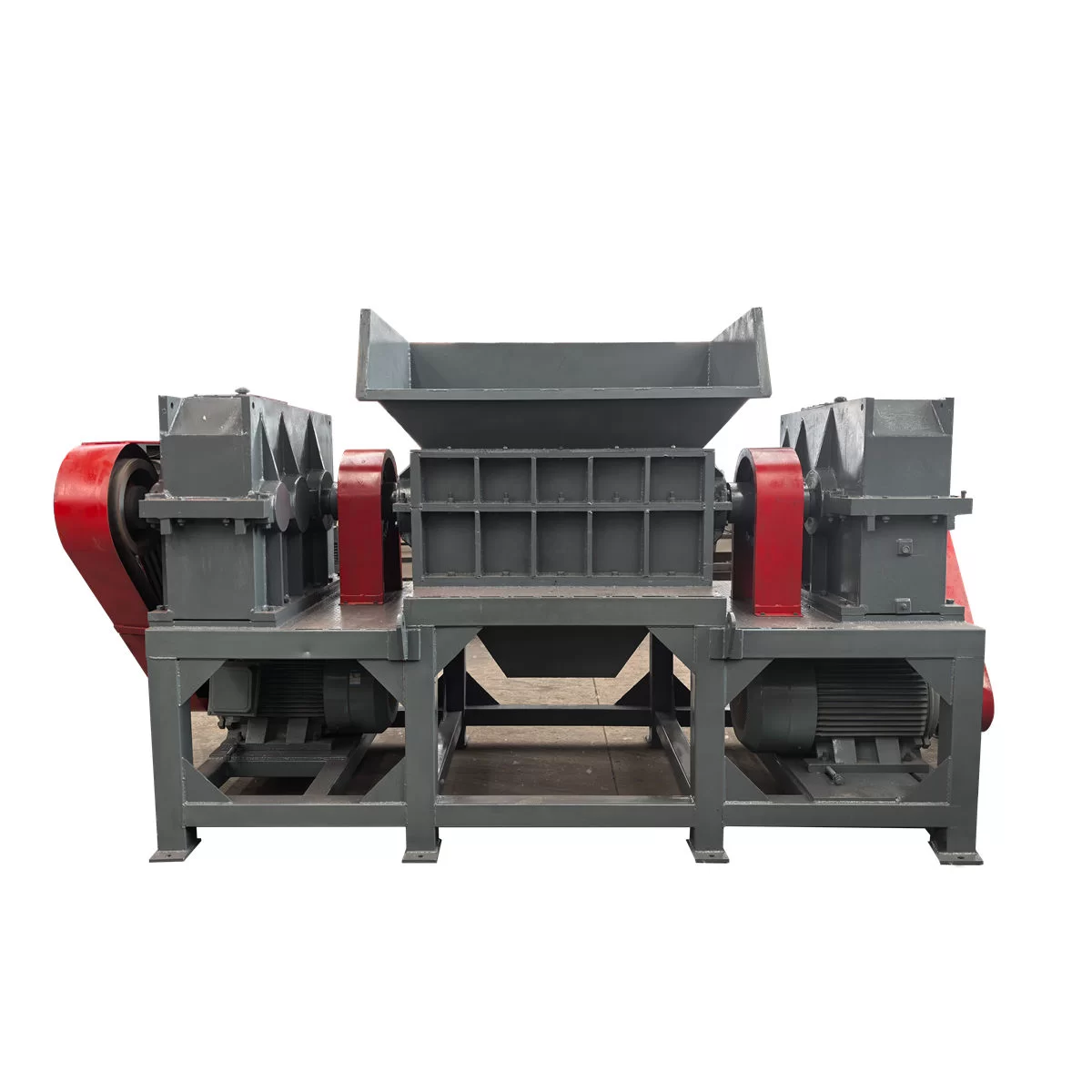
After processing through the scrap metal crusher, the appliance components were opened and reduced into loose mixed particles. The aluminum pieces show clear impact deformation and curling, while most plastic and insulation materials have been broken away from the metal surface. This degree of liberation is suitable for subsequent magnetic separation, air separation and eddy current separation.
The photographs show the unsorted discharge immediately after crushing rather than a finished aluminum product. Particle size varies because thin aluminum, rigid plastic and foam respond differently during impact crushing. For cleaner aluminum recovery, the crushing stage should be followed by magnetic removal of iron, air separation of lightweight material and eddy current separation of non-ferrous metal.
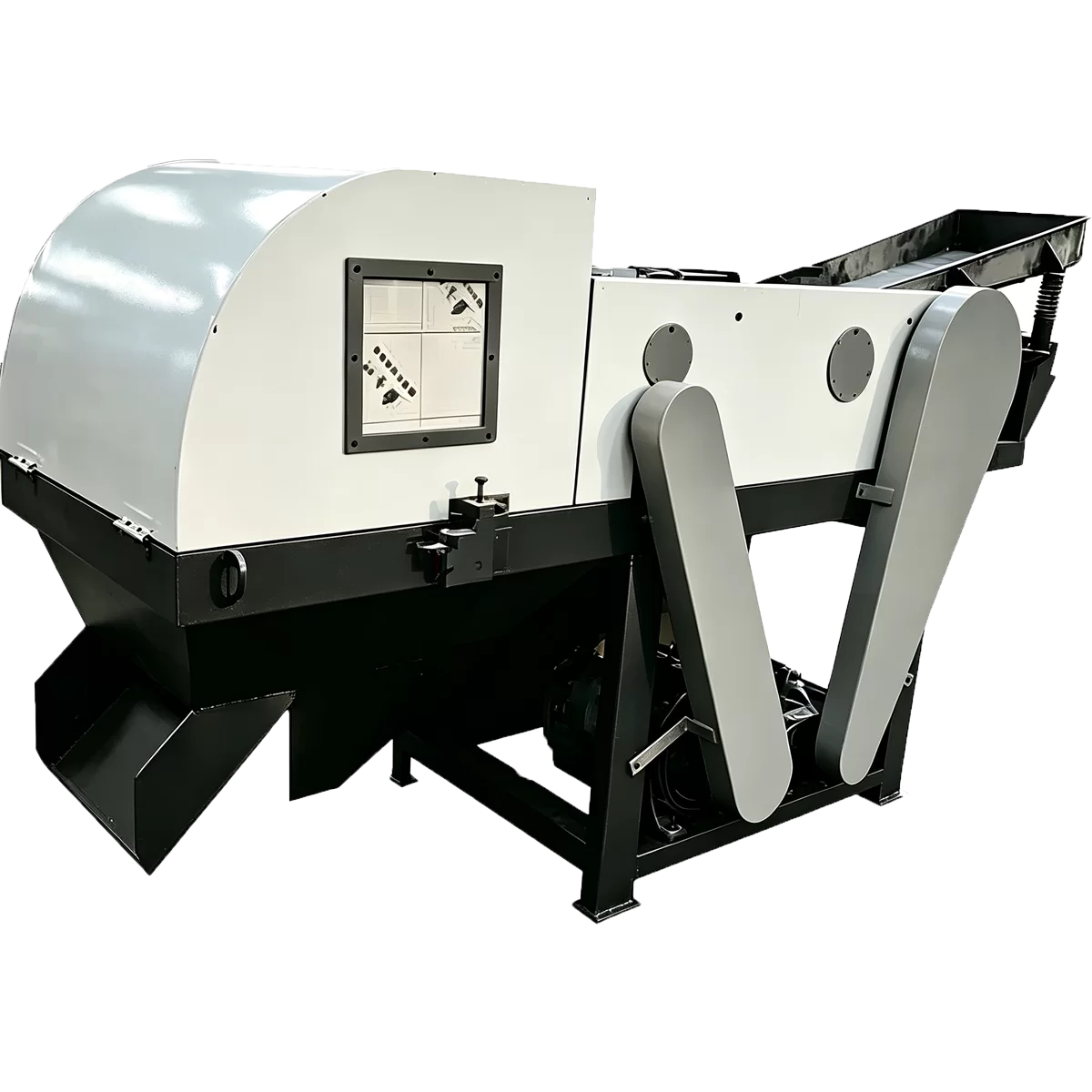
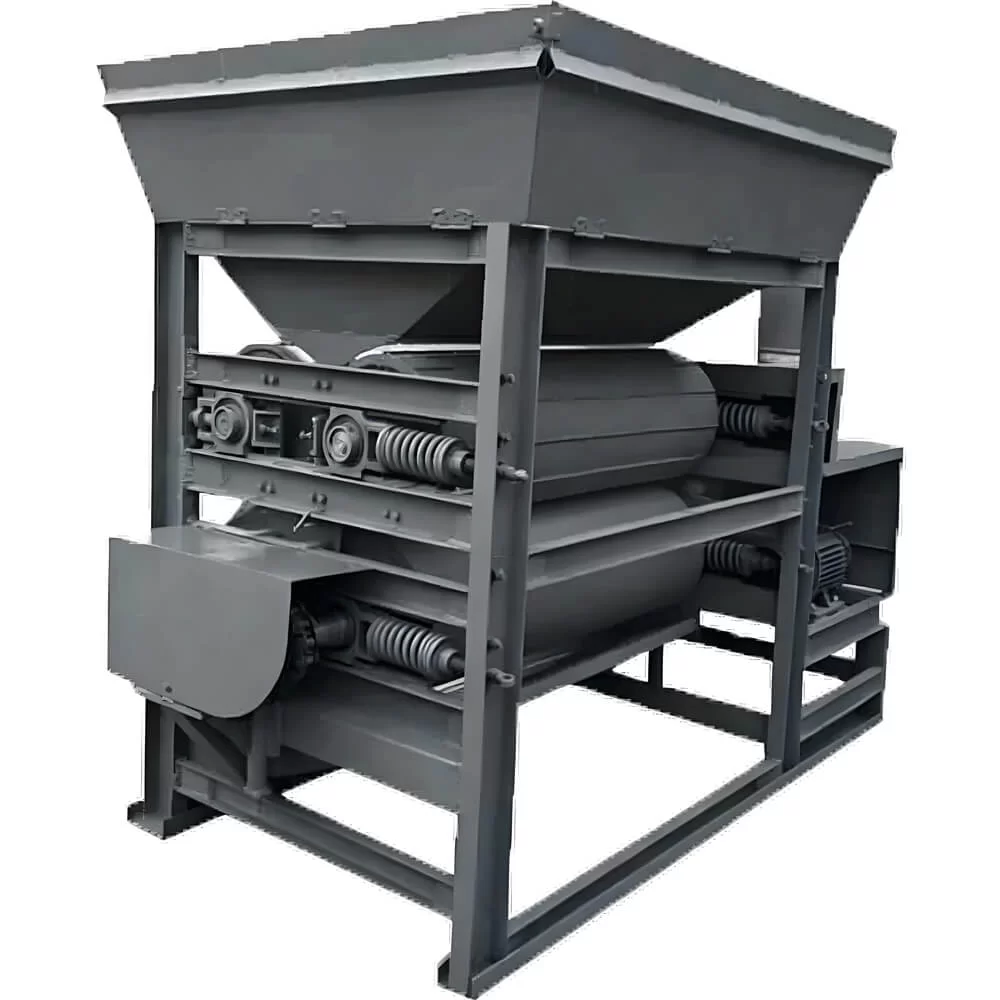
A representative sample should be tested before equipment selection because water dispensers and heaters differ in aluminum content, insulation structure and the amount of steel or copper attached. The machine configuration and screen size can then be matched to the feed size, required capacity and target separation process.