
Suitable Projects
Prepared aluminum sheets, UBC cans, selected cast parts, machinery aluminum and suitable production offcuts.
A configurable line for selected aluminum sheets, cans, cast parts and production scrap, using material-specific shredding or crushing, iron removal, screening and optional further sorting.
The line page explains the complete system rather than repeating one machine page.
Aluminum scrap varies in shape, thickness, attachments and downstream requirements, so one fixed equipment sequence is not suitable for every project.
Bulky material may need primary shredding, while prepared material may enter a crusher or suitable sorting process directly.
Prepared aluminum sheets, UBC cans, selected cast parts, machinery aluminum and suitable production offcuts.
Reduce size, remove exposed iron and prepare aluminum-rich material for reuse or further recovery.
Hot dross, aluminum ash, fine aluminum powder, magnesium scrap and unknown chemical material need dedicated processing.
Primary shredding, hammer crushing, screening, airflow sorting and eddy current separation.
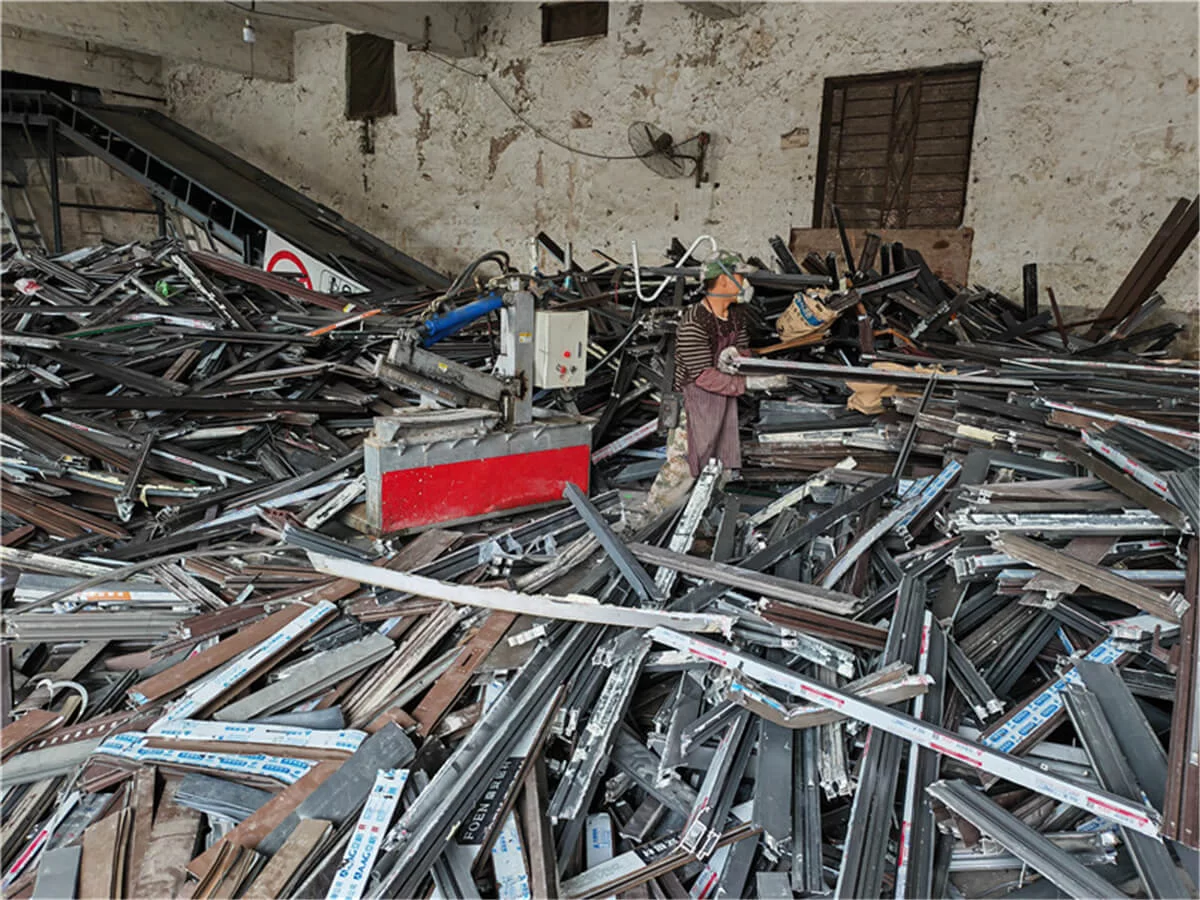
Confirm whether the aluminum is long, hollow, thin, cast, compacted or mixed with steel, plastic and rubber.
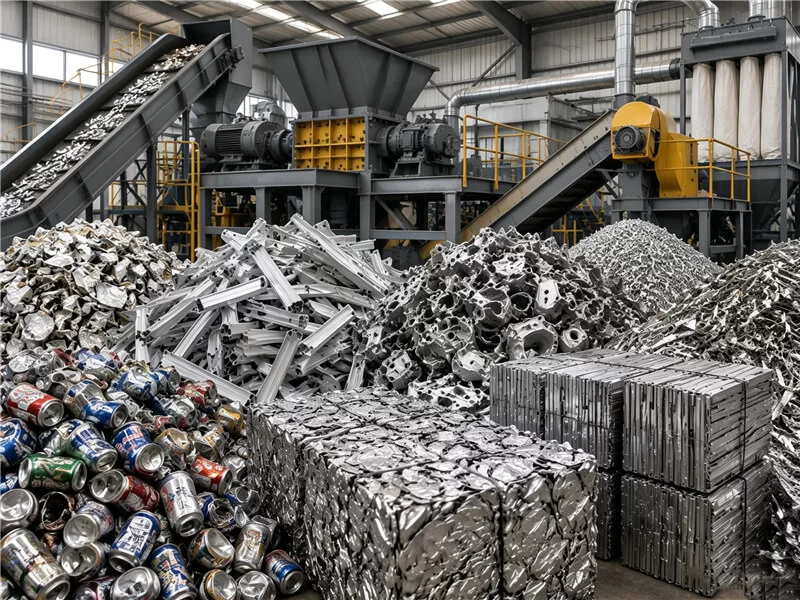
Only the stages required by the material and target output are included.
Remove reactive and unsuitable material.
Separate obvious foreign objects.
Shred bulky aluminum when required.
Produce smaller and more liberated material.
Recover exposed iron and steel.
Create suitable size fractions.
Recover suitable conductive material.
Equipment is selected for a specific task rather than added as a fixed package.
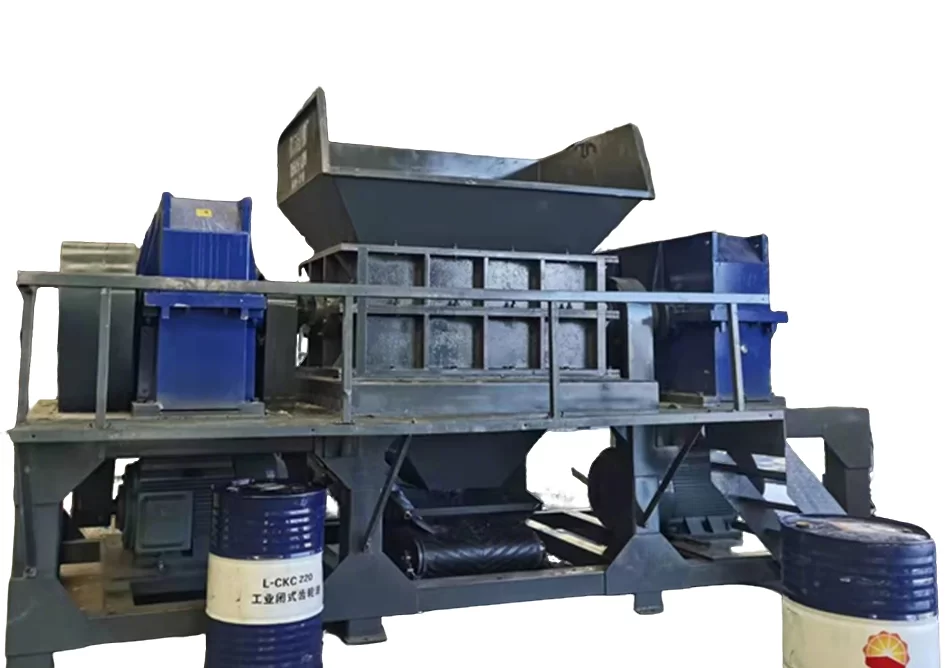
Coarsely shreds bulky or irregular aluminum.
View equipment details →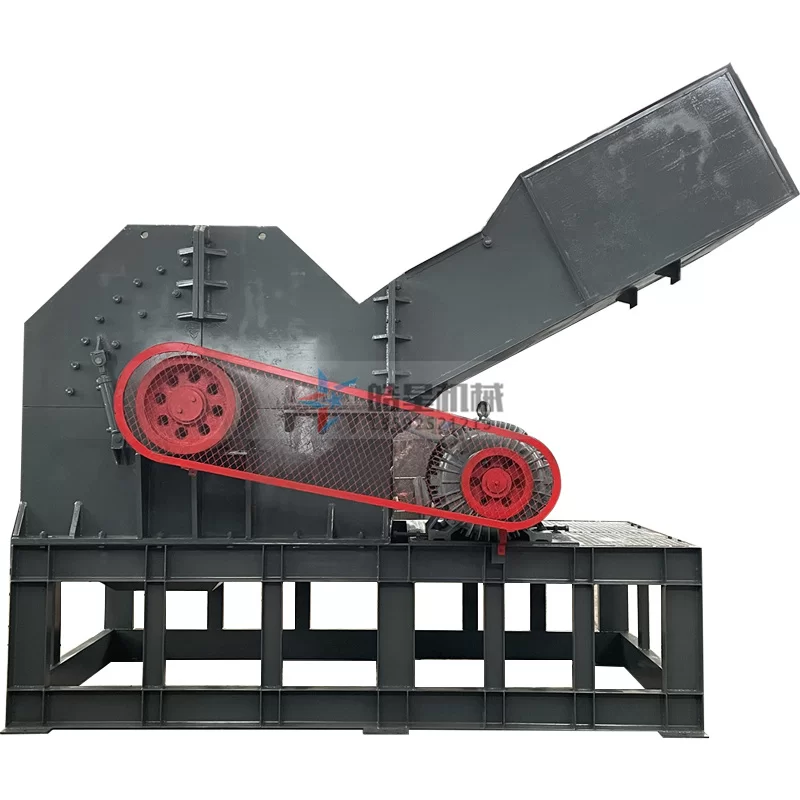
Produces smaller screen-controlled aluminum pieces.
View equipment details →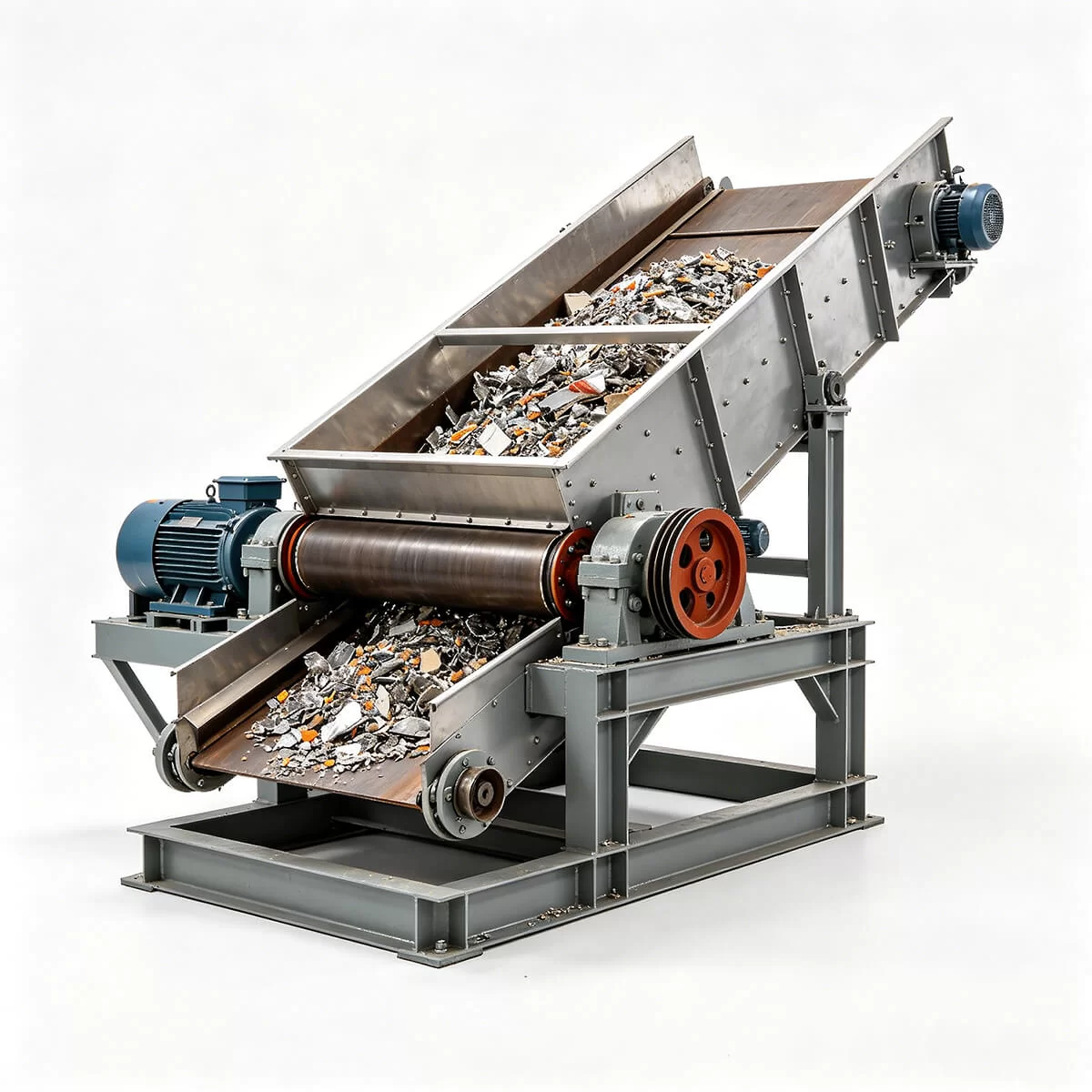
Removes exposed iron and steel attachments.
View equipment details →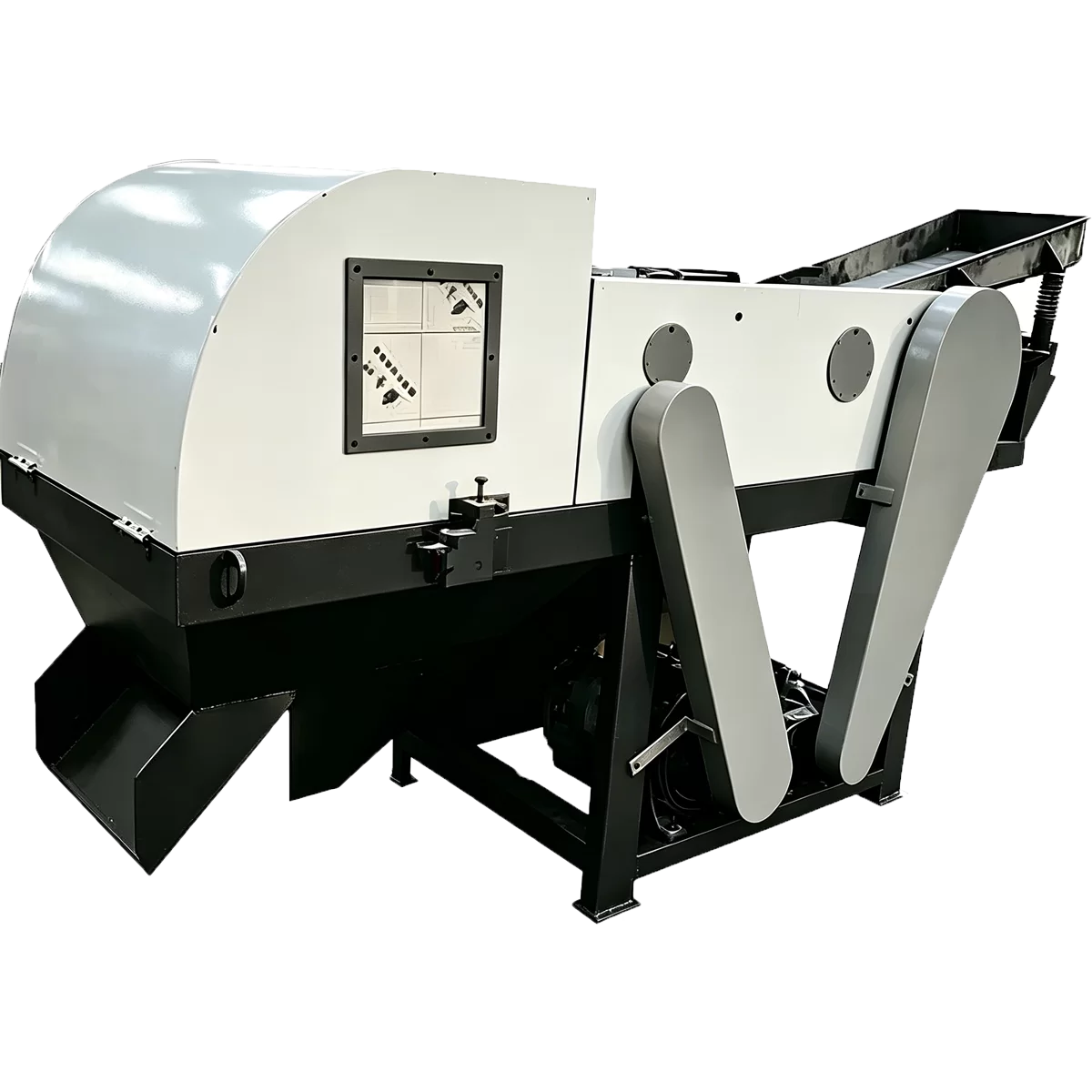
Recovers conductive metal from suitable residue.
View equipment details →Different machines solve different processing problems and should not be presented as interchangeable.
The final output depends on feed composition, liberation and installed separation stages.
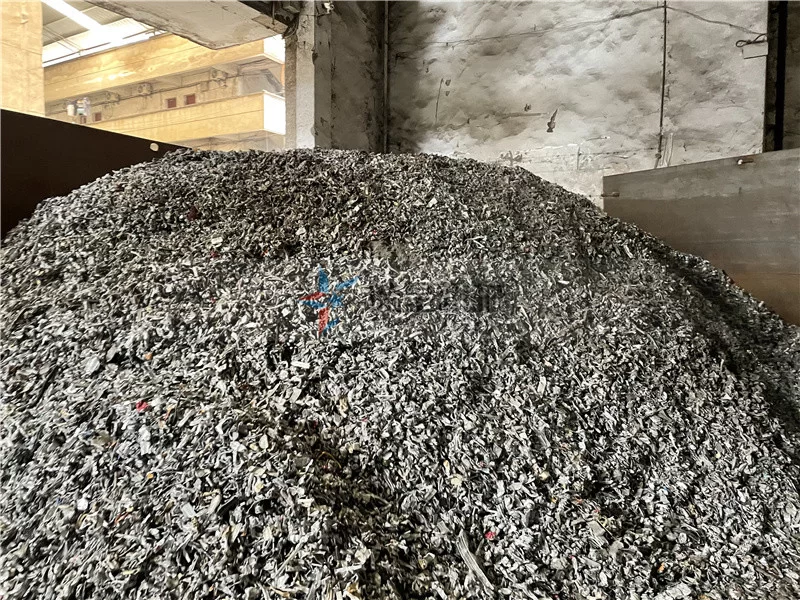
See how a thermal break aluminum shredder opens prepared mechanical aluminum scrap for easier inspection, conveying and downstream separation.
View Processing Record →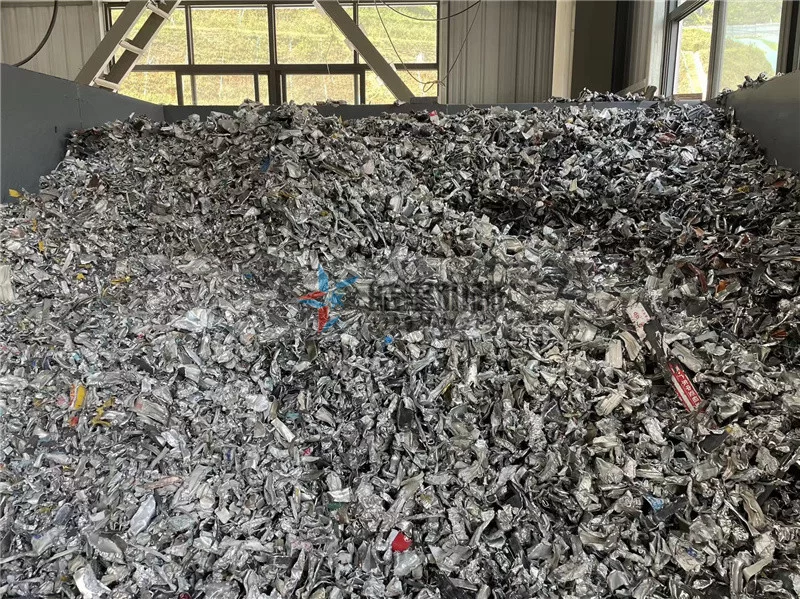
See the coarse, irregular output produced when prepared aluminum scrap is processed by a twin shaft shredder, with downstream crushing and sorting options.
View Processing Record →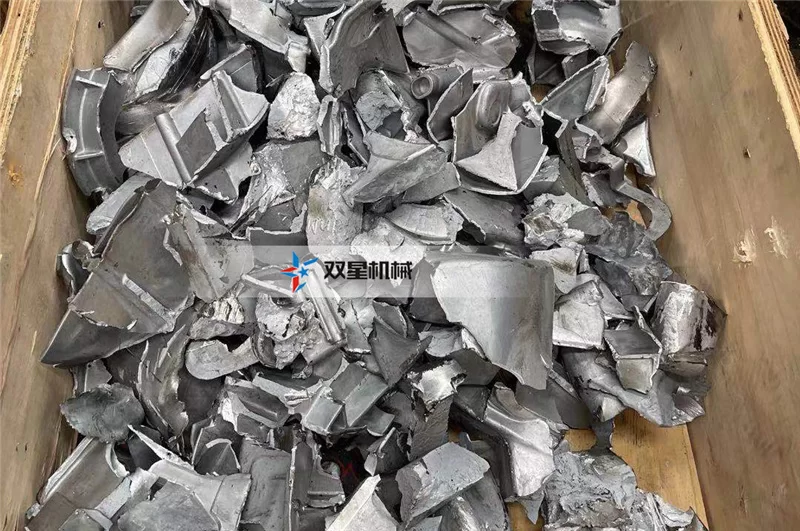
View the shredding results of prepared cast aluminum engine housings and the coarse output produced for inspection and subsequent processing.
View Processing Record →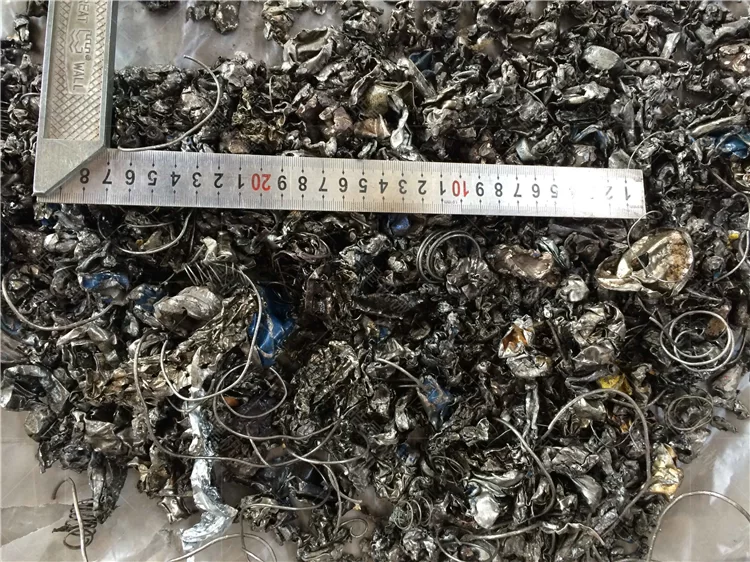
See the crushing effect of prepared aluminum alloy scrap and the resulting output condition for conveying, separation or further recycling.
View Processing Record →Review working videos, technical data and project information.
The aluminum scrap recycling line is configured for selected aluminum sheets, cans, cast parts, machinery aluminum and production offcuts. Because aluminum scrap varies widely in shape, thickness, density and attached materials, the processing route must be selected according to the actual feed rather than a fixed equipment package.
Bulky or difficult-to-feed aluminum may require primary shredding. Prepared material may enter a suitable crusher directly when smaller, screen-controlled output or improved material liberation is required.
Thin aluminum sheets, used beverage cans, cast aluminum and machinery aluminum do not behave in the same way during feeding and size reduction. The selected machine must match the material structure and the required downstream result.
Hot aluminum dross, aluminum ash, fine aluminum powder, magnesium scrap and chemically uncertain material are outside the scope of an ordinary aluminum scrap recycling line. These materials require dedicated processing and a separate safety assessment.
After shredding or crushing, a magnetic separator can remove exposed screws, shafts, brackets and other ferrous attachments. Separation performance depends on material liberation, particle size, feeding thickness and the position of the magnetic system.
An eddy current separator may be added when the prepared non-magnetic stream contains conductive non-ferrous metal mixed with suitable non-conductive material. Eddy current separation does not normally divide aluminum, copper, zinc and other metals into individual high-purity products. Additional density, sensor-based or manual sorting may be required for separate metal grades.
Please provide material photos or videos, maximum dimensions, thickness, bulk density, composition, required capacity, expected output size and target recovered products. The available installation area, feeding method, voltage and downstream use should also be confirmed.
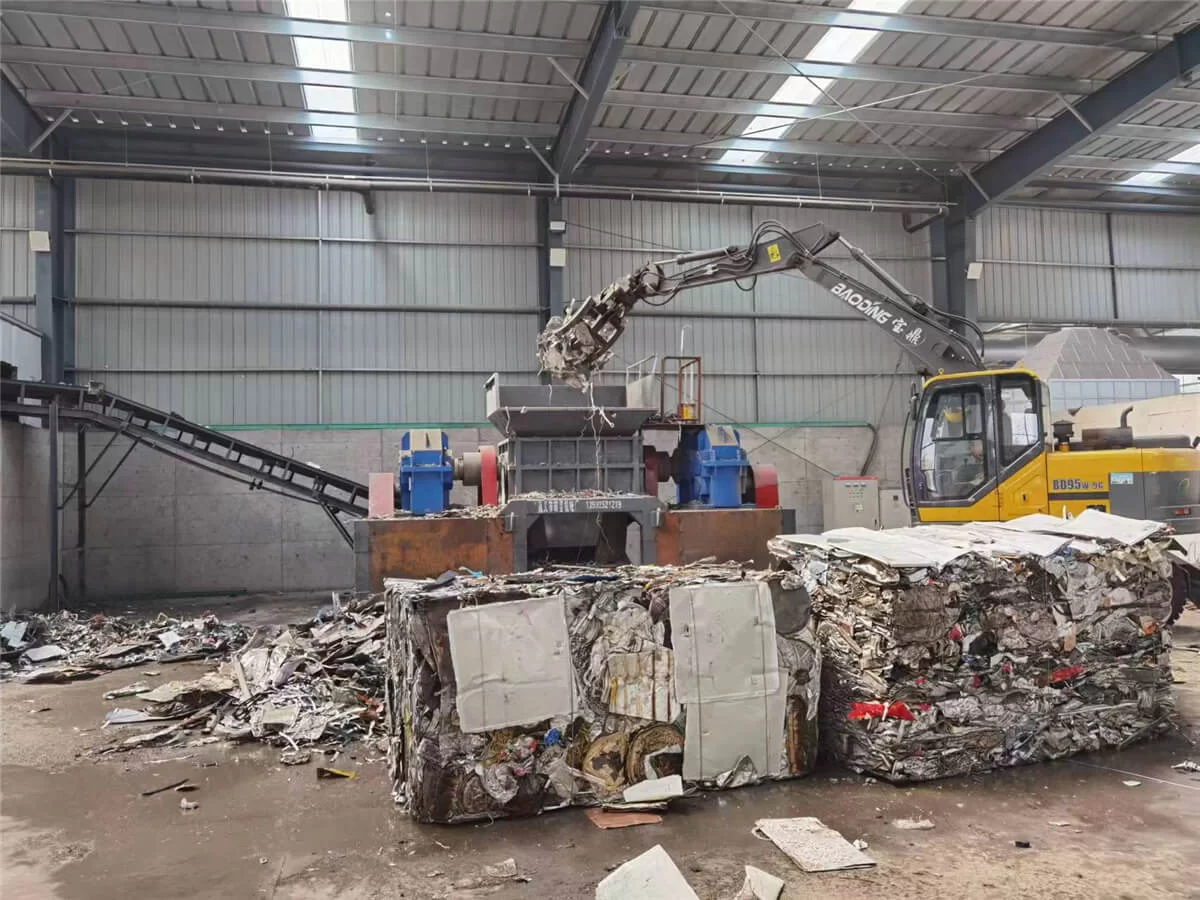
The final system may combine controlled feeding, primary shredding, hammer crushing, magnetic separation, screening, eddy current separation, material collection and dust control. Only the stages required by the actual project should be included.
Final models and performance are confirmed after reviewing representative material information.
For relatively clean and prepared aluminum scrap.
For aluminum containing ferrous attachments.
For mixed feed requiring more recovery stages.
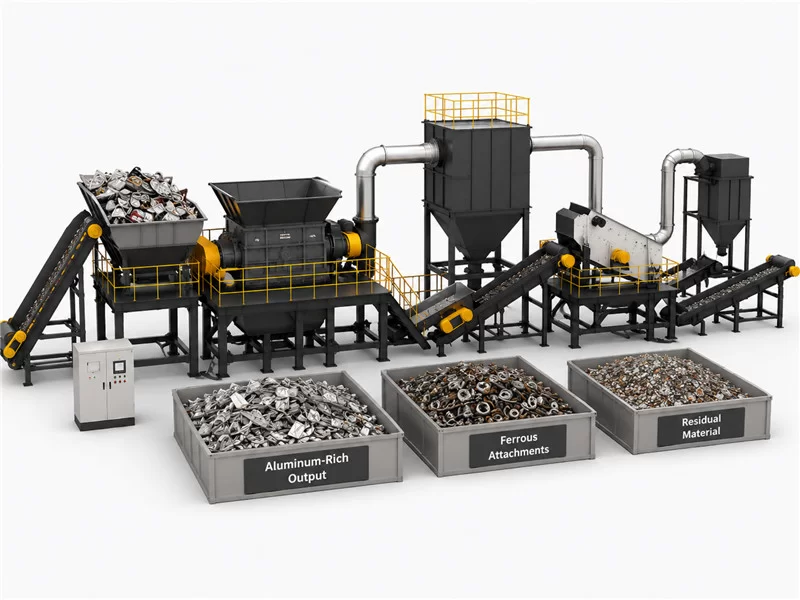
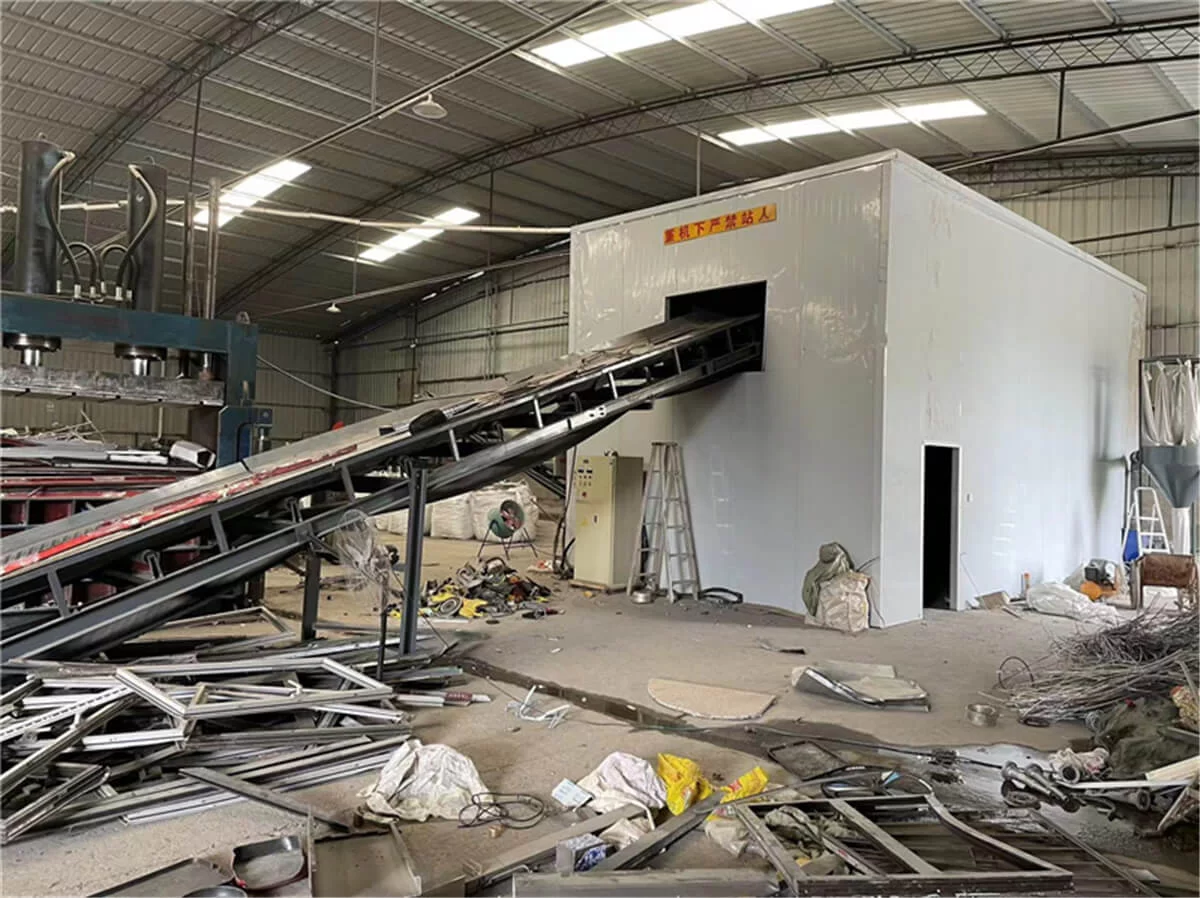
Equipment spacing, conveyor length and collection positions depend on building dimensions, loading method, maintenance access and final material handling.
The gallery stays in the content rather than dominating the top like a single-machine carousel.
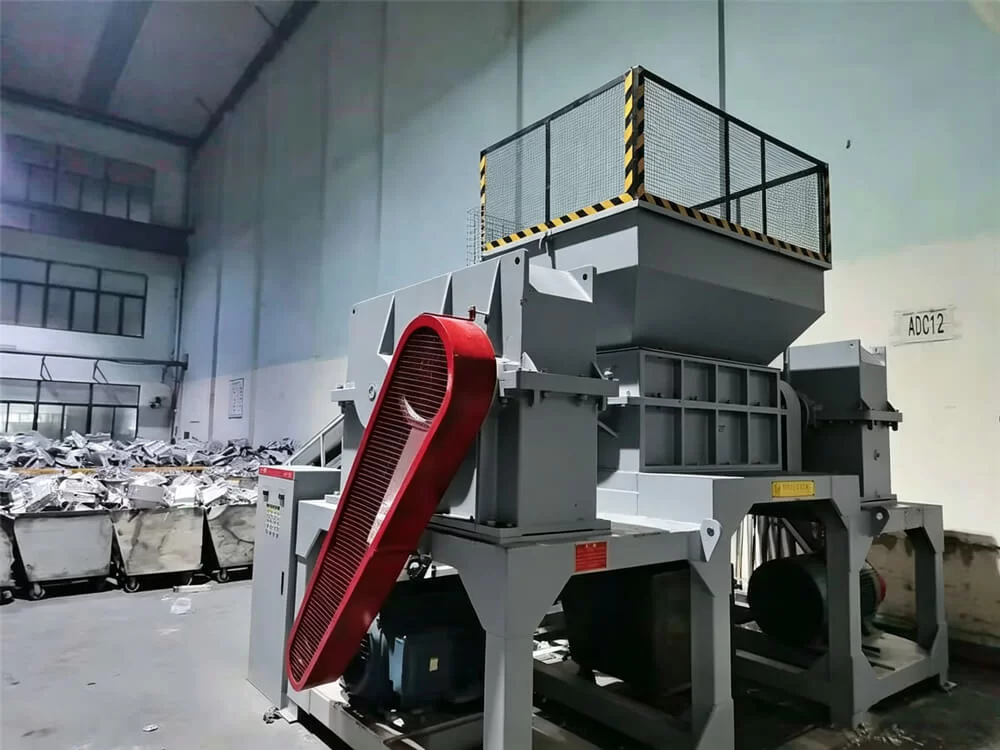
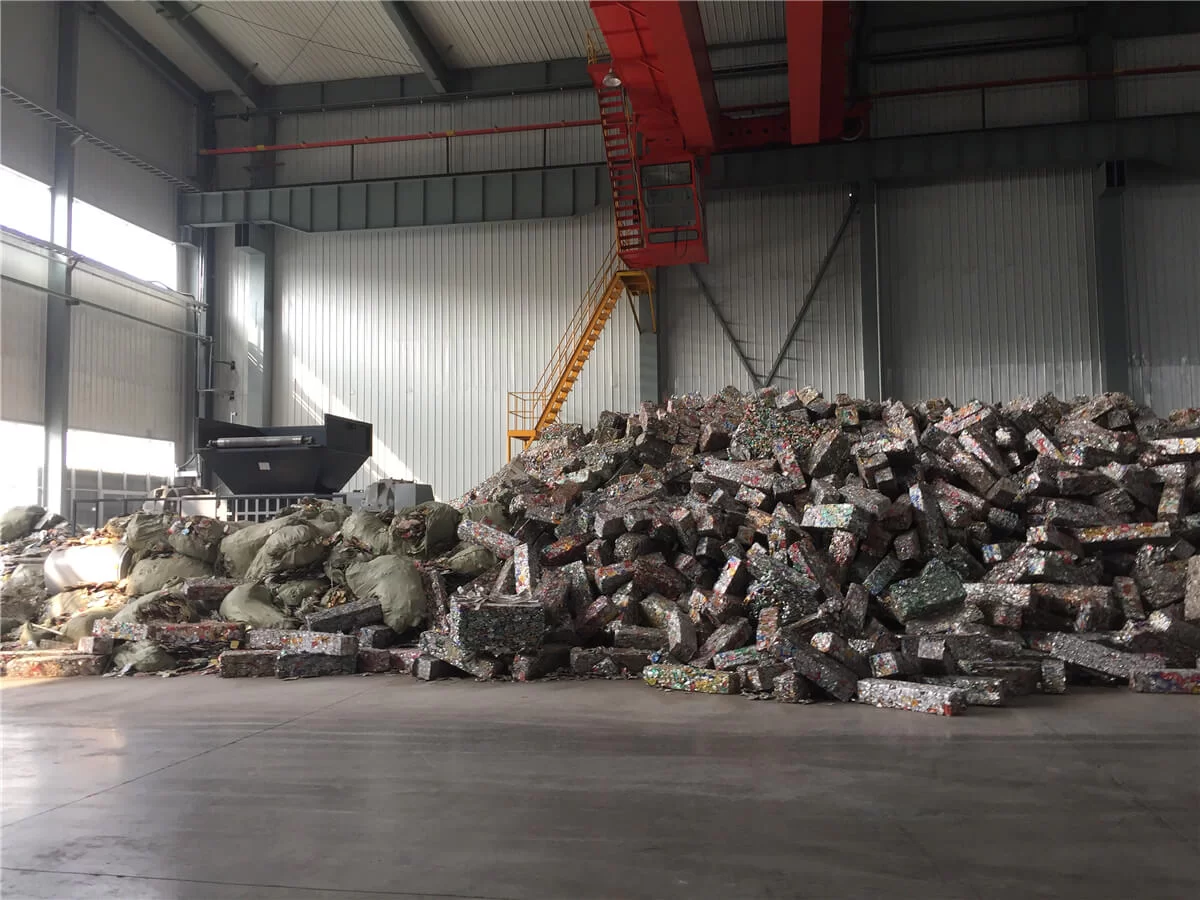
No. A shredder is used for bulky, long or difficult-to-feed aluminum scrap and performs low-speed coarse size reduction. A crusher is selected when smaller, screen-controlled output or improved material liberation is required. Some prepared aluminum scrap may enter a suitable crusher directly without primary shredding.
An eddy current separator mainly separates conductive non-ferrous metals from suitable non-conductive material. It does not normally separate aluminum and copper into individual high-purity products. Additional density separation, sensor-based sorting or manual sorting may be required when separate metal grades are needed.
No. Aluminum ash, hot dross, fine aluminum powder, magnesium scrap and chemically uncertain material should not be treated as ordinary aluminum scrap. Reactive, hot or fine material requires a dedicated process, suitable environmental controls and a separate safety assessment.
Not always. Aluminum cans, thin sheets and dense cast parts have different feeding, crushing and separation characteristics. Mixed processing may reduce production stability or product consistency. Representative material should be reviewed before deciding whether different aluminum scrap types can share one line or should be processed in separate batches.
Magnetic separation is recommended when the aluminum scrap contains screws, steel brackets, shafts or other ferrous attachments. Shredding or crushing should expose these components before magnetic recovery. Relatively clean aluminum scrap without meaningful ferrous contamination may not require the same magnetic separation configuration.
A twin shaft shredder normally produces coarse and irregular output. When a smaller maximum size is required, a suitable aluminum crusher can use high-speed hammer impact together with a screen or grate. The actual output also depends on the feed dimensions, thickness, material structure and selected rotor configuration.
The final configuration should be based on real feed conditions and required output, not a fixed equipment package.