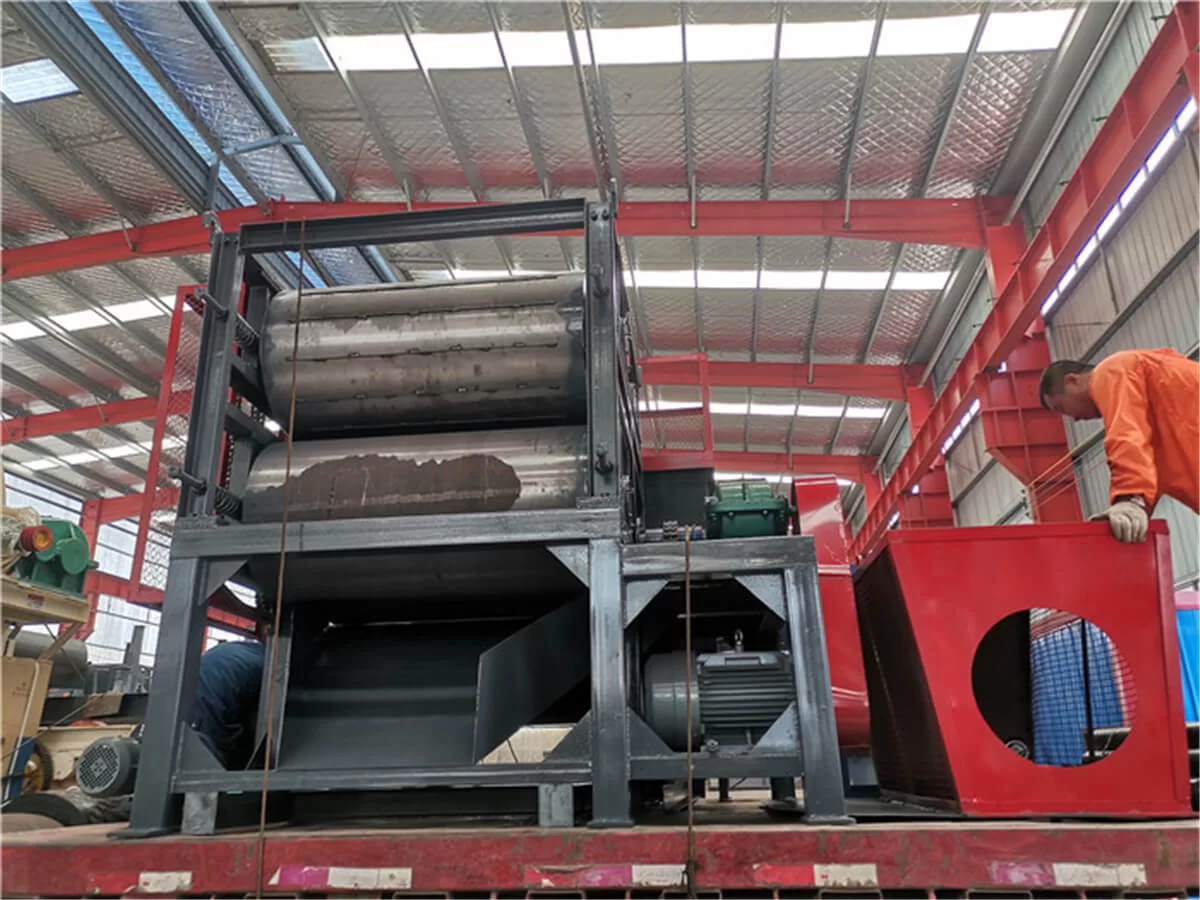
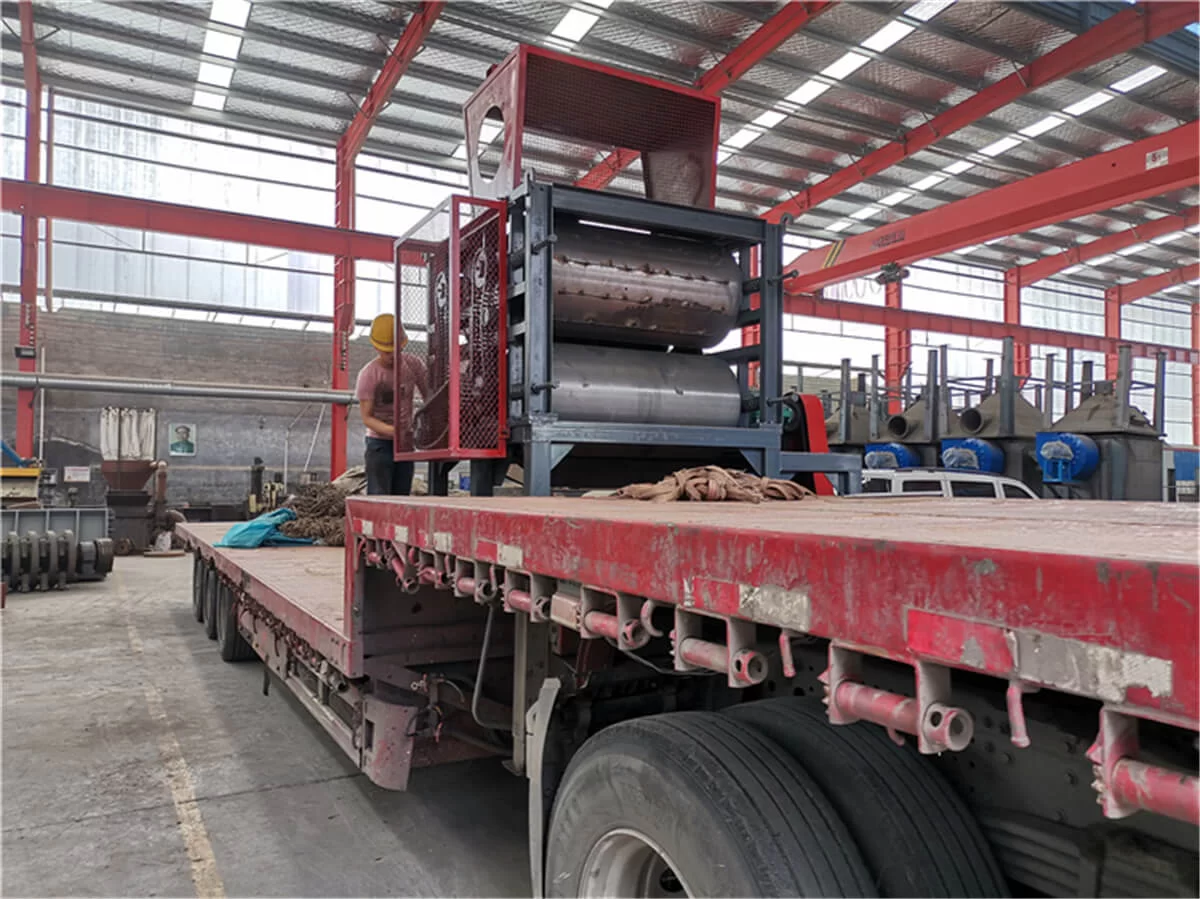
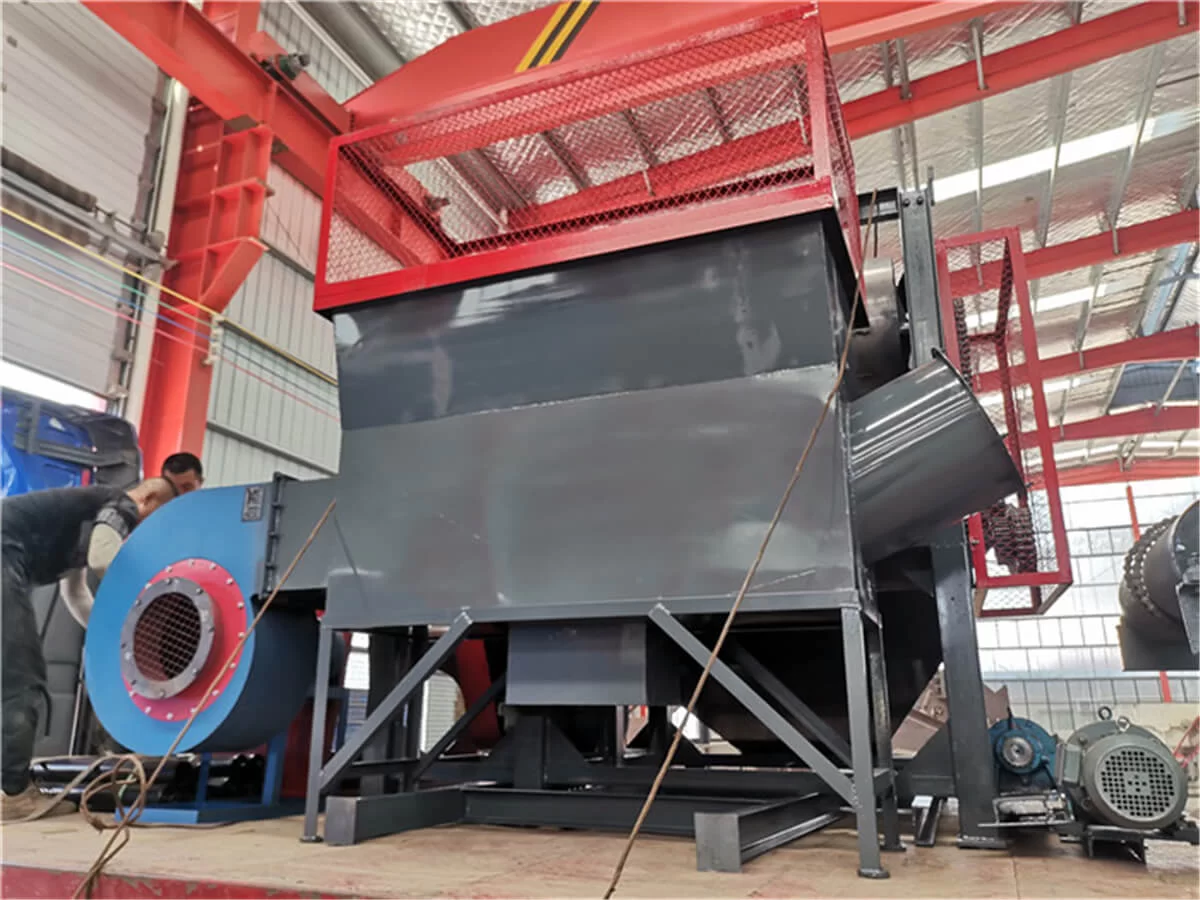
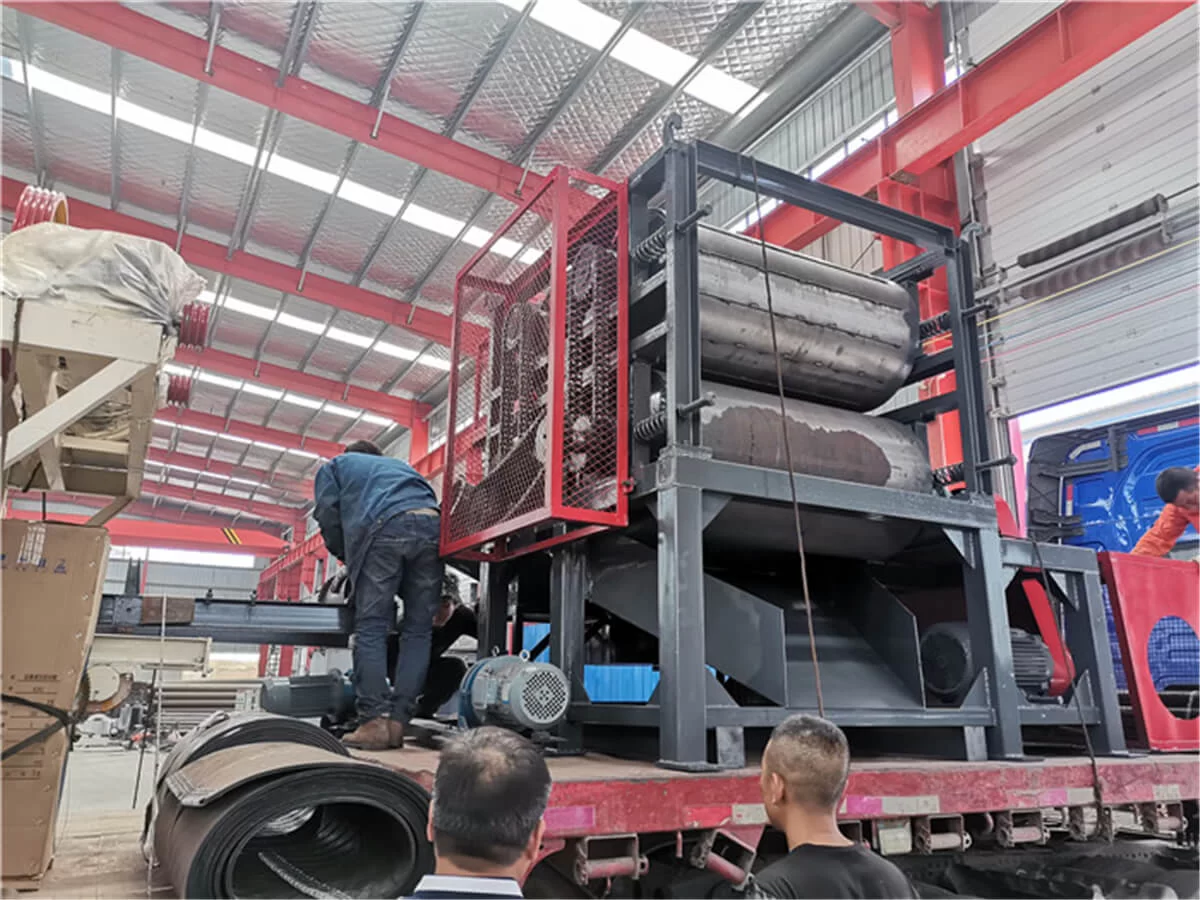
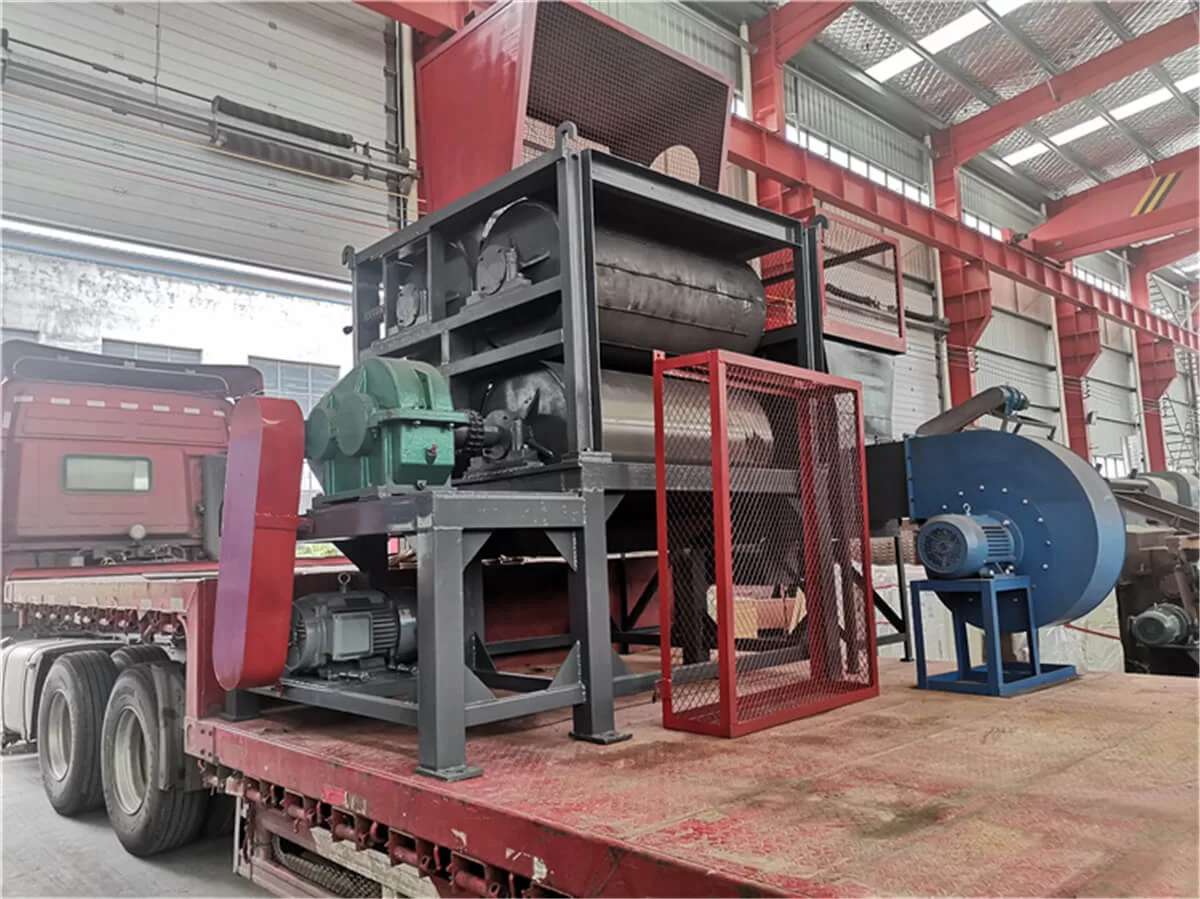
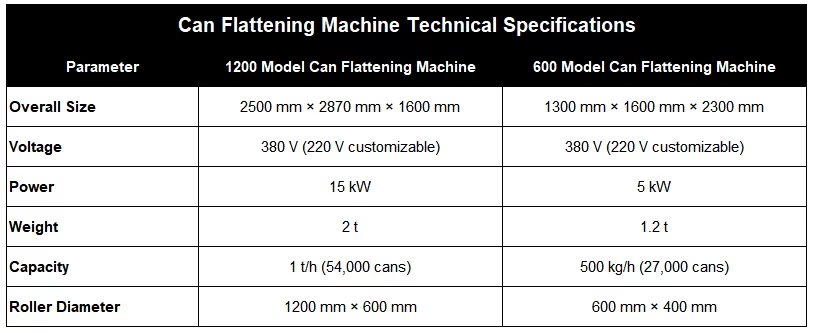
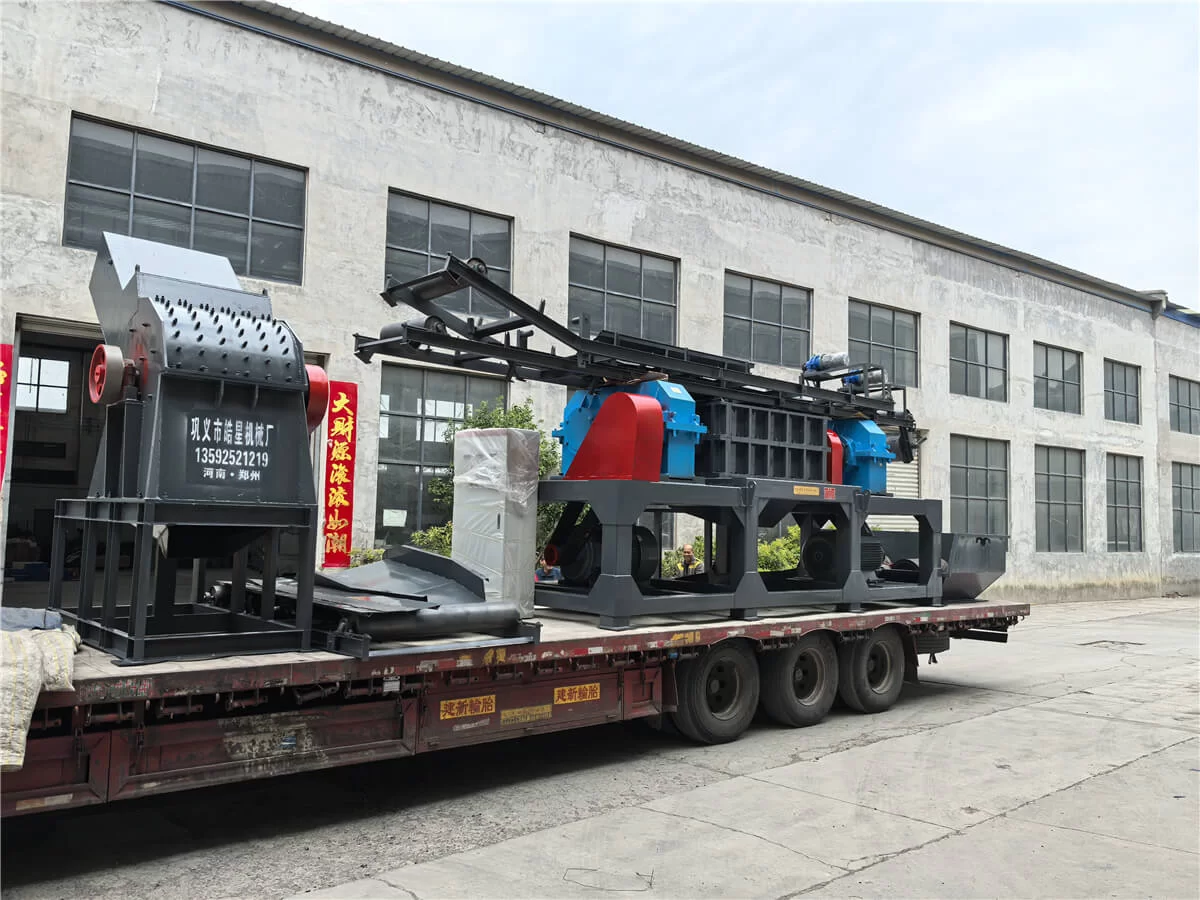
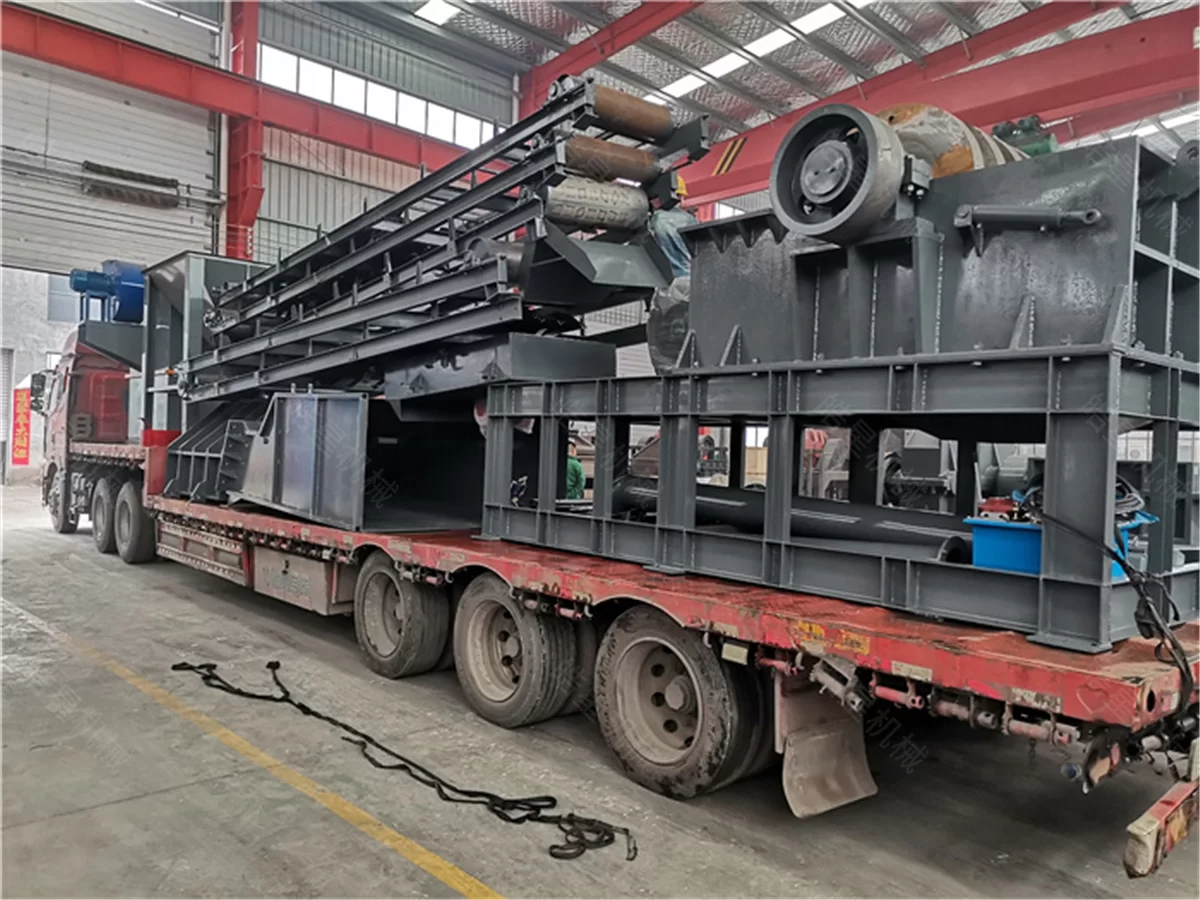
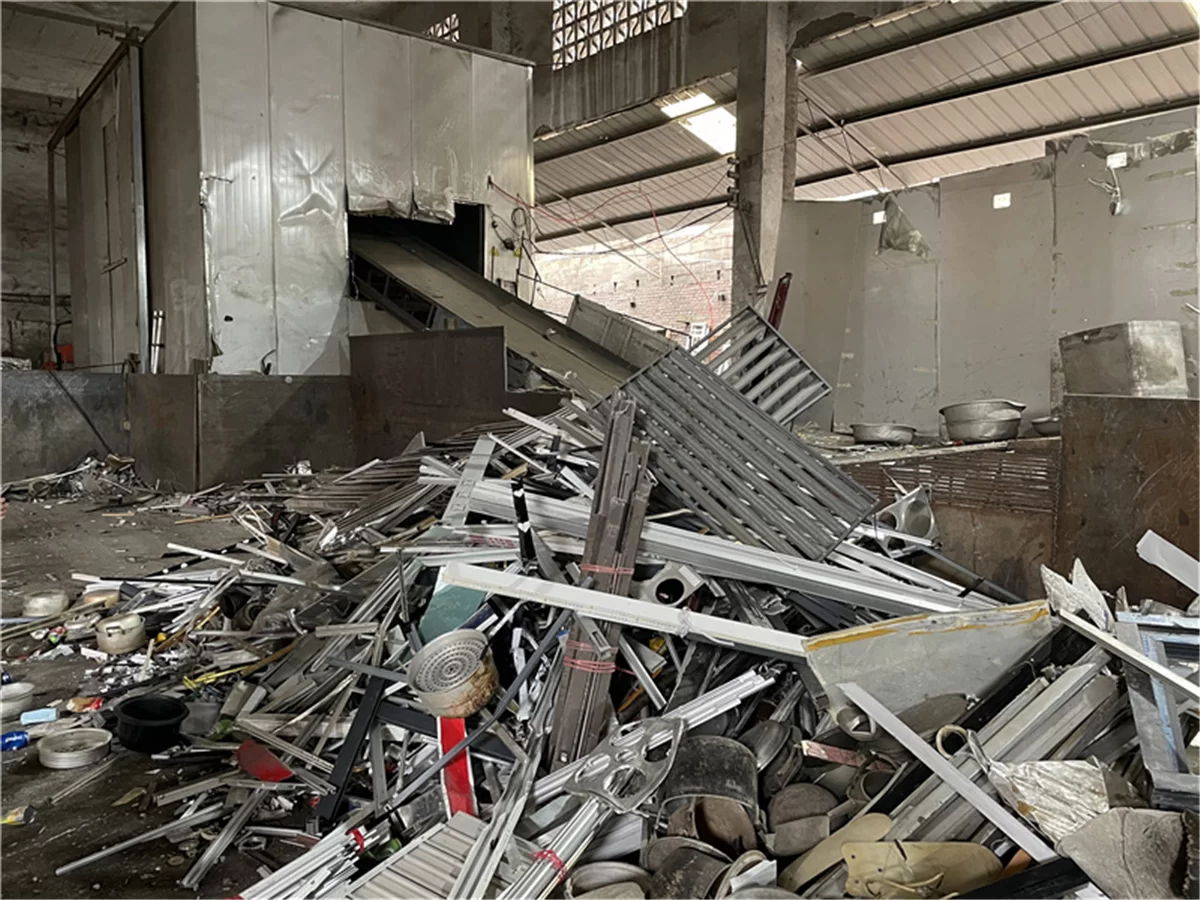
The can flattening machine is designed to compress loose aluminum cans, used beverage cans, tinplate cans and other suitable light-gauge metal containers into flatter pieces for easier storage, transportation, baling and downstream processing.
During operation, loose cans are fed between the compression rollers or pressing components. The applied pressure flattens the containers without using high-speed hammer impact or producing small, screen-controlled fragments.
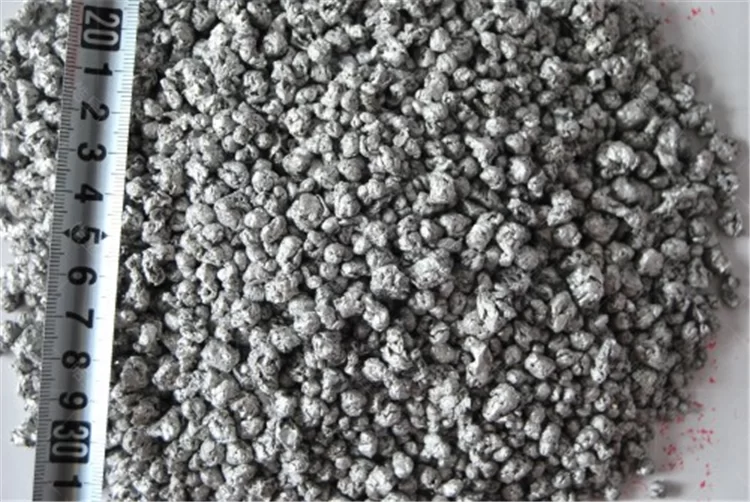
A can flattening machine is suitable when the main objective is volume reduction and more stable material handling. When smaller fragments are required for magnetic separation or further sorting, the flattened material can be transferred to a can crusher for hammer crushing.
Loose cans may be flattened directly when they meet the feeding requirements. Dense can bales, tightly compressed packaging scrap and tangled mixed material may require bale opening or primary processing by a twin shaft shredder before entering the flattening or crushing stage.
Aluminum cans and steel or tinplate cans require different downstream recovery processes. A magnetic separator can recover steel and other ferrous components from suitable mixed processed material.
The can flattening machine can operate as an individual unit or form part of an aluminum recycling line with feeding conveyors, material collection, magnetic separation, optional crushing, baling and centralized control.
Sealed containers, aerosol cans, pressurized cans, batteries and containers containing flammable, corrosive or unidentified residues must be removed or prepared separately before processing.