Project Overview
See how a twin shaft shredder opens scrap water-heater shells and shortens copper heating tubes before magnetic and non-ferrous separation.
This material test covers discarded water heaters, copper heating tubes and related mixed components removed from heating appliances. A typical batch may contain thin steel shells, copper or copper-alloy tubes, aluminum parts, heating elements, plastic covers, insulation, wires, rubber seals and small fasteners. The combination is bulky and difficult to handle even though many individual components are relatively thin.
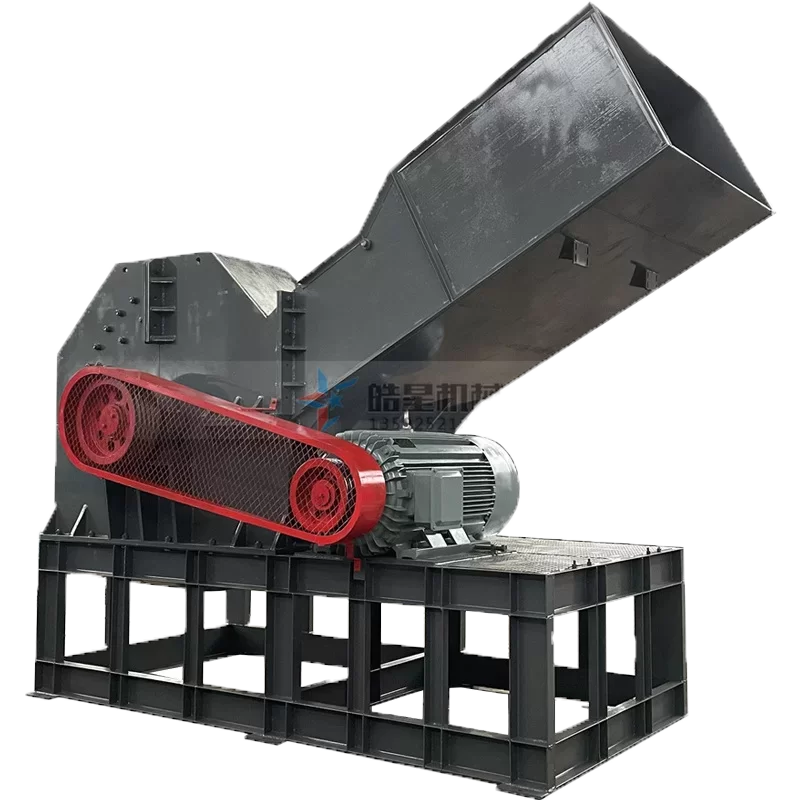
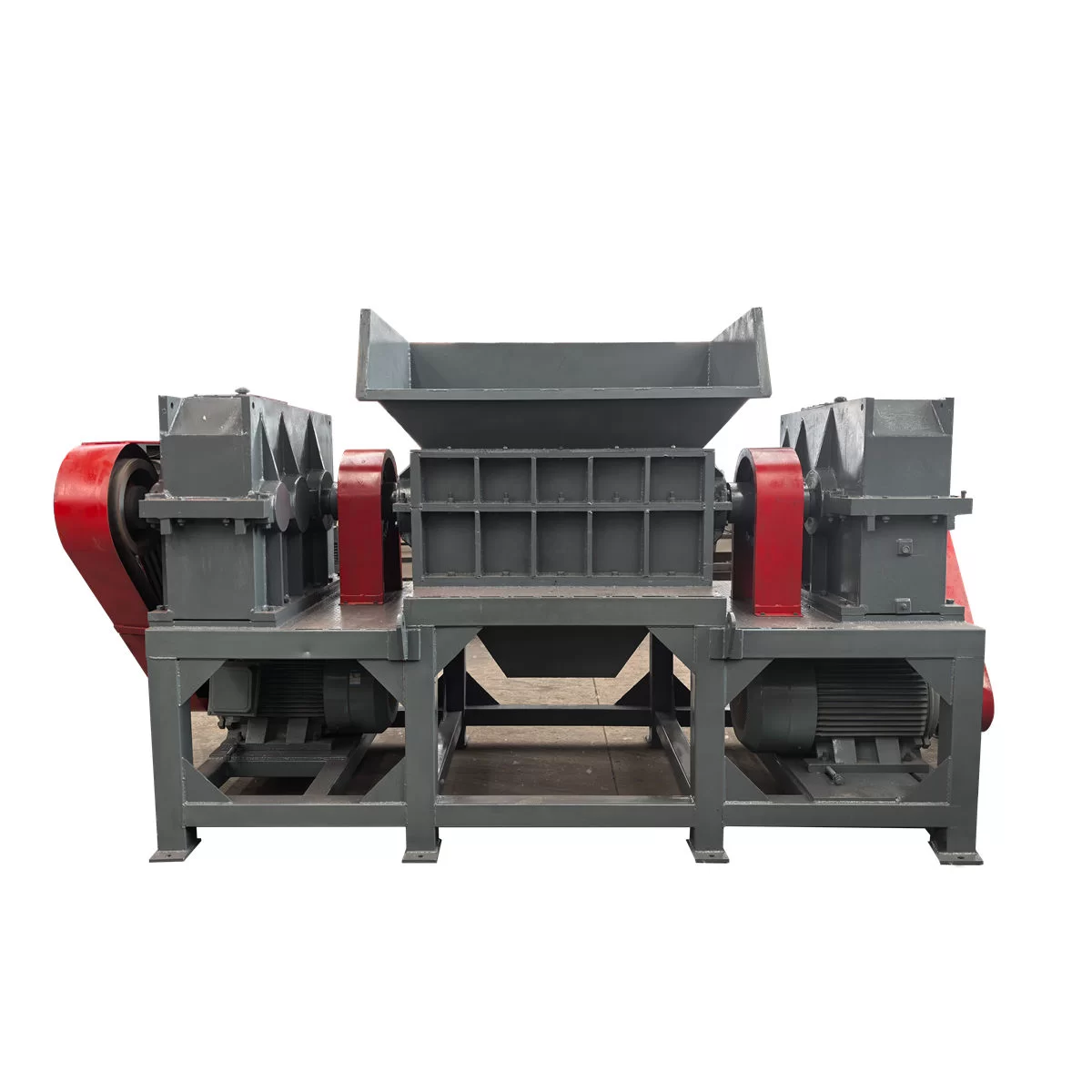
The twin shaft shredder uses low-speed, high-torque cutting shafts to grip the water-heater shells and exposed tube assemblies. The cutters tear open hollow housings, bend and shorten long copper tubes, and release components that were originally enclosed by sheet metal or insulation. This is a coarse liberation process rather than a fine grinding operation.
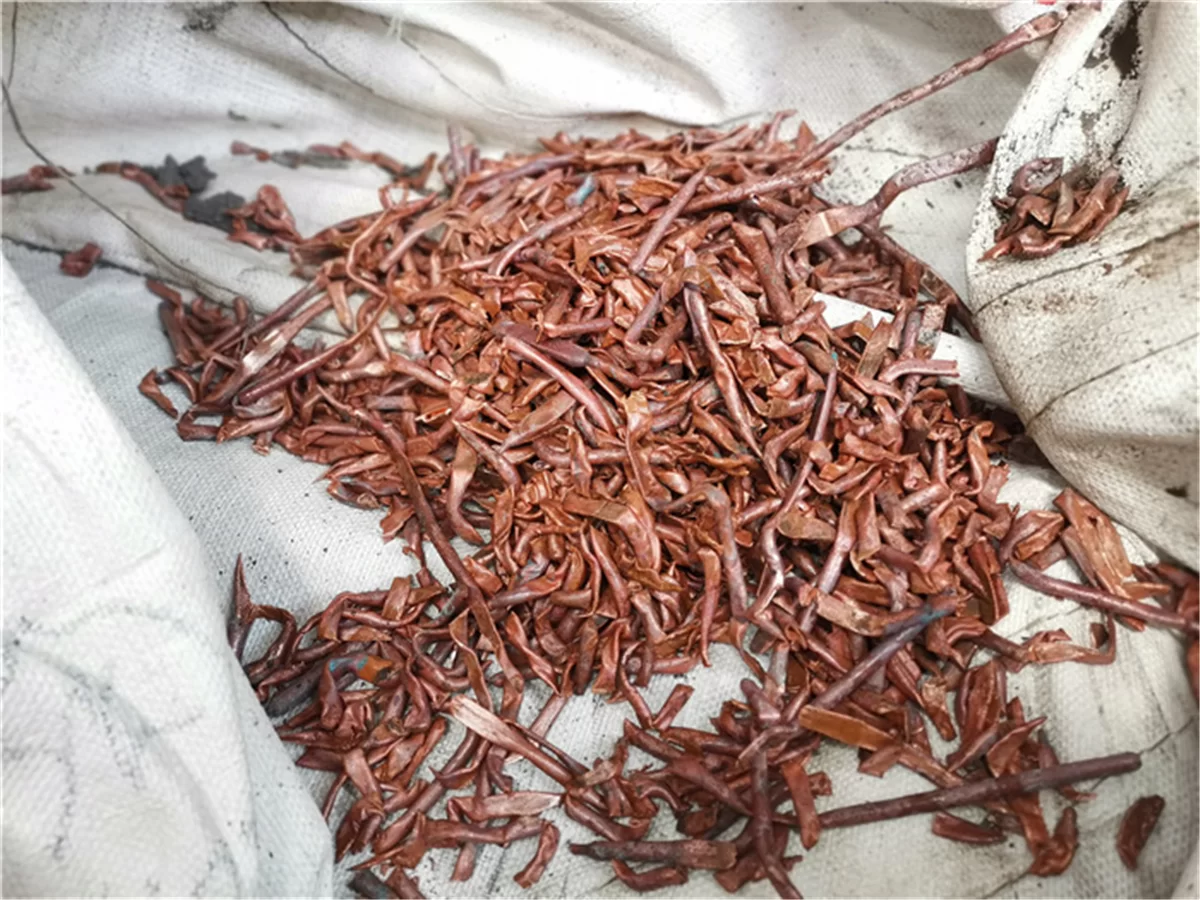
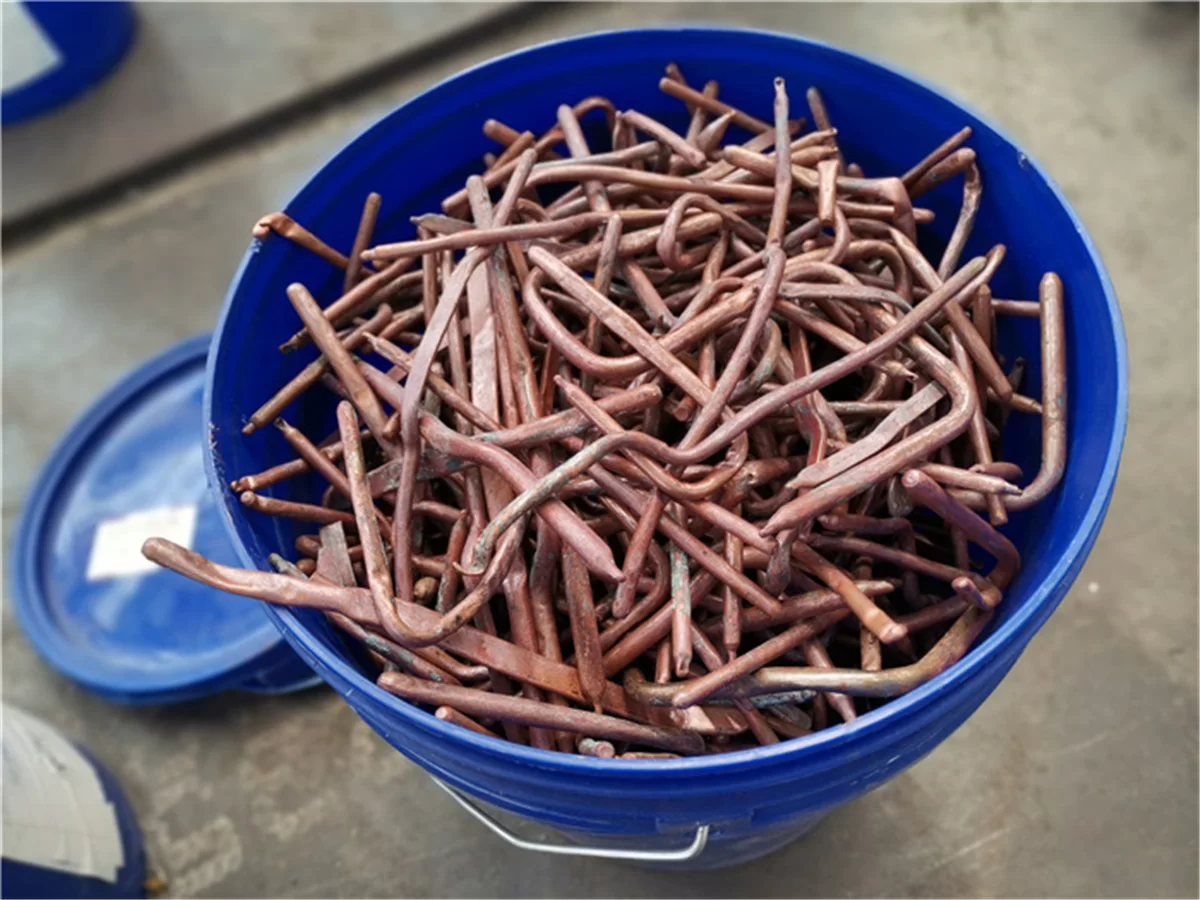
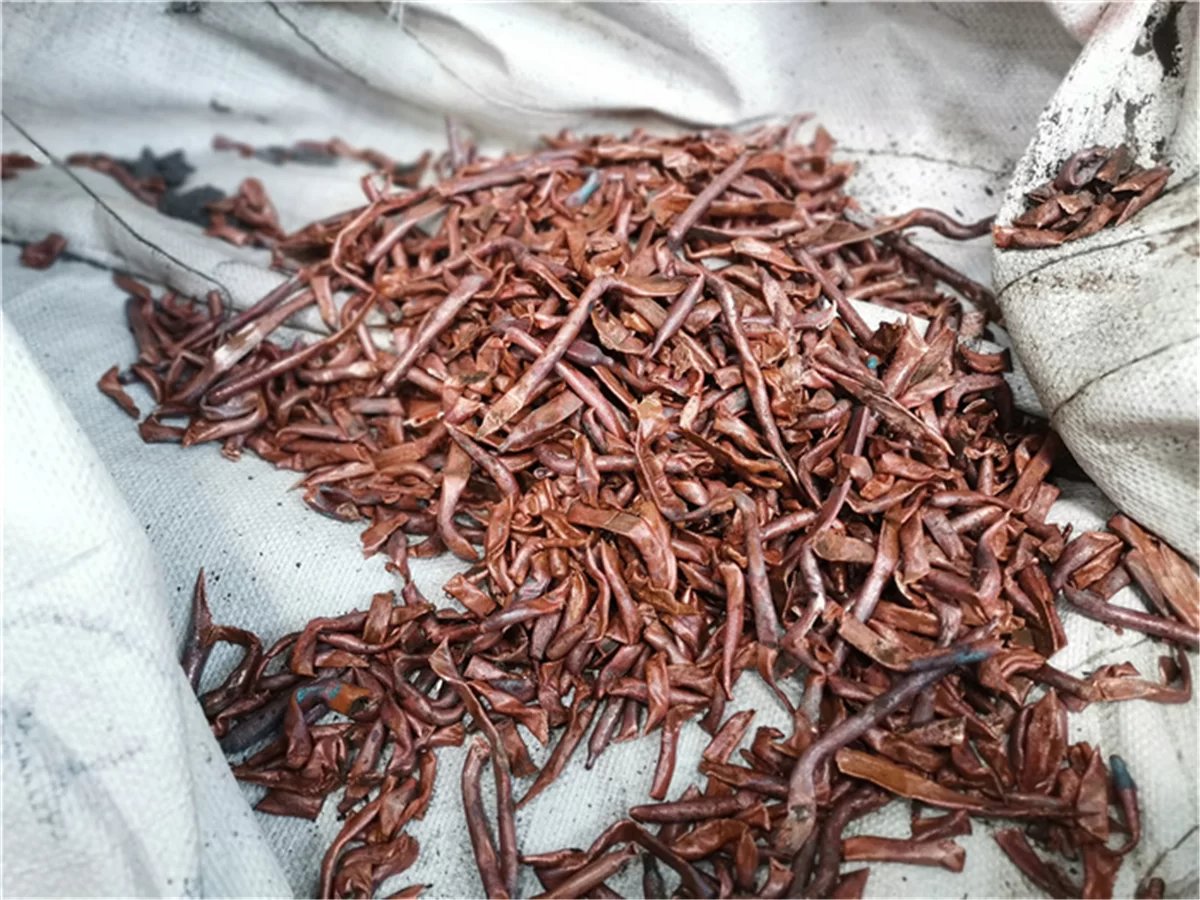
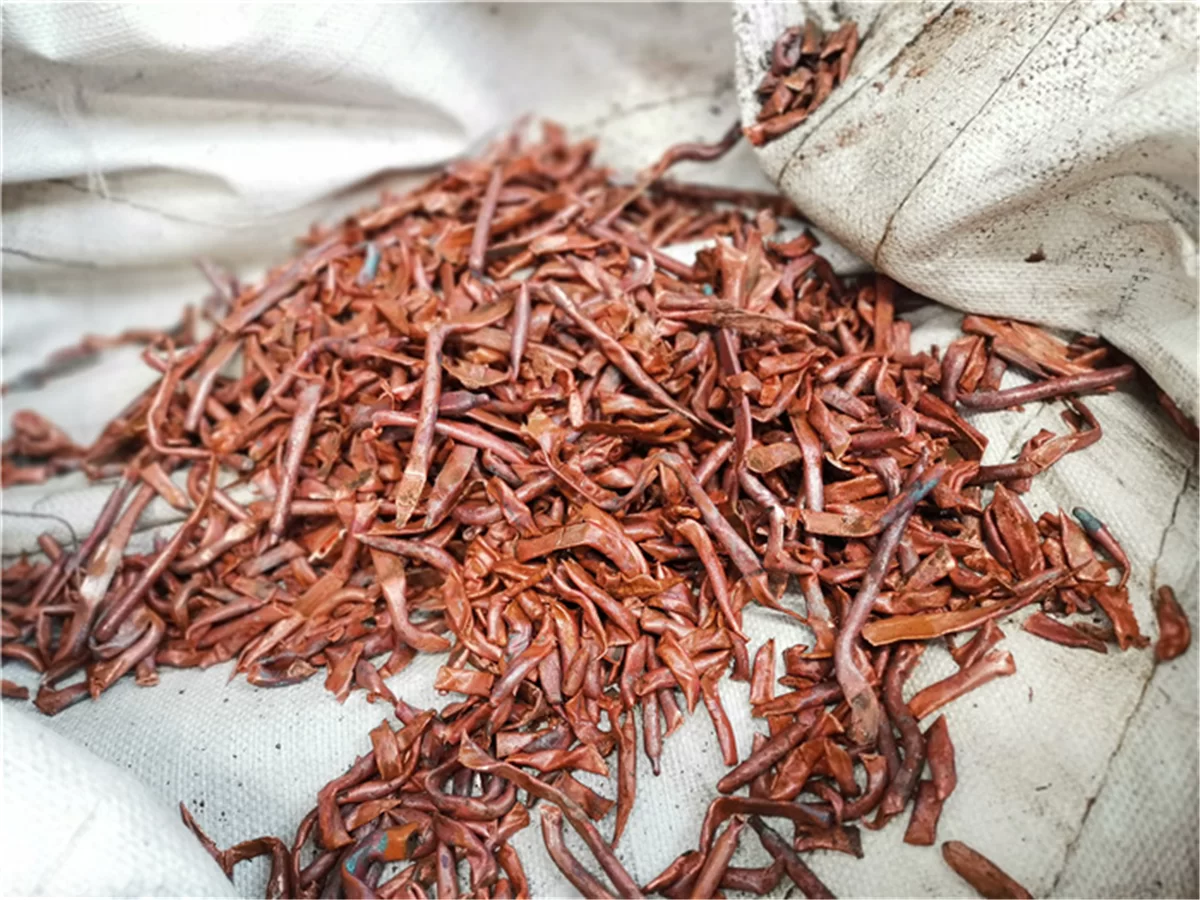
After shredding, large heater shells become folded sheet-metal pieces, while the copper heating tubes are cut or bent into shorter sections. Plastic, rubber and insulation are also opened into separate fragments. The output remains a mixed material, but its reduced size and more open structure make mechanical conveying and subsequent separation easier.
Copper tubes are ductile and may flatten, curl or bend before being cut completely. This appearance is normal during low-speed shredding and does not indicate poor performance. The final shape depends on tube diameter, wall thickness, internal heating elements, scale deposits, the number of tubes fed together and the cutter geometry selected for the machine.
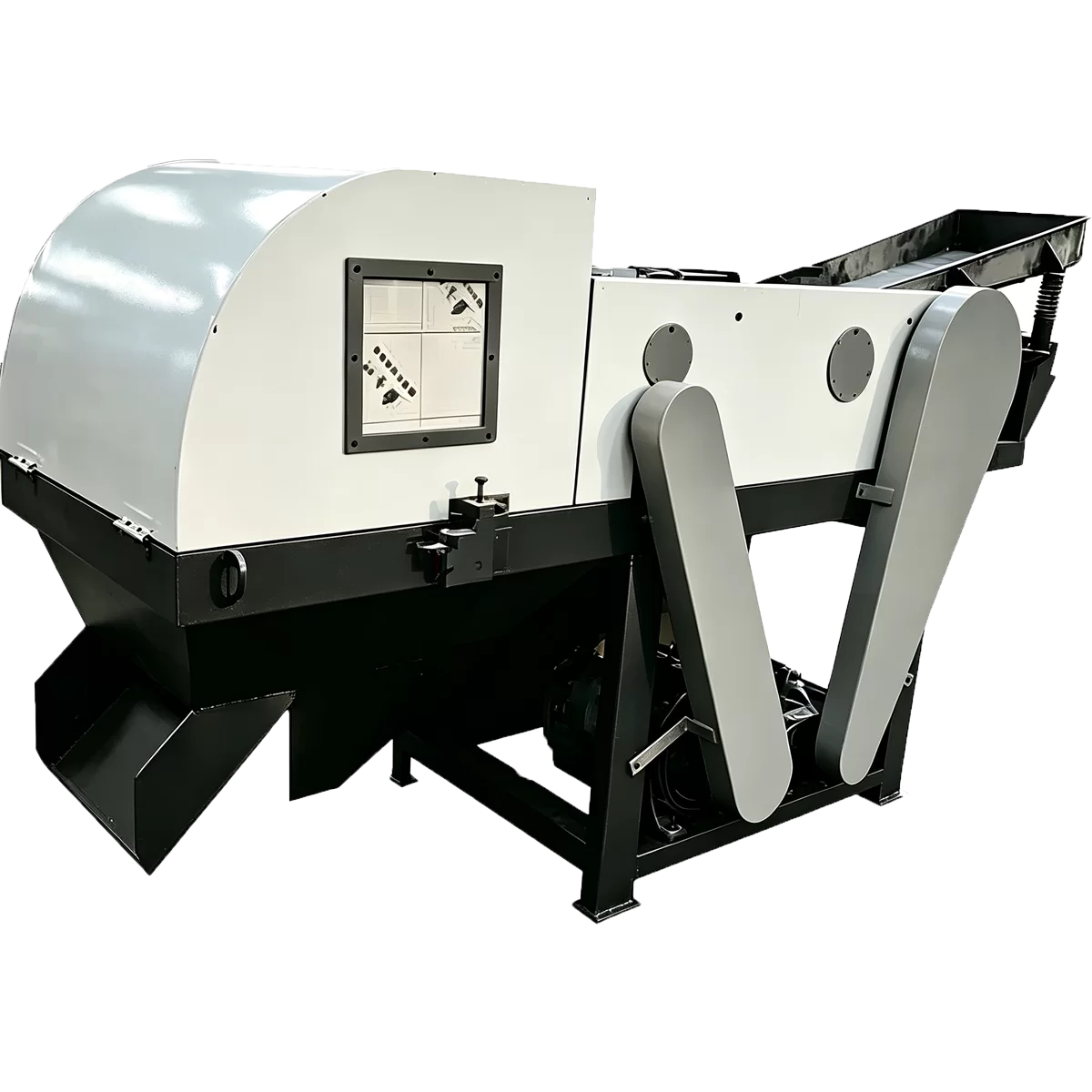
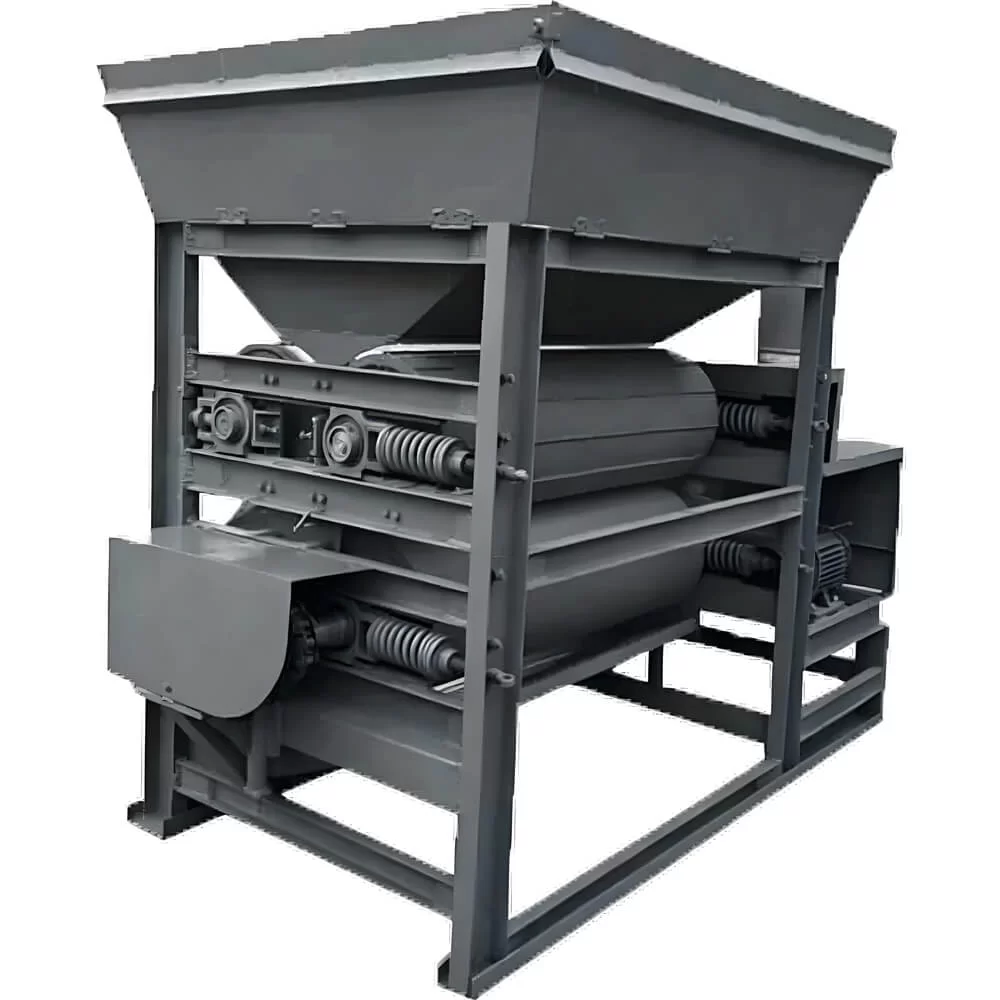
The processing objective is not to produce clean copper directly from the twin shaft shredder. The primary goal is to open the appliance structure and liberate copper-bearing parts from steel shells, insulation and plastic attachments. Ferrous material can then be removed by magnetic separation, while copper, aluminum and non-metallic fractions can be separated through suitable downstream sorting equipment.
If the shredded mixture still contains composite heating elements or tightly attached metal layers, a secondary size-reduction stage may be required. A granulator, metal crusher or specialized separation process can be selected according to the required copper purity and particle size. The correct route depends on whether the customer intends to sell mixed shredded material or recover individual metal fractions.
Before feeding, closed water tanks must be drained and inspected. Residual water, pressure, oil, refrigerant, combustible deposits or sealed components should not enter the cutting chamber without pretreatment. Electrical power must be disconnected, and batteries, capacitors and hazardous electronic parts should be removed separately where present.
A feeding conveyor provides a controlled supply of shells and tube bundles, preventing the inlet from being covered by oversized pieces. The discharge conveyor can transfer the opened material beneath an overband magnet before the non-ferrous and non-metallic fractions enter further sorting. Hydraulic reversal and overload protection help the shredder release irregular or unexpectedly resistant components.
The practical result should be evaluated by checking whether the hollow heater body has been opened, whether long copper tubes have been shortened, whether insulation and plastic have been exposed, and whether the material can move through the next separation stage without repeated manual handling. A photograph of the discharge alone cannot confirm copper recovery or final purity.
Actual capacity varies with the proportion of steel shells, copper tube bundles, insulation and solid heating elements. Thin empty housings process differently from compact tube assemblies containing dense internal rods. Representative samples are therefore necessary when confirming the shredder model, cutter thickness, motor power and downstream separation arrangement.
For batches dominated by stripped copper tubes rather than complete appliances, the feeding method may need to prevent long flexible tubes from bridging across the hopper. For complete water heaters, preliminary draining and removal of hazardous parts are more important. The line should be configured around the real feed composition instead of treating all heater scrap as one uniform material.
This coarse shredding stage can reduce manual dismantling and create a more consistent feed for metal recovery, but it does not replace final sorting. The best processing result is an opened, shortened and conveyable mixture in which steel, copper-bearing components and non-metallic attachments are sufficiently exposed for the selected downstream equipment.