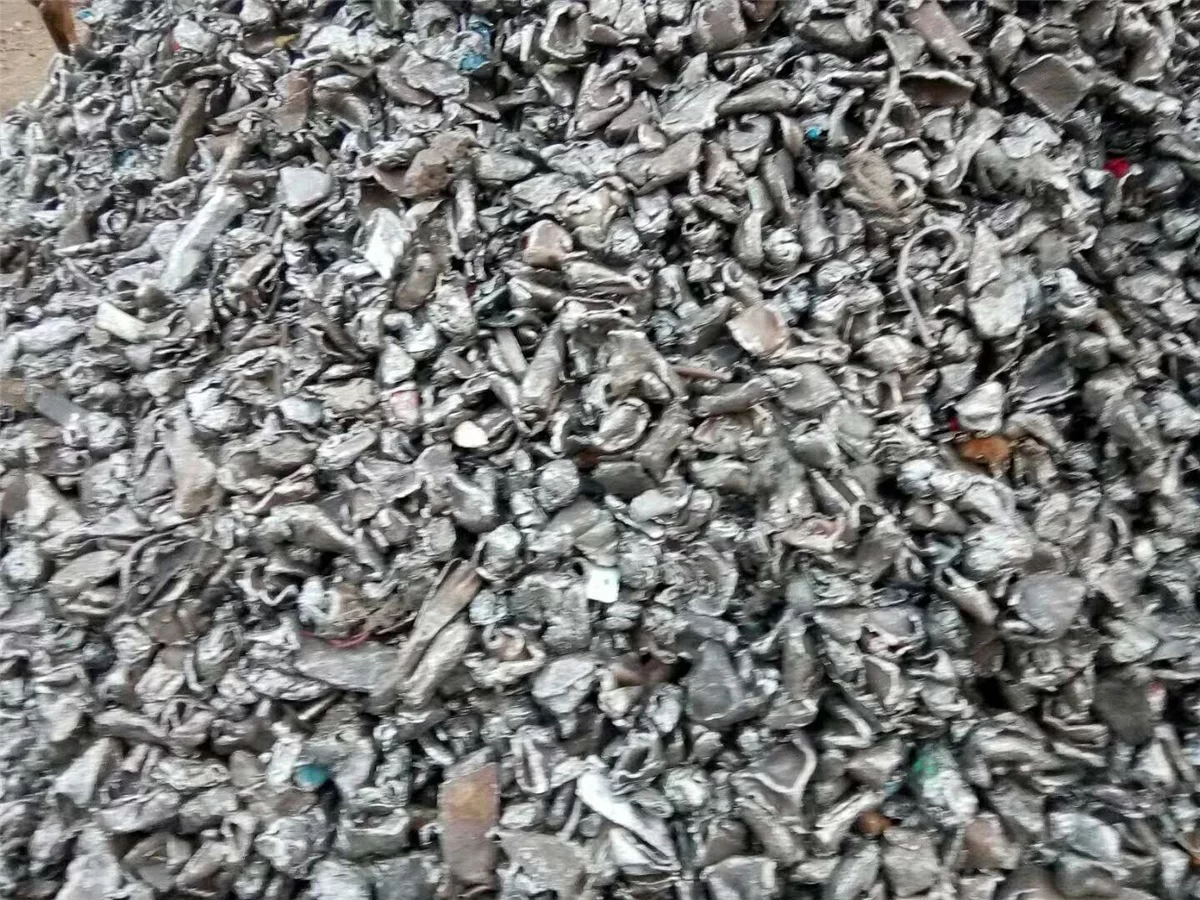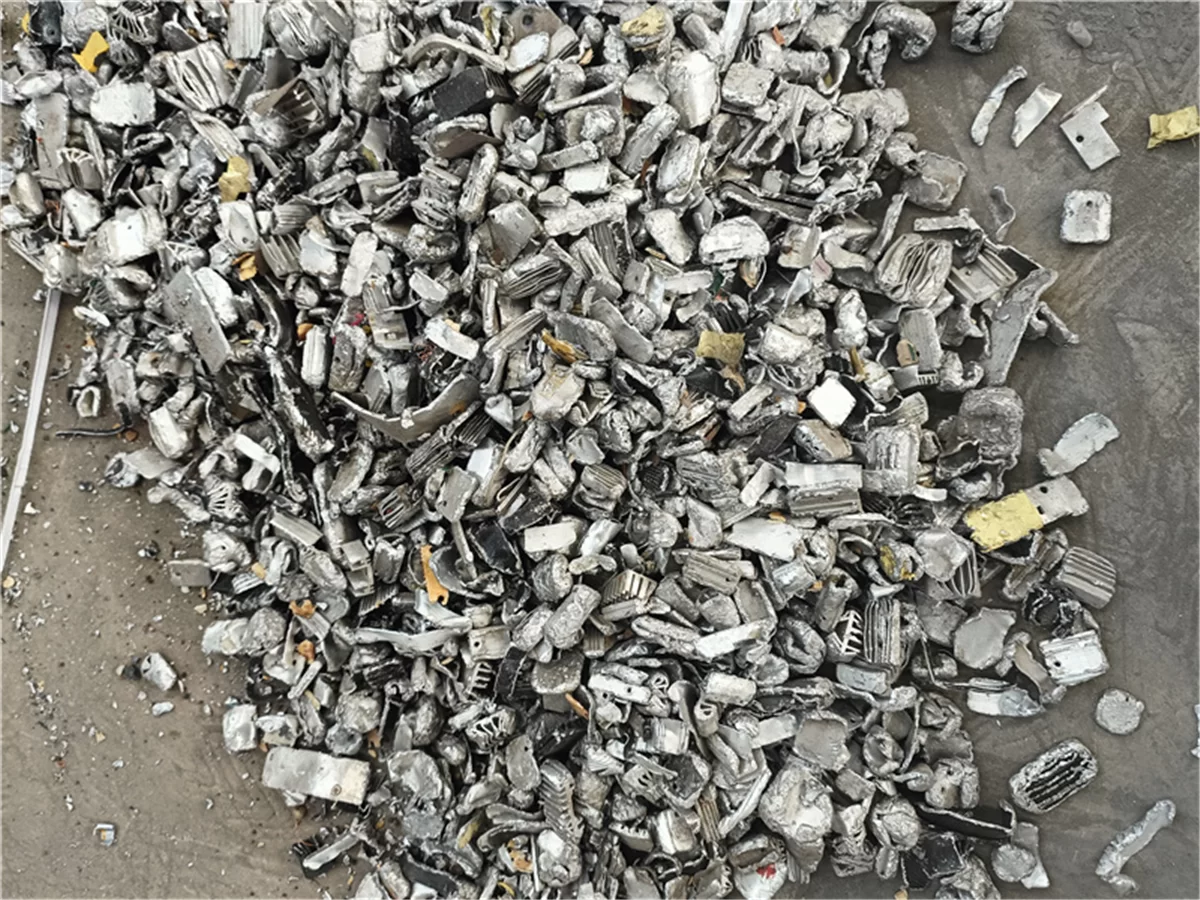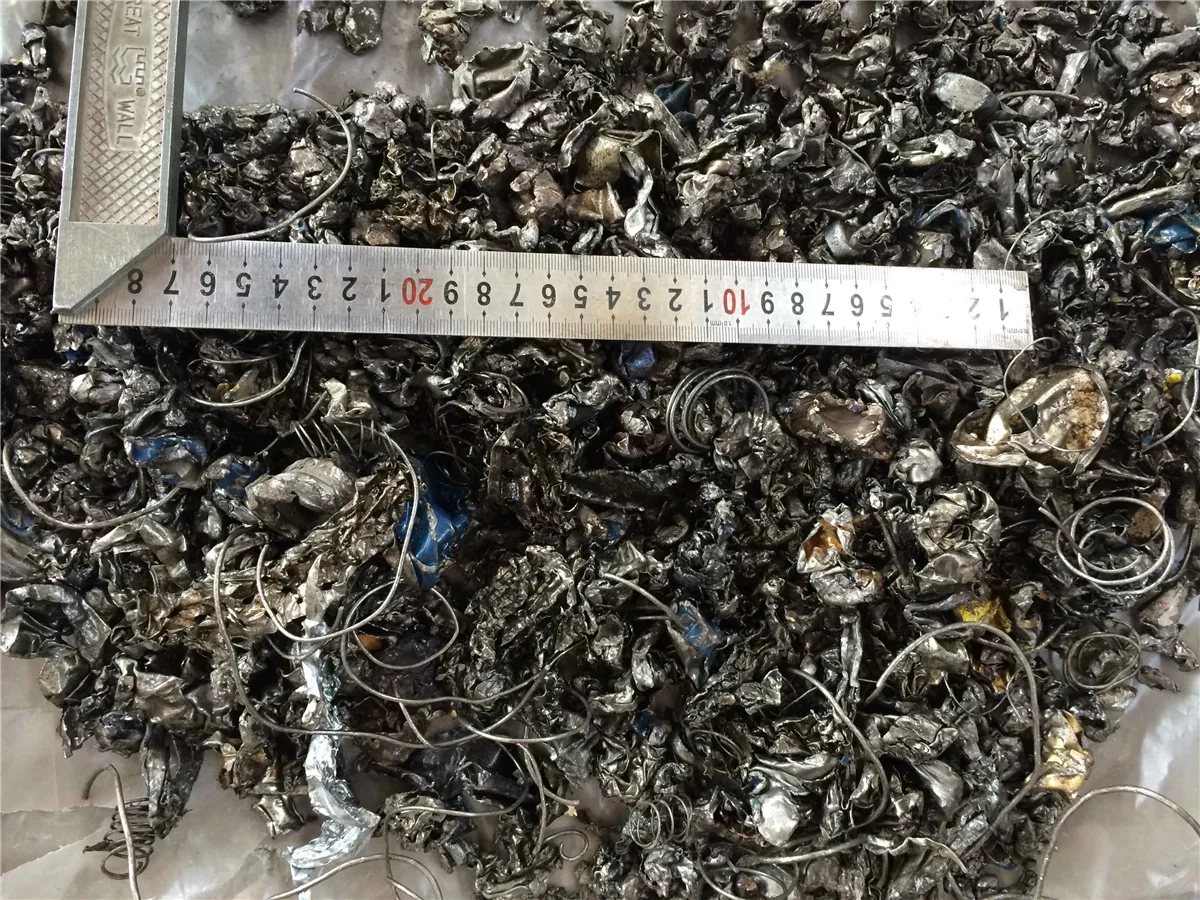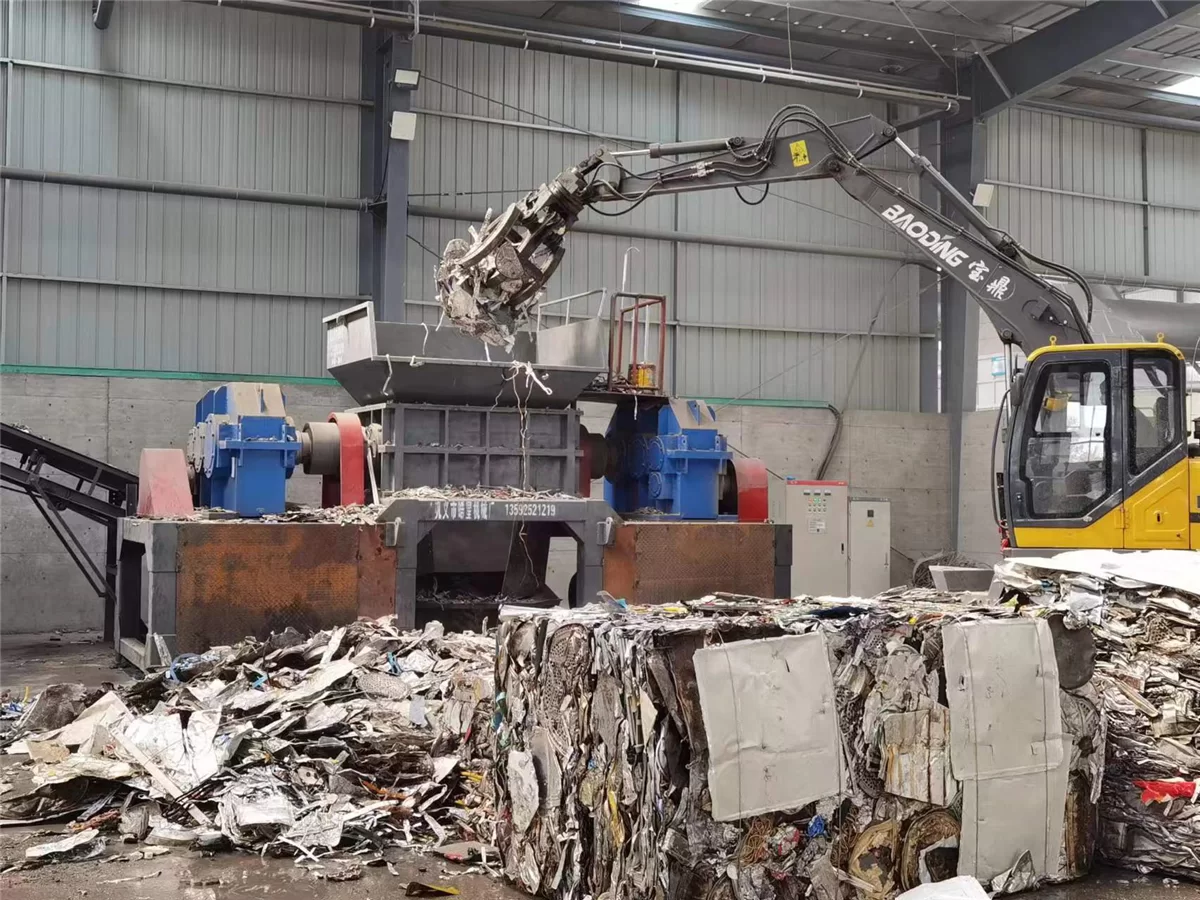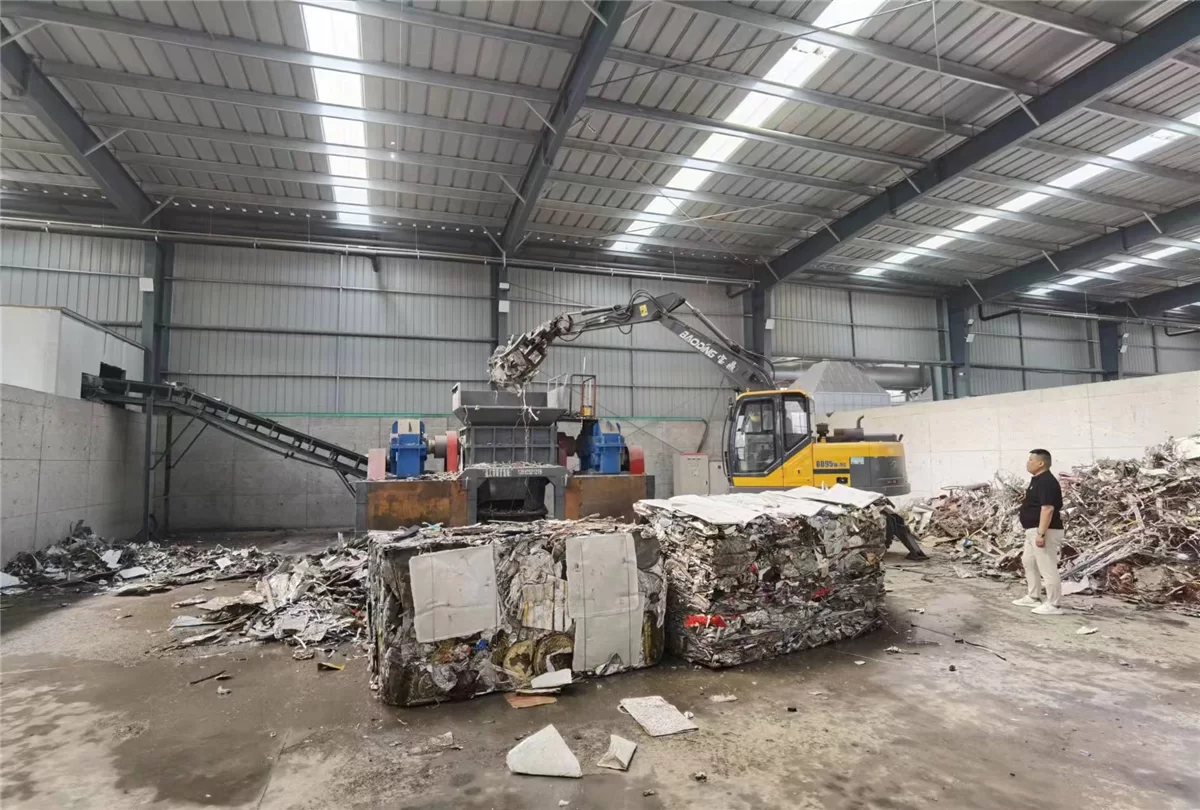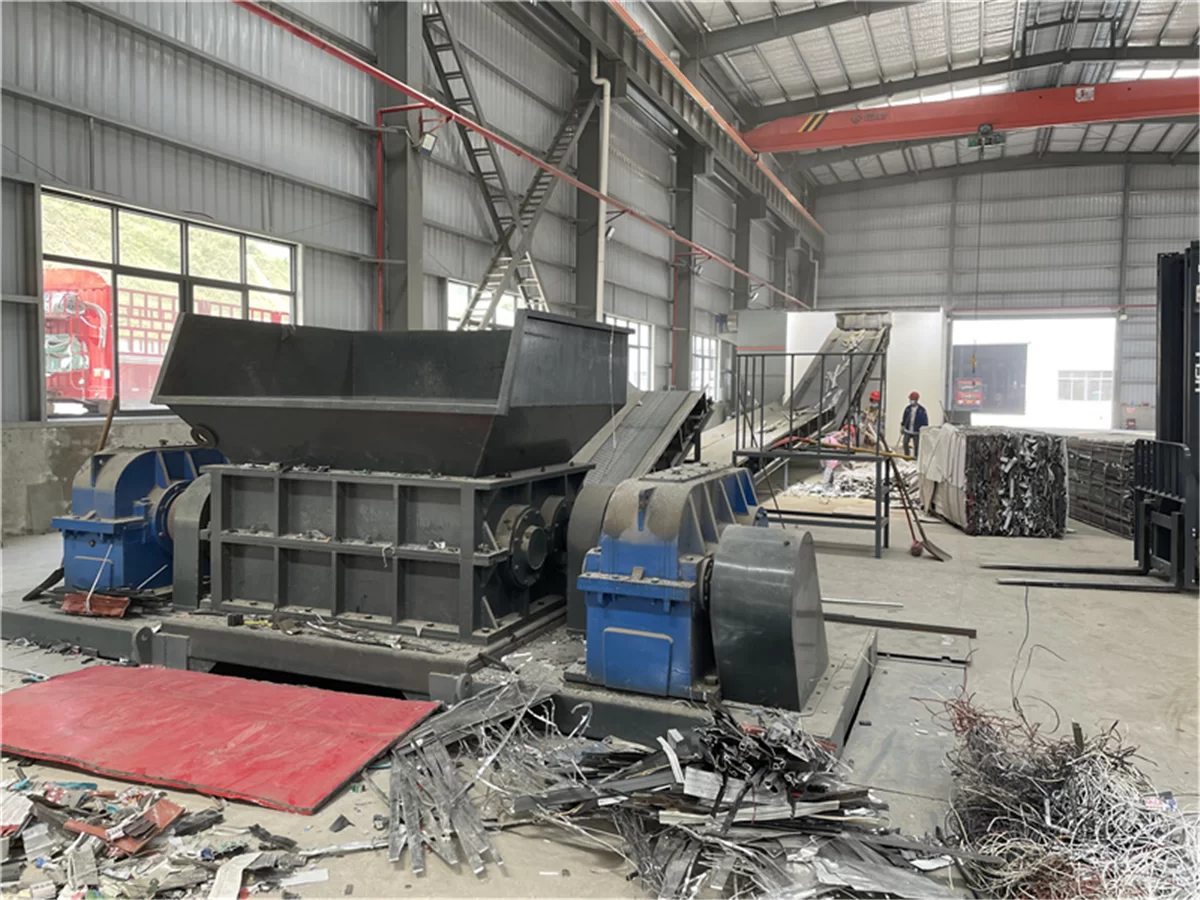

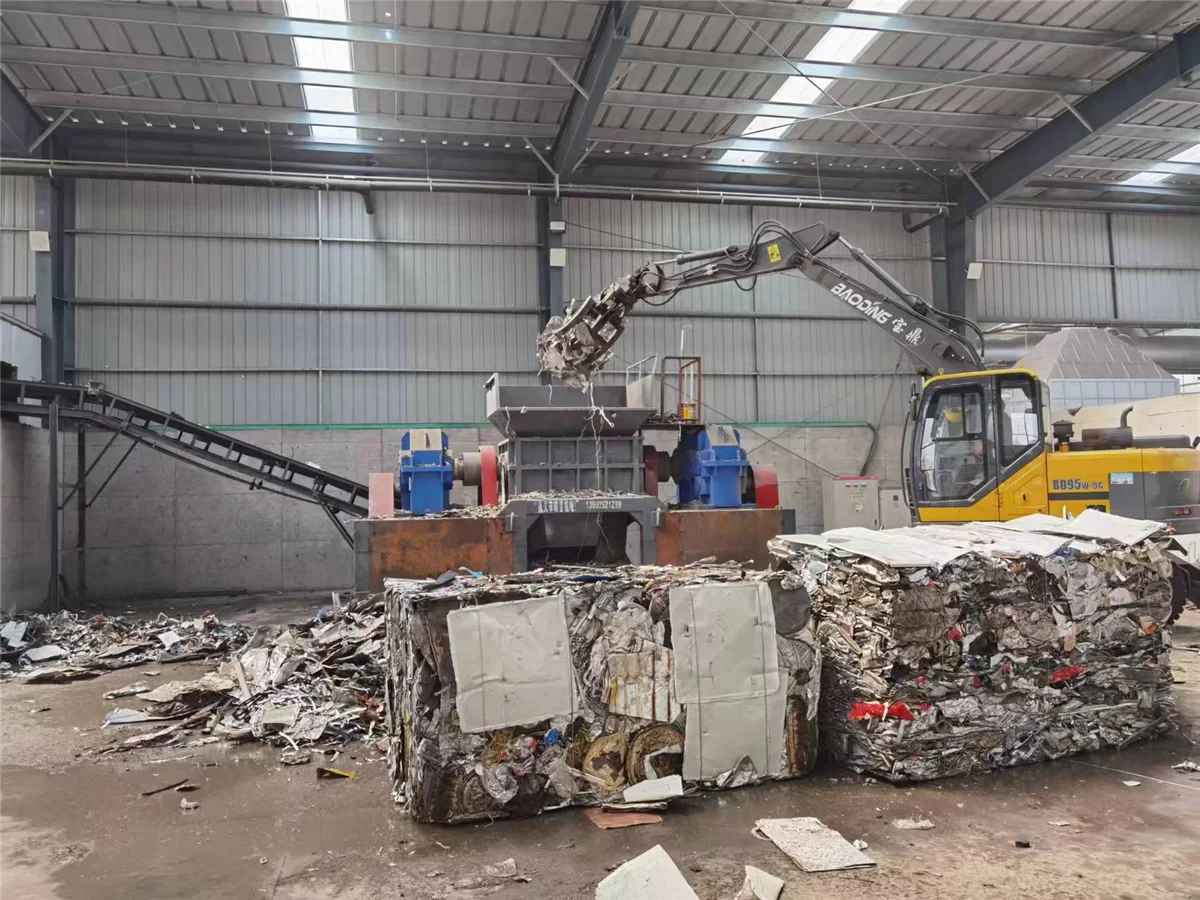
Baled scrap metal is commonly found at scrap yards, metal recycling facilities, collection centers and industrial waste processing sites. Loose metal is compressed into bales to reduce storage space, simplify handling and lower transportation costs.
The contents of a metal bale can vary considerably. Some bales contain light-gauge steel, sheet metal, production offcuts or tinplate, while others contain aluminum scrap, appliance shells, vehicle body sheets or mixed metal waste. Bale dimensions, weight, compression density and internal composition all affect how the material should be processed.
A compacted metal bale should not automatically be fed into crushing equipment. Large, dense or irregular bales may cause unstable feeding, sudden load changes, reduced processing efficiency and unnecessary wear. Before selecting a processing method, the bale should be evaluated according to its dimensions, weight, density, material composition, contaminants and required downstream result.
Common Baled Scrap Metal We Can Process
The following materials can be evaluated for mechanical processing:
Scrap metal bales
Baled light-gauge scrap
Compressed sheet metal
Baled steel scrap
Scrap iron bales
Steel production offcut bales
Tinplate and metal packaging bales
Household appliance shell bales
Baled aluminum scrap
Mixed ferrous and non-ferrous metal bales
Pressed vehicle body sheet
Other compressed metal scrap from recycling yards
Not every bale is suitable for the same processing method. Heavy solid steel, sealed containers, pressure vessels, batteries, fuel tanks, explosive items and unidentified hazardous materials should be removed or handled separately before mechanical processing.
Processing Options for Baled Scrap Metal
The appropriate processing route depends on the condition of the incoming bales and the required result after processing. Some projects only require bale opening and coarse size reduction, while others require additional crushing or metal separation.
Bale Opening and Primary Shredding
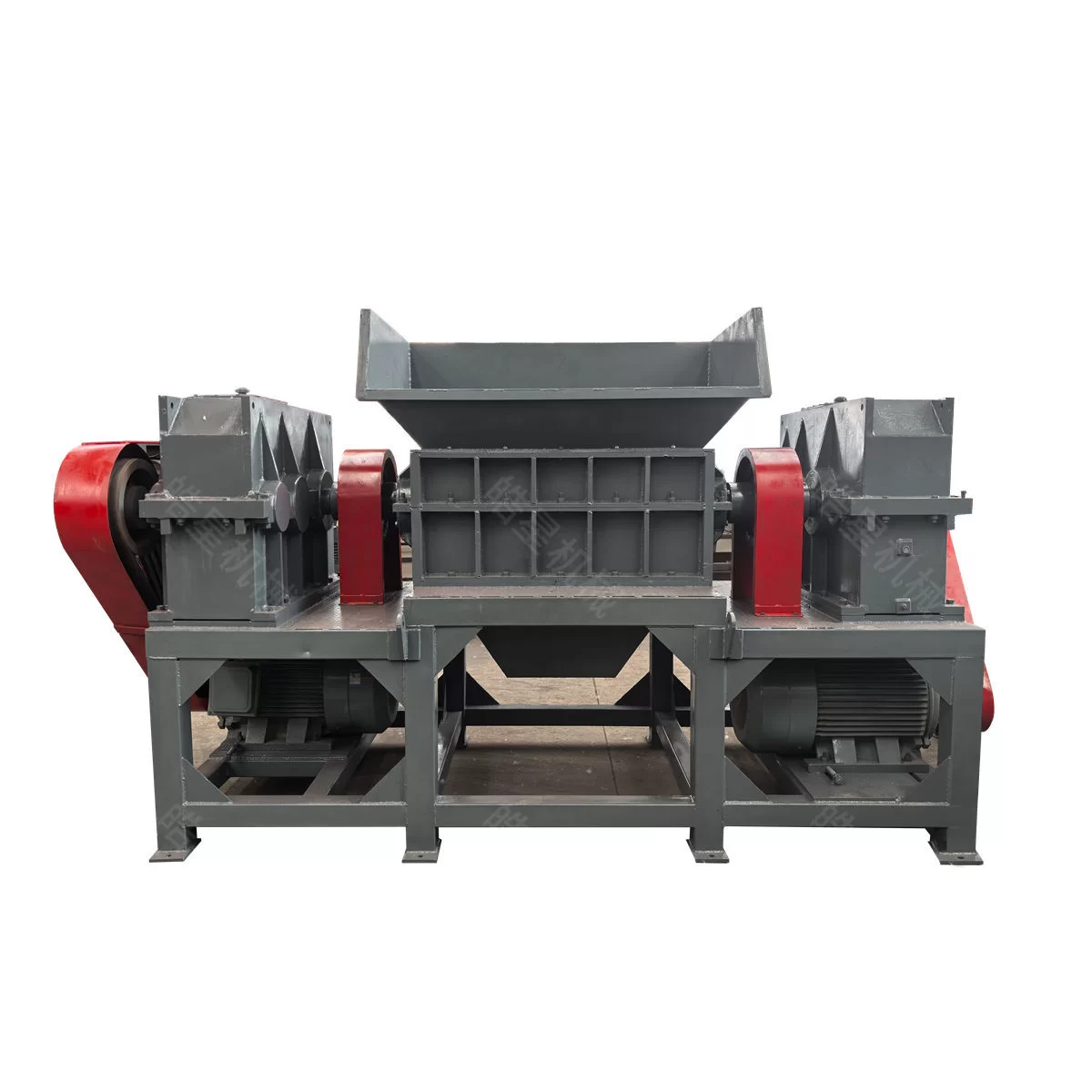
Low-speed, high-torque shearing can be used to open compacted bales and reduce them into smaller, looser pieces. This process is suitable when the main purpose is to open the bale, reduce manual cutting, improve material handling or prepare the scrap for conveying, inspection, furnace feeding or further processing.
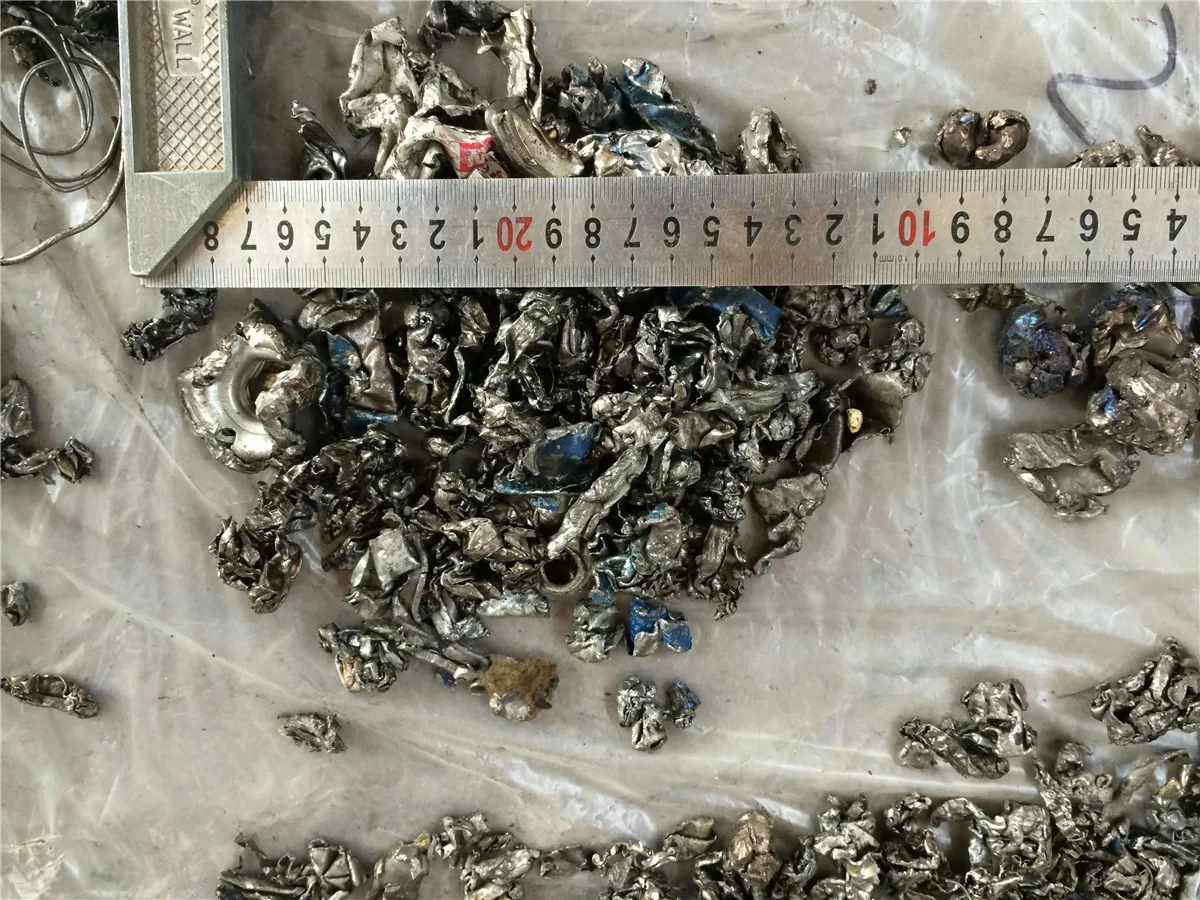
The material produced at this stage is normally coarse and irregular. It is not intended to provide a uniform or screen-controlled final particle size.
Shredding and Metal Separation
When baled scrap contains mixed materials, the opened scrap can be conveyed to a separation section after primary shredding.
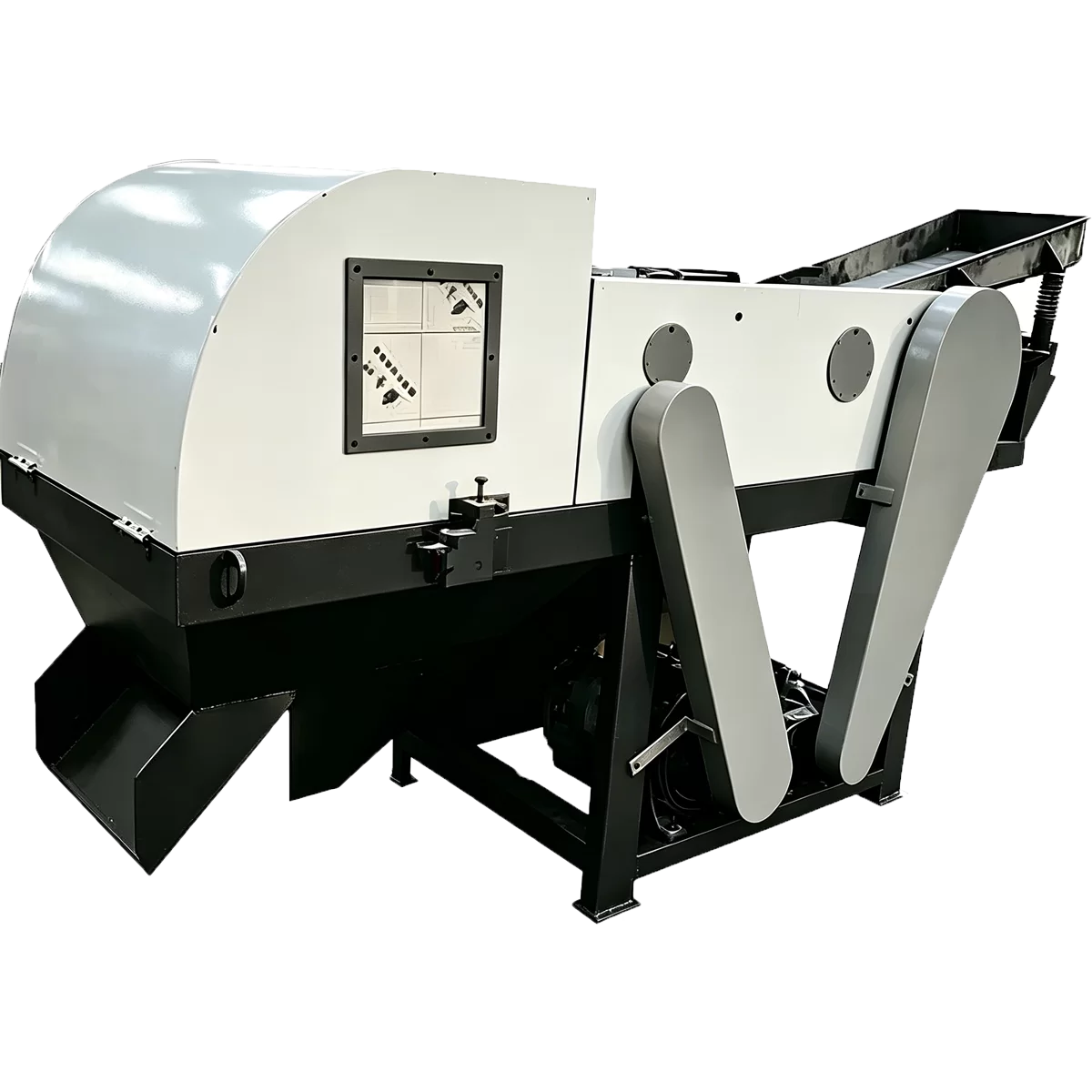
A magnetic separator can recover exposed iron and steel. If the remaining material contains aluminum or other conductive non-ferrous metals mixed with non-metallic contaminants, an eddy current separator may also be considered.
The required separation equipment depends on the material composition and the desired product purity. Clean bales containing a single metal type may not require every separation stage.
Shredding, Crushing and Sorting
When the project requires smaller and more consistent output, the opened material can be sent for secondary crushing.
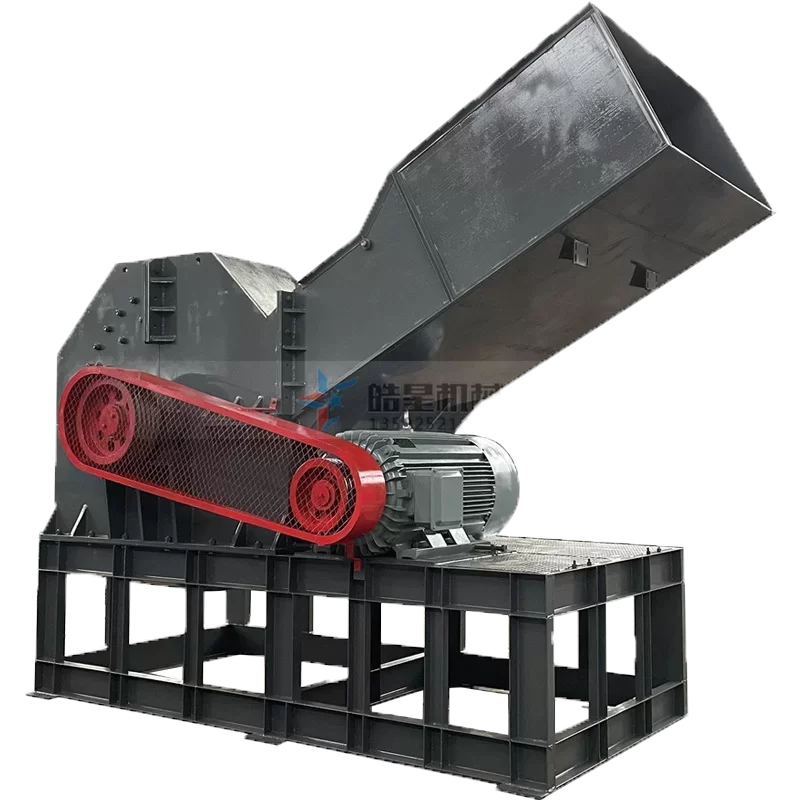
High-speed impact crushing and a screen can be used to reduce the material to a more controlled size. Magnetic separation, screening, eddy current separation, dust collection and additional sorting equipment can then be selected according to the material composition and final product requirements.
This two-stage process is mainly considered for dense bales, mixed scrap or materials that require further size reduction after bale opening. It is not necessary for every baled scrap application.
Why Dense Metal Bales May Require Pre-Shredding
Baled scrap differs from loose scrap because the material has been compressed into a dense and irregular block. Its internal structure may not be visible from the outside, and tightly packed layers or oversized pieces may enter downstream equipment unevenly.
Low-speed, high-torque shredding opens the bale gradually through tearing, squeezing and shearing. This makes the material easier to inspect, convey and process in the next stage.
When a downstream crusher is included, primary shredding can provide a more consistent feed and reduce sudden impact caused by oversized or tightly compacted material. Whether this step is required depends on bale size, bale weight, compression density, internal material and the feeding limits of downstream equipment.
Recommended Processing Flow
There is no single processing flow suitable for every type of baled scrap metal. The system should be configured according to the raw material and final processing objective.
A typical system may include:
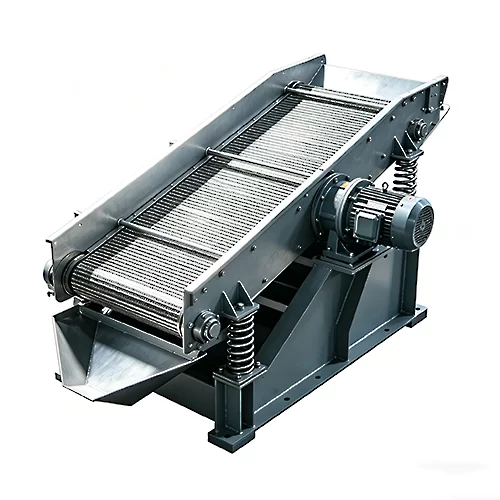
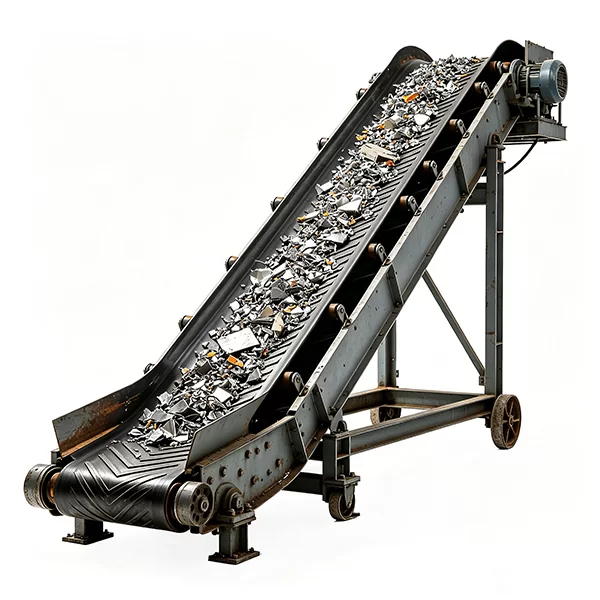
Feeding conveyor for controlled material feeding
Primary bale opening and coarse size reduction
Discharge conveyor for transferring opened material
Magnetic separator for ferrous metal recovery
Secondary crushing when smaller, screen-controlled output is required
Eddy current separator when recoverable non-ferrous metal is present
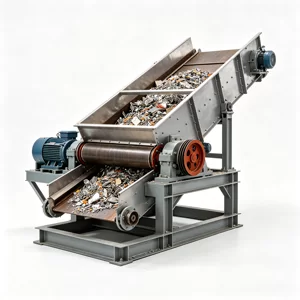
Sorting platform or screening equipment when required
Dust collection system according to the material and process
Central control cabinet for coordinated line operation
The secondary crusher, eddy current separator and dust collection system are optional process components rather than standard equipment for every project.
Information Required for Equipment Selection
Before recommending a machine or processing line, the following information should be provided:
Bale dimensions
Approximate weight of each bale
Estimated compression density
Main metal composition
Material thickness and hardness
Type and percentage of contaminants
Required hourly capacity
Required output condition or particle size
Intended downstream process
Available feeding method
Local voltage and frequency
Installation area and workshop layout
Representative photos and videos are particularly useful. Two bales with similar external dimensions may contain materials with very different densities, hardness levels and processing characteristics.
Benefits of a Properly Configured Processing System
Reduces manual bale opening and cutting work
Provides more stable material feeding
Makes compressed scrap easier to inspect and convey
Allows processing equipment to be selected according to the required output
Supports ferrous and non-ferrous metal separation
Reduces the risk of feeding unsuitable material into downstream equipment
Supports standalone shredding, shredding and separation, or two-stage size reduction
Allows conveyors, sorting equipment and control systems to be matched to the required capacity
How to Select Equipment for Baled Scrap Metal
A baled scrap shredder is used to open compacted metal bales and reduce them into smaller, looser pieces through low-speed, high-torque shearing.
If the material requires a smaller and screen-controlled output size, the shredded scrap can be conveyed to a scrap metal crusher for secondary processing.
For projects requiring continuous feeding, conveying, size reduction and metal separation, a complete baled scrap shredding plant can be configured according to the bale size, weight, density, material composition and required capacity.
Equipment selection should be based on the actual incoming material and the required final result rather than bale appearance alone. Before recommending a suitable configuration, Haoxing engineers will review the material photos or videos, bale specifications, required capacity, output requirements and available installation space.