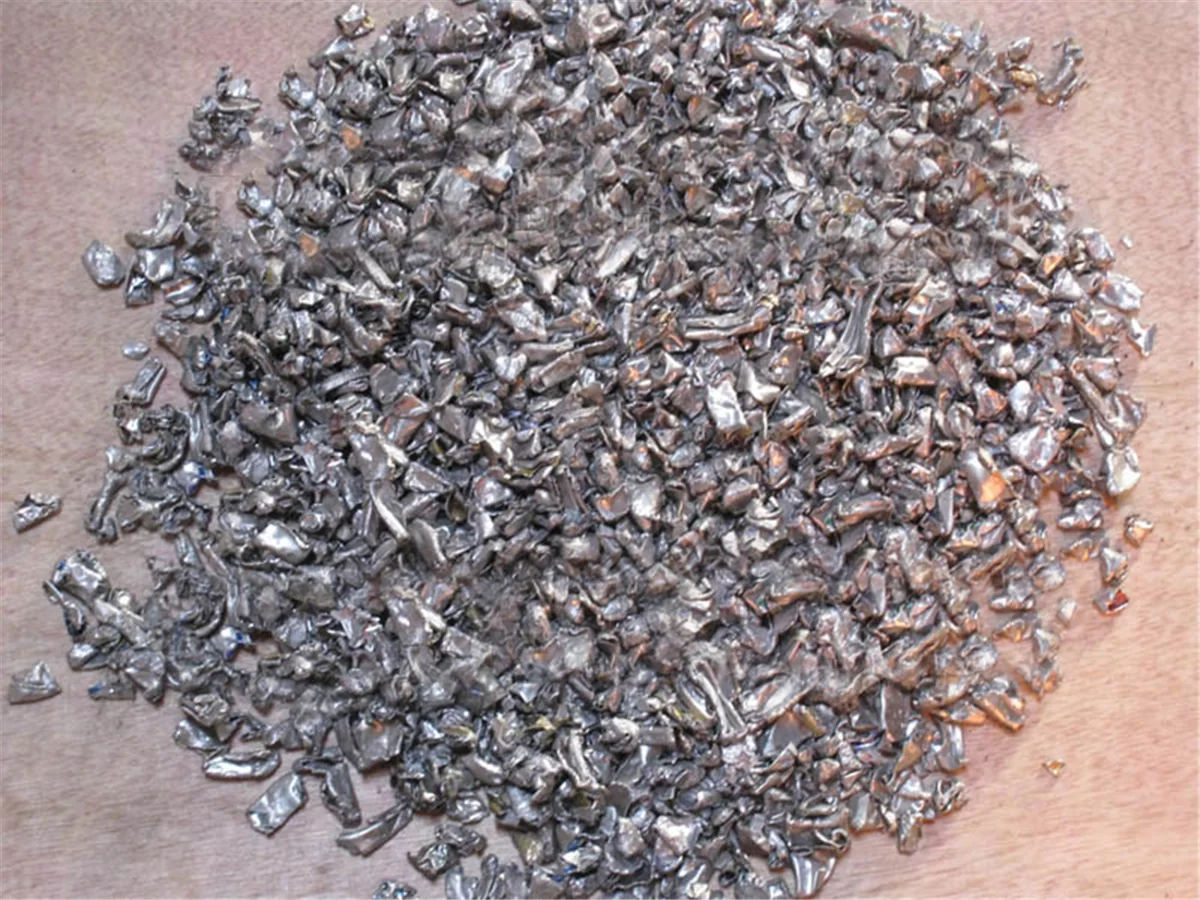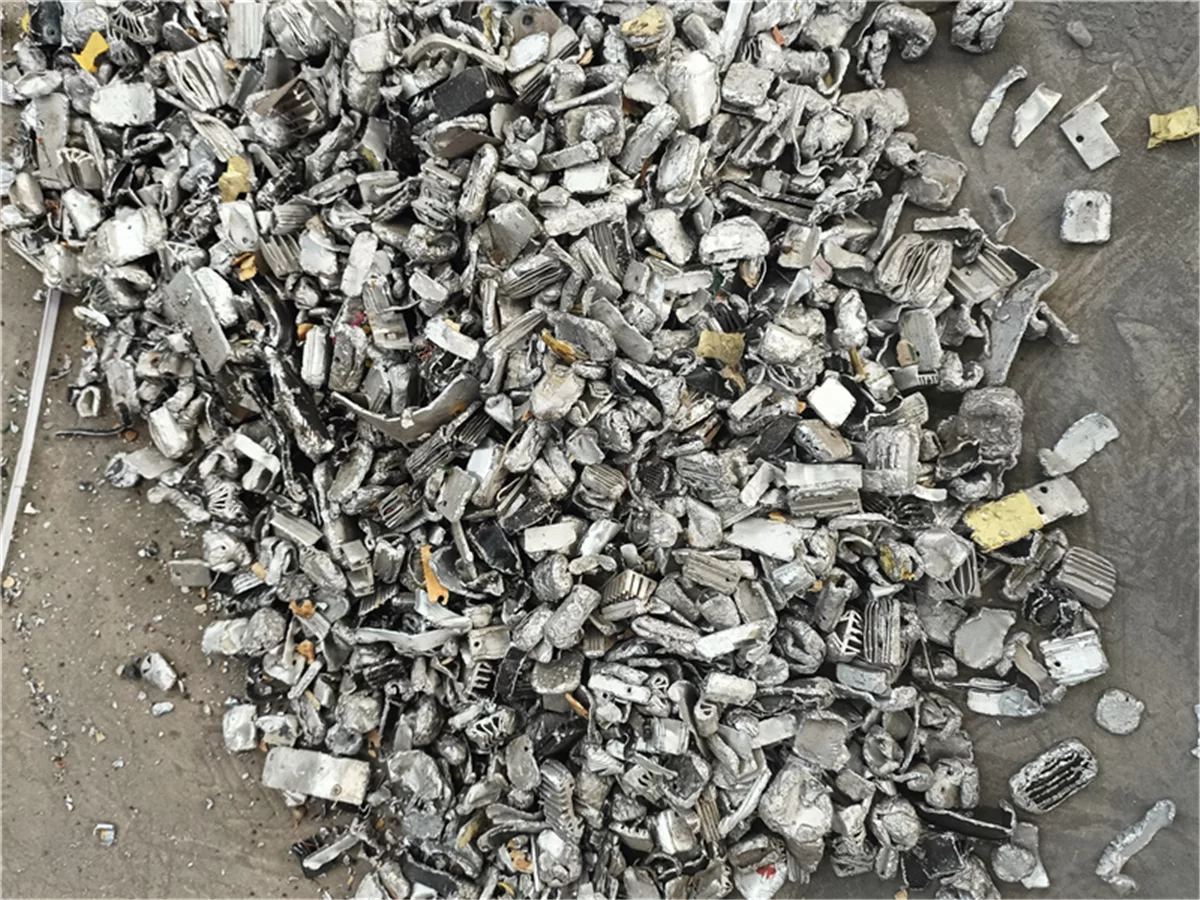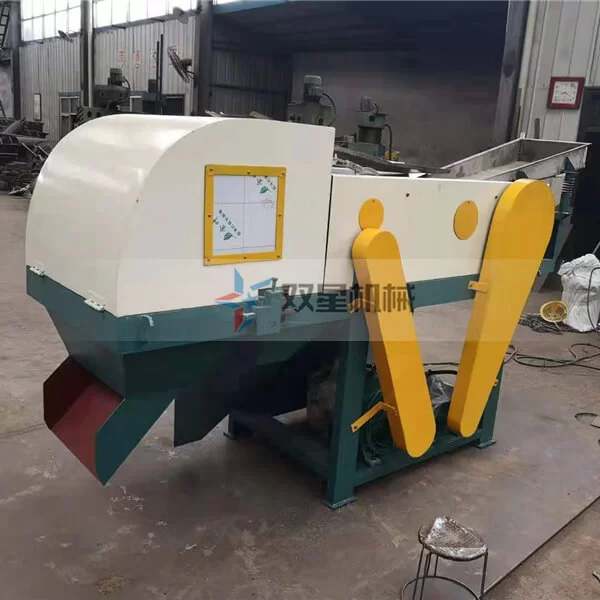

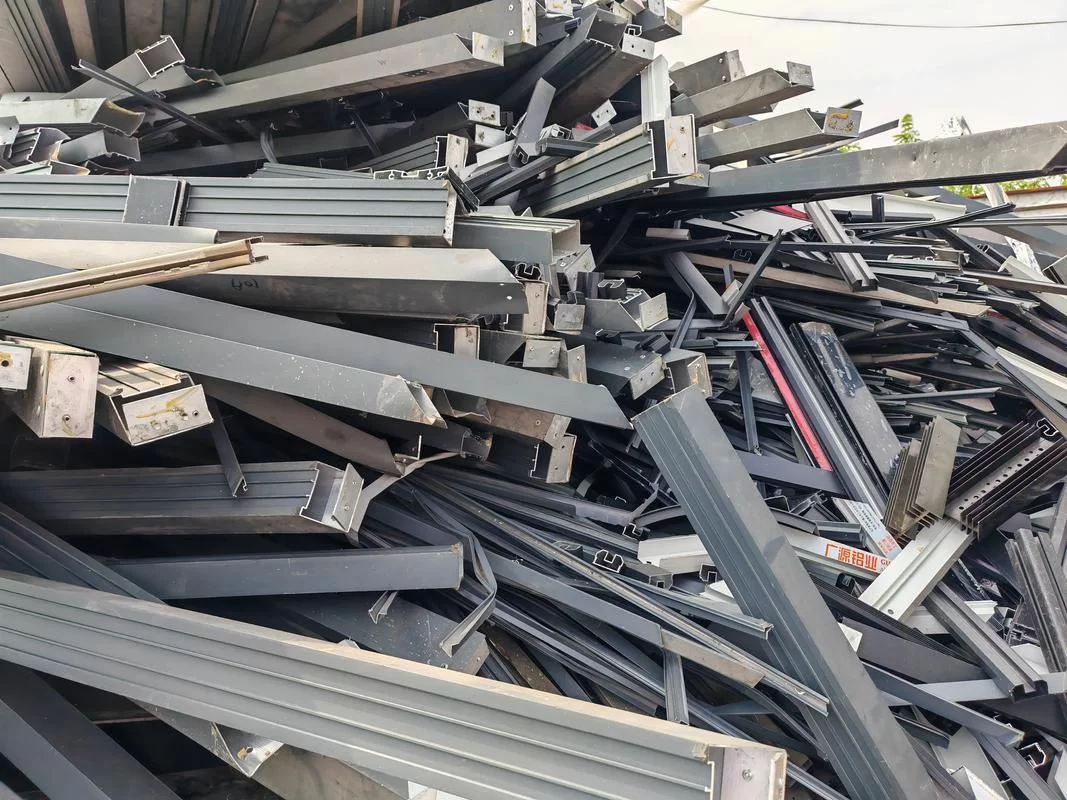
Aluminum extrusion scrap comes from profile manufacturing, door and window fabrication, building renovation, curtain wall dismantling and industrial aluminum processing. It includes clean production offcuts as well as used profiles carrying paint, screws, rubber seals or plastic thermal-break strips.
These materials are often grouped under the general name of waste aluminum profiles, but their processing requirements vary considerably. Clean, short extrusion offcuts may only require controlled feeding and size reduction. Long window frames, curtain wall sections and post-consumer profiles containing steel or plastic usually need additional preparation and separation.
A suitable recycling process should therefore be selected according to the actual profile length, wall thickness, attachments and required output—not simply according to the total weight of the material.
Common Aluminum Extrusion Scrap
This page applies to aluminum extrusion scrap from manufacturing, construction, renovation and dismantling operations, including:
Clean extrusion production offcuts
Mill-finish aluminum profiles
Painted aluminum extrusions
Powder-coated profiles
Anodized aluminum profiles
Waste aluminum door frames
Waste aluminum window frames
Curtain wall aluminum sections
Industrial extrusion offcuts
Hollow aluminum profiles
Decorative aluminum trims
Thermal-break aluminum profiles
Profiles containing screws and corner fittings
Profiles carrying rubber seals or plastic strips
Mixed architectural aluminum scrap
Clean manufacturing scrap is generally easier to process because it contains fewer attachments. Post-consumer profiles require more attention because steel fasteners, plastic connectors, rubber seals, adhesive residue and glass fragments may remain on the material.
Clean Extrusion Scrap and Used Aluminum Profiles
Clean extrusion scrap usually consists of rejected profiles, cut ends and fabrication offcuts. The material is relatively uniform, and its alloy and surface condition may already be known.
Depending on the profile size, clean scrap may enter an aluminum profile crusher directly. Crushing reduces its volume and produces pieces that are easier to collect, convey, store or prepare for remelting.
Used aluminum profiles are less consistent. Door and window frames recovered from dismantling work may contain:
Steel screws
Hinges and corner fittings
Rubber sealing strips
Plastic thermal-break material
Paint or powder coating
Adhesive residue
Glass fragments
Dirt and construction debris
These materials may require inspection and basic cleaning before mechanical processing. Crushing reduces the profile size and helps expose attached components, but subsequent separation is still needed when the customer requires a cleaner aluminum fraction.
Is Pre-Shredding Required?
Not every aluminum extrusion recycling project needs a shredder.
Short, loose profile offcuts that fit the crusher inlet can normally enter the crushing stage directly. In this case, adding a separate pre-shredder would increase equipment and operating costs without providing a clear benefit.
Coarse pre-shredding may be considered when the incoming material includes:
Complete aluminum door or window frames
Long curtain wall profiles
Interlocked or tangled sections
Bundled aluminum profiles
Oversized frame assemblies
Material that cannot enter the crusher steadily
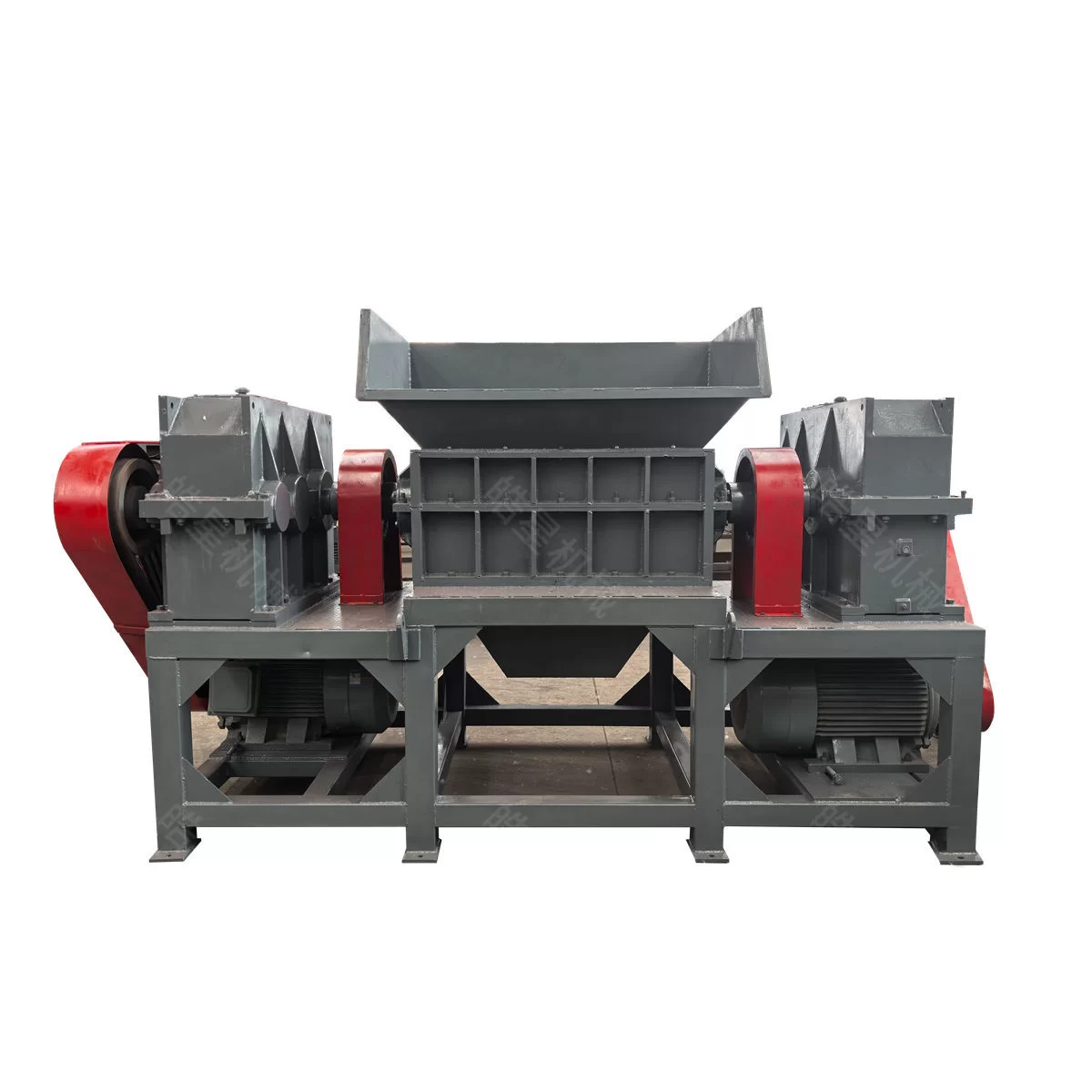
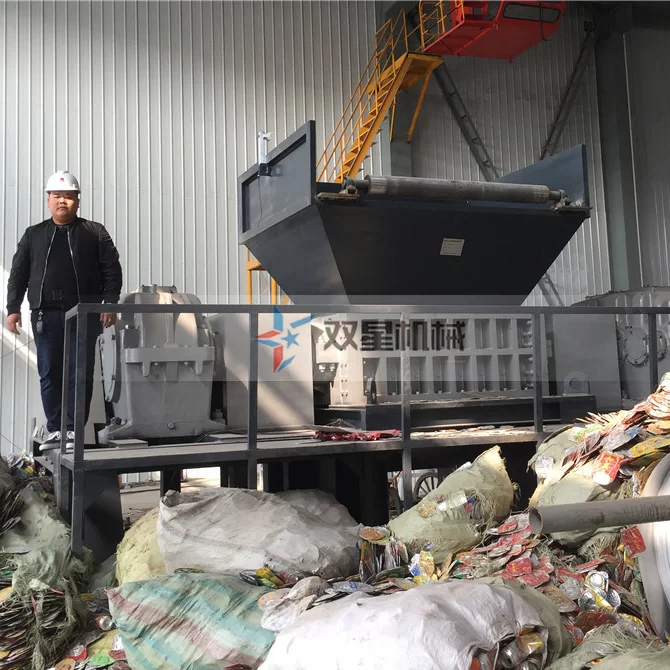
A twin shaft shredder performs low-speed, high-torque coarse size reduction. Its purpose is to shorten oversized profiles and improve feeding stability before the material reaches the crusher.
It should not be described as performing the same function as the crusher. The shredder is used for coarse pretreatment, while the crusher performs the main high-speed size-reduction stage and prepares material for downstream separation.
Aluminum Profile Crushing
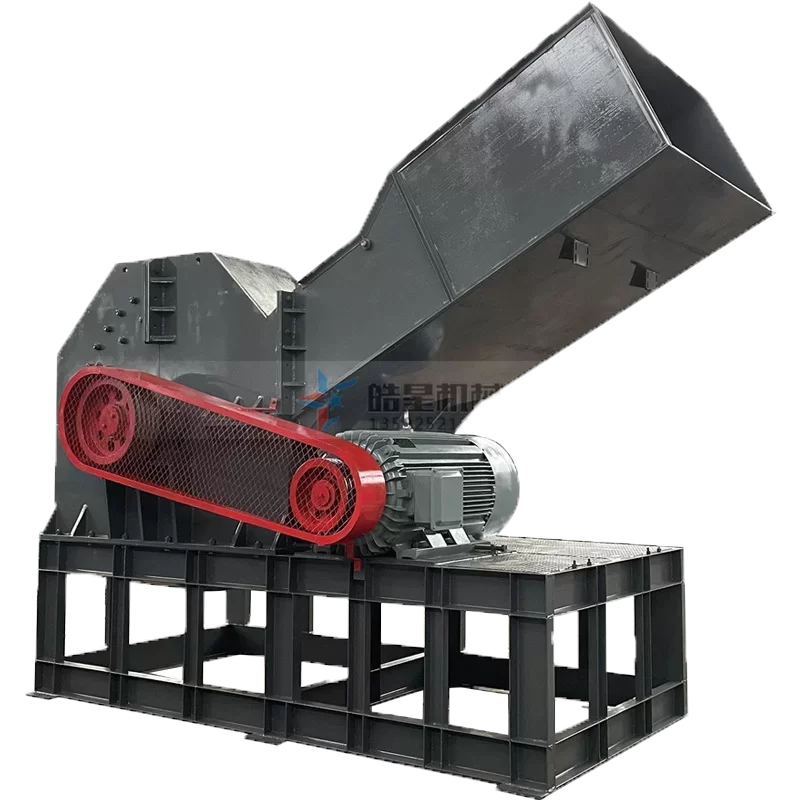
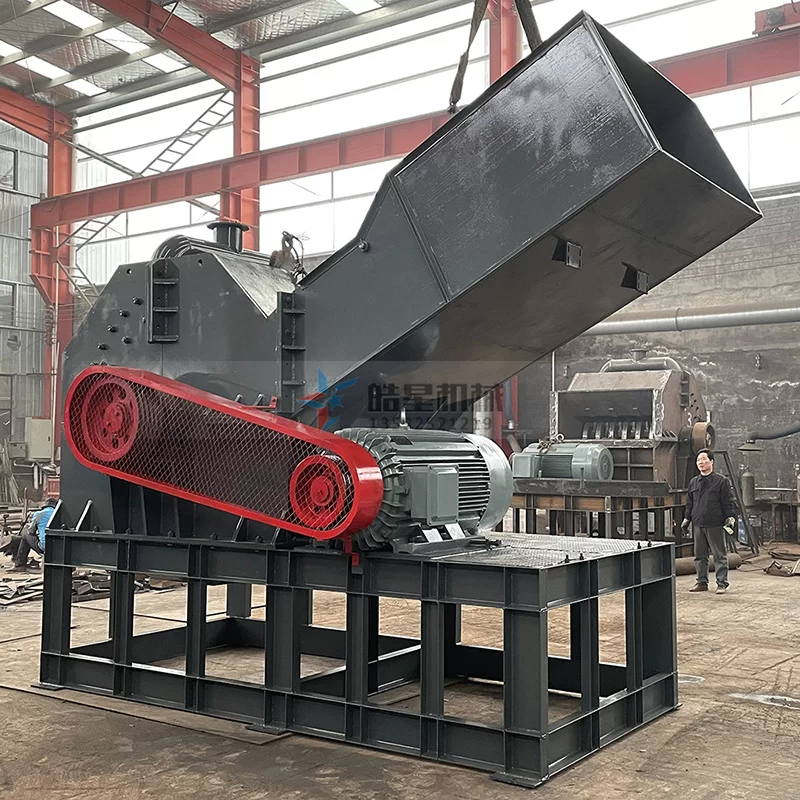
The aluminum profile crusher is used to reduce prepared extrusion scrap into smaller pieces. High-speed impact and crushing action open hollow sections and help release steel fittings, rubber seals and plastic attachments.
The crushing stage can help:
Reduce the volume of long and hollow profiles
Improve conveying stability
Open enclosed aluminum sections
Expose screws and steel fittings
Loosen plastic and rubber attachments
Prepare material for magnetic separation
Produce a more even feed for downstream sorting
Make processed aluminum easier to collect and transport
The required output size depends on what happens after crushing. Material prepared only for volume reduction may not need the same discharge condition as material intended for iron removal and aluminum-plastic separation.
Equipment selection should consider:
Maximum profile length
Profile cross-section
Wall thickness
Hollow or solid structure
Type of attached material
Required hourly capacity
Target output size
Downstream sorting method
A single fixed crusher configuration should not be presented as suitable for every type of aluminum extrusion scrap.
Processing Painted and Anodized Profiles
Painted, powder-coated and anodized profiles can be processed mechanically, but their surface treatment should be considered before equipment selection.
Crushing may release part of the paint or coating from the aluminum surface. This can produce dust or small coating fragments, especially when the profiles have aged or been exposed outdoors.
For these materials, the processing system may require:
Enclosed conveying points
Dust covers
Local dust collection
Controlled feeding
Regular equipment cleaning
Separate collection of fine residue
The presence of paint does not automatically mean that the material requires a different crusher, but it can affect workshop cleanliness, dust control and the condition of the final aluminum fraction.
Processing Thermal-Break Aluminum
Thermal-break aluminum contains a non-metallic insulating strip fitted between two aluminum sections. The plastic strip reduces heat transfer in doors, windows and curtain wall systems, but it also makes the scrap more difficult to process than clean extrusion offcuts.
A thermal break aluminum crusher is used when the objective is to open the profile structure and release the aluminum from the plastic connection.
The required crushing result depends on:
Profile section design
Aluminum wall thickness
Plastic strip width
Strength of the aluminum-plastic connection
Profile length
Amount of rubber and steel attachments
Required downstream separation result
The material does not need to be reduced into extremely fine particles in every case. Excessive size reduction can create unnecessary fines and make downstream material control more difficult.
The practical objective is to release enough of the aluminum and plastic for the following sorting process while maintaining a suitable particle size for conveying and collection.
Removing Steel Attachments
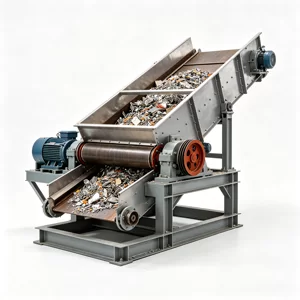
Used aluminum door and window profiles commonly contain screws, hinges and corner fittings. Once crushing exposes these parts, a magnetic separator can remove ferrous metal from the aluminum-rich mixture.
Magnetic separation is normally carried out before eddy current sorting because exposed steel should be removed from the material stream first.
The iron-removal result depends on:
Whether the steel parts have been released
Crushed material size
Material layer thickness
Conveyor speed
Magnetic field strength
Distribution across the conveyor
If a steel fastener remains enclosed within an aluminum section, the magnet may not remove it effectively. Sufficient profile opening during crushing is therefore important.
Separating Aluminum from Plastic
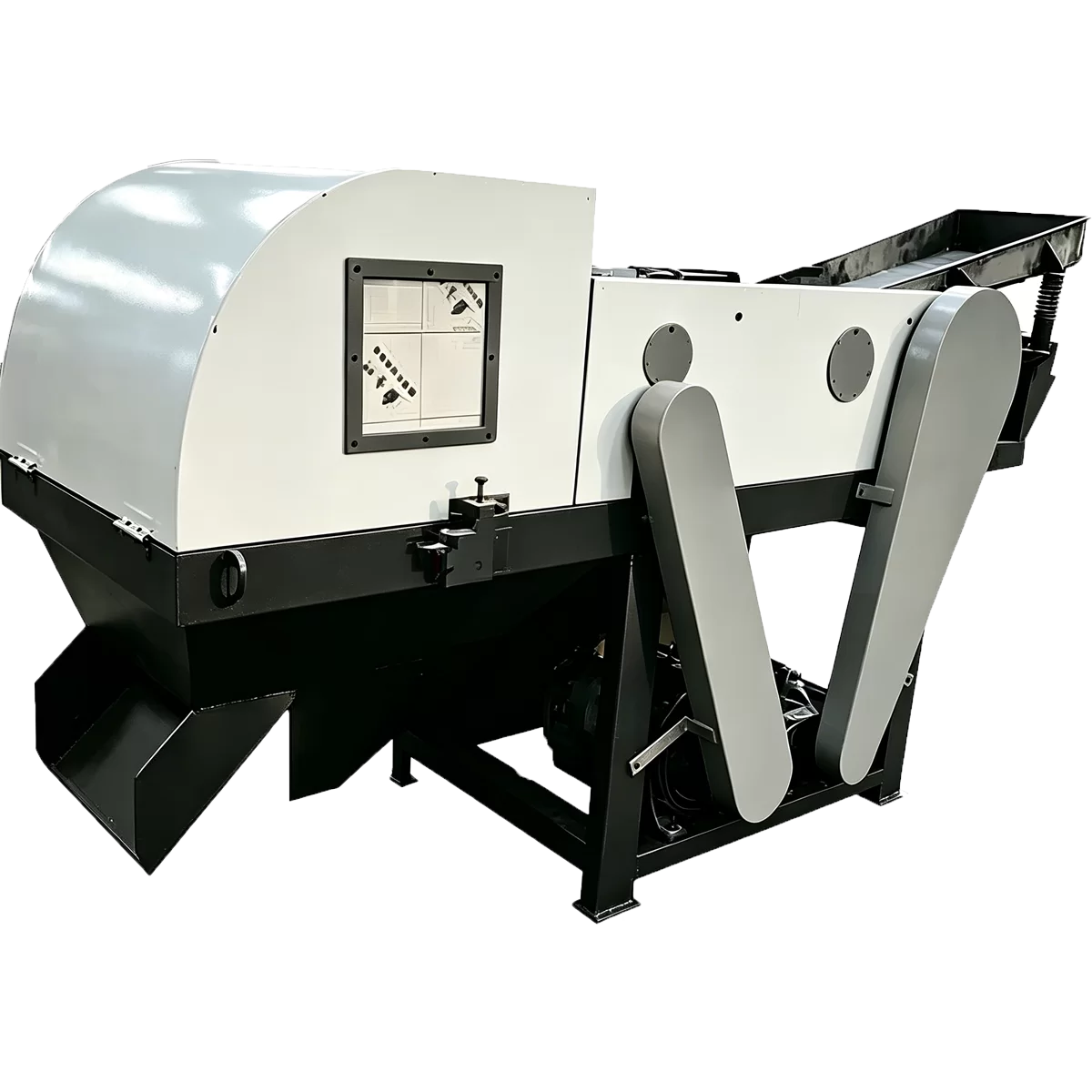
An eddy current separator can be used after crushing and iron removal to recover conductive aluminum from plastic, rubber and other non-conductive residue.
The separator does not process complete profiles directly. Before sorting, the profiles must be reduced to a suitable size, and the aluminum and plastic must be physically released as far as practical.
As the processed mixture passes through the separator, conductive aluminum follows a different discharge trajectory from non-conductive material. A divider positioned between the material paths directs the two fractions to separate outlets.
The sorting result is affected by:
Aluminum particle size
Plastic particle size
Degree of material liberation
Feeding thickness
Belt speed
Rotor condition
Moisture
Surface contamination
Divider position
If aluminum and plastic remain firmly connected, they may still leave the separator as one combined piece. This is usually a material-liberation issue rather than something that can always be corrected by changing the separator speed.
Processing Routes for Different Extrusion Scrap
Different aluminum profiles should not be forced into one fixed processing route.
Clean and Short Extrusion Offcuts
Material inspection → Controlled feeding → Crushing → Aluminum collection
This configuration may be sufficient for clean production scrap that does not contain steel, plastic or rubber attachments.
Profiles Containing Steel Fittings
Material inspection → Controlled feeding → Crushing → Magnetic separation → Aluminum collection
This process is suitable for profiles containing screws, hinges and other ferrous parts that can be exposed during crushing.
Thermal-Break and Post-Consumer Profiles
Material inspection → Required preparation → Controlled feeding → Crushing → Magnetic separation → Eddy current separation → Separate collection
This route is used when the processed material contains aluminum, steel, plastic, rubber and other attachments.
Long and Irregular Frames
Material inspection → Coarse pretreatment when required → Aluminum profile crushing → Iron removal → Further sorting → Collection
The coarse pretreatment stage is only required when complete frames or long profiles cannot enter the crusher steadily.
Complete Aluminum Extrusion Processing Line
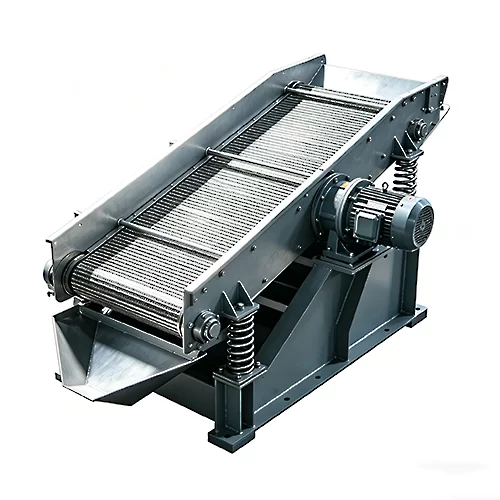
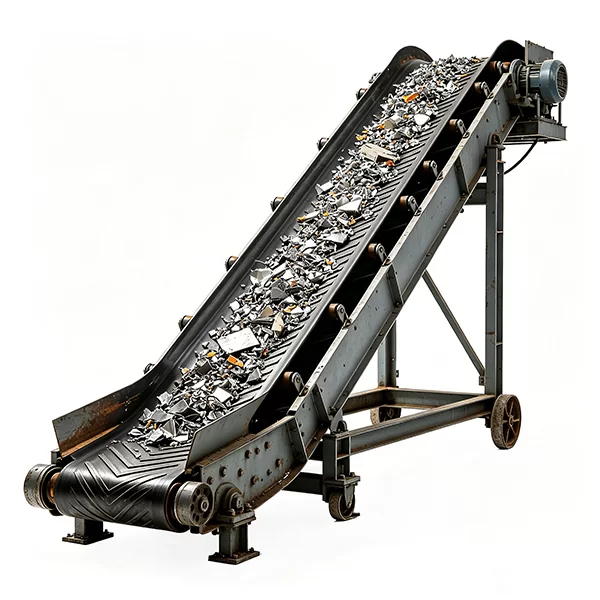
When a project requires continuous feeding, crushing, conveying and separation, an aluminum profile crushing plant can connect the necessary equipment into one coordinated process.
Depending on the incoming material, the line may include:
Feeding equipment
Optional coarse pretreatment equipment
Aluminum profile crusher
Discharge conveyor
Magnetic separator
Eddy current separator
Aluminum collection conveyor
Non-metallic residue outlet
Dust collection system
Electrical control system
Not every recycling project requires every unit. Clean production offcuts may only need feeding and crushing, while post-consumer thermal-break profiles may require iron removal and aluminum-plastic separation.
The widths and capacities of the individual sections should also be matched. A high-capacity crusher cannot operate steadily if the downstream conveyor or sorting unit is too narrow for the processed material flow.
Processed Material Outputs
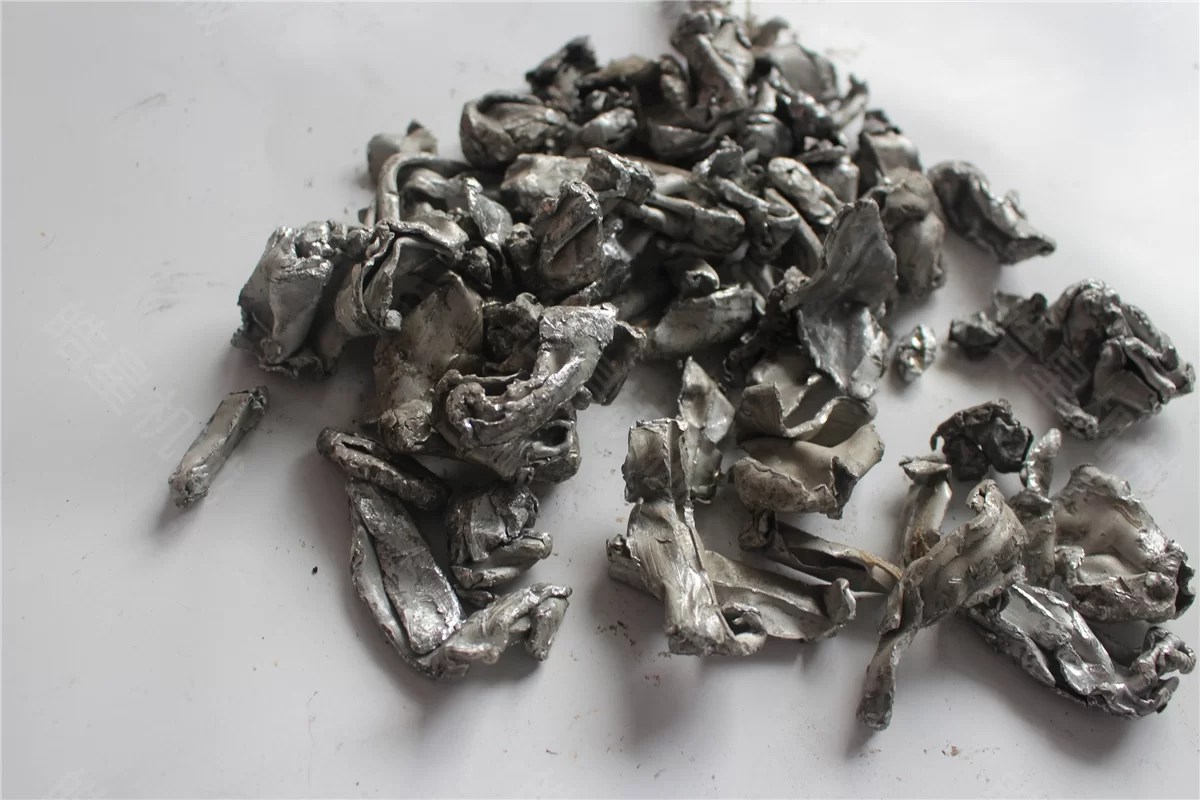
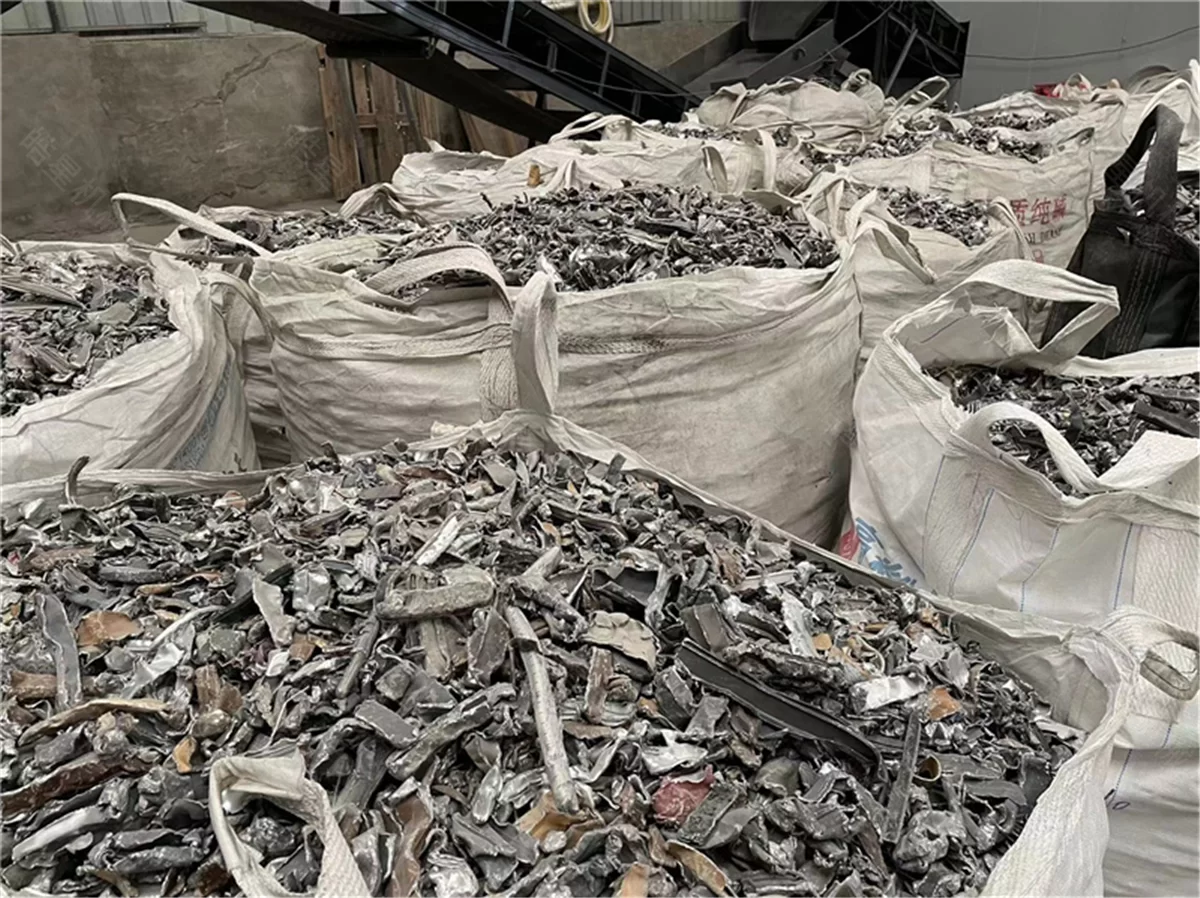
Depending on the original scrap and the selected equipment, the process may produce:
Reduced aluminum extrusion pieces
Aluminum-rich material
Recovered iron and steel fittings
Released plastic thermal-break strips
Rubber and other non-metallic residue
Mixed particles requiring further sorting
The actual particle size, recovery result and purity depend on the original material, equipment configuration and operating settings.
A fixed output, recovery rate or purity should not be promised without testing representative aluminum extrusion scrap.
Equipment Selection by Material Condition
Clean manufacturing offcuts
These usually require size reduction rather than intensive separation. Direct crushing may be suitable when the profiles fit the inlet and contain no significant attachments.
Painted and anodized profiles
These materials can be crushed, but dust and coating fragments should be considered. An enclosed or dust-controlled arrangement may be appropriate.
Door and window profiles
These should be checked for screws, hinges, rubber seals, glass and plastic fittings. Crushing followed by magnetic separation is commonly considered.
Thermal-break profiles
These require sufficient aluminum-plastic release before downstream sorting. The crusher and separator should be selected as connected parts of the process.
Long curtain wall sections
These may require controlled feeding, cutting or coarse pretreatment before entering the main crusher.
Mixed extrusion scrap
Equipment should be selected according to the largest and most difficult material in the mixture—not only according to the short, clean offcuts that are easiest to process.
Benefits of Aluminum Extrusion Scrap Processing
A properly configured process can help:
Reduce the volume of long aluminum profiles
Improve feeding and conveying stability
Release attached steel and plastic
Recover exposed ferrous components
Separate aluminum from suitable non-metallic residue
Reduce manual cutting and sorting
Prepare aluminum for further recycling or remelting
Improve storage and transportation efficiency
Adapt the process to clean or contaminated extrusion scrap
The purpose of processing is not merely to make the profiles smaller. Each stage should prepare the material for collection, sorting, transportation or downstream aluminum recovery.
Information Required Before Equipment Selection
Before selecting equipment, please provide:
Photos or videos of the aluminum extrusion scrap
Maximum and average profile length
Profile cross-sectional dimensions
Wall thickness
Estimated percentage of thermal-break profiles
Amount of attached steel
Amount of plastic and rubber
Whether the material contains glass
Required hourly capacity
Preferred output size
Required separation result
Available installation area
Feeding and discharge height restrictions
Local electrical specifications
Representative material information is more useful than the total scrap weight alone. Two batches containing the same tonnage may require different configurations when one consists of clean production offcuts and the other contains long dismantled window frames with steel, rubber and plastic attachments.
How to Classify Aluminum Extrusion Scrap
Separate clean production offcuts, dismantled window and door profiles, long extrusions, bundled profiles and thermal break aluminum before selecting equipment. Record the maximum length, cross-section, wall thickness, bundle condition and the presence of screws, hinges, steel reinforcement, plastic thermal strips, rubber seals and glass residue.
Prepared sections requiring smaller, screen-controlled output should be evaluated for an aluminum profile crusher. Long or interlocked material requiring coarse opening may need a shredder first. A complete aluminum profile crushing plant is appropriate when controlled feeding, crushing, conveying and separation must operate as one system. This material page focuses on feed identification and process selection rather than replacing the equipment pages.
Ordinary Profiles and Thermal Break Profiles
Clean extrusion offcuts and thermal break profiles should not automatically use the same process. Thermal break material contains aluminum combined with plastic strips and may also contain steel and rubber attachments. The required aluminum purity, plastic separation method and downstream particle size should be confirmed before the line is configured.