🏭 Category: Twin Shaft Shredder

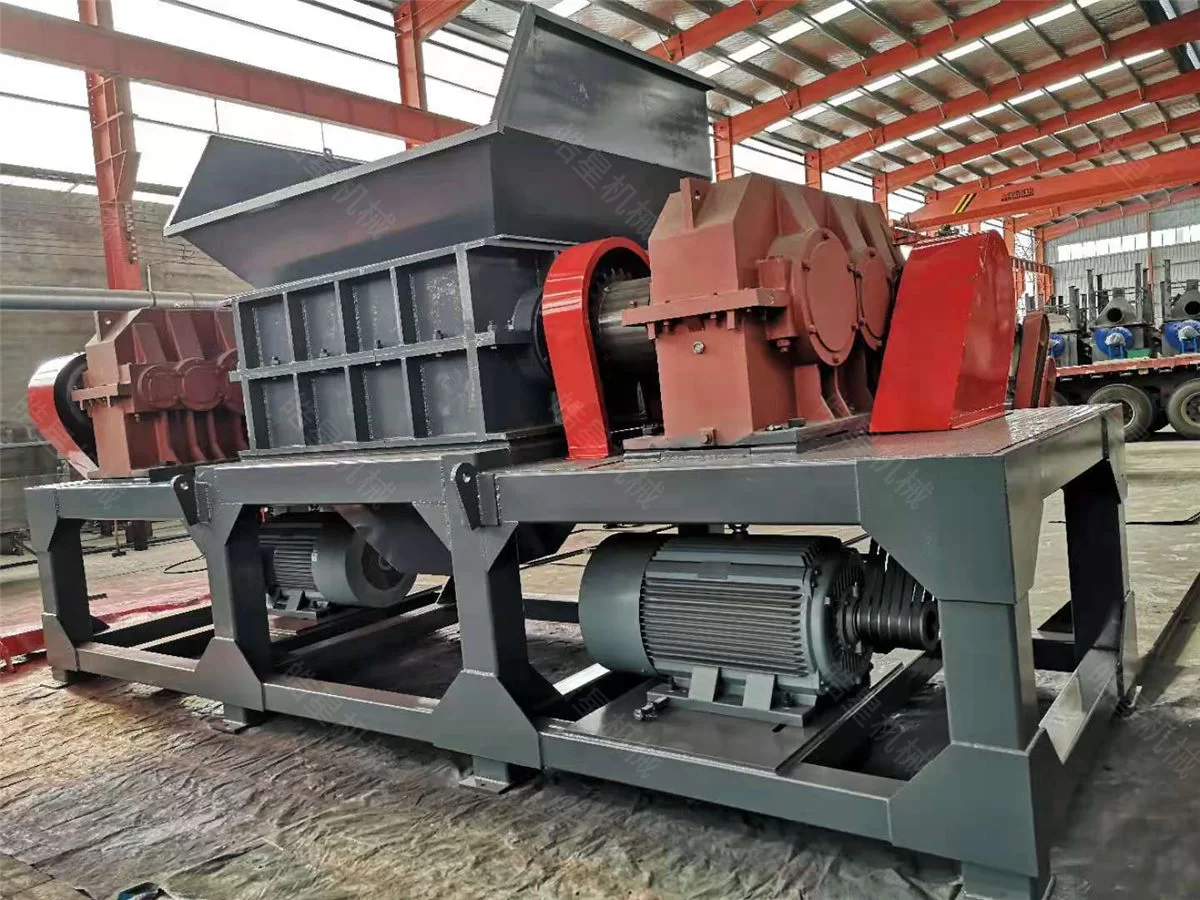
Scrap Metal Shredder

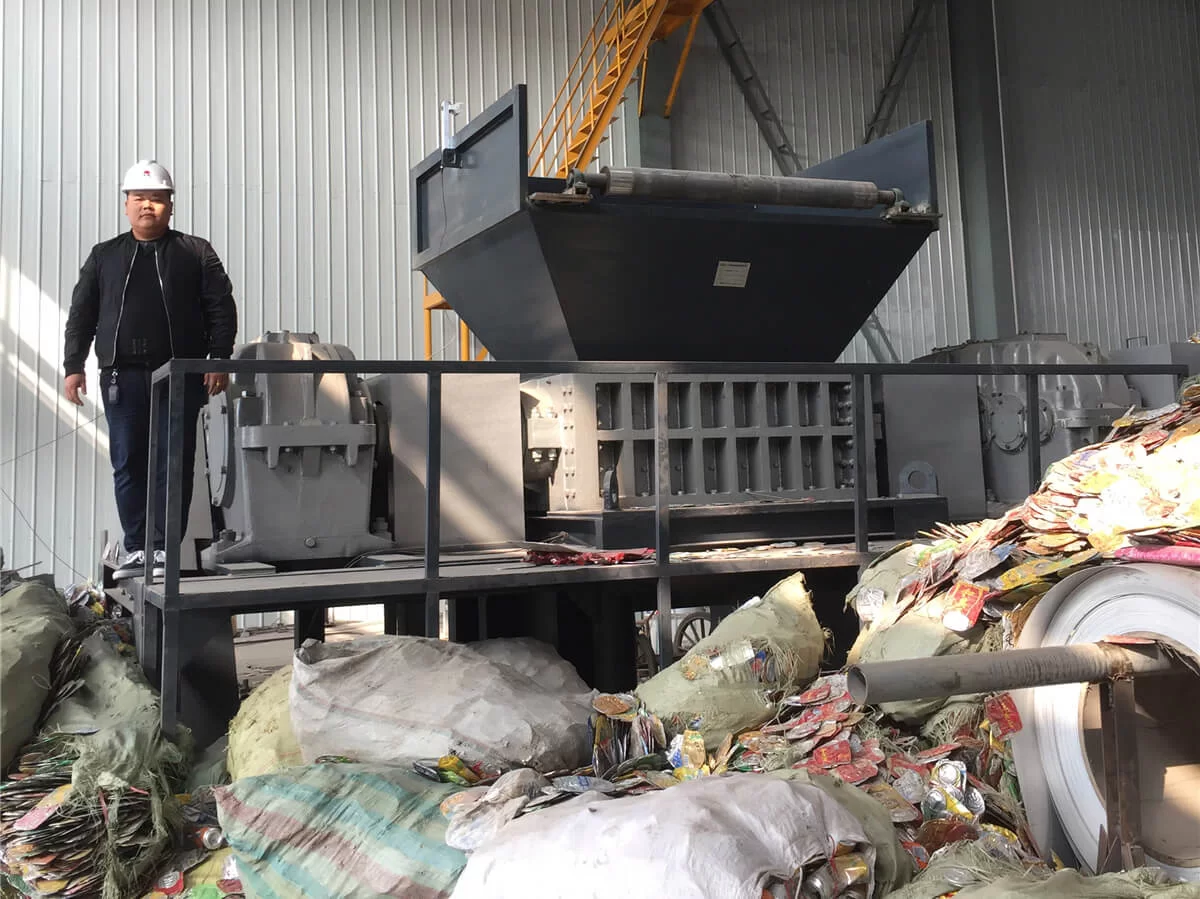
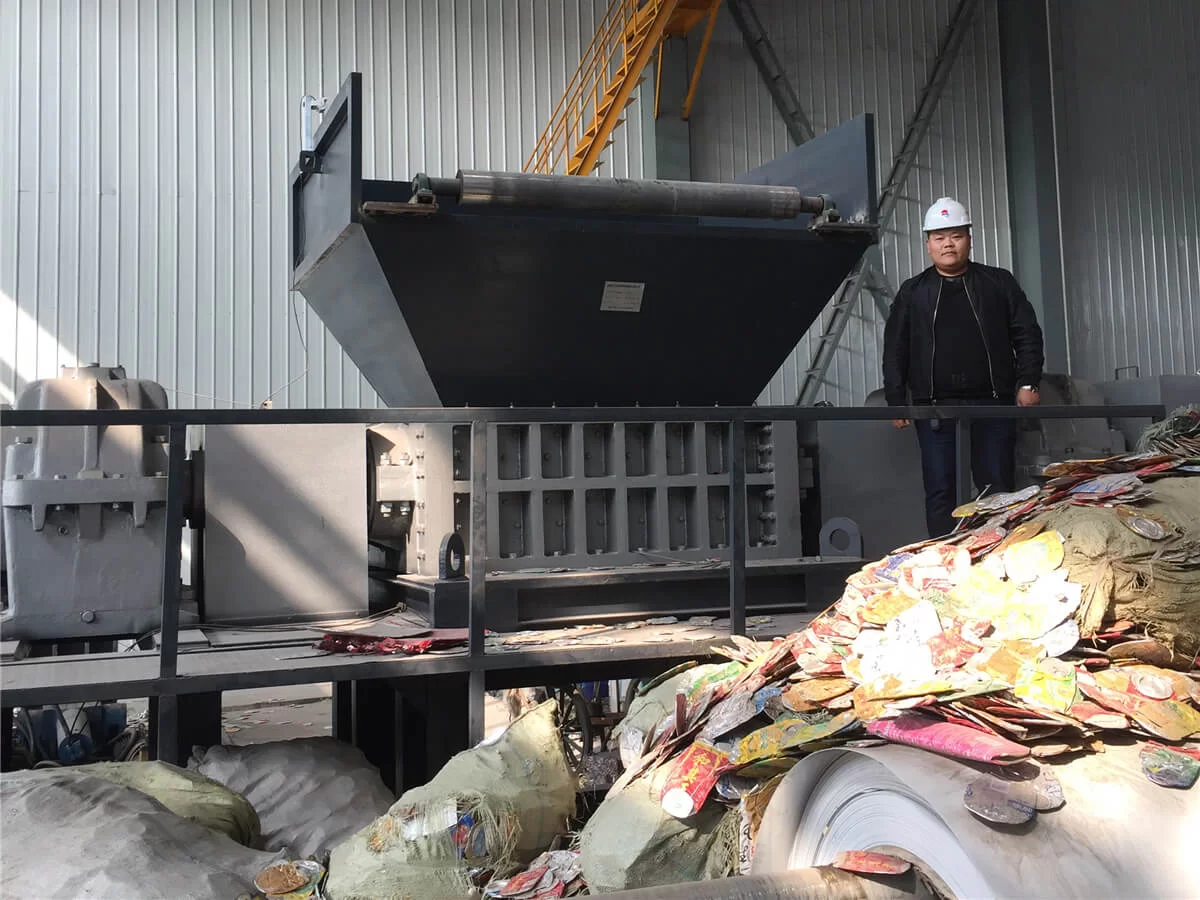
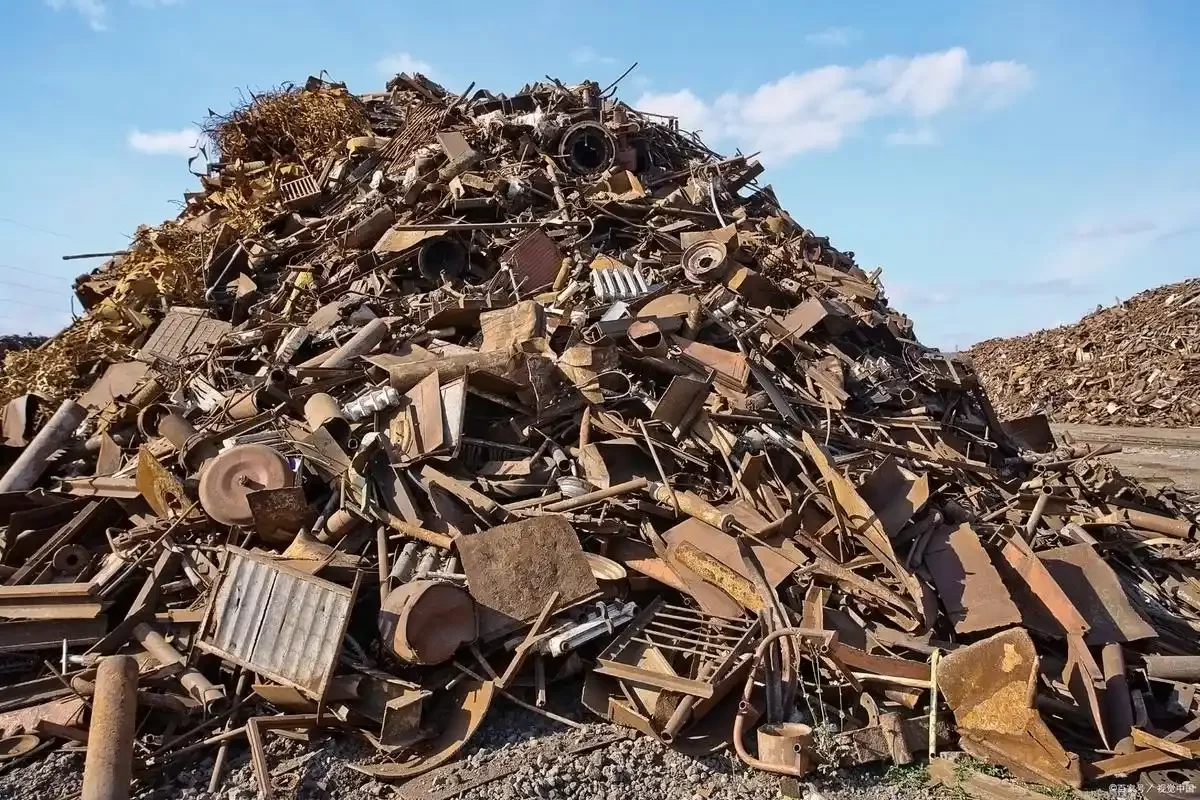
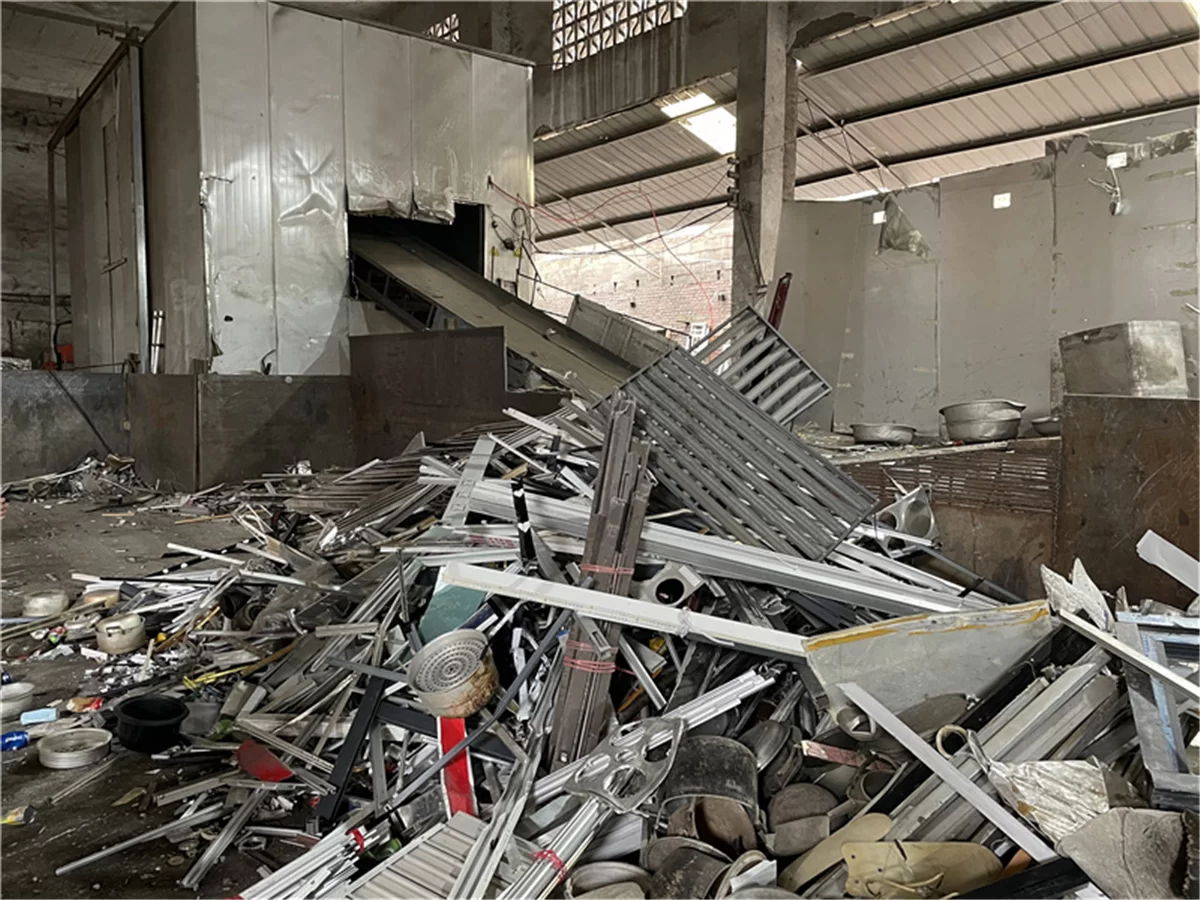
Applicable Materials: Prepared light scrap steel, scrap iron sheets, empty metal drums, cleaned paint buckets, appliance shells, bicycle and motorcycle frames, aluminum profiles, metal fabrication offcuts and selected mixed metal scrap suitable for low-speed twin shaft shredding.

Product Parameters

Key technical information for quick evaluation.

Power
2×11 kW–90 kW motors
Production Capacity
0.6t/h-8t/h(View Specs)
Output Size
The coarse crushing effect and particle size are determined by the number of cutter claws.
Production Line Composition
Scrap metal shredder main unit, feed hopper, two cutter shafts, alloy cutter discs, two gear reducers, drive motors, reinforced frame, electric control cabinet, automatic reverse protection and safety guards. Optional equipment includes feeding and discharge conveyors, scrap metal crusher, magnetic separator, sorting platform, baling equipment and dust collection system.
Reference Price
(Price varies by model. See specs or call.)
Product Details

Scrap Metal Shredder

Review the equipment introduction, working principle, advantages and technical specifications in one clear page.

01

Equipment Introduction

Scrap Metal Shredder

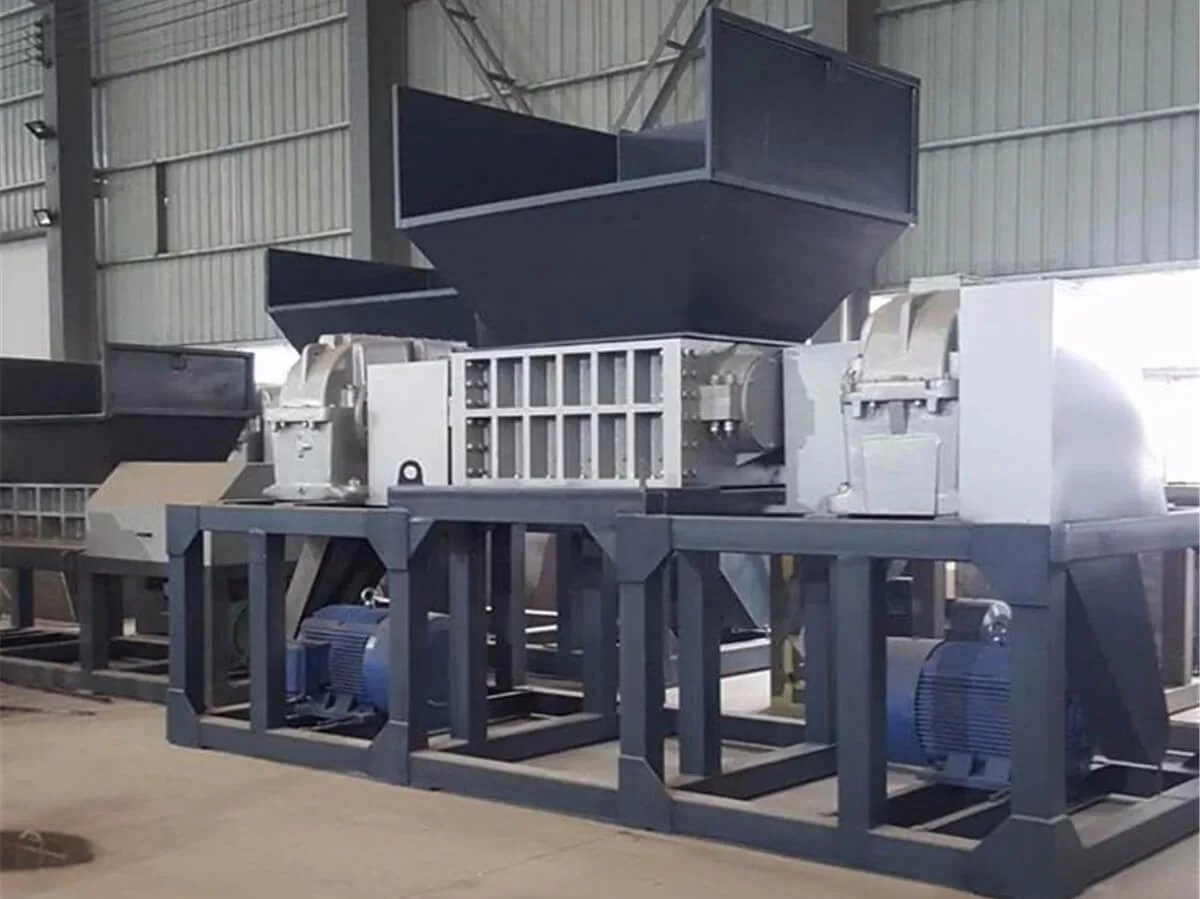
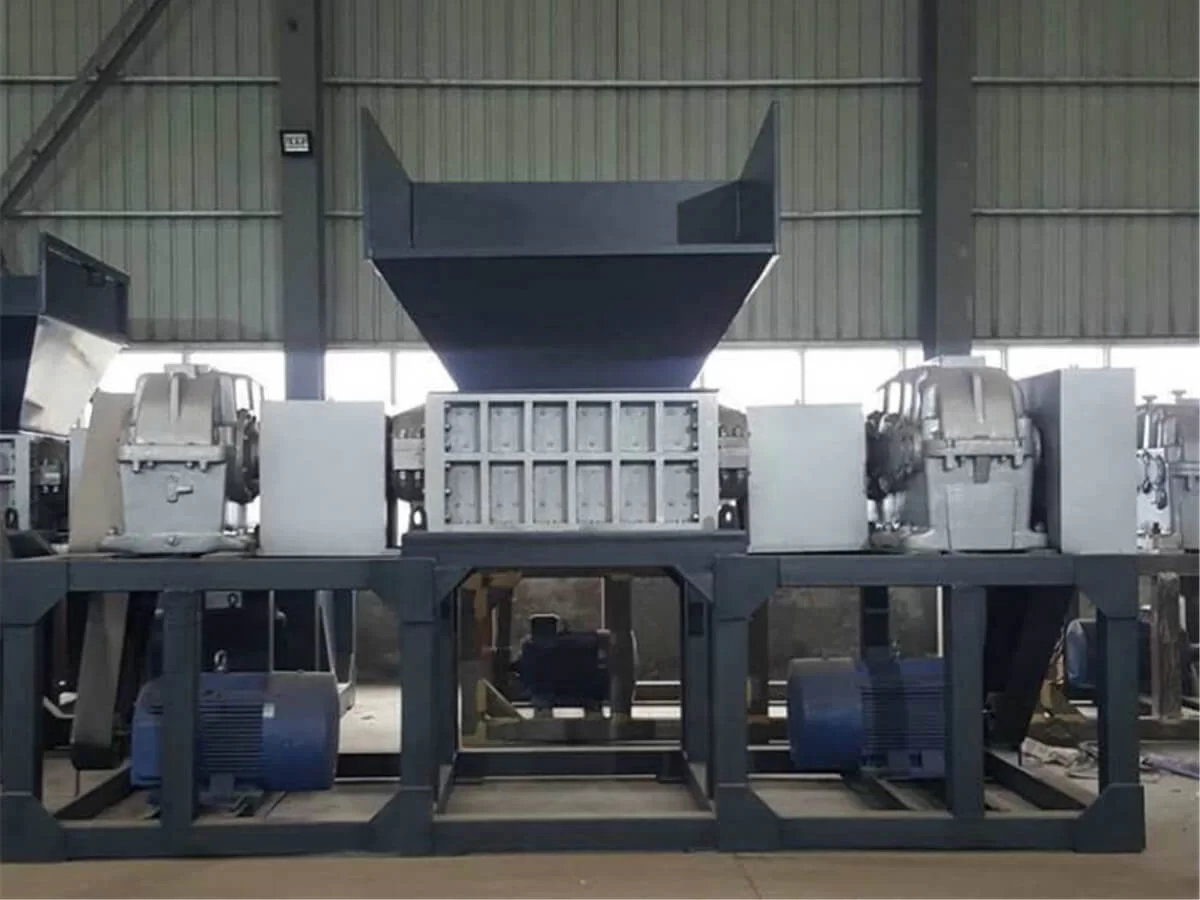
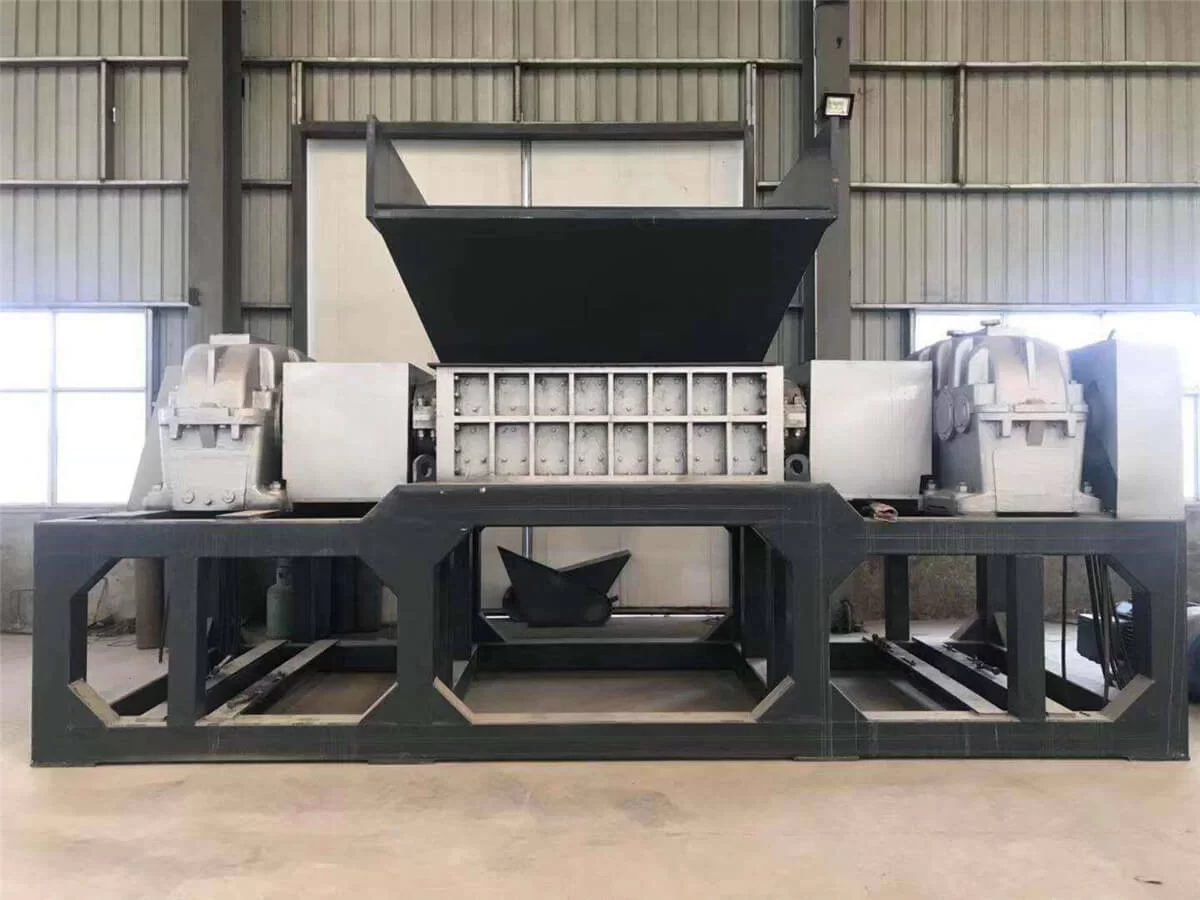
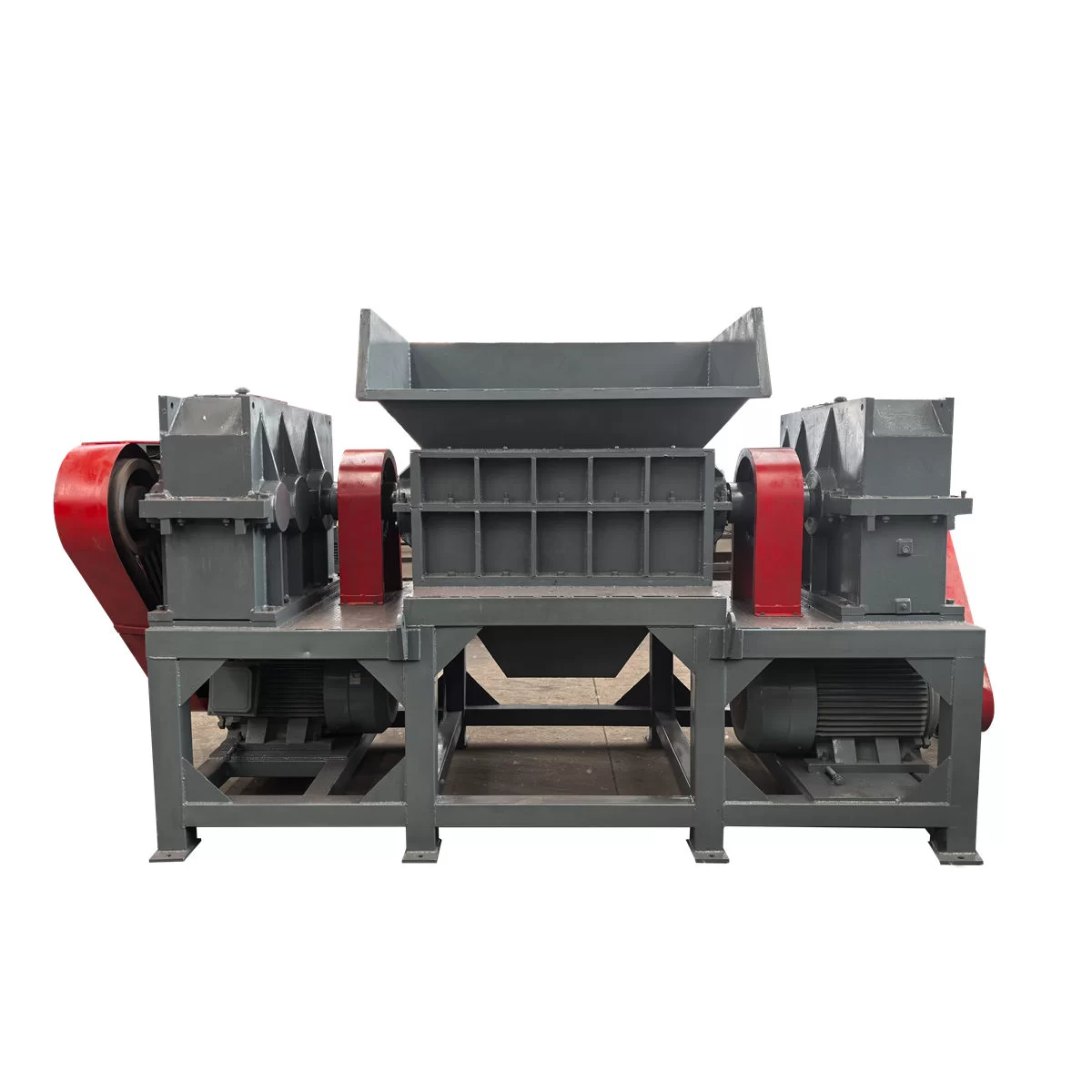
The scrap metal shredder is a low-speed, high-torque machine used for the primary size reduction of bulky, loose and irregular metal waste. It is commonly used in scrap yards, metal recycling facilities, dismantling plants and industrial waste processing sites.

Suitable materials may include light scrap steel, scrap iron sheets, prepared aluminum profiles, empty metal drums, paint buckets, appliance shells, bicycle and motorcycle frames, aluminum cans and selected mixed metal waste. The material dimensions, thickness, density and internal composition must be evaluated before the shredder model and cutter configuration are selected.

The machine uses two counter-rotating cutter shafts to grip, shear and tear scrap metal into smaller, loose pieces. The shredded output is normally coarse and irregular, making it easier to convey, inspect, sort, bale or feed into downstream processing equipment.

Bulky or difficult-to-feed material can first be reduced by the shredder before entering a scrap metal crusher for secondary hammer crushing and screen-controlled size reduction. The need for secondary crushing depends on the required output size and downstream recycling process.

After shredding, a magnetic separator may be used to recover exposed iron and steel from an appropriate mixed material stream. After ferrous metal removal, screening and suitable material preparation, an eddy current separator may be added when conductive non-ferrous metals need to be recovered from non-metallic residues.

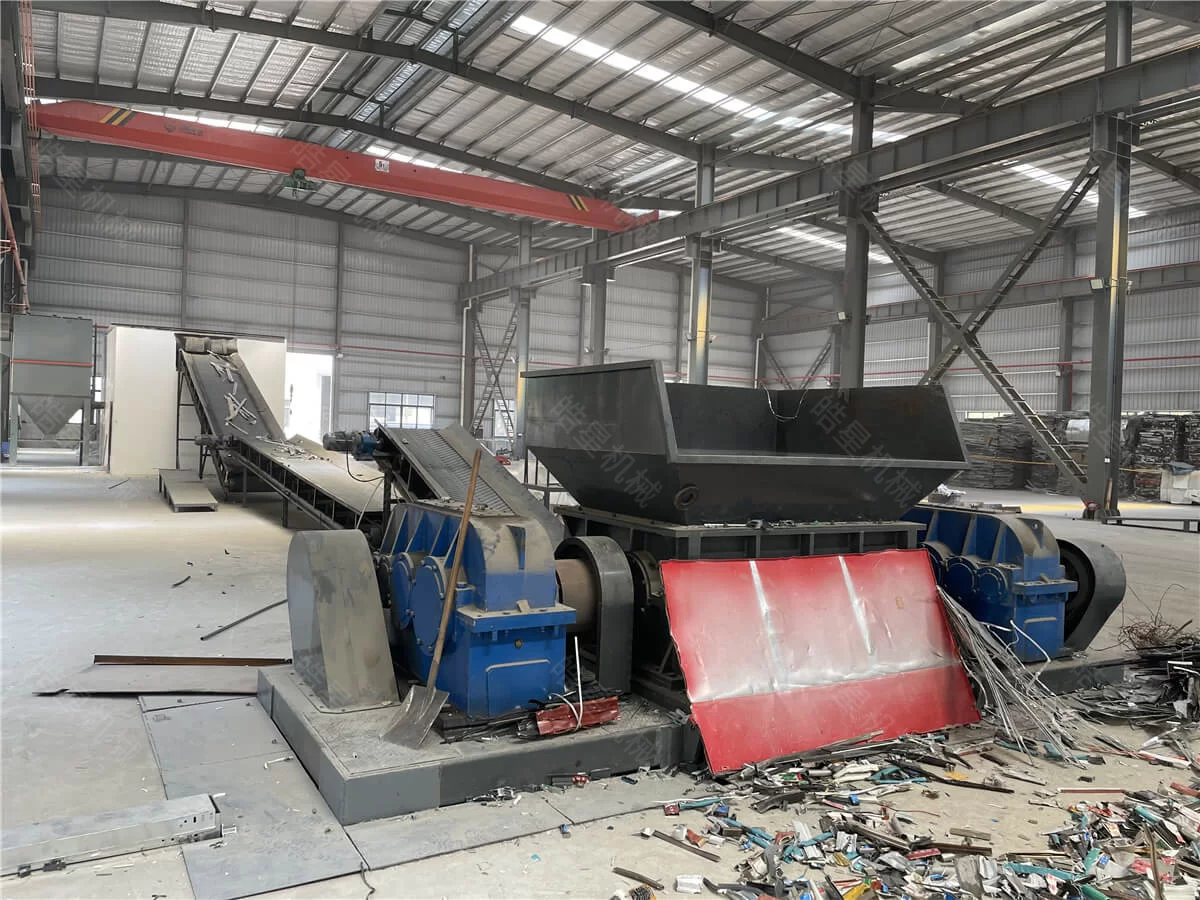
The scrap metal shredder can operate as an individual machine or form part of a recycling system with feeding and discharge conveyors, secondary crushing, magnetic separation, optional non-ferrous sorting, dust collection and centralized control. The final configuration depends on the raw material, required capacity, expected output and available installation space.

Diagram of the HXSS1200 Scrap Metal Shredder Shredding, Sorting, Iron Removal, and Conveying Operation Line:
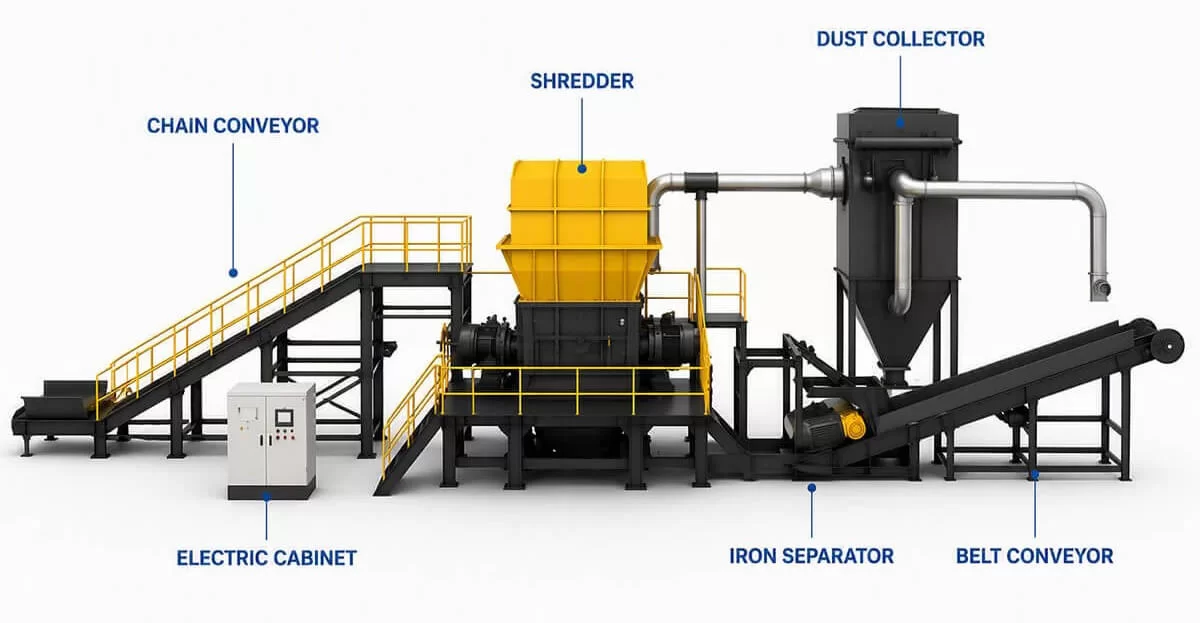

Scrap Metal Shredder

02

Working Principle

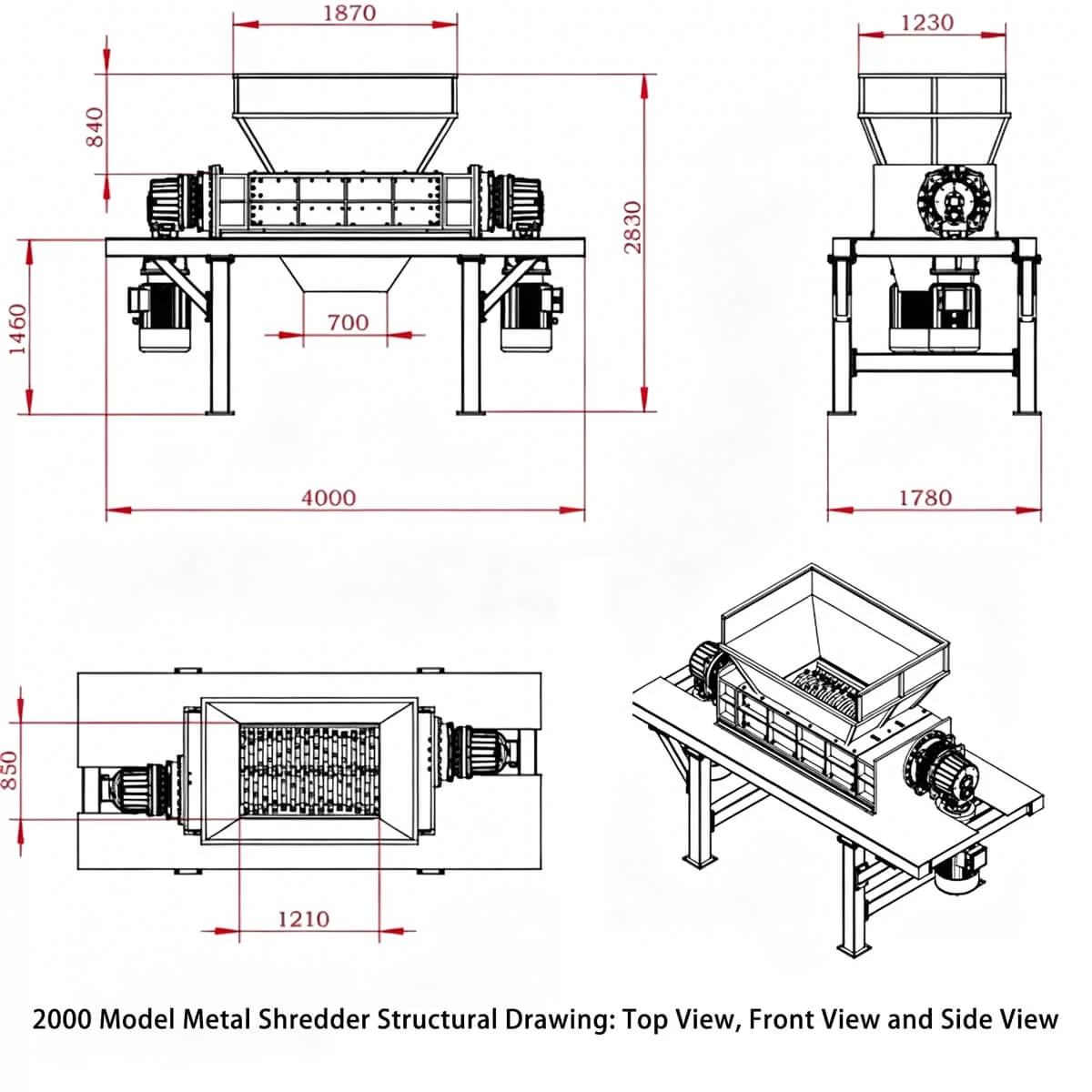
HXSS2000 Metal Dual-Shaft Shredder Plan and Elevation Structure and Dimension Diagram:

Metal shredder chassis structure

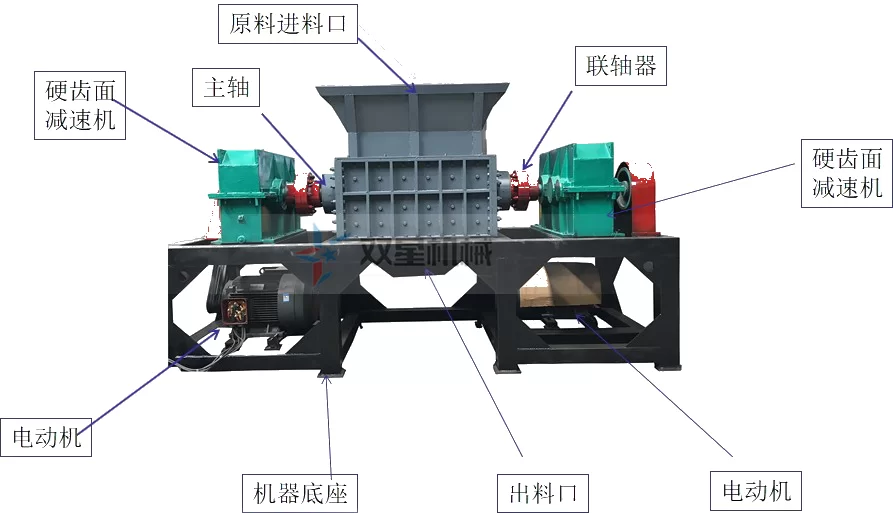
The scrap metal shredder is driven by high-torque motors and gear reducers. After power is transmitted through the reducers, the rotational speed is reduced and the torque is increased, driving the two cutter shafts to rotate at low speed and high torque.

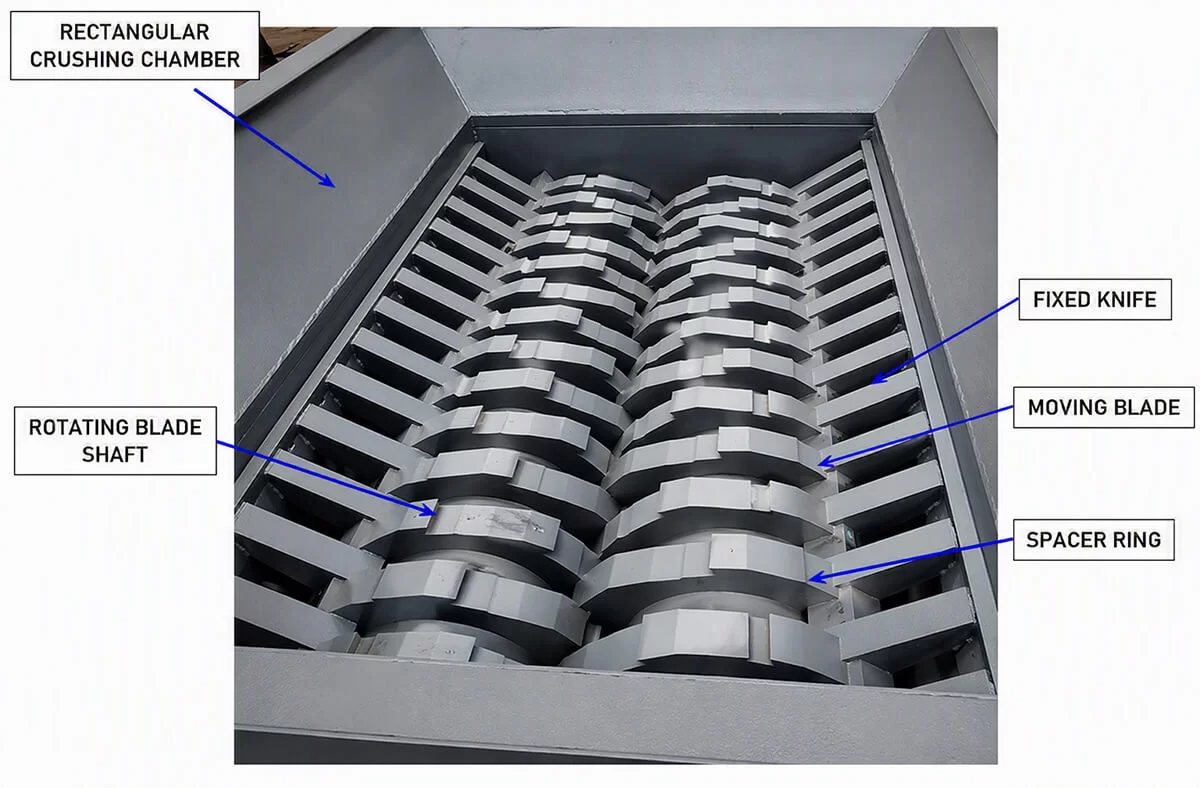
When scrap metal enters the shredding chamber through the feed hopper, the cutter discs on the two shafts grab and pull the material into the cutting area. The two counter-rotating shafts then shear, tear and squeeze the material into smaller loose pieces.

The shredded material is discharged from the lower part of the shredding chamber. The output is normally coarse and irregular. Its condition depends on cutter thickness, tooth shape, blade spacing, shaft speed, material type, feeding amount and the number of cutting passes.

When smaller or more consistent output is required, the shredded material can be transferred to a downstream crusher for secondary size reduction. A twin shaft metal shredder does not normally produce the same precise, screen-controlled output as a hammer crusher.

The scrap metal shredder can work with feeding conveyors, discharge conveyors, magnetic separators, scrap metal crushers, eddy current separators, dust collectors and other supporting equipment according to the recycling process.

03

Features and Advantages

Actual structure diagram of the shredding chamber of the hxss2000 metal shredder:

2000 Model Metal Shredder Plan View and Elevation

  • Heavy-duty machine body: The main machine body is welded with thick steel plates. The reinforced structure is suitable for continuous shredding of scrap metal, metal sheets, drums, appliance shells and other recyclable metal materials.

  • Low-speed and high-torque shredding: The equipment uses high-torque motors and gear reducers to drive the cutter shafts. Low-speed operation provides strong shearing force and helps reduce impact, noise and dust compared with high-speed crushing equipment.

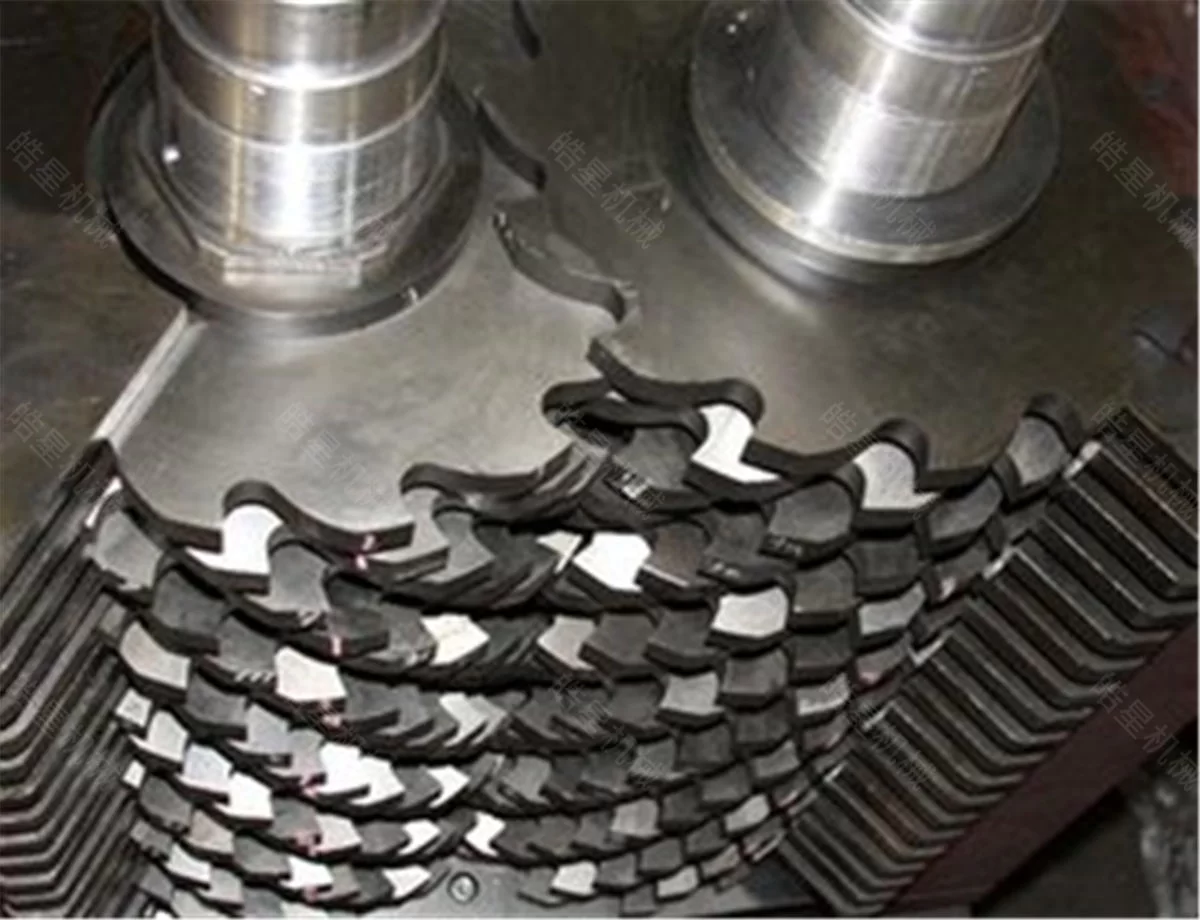
  • Alloy cutter discs: The cutter discs are made of wear-resistant alloy materials. Cutter thickness, tooth shape and blade arrangement can be customized according to material type and required output size.

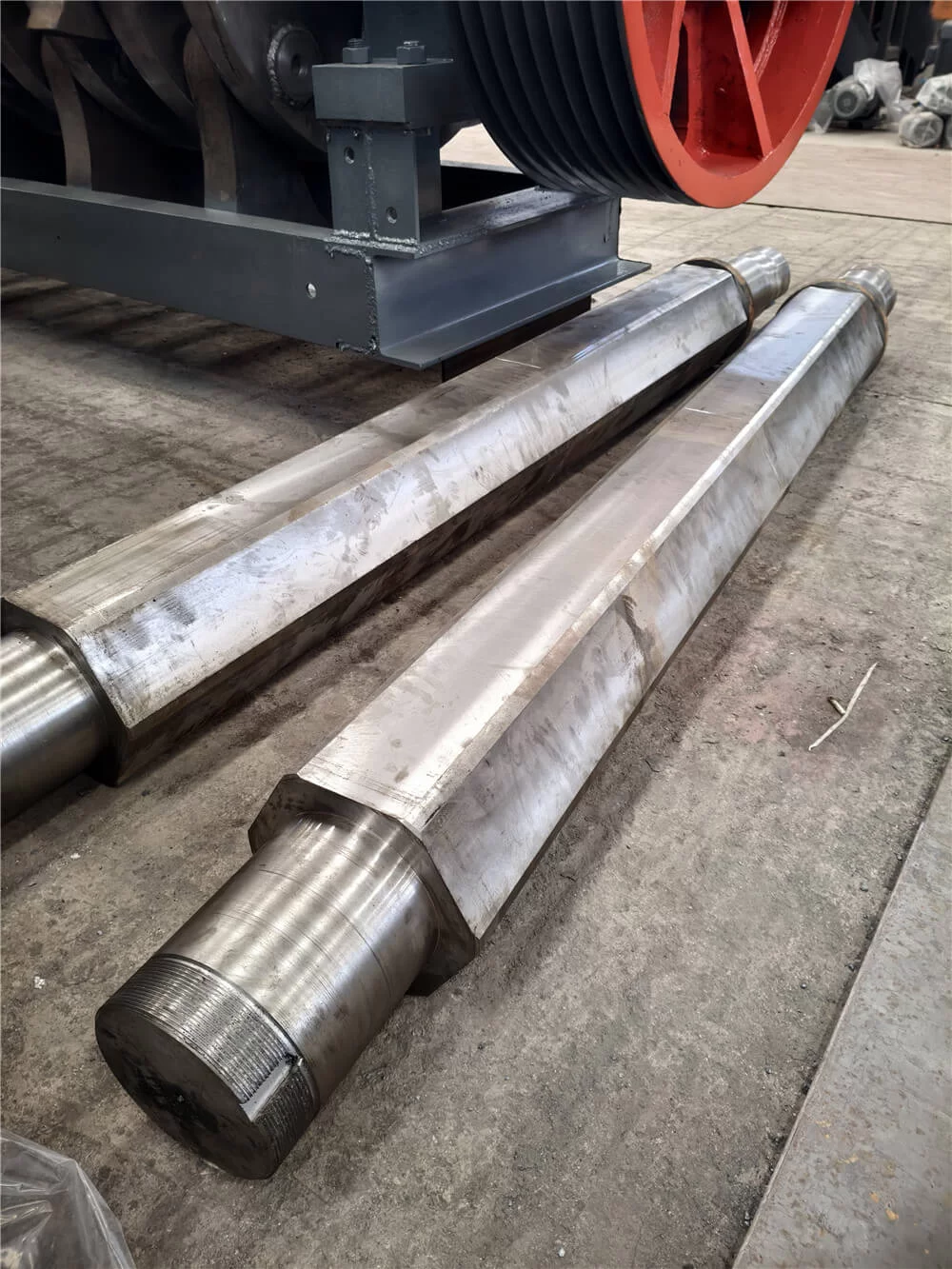
  • External bearing design: The external bearing housing design helps reduce dust and metal chips entering the bearing area. It also makes bearing inspection, disassembly and maintenance more convenient.

  • Replaceable wear parts: The cutter discs and other wear parts can be repaired or replaced according to actual wear condition. This helps simplify maintenance during long-term operation.

  • Flexible cutter configuration: Different cutter tooth shapes and cutter thicknesses can be selected according to different materials, such as light scrap metal, aluminum scrap, metal drums, appliance shells, paint buckets and mixed recyclable metal materials.

  • Easy integration with recycling lines: The scrap metal shredder can be used as a standalone machine or connected with feeding conveyors, discharge conveyors, magnetic separators, scrap metal crushers, eddy current separators, dust collectors and collection systems.

04

Technical Specifications

Parameter description diagram for Metal Shredder | Industrial Scrap Metal Shredding Machine | Haoxing Machinery:

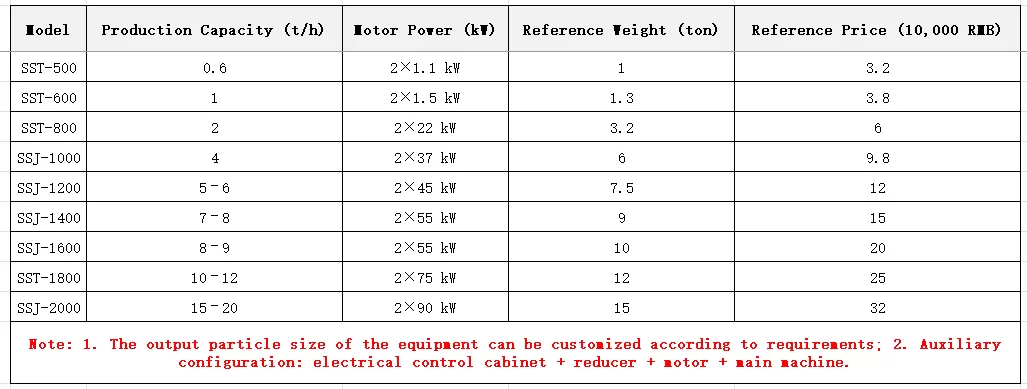
Metal Shredder Model Parameter Price List

The scrap metal shredder is a widely used shredding machine for primary size reduction of recyclable metal materials. It adopts a dual-shaft structure and works at low speed with high torque. After motor power is transmitted through the gear reducers, the cutter shafts rotate with higher torque to shear and tear scrap metal materials.

Low-speed operation can help reduce impact and noise compared with high-speed crushing equipment. The external bearing design helps reduce dust and metal chips entering the bearing area, making inspection and maintenance more convenient.

Motor power, cutter thickness, feeding size, chamber size and processing capacity can be customized according to material type, material thickness, feeding method, required output size and site layout.


FAQ

Frequently Asked Questions

Find common questions about scrap metal crushers, shredders, recycling lines, equipment selection, capacity configuration and operation requirements.

QCan a metal shredder be used with conveyors and magnetic separation equipment?

A

Yes. A metal shredder can work with feeding conveyors, discharge conveyors, magnetic separators, dust removal systems, and electrical control cabinets. For mixed scrap metal recycling, additional equipment such as screening machines or eddy current separators can also be added according to recovery requirements.

QWhat parts of a metal shredder need regular maintenance?

A

Regular maintenance mainly includes checking the cutters, bearings, lubrication system, reducer, motor, bolts, electrical control system, and shredding chamber. Operators should also remove hard foreign objects in time to reduce wear and keep the machine running steadily.

QCan the output size of a metal shredder be adjusted?

A

Yes. The output size can be adjusted by changing cutter thickness, shaft structure, screen configuration, or downstream crushing equipment. If you need a specific discharge size for baling, melting, or further separation, the machine configuration should be confirmed before production.

QIs the pipe on the rotor bearing seat used for automatic grease lubrication?

A

Yes. Some metal shredder models can be equipped with centralized or automatic lubrication points for the rotor bearing seat. This helps reduce maintenance work and extend bearing service life.

QCan I visit the project site shown in the video?

A

If a suitable project site is available near your area, we can help arrange a visit. Please provide your location, material type, and expected capacity.

QCan customers visit the factory or test the machine before purchase?

A

Yes. Factory visits and test runs can be arranged when conditions allow. Please provide your material type, location, and expected capacity so that a suitable test plan or reference site can be recommended.

QCan you provide complete technical parameters for a metal shredder line?

A

Yes. Technical parameters such as motor power, cutter size, processing capacity, feeding size, discharge size, conveyor configuration, and overall dimensions can be provided according to the selected model and customer requirements.

QCan galvanized sheets and oversized scrap steel be processed by a metal shredder?

A

Yes. A metal shredder can process galvanized sheets, oversized scrap steel, metal plates, drums, and other bulky metal waste. The equipment model, cutter thickness, and motor power should be selected according to material size and thickness.

QWhat size of material can a metal shredder handle?

A

The material size that a metal shredder can handle depends on the shredder model, cutter box size, motor power, and feeding method. Common materials such as scrap steel, metal sheets, drums, and car shell scrap can be processed with the right configuration.

QCan a metal shredder process car shells?

A

Yes. A metal shredder can process car shells, scrap steel, metal drums, color steel tiles, light metal scrap, and other recyclable metal materials. The final configuration should be selected according to material size, thickness, and required capacity.

Post a Question

Leave your question about material type, capacity, equipment model or recycling line configuration.

Verification code
Get A Quote

Get Instant Pricing & Specs

Send your email and tell us your material type, capacity requirement and site condition. Our team will provide equipment selection, technical specifications and quotation details.

  • Model recommendation
  • Capacity configuration
  • Recycling line quotation

Request Product Details

We usually reply with equipment details and pricing information as soon as possible.

WhatsApp
💬
WhatsApp
WhatsApp QR Code
Scan or click to chat with us on WhatsApp.