🏭 Category: Twin Shaft Shredder

Baled Scrap Shredder

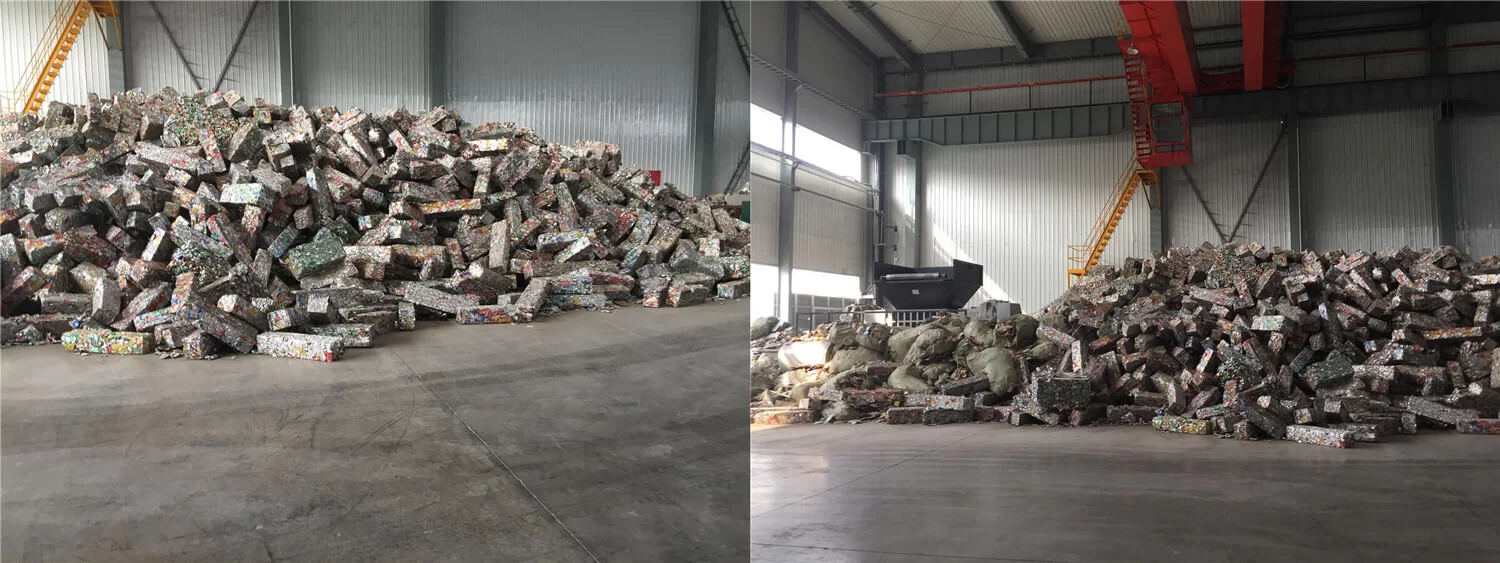
Applicable Materials: Scrap steel bales,Iron briquettes,Metal chip briquettes,Baled aluminum cans,Baled auto shredder scrap,Light-gauge baled scrap,Stainless steel briquettes,Aluminum bales,Copper briquettes,Other baled metal materials produced by metal balers,Suitable bale size is generally from 400×400mm to 600×600mm and below. Actual performance depends on material density, hardness and required output size.

Product Parameters

Key technical information for quick evaluation.

Power
2*11kW-2*90kW(View Specs)
Production Capacity
0.8t/h-8t/h(View Specs)
Output Size
Coarse crushing effect, size is determined by the number of cutter teeth
Production Line Composition
Main shredder host,Distribution cabinet,2 gear reducers,2 motors,Magnetic separator,Eddy current separator,Feeding conveyor,Discharge conveyor,
Reference Price
(Price varies by model. See specs or call.)
Product Details

Baled Scrap Shredder

Review the equipment introduction, working principle, advantages and technical specifications in one clear page.

01

Equipment Introduction

Baled Scrap Shredder

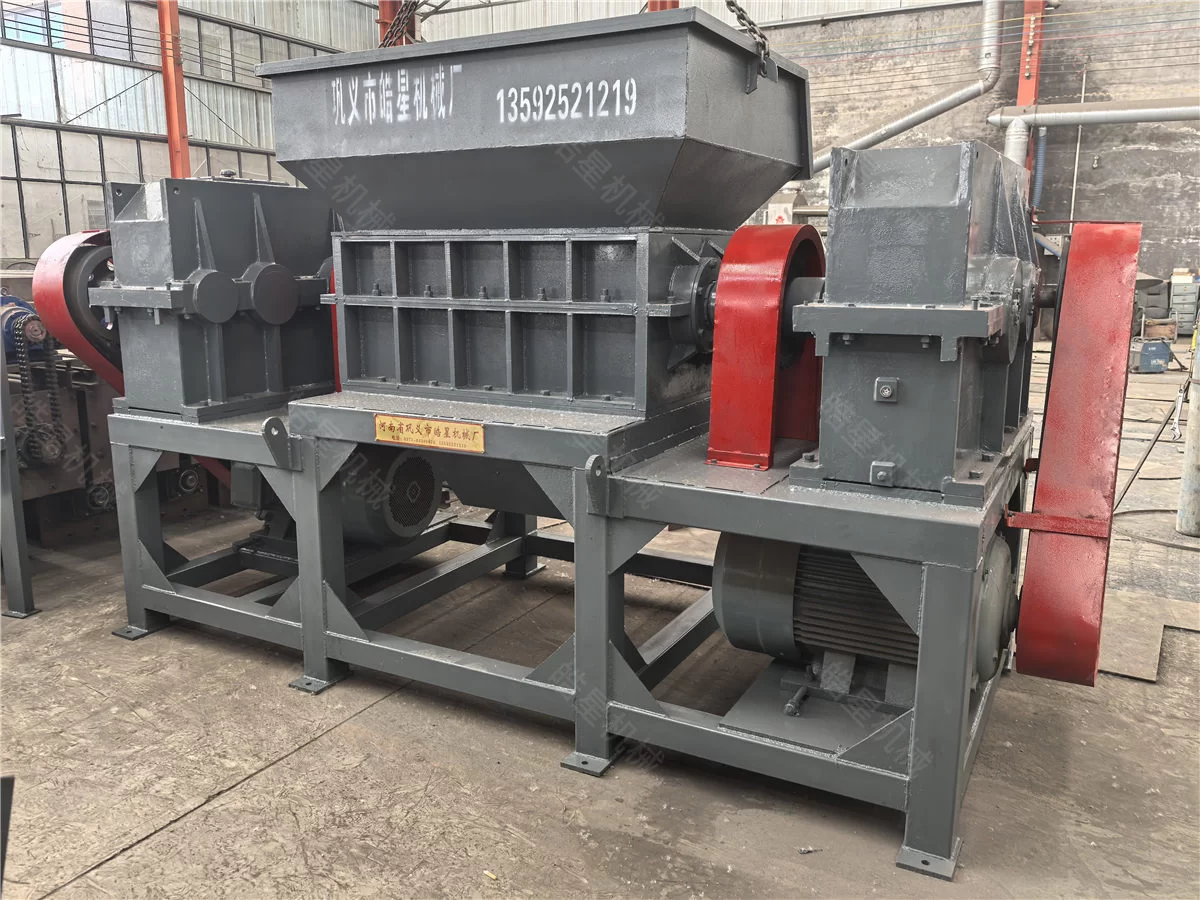
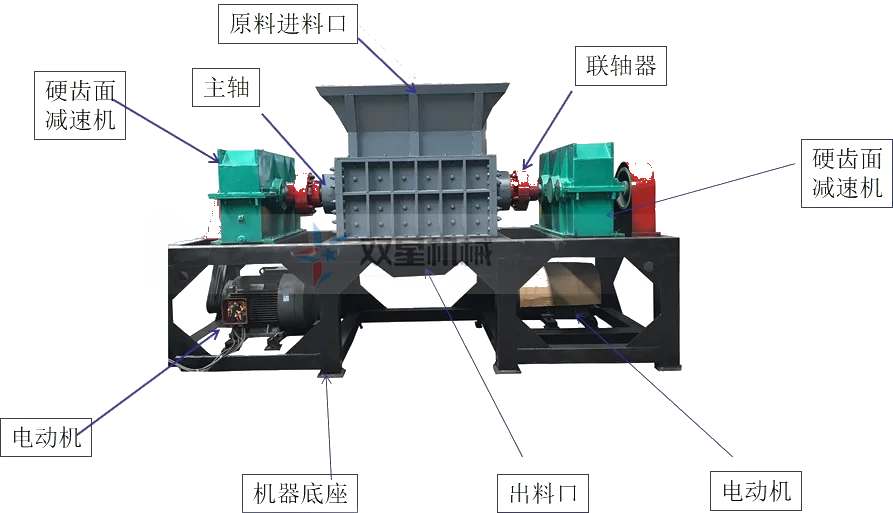
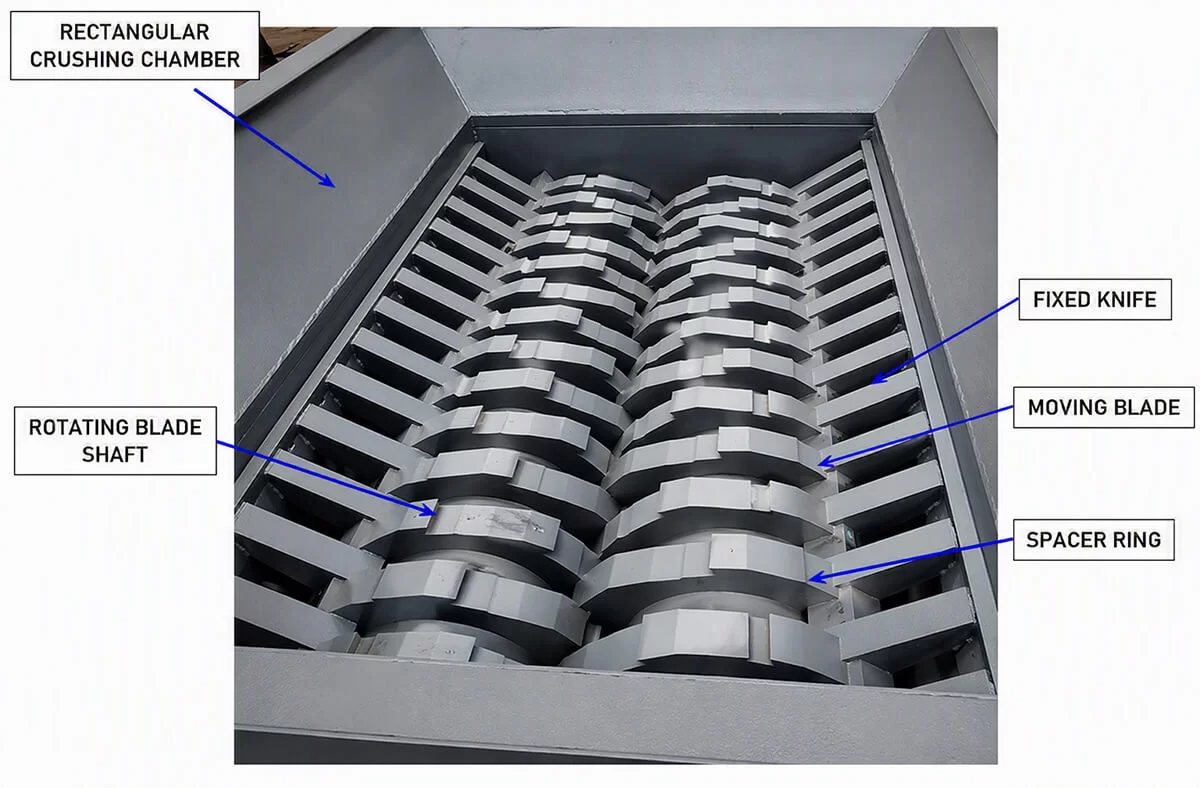
Briquette Shredder Main Machine Structure Diagram

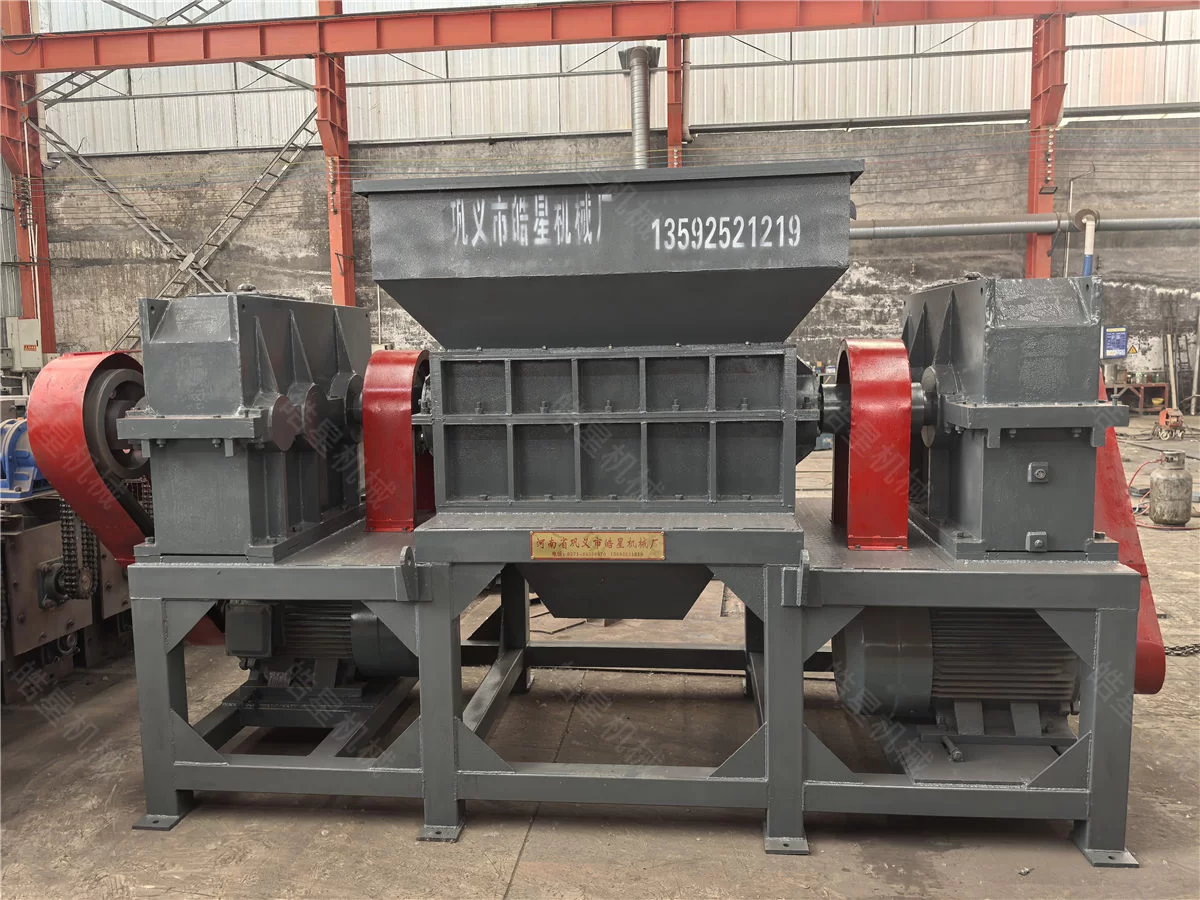
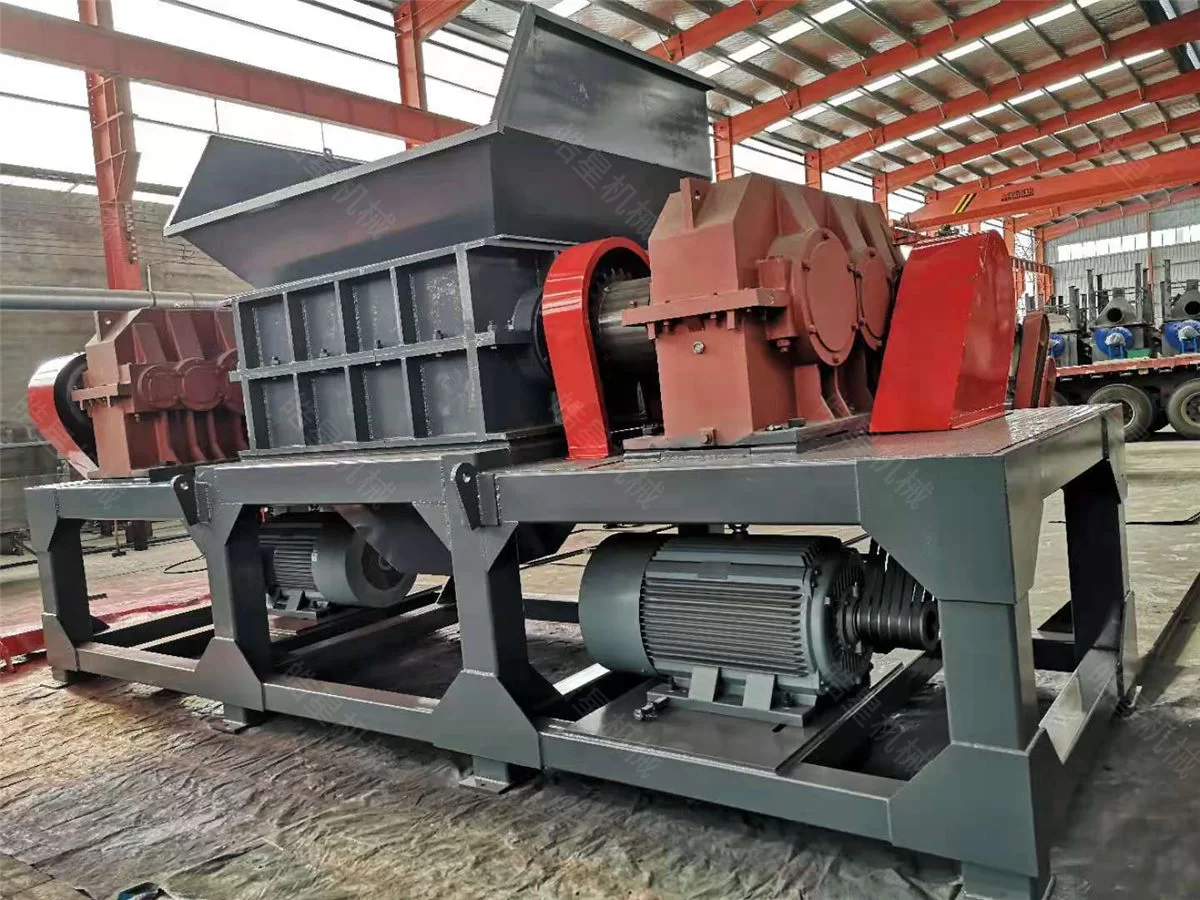
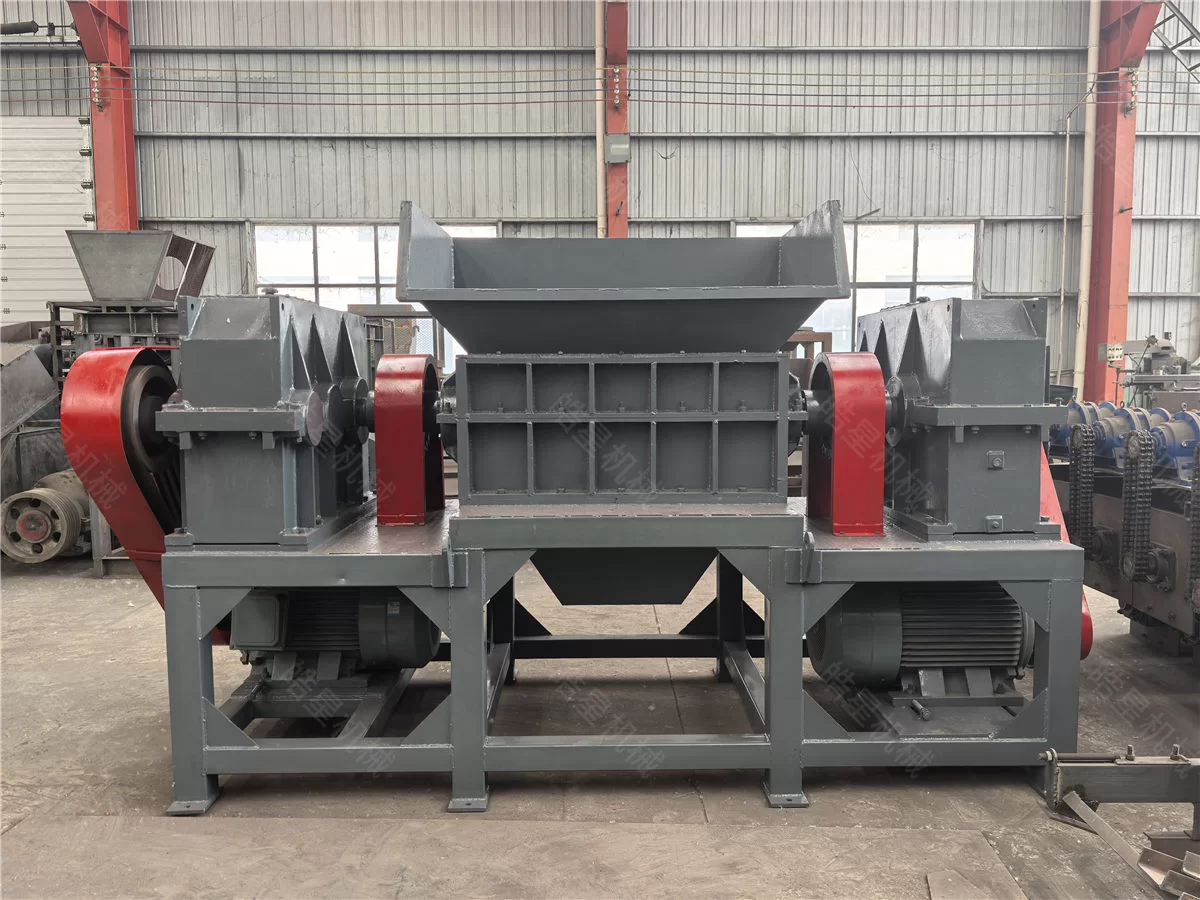
The Baled Scrap Shredder, also called a Metal Briquette Shredder, is a heavy-duty dual-shaft shear shredder designed for processing compressed scrap metal bales, iron briquettes, aluminum bales, metal chip briquettes and other baled metal materials.

It is mainly used as a pre-shredding machine for high-density metal bales produced by metal balers. The common bale size range is from 400×400mm to 600×600mm and below. Through low-speed, high-torque tearing, squeezing and shearing action, the machine opens compacted metal bales and turns them into smaller, loose fragments for easier conveying, crushing, sorting or furnace feeding.

In a scrap metal recycling line, the Baled Scrap Shredder is usually installed before the hammer mill crusher. Pre-shredded material can be sent to a scrap metal hammer mill, magnetic separator, eddy current separator or other downstream equipment. In some applications, the output can also be used directly as furnace feedstock.

For recycling plants that regularly process scrap steel bales, light-gauge baled scrap, aluminum bales and mixed metal briquettes, this machine helps reduce the load on downstream crushers, improve line stability and reduce wear on hammers, liners and screens.


  • Pre-shredding of baled scrap at metal recycling facilities.

  • Steel mill furnace feed preparation.

  • On-site shredding at metal baling and packaging stations.

  • Pre-crushing of baled ELV (End-of-Life Vehicle) scrap.

  • Recovery and processing of non-ferrous (aluminum, copper) briquettes.

Baled Scrap Shredder

02

Working Principle

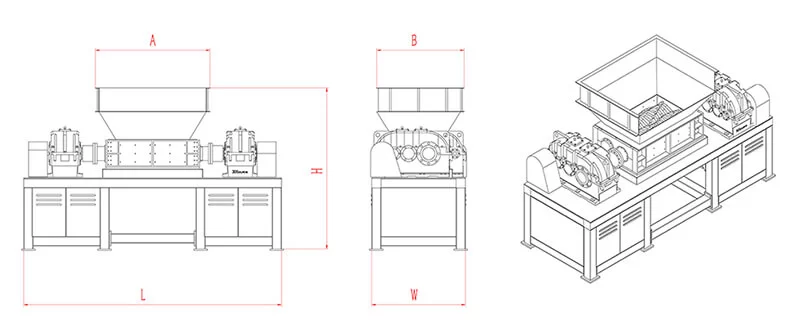
Shredder structure diagram

Front, side, and elevation structure of the hxss1200 briquette shredder

The Baled Scrap Shredder adopts a dual-shaft low-speed shearing structure. It mainly uses two counter-rotating cutter shafts to tear, squeeze and shear high-density compressed metal bales. Instead of relying on high-speed impact, the machine uses low-speed and high-torque biting force to gradually open compacted metal bales and turn them into smaller, looser fragments for easier crushing, sorting, conveying or furnace feeding.

Feeding Process

Metal bales are fed into the large feed hopper by conveyor, grapple, loader or other feeding equipment. The hopper opening direction, size and height can be customized according to bale dimensions, feeding method and site layout.

For common metal bales of 400×400mm, 500×500mm, 600×600mm and below, a properly designed feed hopper can reduce jamming and allow the material to enter the shredding chamber more smoothly.

Dual-Shaft Shearing

After entering the shredding chamber, the material is processed by two parallel cutter shafts driven by motors and heavy-duty gear reducers. The shafts rotate slowly in opposite directions, while high-strength alloy blades mounted on the shafts intermesh with each other.

Dense materials such as scrap steel bales, iron briquettes, aluminum bales and metal chip briquettes are gradually opened and shredded under repeated tearing, squeezing and shearing action. After shredding, the material becomes looser and more uniform, which is suitable for feeding into a scrap metal crusher or sorting system.

Discharge Process

Properly sized fragments fall through the cutter clearance and are discharged by conveyor to the next process. The shredded material can be sent to a scrap metal hammer mill for secondary crushing, or to magnetic separators and eddy current separators for metal separation.

According to process requirements, the output can also be collected directly as furnace feedstock or pre-processed recycling material. The output size can be adjusted by cutter structure, blade clearance and downstream processing requirements.

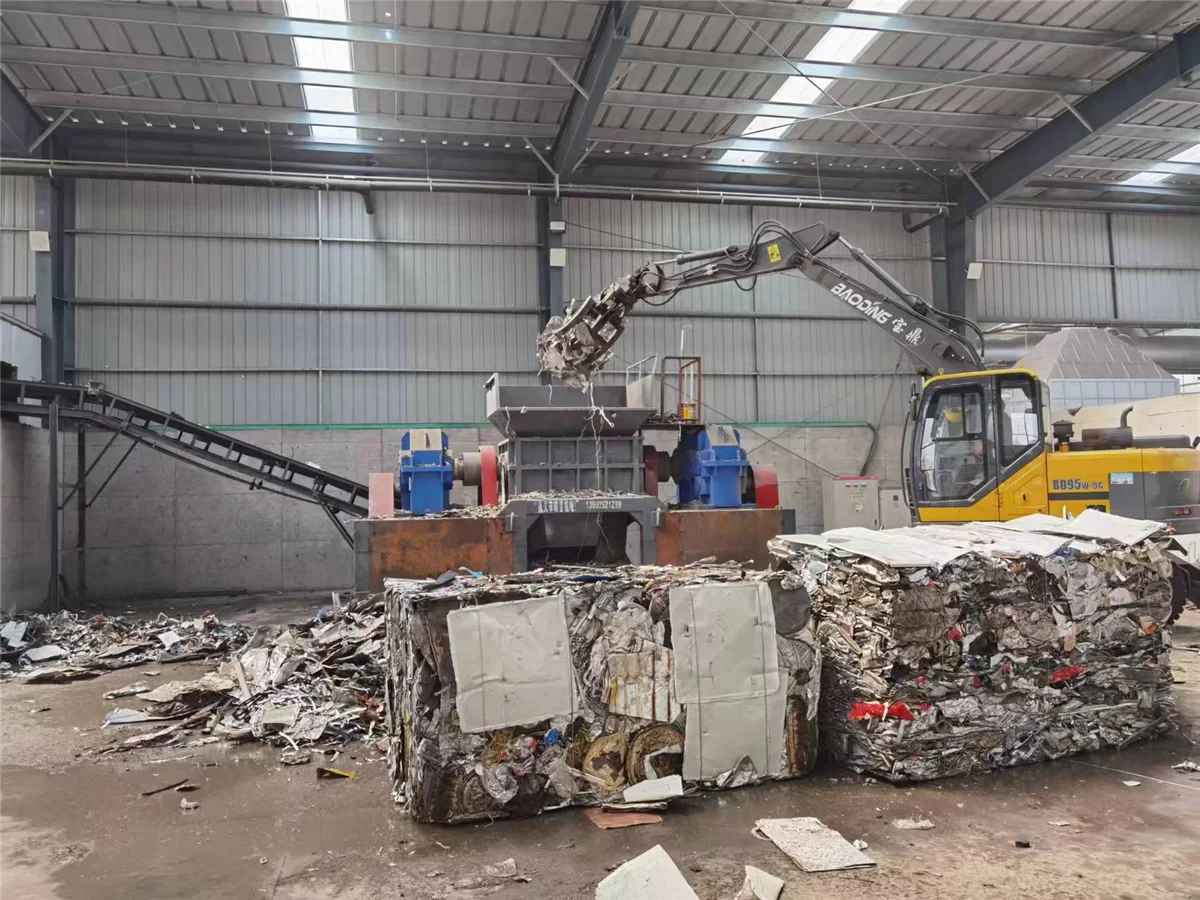
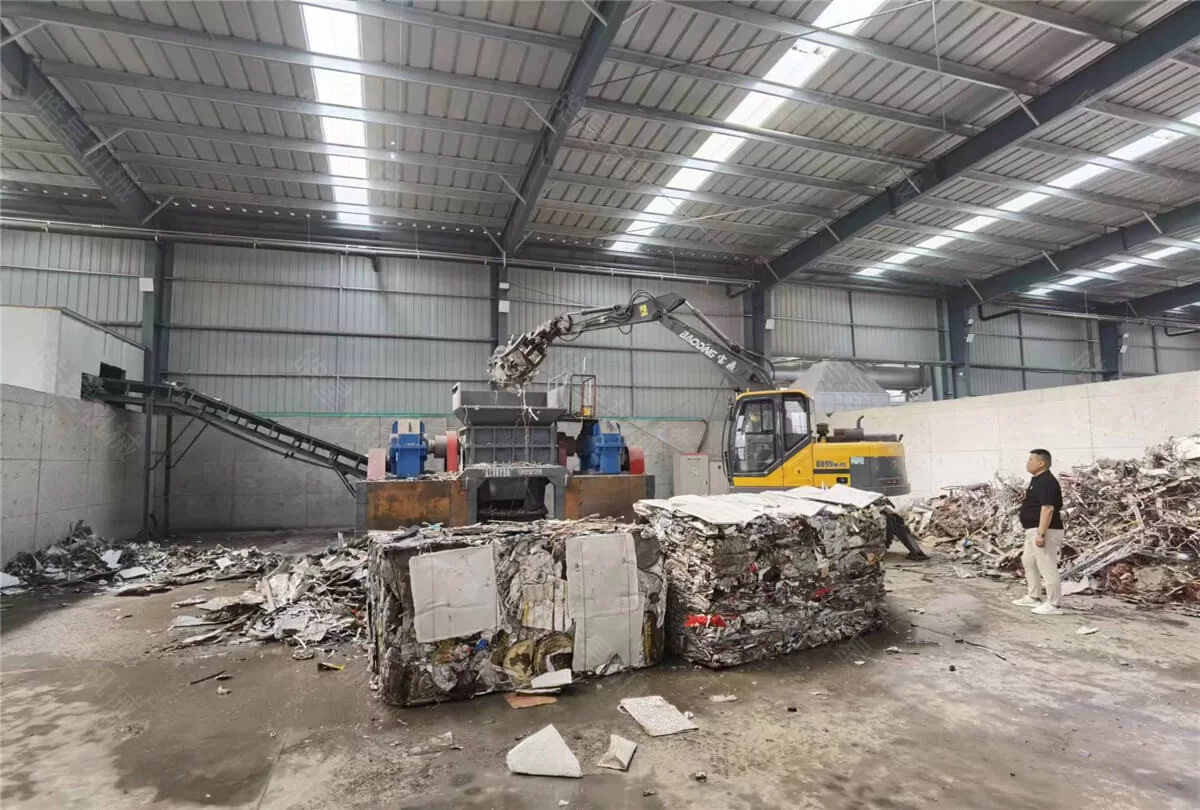
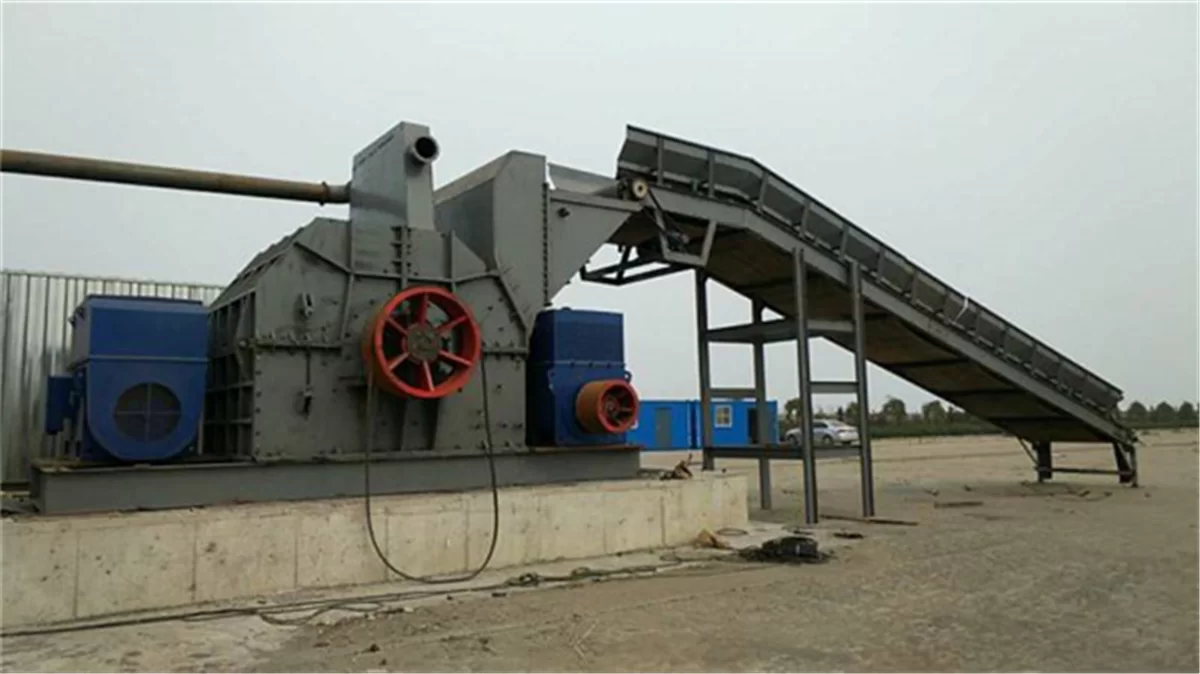
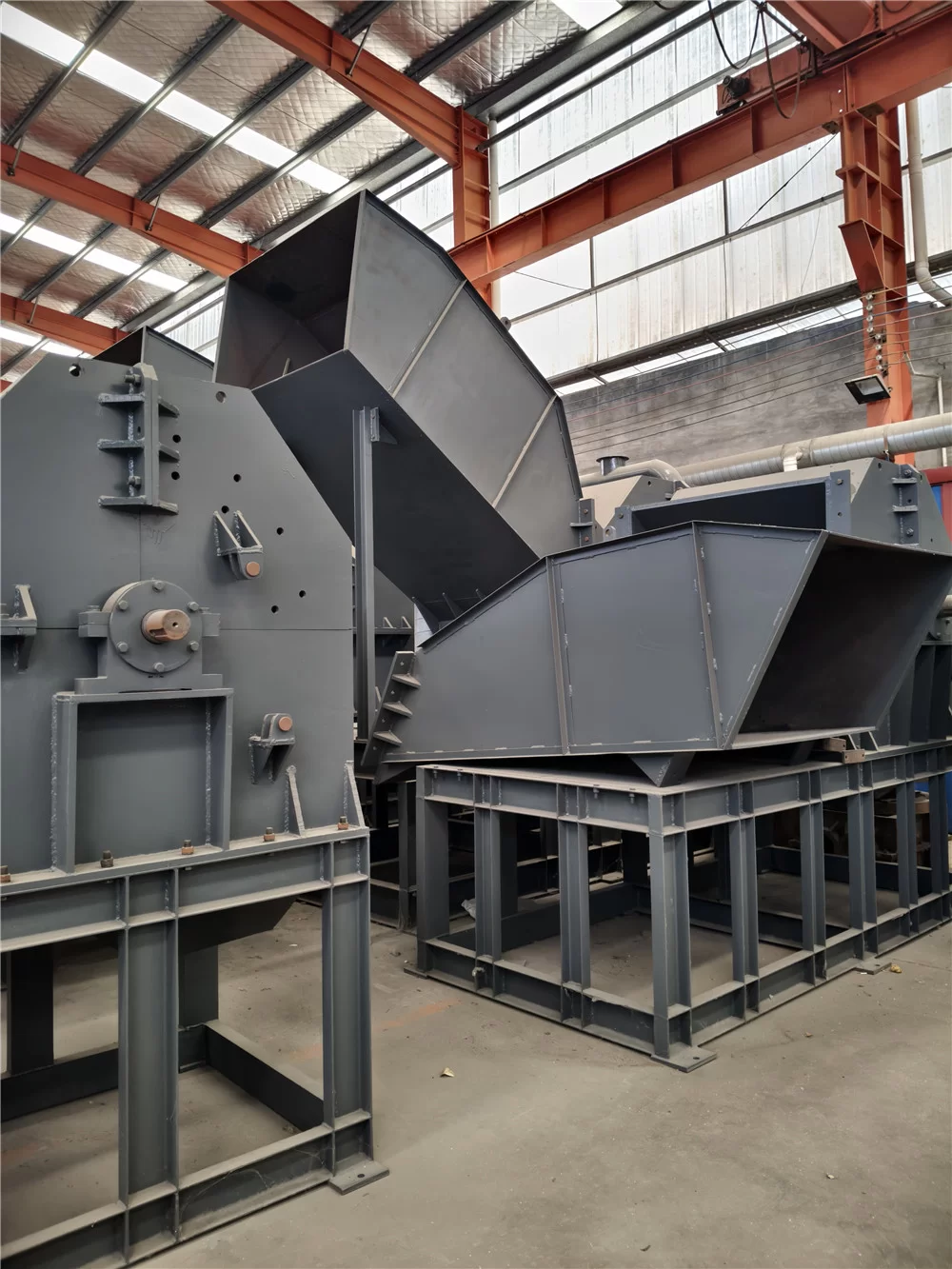
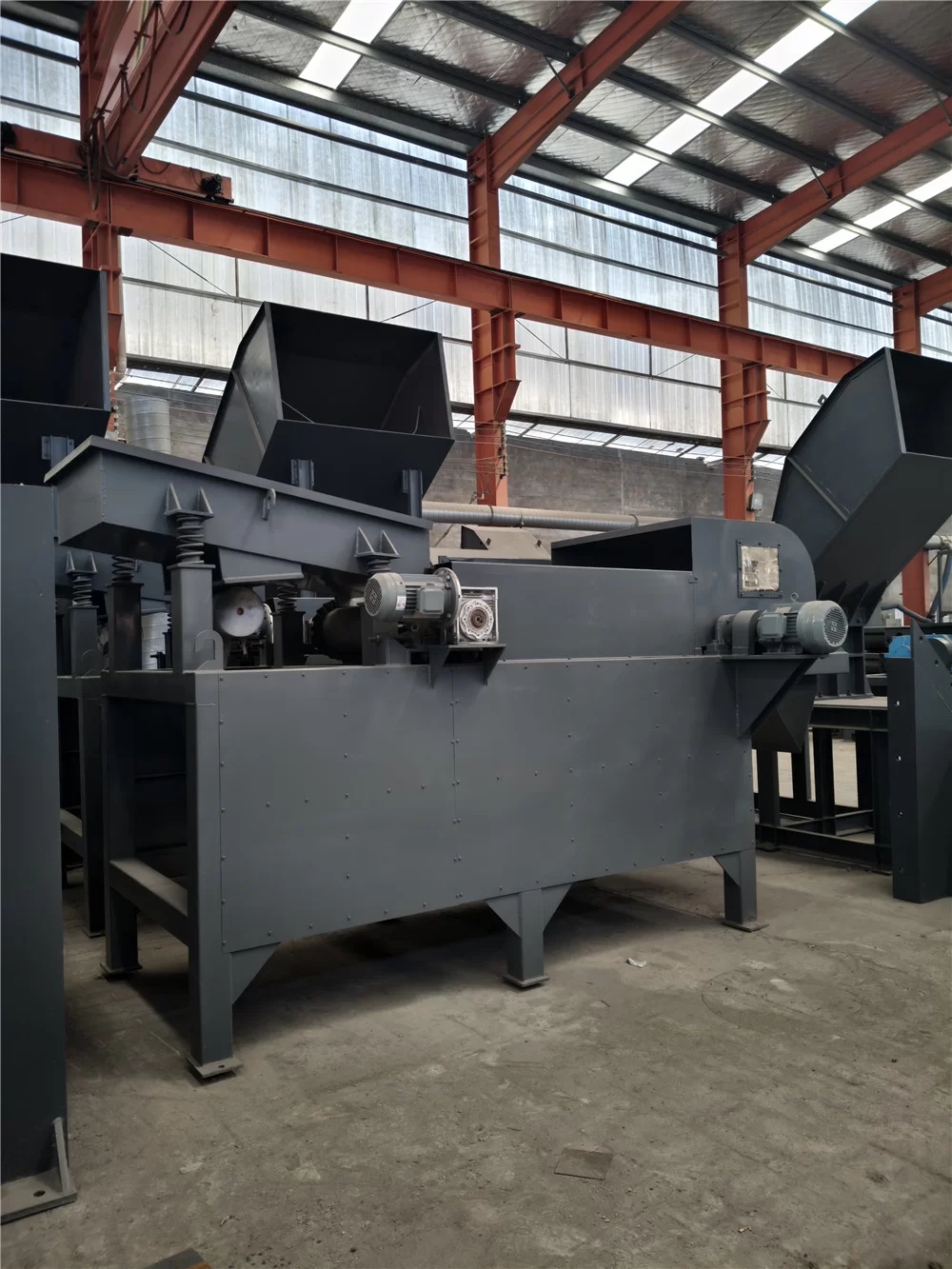
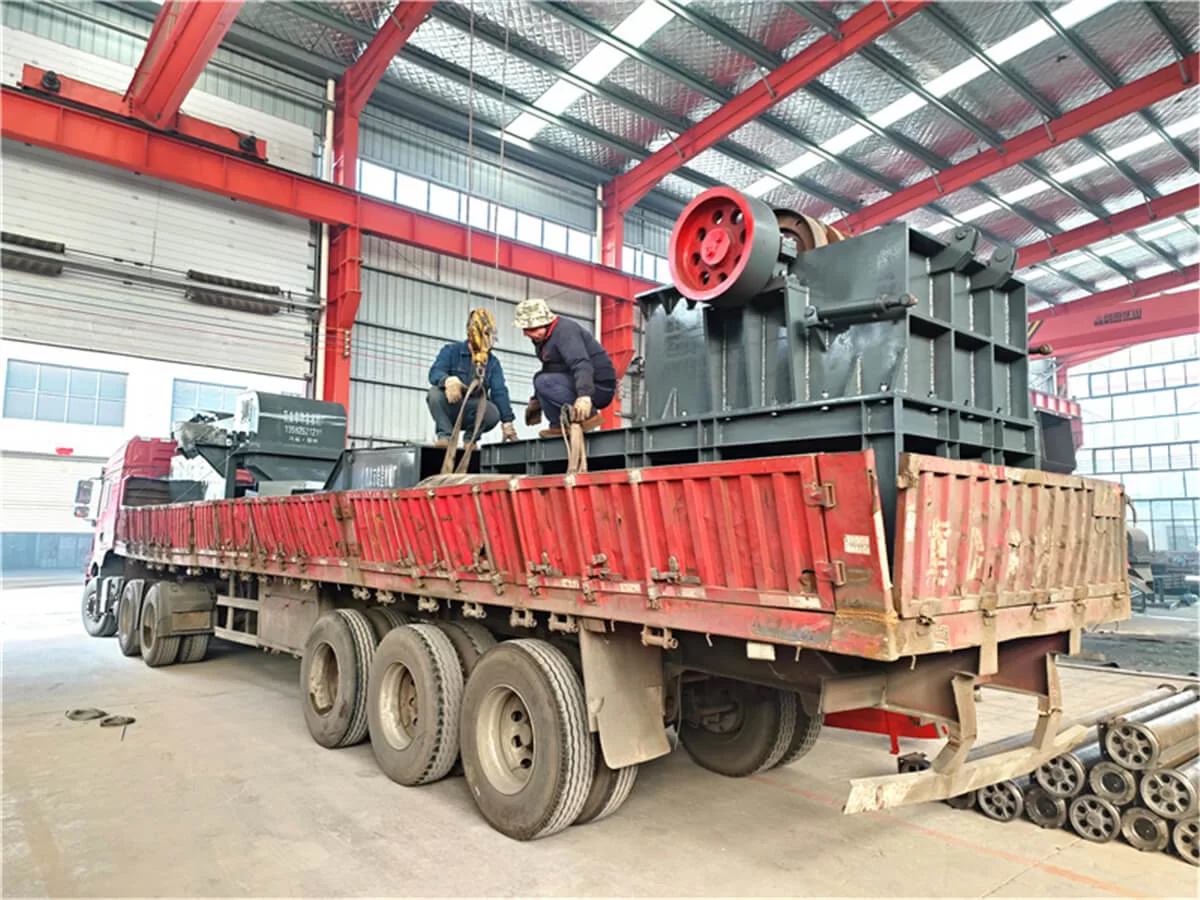
Real Site Photos of Scrap Metal Bale Shredder

03

Features and Advantages

Shredder chamber

Baled Scrap Shredder Features

Gear Reducer Drive with Low Speed and High Torque

The machine is driven by motors and heavy-duty gear reducers. The cutter shafts operate at low speed while delivering high torque. For dense materials such as scrap steel bales, iron briquettes and aluminum bales, the machine provides stable biting force and continuous shredding performance.

Compared with high-speed impact crushing, the low-speed and high-torque structure operates more smoothly with lower noise and less vibration. It is more suitable for compacted metal bales that are difficult to feed directly into a crusher.

Specialized Pre-Shredding for Metal Bales

Compressed metal bales are dense and tightly packed. If they are fed directly into a hammer mill crusher, they may cause unstable feeding, load fluctuations, increased motor current and faster wear of crusher components.

The baled scrap shredder opens the compacted bales and reduces them into loose, more uniform fragments. This reduces the load on downstream scrap metal crushers and improves the continuity and efficiency of the complete recycling line.

Improved Scrap Metal Crushing Line Efficiency

Pre-shredded material is easier to convey and crush. For recycling lines equipped with scrap metal crushers, magnetic separators and eddy current separators, installing a metal bale shredder at the front end helps improve feeding stability, reduce blockages and increase overall line capacity.

Pre-shredding also helps reduce impact wear on hammers, liners and screens, lowering maintenance requirements during long-term operation.

Heavy-Duty Steel Structure

The base frame, shredding chamber and working platform are made of high-strength welded steel. The rigid structure provides stable support and impact resistance, making the machine suitable for heavy-duty use in scrap yards, metal baling stations and steel mill furnace feed preparation sites.

When processing dense metal bales continuously, the reinforced frame helps reduce machine vibration and supports the reliable operation of the cutter shafts and drive system.

Customizable Feed Hopper

The feed hopper opening size, direction and height can be designed according to the site conditions. The hopper can be customized for conveyor feeding, grapple feeding or loader feeding to match the actual production line layout.

For different sizes of scrap steel bales, aluminum bales, iron briquettes and mixed metal bales, a customized feed hopper helps improve feeding efficiency and reduce manual pre-handling.

Optional Separation Equipment

According to the material type and downstream process requirements, the shredder can be combined with conveyors, magnetic separators and eddy current separators to form a complete processing system.

For mixed metal bales containing iron, aluminum, copper, stainless steel and other metals, shredding before magnetic and non-ferrous metal separation helps improve subsequent sorting efficiency.

Easy Operation and Convenient Maintenance

The machine can be equipped with a PLC control cabinet and touchscreen control system, allowing operators to start and stop the machine, monitor its operating status and perform routine operations conveniently.

The machine provides suitable maintenance access. Key components such as cutter discs, bearings and gear reducers can be inspected and maintained according to the operating conditions, supporting long-term continuous production.

04

Technical Specifications

Parameter description diagram for Baled Scrap Shredder | Metal Bales Recycling Shredder Machine:

The Baled Scrap Shredder can be customized according to material type, bale size, bale weight, required capacity and downstream process. Different models vary in chamber size, cutter shaft structure, motor power, reducer configuration, feed opening and discharge method.

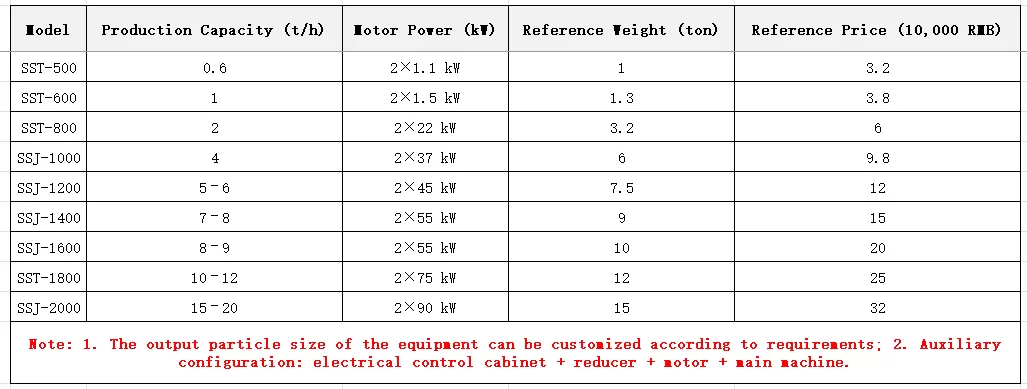
Briquette Shredder Model, Specifications and Price List

Note: Capacity depends on bale density, material hardness, and output size requirements. Custom configurations and integrated feeding/discharge conveyor systems are available upon request.

Factors Affecting Capacity and Price

The actual capacity and price are affected by:

  • Metal bale size

  • Bale weight and compression density

  • Material hardness and metal type

  • Required hourly capacity

  • Required output size

  • Feeding conveyor and discharge conveyor configuration

  • Magnetic separator and eddy current separator configuration

  • Working platform, safety guards and complete line control system

  • Site layout and automation requirements

Information Needed for Quotation

To recommend a suitable model and provide an accurate quotation, please provide:

  • Material name and photos

  • Bale size, such as 400×400mm, 500×500mm or 600×600mm

  • Approximate weight of each bale

  • Required hourly capacity

  • Required output size

  • Whether the output will go to a scrap metal crusher, magnetic separator or furnace feeding system

  • Installation site size and feeding/discharge direction

Note: Actual processing capacity depends on bale density, material hardness, feeding method and output size requirements. Complete feeding, shredding, discharge, magnetic separation and eddy current separation systems are available upon request.

FAQ

Frequently Asked Questions

Find common questions about scrap metal crushers, shredders, recycling lines, equipment selection, capacity configuration and operation requirements.

QHow do I choose the right bale shredder model?

A

The right model should be selected according to bale size, bale weight, material type, density, required capacity, output size, and site layout. If the shredder will be used in a complete recycling line, conveyors, magnetic separation, dust removal, and control system should also be considered during the initial design.

QHow often should the cutters be checked?

A

The cutters should be checked regularly according to working hours and material hardness. Operators should pay attention to cutter wear, bolts, bearings, lubrication points, and foreign objects in the shredding chamber. Regular inspection helps reduce downtime and extend machine service life.

QCan a bale shredder work with a magnetic separator?

A

Yes. A magnetic separator can be installed after the bale shredder to separate ferrous metals from mixed materials. If non-ferrous metals also need to be recovered, an eddy current separator or additional sorting equipment can be added to the line.

QHow much capacity can a bale shredder achieve?

A

The capacity depends on the bale size, material density, motor power, cutter configuration, feeding method, and required output size. For accurate selection, customers can provide bale dimensions, bale weight, material photos, and expected hourly capacity.

QWhat is the output size after bale shredding?

A

The output size depends on the cutter structure, shaft speed, blade thickness, screen design, and material type. If the customer needs a specific discharge size for sorting, melting, or further crushing, the machine can be configured accordingly.

QCan the bale shredder feed compressed bales directly?

A

Yes. Many bale shredders are designed to handle compressed bales directly. However, the bale size, density, and internal material condition should match the machine opening and cutter strength. For oversized or very dense bales, pre-loosening or a stronger machine configuration may be required.

QWhat materials can a bale shredder process?

A

A bale shredder can process compressed scrap metal bales, light steel bales, aluminum bales, waste appliance shell bales, mixed scrap bales, and other recyclable metal materials. The suitable model depends on bale size, bale density, material composition, and required capacity.

QWhat is the difference between a single-shaft and a dual-shaft shredder?

A

A single-shaft shredder is suitable for more uniform size reduction and controlled discharge size. A dual-shaft shredder provides higher torque and is better for bulky, mixed, or harder scrap materials.

QHow are crushed materials graded after processing?

A

Crushed materials can be graded according to particle size, metal purity, impurity level, and cleanliness. Cleaner materials usually have higher recycling value and may be classified into higher-grade recycled materials.

QWhat equipment is included in a complete bale shredding line?

A

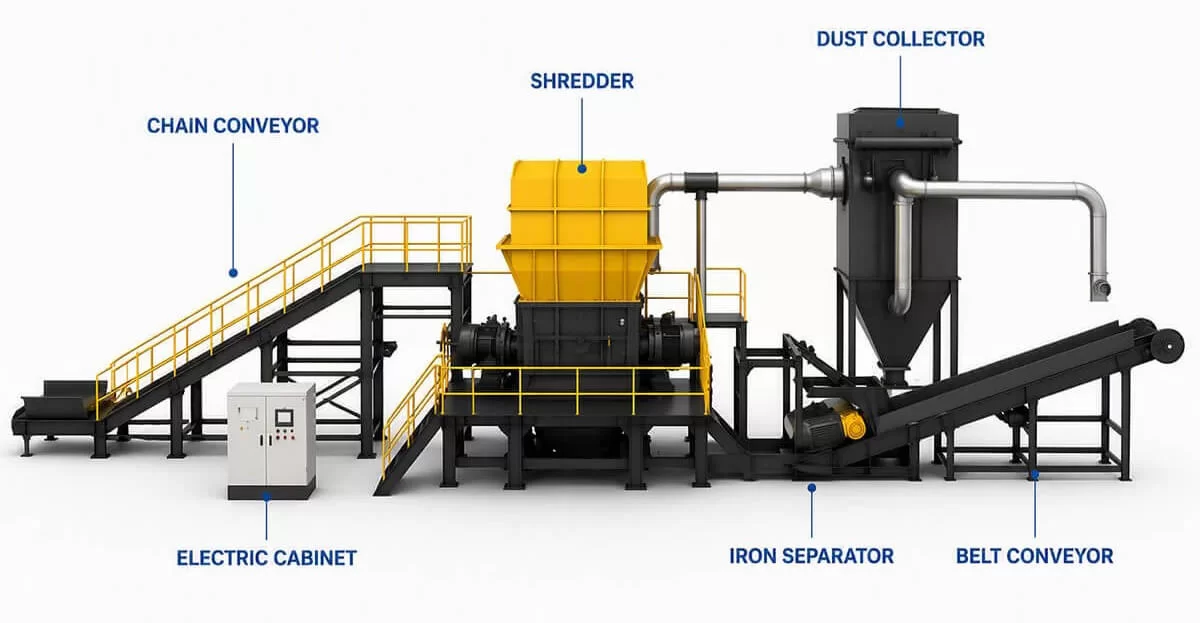
A complete bale shredding line usually includes a feeding conveyor, bale shredder, discharge conveyor, magnetic separator, dust removal system, and electrical control cabinet. The final configuration depends on the raw material and output requirements.

Post a Question

Leave your question about material type, capacity, equipment model or recycling line configuration.

Verification code
Get A Quote

Get Instant Pricing & Specs

Send your email and tell us your material type, capacity requirement and site condition. Our team will provide equipment selection, technical specifications and quotation details.

  • Model recommendation
  • Capacity configuration
  • Recycling line quotation

Request Product Details

We usually reply with equipment details and pricing information as soon as possible.

WhatsApp
💬
WhatsApp
WhatsApp QR Code
Scan or click to chat with us on WhatsApp.