
Light Scrap Metal Shredding and Crushing Solution
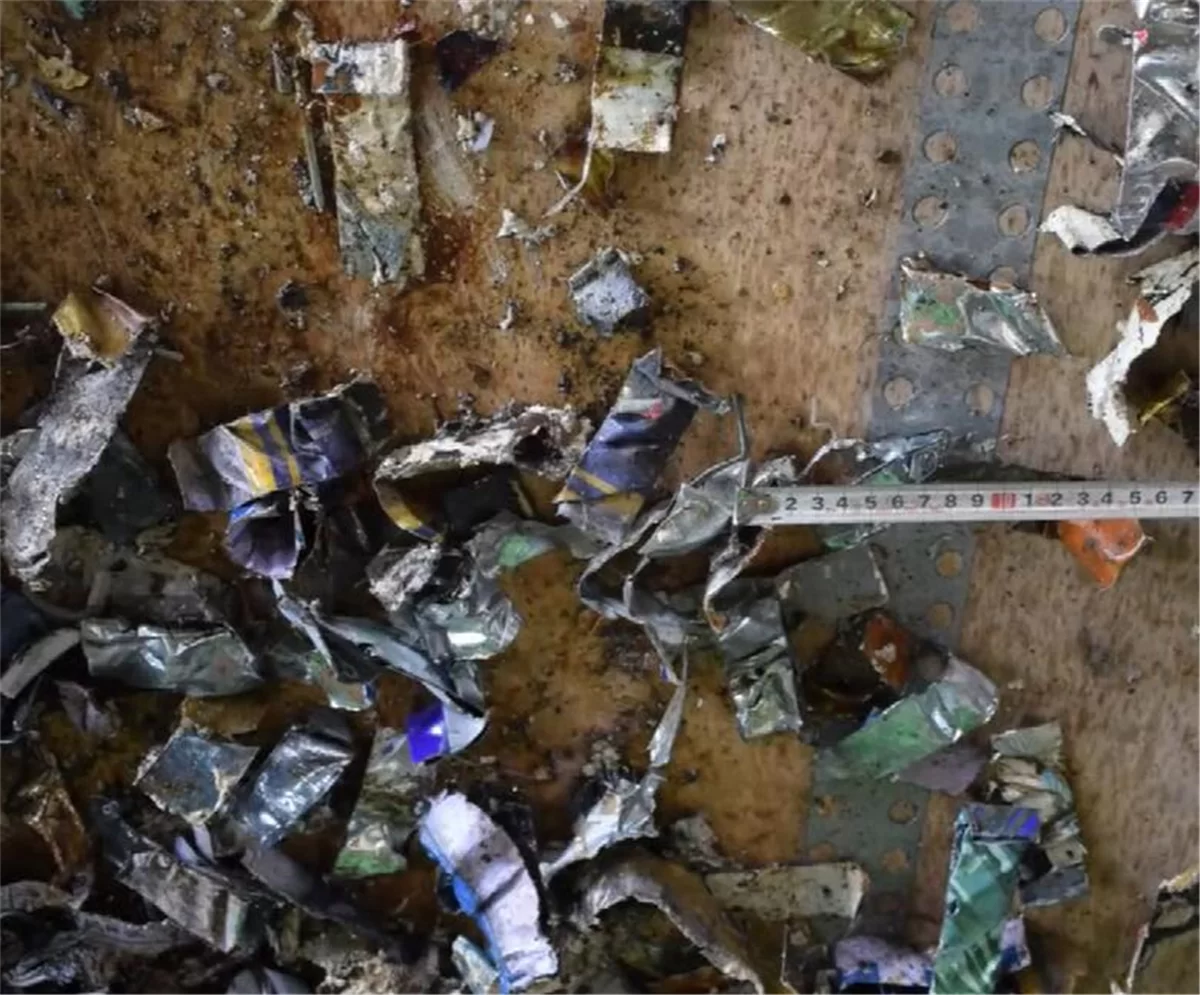
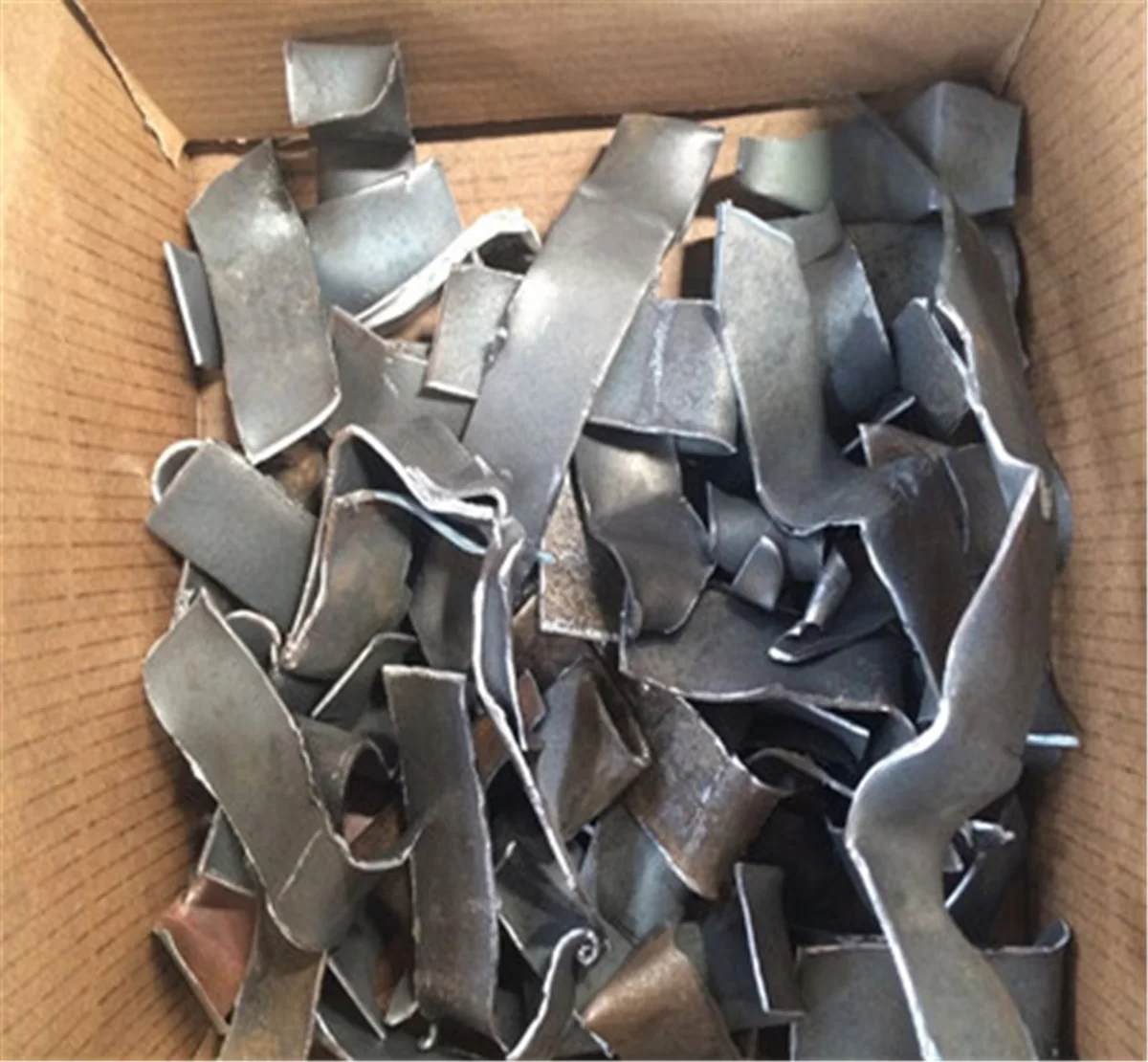
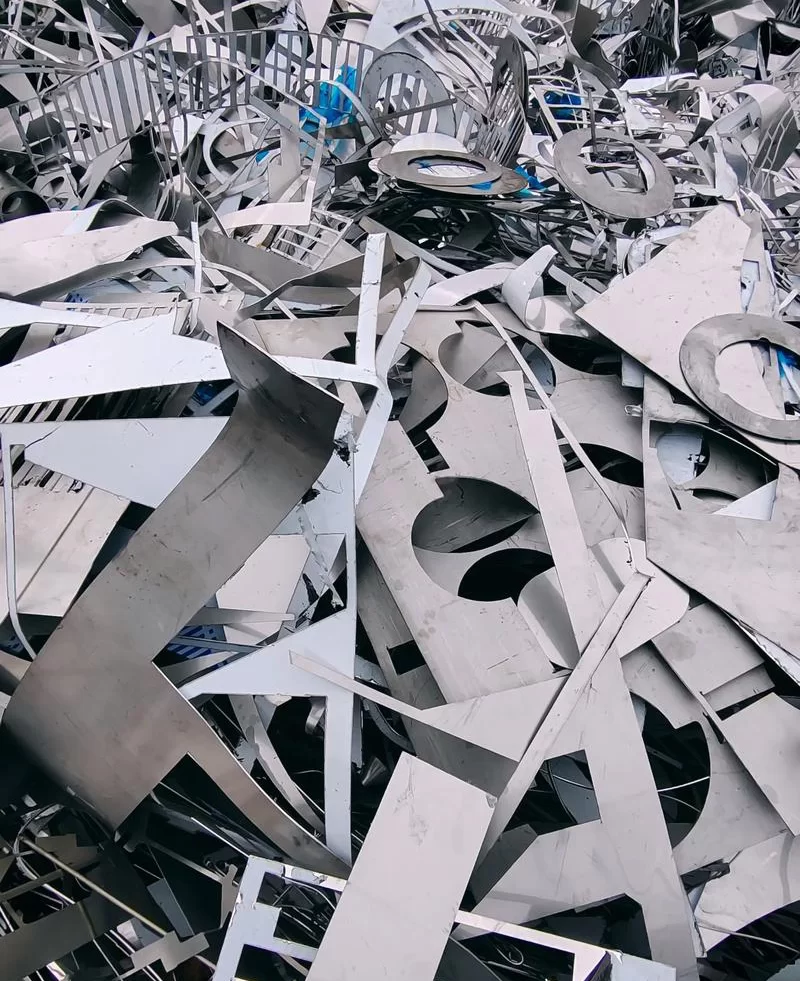
Light scrap metal is one of the most common recyclable materials in scrap yards, metal recycling centers and steel processing plants. It usually includes thin sheet metal, light gauge steel, scrap iron sheets, tin sheet scrap, metal sheet offcuts, light steel scrap and other thin metal waste.
Because light scrap metal is loose, thin and irregular in shape, it often takes up large storage space and is not convenient for transportation or furnace feeding. Haoxing Machinery provides suitable shredding, crushing and sorting solutions to help customers reduce material volume, improve metal density and increase recycling efficiency.
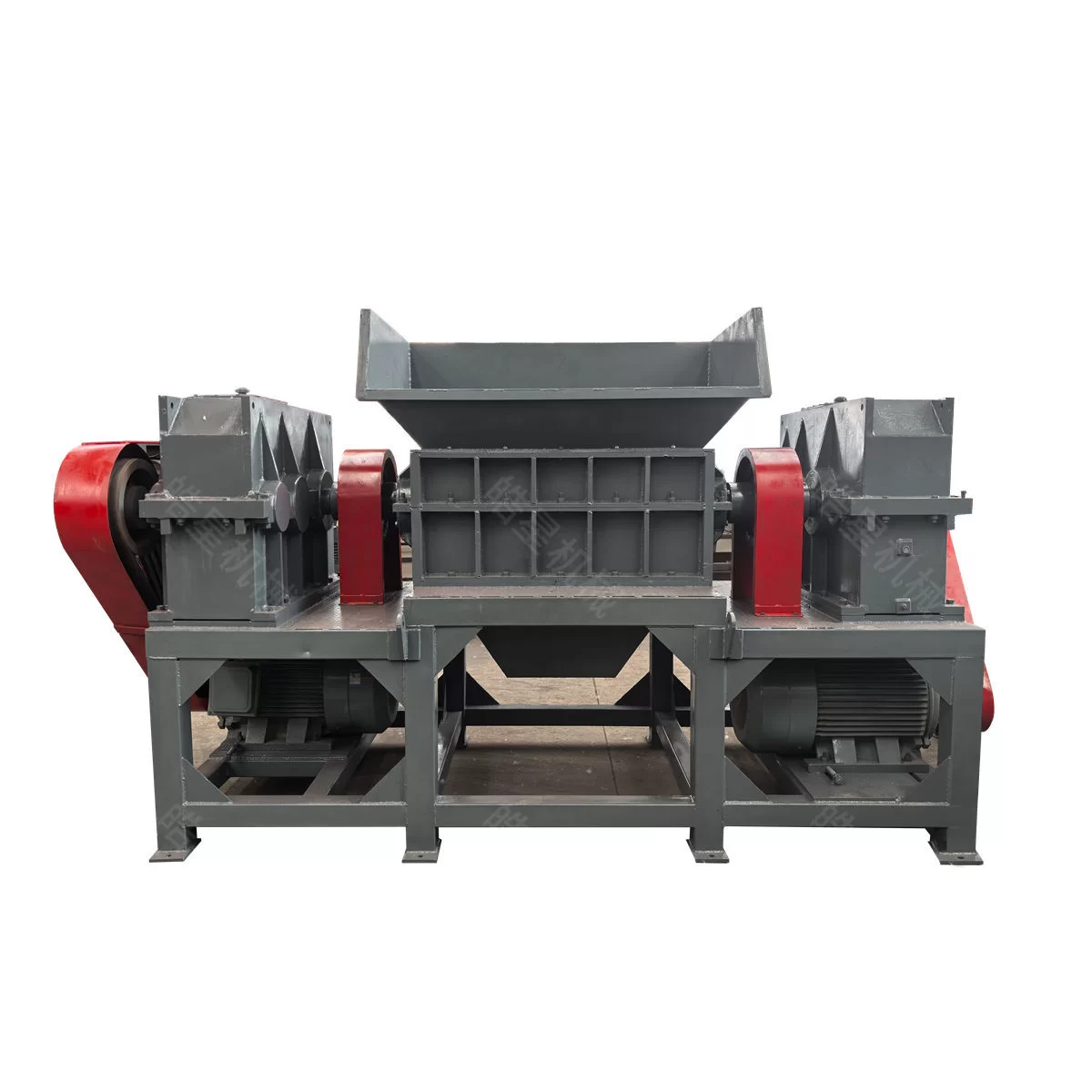
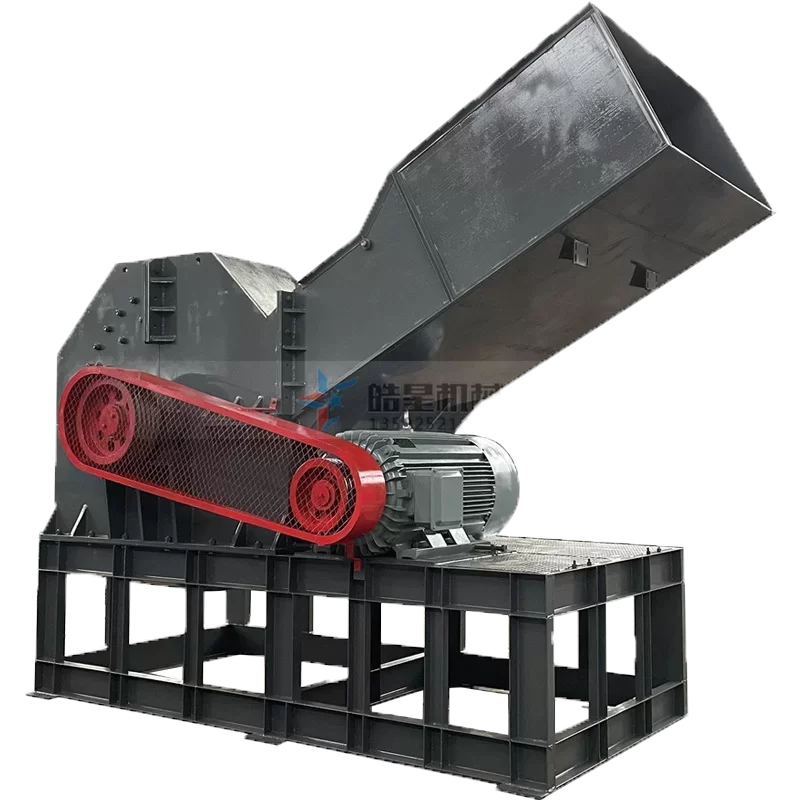
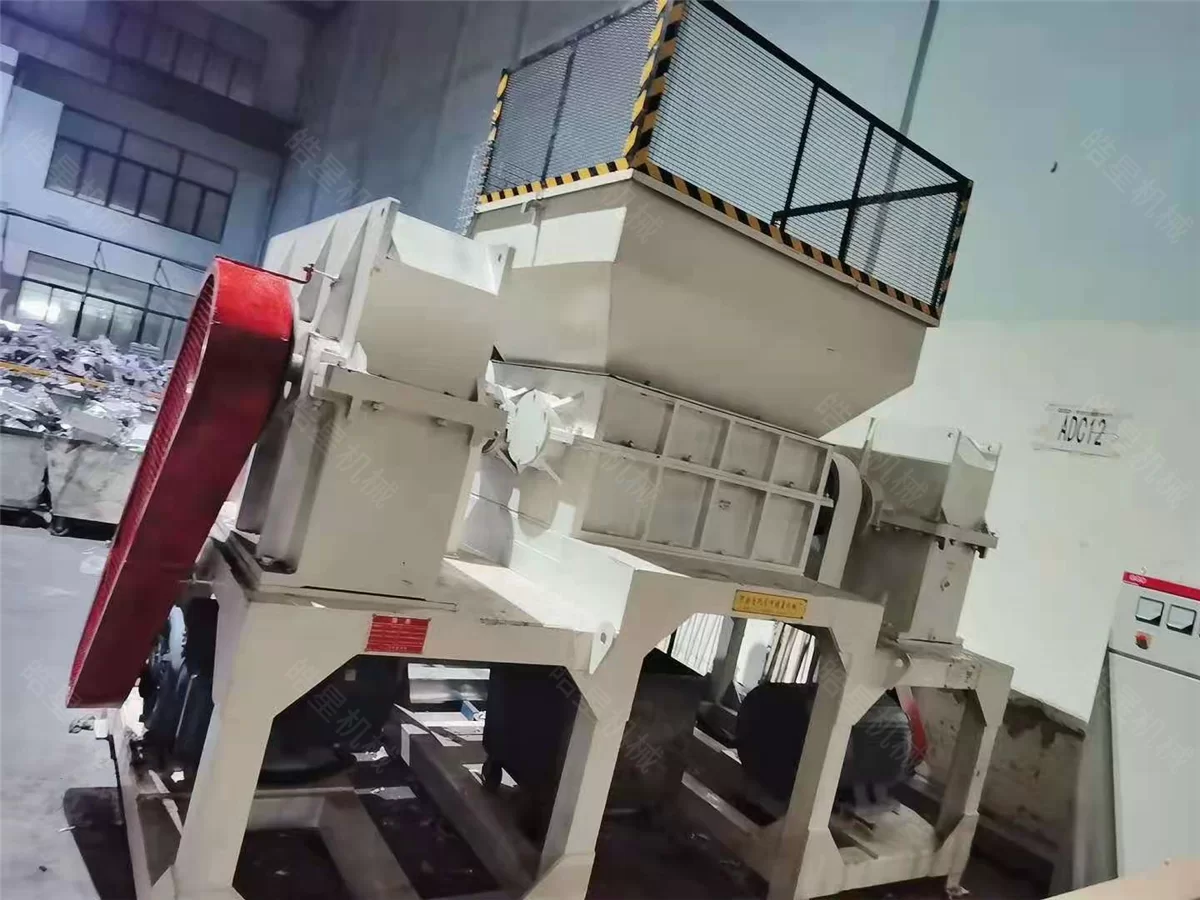
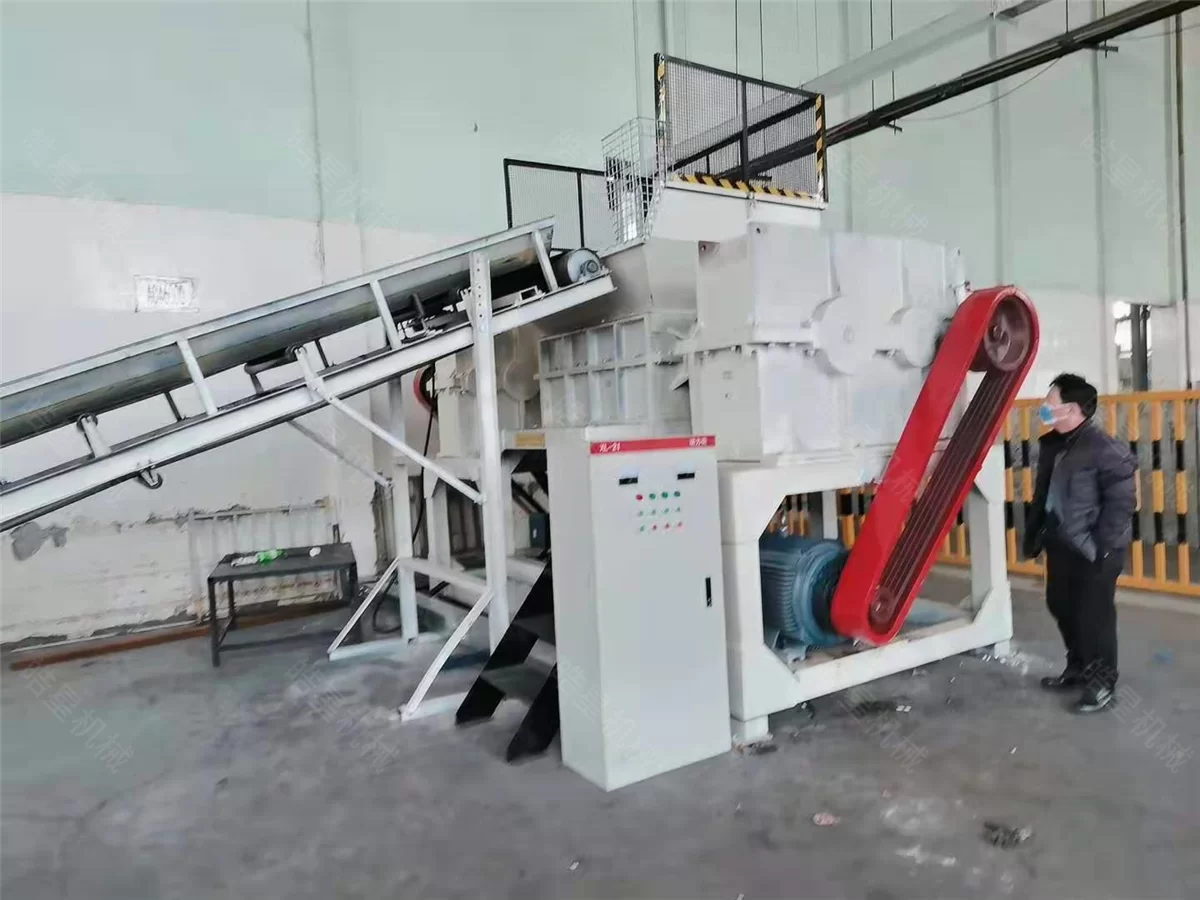
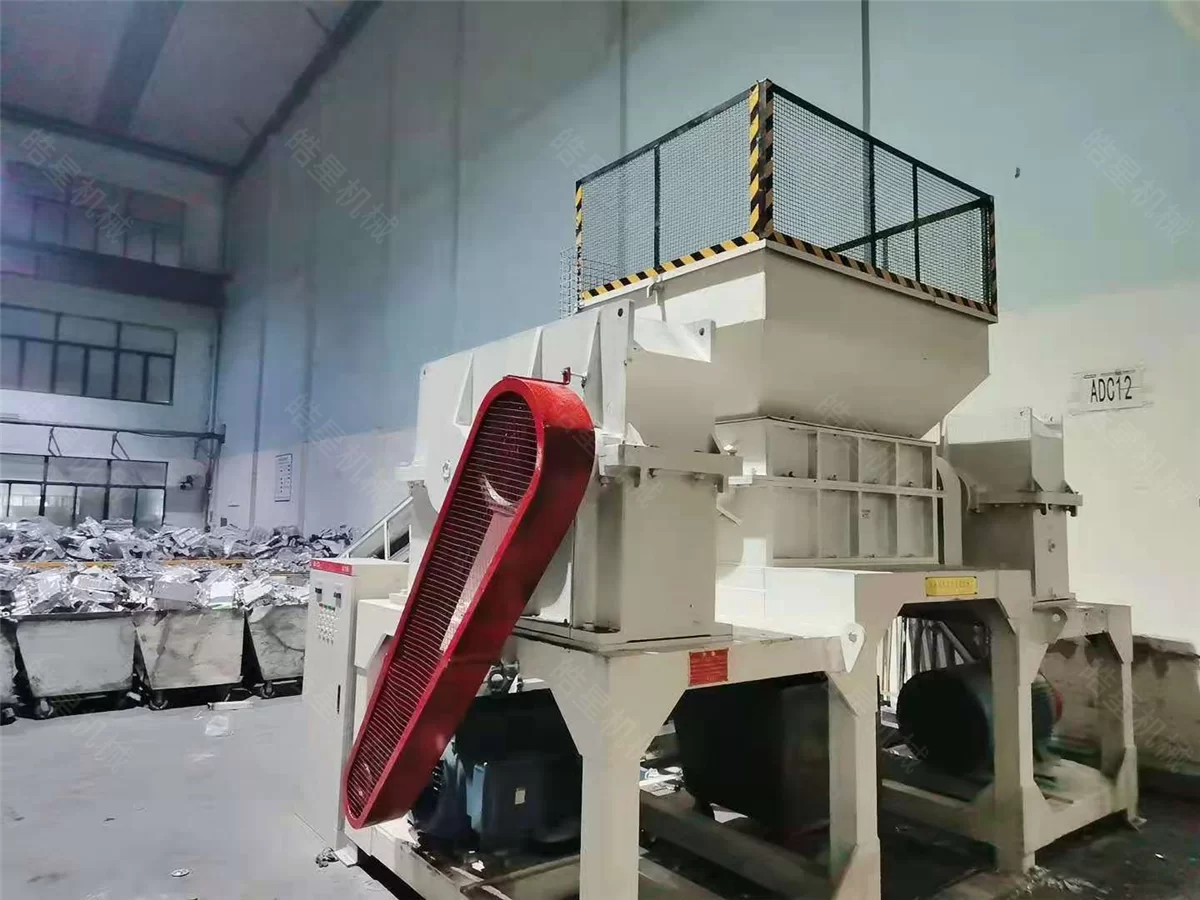
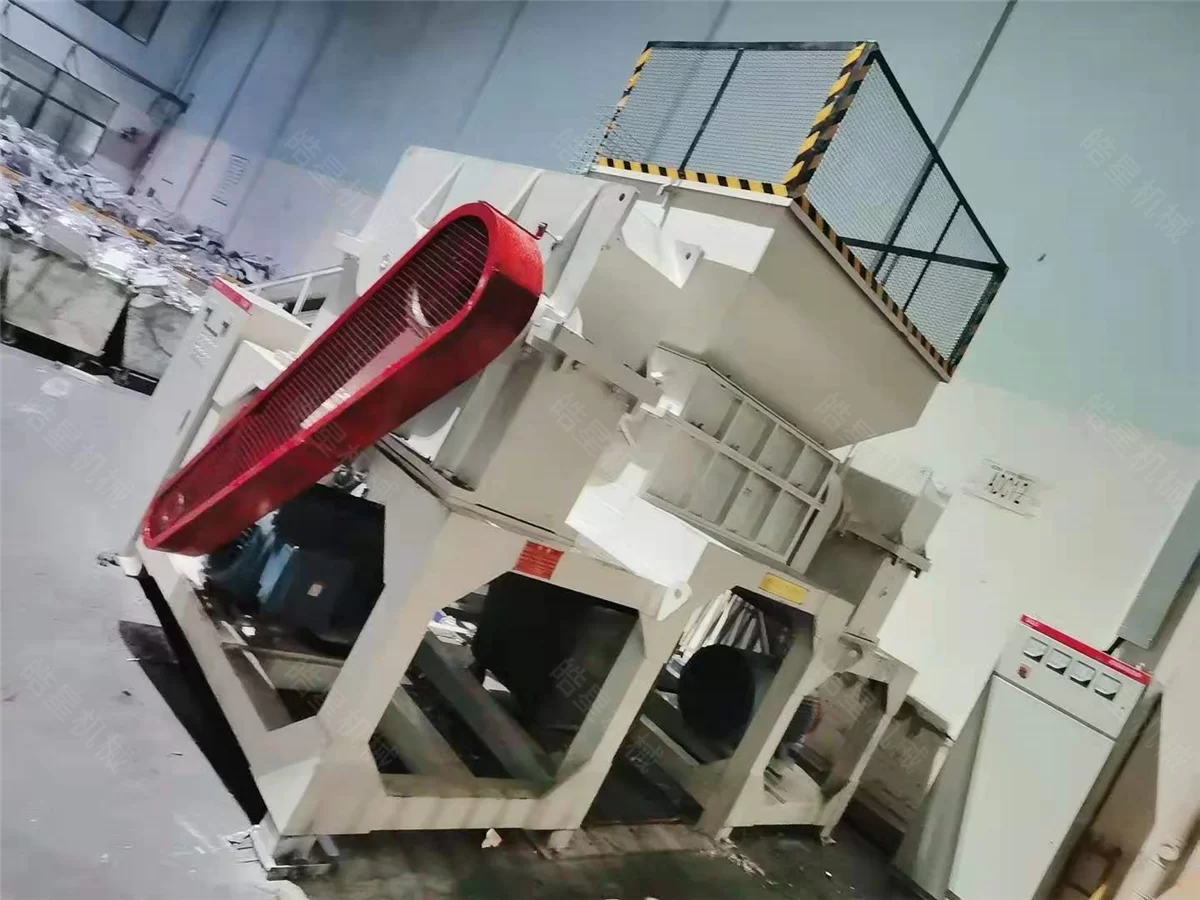
For loose light scrap metal, a scrap metal crusher can usually process the material directly. If the material is packed, tangled or mixed with larger pieces, a twin shaft shredder can be used before the crusher for primary size reduction. After crushing, the material can be separated by magnetic separator, conveyor and optional sorting equipment according to different recycling requirements.
Common Light Scrap Metal We Can Process
Thin sheet metal
Light gauge steel
Scrap iron sheets
Tin sheet scrap
Metal sheet offcuts
Light steel scrap
Scrap metal sheets
Thin metal waste
Typical Sources of Light Scrap Metal
Light scrap metal is generated from a wide range of industrial, commercial and demolition activities. Depending on the source, the material may vary in thickness, density and contamination level.
Color steel roofing sheets
Household appliance shells
Steel furniture scrap
Steel drums and paint buckets
Thin sheet metal offcuts
Building demolition scrap
Automotive body panels
Metal ceiling panels
Galvanized sheets
Warehouse roofing materials
Recommended Equipment
Scrap metal crusher
Twin shaft shredder
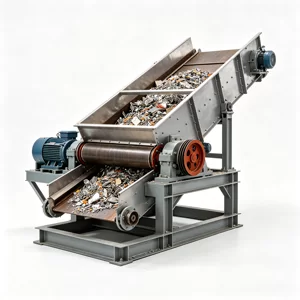
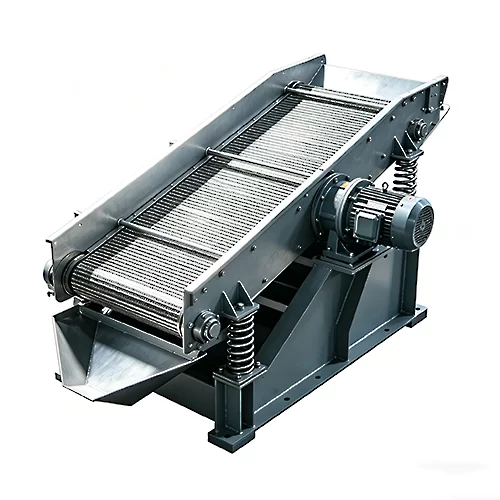
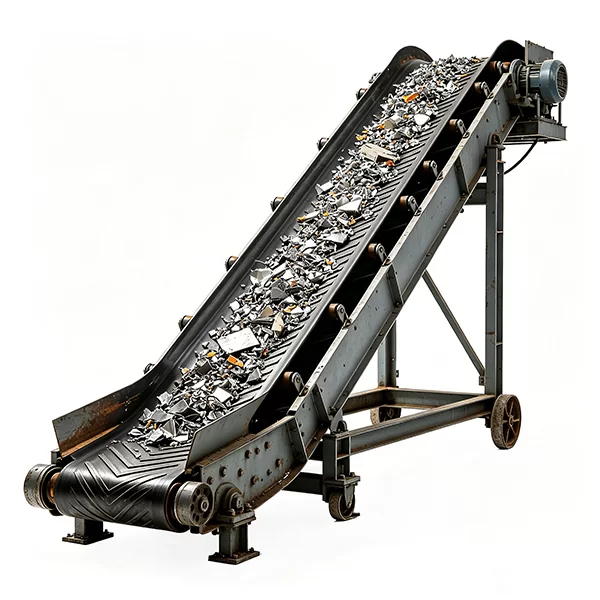
Feeding conveyor
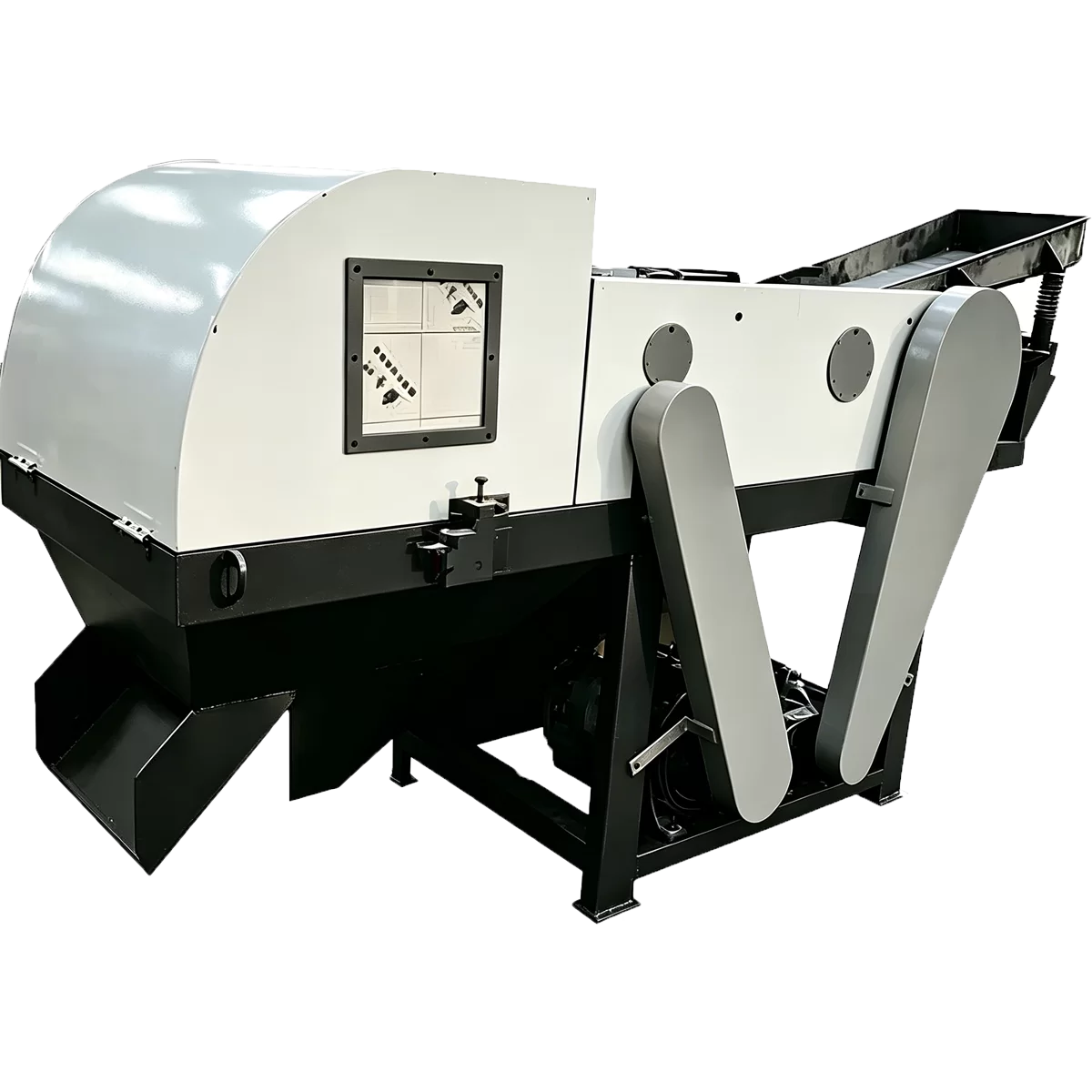
Magnetic separator
Dust collection system
Electric control system
Typical Light Scrap Metal Recycling Process
The processing flow depends on material condition, capacity requirement and final product specification.
Light Scrap Metal → Feeding Conveyor → Twin Shaft Shredder (Optional) → Scrap Metal Crusher → Magnetic Separator → Eddy Current Separator (Optional) → Dust Collection System → Finished Metal Product
For loose and clean light scrap materials, the crusher can often be used directly. For tangled roofing sheets, appliance shells, baled scrap and mixed demolition scrap, pre-shredding is usually recommended before crushing.
Why Pre-Shredding Is Recommended for Some Light Scrap Materials
Although many light scrap materials can be fed directly into a metal crusher, some materials create feeding challenges due to their shape and packing condition.
Examples include baled scrap metal, tangled sheet metal, appliance shells, roofing sheets and compressed demolition scrap. These materials may bridge at the feeding hopper or create unstable loading conditions.
A twin shaft shredder can break down bulky and irregular scrap into smaller pieces before crushing. This helps improve feeding stability, reduce impact load on the crusher rotor and increase overall production efficiency.
For recycling plants processing large volumes of light scrap every day, pre-shredding can also reduce equipment wear and improve continuous operation.
Processing Advantages
Reduce the volume of loose light scrap metal
Improve material density for transportation and storage
Make metal separation easier after crushing
Reduce manual cutting and handling work
Prepare cleaner scrap material for melting or further recycling
Improve feeding stability for downstream equipment
Increase recycling efficiency and material value
Industries Using Light Scrap Metal Recycling Systems
Scrap metal recycling yards
Steel processing plants
Automobile dismantling facilities
Building demolition recycling companies
Household appliance recycling plants
Metal recovery centers
Steel mills and foundries
Industrial manufacturing facilities
How to Choose the Right Equipment for Light Scrap Metal
Equipment selection depends on material thickness, feeding size, moisture content, throughput and required output size.
For loose sheet metal and thin light steel scrap, a scrap metal crusher may be sufficient. For bundled, tangled or compressed materials, a twin shaft shredder is often recommended before crushing.
If the material contains mixed non-ferrous metals such as aluminum, copper or stainless steel, additional sorting equipment such as an eddy current separator may be added after magnetic separation.
Haoxing Machinery can customize light scrap metal shredding and crushing solutions according to your material size, required capacity, final output size and plant layout. Whether you need a single scrap metal crusher or a complete recycling line with shredder, crusher, conveyor, magnetic separator and dust collection system, our engineers can provide a practical solution for your recycling business.