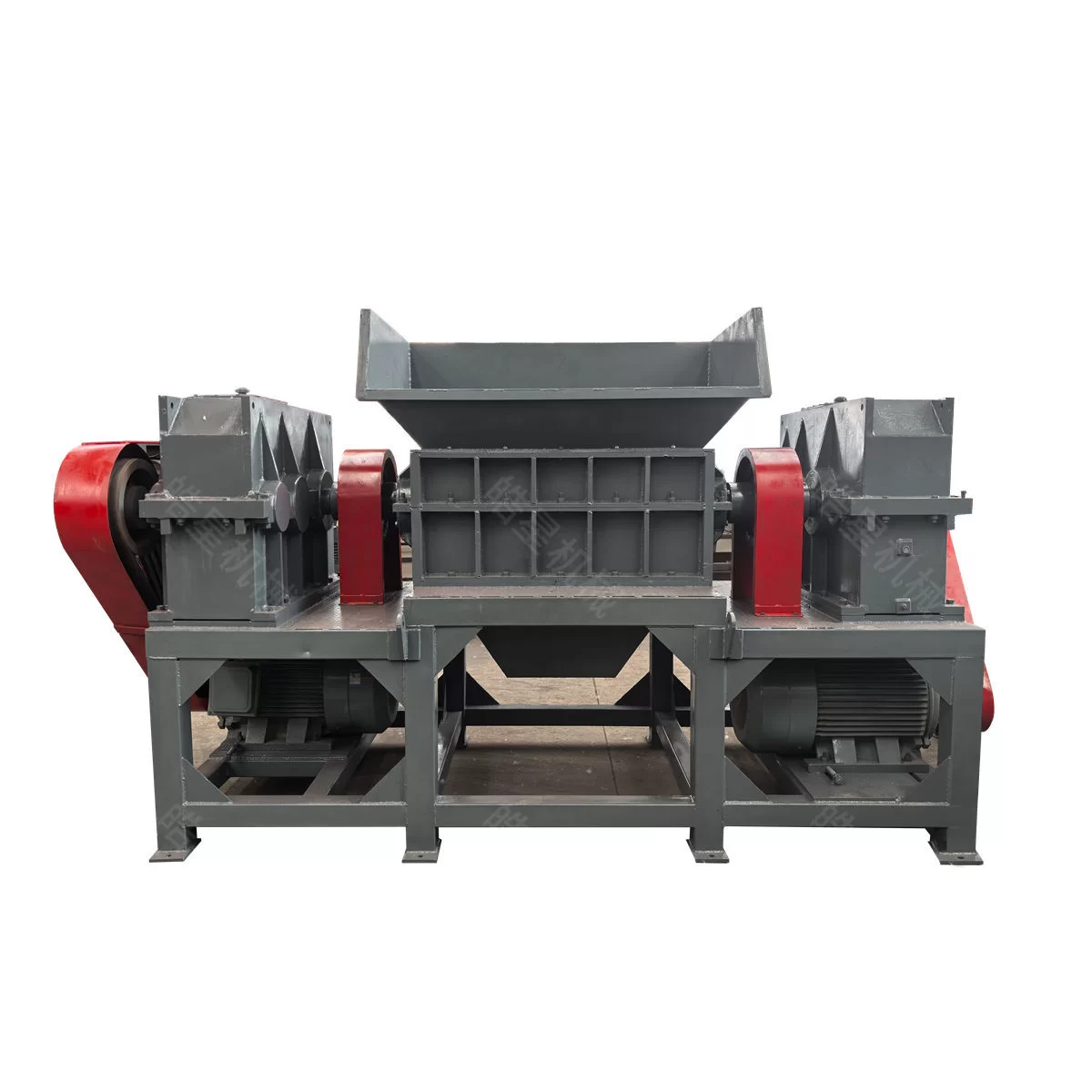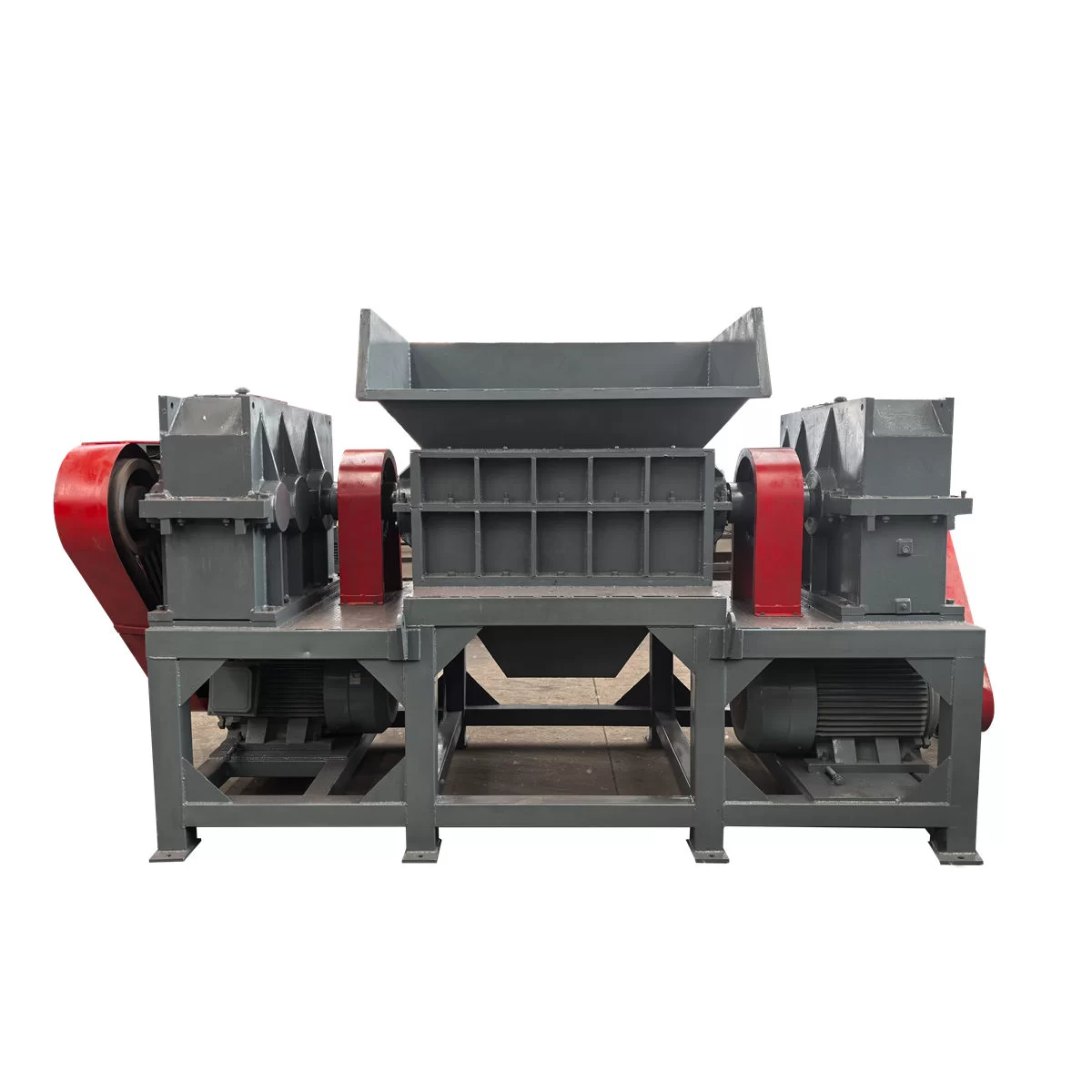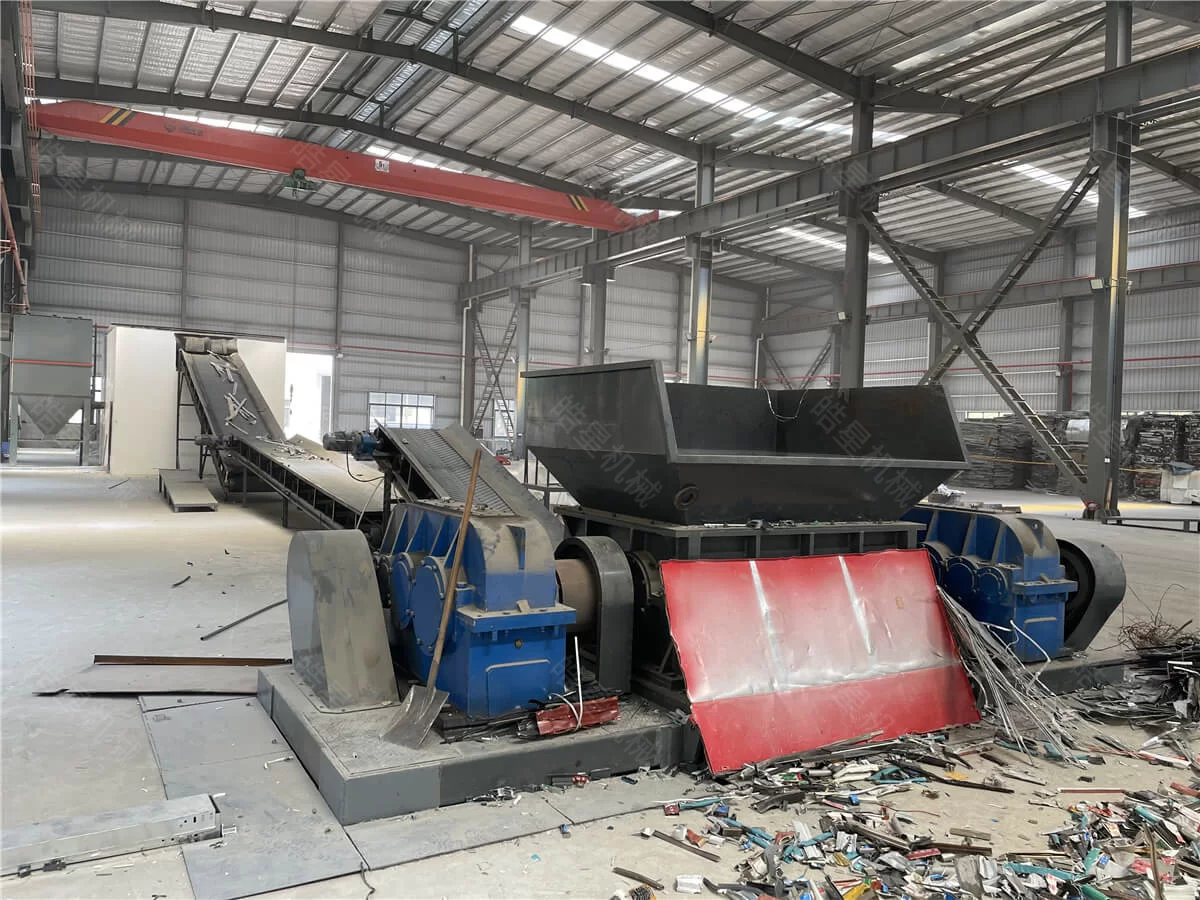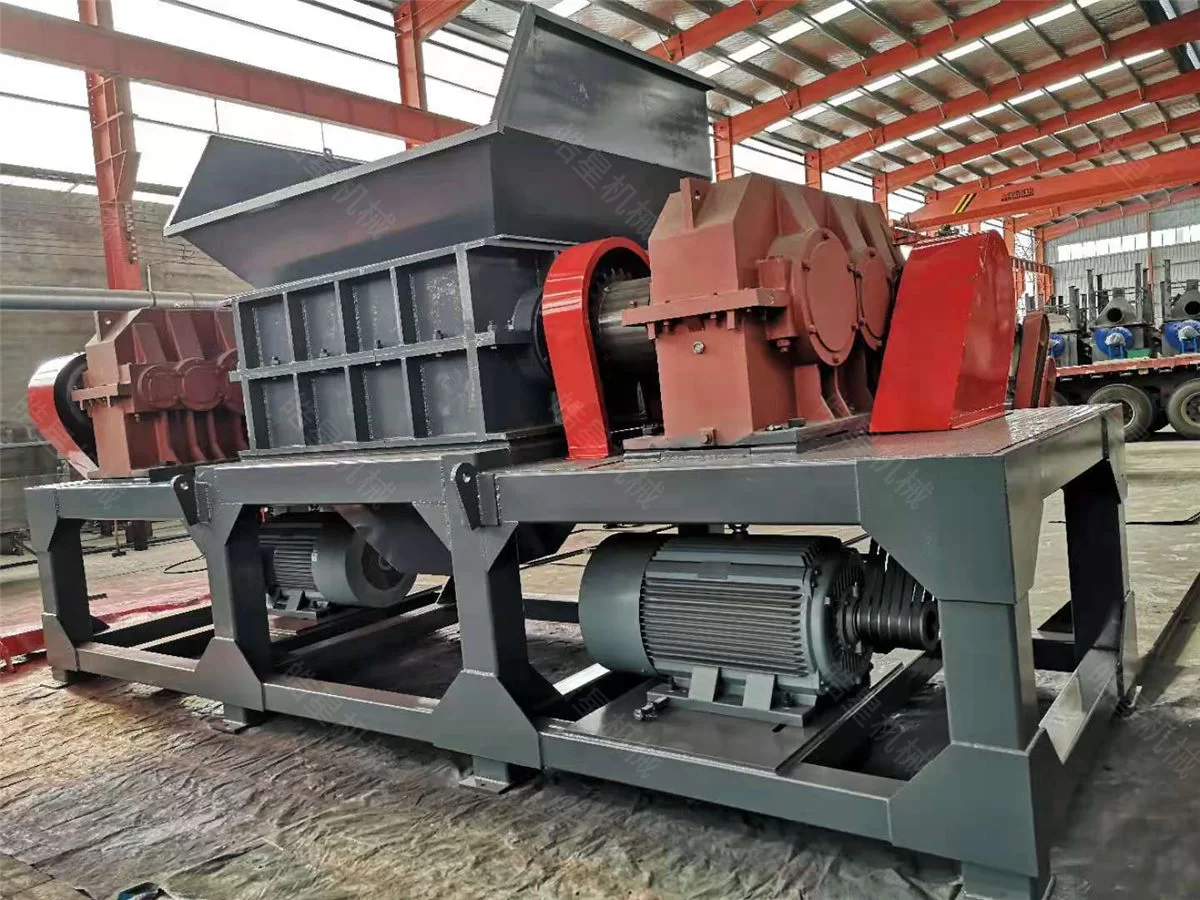
What Material Information Should You Provide Before Buying a Metal Shredder?
Choosing the right metal shredder is not only about motor power, machine size, or price. In many recycling projects, the most important factor is the material itself. Different metal waste has different size, thickness, hardness, density, structure, and feeding conditions. If these details are not clear before purchasing, the shredder may not reach the expected capacity, discharge size, or long-term working performance.
Before buying a metal shredder, it is very important to provide accurate material information to the manufacturer. This helps the supplier recommend the right shredder model, blade structure, shaft design, motor power, feeding system, discharge system, and complete recycling solution. It also helps avoid wrong machine selection and unnecessary extra costs.
Below are the key material details you should prepare before buying a metal shredder.
1. Material Type
The first thing you need to confirm is what kind of metal material you want to shred. A metal shredder can process many types of scrap metal, but different materials need different machine configurations.
Common materials include:
Scrap steel
Aluminum profiles
Aluminum cans
Color steel tiles
Scrap iron sheets
Steel plates
Metal drums
Oil drums
Paint buckets
Car body shells
Scrap bicycles
Motorcycle frames
Radiators
Copper and aluminum scrap
Metal pipes
Scrap home appliances
Light metal waste from factories
For example, shredding aluminum cans is very different from shredding thick steel plates. Aluminum cans are light and thin, while steel plates require stronger torque, thicker blades, and a more powerful transmission system. If the material is mixed with plastic, rubber, wood, or other non-metal parts, this should also be explained in advance.
2. Material Size
Material size directly affects the feeding opening, shredding chamber size, blade diameter, rotor length, and feeding method. Before choosing a metal shredder, you should provide the maximum size and average size of the material.
Useful size information includes:
Maximum length
Maximum width
Maximum height
Average material size
Whether the material is loose or bundled
Whether the material is long, flat, hollow, or irregular
For example, if the material is a steel sheet with a size of 1200 mm by 800 mm, the machine needs a large enough feeding opening. If the material is a long aluminum profile or steel pipe, the feeding direction and chamber length should be considered. If the material has already been cut into smaller pieces, a smaller shredder may be suitable.
3. Material Thickness
Thickness is one of the most important parameters for metal shredding. It affects blade strength, shaft torque, motor power, machine frame structure, and production capacity.
You can provide the thickness range, such as:
0.5 mm to 2 mm for thin metal sheets
3 mm to 8 mm for medium metal plates
10 mm or more for thick steel plates
Wall thickness of metal drums
Wall thickness of steel pipes
Thickness of aluminum profiles
Thickness of color steel tiles
If the material thickness is not uniform, please provide the maximum thickness. The shredder should be designed according to the hardest and thickest part of the material, not only the average condition. This can help prevent blade damage, shaft overload, and low shredding efficiency.
4. Material Hardness
Material hardness is another important factor. Soft metals and hard metals require different blade materials, blade thickness, cutting angles, and shaft speeds.
Please confirm whether your material is:
Soft metal, such as aluminum or copper
Common scrap steel
Stainless steel
Carbon steel
Cast iron
High-strength alloy steel
Hardened metal parts
Mixed metal waste with unknown hardness
If you know the material grade, it is better to provide it. For example, aluminum alloy, carbon steel, stainless steel, or cast iron. For heavy-duty metal shredding, the blade material and heat treatment process must match the material hardness to ensure better wear resistance and longer service life.
5. Material Weight and Bulk Density
Bulk density means the weight of the material per cubic meter. This information is very useful for calculating actual capacity.
For example:
Loose aluminum cans have low bulk density.
Compressed metal bales have high bulk density.
Thin iron sheets are lighter than solid metal blocks.
Mixed scrap metal may have unstable density.
Hollow metal drums take more space but may not be very heavy.
If you do not know the exact bulk density, you can provide approximate information, such as the weight of one bundle, one bag, one pallet, one container, or one batch. Photos and videos can also help the manufacturer estimate the density more accurately.
6. Expected Capacity
Before buying a metal shredder, you should confirm your expected processing capacity. Capacity is usually measured by kilograms per hour or tons per hour.
Common capacity requirements include:
300 kg/h
500 kg/h
1 ton/h
2 tons/h
3 tons/h
5 tons/h or more
It is important to understand that the actual capacity depends on many factors, including material type, material thickness, feeding speed, blade design, motor power, discharge size, and working conditions. The same shredder may have different capacities when processing aluminum cans, scrap steel sheets, metal drums, or thick steel scrap.
7. Required Final Output Size
The final shredded size is closely related to your next processing step. Some customers only need primary shredding to reduce volume. Some customers need smaller pieces for recycling, sorting, melting, transportation, or further crushing.
Common output size requirements include:
50 mm to 100 mm
100 mm to 200 mm
200 mm to 300 mm
Rough shredding for volume reduction
Small pieces for further separation
Customized discharge size according to project needs
A smaller output size usually requires more cutting time, higher power, lower feeding speed, or secondary crushing equipment. If you need a very uniform final size, the shredder may need to work with a screen, crusher, or complete recycling line.
8. Material Shape and Condition
The shape and condition of the material affect how the blades grab, tear, and shred the material.
Please describe whether the material is:
Hollow
Solid
Loose
Compressed
Bundled
Long and irregular
Flat and thin
Large and bulky
Mixed with other waste
For example, metal drums, oil barrels, and aluminum cans are hollow materials. They need good biting force. Compressed scrap metal bales require high torque and a strong frame. Long steel pipes or aluminum profiles need a suitable feeding opening and safe feeding design. Loose mixed scrap may need a conveyor feeding system for continuous production.
9. Impurities in the Material
Many scrap metal materials are not completely clean. They may contain oil, paint, plastic, rubber, fabric, soil, sand, stones, or other impurities. These impurities may affect blade wear, machine maintenance, discharge quality, and downstream separation.
Please tell the manufacturer if the material contains:
Oil residue
Paint coating
Plastic parts
Rubber parts
Wood
Paper
Foam
Soil or sand
Small stones
Liquid residue
Flammable or hazardous substances
For safety reasons, sealed containers, gas cylinders, pressure tanks, and containers with flammable liquid residue should be treated before shredding. If the material may contain dangerous substances, this information must be provided in advance.
10. Moisture and Oil Content
Moisture and oil content may affect feeding, discharge, cleaning, and maintenance. Wet or oily materials may stick to the shredding chamber, conveyor belt, or discharge area. This can increase cleaning work and affect production efficiency.
If your material is stored outdoors, covered with oil, or contains liquid residue, you should mention it before purchasing the machine. In some cases, the shredder may need special sealing, drainage, protection, or customized discharge design.
11. Feeding Method
The feeding method is very important when designing a metal shredder or a complete shredding line. Different projects may use different feeding methods according to material size, weight, and production requirements.
Common feeding methods include:
Manual feeding
Belt conveyor feeding
Forklift feeding
Grab crane feeding
Hydraulic feeding
Automatic feeding system
If the material is small and light, manual feeding or belt conveyor feeding may be enough. If the material is large, heavy, or irregular, forklift feeding or grab crane feeding may be more suitable. For continuous production, a feeding conveyor can improve efficiency and reduce labor cost.
12. Discharge and Collection Method
Besides feeding, you also need to consider how the shredded material will be discharged and collected.
Common discharge methods include:
Direct discharge to the ground
Discharge conveyor
Collection bin
Magnetic separation system
Further crushing system
Packing or transportation system
If the shredded material contains iron, aluminum, copper, plastic, or rubber, you may need magnetic separation or other sorting equipment. If you want to build a complete metal recycling line, the shredder can work together with conveyors, magnetic separators, crushers, dust collectors, and control systems.
13. Power Supply Information
Different countries and factories use different voltage and frequency standards. Before confirming the metal shredder model, the power supply information should be checked.
Please provide:
Voltage
Frequency
Three-phase power availability
Transformer capacity
Factory power limit
Whether diesel power is required
Common voltage options include 380V, 400V, 415V, 440V, and customized voltage. Frequency is usually 50Hz or 60Hz. Large metal shredders require higher motor power, so it is important to confirm whether your site can support the machine.
14. Working Hours and Production Plan
Daily working time also affects machine selection. A shredder used for occasional processing and a shredder used for continuous industrial production may need different configurations.
You can provide:
Working hours per day
Working days per month
Expected monthly processing volume
Continuous or intermittent operation
Future capacity expansion plan
If the machine needs to run for long hours every day, the manufacturer may recommend stronger bearings, heavier blades, a more durable gearbox, a stronger frame, and better cooling or protection systems. This helps improve machine stability and reduce downtime.
15. Photos, Videos, and Samples
Photos and videos are very helpful for choosing the right metal shredder. Even if you do not know all technical parameters, clear pictures and videos can help the manufacturer understand your material better.
Useful visual information includes:
Overall material appearance
Close-up photos of thickness
Material size comparison
Storage condition
Feeding condition
Current processing method
Existing equipment at your site
If possible, you can also send material samples for testing. A test run can show the actual shredding effect, output size, capacity, blade performance, and whether the selected machine is suitable for your project.
16. Basic Information Checklist Before Buying a Metal Shredder
Before contacting a metal shredder supplier, you can prepare the following information:
Material name
Material photos and videos
Maximum material size
Average material size
Material thickness
Material hardness or grade
Material weight or bulk density
Loose or compressed condition
Expected capacity per hour
Required final output size
Impurities in the material
Moisture or oil content
Feeding method
Discharge method
Power supply
Working hours per day
Installation site space
Budget range if available
The more complete the information, the easier it is to get a suitable shredder solution.
Conclusion
Providing complete material information before buying a metal shredder can save time, reduce communication costs, and help you choose the right machine. Material type, size, thickness, hardness, output capacity, discharge size, feeding method, and power supply all affect the final shredder configuration.
If you are not sure how to describe your material, you can start by sending photos, videos, material size, thickness, expected capacity, and final output size. Based on this information, a professional metal shredder manufacturer can recommend a suitable machine model and provide a more accurate quotation for your recycling project.