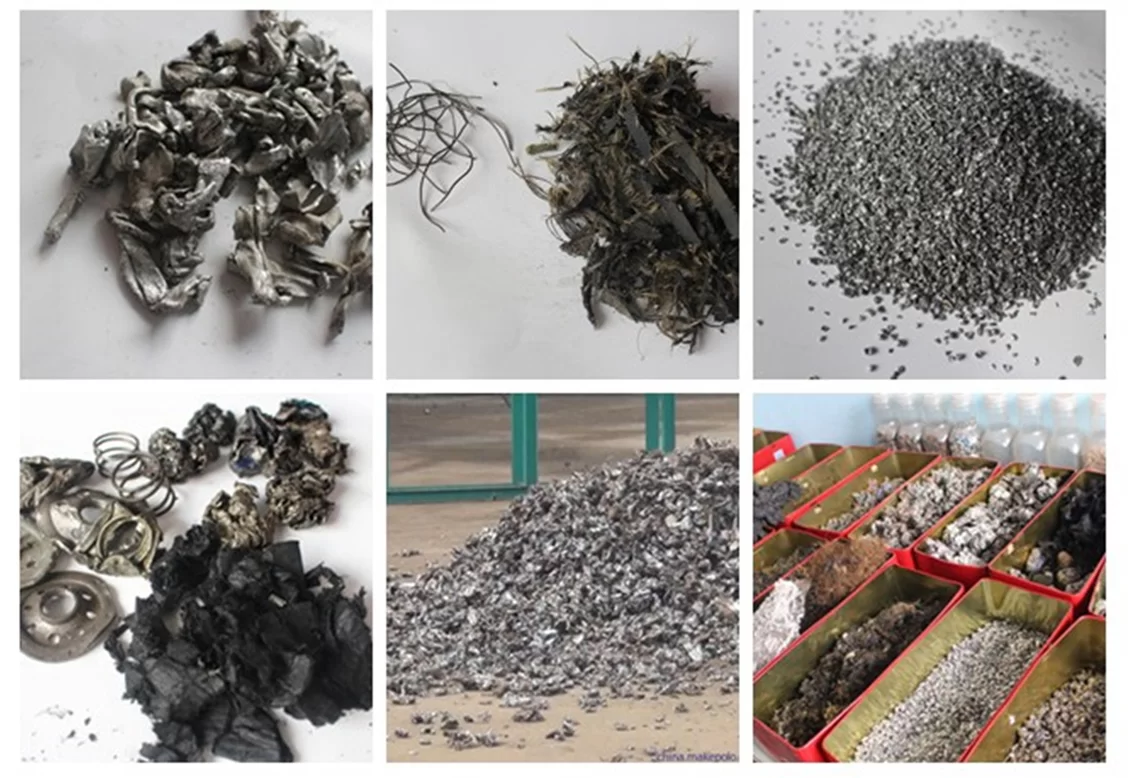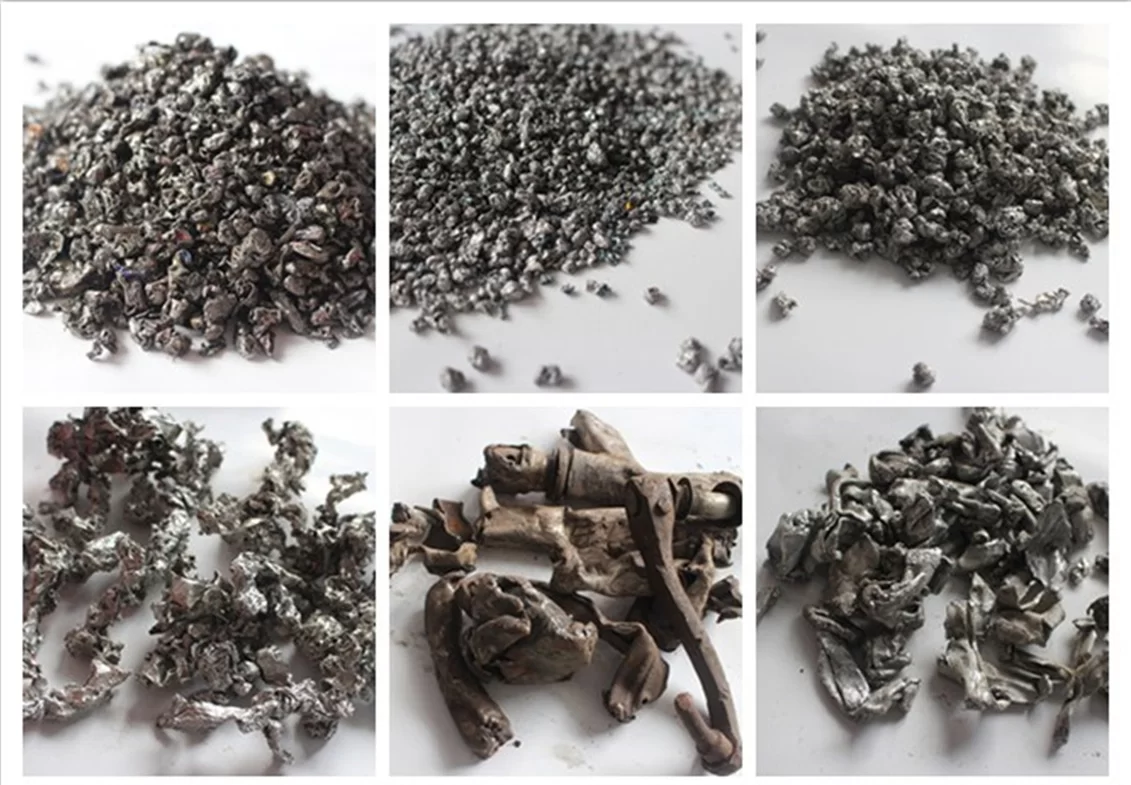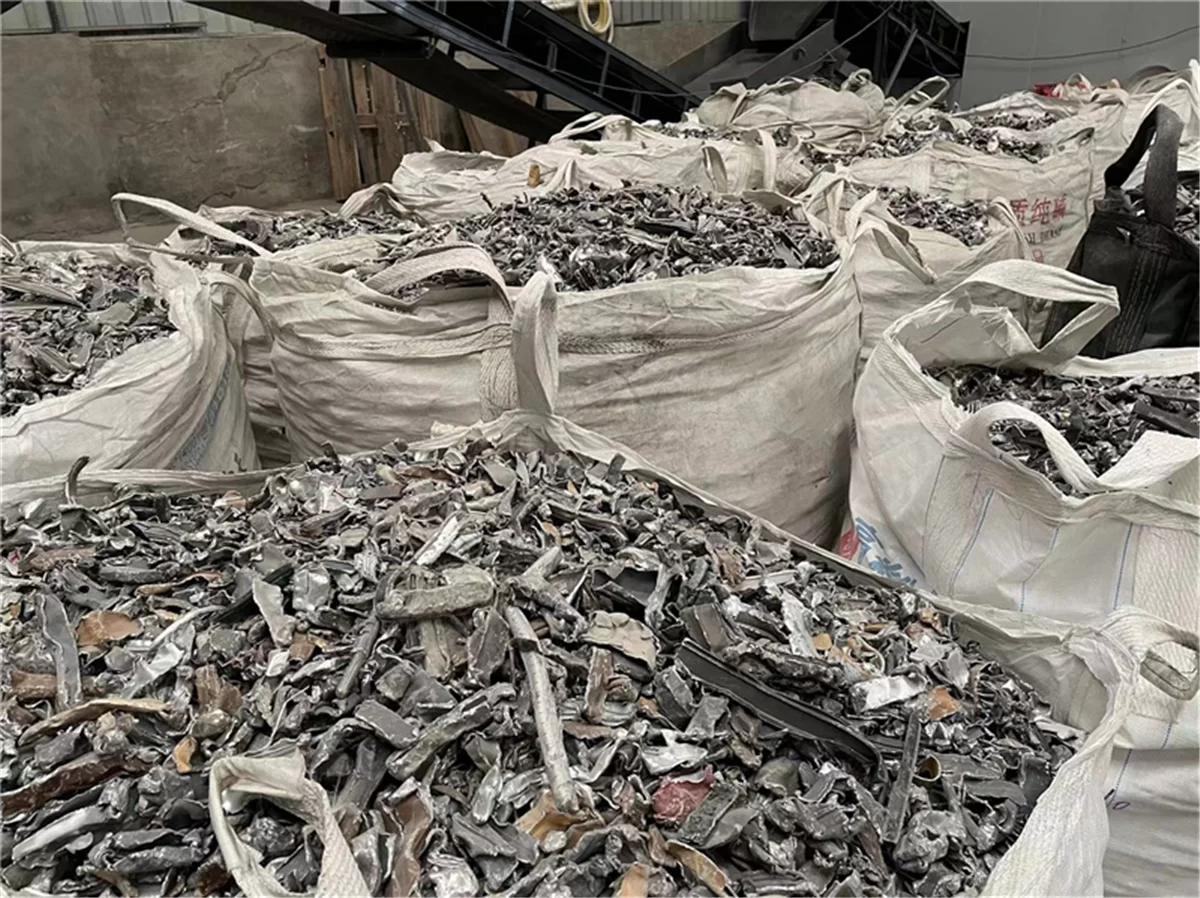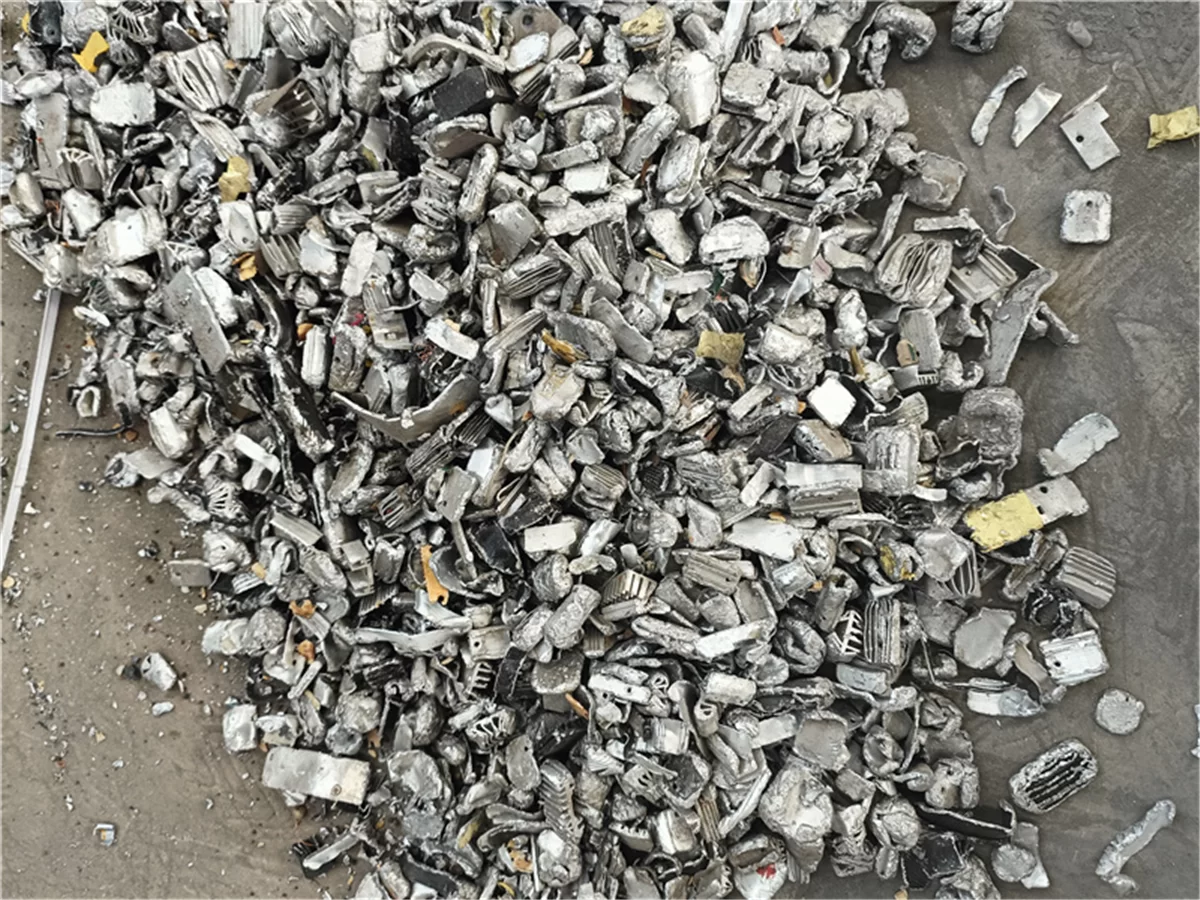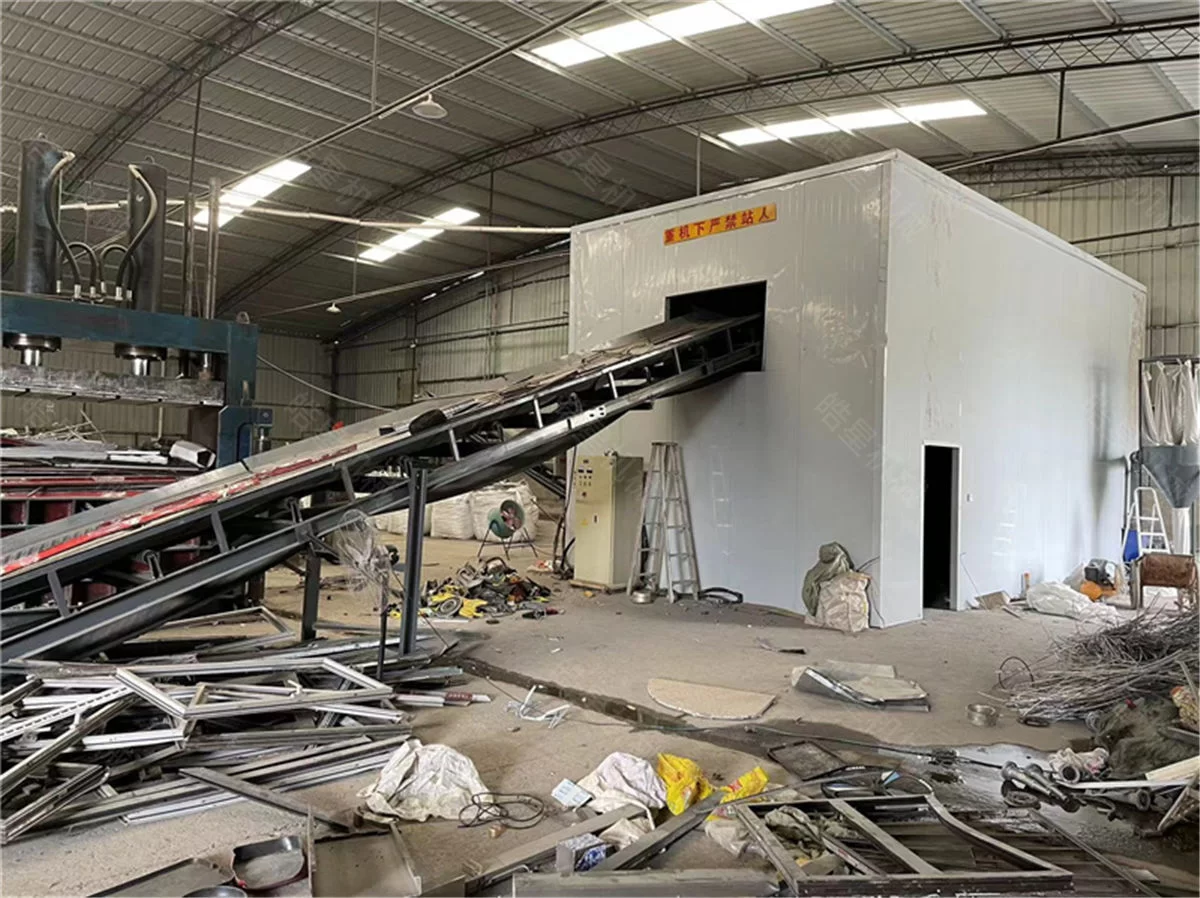

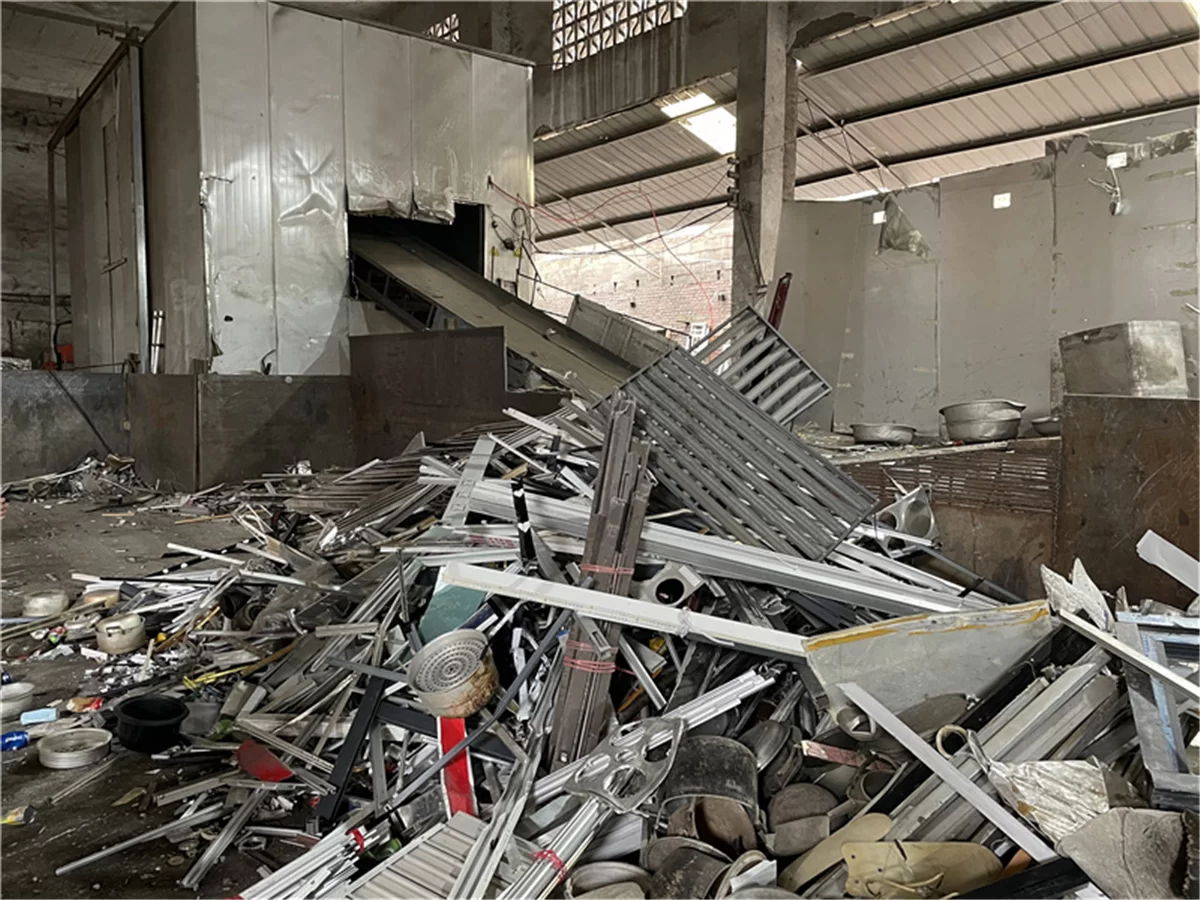
Mixed metal scrap is one of the most common materials in scrap yards, recycling centers, vehicle dismantling plants and metal recovery businesses. Unlike single-type scrap steel or scrap aluminum, mixed metal scrap usually contains different metals and impurities collected from various sources. It may include iron, steel, aluminum, copper, stainless steel, plastic, rubber, dust and other non-metallic materials.
For many recycling businesses in Southeast Asia, South Asia, the Middle East and Africa, mixed metal scrap is a daily material. It may come from scrap vehicles, household appliances, steel drums, aluminum profiles, UBC cans, waste motors, cables, radiators, metal offcuts and general scrap collection yards. Because the material composition is not uniform, it usually needs shredding, crushing and sorting before it can be sold at a higher value.
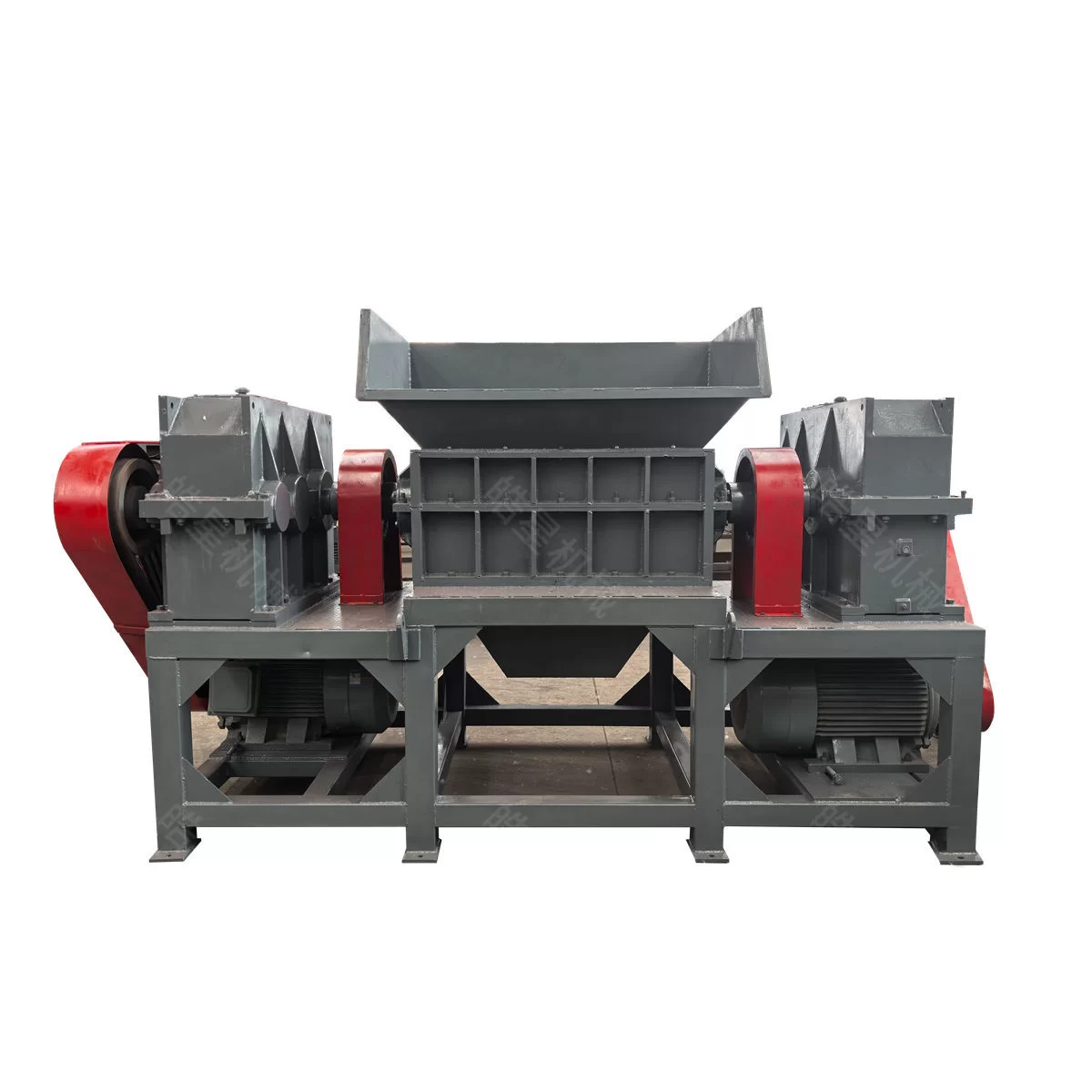
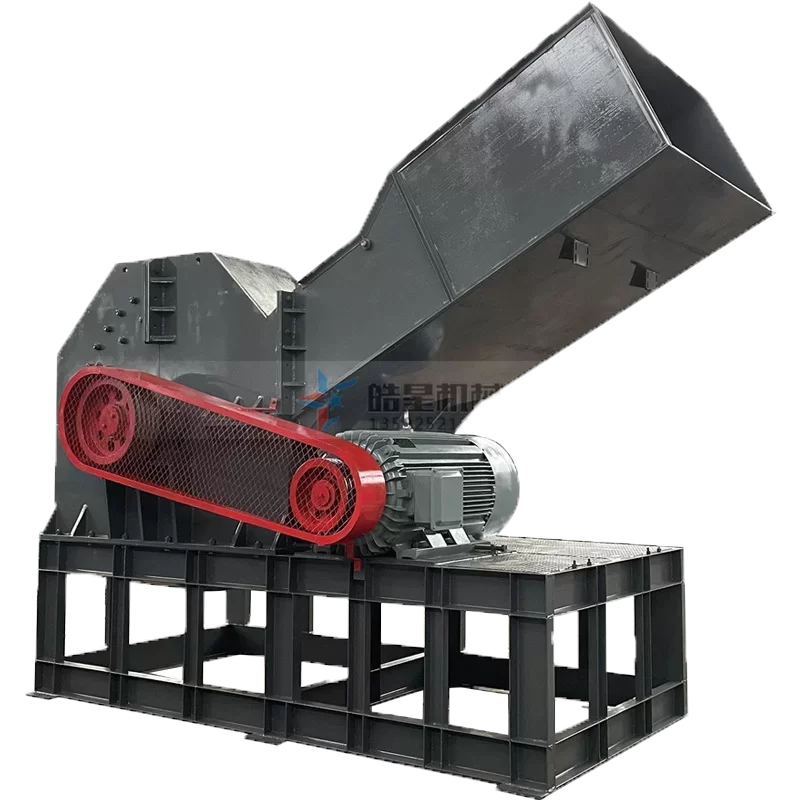
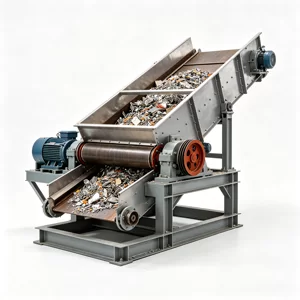
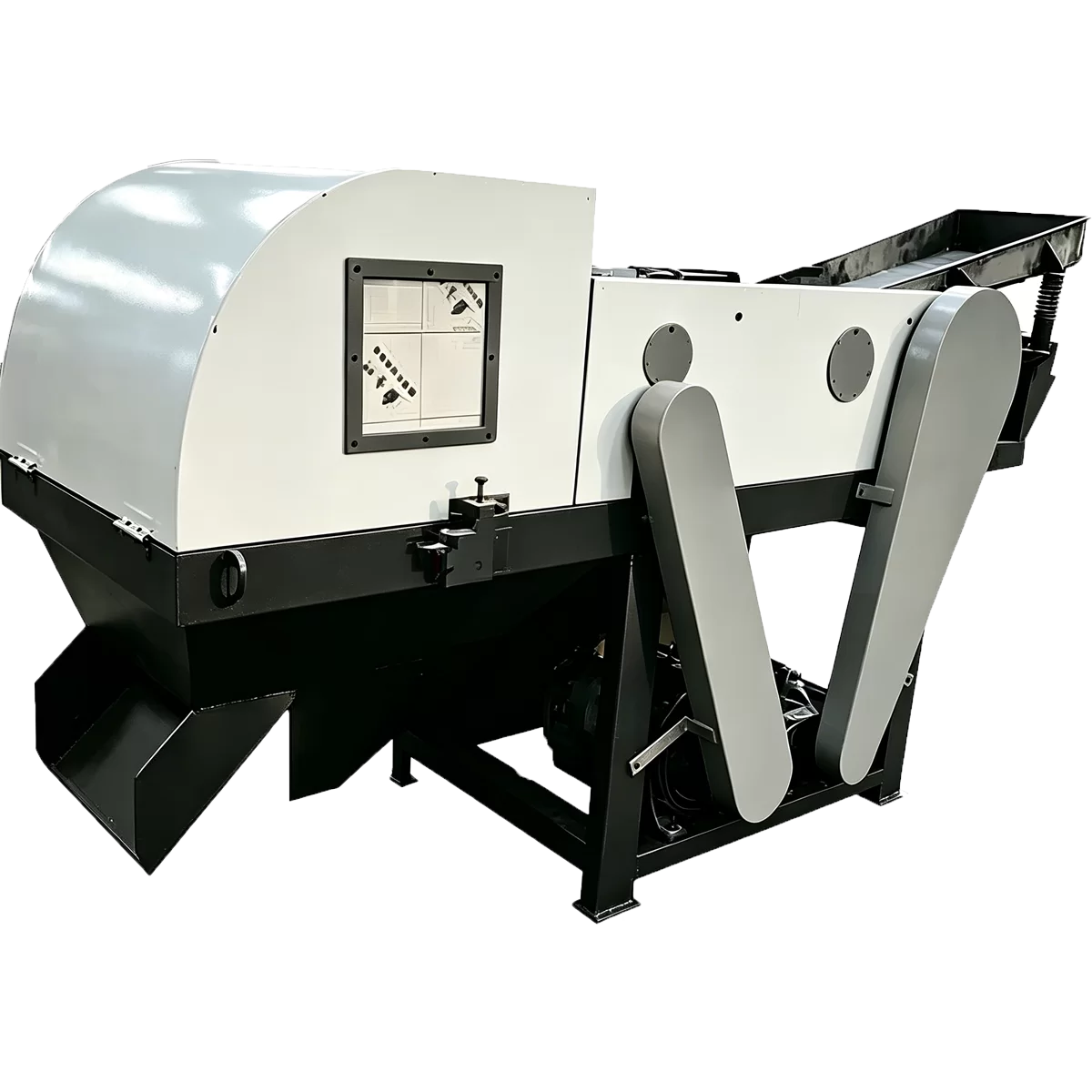
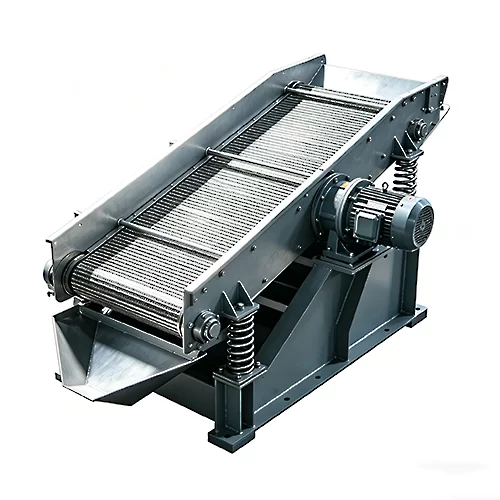
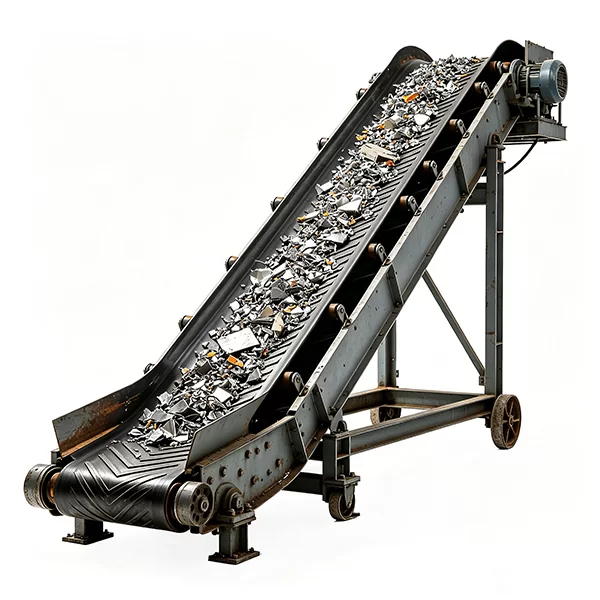
Haoxing Machinery provides complete mixed metal scrap recycling solutions. According to the material size, hardness, composition and required output, we can configure a twin shaft shredder, scrap metal crusher, magnetic separator, eddy current separator, belt conveyor, dust collection system and electric control system. The purpose is to reduce material size, improve feeding efficiency, separate ferrous and non-ferrous metals and increase the value of the final recyclable material.
Common Mixed Metal Scrap We Can Process
Mixed metal scrap
Mixed scrap metal
Ferrous and non-ferrous scrap
Iron and aluminum scrap
Copper aluminum mixed scrap
Steel and aluminum mixed waste
Post-shredded metal scrap
Metal and plastic mixtures
Mixed recycling scrap
Scrap metal mixtures
Metal offcuts with impurities
Mixed scrap from recycling yards
Vehicle dismantling mixed scrap
Household appliance mixed scrap
Recommended Processing Flow
Mixed metal scrap usually needs a flexible processing flow because the material condition can be very different from one customer to another. Some materials are loose and light, while others are bulky, pressed, tangled or mixed with non-metallic impurities.
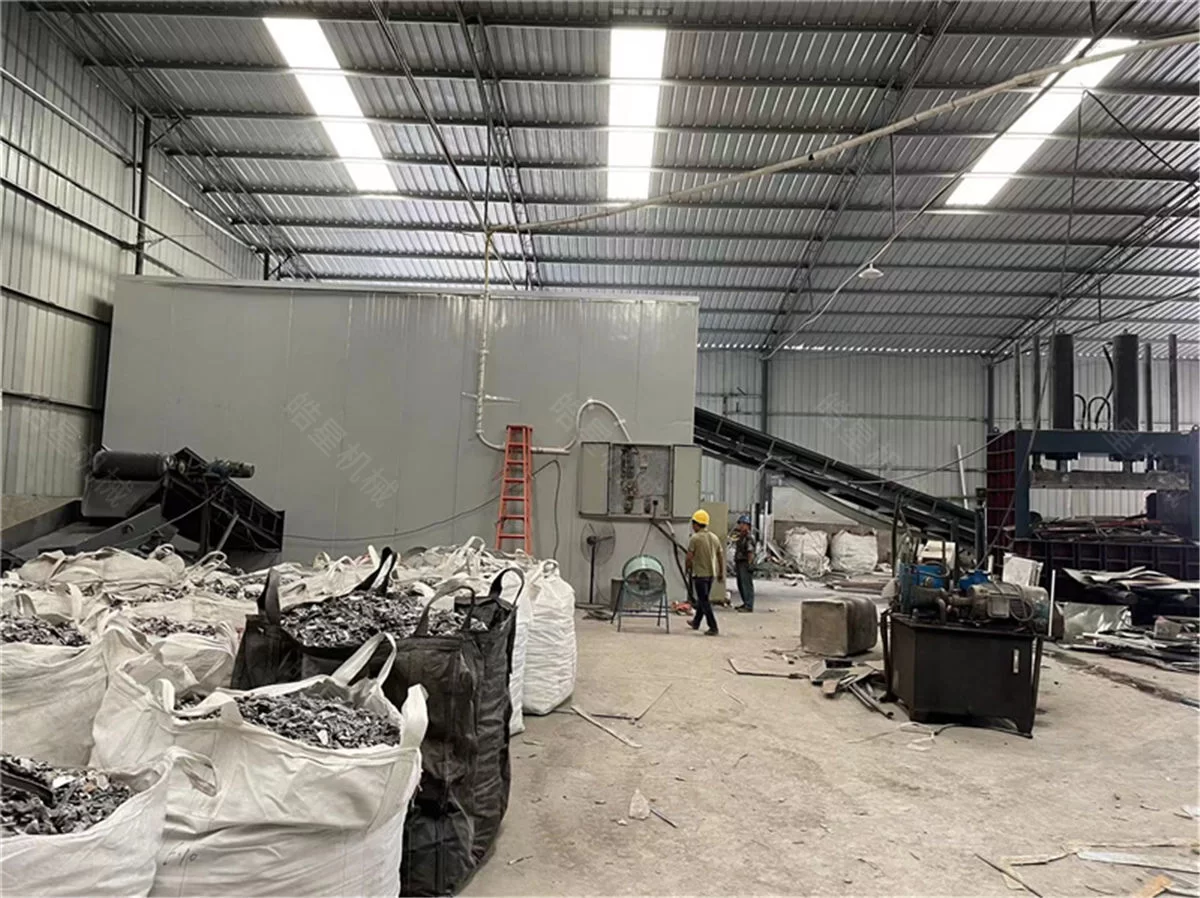
A typical mixed metal scrap recycling line can include:
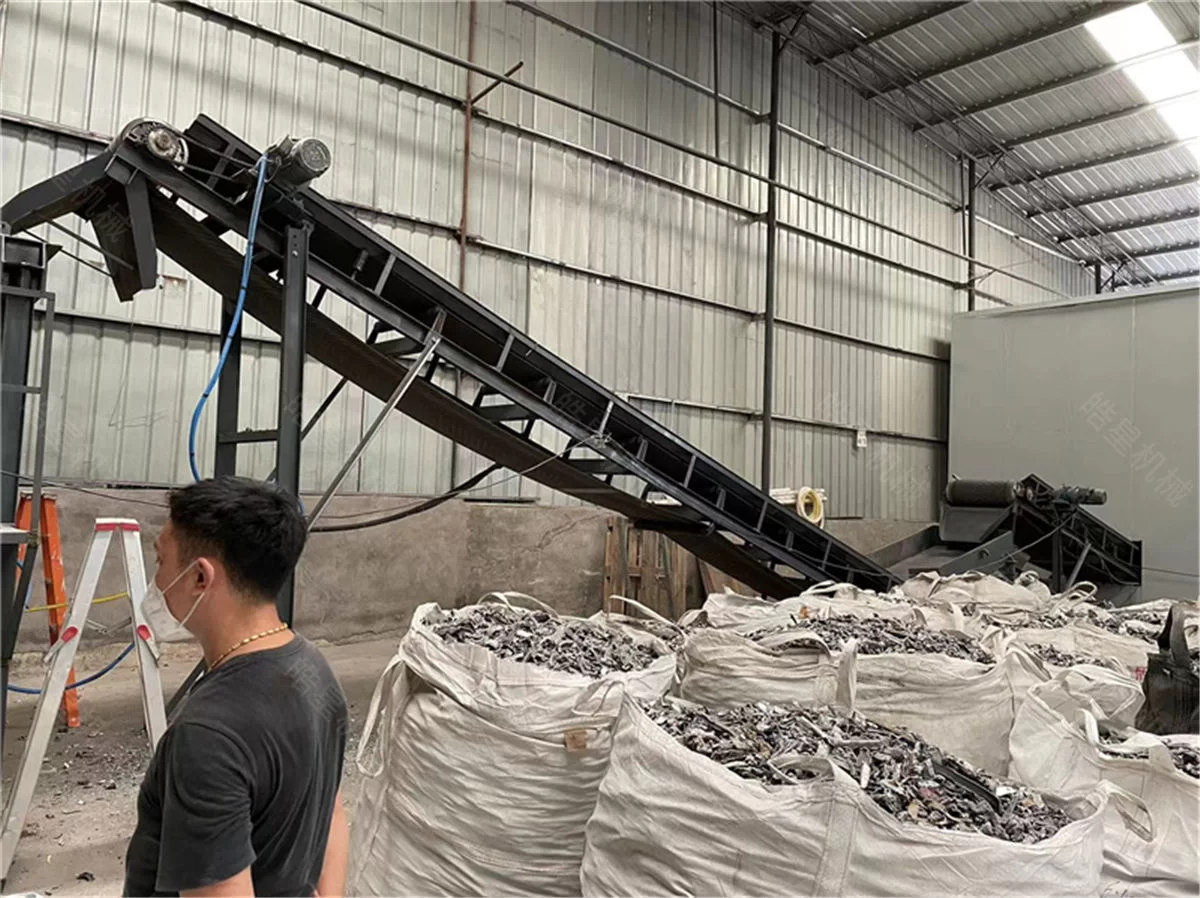
Feeding conveyor for continuous material feeding
Twin shaft shredder for bulky, tangled or large mixed materials
Scrap metal crusher for further crushing and size reduction
Magnetic separator for recovering ferrous metals
Eddy current separator for separating aluminum and other non-ferrous metals
Output conveyor for finished material discharge
Dust collection system for cleaner operation
Manual sorting position, optional, for removing large impurities
Electric control cabinet for line operation
For loose mixed scrap metal, the material may enter the crusher directly. For large or complex materials such as car body parts, appliance shells, steel drums, aluminum profiles, waste motors or pressed scrap, a twin shaft shredder is usually recommended before crushing.
Why Mixed Metal Scrap Needs Sorting
Mixed metal scrap usually contains both ferrous and non-ferrous materials. If the material is sold without proper separation, the value may be much lower. After shredding and crushing, the material becomes smaller and easier to sort. agnetic separation can recover iron and steel from the processed material. After ferrous metal removal, screening and suitable size reduction, eddy current separation can recover conductive non-ferrous metals from appropriate non-metallic material streams. Additional sorting may be required when aluminum, copper and other non-ferrous metals need to be collected as separate products.
For recycling plants, this process can reduce manual sorting work and improve the value of recovered materials. A properly designed mixed metal recycling line can also make feeding more stable, reduce material blockage and improve continuous production efficiency.
Processing Advantages
Suitable for mixed scrap metal from recycling yards and dismantling plants
Processes both ferrous and non-ferrous metal materials
Reduces bulky and irregular materials into smaller pieces
Separates iron and steel by magnetic separator
Recovers aluminum and other non-ferrous metals by eddy current separator
Reduces manual sorting and handling work
Improves the value of final recyclable materials
Can be designed as a single-machine system or complete recycling line
Suitable for scrap yards, metal recovery plants and vehicle dismantling businesses
Equipment Selection for Mixed Metal Scrap
The right equipment depends on the material composition. If the mixed metal scrap is mainly loose sheet metal, cans, small aluminum pieces and light steel scrap, a scrap metal crusher with magnetic separator may be enough. If the material contains large frames, drums, motors, appliance shells, aluminum profiles, pressed scrap or tangled materials, a twin shaft shredder should be added before the crusher.
For customers who need to recover non-ferrous metals such as aluminum and copper, an eddy current separator is usually recommended after magnetic separation. The magnetic separator removes ferrous metal first. Then the eddy current separator separates aluminum and other non-ferrous metals from the remaining mixed materials.
Haoxing Machinery can design the line according to your material source, material size, required capacity, target purity, factory space and budget.
Custom Mixed Metal Scrap Recycling Line
Different recycling plants handle different types of mixed scrap. Some customers mainly process mixed metal from scrap yards, while others handle car dismantling scrap, appliance dismantling scrap, mixed aluminum and steel scrap, copper-aluminum mixed materials or post-shredded scrap.
Haoxing Machinery can provide customized solutions according to your actual material. You can send us photos or videos of your mixed metal scrap, including material size, composition, impurity condition, required capacity and final output requirement. Our engineers will recommend a suitable shredder, metal crusher, magnetic separator, eddy current separator and conveyor system for your project.