🏭 Category: Steel Shredding Equipment

Scrap Iron Crusher

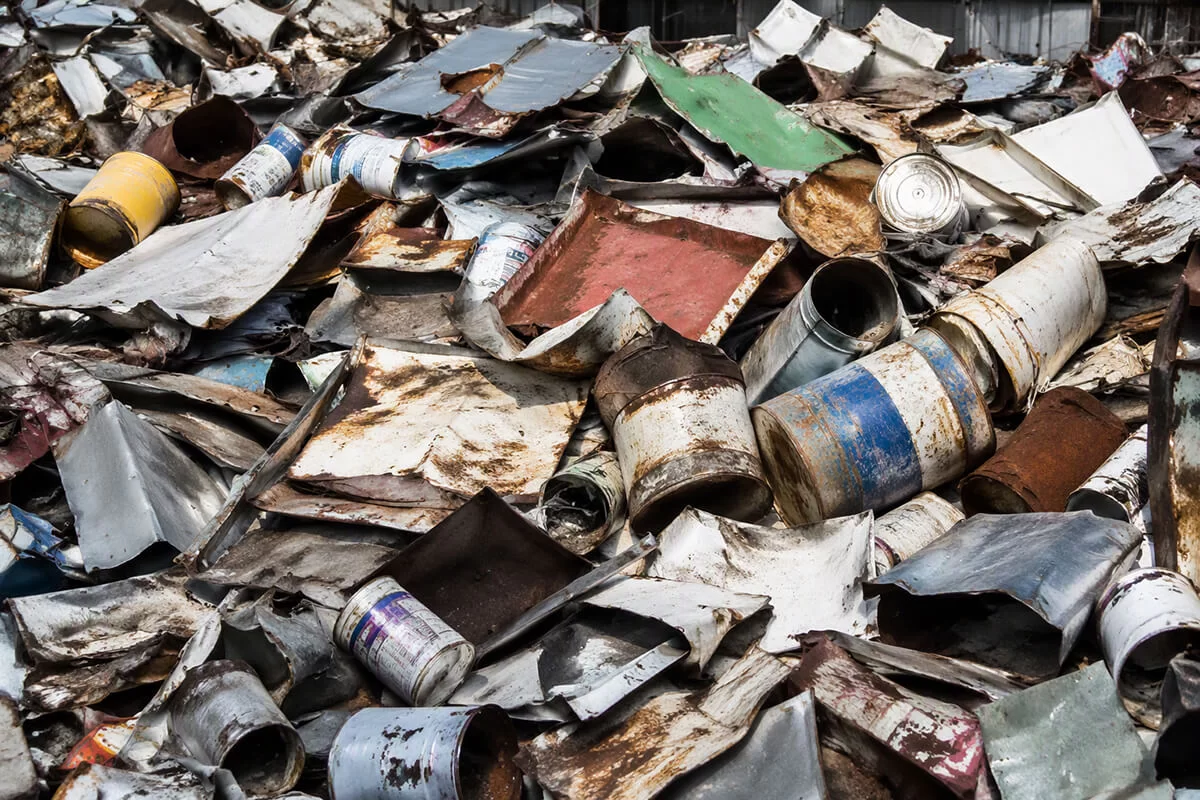
Applicable Materials: Prepared scrap iron sheets, thin steel panels, empty metal drums, cleaned paint buckets, appliance iron shells, light fabrication offcuts, small iron frames and other light ferrous scrap within the crusher feeding limits.Thick solid steel, heavy beams, large cast iron parts, sealed containers, pressure vessels, batteries, fuel tanks and drums containing hazardous residues require separate preparation or another processing method.

Product Parameters

Key technical information for quick evaluation.

Power
30kW-450kW(View Specs)
Production Capacity
0.8t/h-15t/h(View Specs)
Output Size
20mm-100mm(Screen Customization Available)
Production Line Composition
Scrap iron crusher main unit, high-speed rotor, hammer assembly, wear-resistant liner plates, screen grate, drive motor, feeding and discharge connections, electric control cabinet and safety protection device. Optional equipment includes feeding and discharge conveyors, scrap iron shredder, magnetic separator, screening equipment, airflow sorting equipment, manual sorting platform and dust collection system.
Reference Price
(Price varies by model. See specs or call.)
Product Details

Scrap Iron Crusher

Review the equipment introduction, working principle, advantages and technical specifications in one clear page.

01

Equipment Introduction

Scrap Iron Crusher

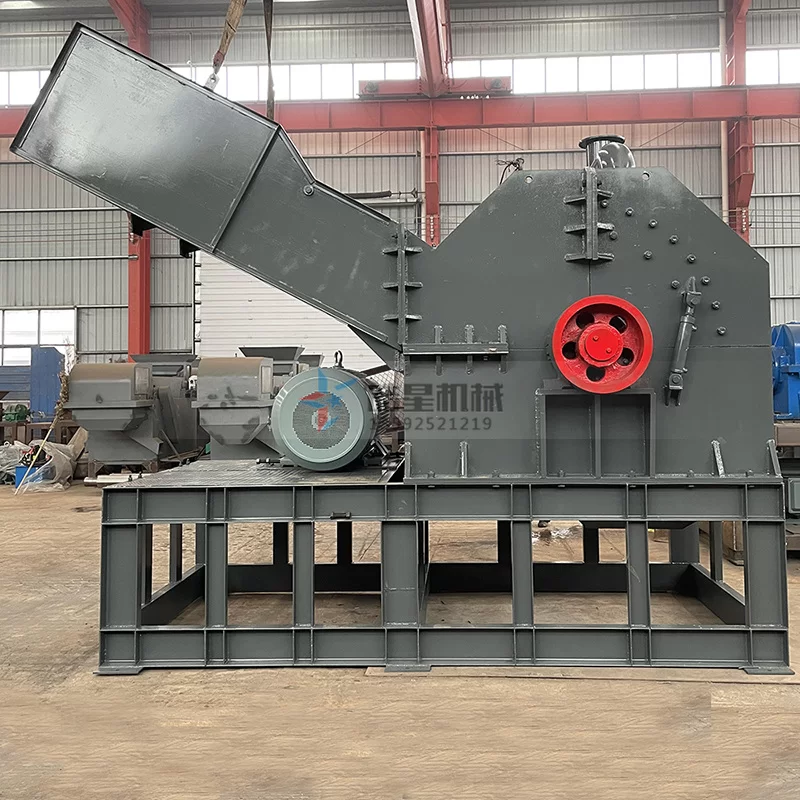
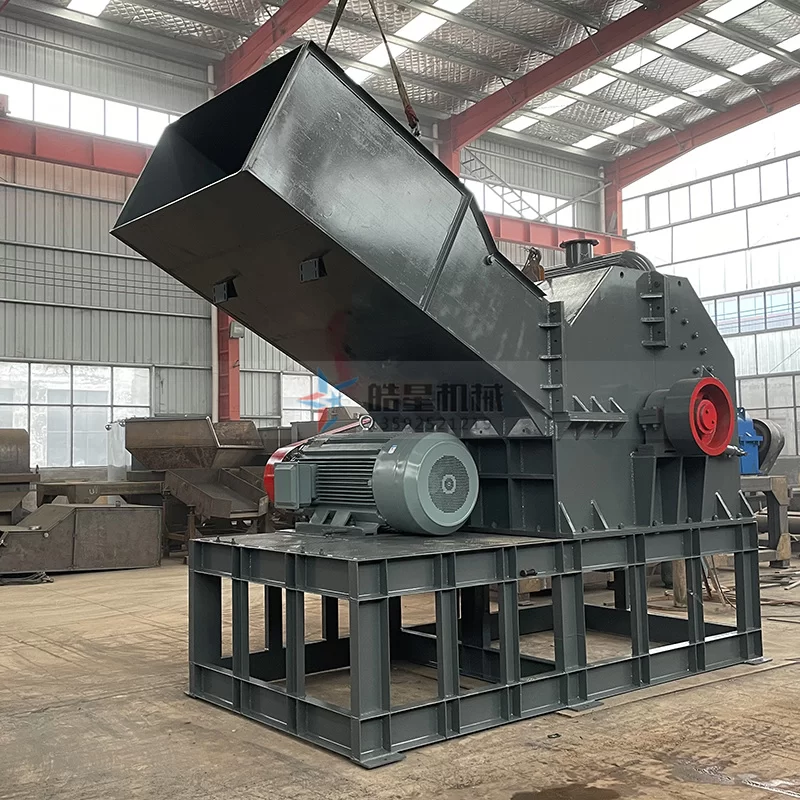
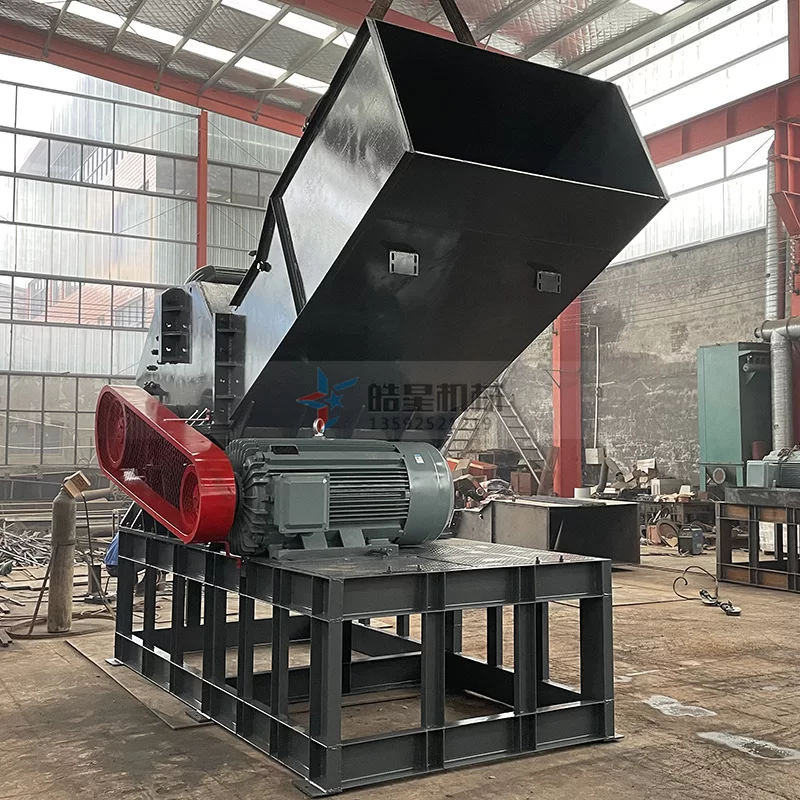
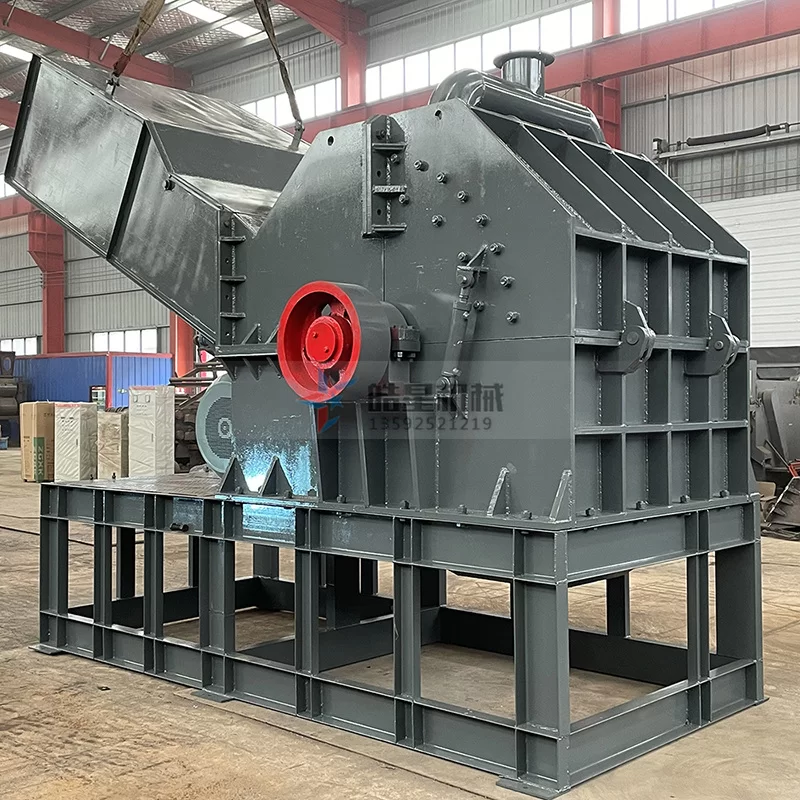
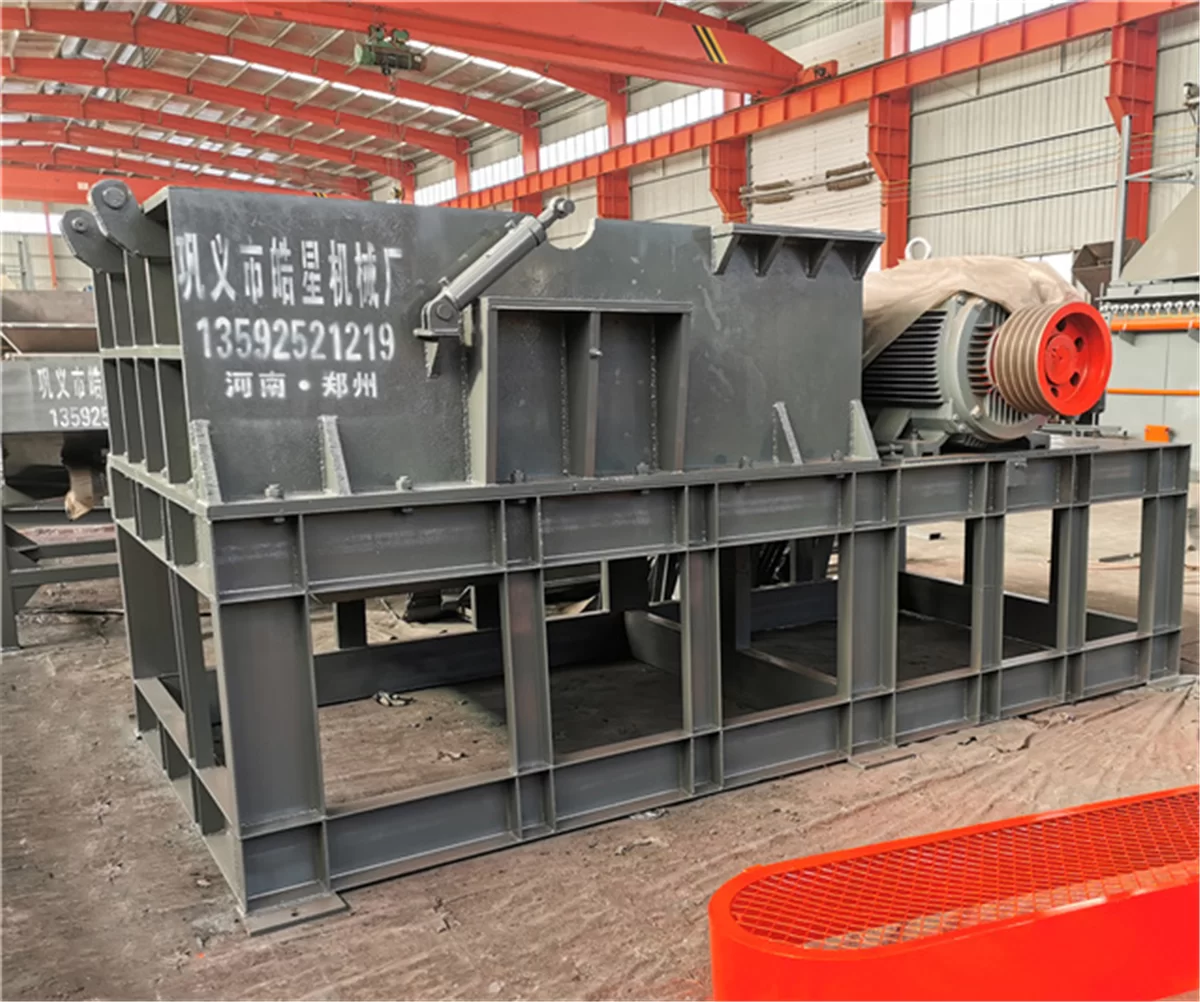
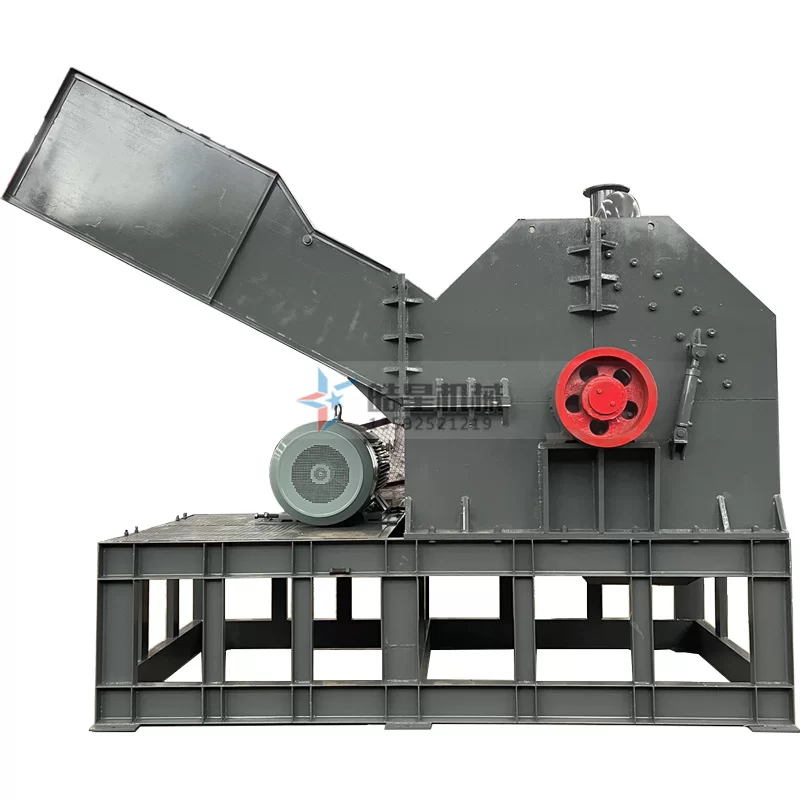
The scrap iron crusher is a high-speed hammer crushing machine used to reduce prepared iron sheets, light ferrous scrap, empty metal drums, appliance shells and fabrication offcuts into smaller, screen-controlled pieces.

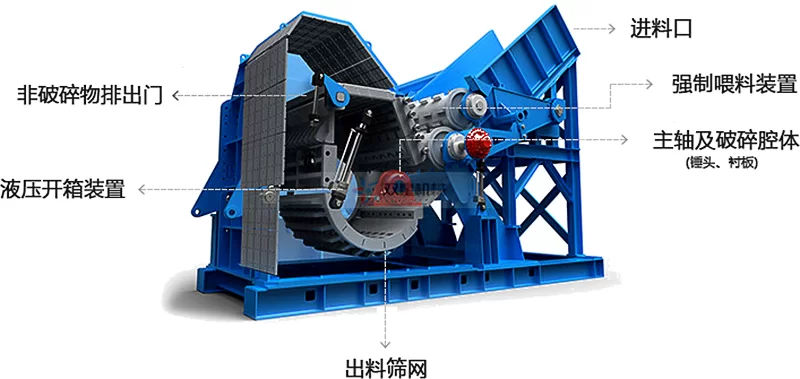
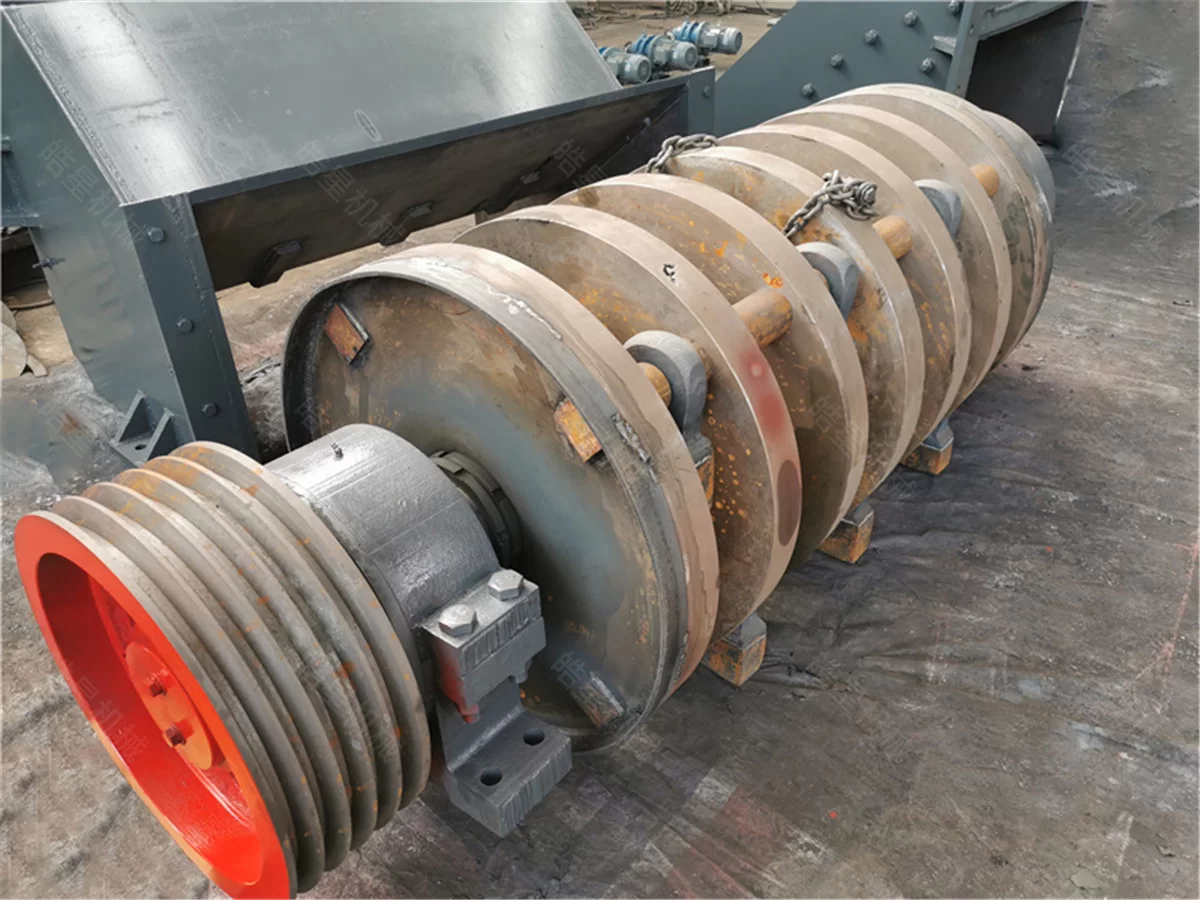
A high-speed rotor drives the hammers to repeatedly impact, deform and break the prepared iron scrap inside the crushing chamber. The hammers, liner plates and screen grate work together to reduce the material, while the selected screen opening helps control the discharge size.

Properly sized thin and light iron scrap may enter the crusher directly. Bulky, bundled, compressed or difficult-to-feed material may first require pre-cutting or primary size reduction by a scrap iron shredder.

When the incoming material includes a broader mixture of lightweight steel, appliance shells, metal packaging and fabrication scrap, a scrap steel crusher may also be evaluated according to the required capacity and output condition.

After crushing, a magnetic separator can recover iron and steel from loosened coating fragments, plastic attachments and other suitable non-magnetic residues.

Clean, single-metal iron scrap may not require magnetic separation. Screening, manual inspection or airflow sorting can be added when the processed material contains coatings, plastic, rubber or other non-metallic attachments.

After ferrous metal recovery and suitable material preparation, an eddy current separator may only be considered when conductive non-ferrous metals remain mixed with non-conductive residues. It is not a standard requirement for clean scrap iron processing.

The scrap iron crusher can operate as an individual machine or form part of a scrap steel shredding production line with controlled feeding, optional primary shredding, magnetic separation, screening, dust collection and centralized control.

Thick solid shafts, heavy structural steel, oversized castings, sealed containers, pressure vessels, batteries, fuel tanks and unidentified hazardous materials require separate handling, hydraulic shearing or another processing method.

02

Working Principle

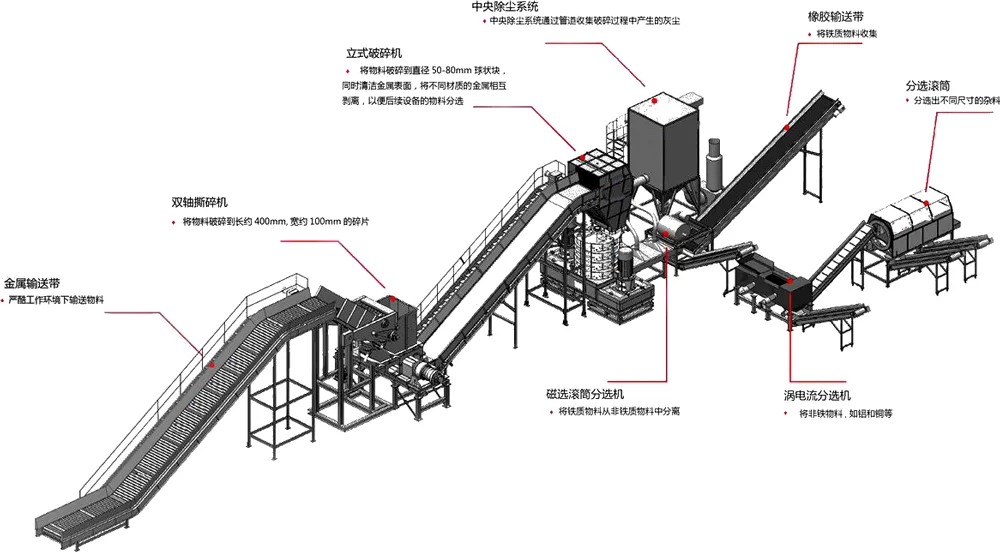
Scrap Iron Crusher Production Line Configuration:

Scrap Metal Crusher Production Line

Scrap Iron Crushing Process

Material Inspection and Preparation

Scrap iron should be inspected before crushing. Sealed containers, pressure vessels, batteries, fuel tanks, explosive items, thick solid steel and unidentified hazardous materials must be removed or handled separately.

Empty drums, paint buckets and previously contaminated containers should be opened, drained and prepared according to local operating requirements before entering the crusher.

Controlled Feeding

Prepared scrap iron is transferred into the crushing chamber by a conveyor or suitable feeding device. The feeding rate should match the material dimensions, thickness, bulk density and crusher load.

Bulky, bundled or compressed material may require opening, pre-cutting or primary shredding before hammer crushing.

Hammer Crushing

A high-speed rotor drives the hammers to repeatedly impact, deform and break the iron scrap inside the crushing chamber. Friction and compression between the hammers, liner plates and screen grate further reduce the material.

The crushing action may expose or loosen coatings, plastic attachments and other components, but it does not automatically remove all paint, rust or contamination.

Screen-Controlled Discharge

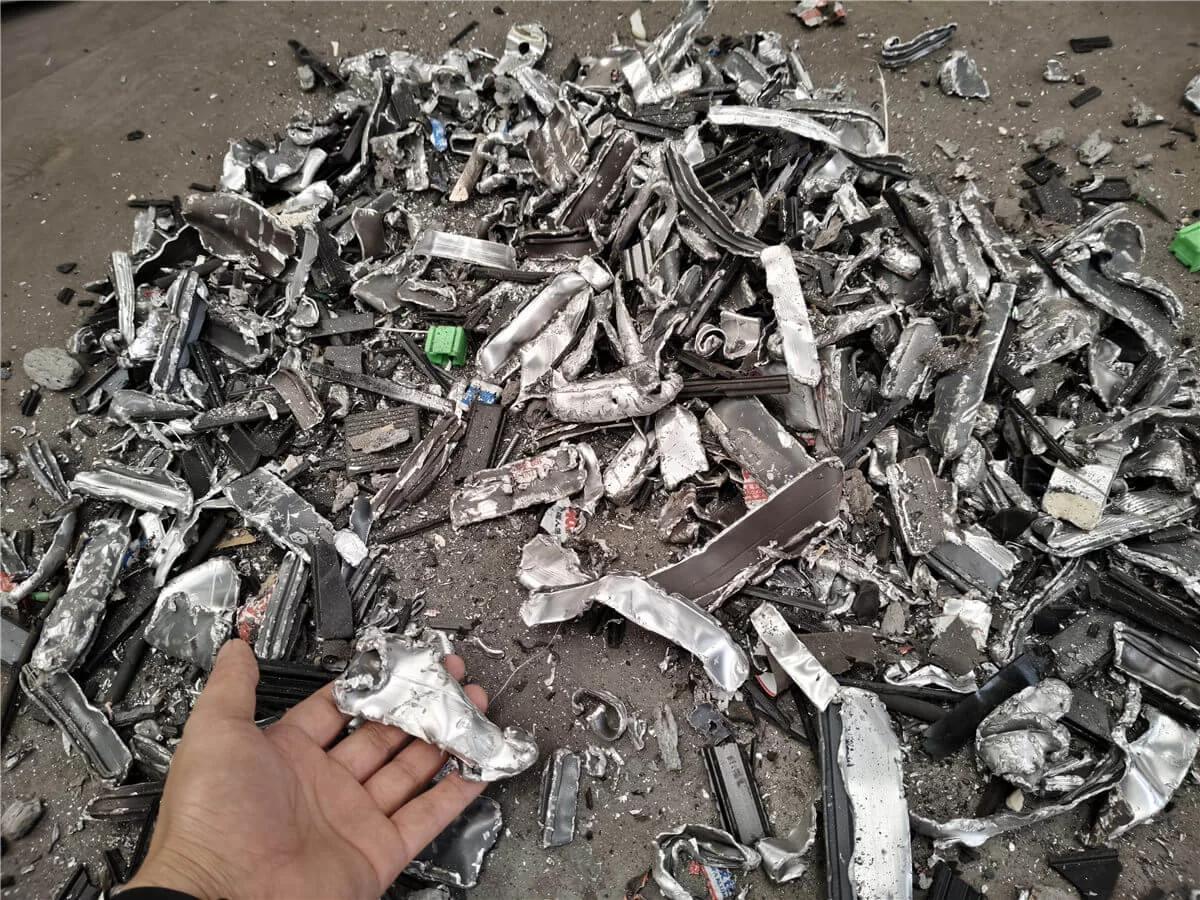
Material that meets the selected screen opening is discharged from the crusher, while oversized pieces remain inside the crushing chamber for further processing.

Actual output depends on the material thickness, feeding condition, hammer configuration, screen opening and crusher load.

Magnetic Separation

After crushing, the processed material can pass through magnetic separation. Iron and steel are recovered from loosened non-magnetic residues and transferred to a separate collection area.

Clean, single-metal iron scrap may be collected directly without this separation stage.

Optional Screening and Light-Material Separation

Screening can divide the crushed output into different particle-size fractions and remove excessive fines.

Airflow sorting or manual inspection may be added when the material contains paint flakes, plastic, rubber, foam or other lightweight attachments.

Dust Collection

Dust collection can be configured around the crusher, screening equipment and conveyor transfer points according to the surface coating, contamination level and workshop requirements.

Material Collection

Processed iron, non-magnetic residues and collected fine material are transferred to separate collection areas according to the selected recycling process.

03

Features and Advantages

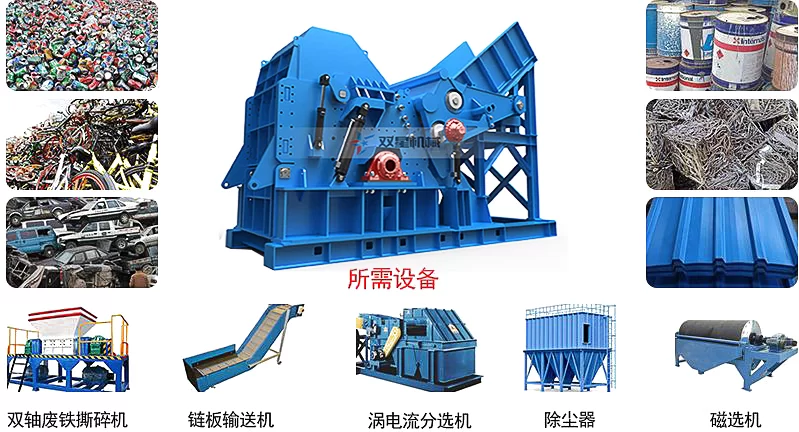
Materials that the scrap iron crusher can handle:

Materials that the scrap iron crusher can handle

Scrap Iron Crusher Features

Heavy-Duty Crusher Structure

The main crusher housing is welded from thick steel plates. The reinforced structure is suitable for continuous crushing of scrap iron, steel sheets, drums, light ferrous scrap and other recyclable metal materials.

High-Speed Hammer Crushing System

The crusher uses a high-speed rotor and hammer system to impact, tear and crush scrap iron materials. The hammers, liner plates and screen grate work together to reduce the material size and prepare the crushed scrap for conveying, sorting or further recycling.

Wear-Resistant Liners and Hammers

The crushing chamber can be equipped with wear-resistant liner plates and alloy hammers according to the material type and operating conditions. Wear parts can be inspected and replaced based on actual use.

Optional Forced Feeding Device

A forced feeding device can be added according to the material condition. It helps improve feeding stability when processing loose, thin or irregular scrap iron materials.

Hydraulic Lid Opening System

The crusher housing can be equipped with a hydraulic lid opening system. It provides easier access to the crushing chamber for internal inspection, cleaning, hammer replacement and screen maintenance.

Replaceable Screen Grate

Different screen openings can be selected according to the required output size and downstream sorting requirements. The screen grate can be replaced according to the material type and production requirements.

Dust Collection Available

A pulse dust collector can be added according to the material condition and site layout. It helps collect dust and fine particles generated during crushing and conveying.

Customizable Production Line

The production line can be customized according to the material type, required capacity and site layout. Available customization options include:

  • Feeding method

  • Crusher model

  • Motor power

  • Screen opening

  • Conveyor layout

  • Magnetic separator

  • Eddy current separator

  • Dust collection system

  • Control system

04

Technical Specifications

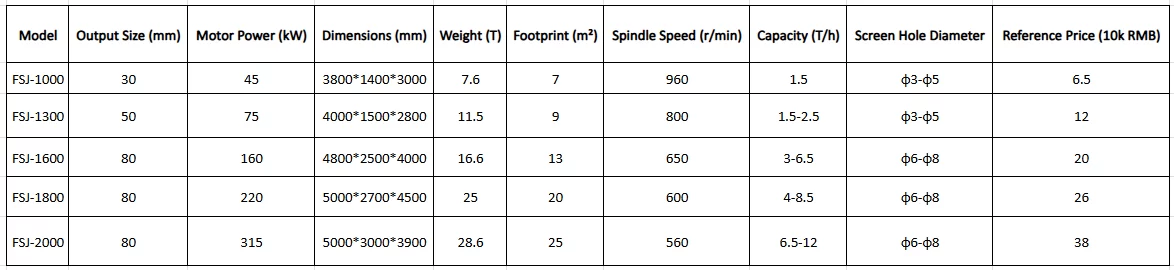
Parameter description diagram for Scrap Iron Crusher | Ferrous Metal Crushing Machine for Recycling | Haoxing Machinery:

Scrap Metal Shredder Parameters and Price List

Note: Specifications are for reference only. Actual capacity depends on material type, feeding size, material thickness, hardness, moisture content, screen opening and production line configuration.

Custom configurations are available according to material condition, required capacity, output size and site layout. The scrap iron crusher can work with feeding conveyor, discharge conveyor, magnetic separator, optional eddy current separator, pulse dust collector, electric control cabinet and other supporting equipment.

Applications

  • Scrap iron recycling and processing

  • Light ferrous scrap crushing

  • Steel sheet and iron sheet processing

  • Metal drum and container crushing

  • Industrial ferrous waste recycling

  • Scrap metal recycling yards

  • Steel scrap processing plants

  • End-of-life vehicle and appliance recycling lines

  • Scrap iron preparation for downstream separation and recycling

FAQ

Frequently Asked Questions

Find common questions about scrap metal crushers, shredders, recycling lines, equipment selection, capacity configuration and operation requirements.

QWhat maintenance is required for a scrap iron crusher?

A

Regular maintenance includes checking hammers, liners, screens, bearings, belts, bolts, lubrication, and motor current. Operators should also monitor screen blockage and hammer wear, because these factors directly affect output size and capacity.

QCan a scrap iron crusher process paint buckets and oil drums?

A

Yes. A scrap iron crusher can process many types of thin metal containers, including paint buckets, oil drums, iron barrels, and similar light ferrous metal scrap. If the containers are sealed, pressurized, or contain liquid residue, they should be opened, emptied, or pre-treated before crushing.

QHow do I choose a suitable scrap iron crusher model?

A

The model should be selected according to material thickness, feeding size, target output size, hourly capacity, motor power, screen opening, and hammer wear resistance. Small and medium systems may process around 1-5 t/h, while larger lines can be configured for higher capacity.

QCan a scrap iron crusher be used with magnetic separation equipment?

A

Yes. A scrap iron crusher can work with magnetic separators, conveyors, screening equipment, dust collection systems, and electric control cabinets. Magnetic separation can help remove or collect ferrous materials more efficiently and improve the cleanliness of the final output.

QWhat final discharge size can a scrap iron crusher produce?

A

The final discharge size depends on the crusher model, screen opening, hammer or blade structure, feeding size, material thickness, and recycling requirements. The machine can be configured to produce suitable iron pieces for magnetic separation, furnace feeding, transportation, or further processing.

QWhat is the main purpose of crushing scrap iron?

A

The main purpose of crushing scrap iron is to reduce large, loose, or irregular ferrous metal materials into smaller pieces for easier transportation, storage, sorting, melting, and recycling. Proper crushing can also improve feeding efficiency and reduce transportation costs.

QWhat materials can a scrap iron crusher process?

A

A scrap iron crusher is suitable for crushed-size processing of light scrap iron, tinplate, metal cans, iron sheets, appliance shells, small steel offcuts, and pre-shredded ferrous scrap. It is usually used when smaller output and better magnetic separation are required after primary shredding.

QCan a 20 mm steel plate be crushed, and what model is suitable?

A

A 20 mm steel plate may require a heavy-duty crusher or shredder. The final model should be selected according to plate size, material hardness, capacity requirement, and desired output size.

QIs a scrap iron crusher production line configured by the manufacturer?

A

Yes. A scrap iron crusher production line is usually configured by the manufacturer according to the customer’s raw material, site layout, capacity requirement, and discharge size. This helps avoid unnecessary equipment and improves production efficiency.

QCan a scrap iron crusher process steel wire?

A

Yes. A scrap iron crusher can process some steel wire, iron wire, scrap iron sheets, and metal offcuts. If the steel wire is highly tangled, a suitable shredding or pre-processing solution is recommended.

Post a Question

Leave your question about material type, capacity, equipment model or recycling line configuration.

Verification code
Get A Quote

Get Instant Pricing & Specs

Send your email and tell us your material type, capacity requirement and site condition. Our team will provide equipment selection, technical specifications and quotation details.

  • Model recommendation
  • Capacity configuration
  • Recycling line quotation

Request Product Details

We usually reply with equipment details and pricing information as soon as possible.

WhatsApp
💬
WhatsApp
WhatsApp QR Code
Scan or click to chat with us on WhatsApp.