How to Choose a Cost-Effective Scrap Steel Crusher for Small and Medium-Sized Enterprises
Scrap steel crushers are indispensable equipment in the metal recycling industry, offering efficient size reduction and metal purification. For small and medium-sized enterprises (SMEs), selecting the right machine involves balancing performance, cost, and long-term operational reliability. A poorly chosen crusher can lead to excessive energy consumption, frequent downtime, or insufficient throughput. This guide outlines the key factors to consider when investing in a high-value scrap steel crusher, along with reference specifications to aid decision-making.
Table of Contents
1. Assess Throughput Requirements
The first and most critical step is matching the crusher's processing capacity to your daily or hourly scrap intake. Oversizing leads to unnecessary capital expenditure and higher idle energy costs, while undersizing creates production bottlenecks.
For small and medium-sized operations—such as regional scrap yards, auto dismantlers, or light industrial waste processors—a crusher with a capacity between 2 and 10 tons per hour typically provides the optimal balance of output and affordability.
Reference Capacity Ranges:
| Model Example | Motor Power | Capacity (t/h) | Suitable For |
|---|---|---|---|
| HX-FT800 | 45 - 55 kW | 2 - 4 | Small workshops, light gauge scrap |
| HX-FT1000 | 75 - 90 kW | 4 - 6 | Medium scrap yards, mixed light scrap |
| HX-FT1300 | 132 - 160 kW | 6 - 10 | Larger SMEs, baled scrap, auto bodies |
Selecting a model within this range ensures that the machine operates at its designed efficiency without overloading or underutilization.
2. Consider Output Particle Size Requirements
The desired size of the final crushed product directly influences downstream processing and resale value. Scrap steel crushers utilize interchangeable bottom screen grates to control output dimensions, typically adjustable between 5mm and 80mm.
Finer output (5-20mm): Ideal for direct furnace charging in steel mills, commanding higher market prices due to increased density and purity.
Coarser output (30-80mm): Suitable for secondary shredding or as feedstock for baling presses.
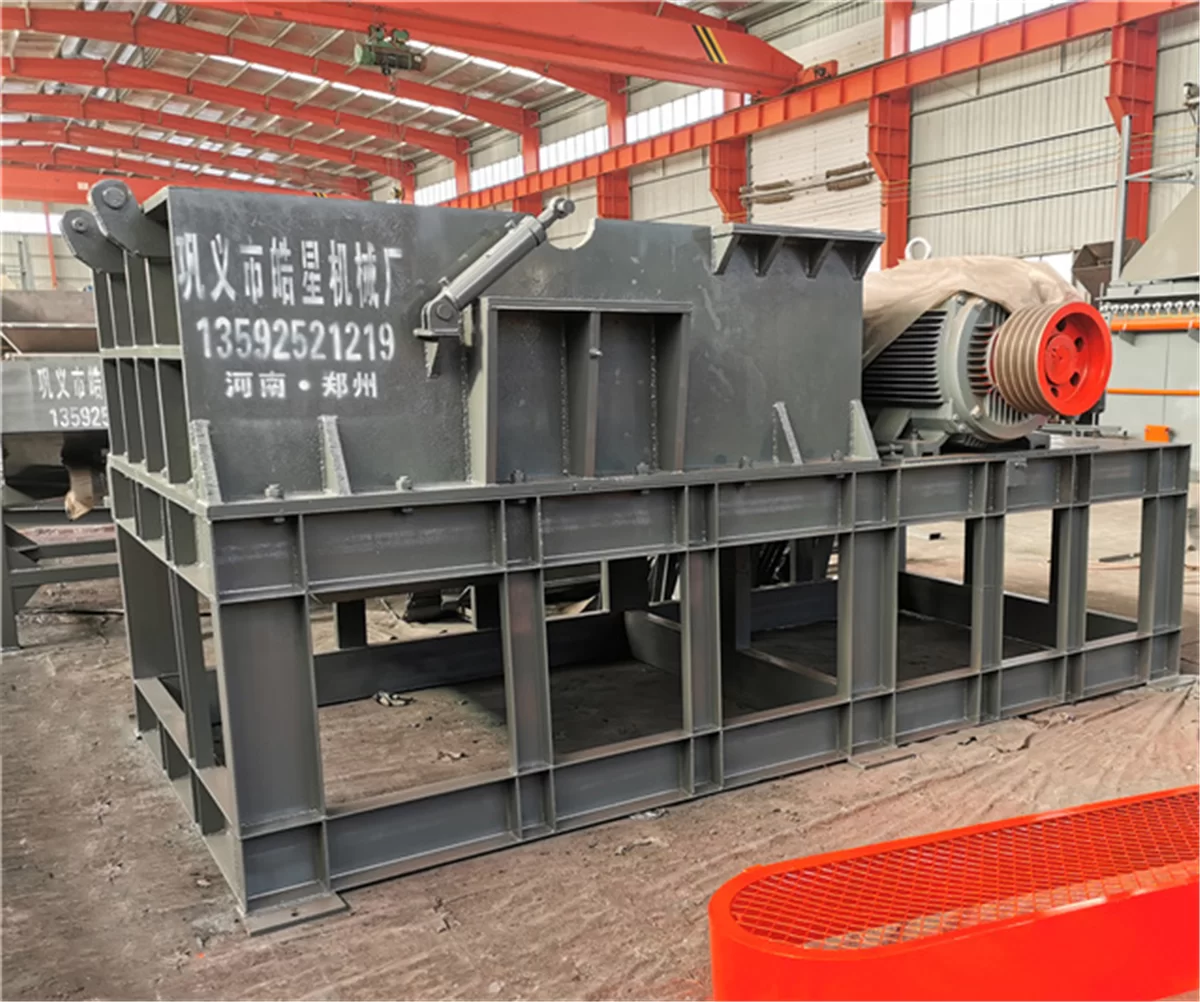
When evaluating a machine, confirm that the screen grate system allows for easy replacement and that the crusher can achieve your required particle size distribution consistently. Haoxing crushers feature hydraulically assisted lid opening for quick screen changes, minimizing downtime between batches.
3. Evaluate Energy Efficiency and Drive Configuration
Energy consumption represents a significant portion of operational expenditure. Modern scrap steel crushers are typically driven by either direct electric motor coupling or hydraulic systems.
Electric Motor Drive: More energy-efficient for continuous operation, simpler in design, and generally lower in maintenance costs. Ideal for SMEs with stable power supply and medium-duty cycles.
Hydraulic Drive: Provides higher torque at low speeds and can handle harder, thicker materials, but may involve higher initial cost and more complex maintenance.
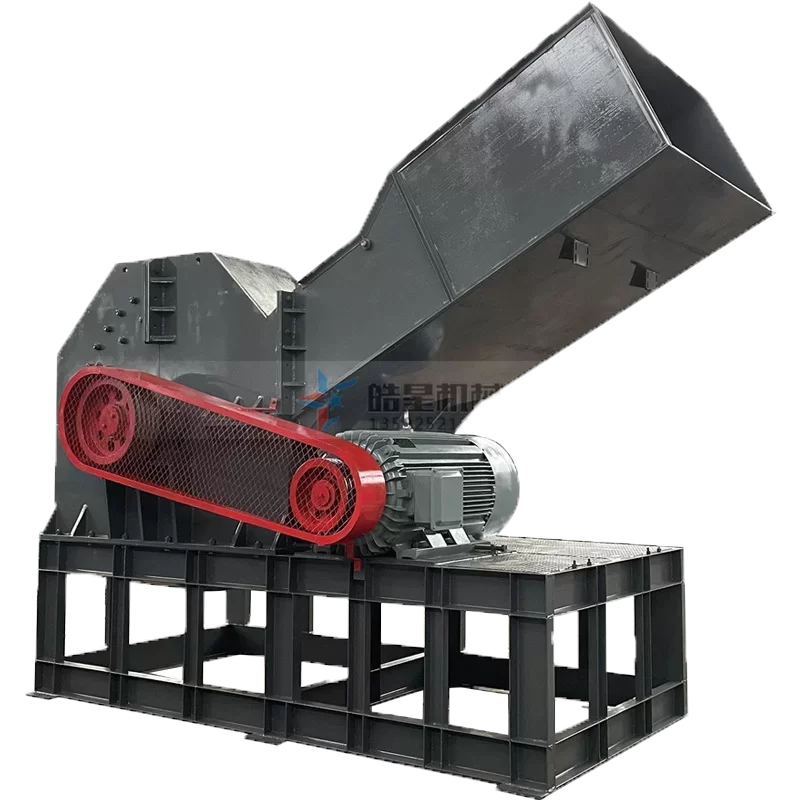
For most small and medium enterprises processing light to medium gauge scrap (e.g., car bodies, sheet metal, household appliances), an electric motor-driven hammer mill offers the best combination of energy efficiency, reliability, and ease of operation. Look for models equipped with high-efficiency IE3 or IE4 motors and optimized rotor dynamics to reduce power consumption.
4. Prioritize Ease of Operation and Maintenance
Downtime in a scrap recycling operation directly impacts revenue. Therefore, selecting a crusher designed for straightforward operation and minimal maintenance is essential.
Key features to look for include:
Hydraulic Lid Opener: Allows quick access to the crushing chamber for hammer inspection and replacement without heavy lifting equipment.
Pivot-Mounted Hammers: Hammers that swing away when encountering unshreddable objects (e.g., large solid steel blocks) protect the rotor and reduce damage risk.
Replaceable Wear Liners: High-manganese steel liners that can be individually replaced extend the service life of the main housing.
Centralized PLC Control: Enables one-touch start/stop, overload protection, and real-time monitoring of operating parameters.
These features reduce the reliance on highly skilled labor and keep maintenance costs predictable, which is particularly important for businesses without extensive in-house engineering support.
5. Examine Build Quality and Component Longevity
The durability of core components determines the long-term cost-effectiveness of the machine.
Housing Construction: Opt for crushers with housing fabricated from 25mm to 50mm thick manganese steel plate, reinforced with structural ribs to withstand continuous impact without deformation.
Hammers and Liners: High-chromium alloy hammers (HRC 58-62) and high-manganese steel liners offer excellent wear resistance, extending replacement intervals.
Bearings and Seals: Sealed, heavy-duty spherical roller bearings with forced lubrication systems ensure reliable operation under high loads.
Investing in robust construction upfront reduces the frequency and cost of major overhauls, delivering a lower total cost of ownership over the machine's lifespan.
6. Match the Crusher to Your Material Type
While scrap steel crushers are versatile, specific models are optimized for particular material characteristics.
| Material Type | Recommended Crusher Features |
|---|---|
| Light Gauge Scrap (car bodies, sheet metal) | Standard hammer mill with medium screen aperture |
| Heavy Scrap (baled steel, structural sections) | Reinforced rotor, higher motor power, optional hydraulic drive |
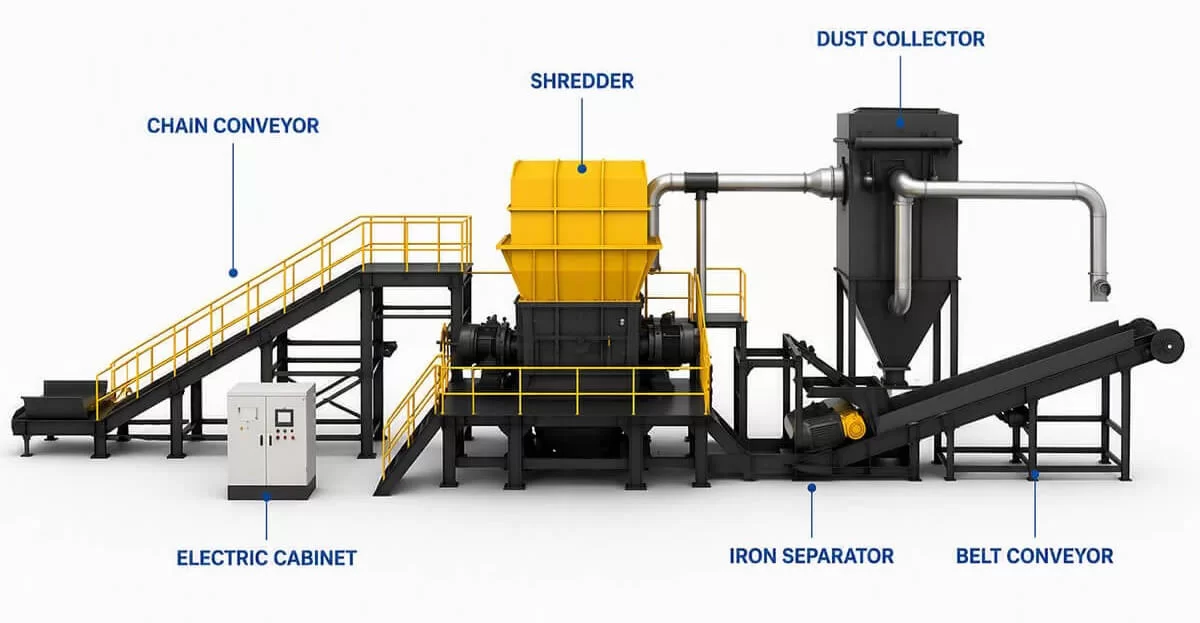
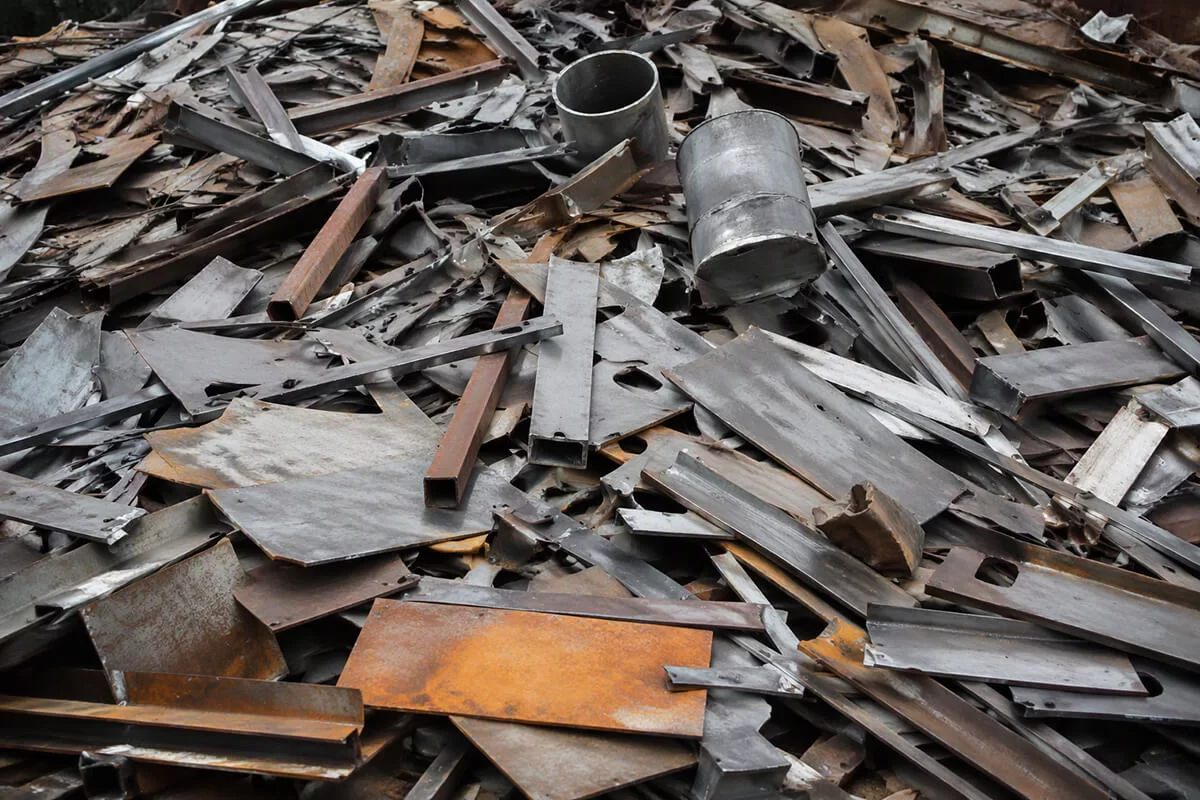
| Mixed Scrap with Non-Ferrous | Crusher integrated with magnetic separator and optional eddy current system |
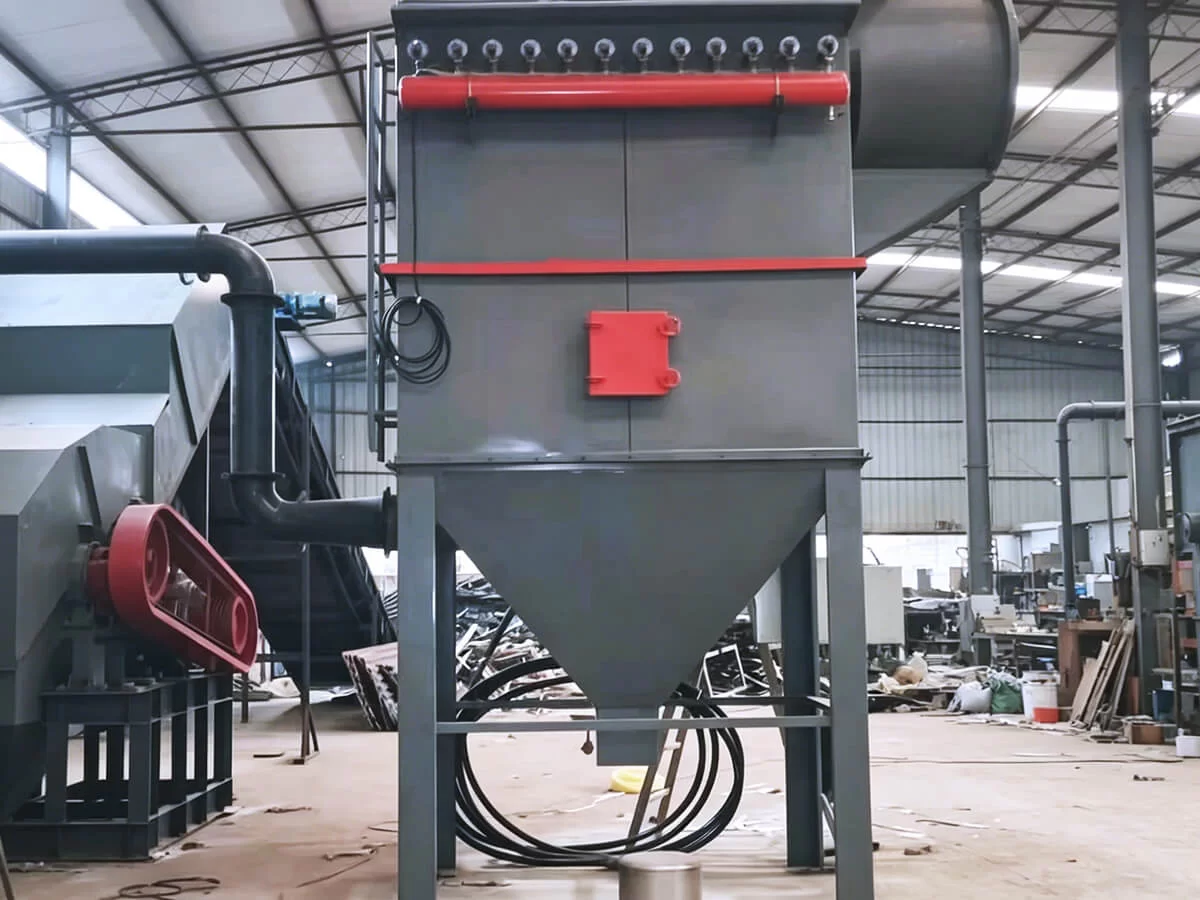
| Contaminated Scrap (paint drums, oily turnings) | Sealed crushing chamber, dust collection system, fire-resistant design |
Haoxing Machinery offers customizable configurations to match specific feedstock, ensuring optimal performance and longevity.
7. Consider After-Sales Support and Customization
For SMEs, reliable after-sales service and the ability to customize equipment to fit unique site layouts are valuable. When selecting a manufacturer, consider:
Availability of spare parts and technical support.
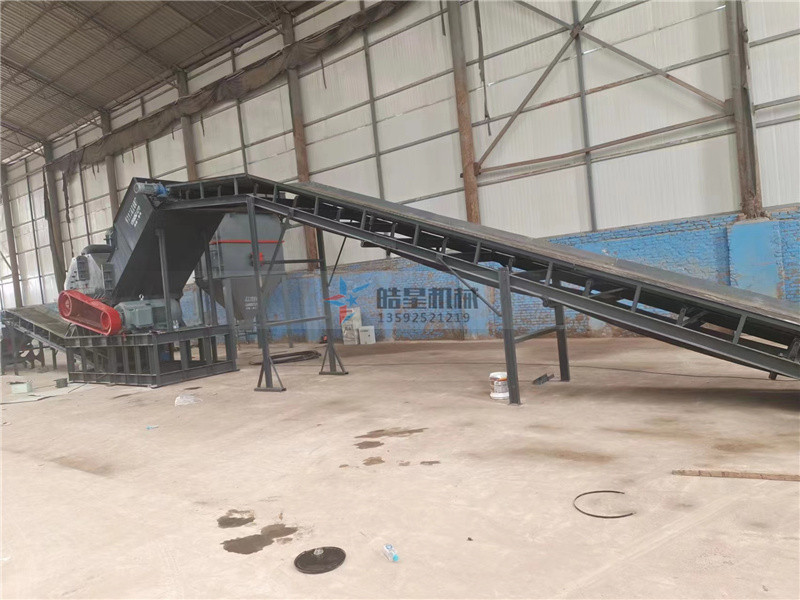
Experience in designing integrated lines (crusher, conveyor, magnetic separator, dust collector).
Flexibility to adjust feed opening size, hopper dimensions, or discharge methods.
Haoxing Machinery provides comprehensive service including site layout design, installation supervision, and operator training, ensuring that the equipment integrates smoothly into existing workflows.
8. Reference Specifications for SME-Oriented Scrap Steel Crushers
The following table provides a quick comparison of commonly selected models suitable for small and medium-scale operations.
| Model | Feed Opening (mm) | Rotor Diameter (mm) | Hammer Quantity | Motor Power (kW) | Capacity (t/h) | Weight (t) | Key Features |
|---|---|---|---|---|---|---|---|
| HX-FT800 | 800 x 600 | φ800 | 24 | 45 - 55 | 2 - 4 | 6.5 | Compact, ideal for workshops |
| HX-FT1000 | 1000 x 800 | φ1000 | 32 | 75 - 90 | 4 - 6 | 10.5 | Balanced performance, popular choice |
| HX-FT1300 | 1300 x 1000 | φ1300 | 48 | 132 - 160 | 6 - 10 | 16.0 | High throughput, handles baled scrap |
| HX-FT1600 | 1600 x 1200 | φ1600 | 64 | 220 - 280 | 10 - 15 | 25.0 | For larger SMEs, auto body processing |
Note: Capacities are based on processing light to medium gauge scrap. Actual throughput varies with material density, moisture content, and screen aperture size.
Conclusion
Selecting a high-value scrap steel crusher for a small or medium-sized enterprise requires careful evaluation of throughput needs, output size, energy efficiency, and maintenance requirements. A machine in the 2-10 ton per hour range, driven by an energy-efficient electric motor, and equipped with user-friendly maintenance features typically offers the best return on investment. By aligning the crusher's capabilities with your specific material stream and operational goals, you can secure a reliable, profitable asset that supports long-term business growth.
For personalized recommendations and detailed quotations tailored to your specific requirements, Haoxing Machinery's engineering team is available to assist with configuration and site planning.