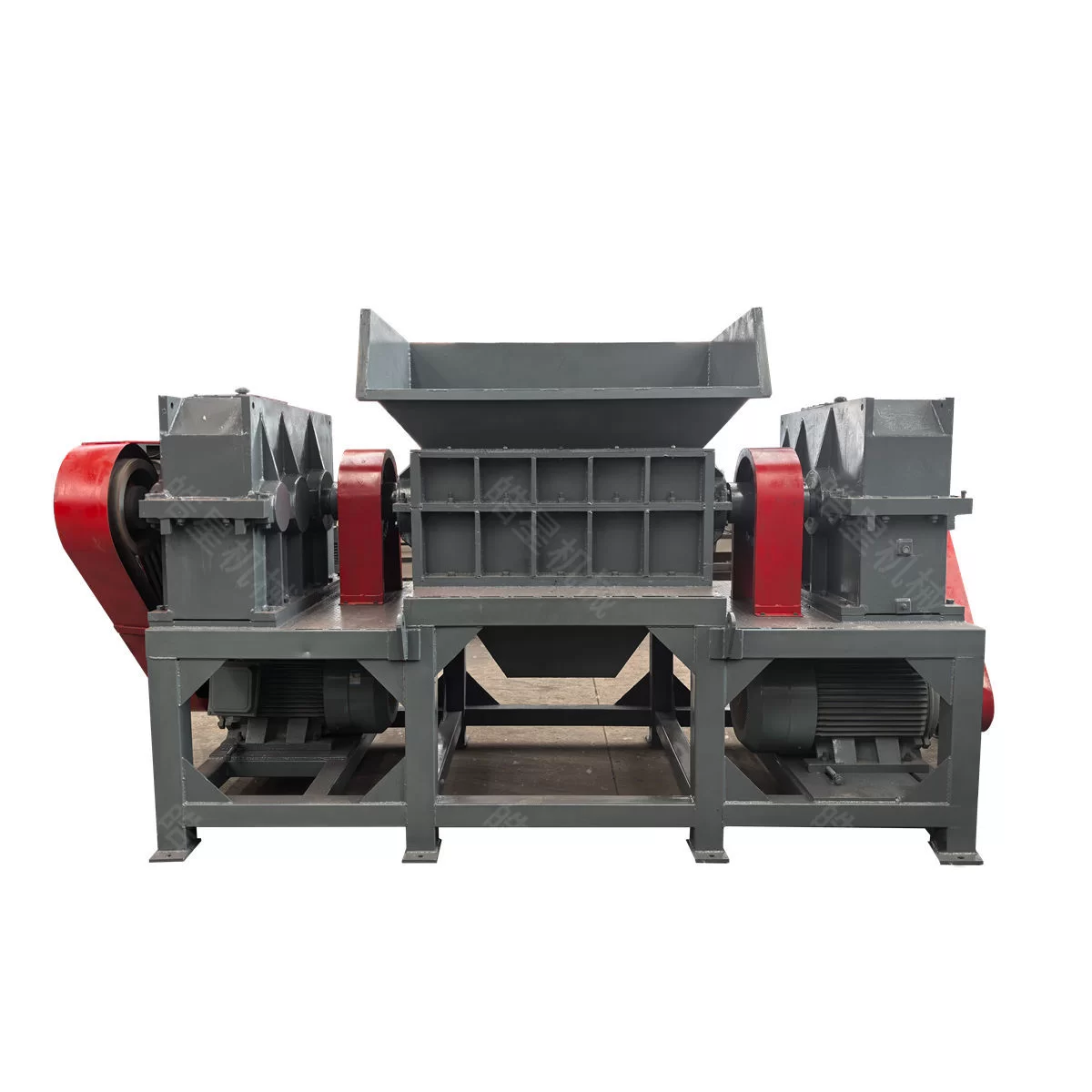
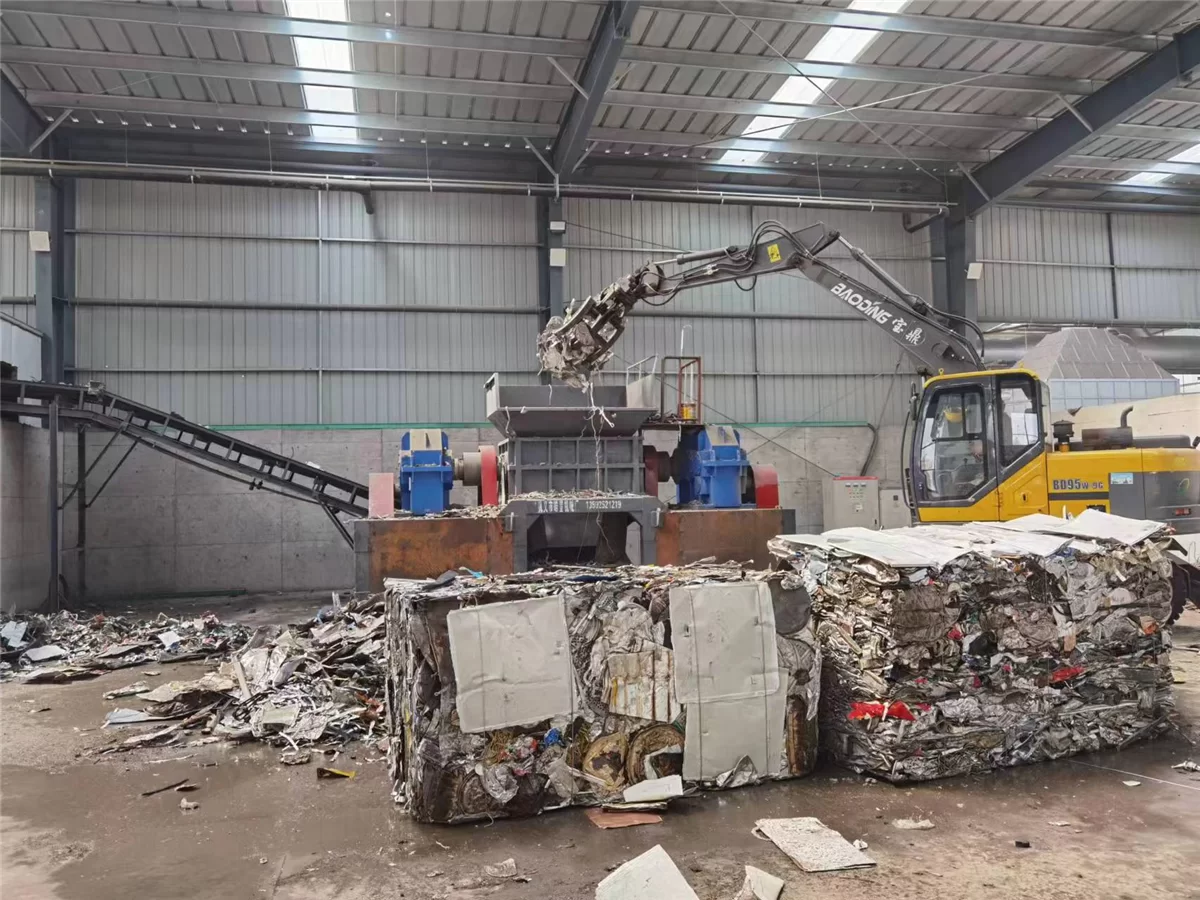
The mobile scrap metal shredder is a diesel-hydraulic twin shaft shredding system designed for the on-site primary size reduction of bulky, loose and irregular metal waste. It combines a mobile chassis, feeding system, shredding chamber, discharge conveyor and centralized control in one movable unit.
Typical materials include prepared light scrap steel, scrap iron sheets, empty metal drums, appliance shells, aluminum profiles, fabrication offcuts, selected vehicle body panels and other metal waste suitable for low-speed twin shaft shredding.
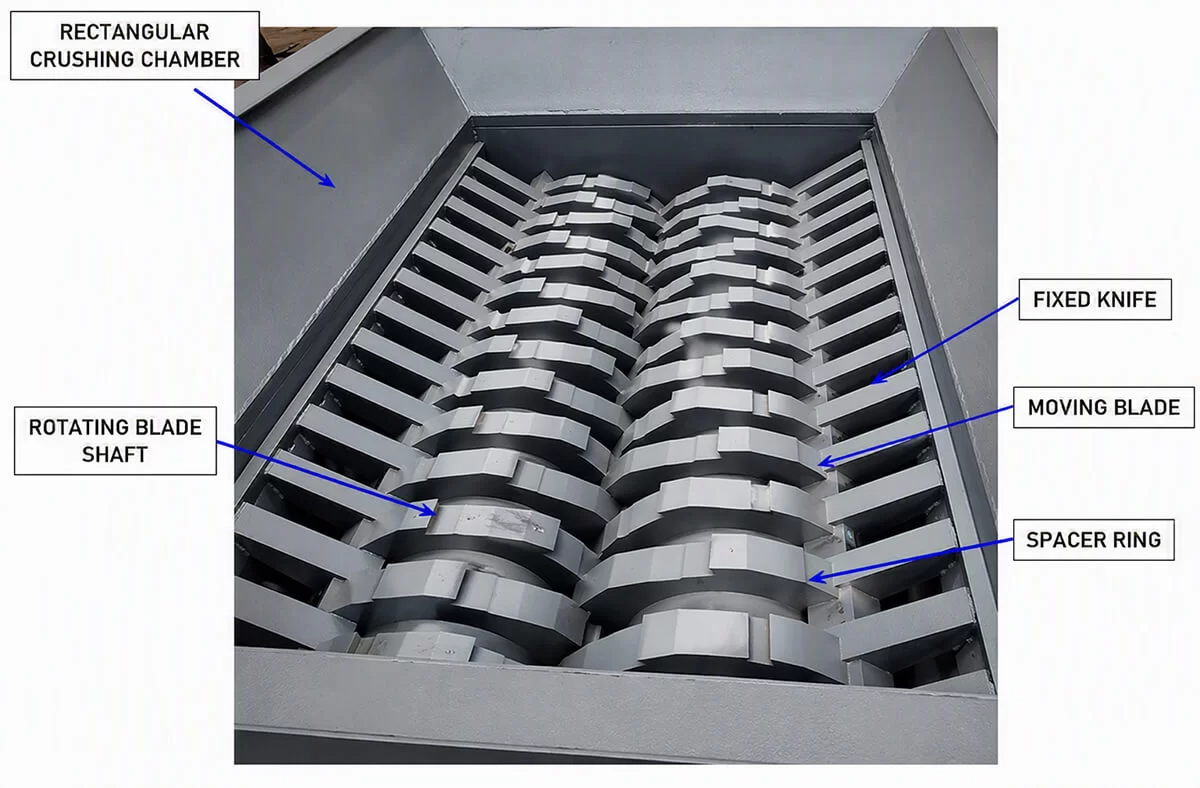
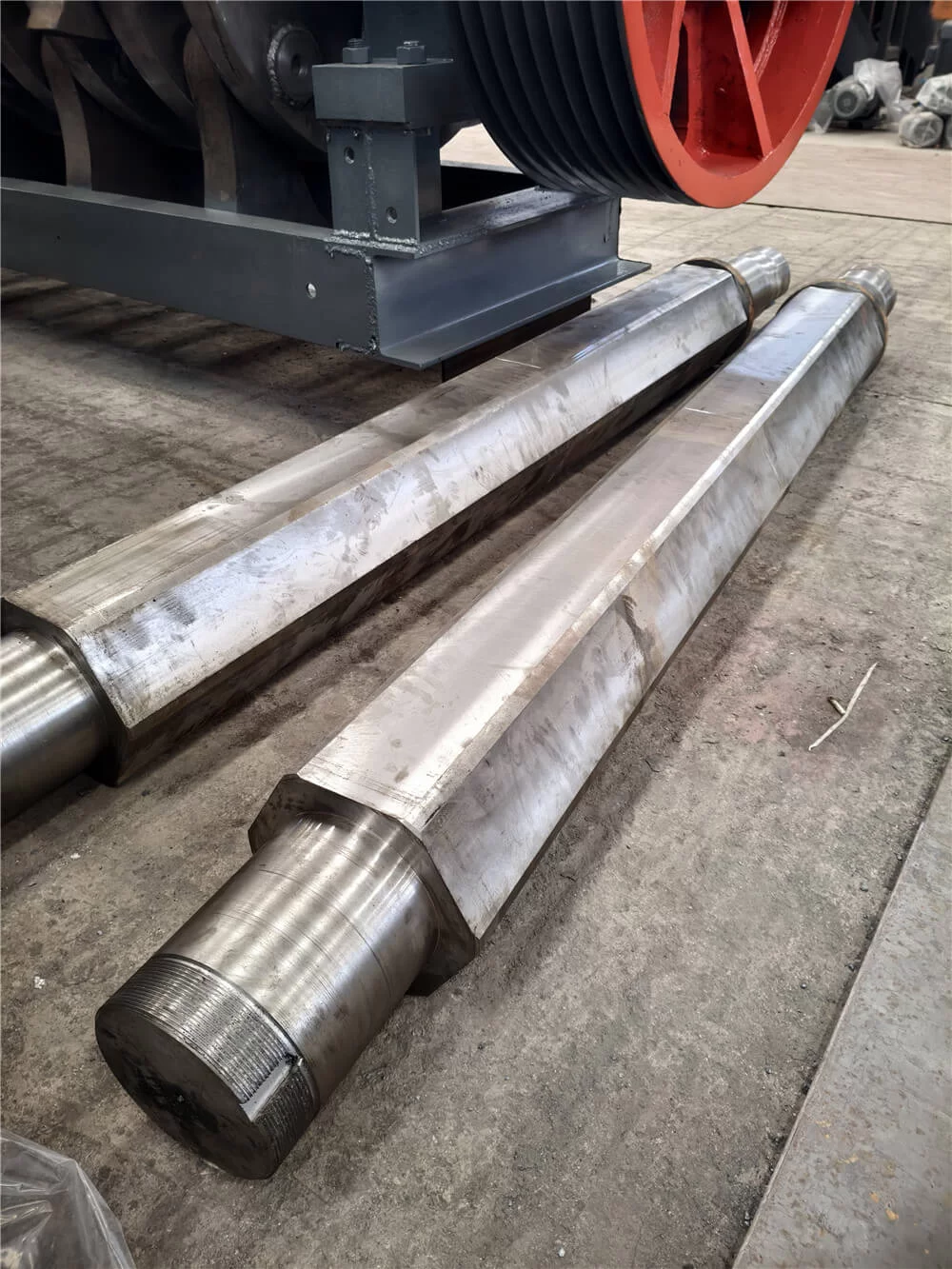
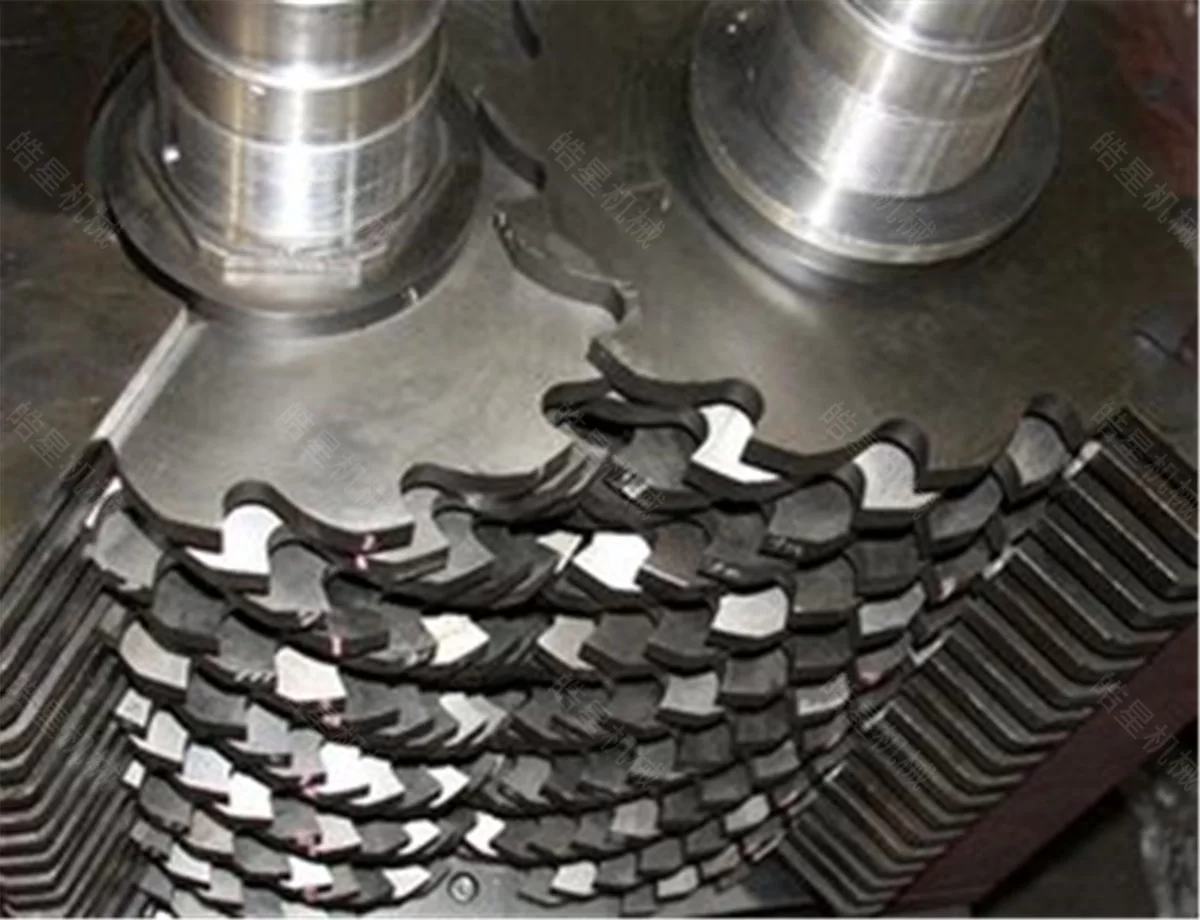
Two counter-rotating cutter shafts operate at low speed and high torque, gripping, shearing and tearing the material into shorter, coarse and irregular pieces. The processed scrap becomes easier to convey, inspect, separate, transport or feed into downstream equipment.
When smaller and more consistent output is required, the shredded material can be transferred to a scrap metal crusher for secondary hammer crushing and screen-controlled size reduction. Primary shredding and hammer crushing are separate processing stages.
A magnetic separator may be installed above the discharge conveyor to recover exposed iron and steel from suitable mixed processed material. Clean, single-metal ferrous scrap may not require this separation stage.
After ferrous metal removal, screening and suitable material preparation, an eddy current separator may be used in a separate downstream process when conductive non-ferrous metals need to be recovered from non-conductive residues.
The mobile scrap metal shredder can be configured with a wheeled or crawler-type chassis according to the working site, relocation frequency, ground conditions and transportation requirements. It can reduce fixed installation work and allow scrap to be processed closer to the collection point.
Heavy solid shafts, thick steel beams, large castings, sealed containers, pressure vessels, batteries, fuel tanks, explosive items and unidentified hazardous materials require separate handling or another processing method.
What Mobile Means in a Scrap Metal Shredder Project
A mobile scrap metal shredder combines the shredding unit with a movable chassis or transportable platform, but mobility does not change the basic material limits of the cutter system. The feed must still be evaluated by dimensions, thickness, density, composition and hazardous components. Moving the machine closer to the scrap can reduce internal transport, but it does not make every metal suitable for direct shredding.
Trailer-Mounted, Wheeled and Tracked Arrangements
A trailer-mounted or wheeled unit is generally moved between prepared work areas and may require towing, leveling and external loading equipment. A tracked unit can reposition within a suitable site but adds chassis weight, hydraulic systems and maintenance requirements. The travel method, road limits, transport dimensions, ground bearing capacity and lifting conditions should be confirmed before the mobile arrangement is selected.
Diesel-Hydraulic and Electric Drive
Diesel-hydraulic drive can support sites without a stable grid connection, while electric drive may offer simpler integration where adequate power is available. Fuel supply, local voltage, starting load, hydraulic cooling, ambient temperature, operating hours, noise restrictions and maintenance resources affect the final drive choice. Drive type does not determine cutter suitability or guaranteed capacity by itself.
Feeding, Discharge and Dust Control
The complete mobile system may require an excavator, grapple, feed hopper, discharge conveyor, magnetic separator or collection containers. Feeding height, discharge direction, conveyor folding, transport locks and maintenance access should be included in the layout. Dust collection must be evaluated from the material and cannot be assumed to fit every mobile chassis.
Capacity and Selection Data
Actual throughput depends on material density, dimensions, cutter configuration, loading consistency, reverse frequency and discharge handling. Please provide material photos, maximum size, individual weight, hourly target, required output, number of relocation sites, transport distance, available power, loading machine and downstream process before quotation.