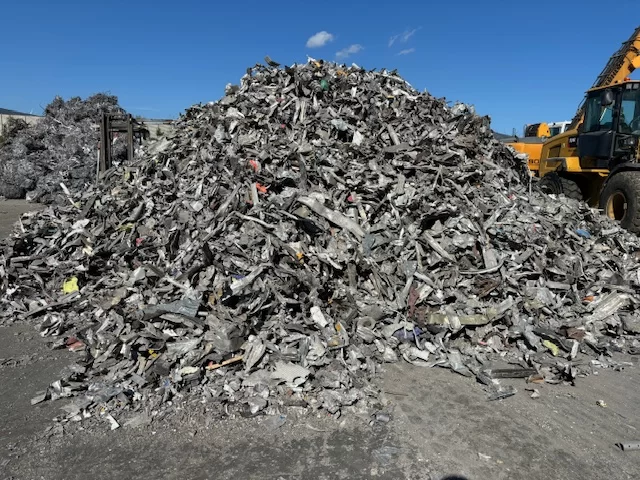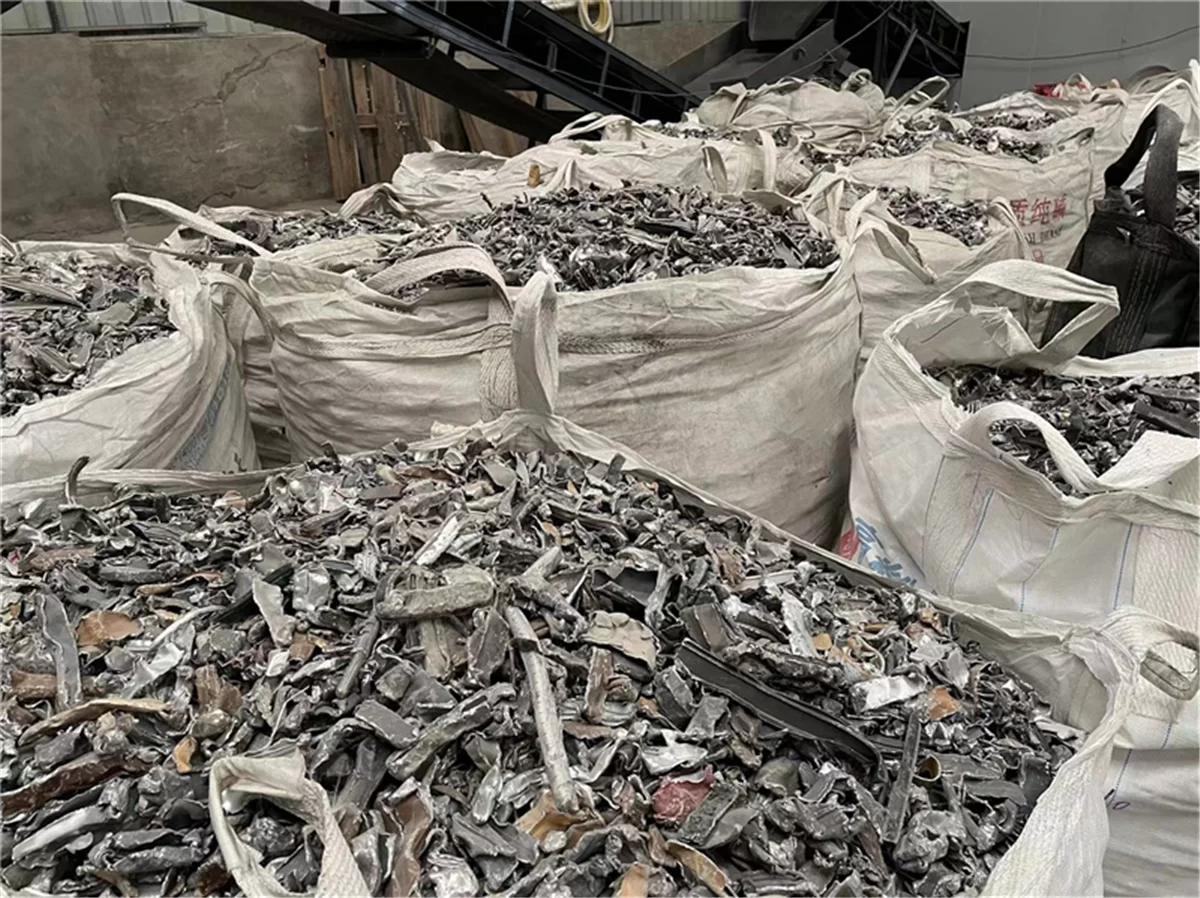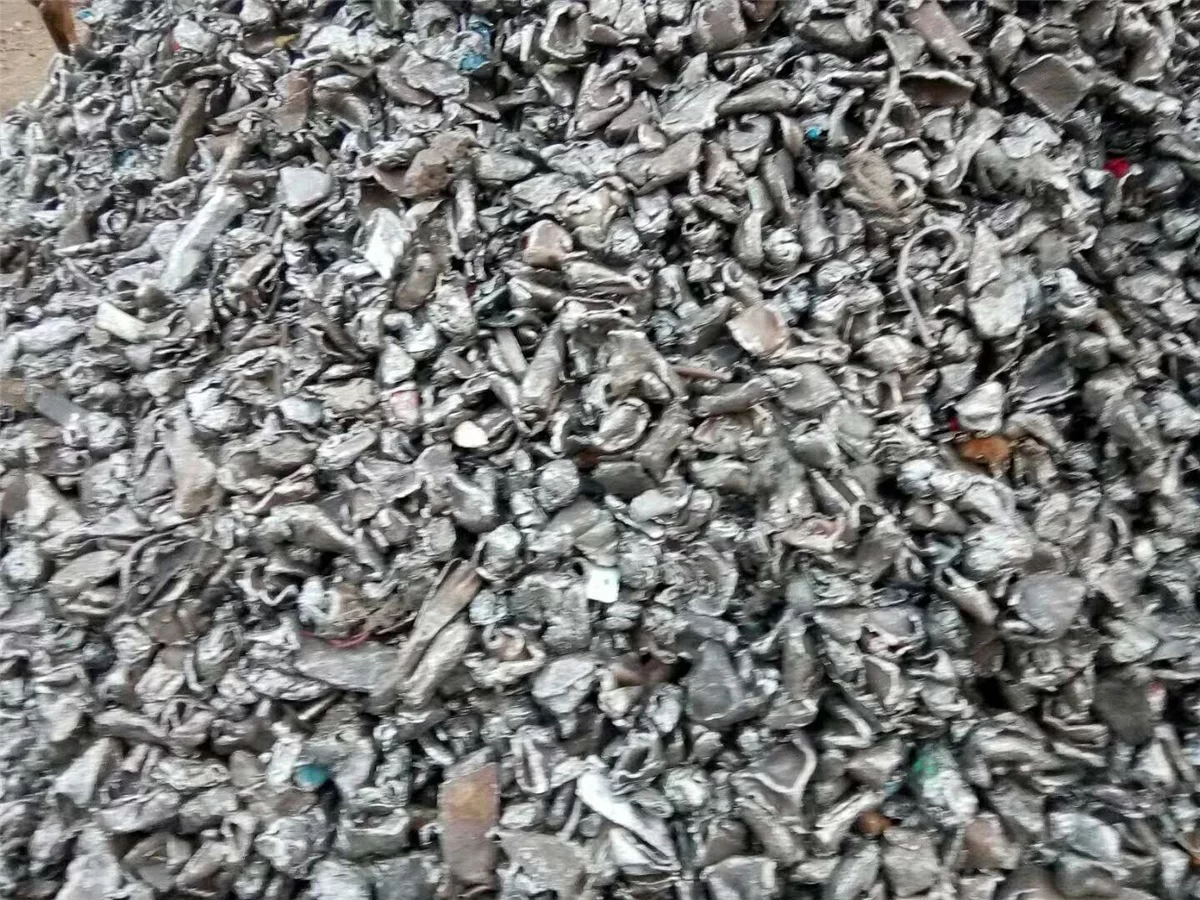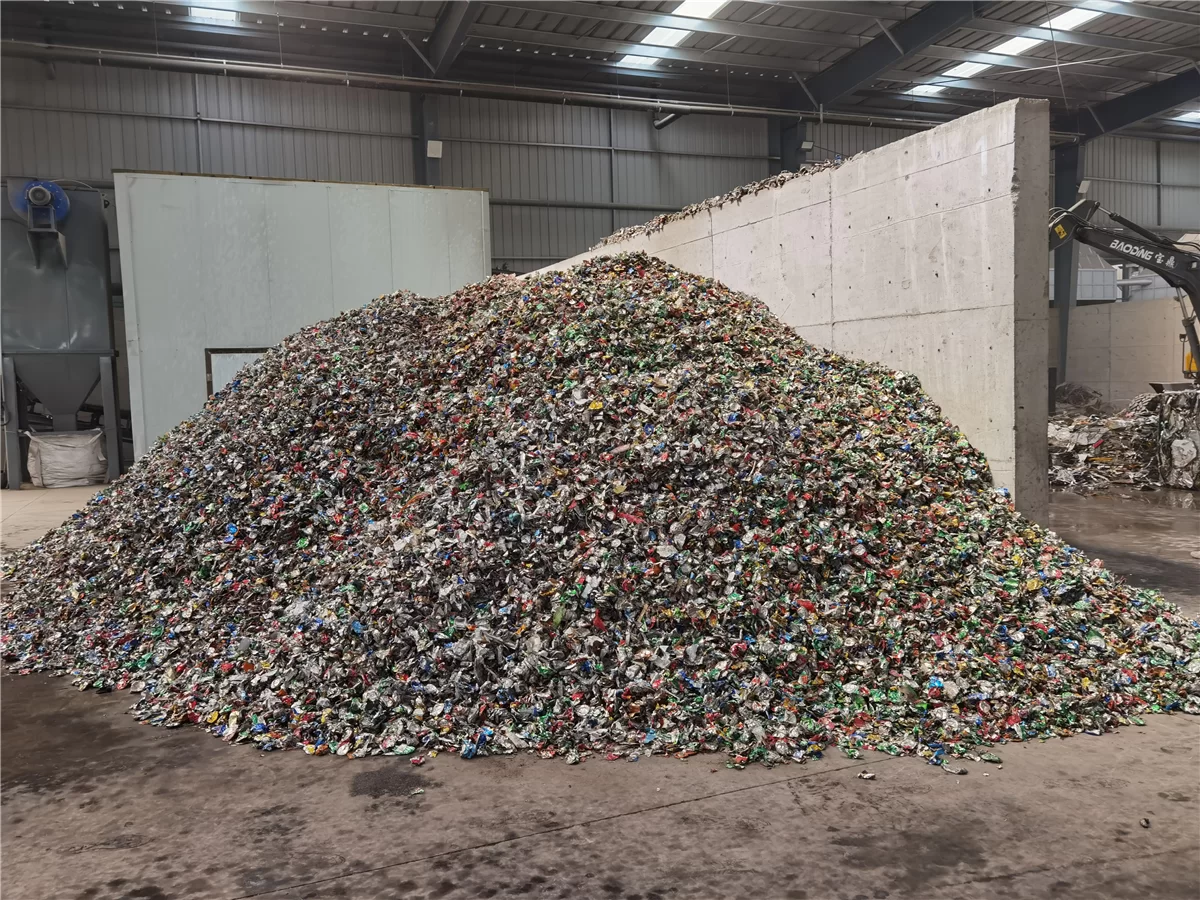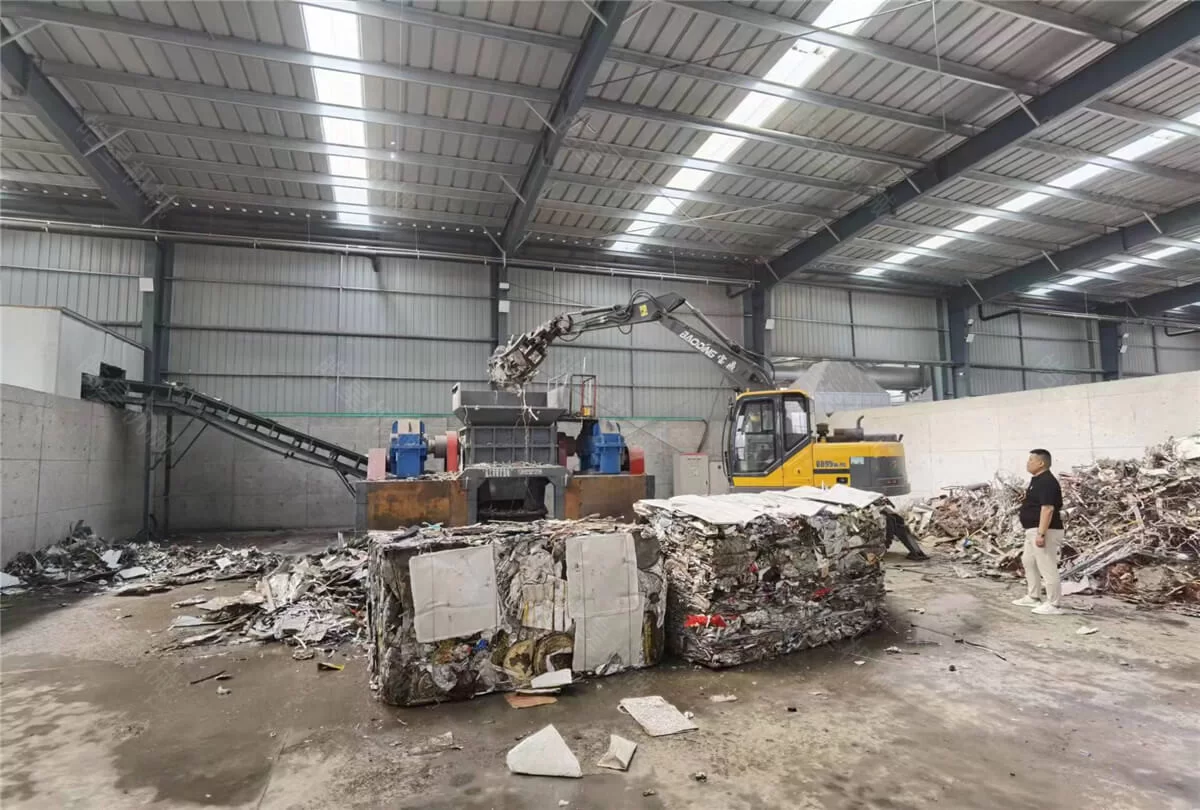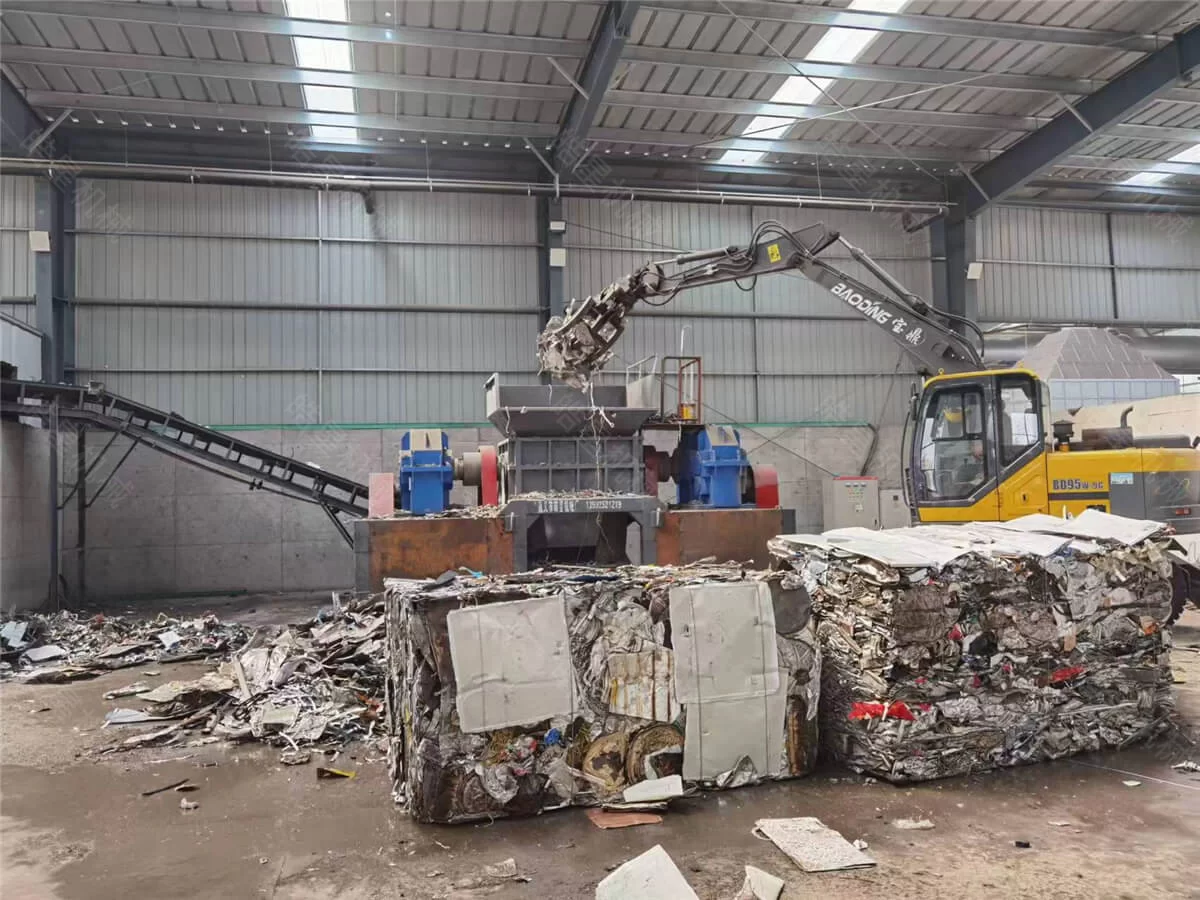

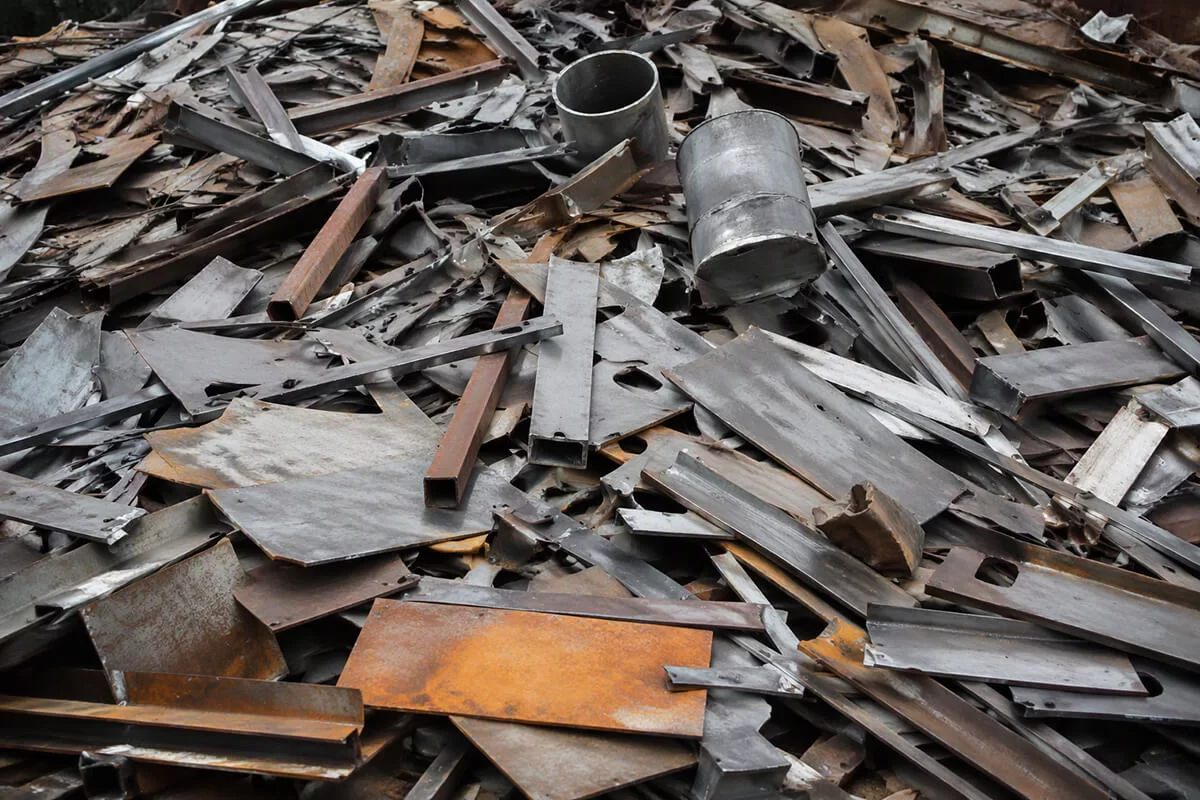
Scrap steel is generated during metal fabrication, equipment manufacturing, building dismantling, appliance recycling and the replacement of steel products. Common materials include steel sheets, structural offcuts, appliance shells, steel drums, light steel frames and baled steel scrap.
The size and condition of scrap steel can vary considerably. Thin sheets and small offcuts may be suitable for direct crushing, while bulky frames, compressed bales and irregular steel materials often require primary shredding. Heavy or oversized steel sections normally need to be cut or sheared before entering the recycling system.
Common Sources of Scrap Steel
Scrap steel is commonly collected from:
Metal fabrication workshops
Machinery manufacturing plants
Appliance recycling facilities
Building dismantling sites
Steel product manufacturers
Scrap metal collection yards
Packaging and drum recycling operations
Vehicle dismantling facilities
Before processing, sealed containers, hazardous residues and unsuitable attachments should be removed according to local operating and recycling requirements.
How Is Scrap Steel Processed?
The processing method depends on the feeding size, steel thickness, material shape and required output. Scrap steel can be shredded, crushed or processed through a two-stage shredding and crushing system.
Primary Shredding
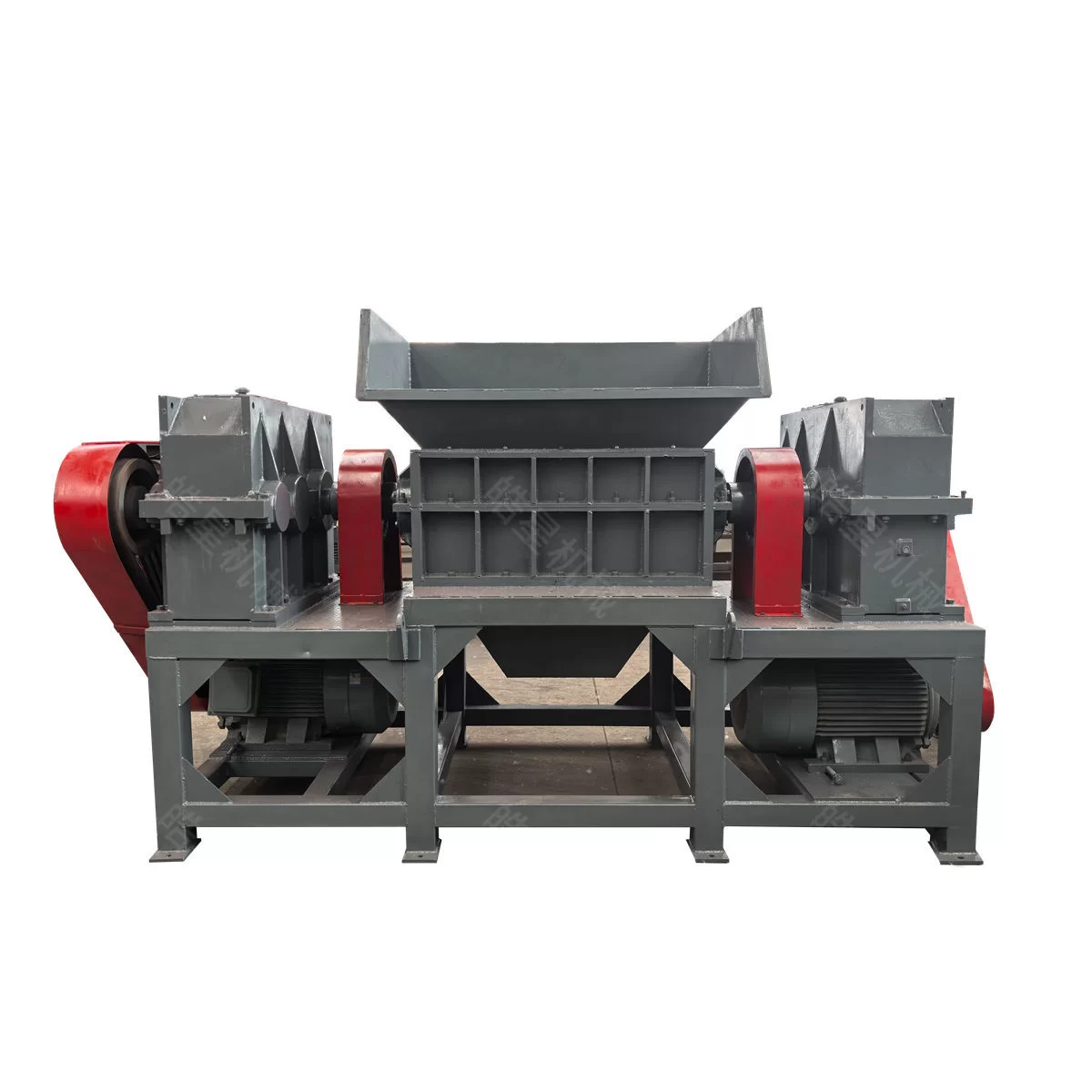
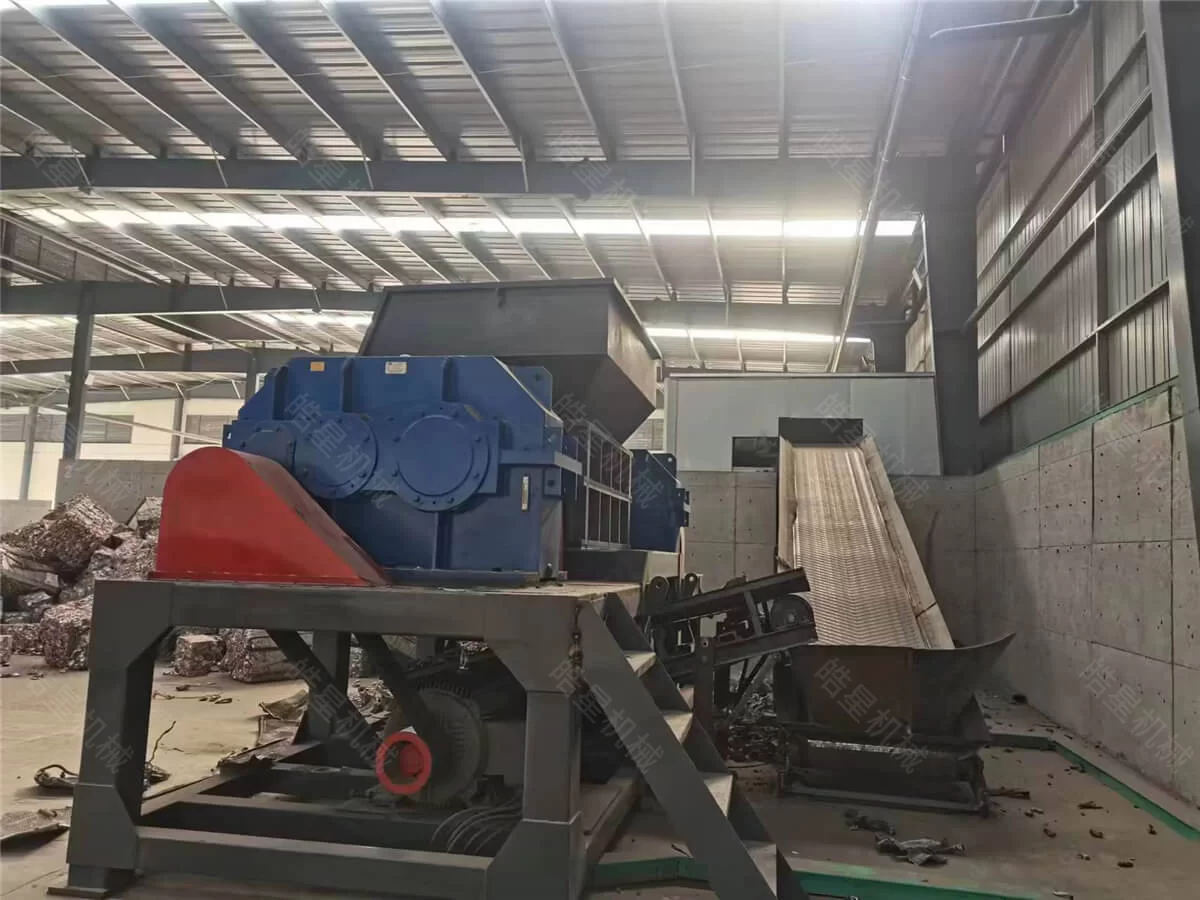
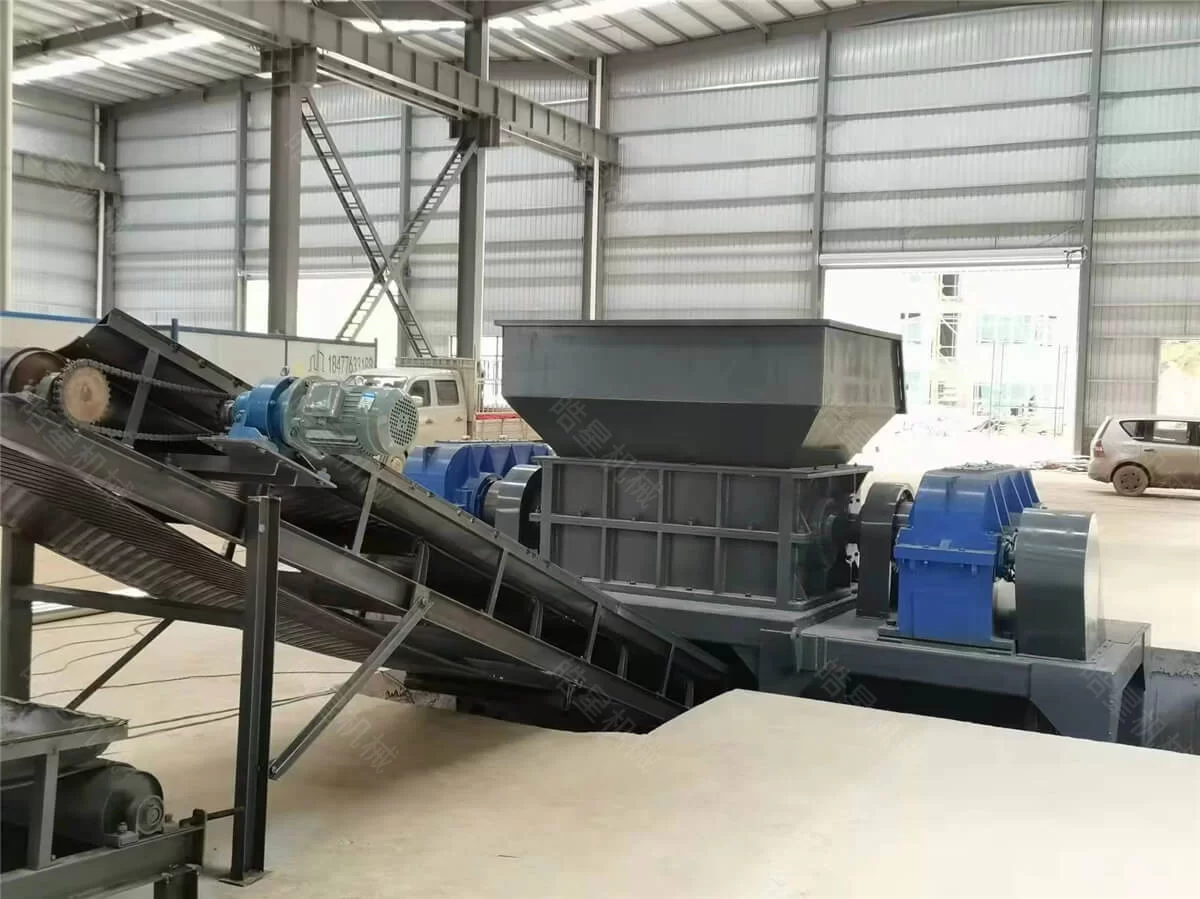
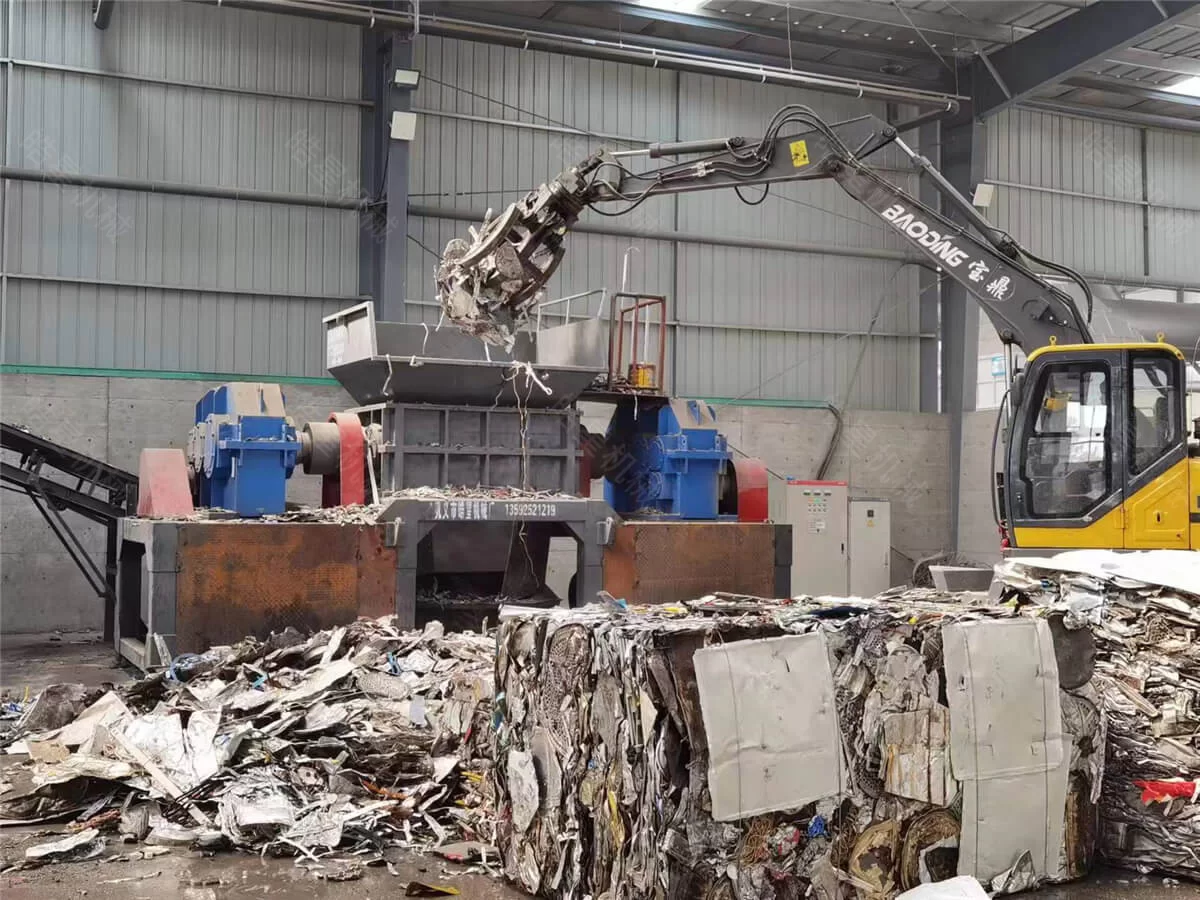
Bulky, baled or irregular scrap steel can first be processed by a twin shaft shredder. The machine uses low-speed, high-torque shearing to tear the material into smaller pieces.
Primary shredding is suitable when the scrap:
Is difficult to feed continuously
Contains large or irregular pieces
Has been compressed into loose bales
Needs coarse size reduction
Must be prepared for secondary crushing
The purpose of this stage is to reduce material size and improve feeding stability. It does not produce the same fine and relatively uniform output as a scrap steel crusher.
Direct Crushing
Thin and properly sized scrap steel can be fed directly into a scrap steel crusher when the material meets the machine’s feeding requirements.
Common examples include:
Thin steel sheets
Small fabrication offcuts
Empty steel drums
Paint buckets
Color-coated steel sheets
Prepared appliance shells
Pre-cut light steel scrap
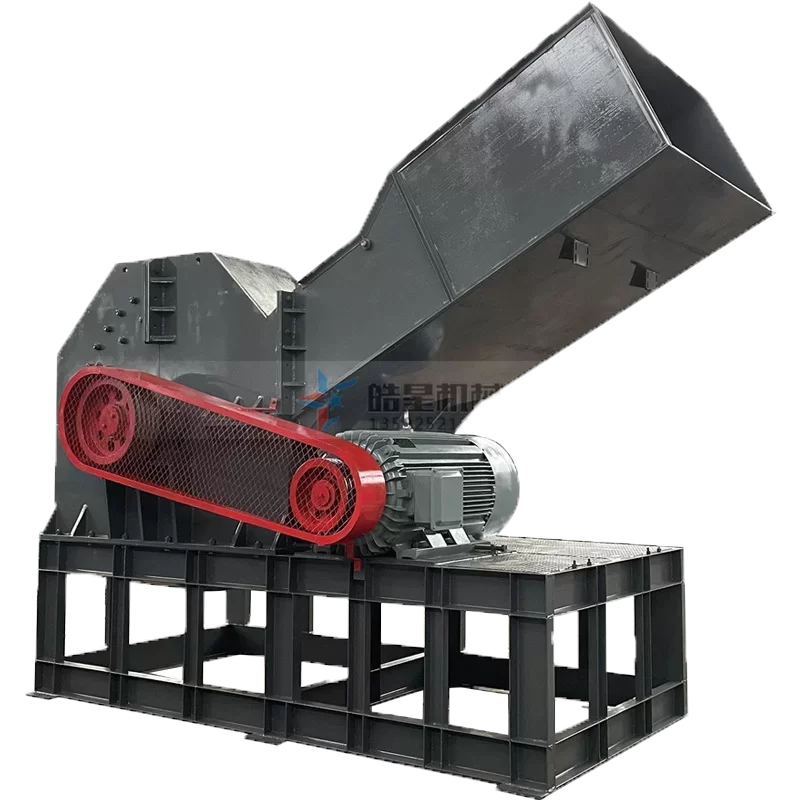
The crusher uses high-speed rotating hammers to impact, tear and break the steel. Screens or grates help control the discharge size, while rust, paint and attached non-metallic material are loosened during processing.
Shredding and Crushing
A combined system is suitable for bulky, compressed or mixed scrap steel that requires further size reduction and separation.
A typical process includes:
Feeding → Primary Shredding → Secondary Crushing → Magnetic Separation → Discharge
The twin shaft shredder performs coarse size reduction. The scrap steel crusher then reduces the material into smaller and more consistent pieces. After crushing, a magnetic separator recovers the steel from loosened non-metallic residues.
Dust collection and additional sorting equipment can be added according to the material composition and operating conditions.
Scrap Steel Processing Equipment
Twin Shaft Shredder
A twin shaft shredder is used for the primary size reduction of bulky steel sheets, light steel frames, baled scrap and irregular steel materials. Its low-speed operation makes it suitable for coarse shredding and material preparation.
Scrap Steel Crusher
A scrap steel crusher is used for the secondary crushing or direct crushing of light and prepared steel scrap. High-speed hammer impact reduces the steel into smaller pieces and helps separate attached contaminants.
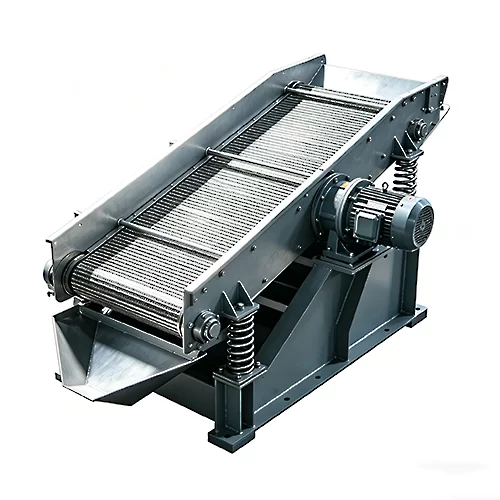
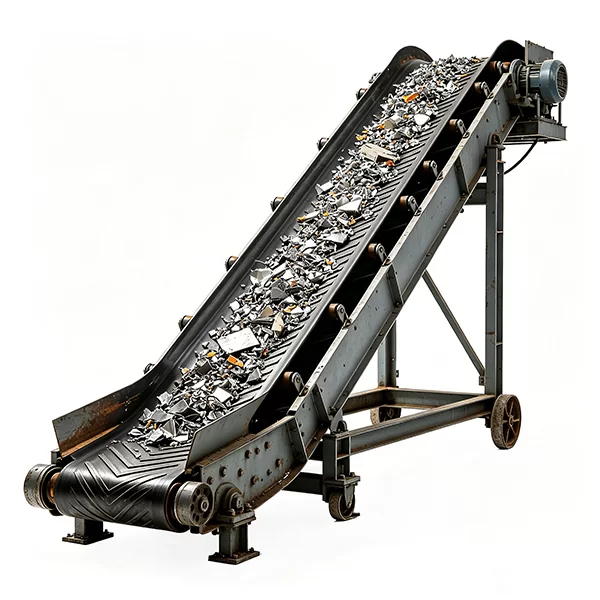
Feeding Conveyor
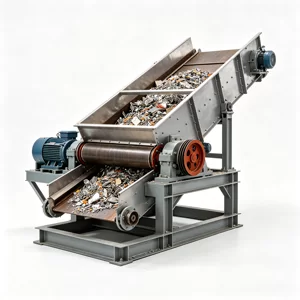
A feeding conveyor provides continuous material delivery. Chain plate conveyors are commonly considered for heavy, sharp or irregular steel scrap, while the final conveyor design should match the actual feedstock.
Magnetic Separator
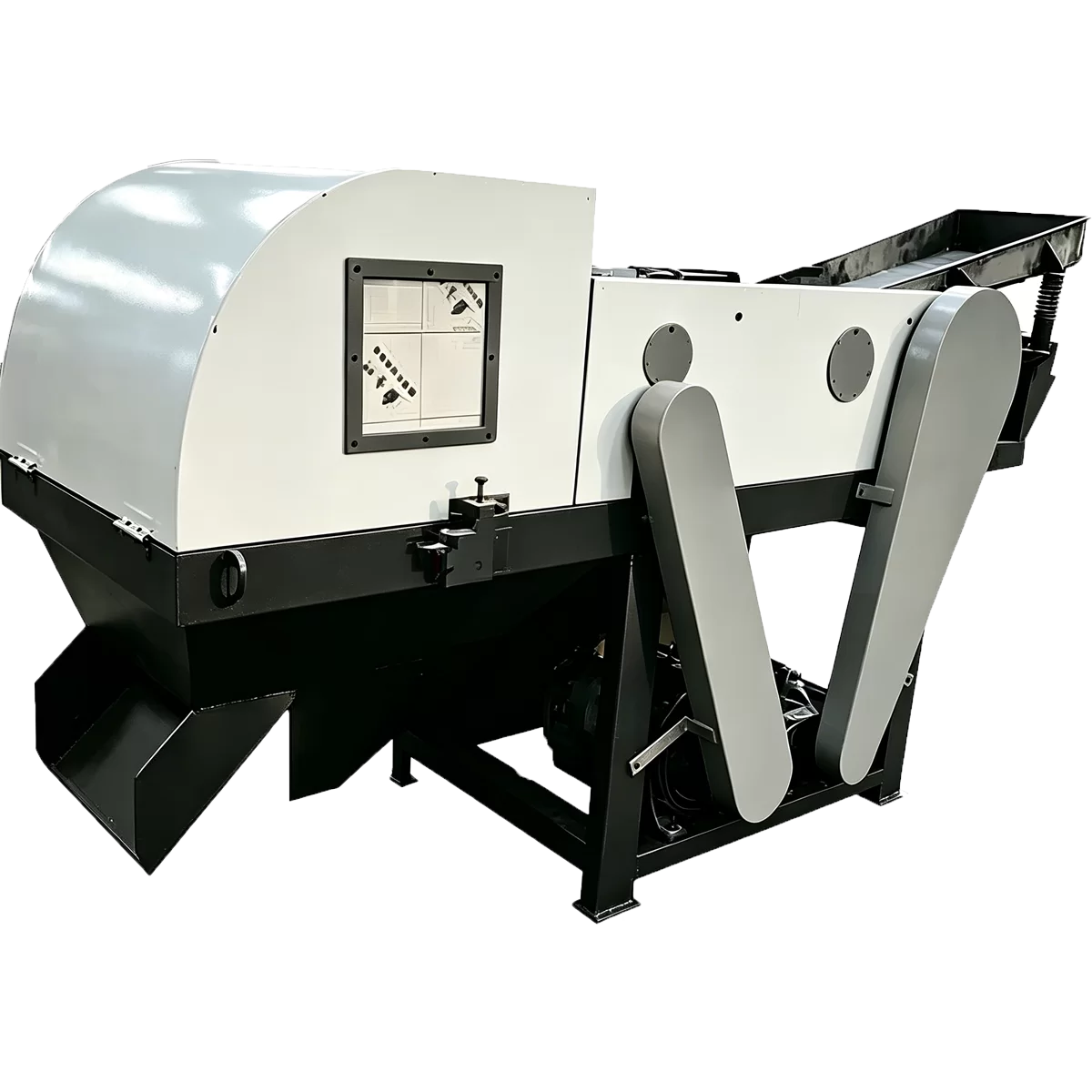
A magnetic separator recovers steel after crushing and helps separate ferrous material from loosened non-metallic residues.
Dust Collection System
Dust collection equipment can be installed to control airborne particles produced during feeding, crushing and material discharge.
Selecting a Suitable Processing Method
Choose Primary Shredding When:
The steel scrap is bulky or irregular
Materials are supplied in compressed bales
Long pieces may affect continuous feeding
Coarse size reduction is required
The material must be prepared for a crusher
Choose Direct Crushing When:
The steel is thin and properly sized
The material can enter the crusher continuously
Smaller and denser output is required
Surface attachments need to be loosened
Magnetic separation will be used after crushing
Use Cutting or Hydraulic Shearing First When:
Steel plates exceed the feeding limit
Heavy structural steel is present
The material includes thick beams or large sections
Oversized pieces cannot enter the selected machine safely
Equipment selection should be based on representative material photos, maximum feeding dimensions and steel thickness rather than the material name alone.
Benefits of Scrap Steel Processing
Shredding, crushing and sorting can help:
Reduce the volume of bulky steel scrap
Produce material that is easier to transport
Improve feeding into downstream equipment
Separate steel from attached contaminants
Produce a more consistent output size
Reduce manual cutting and handling
Prepare processed steel for recycling or furnace charging
The actual processing result depends on the type of steel scrap, equipment configuration, screen opening and operating conditions.
Get a Scrap Steel Processing Solution
To select suitable scrap steel recycling equipment, please provide:
Material names and representative photos
Maximum feeding dimensions
Approximate steel thickness
Loose or baled material condition
Required processing capacity
Expected discharge size
Types of attachments and contaminants
Workshop size and available power supply
Based on this information, the processing system can be configured with a shredder, crusher, conveying system, magnetic separator and other required equipment.