Project Overview
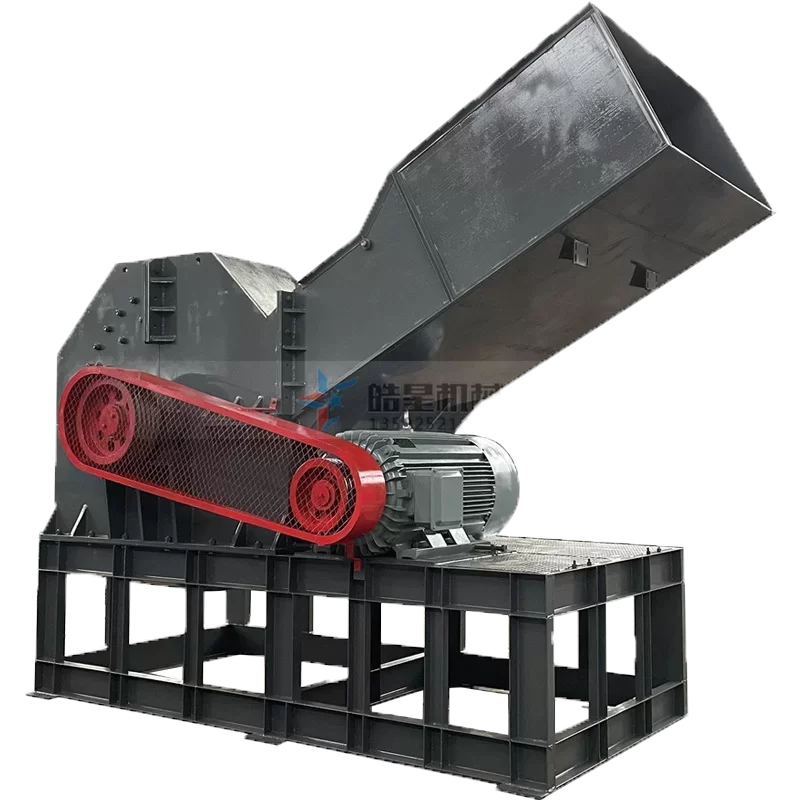
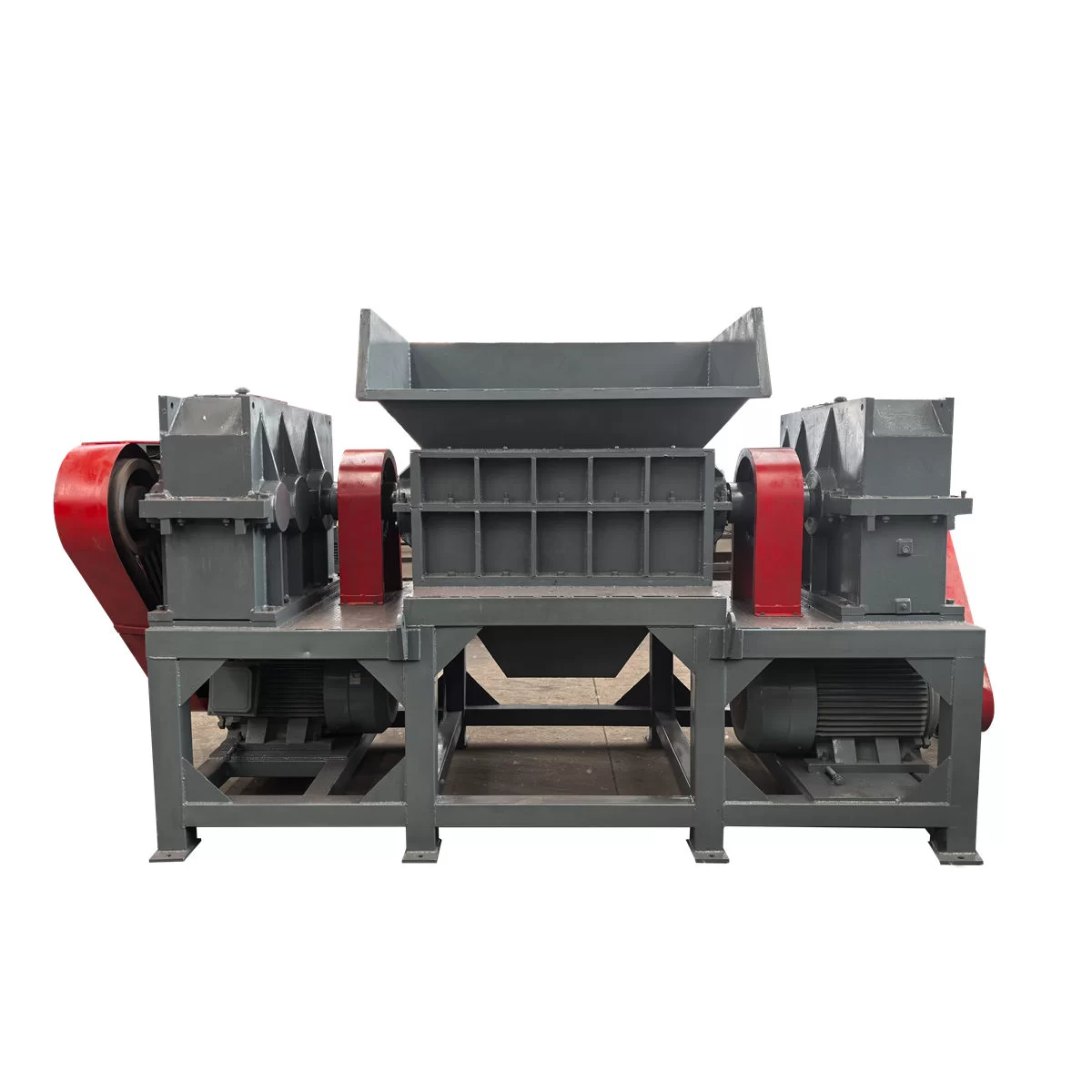
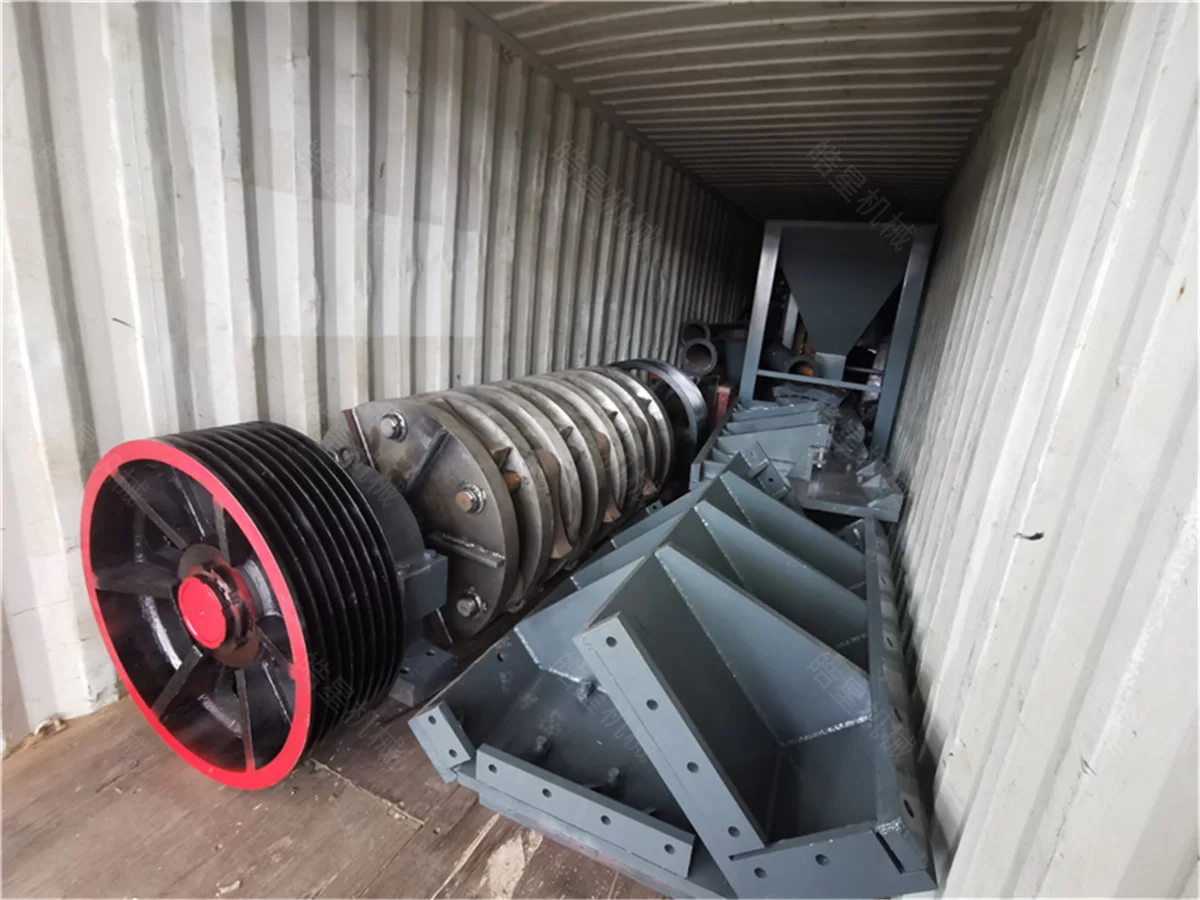
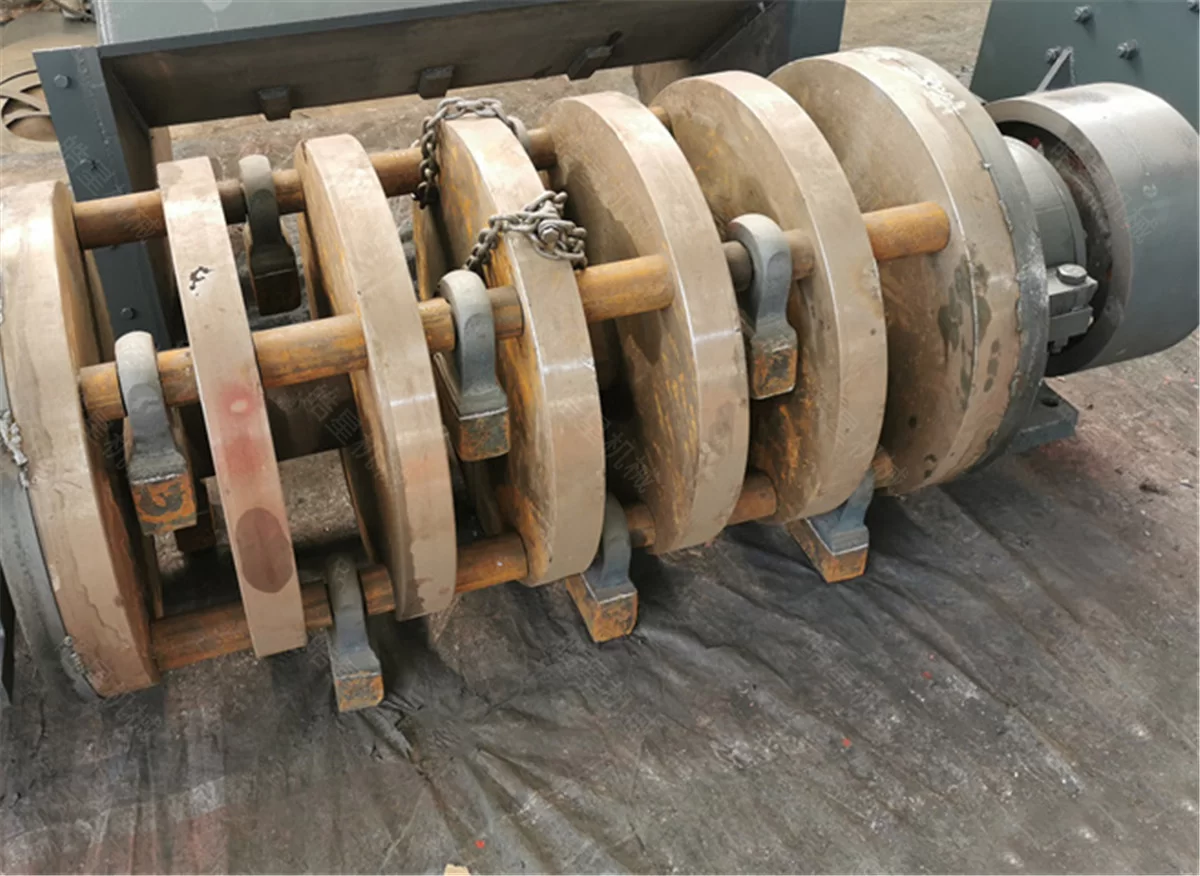
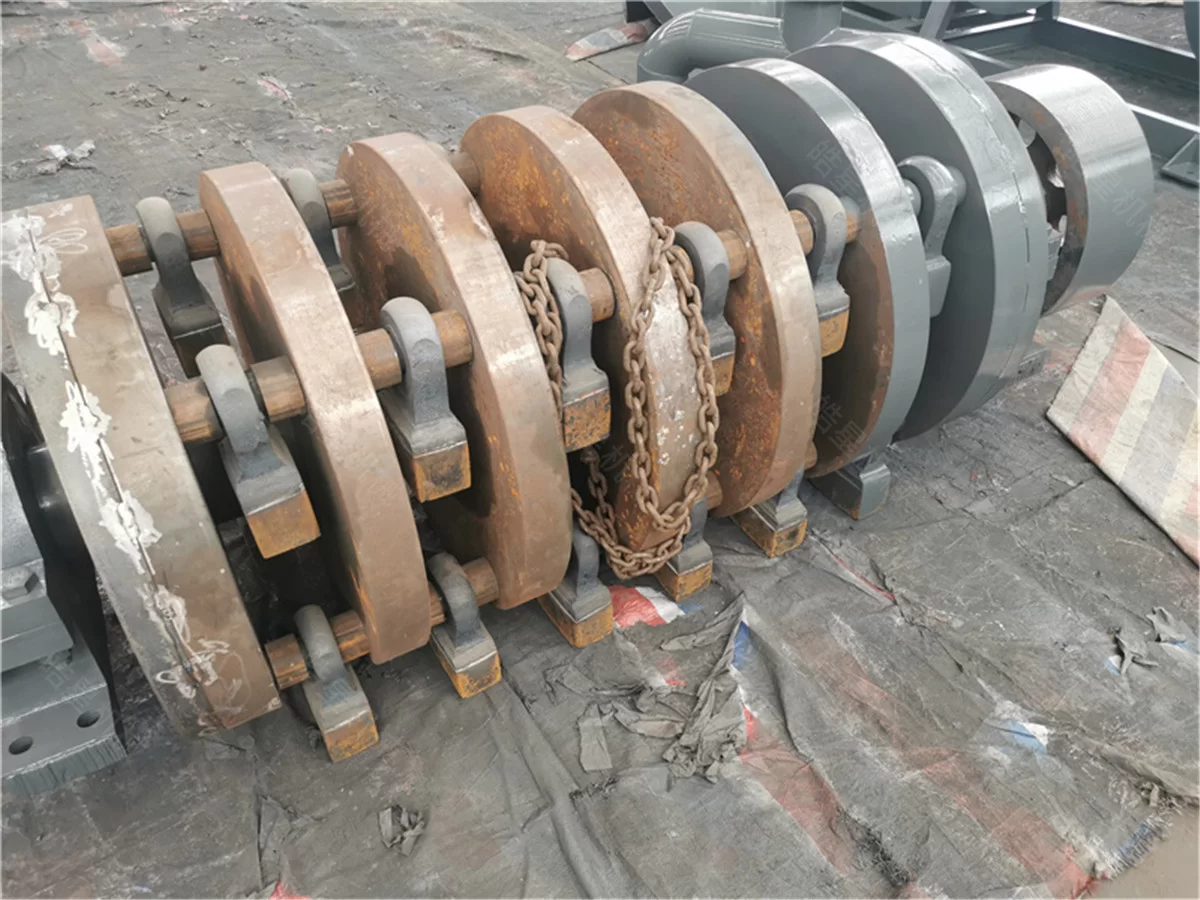
These workshop photos show the rotor assembly and hammer structure parts of the 1600 Scrap Steel Crusher manufactured by Haoxing Machinery. The production area includes the main rotor, wear-resistant hammer heads, main shaft, bearing housings, liners, and crusher chamber structural components prepar
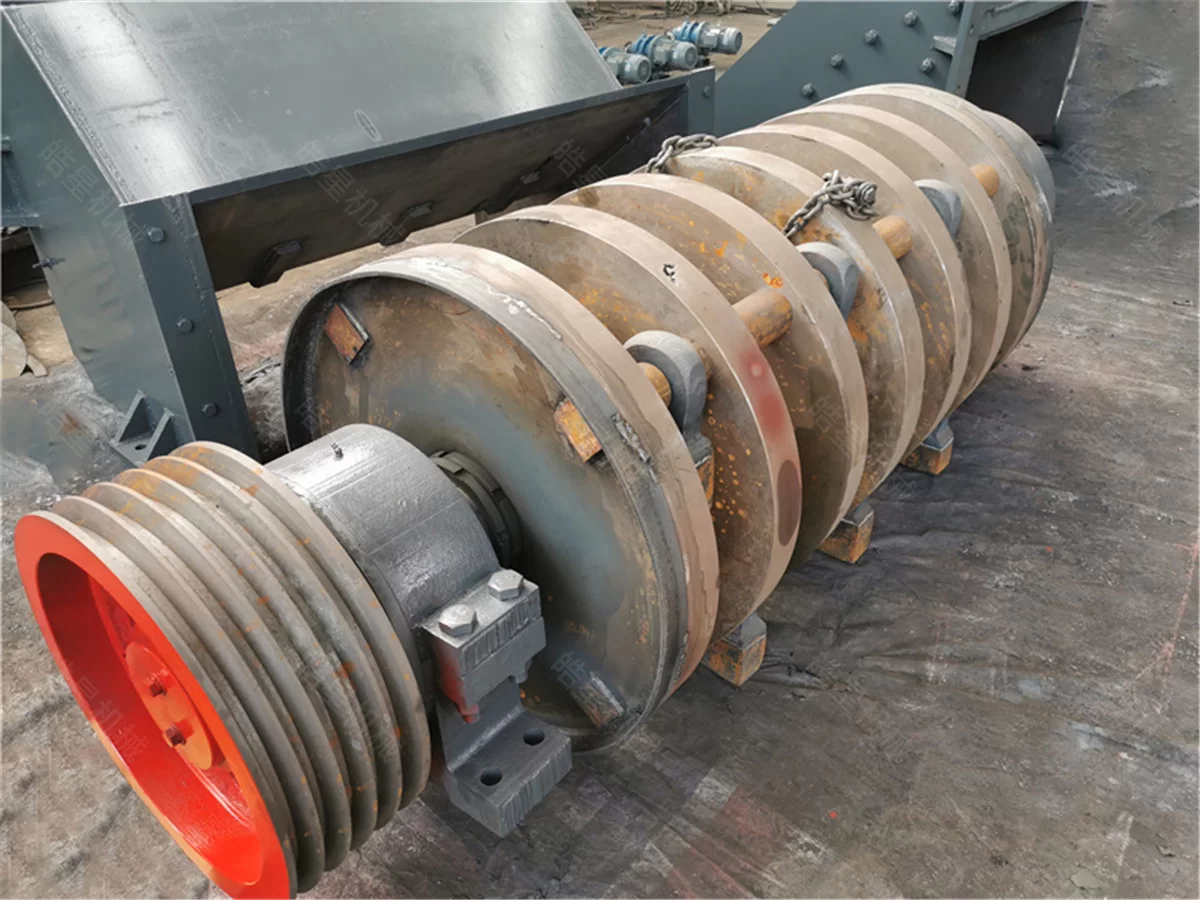
These workshop photos show the rotor assembly and hammer structure parts of the 1600 Scrap Steel Crusher manufactured by Haoxing Machinery. The production area includes the main rotor, wear-resistant hammer heads, main shaft, bearing housings, liners, and crusher chamber structural components prepared for assembly.
The 1600 Scrap Steel Crusher is a heavy-duty metal crushing machine designed for processing scrap steel, scrap iron, steel sheets, car shells, bicycle frames, light scrap materials, and mixed metal waste. The machine uses a high-inertia rotor system combined with high-speed rotating hammers to improve crushing efficiency and produce uniform output material.
The rotor assembly is dynamically balanced before installation, while the main shaft adopts a forged steel structure for stable operation. The hammer heads are manufactured from high manganese alloy wear-resistant materials to extend service life and reduce maintenance costs during continuous operation.
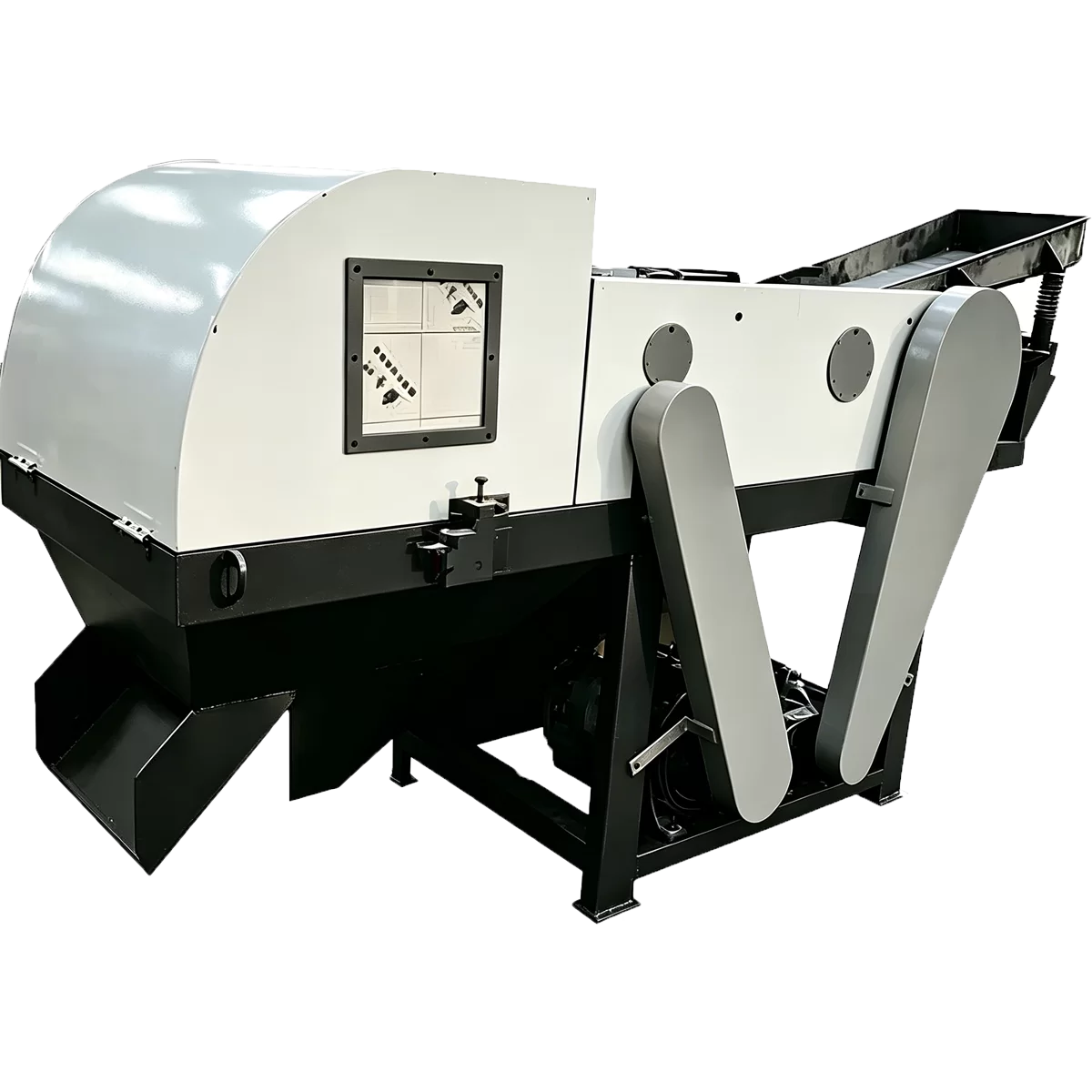
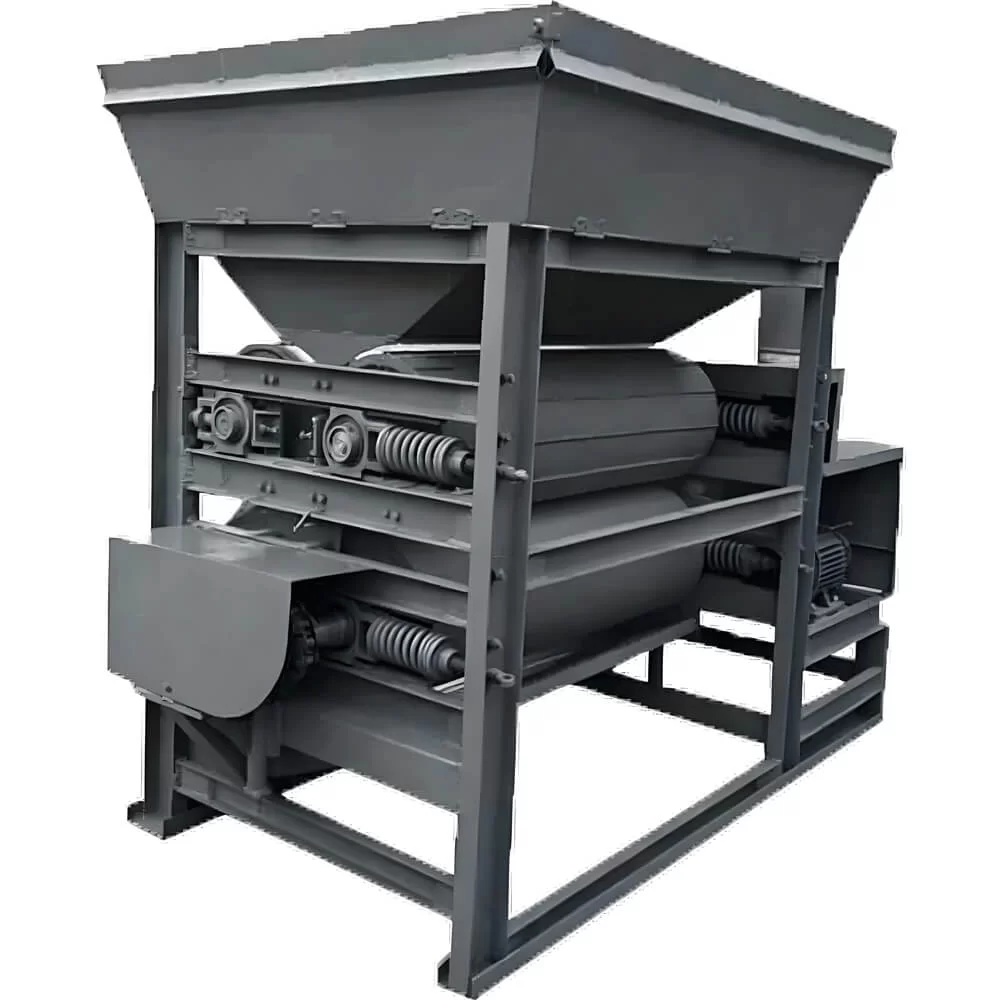
The complete recycling system can be equipped with magnetic separators, conveyors, dust collection systems, and eddy current separators to build a full scrap metal recycling production line.
Haoxing Machinery specializes in scrap metal crushing and recycling equipment manufacturing, providing customized production lines and overseas installation support.
Technical Parameters
Machine Model: 1600 Scrap Steel Crusher
Main Motor Power: 315kW-450kW
Rotor Diameter: 1600mm
Rotor Width: 1400-1600mm
Hammer Quantity: 24-36 Pieces
Hammer Material: High Manganese Alloy
Feeding Size: ≤1500mm
Output Size: 30-120mm Adjustable
Capacity: 8-15 Tons Per Hour
Applicable Materials: Scrap steel, scrap iron, car shells, steel sheets, light scrap metal
Optional Equipment: Magnetic Separator, Conveyor System, Dust Collector, Eddy Current Separator
Applications: Scrap metal recycling, steel processing, renewable resource industry