Project Overview
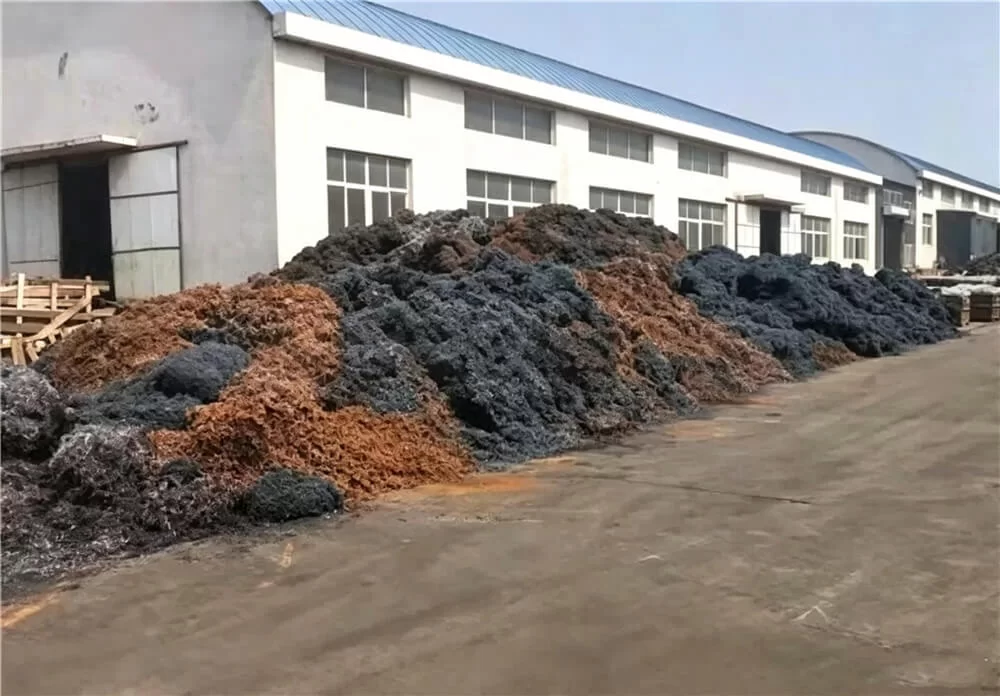
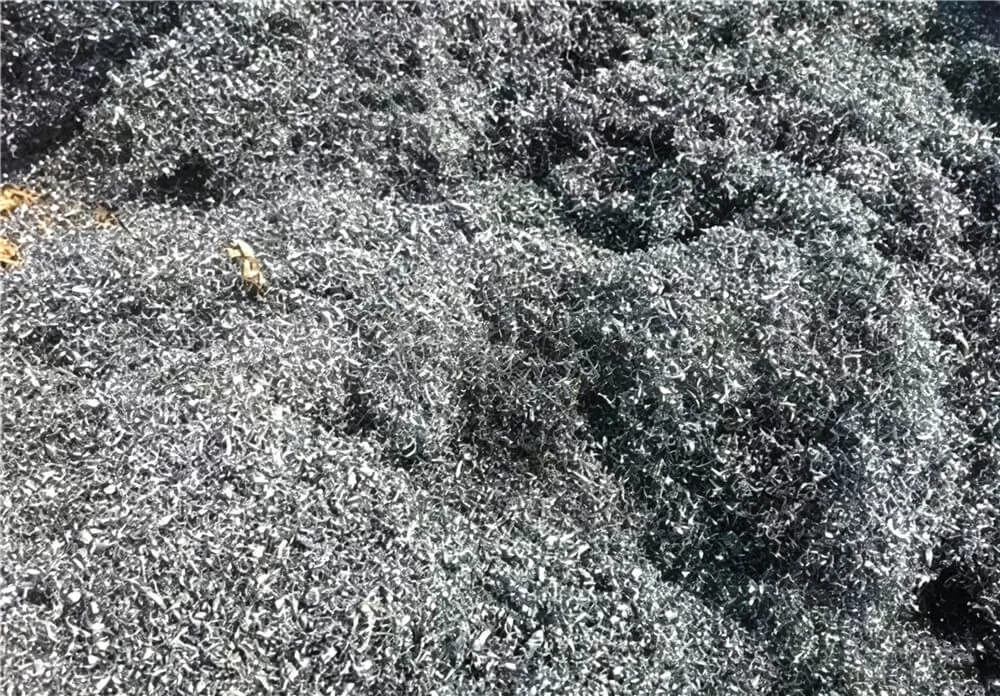
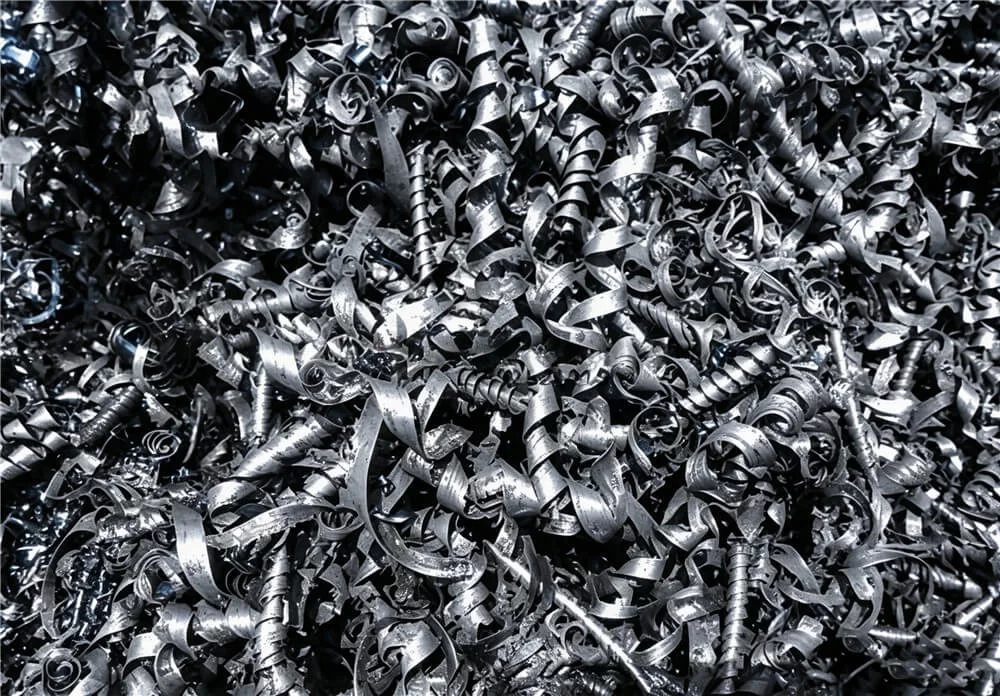
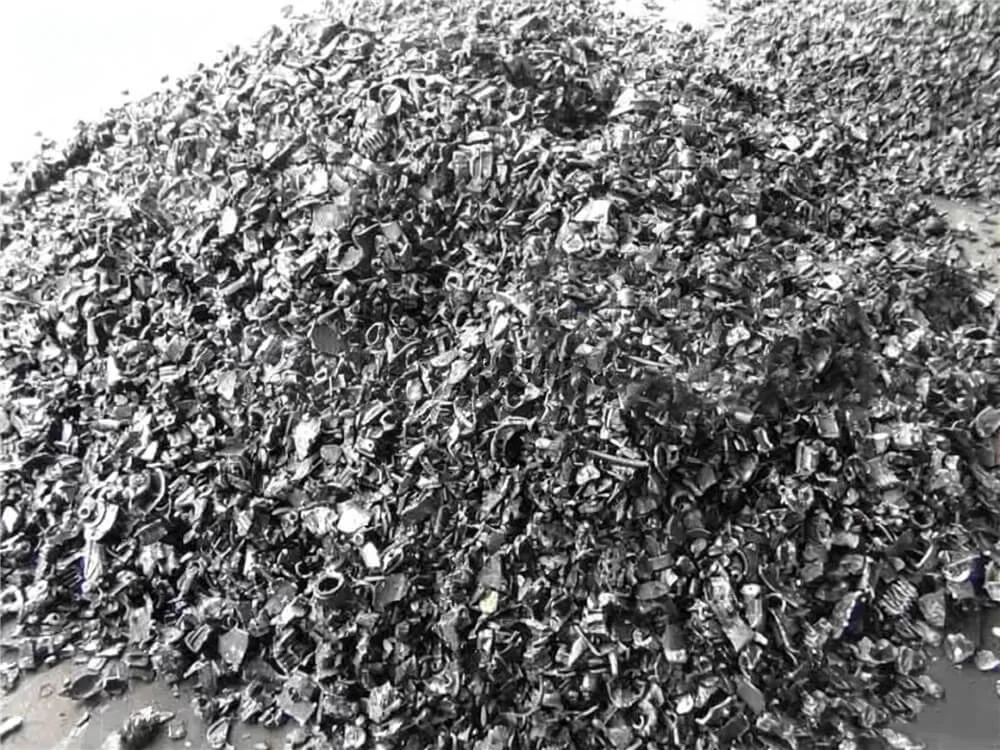
See how long and tangled iron chips or swarf become shorter, looser and easier to convey, collect or prepare for briquetting after shredding.
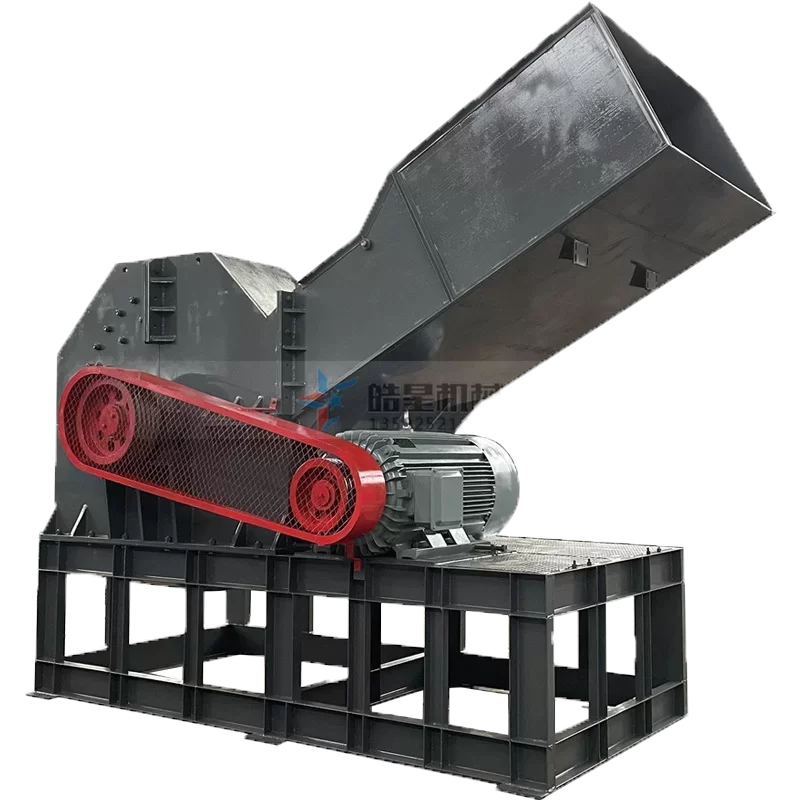
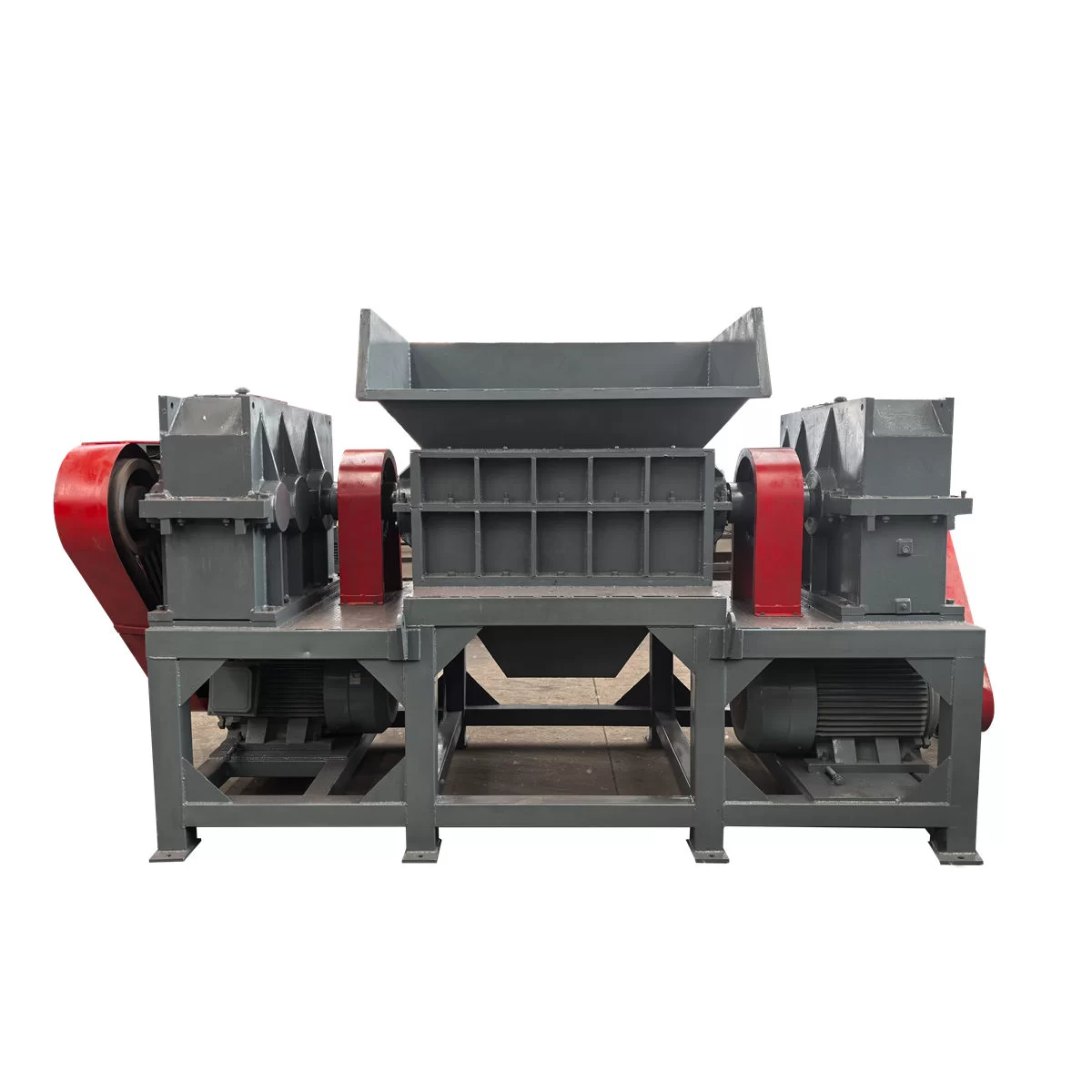
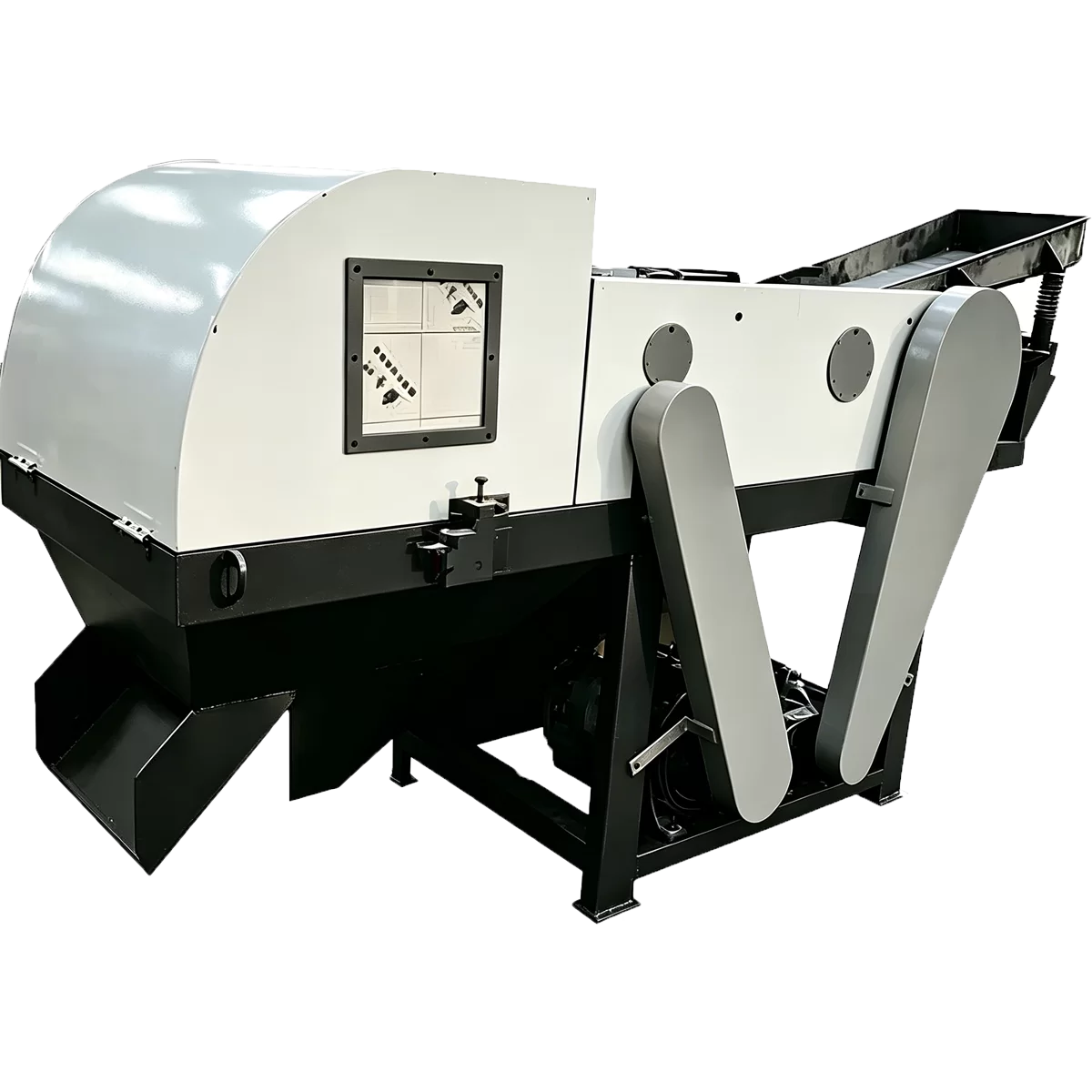
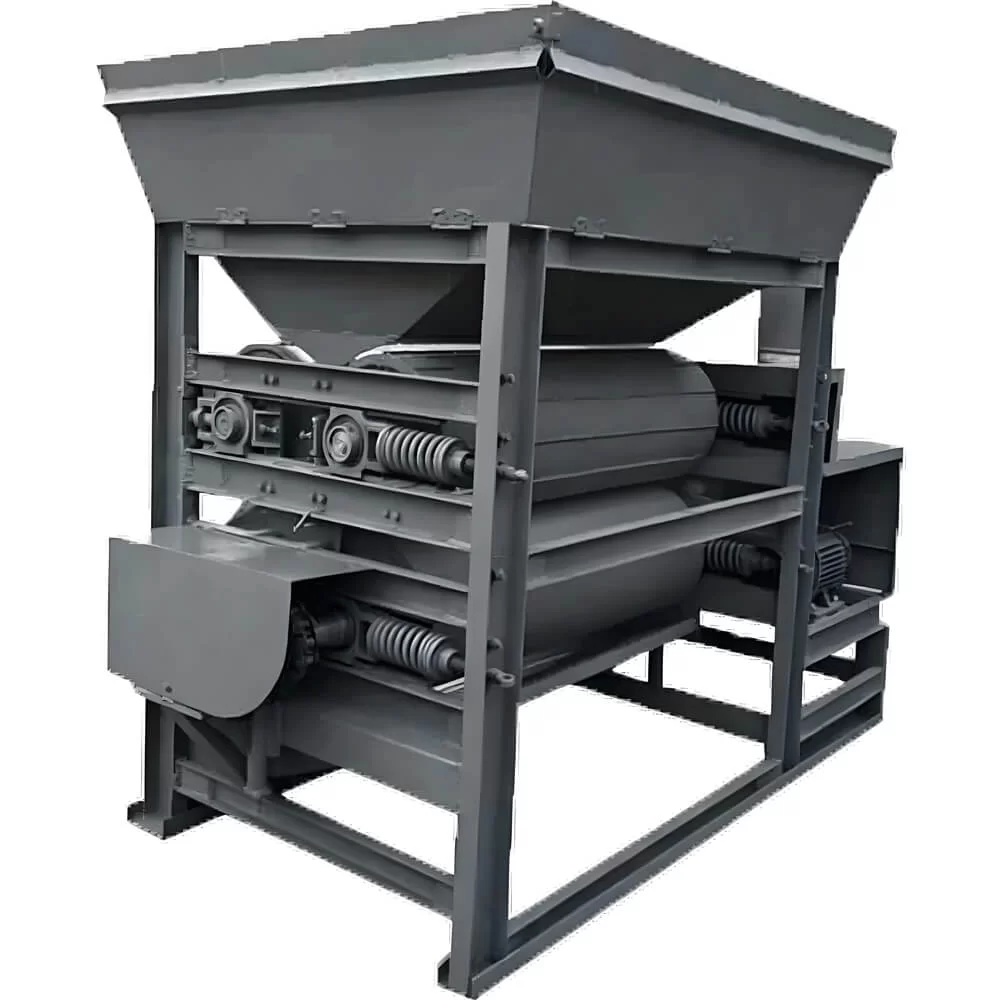
Iron swarf is slender, tough, and prone to tangling, which makes it easy to clog conventional crushing equipment. Using a dedicated iron chip crusher with an efficient rotor structure achieves an ideal crushing effect.
The rotor adopts layered alloy hammers with a hardness above HRC55, dynamically balanced. After iron swarf enters the crushing chamber, the rotor rotates at high speed (650–850 r/min), generating continuous impact and shearing action. The long strips of swarf are quickly broken, bent, and torn by the hammers, eventually forming short chips of 5–15 mm. The crushed product appears as loose granules without tangling or agglomeration, and the bulk density increases from 0.2 t/m³ to over 0.8 t/m³.
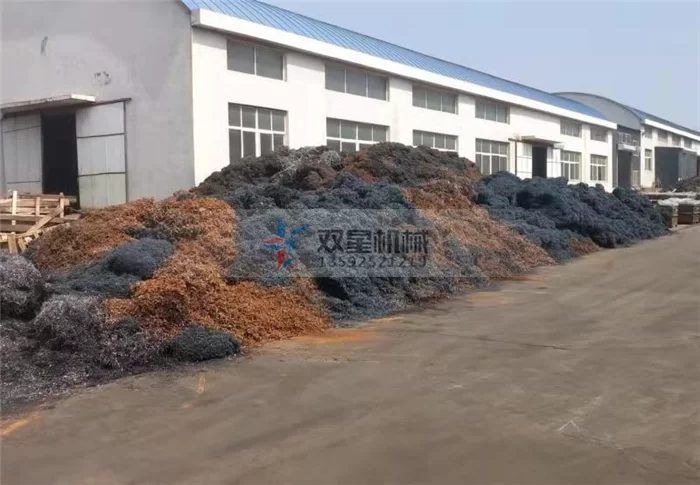
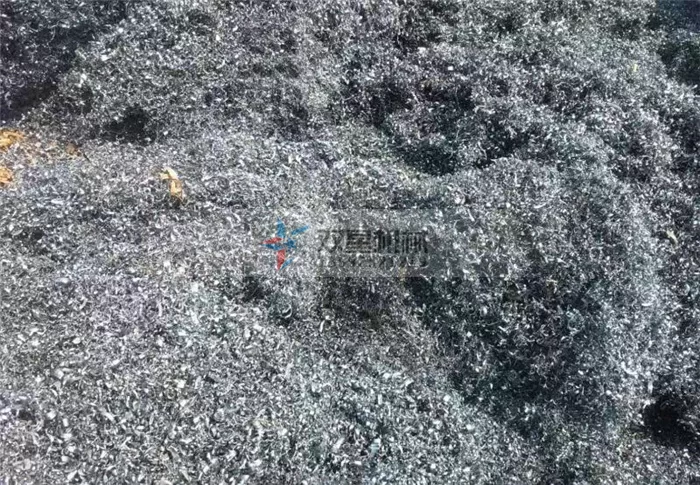
Field tests show that when processing iron swarf, the single-machine output reaches 2.5–3.5 tons per hour, with energy consumption of about 38 kWh per ton. The rotor’s anti‑tangling design and adjustable clearance effectively prevent material from wrapping around the shaft. The crushed iron chips can be directly briquetted or charged into a furnace for smelting, increasing melting recovery by 15% while reducing the impact of residual cutting fluid. In conclusion, this rotor solution enables “high efficiency, no clogging, and uniform particle size” for iron swarf crushing, significantly enhancing subsequent recycling value.