Slat Conveyor

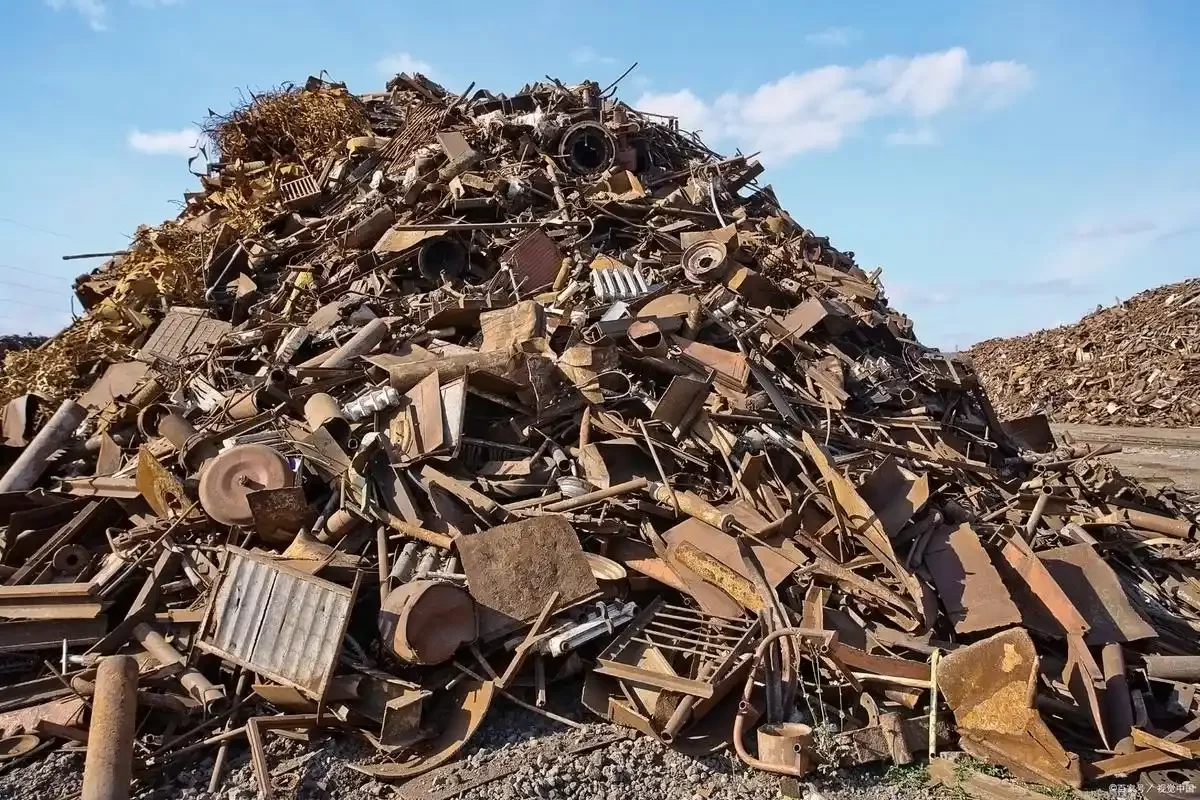
Applicable Materials: Prepared scrap steel, scrap iron, aluminum profiles, metal sheets, empty drums, appliance shells, light structural offcuts, selected baled scrap and other bulky or irregular recycling materials suitable for chain plate conveying.

Product Parameters

Key technical information for quick evaluation.

Power
3kW-5kW
Production Capacity
View Specs
Output Size
Decided by the broken host
Production Line Composition
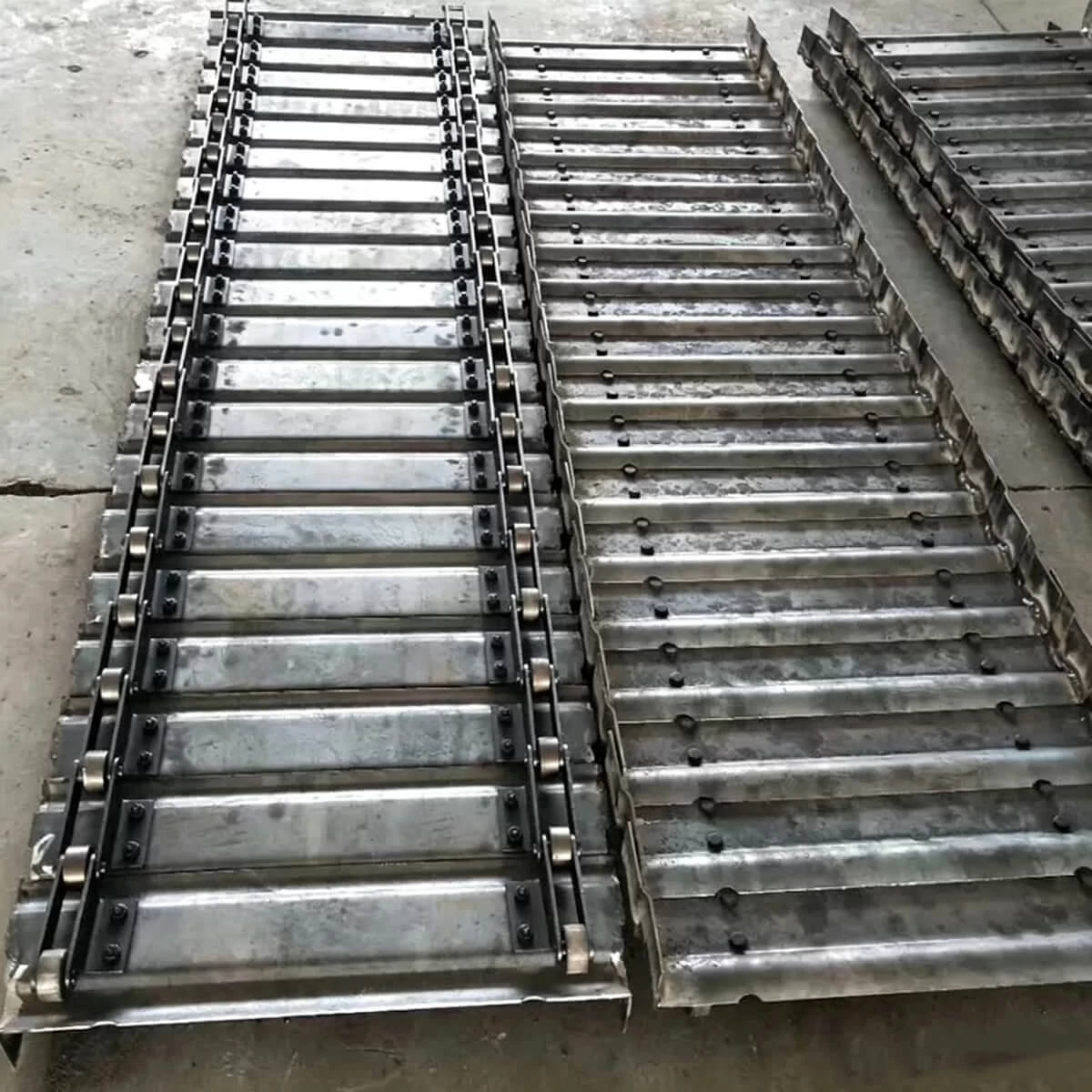
Slat conveyor frame, heavy-duty chains, steel slats, drive shaft, sprockets, gear reducer, drive motor, support rollers, tensioning system, side guards, electric control system and safety protection devices. Optional equipment includes feeding hopper, variable-frequency speed control, reinforced slats, wear-resistant liners, discharge chute and maintenance platform.
Reference Price
Price varies by model. See specs or call.
Product Details

Slat Conveyor

Review the equipment introduction, working principle, advantages and technical specifications in one clear page.

01

Equipment Introduction

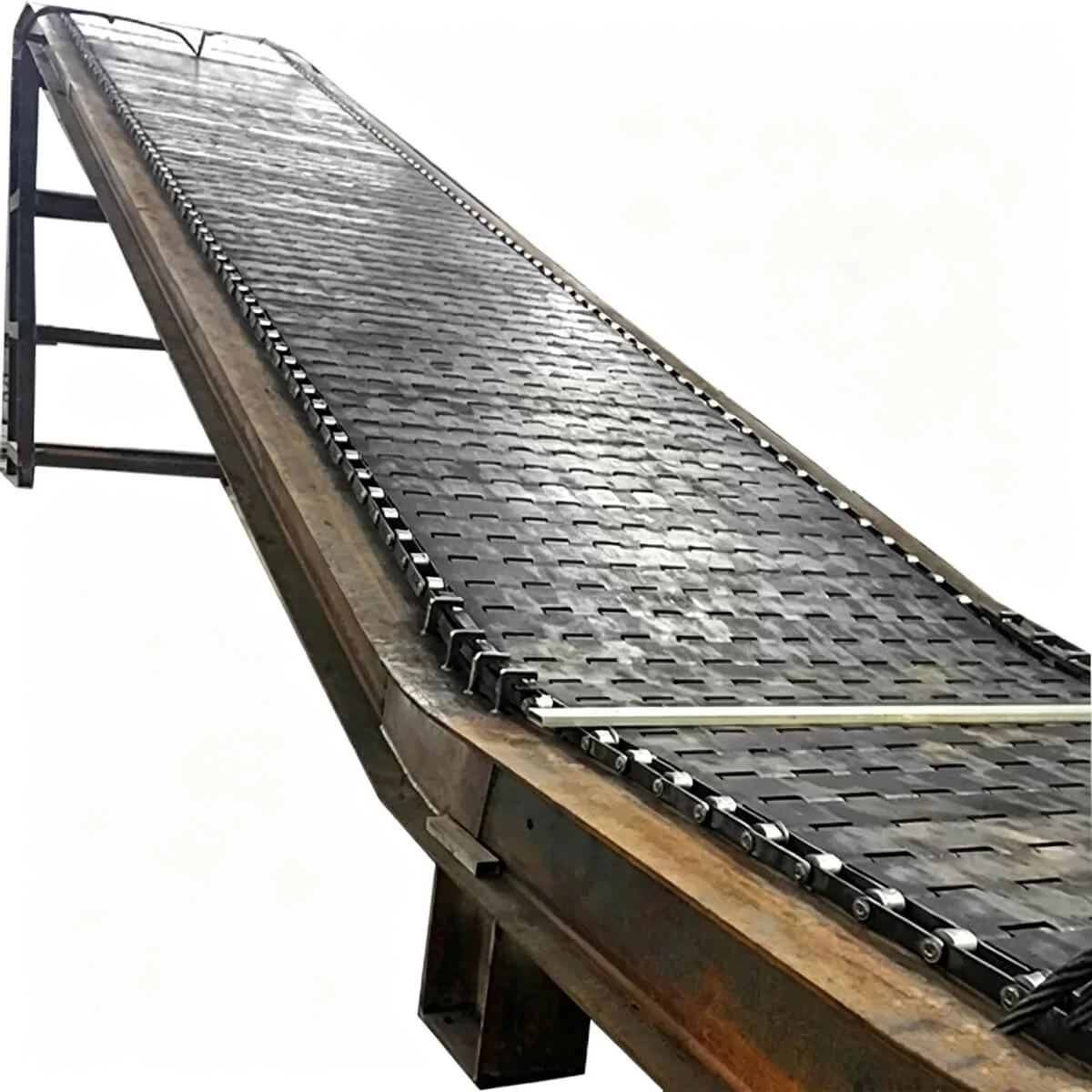
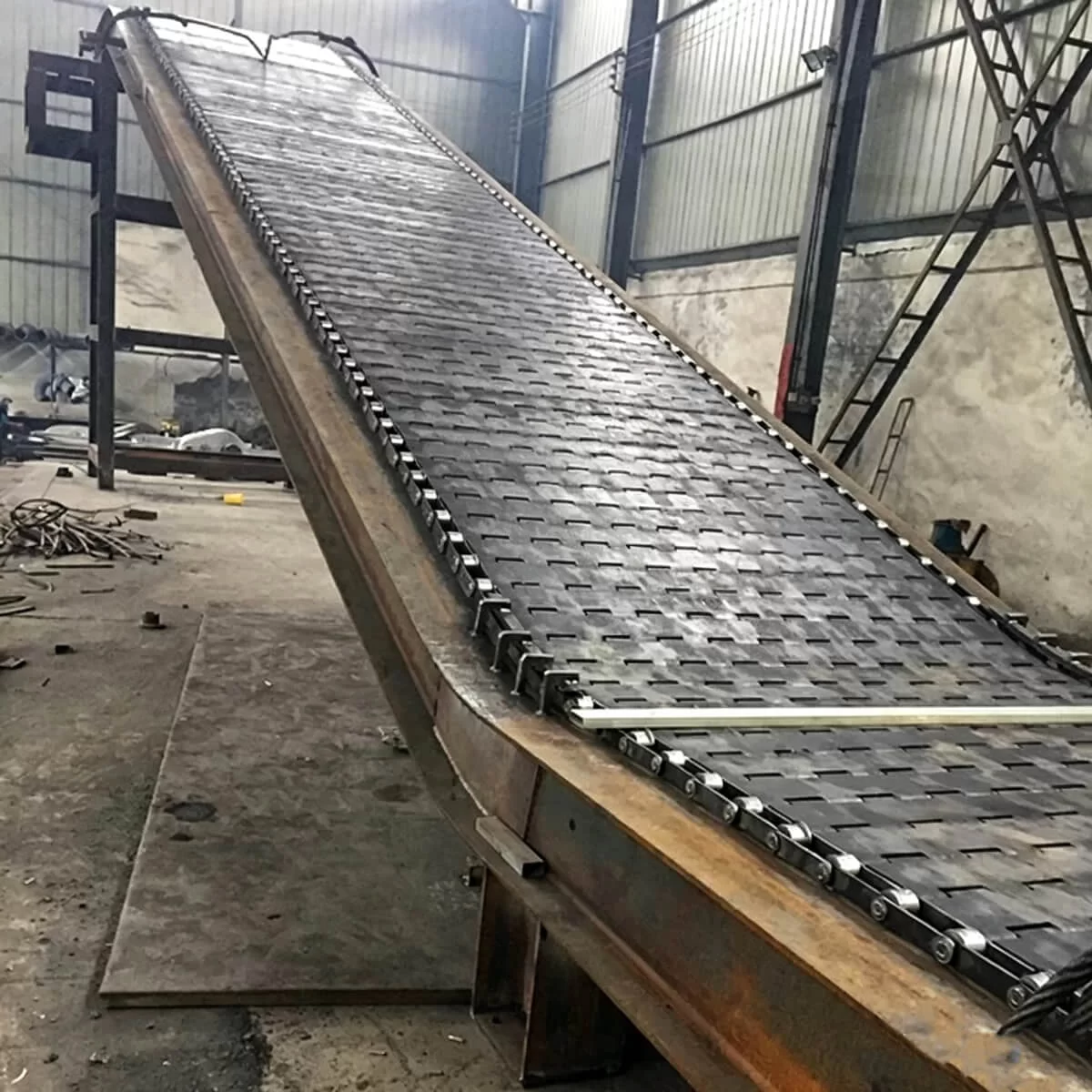
The slat conveyor, also called a chain plate conveyor, is a heavy-duty material handling system used to feed bulky, sharp, heavy and irregular scrap into shredding, crushing and recycling equipment.

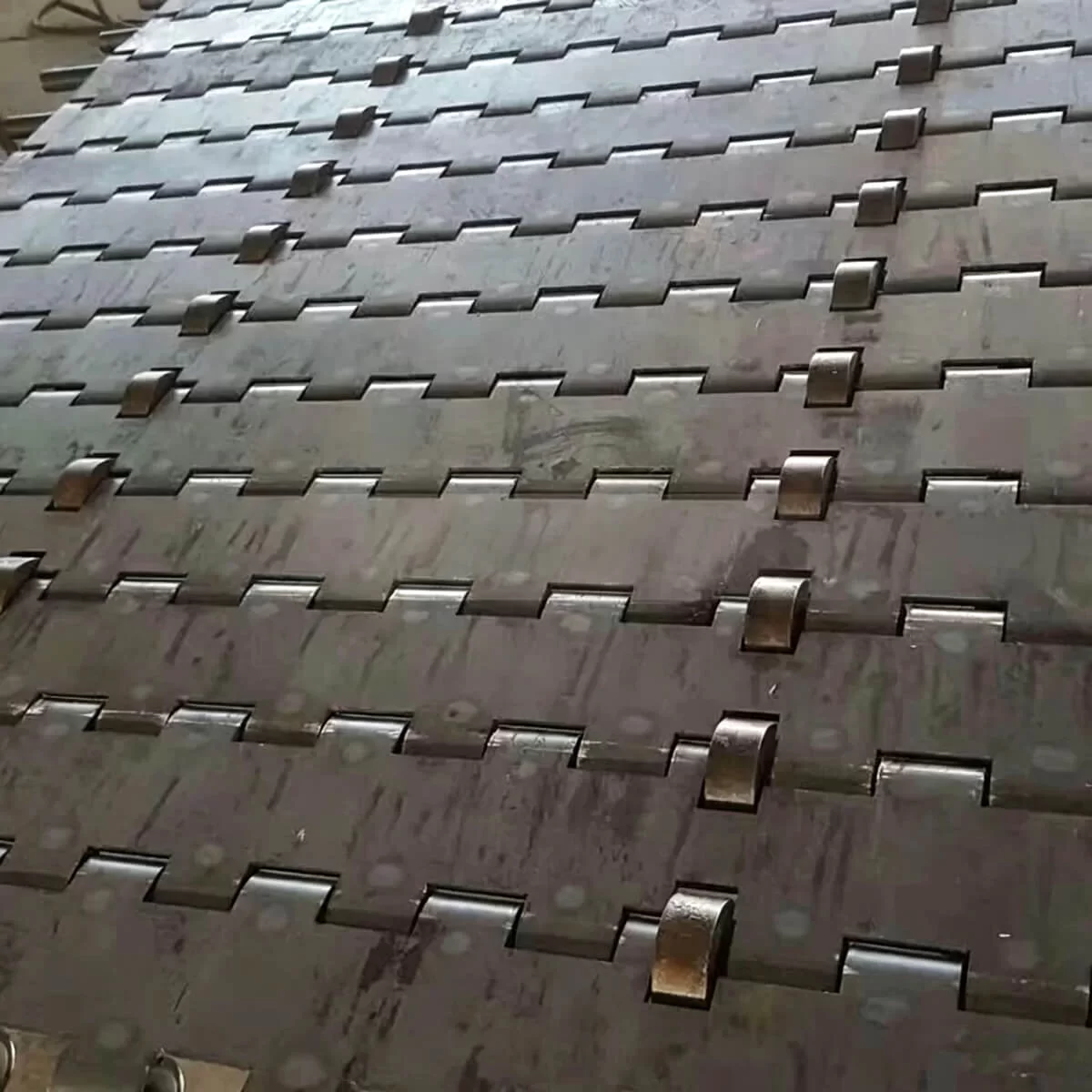
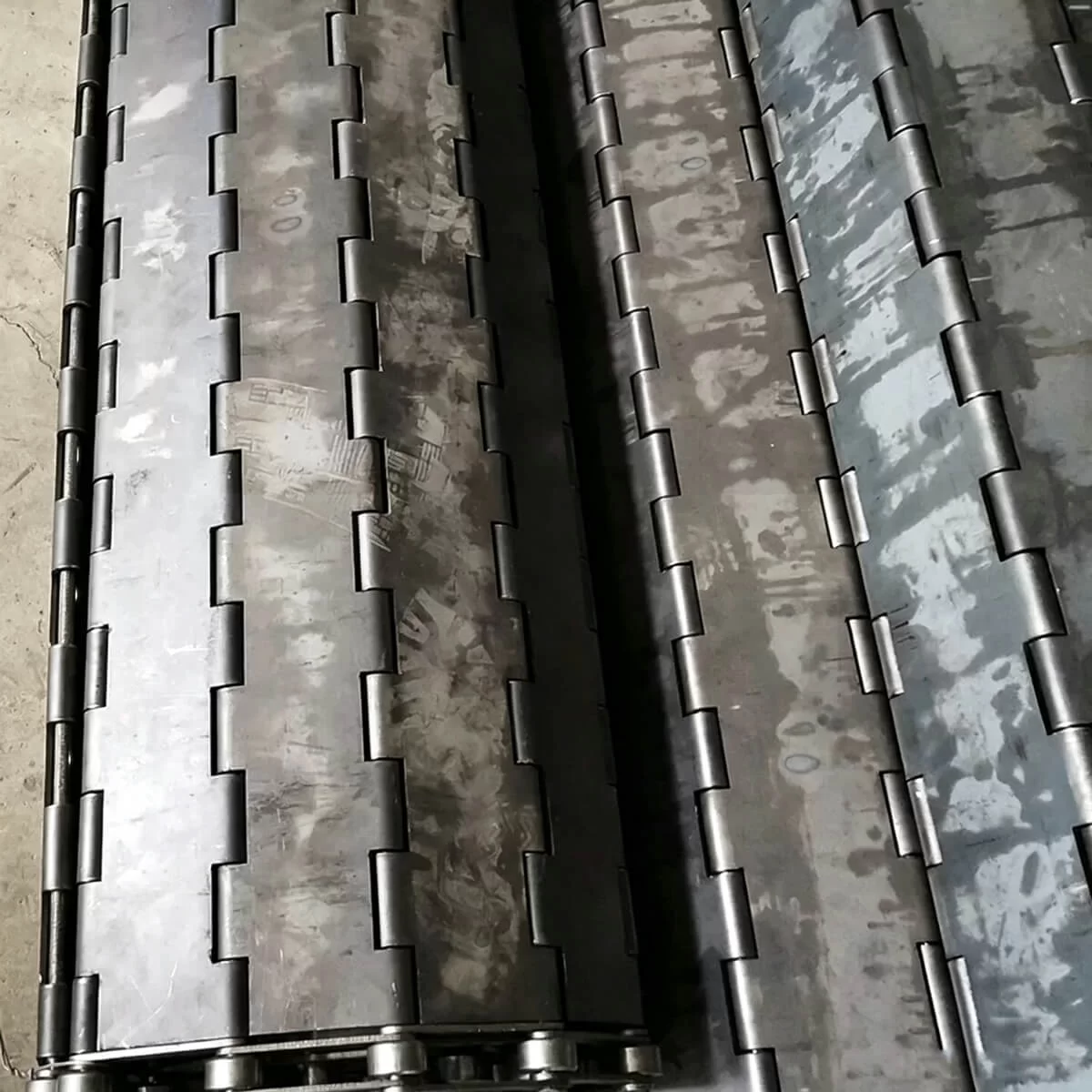
Steel slats are connected to heavy-duty chains and driven by sprockets, gear reducers and an industrial motor. Compared with a conventional rubber belt conveyor, the metal carrying surface provides better resistance to impact, cutting and abrasion from prepared scrap steel, aluminum profiles, metal sheets, drums and other suitable recycling materials.

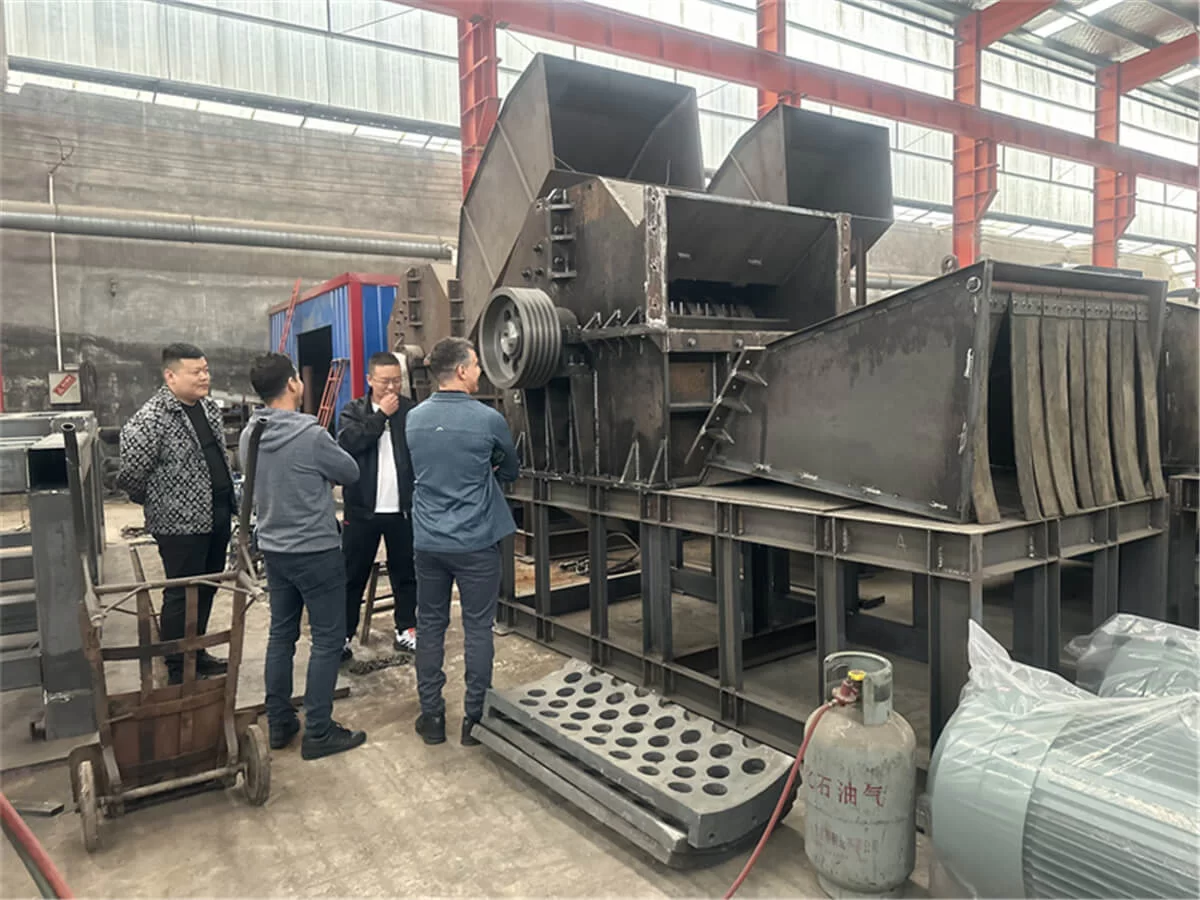
The conveyor can provide controlled feeding to a twin shaft shredder when bulky or compressed material requires low-speed primary size reduction. It can also feed prepared light and medium scrap into a scrap metal crusher for high-speed hammer crushing.

Conveyor width, length, loading height, chain specification, slat thickness and operating speed are selected according to the material dimensions, individual weight, loading method, required capacity and inlet height of the connected machine.

The slat conveyor can be used as an infeed conveyor, intermediate transfer conveyor or discharge conveyor in a scrap metal recycling line. Side guards, feeding hoppers, reinforced slats, variable-speed control and safety protection can be added according to the application.

The conveyor is not suitable for every material without evaluation. Fine powder, small particles, hot slag, liquid-containing waste and material likely to fall through the slat gaps may require a sealed belt conveyor, apron conveyor or another specialized conveying system.
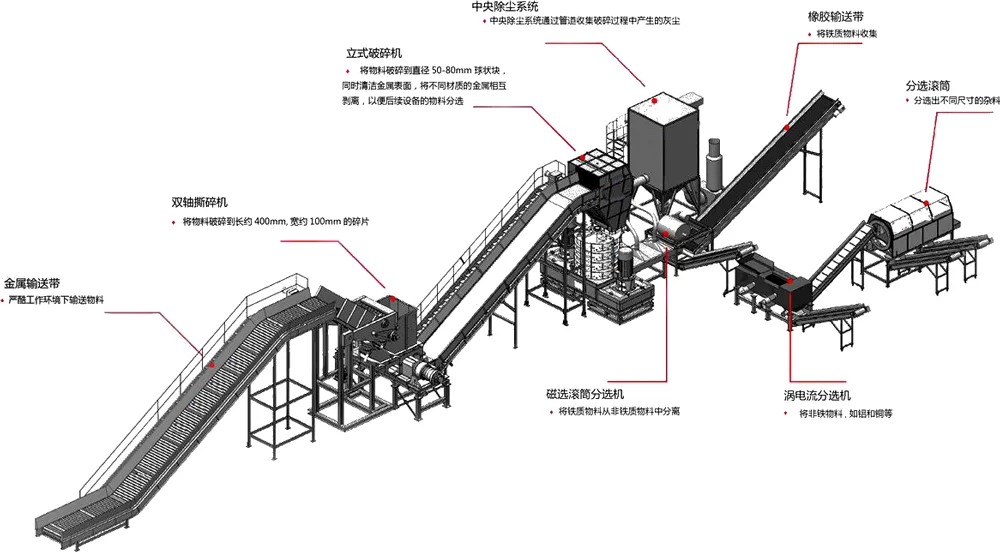

Slat Conveyor

02

Working Principle

Slat Conveyor Working Process

1. Material Loading

Prepared scrap is loaded onto the conveyor by a grapple, loader, crane or another suitable material-handling device. The loading method should match the conveyor width, slat strength and rated carrying capacity.

2. Chain Drive

An electric motor and gear reducer drive the main shaft and sprockets. The sprockets pull the conveyor chains, causing the connected steel slats to move continuously along the conveyor frame.

3. Material Transfer

Scrap placed on the steel slats is transferred from the loading area toward the connected shredder, crusher or downstream equipment. Side guards can help contain irregular material during transport.

4. Controlled Feeding

Conveyor speed can be adjusted according to the load and capacity of the connected machine. Controlled feeding helps reduce sudden material accumulation at the equipment inlet.

5. Material Discharge

At the discharge end, the material falls into a feeding hopper, shredding chamber, crusher inlet or another transfer conveyor. The discharge height and angle should be selected according to the production line layout.

6. Chain Tension and Support

The chain tensioning system maintains suitable engagement between the chains and sprockets. Support rollers and guide structures carry the conveyor load and help maintain stable chain movement.

7. Safety and Coordinated Control

The conveyor can be connected to the production line control system. Interlocked operation allows the conveyor to slow down or stop when the downstream machine is overloaded or stopped.

03

Features and Advantages

  • Heavy-duty conveying structure: The slat conveyor uses metal chain plates as the carrying surface. The reinforced structure is suitable for feeding and discharging heavy, bulky or irregular materials in metal recycling and industrial processing lines.

  • Suitable for shredding and crushing lines: The conveyor can work with metal crushers, scrap steel shredders, aluminum recycling lines, can crushers, waste wood crushers, twin shaft shredders and other recycling equipment.

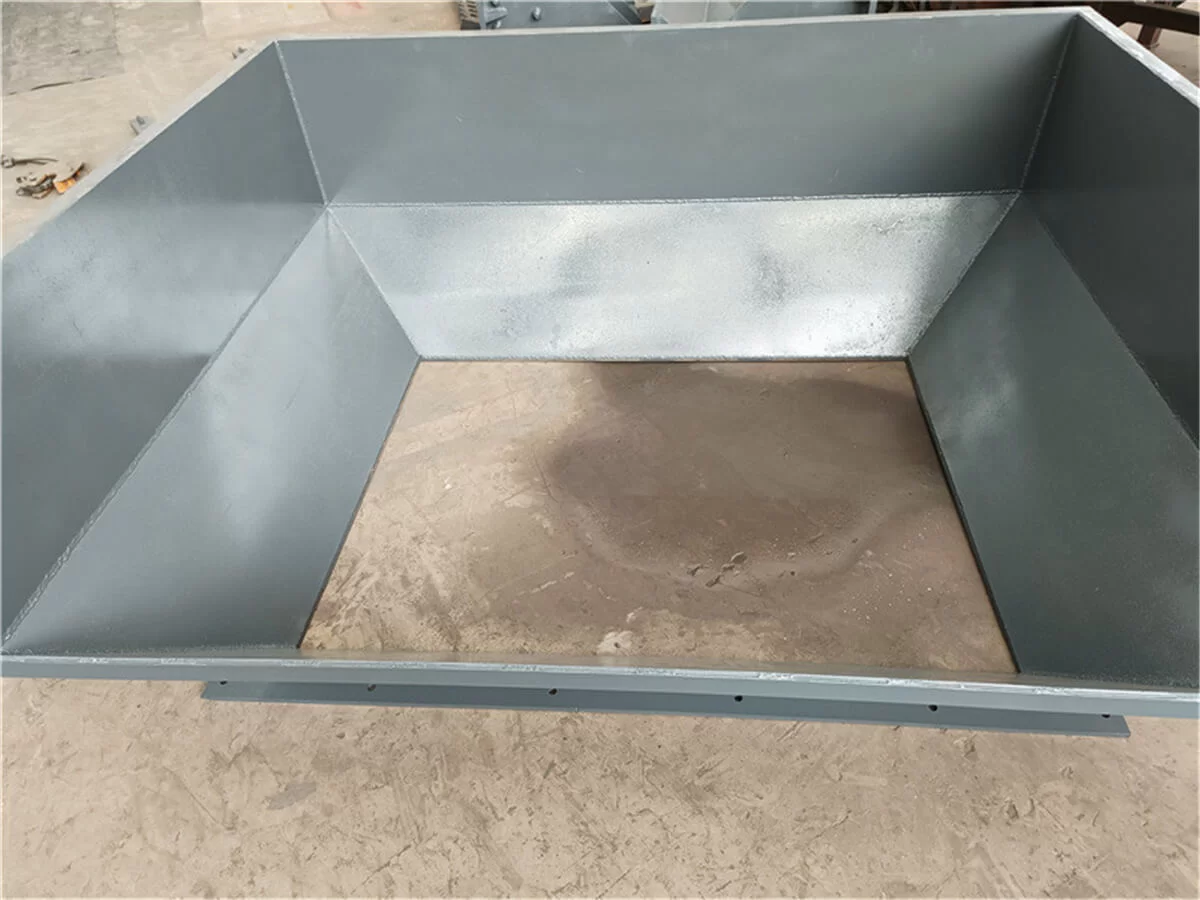
  • Customizable size and layout: Conveyor length, width, height, speed and installation angle can be customized according to site layout and material handling requirements. It can be designed for horizontal conveying, inclined feeding or discharge conveying.

  • Stable material feeding: The chain plate structure provides stable support for scrap metal, cans, plates, drums, wood waste and other bulk materials. Side guards and feeding sections can be added to reduce material falling during conveying.

  • Adjustable conveying speed: The conveying speed can be adjusted according to feeding requirement and equipment capacity. This helps match the conveyor with crushers, shredders, magnetic separators, sorting equipment and other machines in the production line.

  • Different chain plate options: According to material type and working condition, the conveyor can be designed with different chain plate structures, such as flat-top chain plates, hinged slats, channel steel flights or reinforced forged slats.

  • Easy integration with production lines: The slat conveyor can be connected with feeding hoppers, crushers, shredders, magnetic separators, eddy current separators, sorting platforms and discharge systems to form a continuous material handling process.

Applications

  • Feeding bulky scrap into twin shaft shredders

  • Feeding prepared metal scrap into hammer crushers

  • Handling aluminum profiles and window frame scrap

  • Conveying steel sheets, drums and appliance shells

  • Feeding selected baled scrap into primary shredding equipment

  • Intermediate material transfer in scrap recycling lines

04

Technical Specifications

Parameter description diagram for Slat Conveyor | Heavy Duty Chain Plate Conveyor for Recycling Lines | Haoxing Machinery:

ModelPlate Width (mm)Conveying Length (m)Speed Range (m/min)Motor Power (kW)Capacity (t/h)Application
HX-LB6506503 - 200.5 - 153 - 5.510 - 30Light scrap, cans
HX-LB8008005 - 300.5 - 155.5 - 7.520 - 50Scrap steel, formwork
HX-LB100010005 - 400.5 - 207.5 - 1140 - 80Shredder infeed
HX-LB120012008 - 500.5 - 2011 - 1560 - 120Heavy scrap, bales
HX-LB1500150010 - 600.5 - 2515 - 22100 - 200Large shredder lines, mining

Note: Conveyor capacity depends on material bulk density, individual piece weight, slat width, conveyor speed, loading method, installation angle and the capacity of the connected equipment.

Applications:

  • Scrap steel shredding lines

  • Metal crusher feeding and discharge systems

  • Aluminum recycling lines

  • Can crushing and flattening lines

  • Twin shaft shredder feeding systems

  • Waste wood and formwork processing lines

  • Mining, metallurgy and foundry bulk material conveying

  • Industrial recycling and material handling production lines

FAQ

Frequently Asked Questions

Find common questions about scrap metal crushers, shredders, recycling lines, equipment selection, capacity configuration and operation requirements.

QHow do I choose a suitable slat conveyor model?

A

The suitable slat conveyor model depends on material type, material weight, feeding height, conveyor length, plate width, motor power, working angle, site layout, and required conveying capacity. Customers can provide material photos, equipment layout, feeding height, and capacity requirements, and we can recommend a suitable slat conveyor configuration.

QCan a slat conveyor work with a metal shredder or crusher?

A

Yes. A slat conveyor is commonly used before metal shredders, metal crushers, aluminum crushers, and scrap recycling equipment. It provides stable feeding for heavy, bulky, or irregular materials and helps improve the continuous operation efficiency of the whole production line.

QHow is the length of a slat conveyor configured?

A

The length of a slat conveyor is usually designed according to site layout, feeding height, equipment position, and production line arrangement. Longer conveyors can be customized when the workshop space or feeding method requires it.

QWhat materials can a slat conveyor feed?

A

A slat conveyor is suitable for feeding heavy and irregular materials such as scrap metal, metal sheets, aluminum scrap, copper scrap, and bulky waste. It is commonly used before shredders and crushers for stable and continuous feeding.

Post a Question

Leave your question about material type, capacity, equipment model or recycling line configuration.

Verification code
Get A Quote

Get Instant Pricing & Specs

Send your email and tell us your material type, capacity requirement and site condition. Our team will provide equipment selection, technical specifications and quotation details.

  • Model recommendation
  • Capacity configuration
  • Recycling line quotation

Request Product Details

We usually reply with equipment details and pricing information as soon as possible.

WhatsApp
💬
WhatsApp
WhatsApp QR Code
Scan or click to chat with us on WhatsApp.