Project Overview
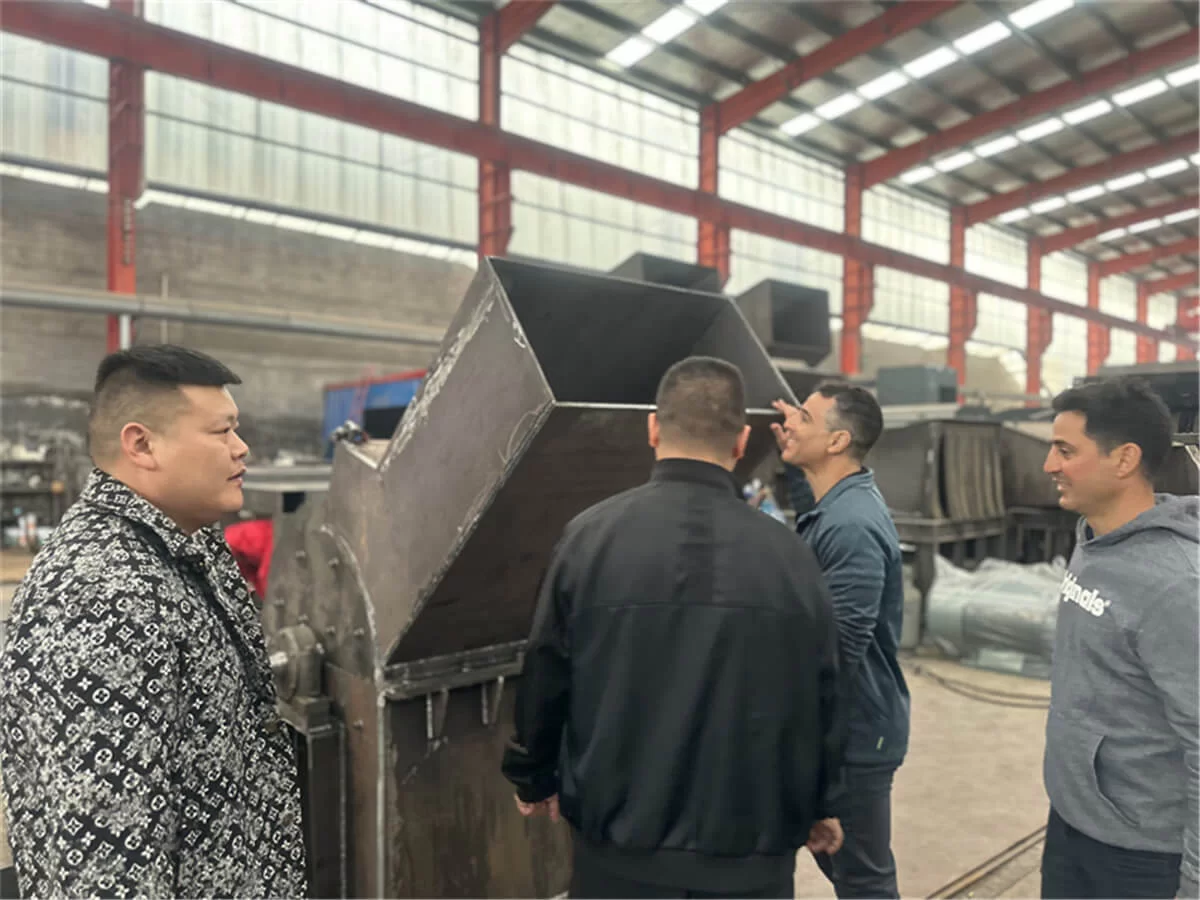
On June 20, 2022, two Malaysian customers visited Haoxing Machinery to inspect 800 and 1600 baled scrap shredder equipment, discuss machine structure, working efficiency, material processing, and recycling plant configuration.
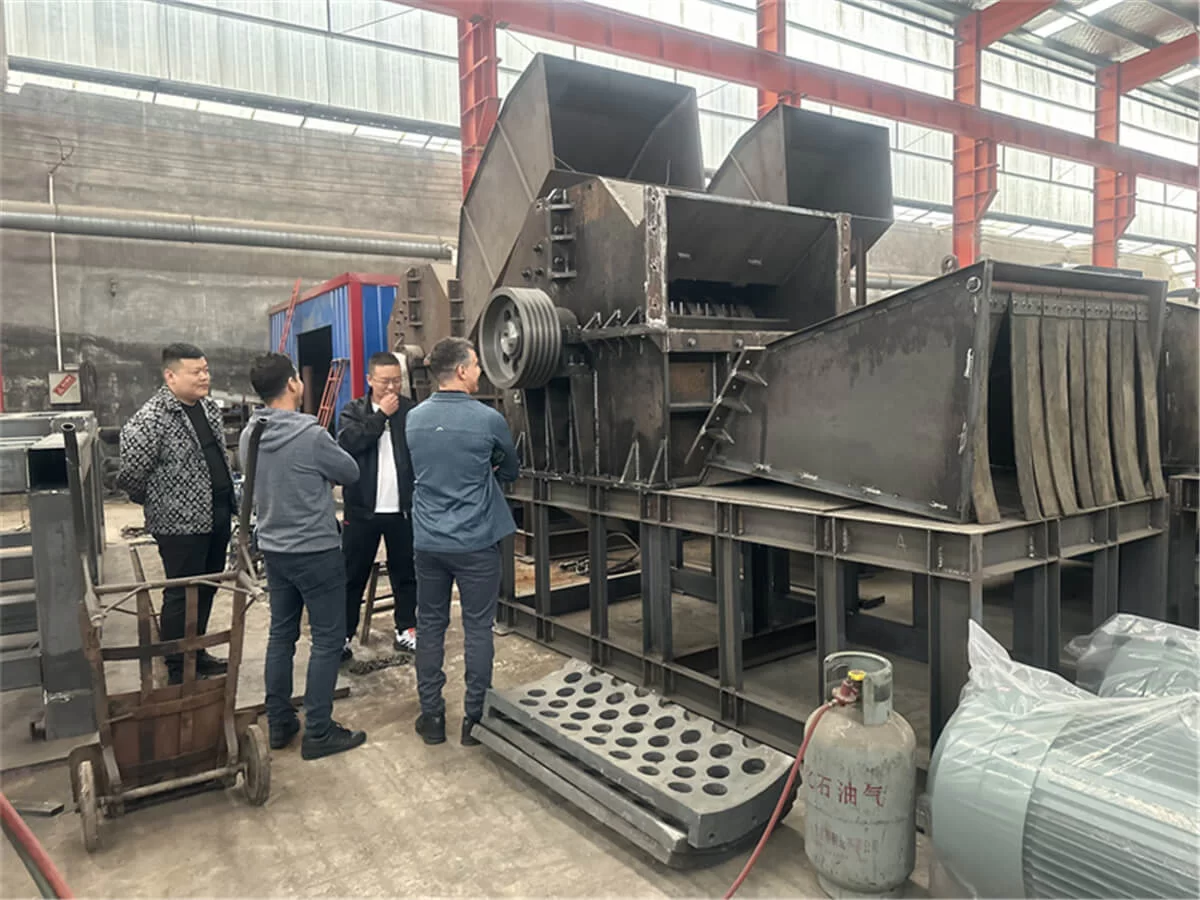
On June 20, 2022, two Malaysian customers visited Haoxing Machinery for a detailed inspection of baled scrap shredder equipment. The visit focused on the customer’s actual recycling requirements, especially the processing of compressed scrap metal bales, light scrap steel, aluminum scrap, and mixed metal materials.
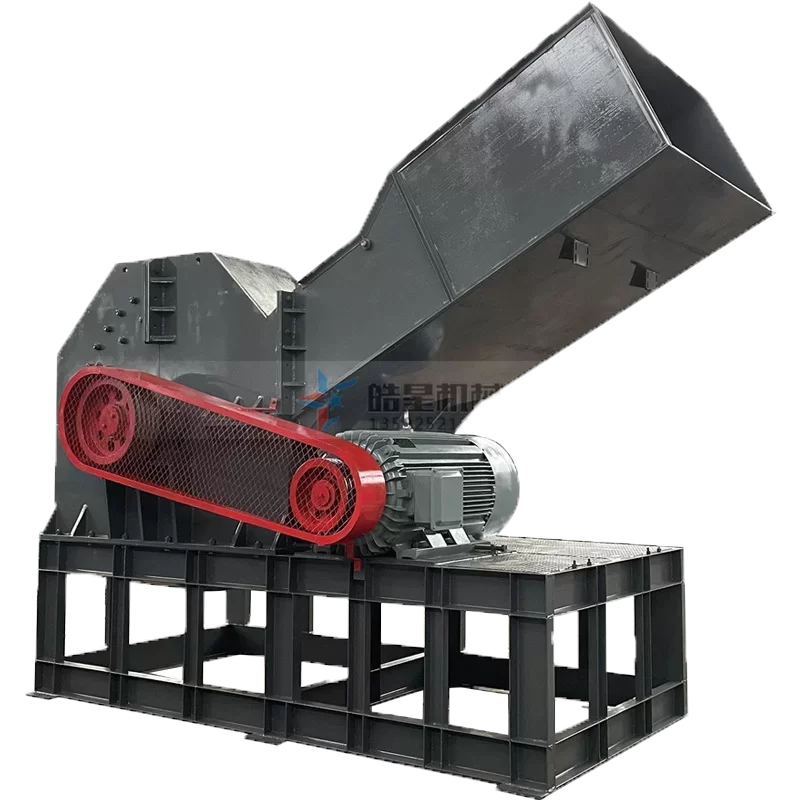
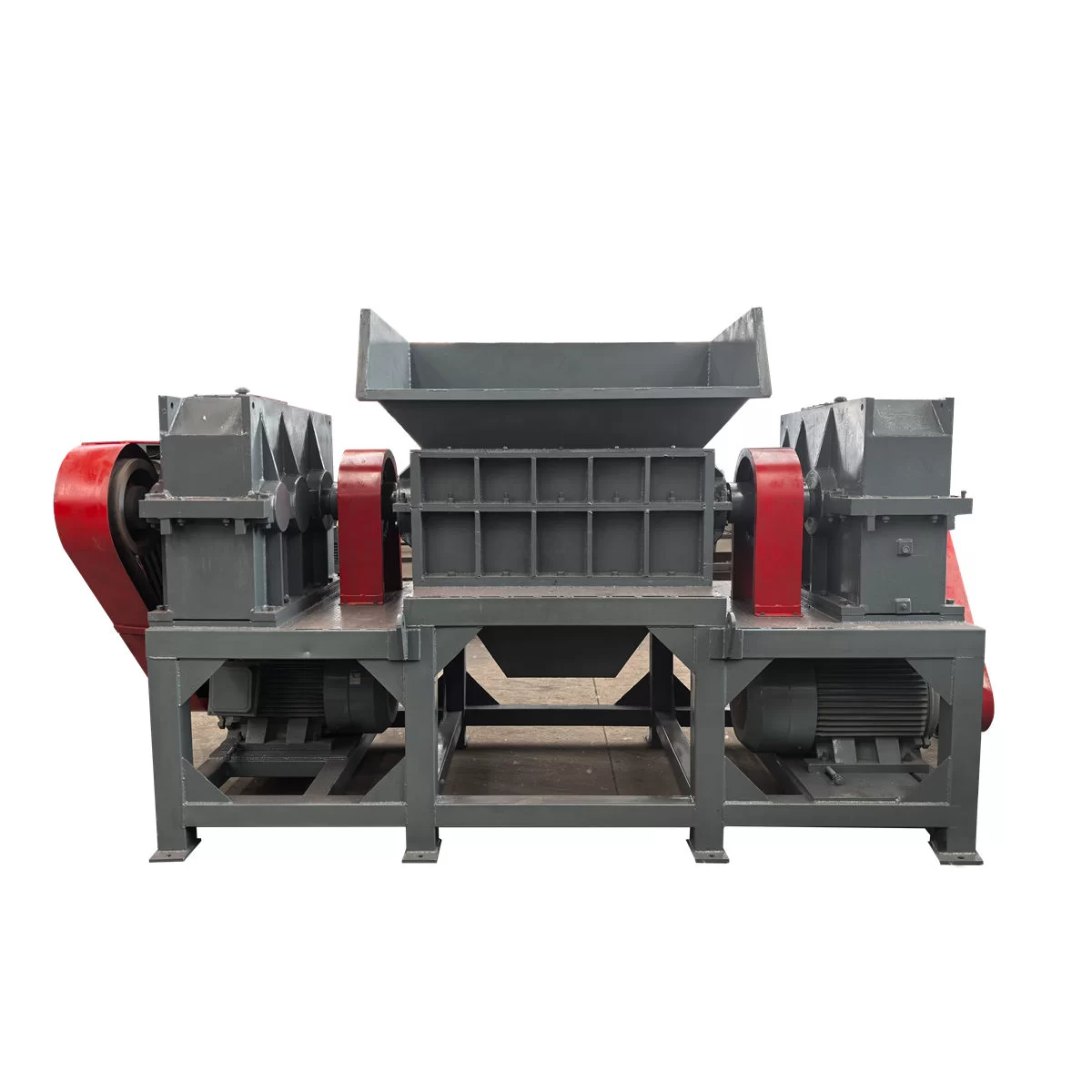
During the factory visit, the customers inspected both the 800 model metal shredder and the 1600 model heavy-duty metal shredder. Our technical team introduced the machine structure, feeding method, cutter arrangement, shaft design, motor configuration, discharge effect, and working efficiency of different shredder models.
This visit was a practical communication process. The customers were not only interested in the appearance of the equipment, but also paid close attention to how the machine works under long-term operation, how to select the right model according to material type, and how to control operating cost in a scrap recycling yard.
Factory Visit and Equipment Inspection
After arriving at the production workshop, the Malaysian customers first checked the 800 model shredder. This model is often used for small and medium-sized recycling applications. It is suitable for processing light scrap metal, small compressed metal bales, thin sheet metal, aluminum scrap, used paint buckets, and other recyclable materials with moderate feeding size.
The customers then inspected the 1600 model shredder. Compared with the 800 model, the 1600 shredder has a larger feeding chamber, stronger cutter shafts, heavier machine frame, and higher processing capacity. It is more suitable for recycling plants that need to handle larger baled scrap materials or require continuous production.
During the inspection, the customers carefully looked at the feeding hopper, shredding chamber, cutter shaft, bearing seat, reducer connection, and welded machine frame. These details are important for baled scrap processing because compressed scrap materials usually have higher density and uneven internal structure.
Discussion About Baled Scrap Materials
The customers mainly discussed the processing of baled and compressed scrap materials commonly seen in recycling yards. The materials included:
Baled light scrap steel
Compressed aluminum scrap
Mixed metal bales
Scrap sheet metal
Used paint buckets
Thin steel plates
Aluminum profiles and offcuts
Light ferrous and non-ferrous scrap
For baled scrap materials, the main challenge is not only cutting the material, but also loosening the compressed bale and making the material easier for later sorting, crushing, melting, or transportation. Our engineers explained that a baled scrap shredder uses low-speed and high-torque working principles. The two cutter shafts rotate inward to tear, squeeze, and reduce the material into smaller pieces.
This working method is especially useful for compressed scrap bales because the machine can gradually open the material structure instead of relying only on high-speed impact. It helps reduce sudden overload and improves equipment stability during operation.
800 Model and 1600 Model Comparison
The customers were interested in the difference between the 800 model and the 1600 model. Our team explained that the final model selection should depend on material size, bale density, expected capacity, feeding method, working hours, and discharge requirements.
| Item | 800 Model Shredder | 1600 Model Shredder |
|---|---|---|
| Application | Small and medium recycling yards | Medium and large recycling plants |
| Suitable material | Light scrap, small metal bales, aluminum scrap, sheet metal | Baled scrap metal, mixed metal bales, thicker scrap, higher-volume materials |
| Feeding method | Manual feeding, conveyor feeding, small grab feeding | Conveyor feeding, grab feeding, loading equipment feeding |
| Working principle | Low-speed, high-torque double shaft shredding | Heavy-duty low-speed, high-torque double shaft shredding |
| Capacity range | About 0.5-2 tons per hour, depending on material | About 3-8 tons per hour, depending on material and configuration |
| Motor power | Custom configured according to material | Higher power configuration for continuous operation |
| Main advantage | Flexible, compact, lower investment | Larger capacity, stronger structure, better for baled scrap recycling lines |
The customers asked whether the 800 model could process baled scrap. Our engineers explained that the 800 model can handle some small and lighter bales, but if the customer mainly processes compressed metal bales with higher density, the 1600 model is generally more suitable. For long-term use, selecting a stronger machine can reduce blockage, overload, and maintenance pressure.
Machine Structure and Working Details
During the visit, our engineers introduced the key parts of the baled scrap shredder in detail.
The cutter shafts are the core working parts of the machine. Different blade thicknesses and cutter arrangements can be selected according to the material. For light scrap and aluminum bales, the cutter design can focus on tearing and loosening. For mixed metal bales with harder pieces, stronger cutter thickness and shaft torque are usually required.
The machine frame is another important part. Baled scrap materials can create strong impact and pressure during feeding, so the frame must be strong enough to support continuous operation. The customers checked the welding seams, side plates, base structure, and discharge area of the machine.
The reducer and motor matching also received attention. Our team explained that the shredder is designed for stable torque output instead of high rotational speed. When processing baled scrap, steady torque and reliable overload protection are more important than simply increasing speed.
Working Efficiency and Plant Configuration
The Malaysian customers also discussed working efficiency. For a recycling plant, capacity is affected by many factors, including material type, bale size, bale density, feeding speed, cutter condition, and discharge method.
For a complete baled scrap shredding plant, the commonly discussed configuration includes:
Feeding conveyor or grab feeding system
Double shaft baled scrap shredder
Discharge conveyor
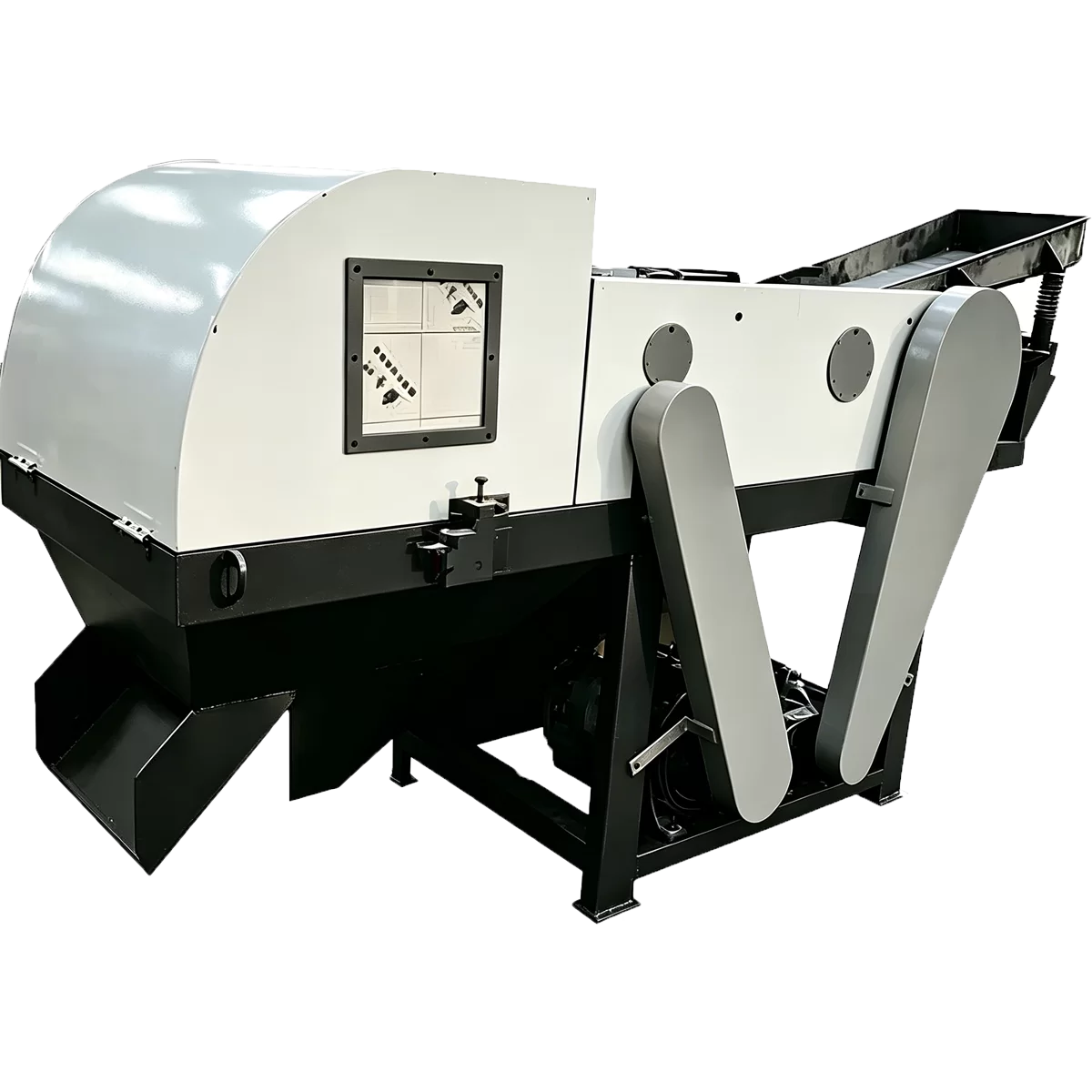
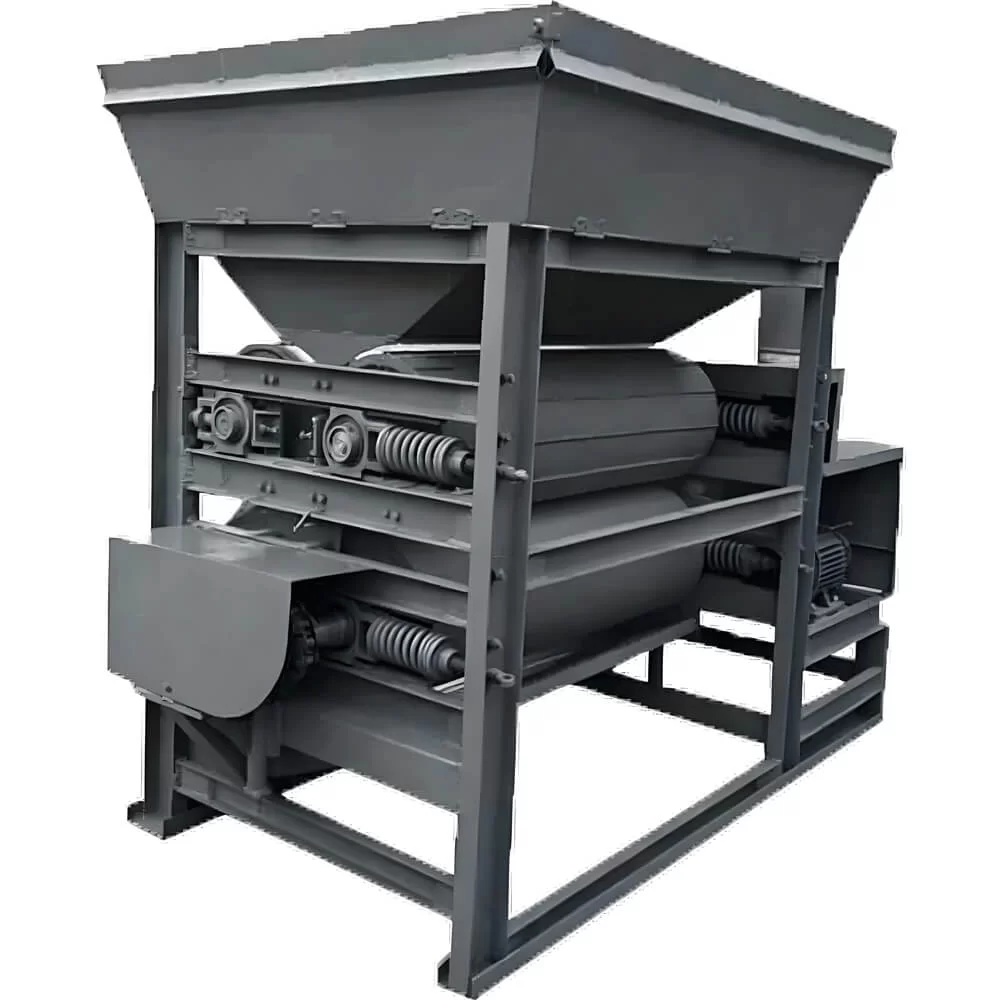
Magnetic separator
Optional eddy current separator
Dust collection system
Electrical control cabinet
Spare cutter and wearing parts package
If the customer needs to separate ferrous and non-ferrous materials after shredding, magnetic separation and eddy current separation can be added according to the material composition. For aluminum scrap, mixed metal bales, or light scrap recycling, proper separation equipment can improve material recovery value.
Practical Communication for the Malaysian Recycling Market
During the communication, the customers introduced their interest in building a more efficient scrap processing system for local recycling operations. Their concerns mainly focused on machine stability, power consumption, blade wear, spare parts supply, and whether the equipment could adapt to different materials.
Our team suggested that before selecting the final machine model, the customer should confirm several key points:
Main material type
Bale size and bale density
Required hourly capacity
Feeding method at the site
Expected discharge size
Available workshop space
Whether downstream sorting is needed
Daily working hours
These details are important for choosing between the 800 model and the 1600 model. A smaller machine may reduce initial investment, but a larger model may be more suitable if the materials are dense, mixed, or processed for long shifts.
Haoxing Machinery Provides Baled Scrap Shredder Solutions
Haoxing Machinery provides metal shredders, scrap metal crushers, aluminum recycling equipment, sorting equipment, conveyors, and complete scrap recycling solutions. For customers processing baled scrap metal, we can recommend suitable equipment based on material type, bale size, capacity requirement, and plant layout.
The visit of the two Malaysian customers on June 20, 2022, helped both sides better understand the project requirements. Through direct inspection of the 800 and 1600 shredder models, the customers gained a clearer view of machine structure, working efficiency, material adaptability, and future plant configuration.
For recycling companies handling compressed scrap metal, aluminum bales, light steel scrap, and mixed metal bales, a properly configured baled scrap shredder can improve feeding efficiency, reduce material volume, and prepare scrap for further sorting, crushing, transportation, or melting.