Project Overview
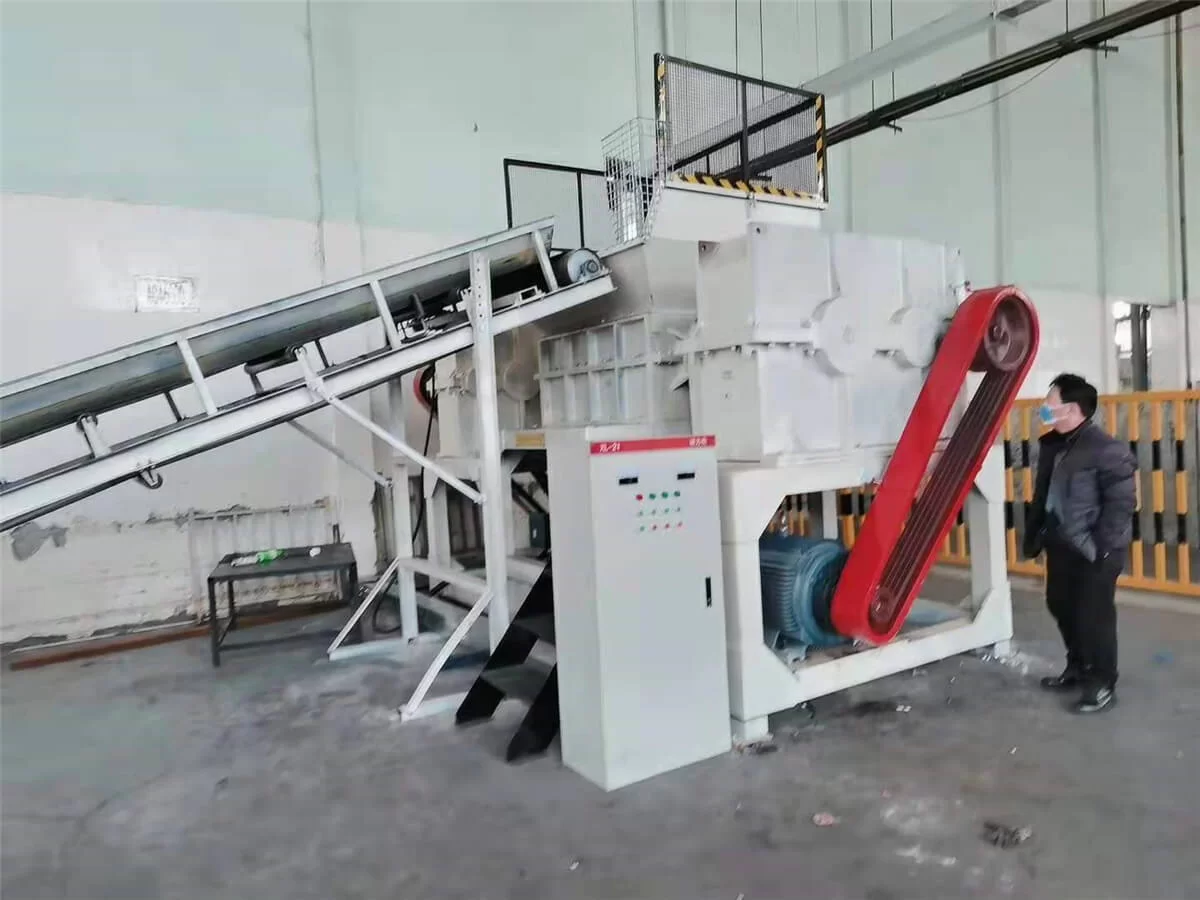
This cast aluminum engine housing crusher project features a magnetic separation system designed for recovering valuable aluminum from engine housings, transmission cases, and automotive cast aluminum scrap materials.
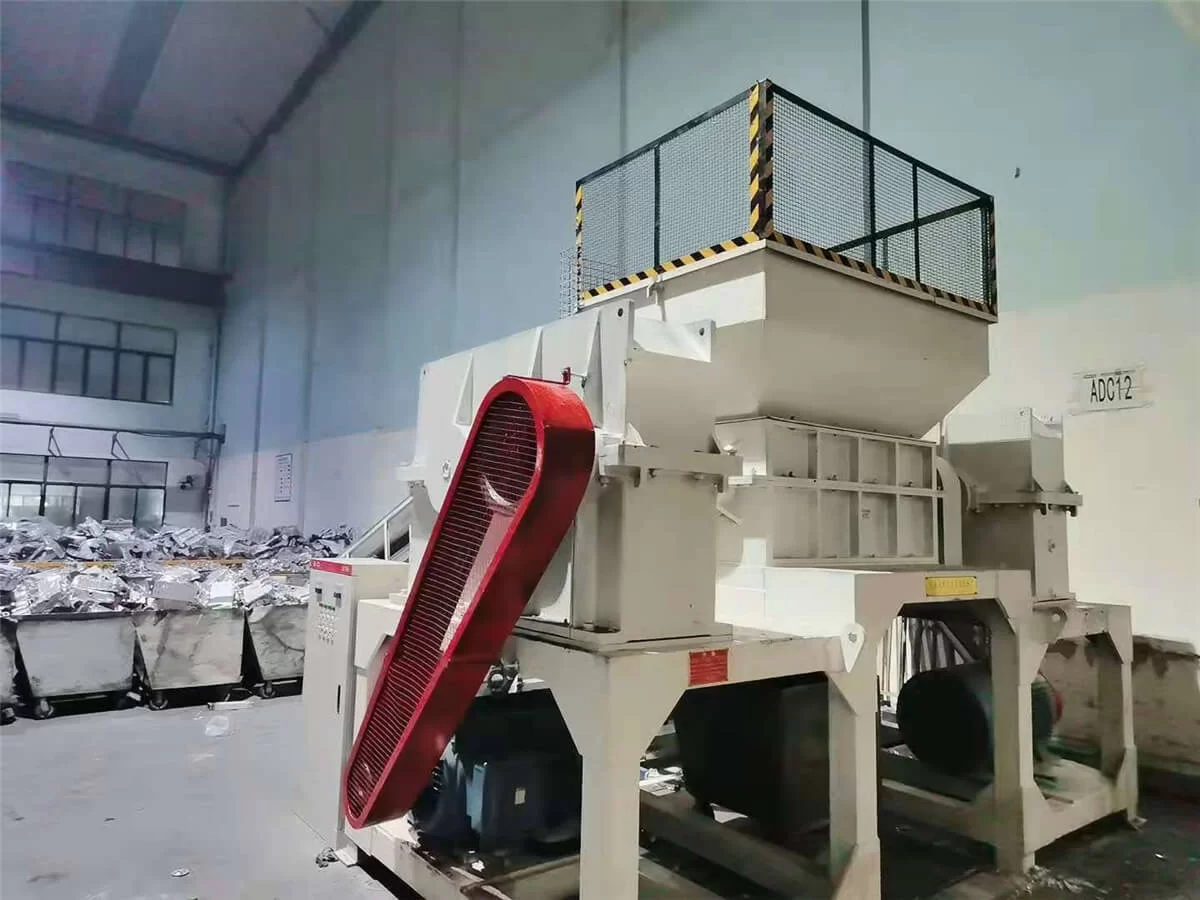
Automotive aluminum recycling has become an increasingly important part of the non-ferrous metal recovery industry. At this customer site, a complete cast aluminum engine housing processing system was installed to improve the recovery efficiency of valuable aluminum materials while reducing manual sorting requirements.
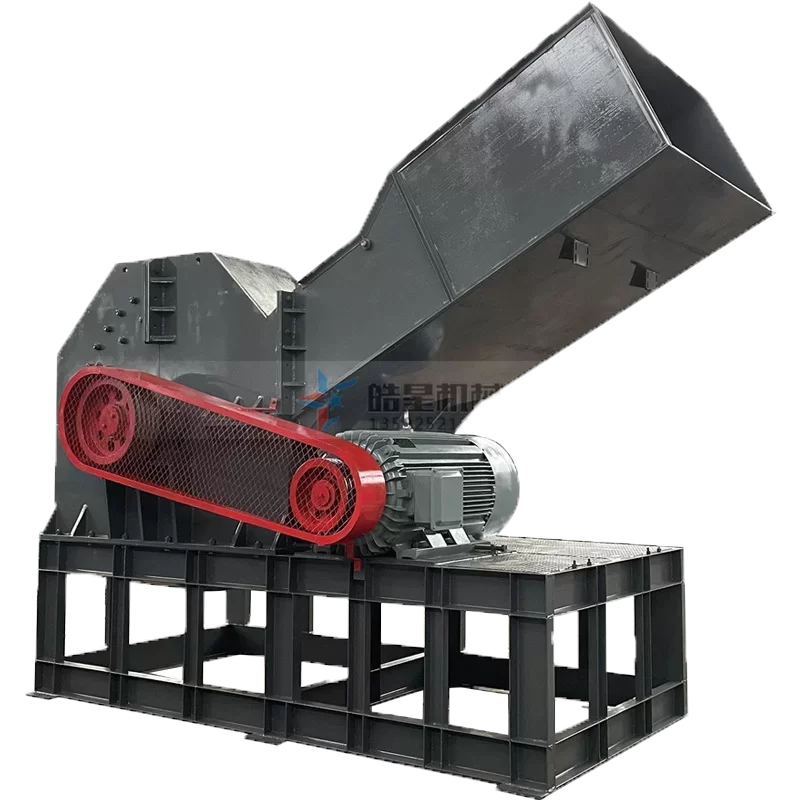
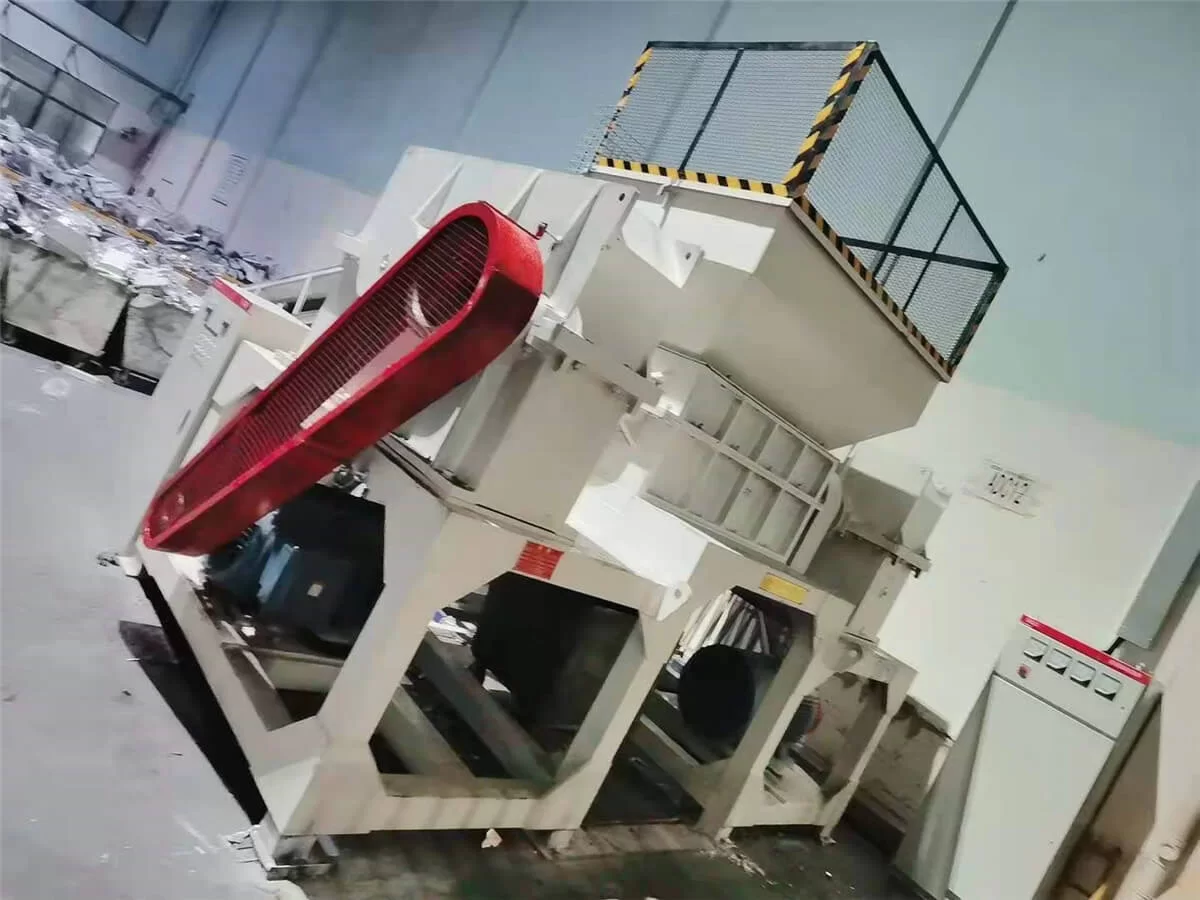
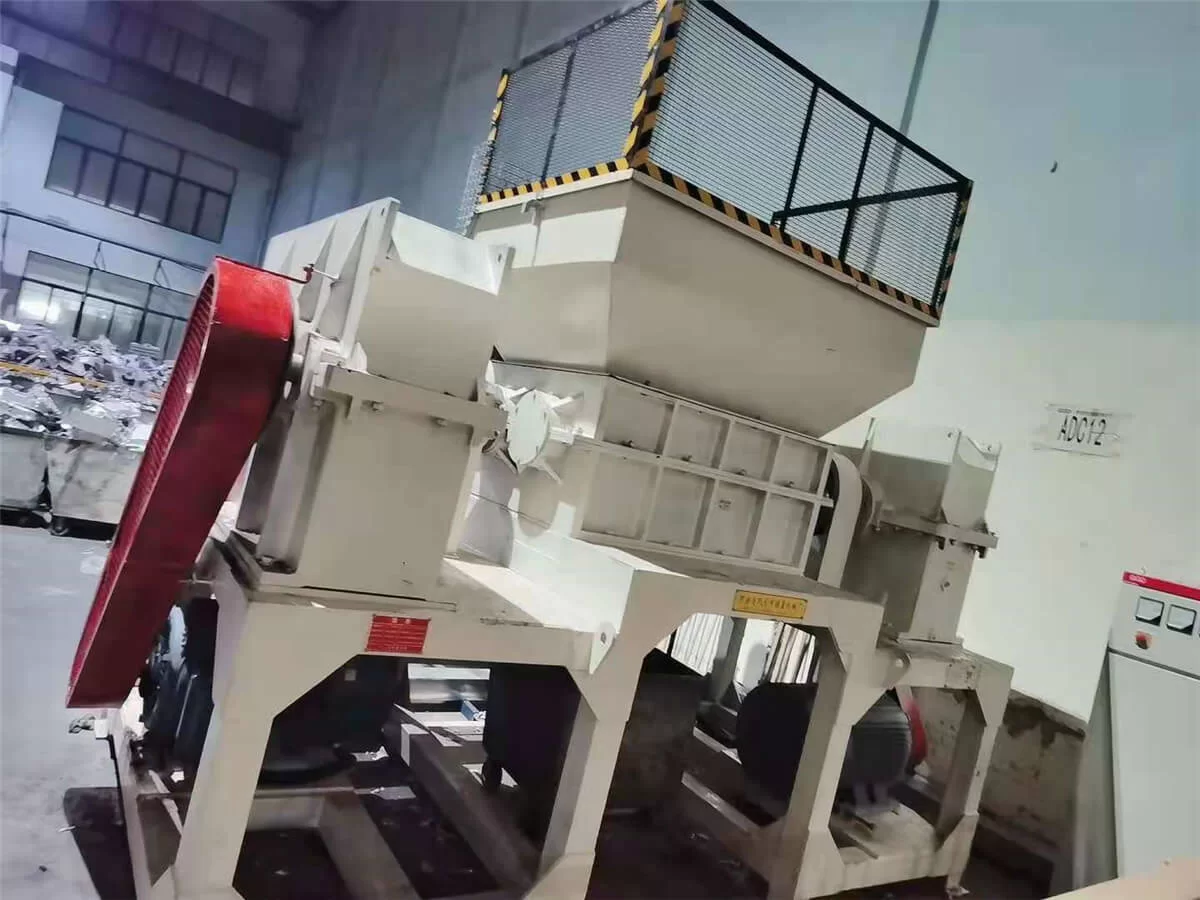
The project centers around a heavy-duty aluminum crankcase crusher, working together with a magnetic separation system to process various cast aluminum components from dismantled vehicles and industrial scrap streams.
Customer Material Background
The recycling facility specializes in handling automotive aluminum scrap generated from dismantling operations and industrial manufacturing processes.
The primary materials include:
Cast aluminum engine housings
Aluminum crankcases
Transmission casings
Gearbox housings
Aluminum automotive parts
Mixed cast aluminum scrap
Many of these materials contain iron bolts, steel brackets, bearings, and other attachments that must be removed before remelting or resale.
Equipment Configuration
Cast Aluminum Engine Housing Crusher
Feeding Conveyor
Discharge Conveyor
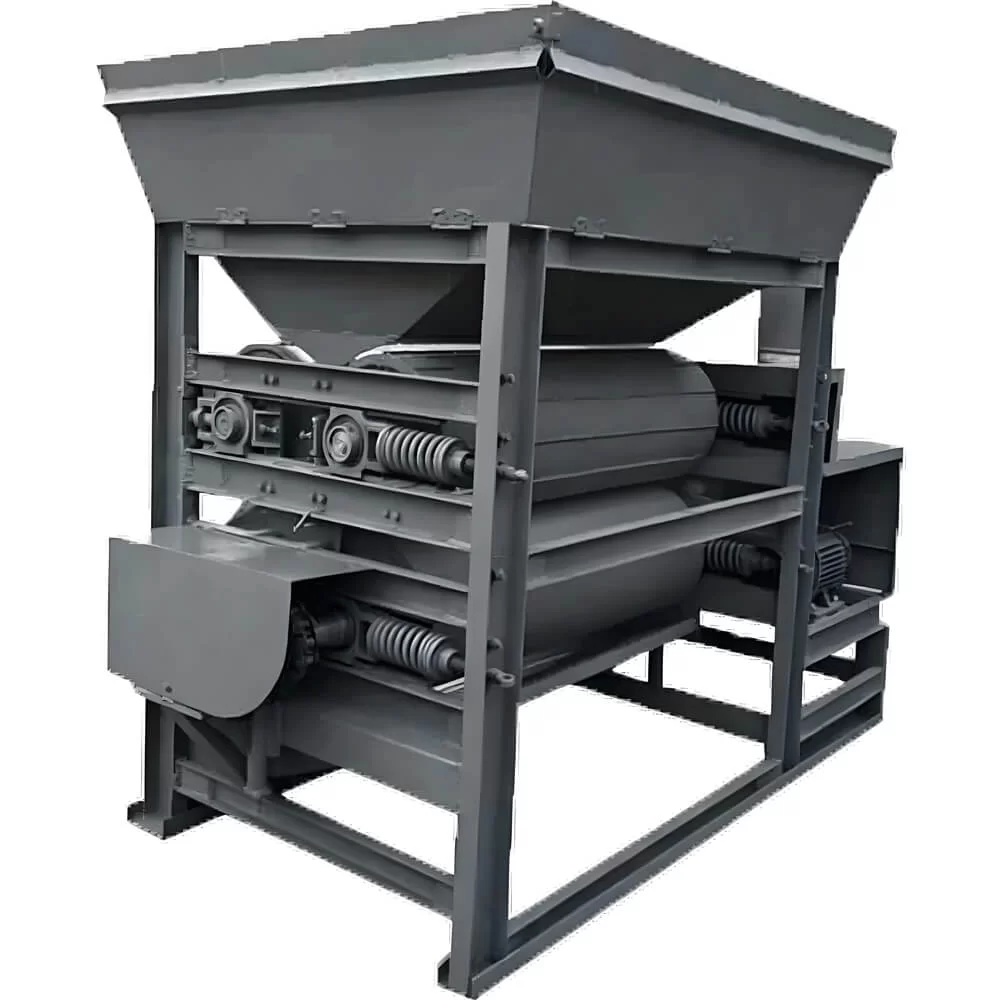
Magnetic Separator
Material Collection Conveyor
Electrical Control Cabinet
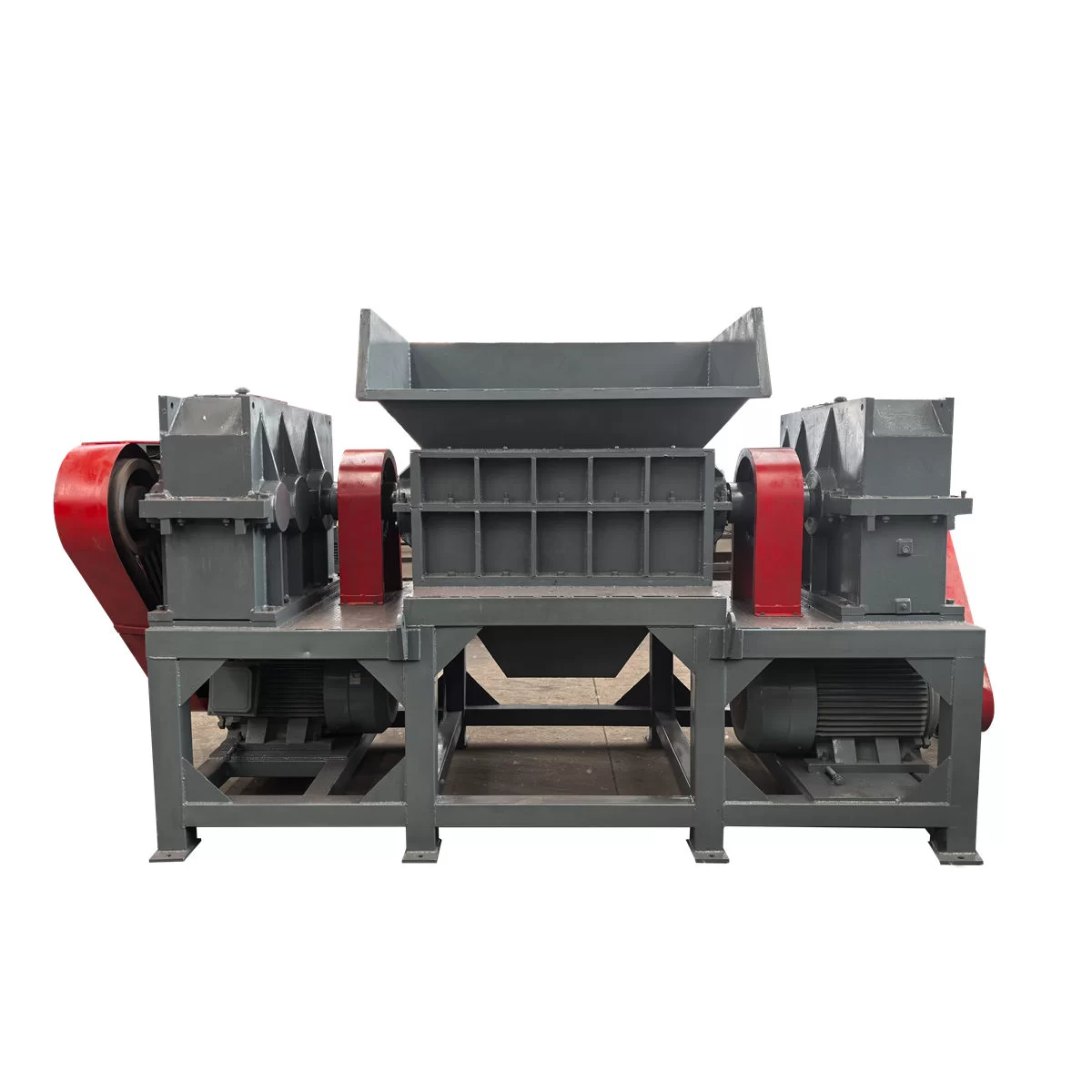
The core unit of the project is a high-capacity cast aluminum crusher capable of breaking oversized engine housings into smaller and more uniform particles suitable for downstream separation.
Material Processing Workflow
Materials are first transported into the crushing chamber through the feeding conveyor. The crusher reduces large castings into manageable sizes while liberating aluminum from attached ferrous contaminants.
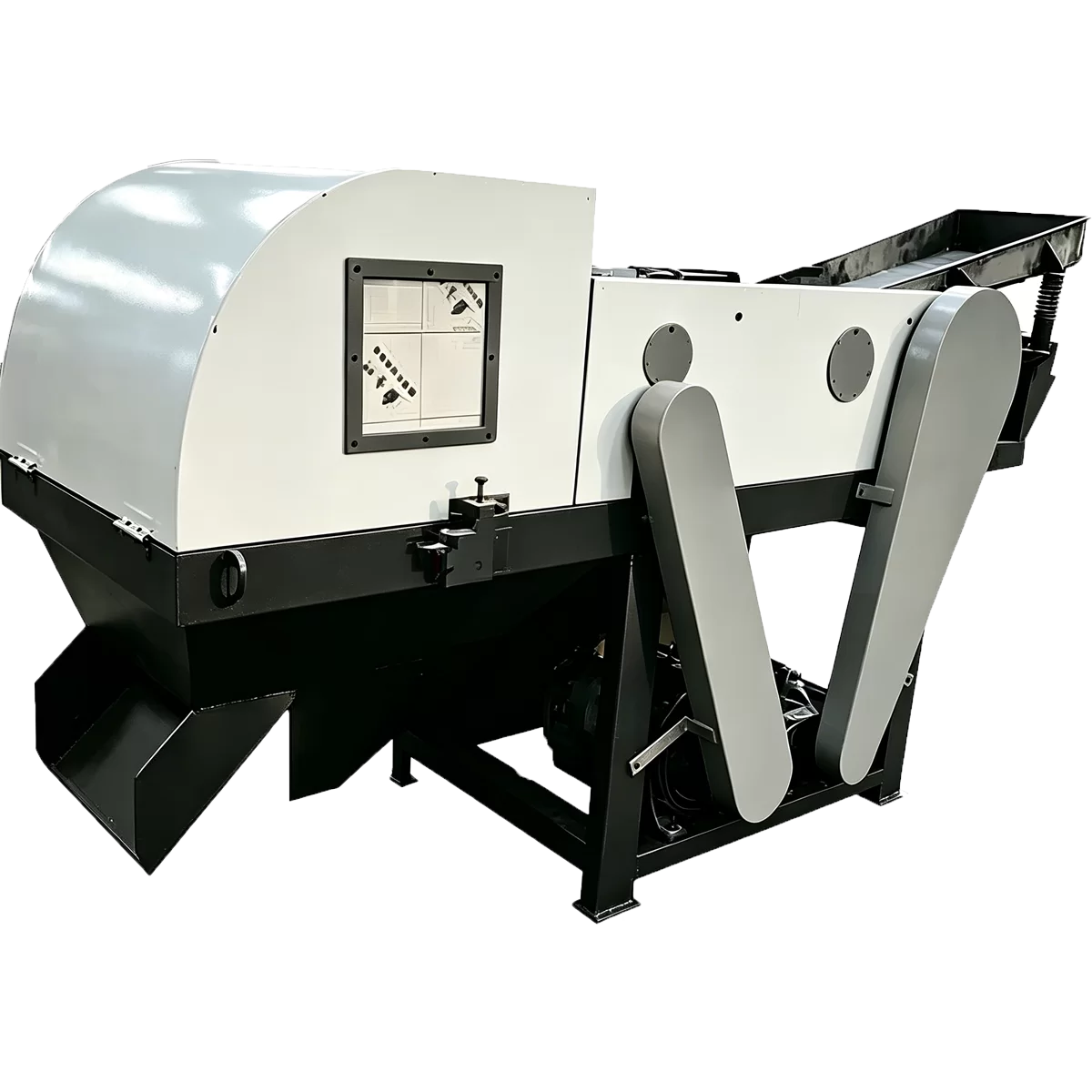
After crushing, material passes beneath the magnetic separator where iron-containing components are automatically removed.
Compared with traditional manual dismantling methods, the combined crushing and magnetic separation process provides significantly better efficiency for scrap aluminum recycling operations.
The resulting aluminum fraction can then be sent to downstream recovery processes or integrated with an eddy current separator system when higher purity requirements are required.
Why Engine Housings Require Specialized Crushing
Unlike aluminum profiles or sheet materials, cast engine housings are thicker, denser, and more complex in structure.
Using equipment specifically designed for cast aluminum allows recyclers to:
Improve crushing efficiency
Increase aluminum liberation rates
Reduce material handling costs
Lower labor intensity
Improve final aluminum recovery value
For customers processing large quantities of automotive scrap, a dedicated aluminum recycling equipment solution often delivers significantly higher returns than general-purpose processing equipment.
Project Results
Following installation, the customer achieved more consistent material sizing and improved separation performance. The crushing system allows continuous operation and provides a stable feed source for subsequent metal sorting processes.
For facilities already operating an aluminum profile crusher line, this type of cast aluminum processing system can serve as a complementary solution for handling heavier automotive aluminum materials.
As demand for recycled aluminum continues to grow, dedicated cast aluminum processing projects such as this one are becoming an important part of modern metal recycling operations.