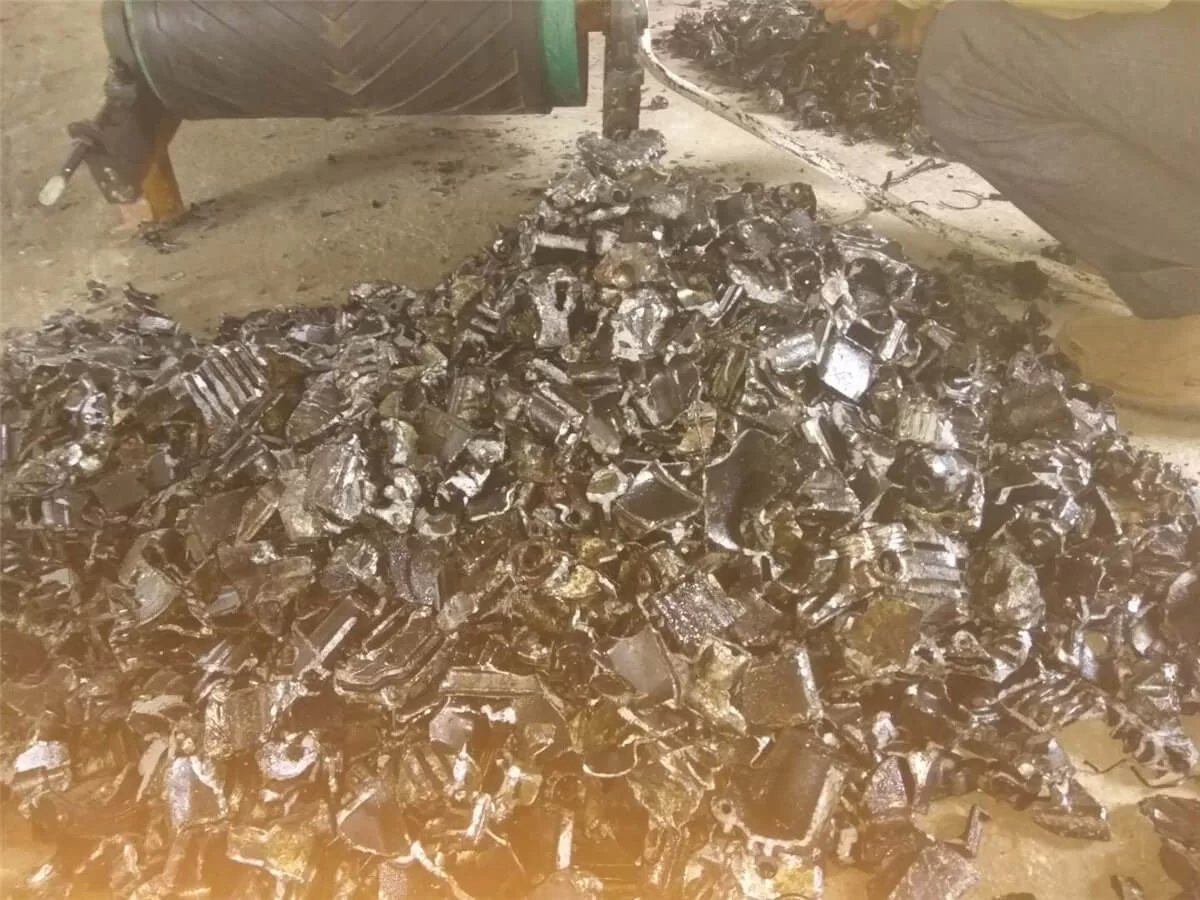
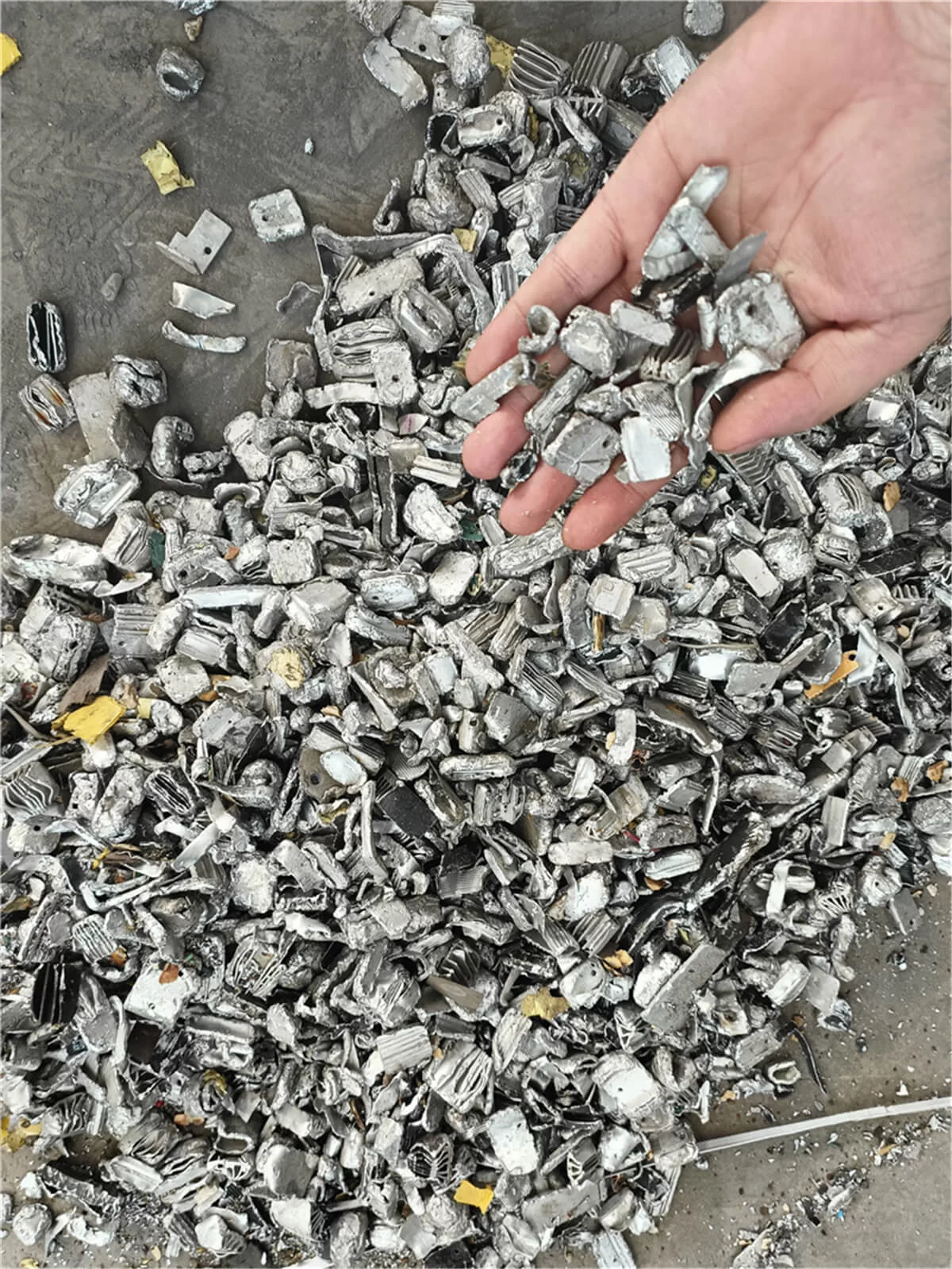
Aluminum Crankcase Crusher

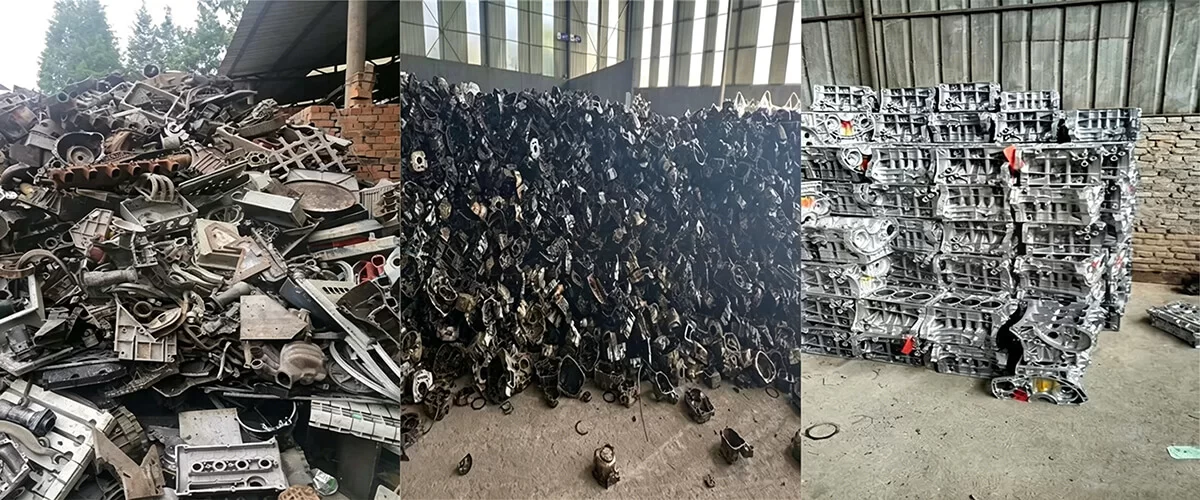
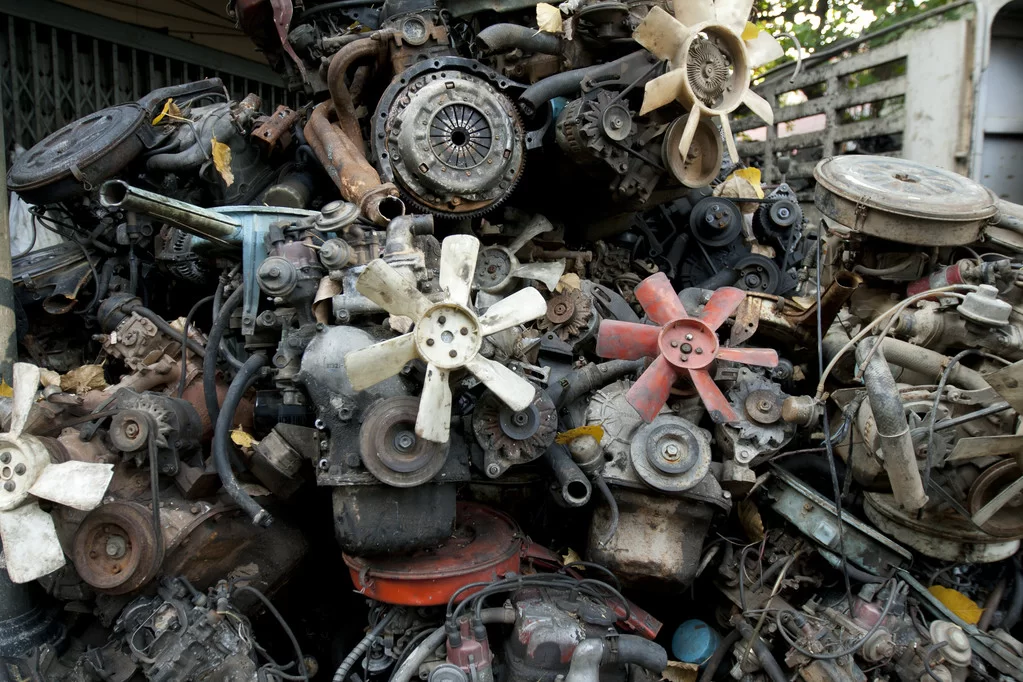
Applicable Materials: Aluminum crankcases, aluminum engine housings, aluminum gearbox housings, cast aluminum engine blocks, motorcycle engine shells, automotive aluminum scrap, machine aluminum parts, cast aluminum parts, aluminum alloy castings, mixed automobile dismantling aluminum, and non-ferrous cast scrap.

Product Parameters

Key technical information for quick evaluation.

Power
45kW-315kW
Production Capacity
0.6t/h-12t/h
Output Size
20mm-100mm
Production Line Composition
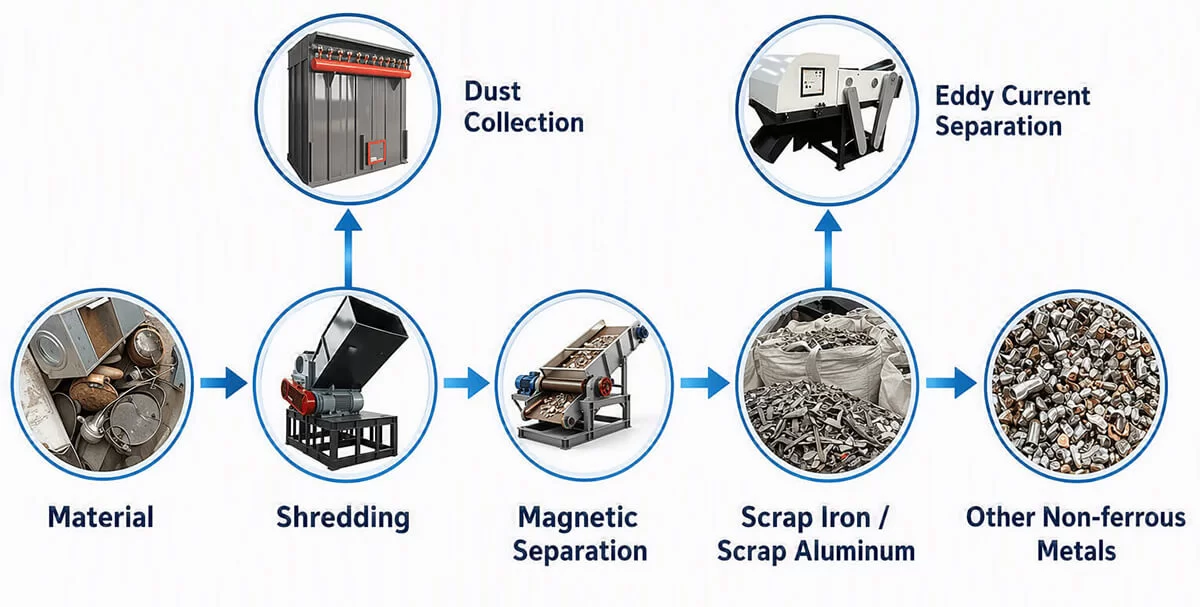
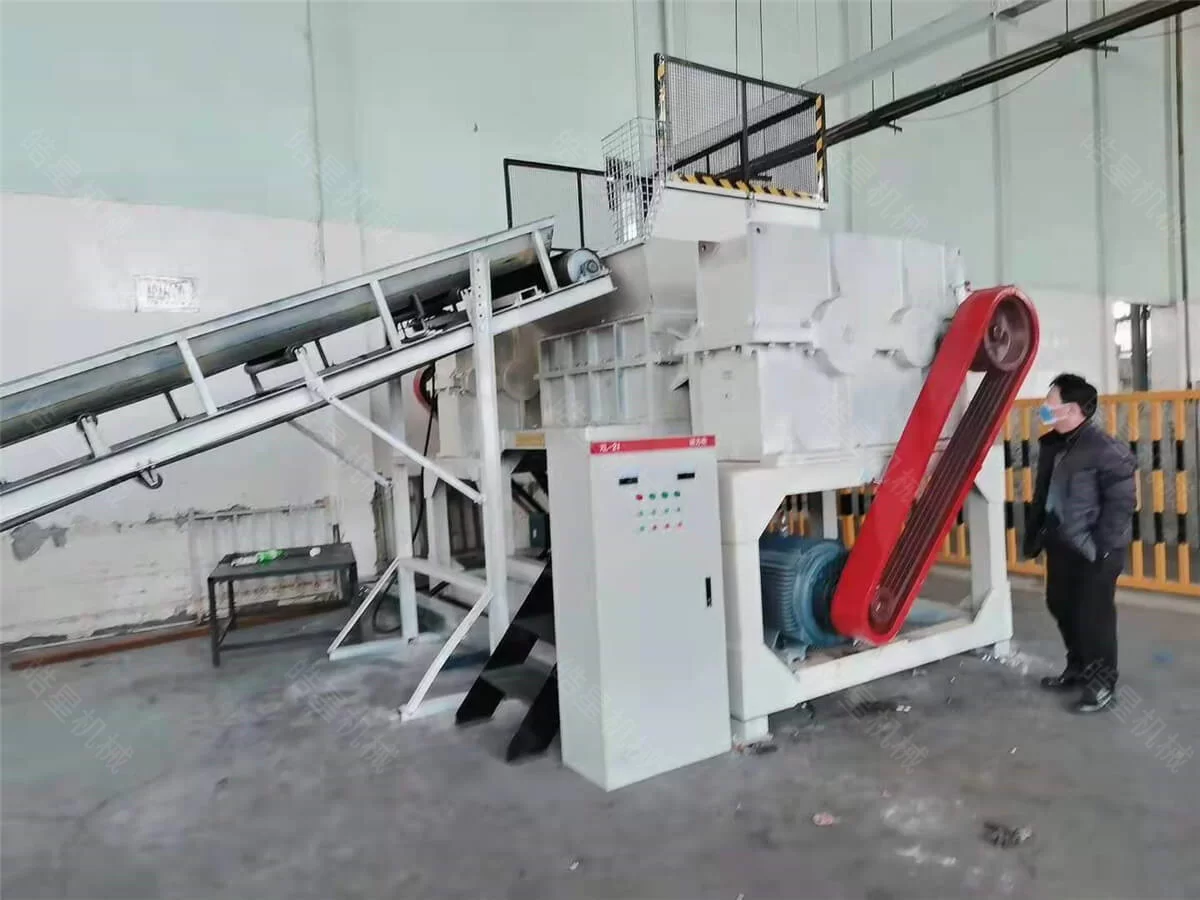
Aluminum crankcase crusher main unit, feed conveyor, discharge conveyor, magnetic separator, eddy current separator optional, optional twin shaft pre-shredder, dust collector optional, motor, control cabinet, hydraulic maintenance system and safety protection device.
Reference Price
Price varies by crusher model, feeding size, and line configuration. Please contact us for a quotation.
Product Details

Aluminum Crankcase Crusher

Review the equipment introduction, working principle, advantages and technical specifications in one clear page.

01

Equipment Introduction

Aluminum Crankcase Crusher

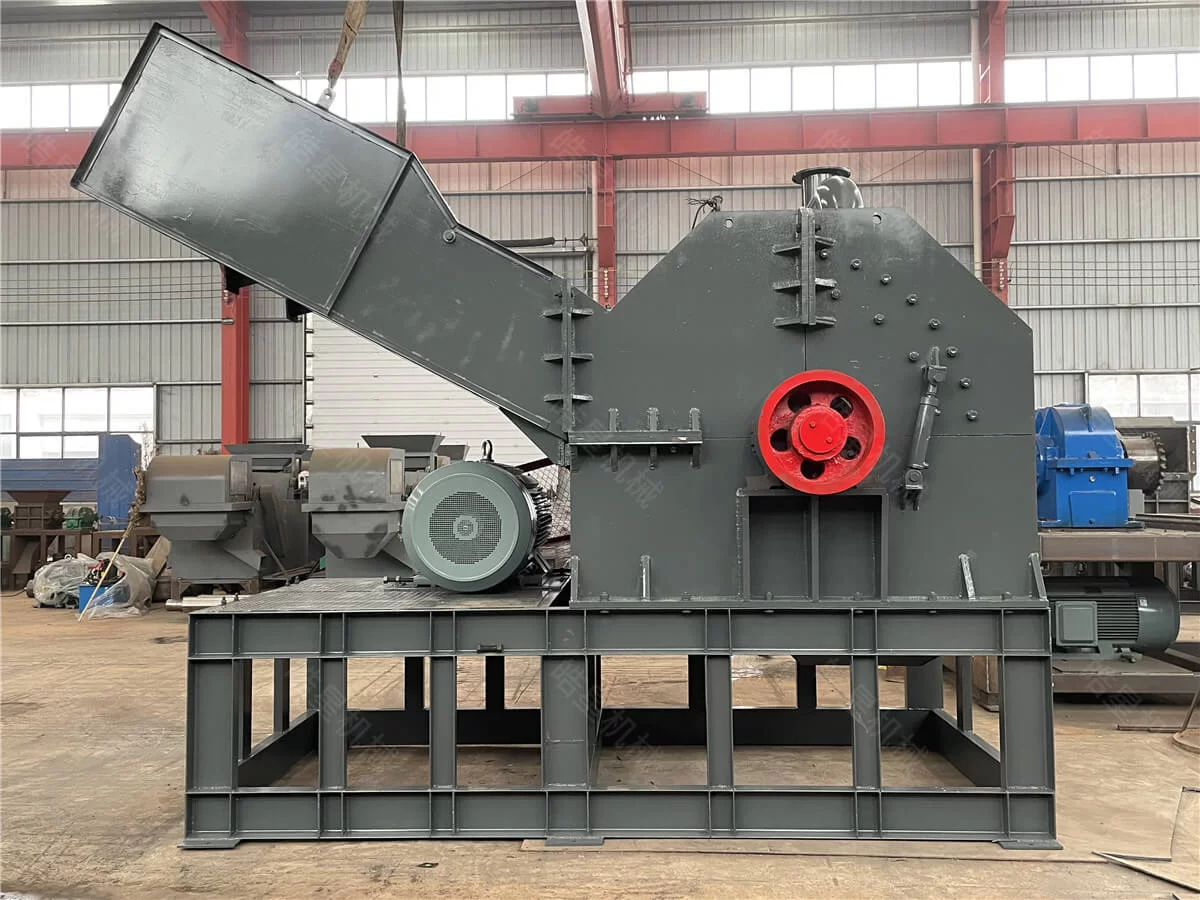
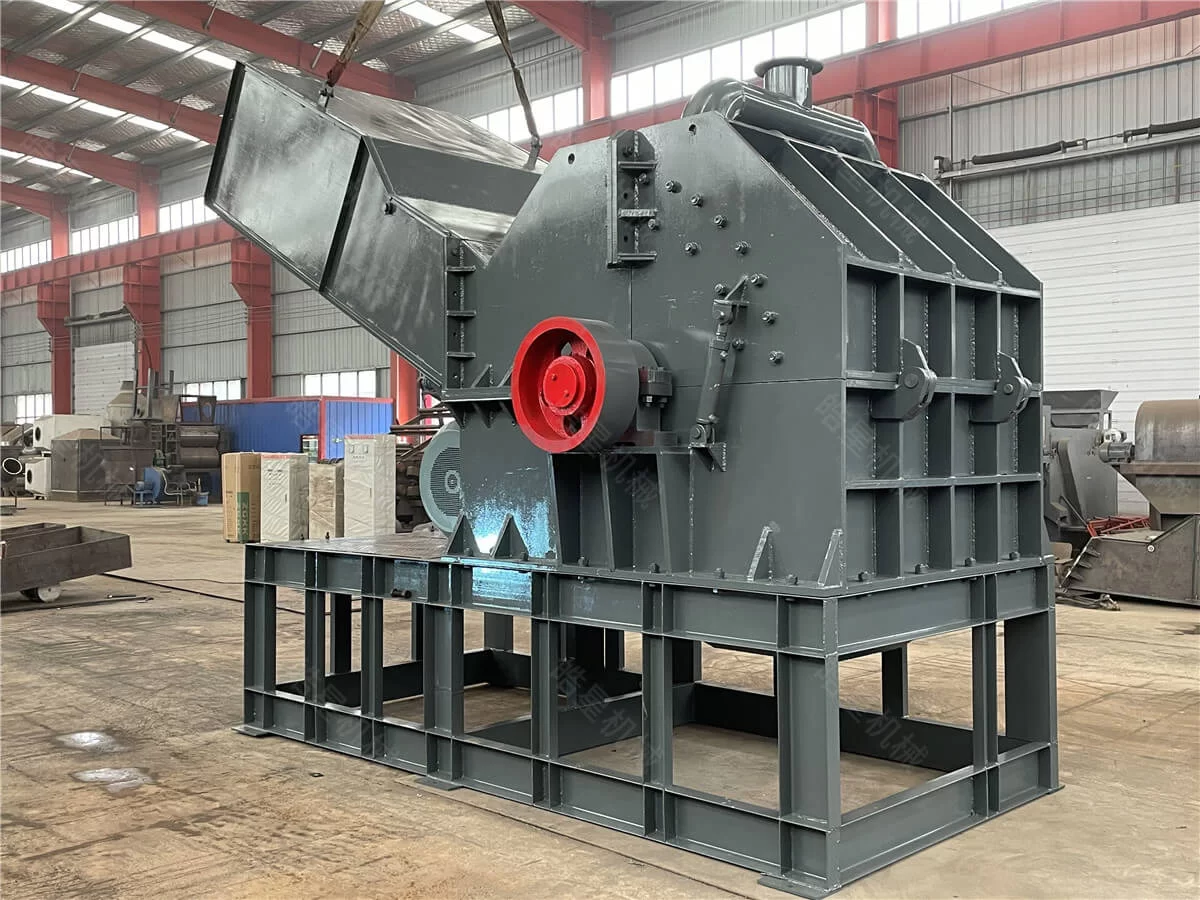
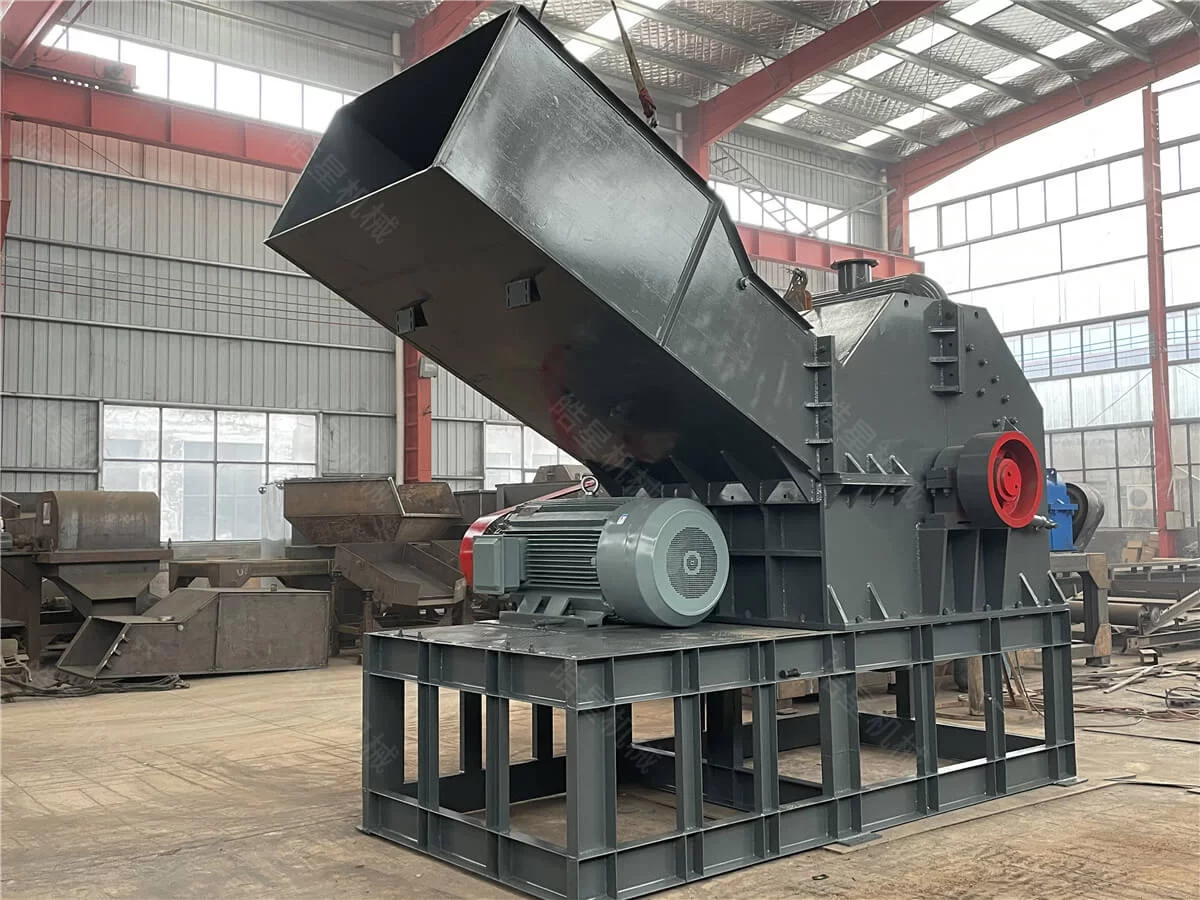
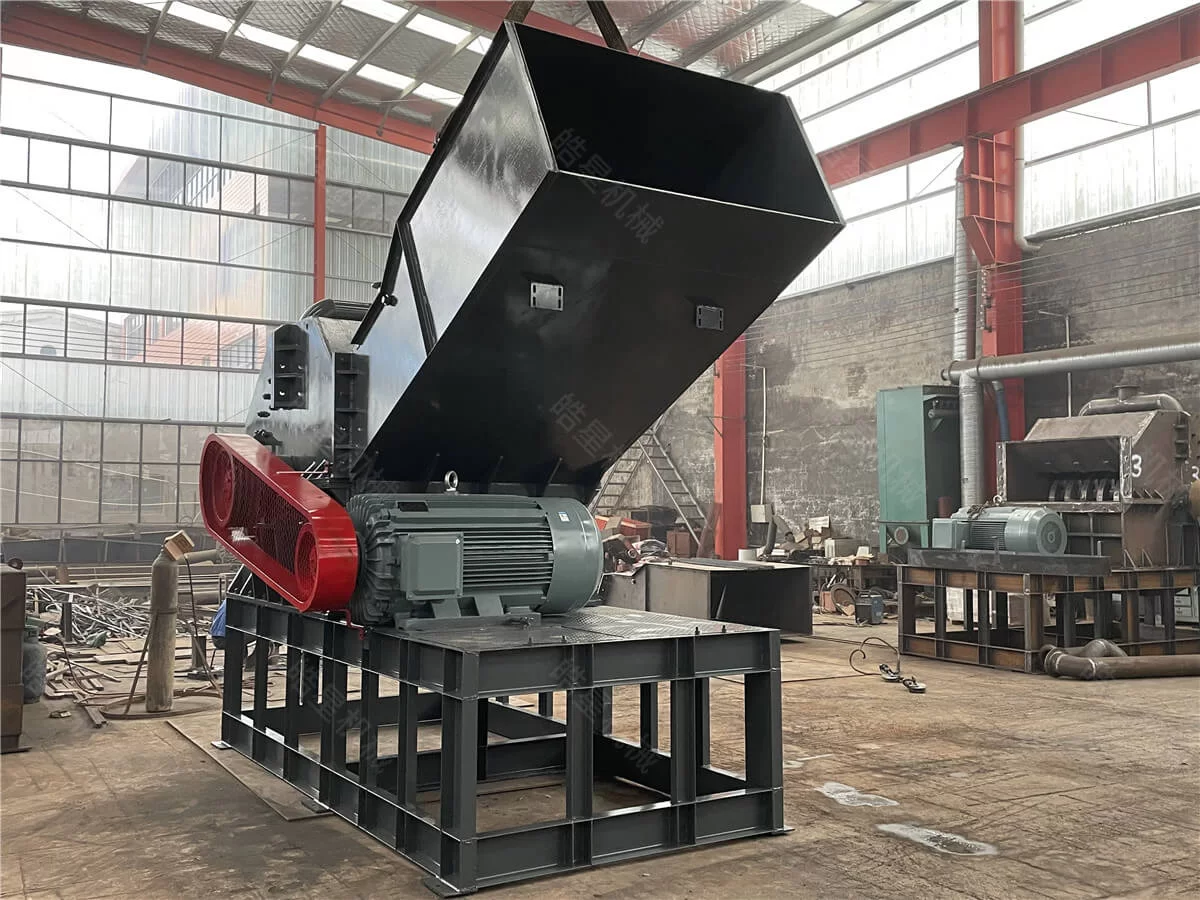
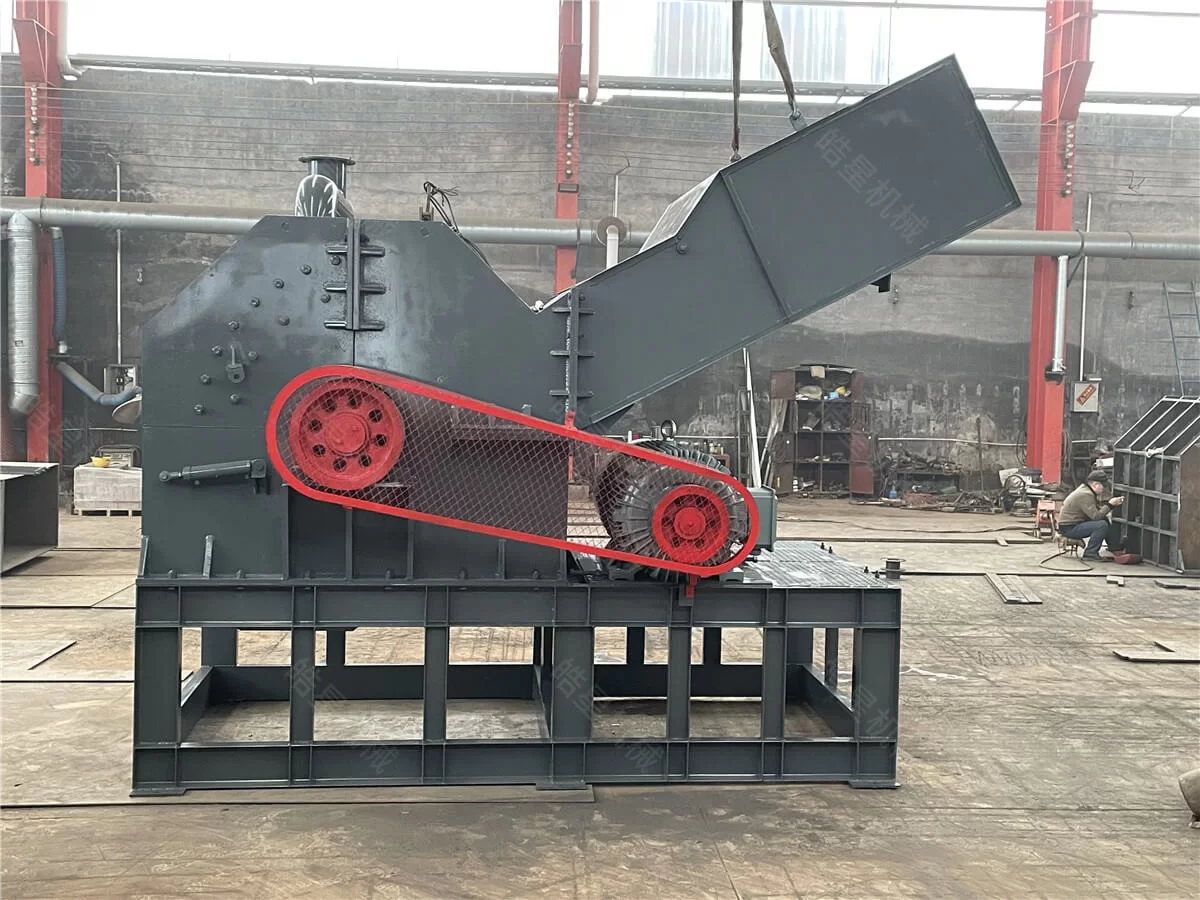
The Aluminum Crankcase Crusher is designed for crushing cast aluminum automotive parts such as aluminum crankcases, engine housings, gearbox housings, cylinder blocks, and other machine aluminum scrap. It helps recyclers reduce bulky cast aluminum parts into smaller pieces for separation, transportation, remelting, or further processing.

The equipment is suitable for automobile dismantling plants, aluminum recycling yards, non-ferrous metal recovery companies and smelting material preparation lines. According to the material size, wall thickness and hardness, the system can be used as a single aluminum crankcase crusher, or configured as a complete recycling line with an optional twin shaft pre-shredder, main crusher, magnetic separator and eddy current separator.

By crushing aluminum crankcases and engine housings, the machine helps expose embedded steel parts, separate impurities, and improve the value of recovered aluminum. Magnetic separation and eddy current separation can be selected according to the composition of the incoming material.

02

Working Principle

Applicable Materials for Aluminum Crankcase Crusher

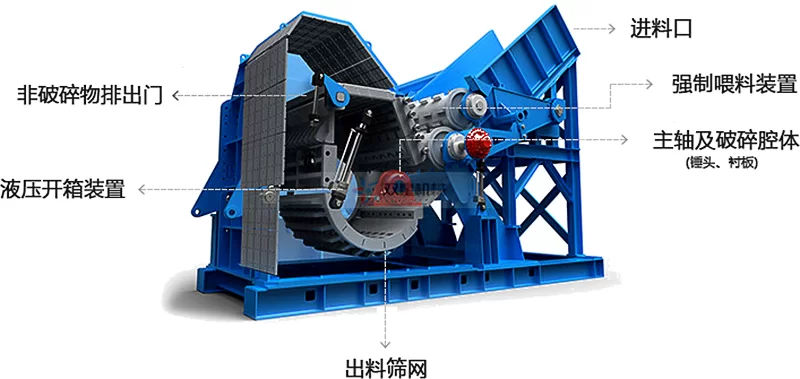
Aluminum crankcases and cast aluminum parts are fed into the crushing chamber by conveyor or loader. The rotor drives high-strength hammers to rotate at high speed. The material is repeatedly impacted, torn, and crushed between the hammer, lining plate, and screen until it reaches the required size.

The crushed material is discharged through the screen and transported to the separation section. Magnetic separation removes ferrous parts such as bolts, shafts, and steel inserts. If the material contains mixed non-metallic impurities, an eddy current separator and manual sorting platform can be added for improved aluminum recovery.

03

Features and Advantages

  • Targeted design for cast aluminum automotive parts and machine aluminum scrap.

  • Strong impact crushing force for thick engine housings and crankcase material.

  • Helps release embedded iron parts and improve downstream separation efficiency.

  • Screen aperture can be customized for different smelting and recycling requirements.

  • Wear-resistant hammers and liners reduce maintenance frequency for hard cast aluminum.

  • Can be combined with an optional twin shaft pre-shredder for large or irregular aluminum castings before hammer crushing.

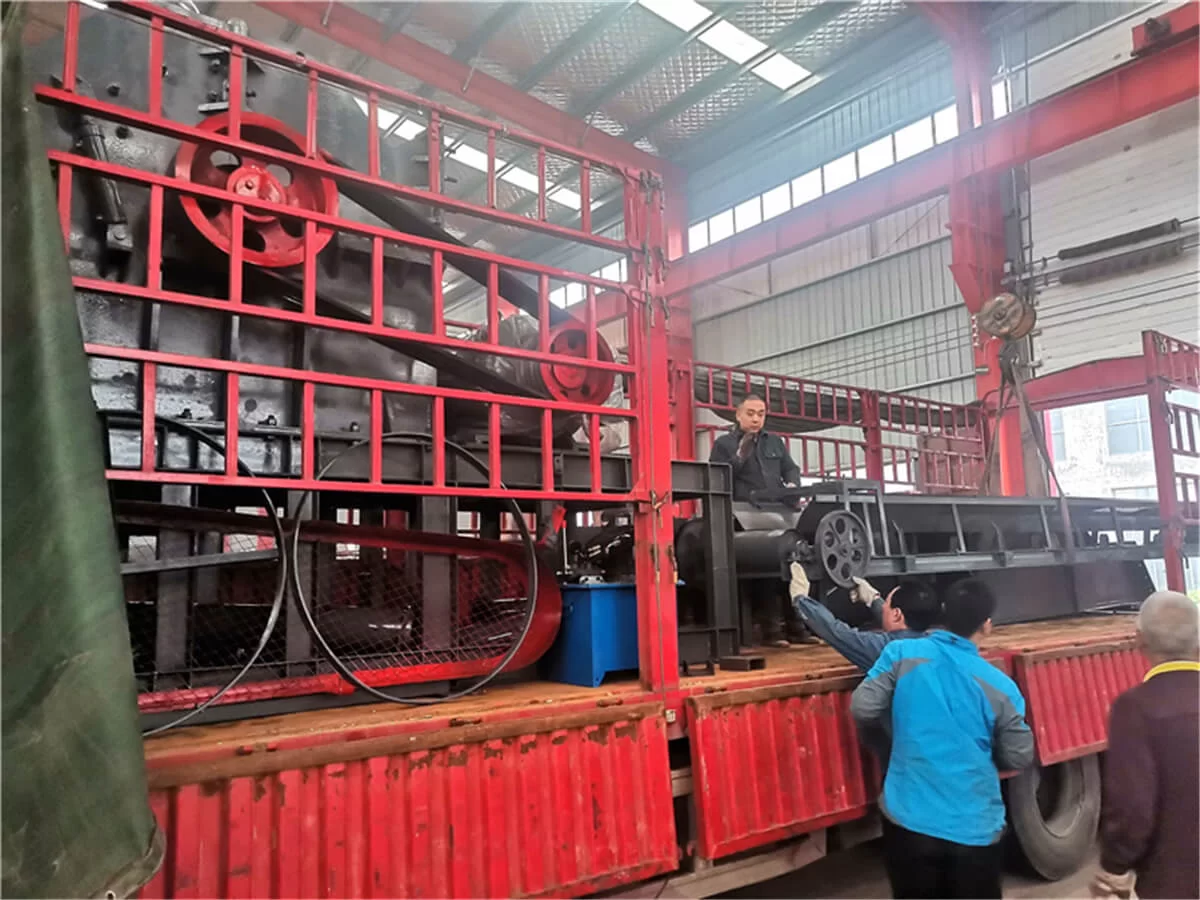
Aluminum Crankcase Crushing and Sorting Production Line Process

04

Technical Specifications

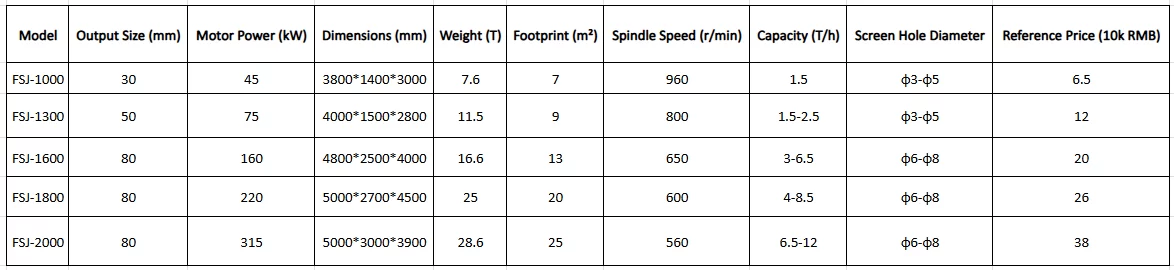
Parameter description diagram for Aluminum Crankcase Crusher for Engine Housing Recycling:

Aluminum Crankcase Crusher Specifications and Price List

Note: Capacity varies with casting size, wall thickness, iron content, feeding continuity, and required discharge size.

FAQ

Frequently Asked Questions

Find common questions about scrap metal crushers, shredders, recycling lines, equipment selection, capacity configuration and operation requirements.

QWhat information should I provide to get a suitable quotation?

A

To recommend a suitable aluminum crankcase crusher, it is helpful to provide material photos or videos, crankcase size, material thickness, hourly capacity requirement, required final size, voltage, workshop layout, and whether you need conveyors or sorting equipment. With these details, the crusher model and full line configuration can be selected more accurately.

QWhat safety precautions are needed before crushing aluminum crankcases?

A

Before crushing, sealed containers, explosive materials, and highly flammable residues should be removed. Operators should also check whether the feeding size is suitable for the machine. Proper overload protection, emergency stop devices, dust control, and regular maintenance can help improve safety during operation.

QHow often do the crusher hammers or blades need maintenance?

A

Maintenance frequency depends on the working hours, material hardness, feeding size, and impurity content. Aluminum itself is relatively soft, but steel parts inside the crankcase can increase wear. Regular inspection of hammers, blades, liners, bearings, and screens is important to keep the crusher working efficiently.

QCan an aluminum crankcase crusher be used in a complete recycling line?

A

Yes. A complete aluminum crankcase recycling line can include a feeding conveyor, crusher, discharge conveyor, magnetic separator, eddy current separator, dust collector, and control system. The exact configuration depends on the material condition and the required purity of the final aluminum scrap.

QIs a feeding conveyor necessary for aluminum crankcase crushing?

A

A feeding conveyor is recommended for stable and safe operation, especially when processing large quantities of crankcases. It helps control the feeding speed, reduce manual labor, and keep the crusher running continuously. For small batches, manual feeding may be possible, but mechanical feeding is better for long-term production.

QWhat capacity can an aluminum crankcase crusher achieve?

A

The capacity varies according to the machine model and material condition. Small and medium models can meet general recycling needs, while larger industrial crushers can process several tons per hour. Clean aluminum crankcases are usually easier to crush, while materials mixed with steel parts or heavy castings may reduce the actual output.

QHow do I choose the right aluminum crankcase crusher model?

A

The right model depends on the size of the crankcases, material thickness, feeding method, required capacity, final output size, and whether the material contains steel impurities. For small recycling yards, a medium-capacity crusher may be enough. For large-scale aluminum recycling plants, a heavy-duty model with stronger power and continuous feeding is recommended.

QWhat is the final size after crushing aluminum crankcases?

A

The final size depends on the crusher model, rotor design, screen opening, and customer requirements. In most recycling applications, aluminum crankcases are crushed into smaller, more uniform pieces for easier melting, separation, or storage. If you need a specific output size, the machine can be configured accordingly.

QCan the crusher process aluminum crankcases with steel parts inside?

A

Yes, many aluminum crankcases may contain bolts, bearings, steel inserts, or other mixed metal parts. A properly configured crusher can handle this kind of mixed scrap, but the following sorting process is also important. A magnetic separator is often used after crushing to remove ferrous impurities from the aluminum material.

QWhat is an aluminum crankcase crusher used for?

A

An aluminum crankcase crusher is used to crush waste aluminum engine crankcases, gearbox housings, motor housings, and other cast aluminum scrap into smaller pieces. It helps reduce material volume, improve transportation efficiency, and prepare the scrap for sorting, melting, or further recycling.

Post a Question

Leave your question about material type, capacity, equipment model or recycling line configuration.

Verification code
Get A Quote

Get Instant Pricing & Specs

Send your email and tell us your material type, capacity requirement and site condition. Our team will provide equipment selection, technical specifications and quotation details.

  • Model recommendation
  • Capacity configuration
  • Recycling line quotation

Request Product Details

We usually reply with equipment details and pricing information as soon as possible.

WhatsApp
💬
WhatsApp
WhatsApp QR Code
Scan or click to chat with us on WhatsApp.