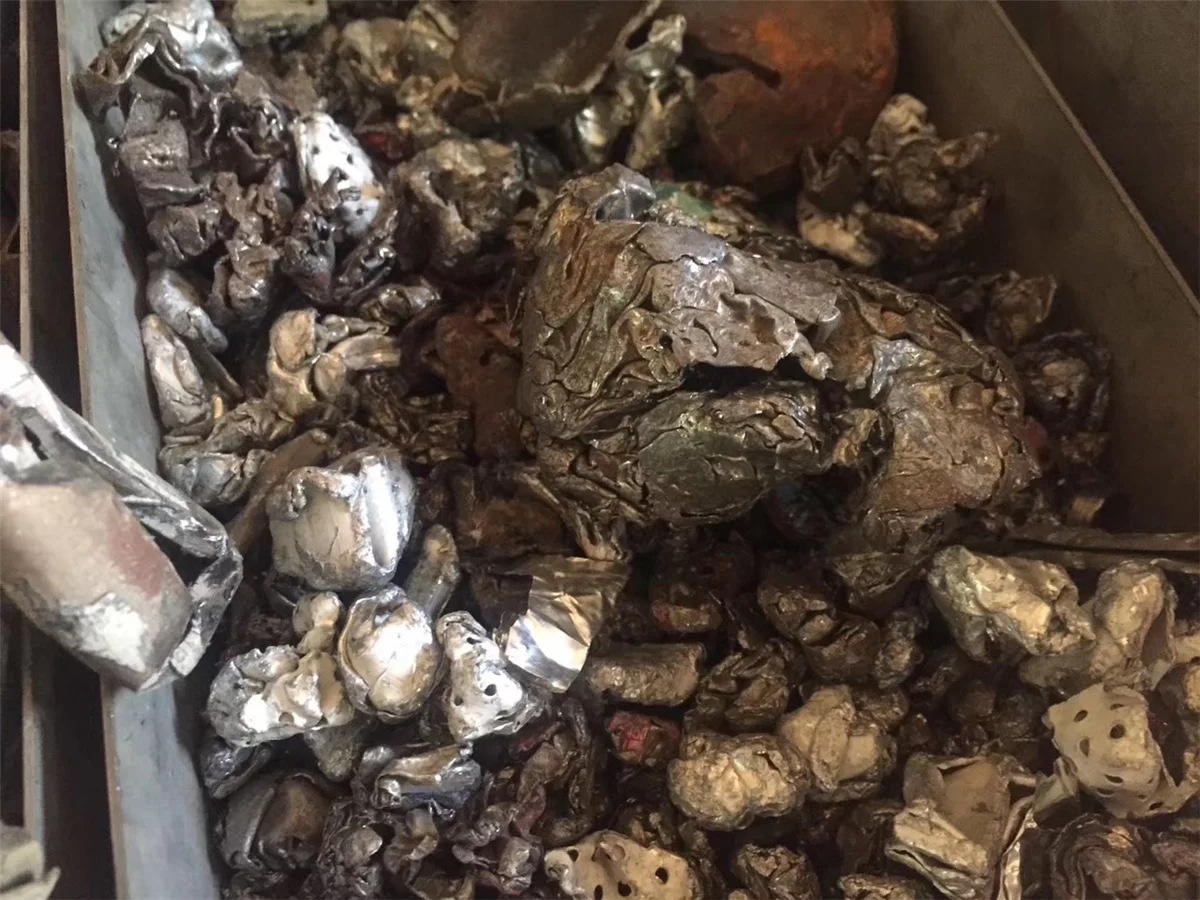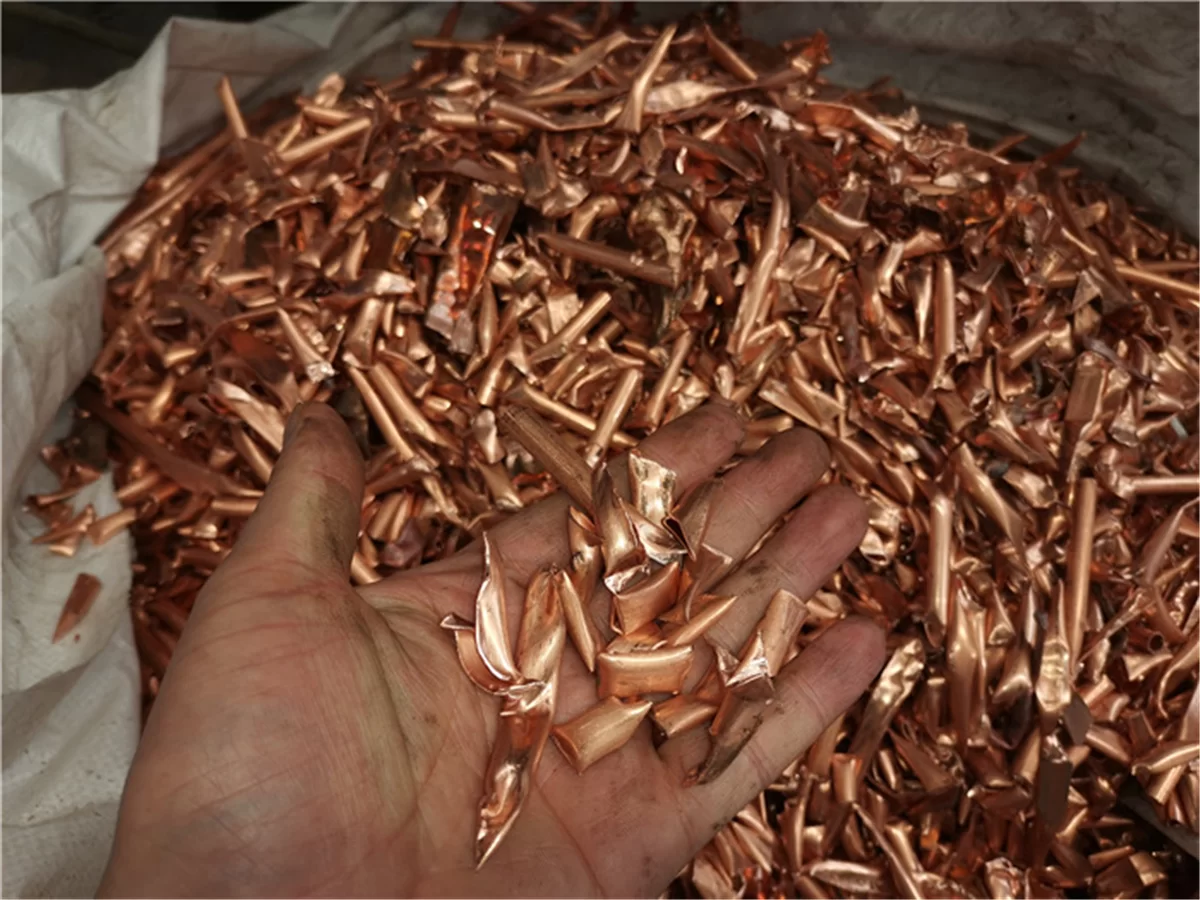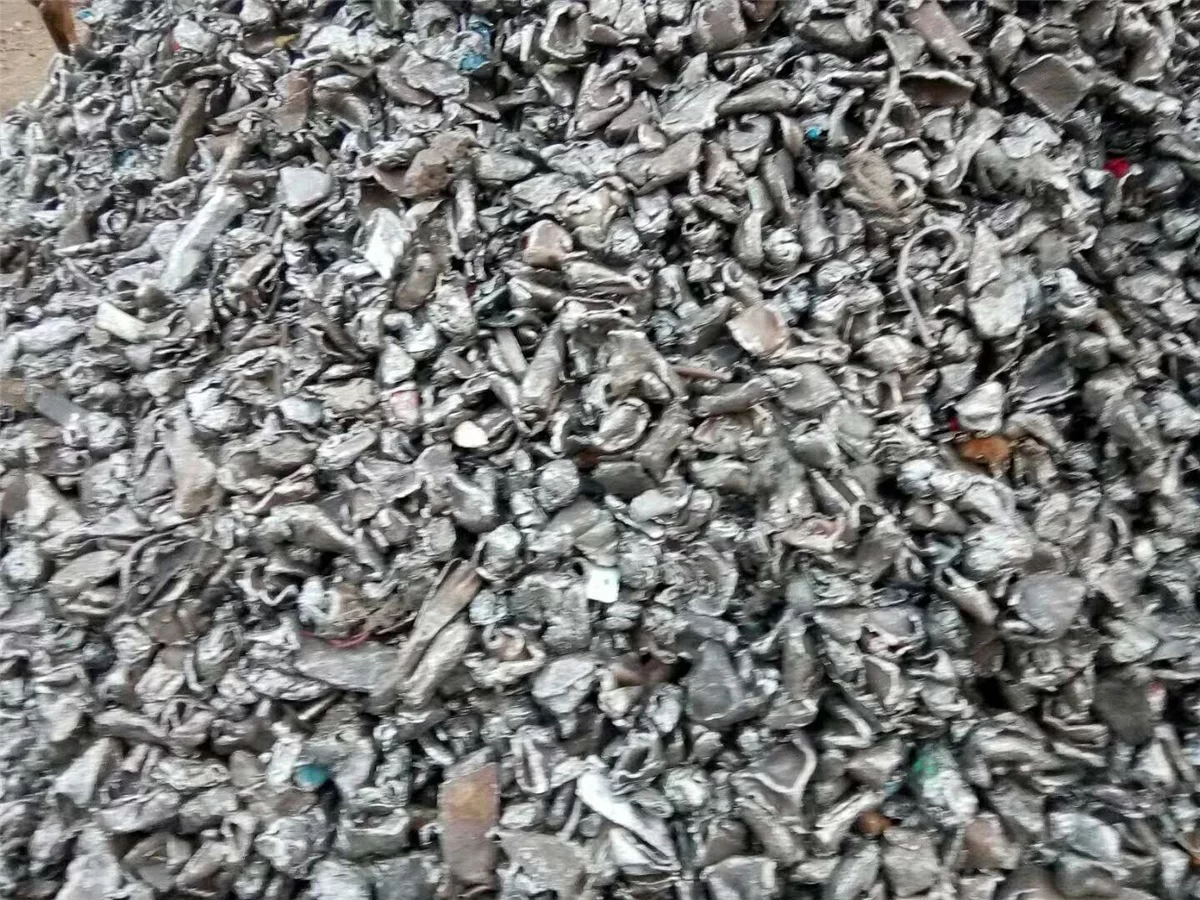

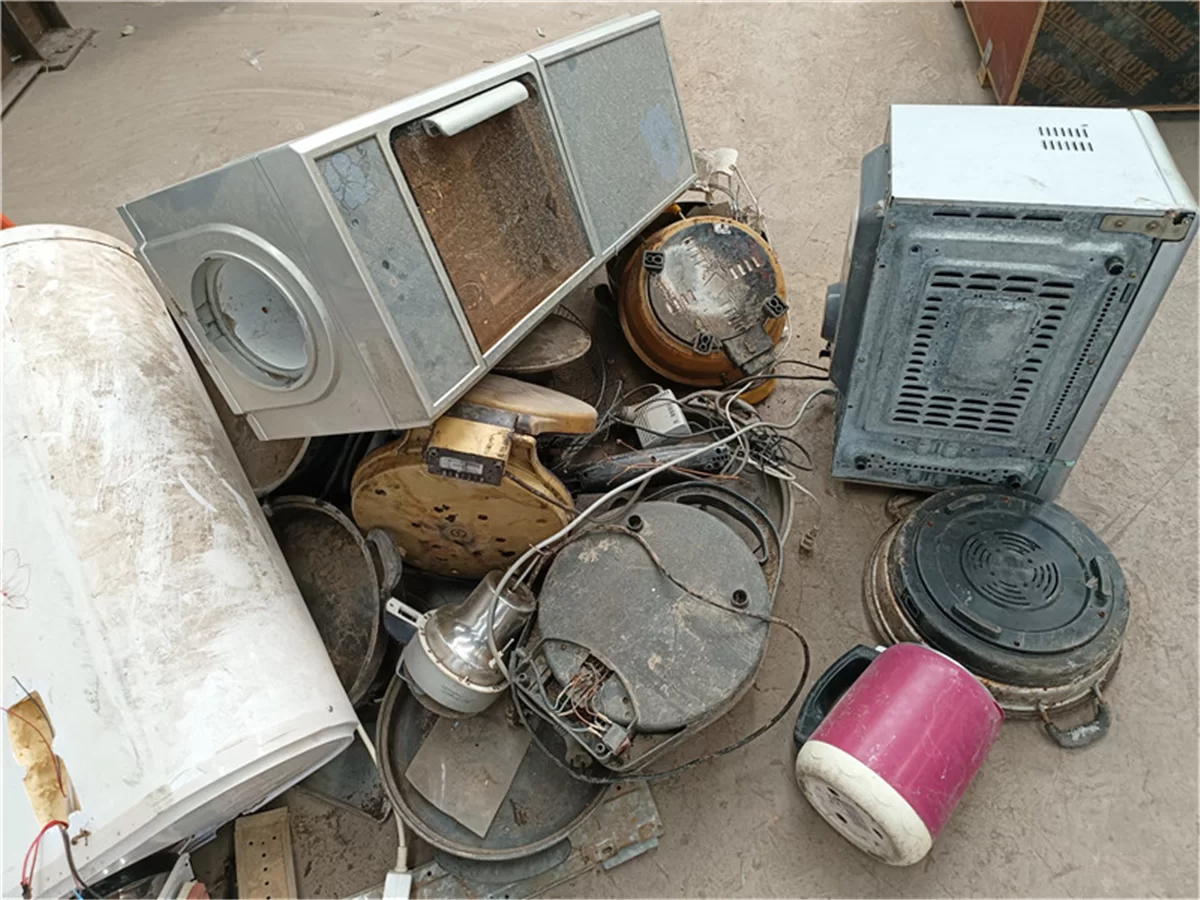
Household appliance shells are common recyclable metal materials from waste appliance dismantling plants, scrap yards and recycling centers. They usually come from refrigerators, washing machines, air conditioners, electric appliances and other white goods. After dismantling, many appliance shells are mainly made of thin steel sheets, painted metal panels and mixed metal parts.
These materials are often light, bulky and irregular in shape. If they are not crushed or shredded, they take up large storage space and are difficult to transport efficiently. In many recycling yards, appliance shells are collected together with other light scrap metal, steel panels, iron sheets and mixed dismantling scrap. A suitable crushing and sorting system can help reduce volume, improve material density and recover cleaner ferrous metal.
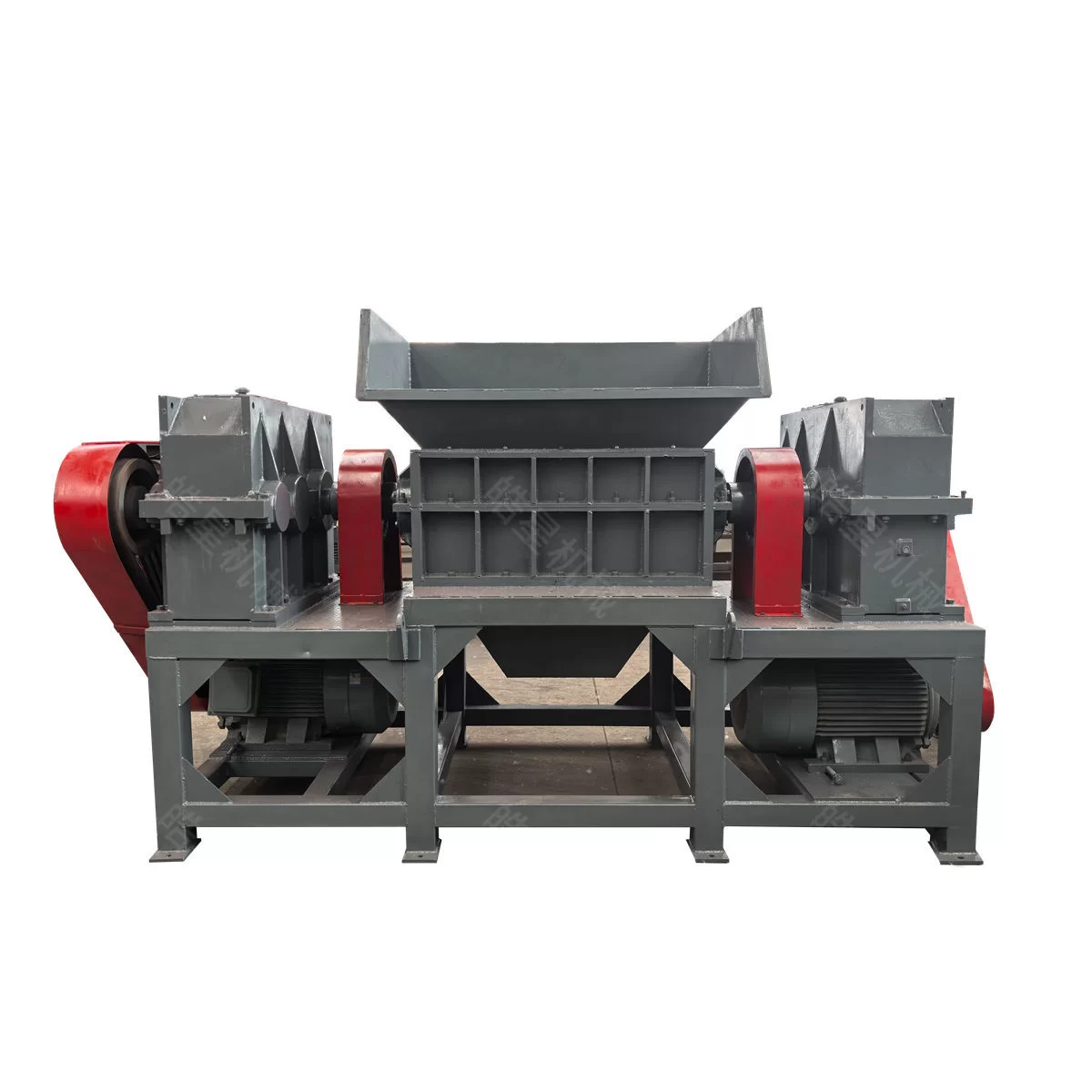
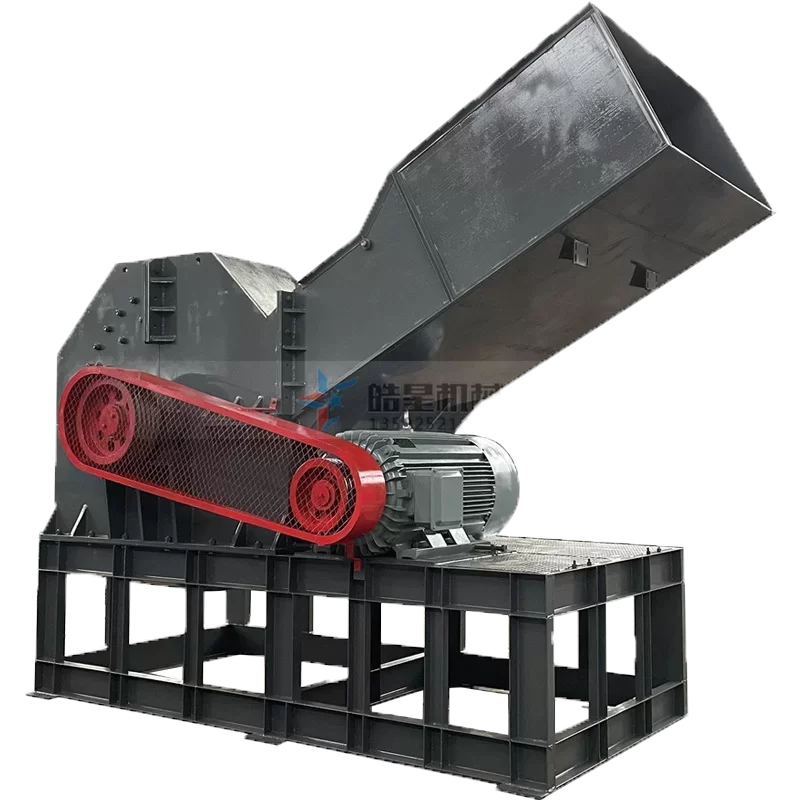
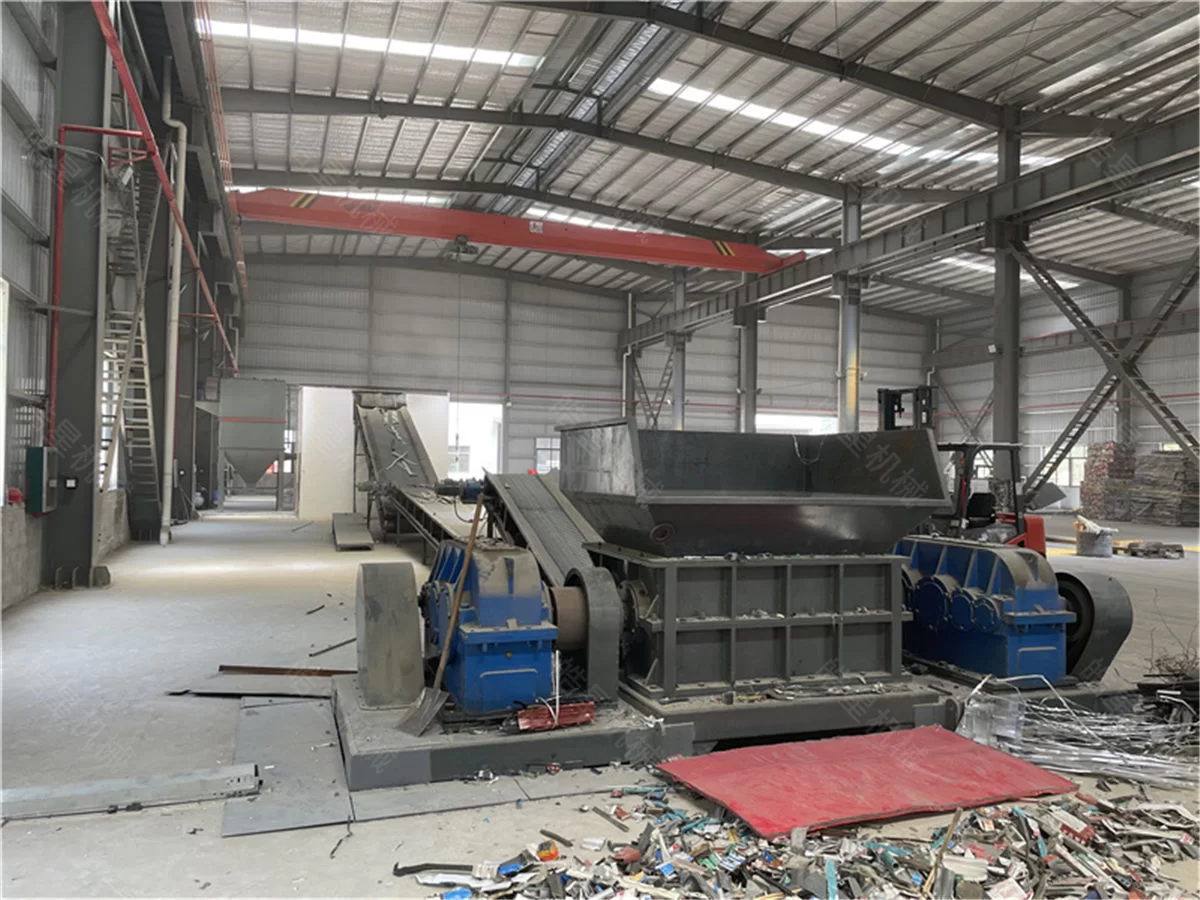
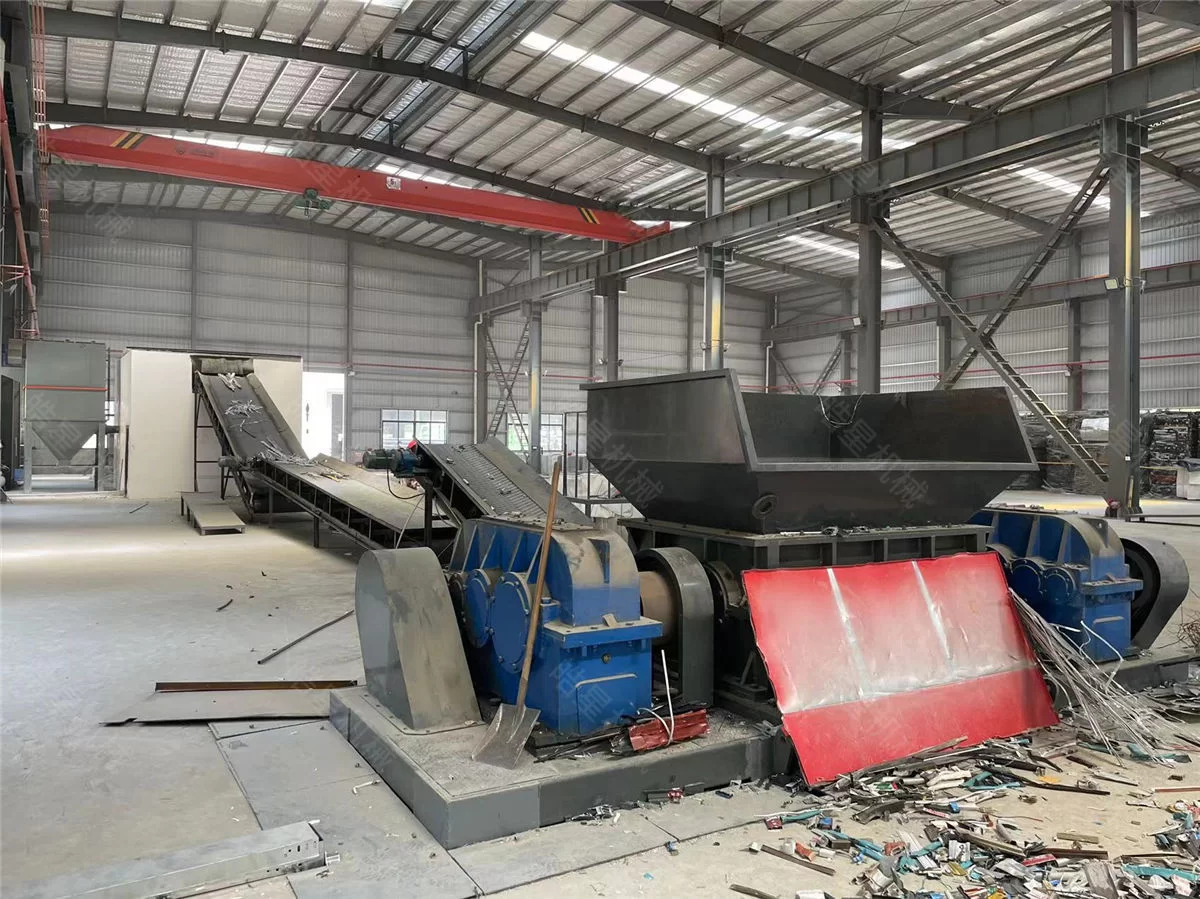
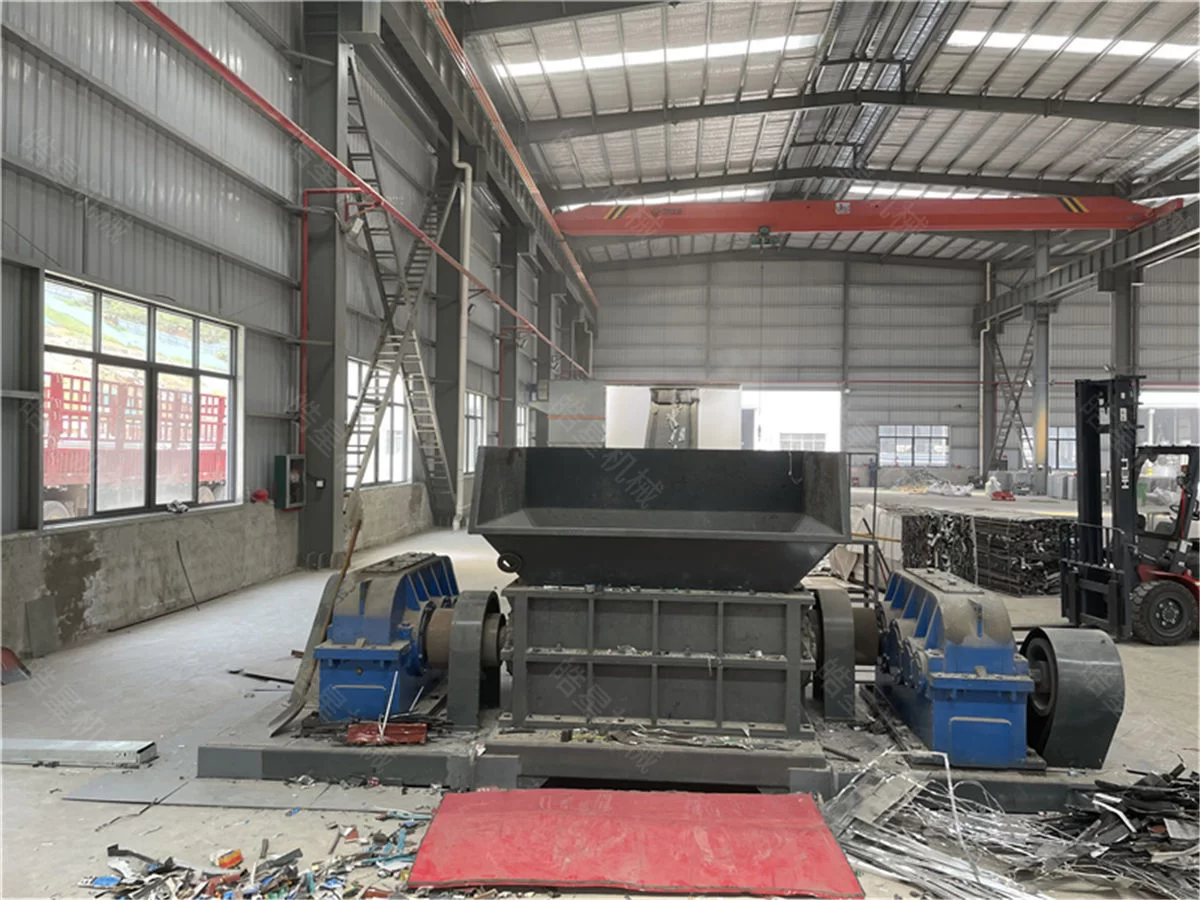
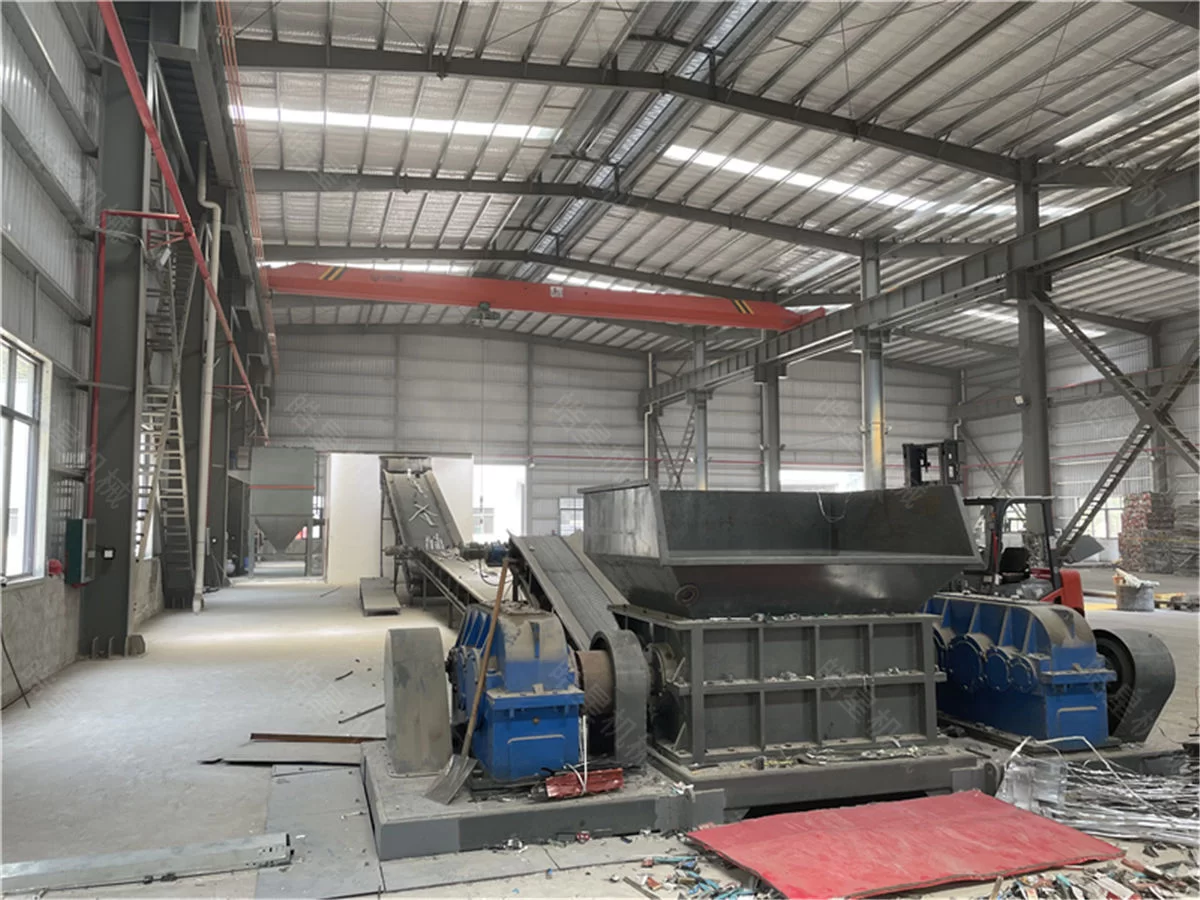
Haoxing Machinery provides practical recycling solutions for household appliance shells. According to the material size, feeding condition and final output requirement, we can configure a scrap metal crusher, twin shaft shredder, feeding conveyor, magnetic separator, dust collection system and complete electric control system. For loose appliance shells and thin steel panels, the metal crusher can usually process the material efficiently. For large, tangled or mixed appliance scrap, a shredder can be used before crushing to improve feeding stability.
Common Household Appliance Shells We Can Process
Household appliance shells
Home appliance scrap
Refrigerator shells
Washing machine shells
Air conditioner shells
Electrical appliance scrap
White goods scrap
Metal appliance housings
Thin steel appliance panels
Mixed appliance dismantling scrap
Painted sheet metal shells
Scrap appliance body panels
Recommended Processing Flow
For appliance shell recycling, the processing flow should be designed according to the size and condition of the dismantled material. If the material is loose and thin, it can often be fed into a scrap metal crusher directly. If the appliance shells are large, folded, stacked or mixed with other metal parts, pre-shredding is recommended.
A common processing line can include:
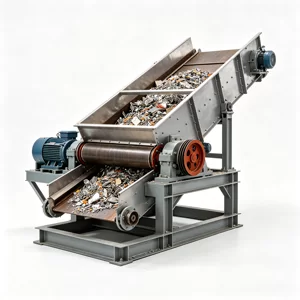
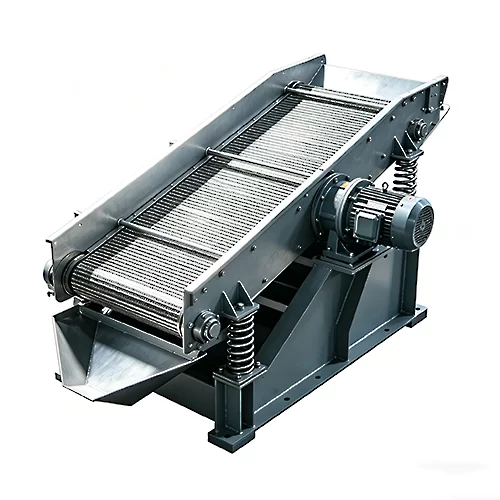
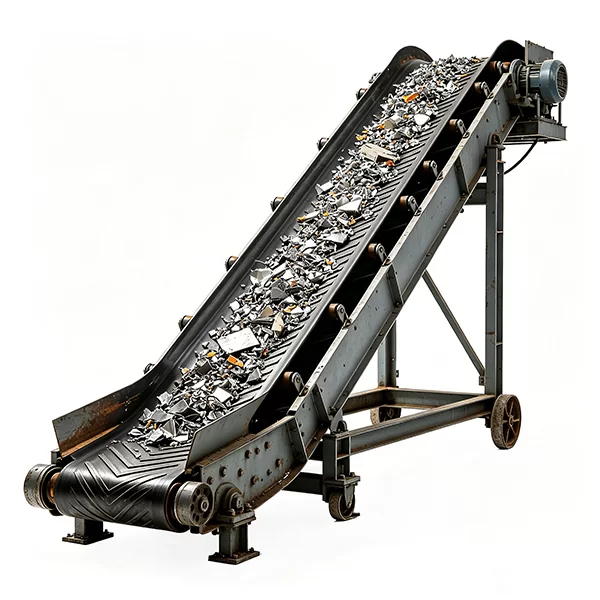
Feeding conveyor for continuous material feeding
Twin shaft shredder for large or mixed appliance shells, optional
Scrap metal crusher for crushing and densification
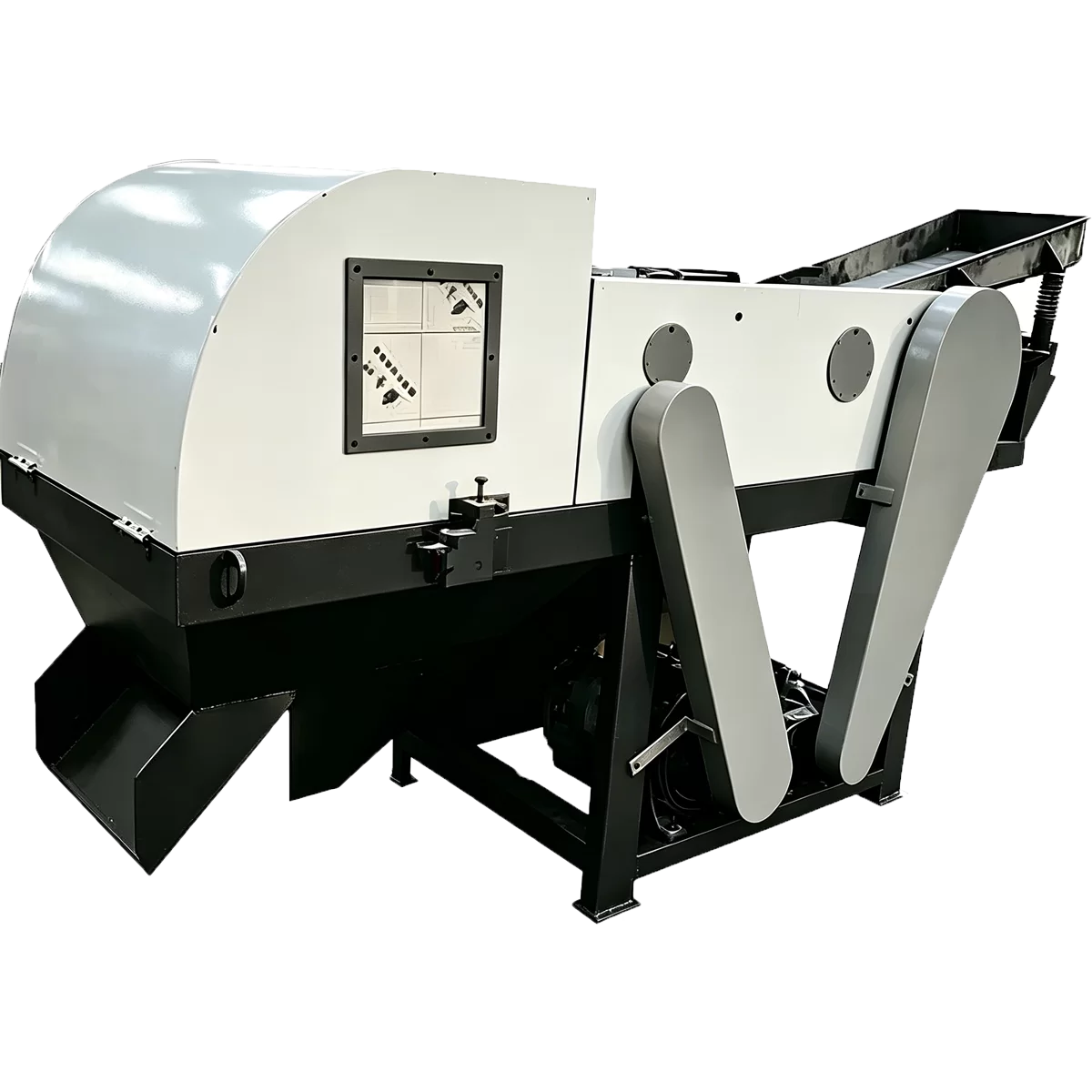
Magnetic separator for ferrous metal recovery
Output conveyor for finished material discharge
Dust collection system for reducing dust during operation
Electric control cabinet for line control
Manual sorting position, optional, for removing large non-metallic parts
Why Crush Household Appliance Shells?
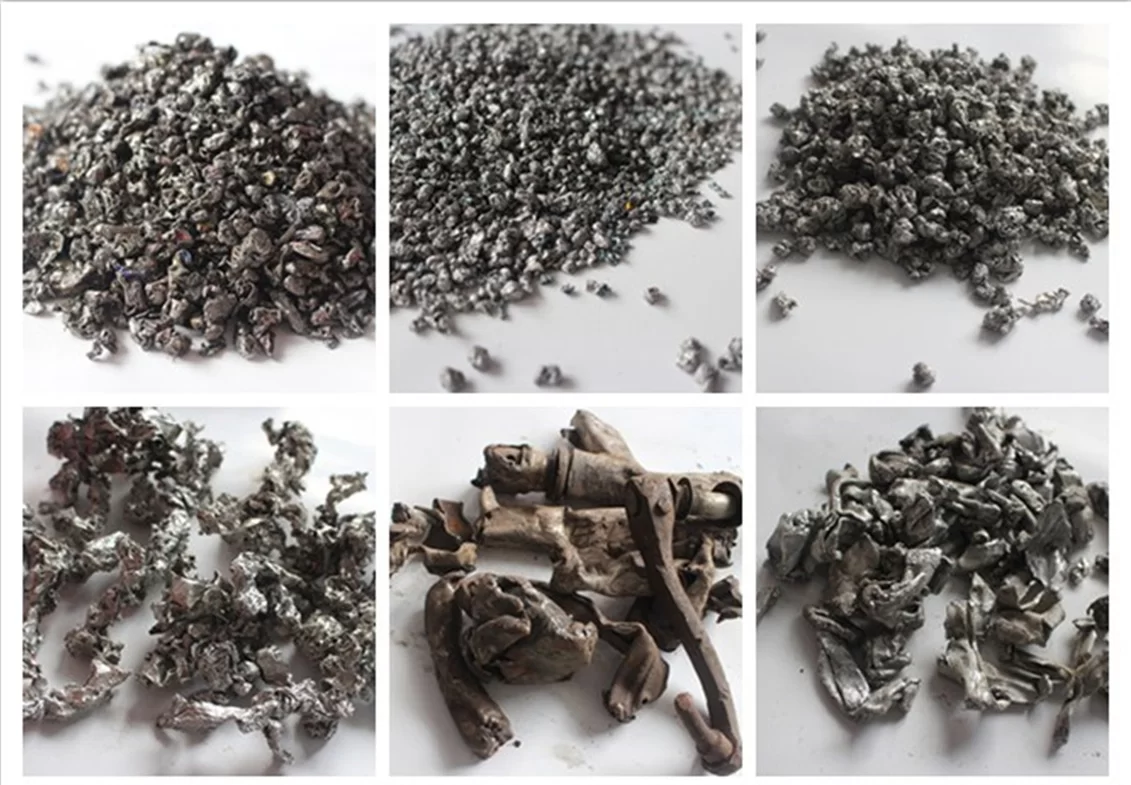
Waste appliance shells are usually light but occupy a large volume. Crushing can reduce the storage space and make transportation more efficient. After crushing, the material becomes smaller and denser, which is easier for magnetic separation and further recycling.
For recycling plants, crushing appliance shells can also reduce manual cutting work. Instead of handling large and sharp metal panels by hand, the material can be fed continuously into the crushing line. This helps improve working efficiency and makes the recycling process more stable.
Processing Advantages
Reduces the volume of bulky appliance shells
Improves storage and transportation efficiency
Makes thin steel panels easier to separate and recycle
Reduces manual cutting and dismantling workload
Improves magnetic separation after crushing
Suitable for refrigerator shells, washing machine shells and air conditioner shells
Can be used as a single crusher or complete scrap metal recycling line
Supports customized layout according to plant space
Equipment Selection for Appliance Shell Recycling
The right equipment depends on the condition of the appliance scrap. If the shells are already dismantled into thin metal panels, a scrap metal crusher with conveyor and magnetic separator may be enough. If the material includes larger appliance body parts, folded panels or mixed metal housings, a twin shaft shredder can be added before the crusher.
For customers who process large amounts of household appliance shells every day, Haoxing can provide a complete recycling line with feeding, shredding, crushing, magnetic separation, conveying and dust collection. The system can be customized according to required capacity, final output size and workshop layout.
Custom Solution for Waste Appliance Recycling
Different countries and recycling plants handle appliance scrap in different ways. Some customers process mainly refrigerator shells and washing machine panels, while others deal with mixed white goods scrap, air conditioner shells and other electrical appliance housings. Haoxing Machinery can recommend suitable equipment according to your actual material.
You can send us photos or videos of your appliance shells, together with material size, feeding method, daily processing capacity and final output requirement. Our engineers will help you choose the right scrap metal crusher, twin shaft shredder, magnetic separator and complete recycling line configuration.