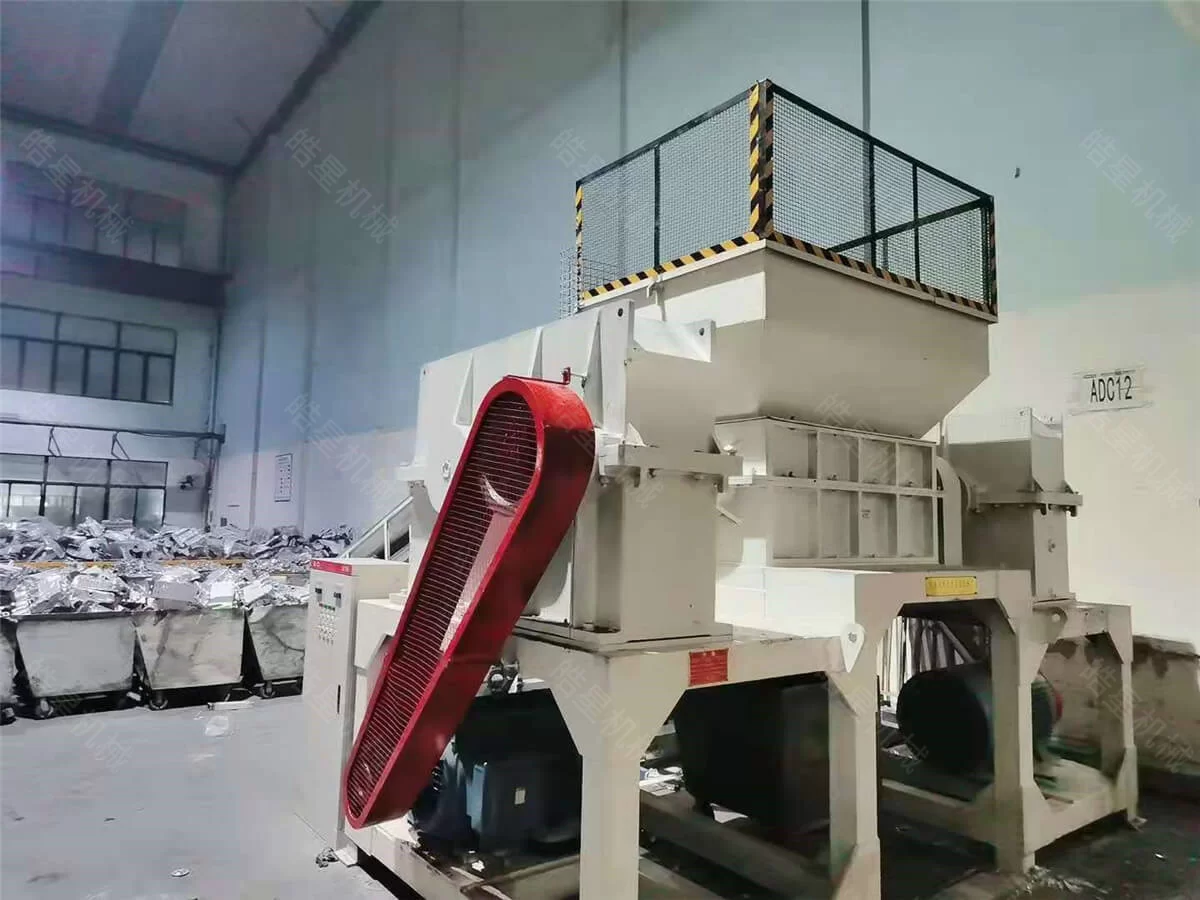
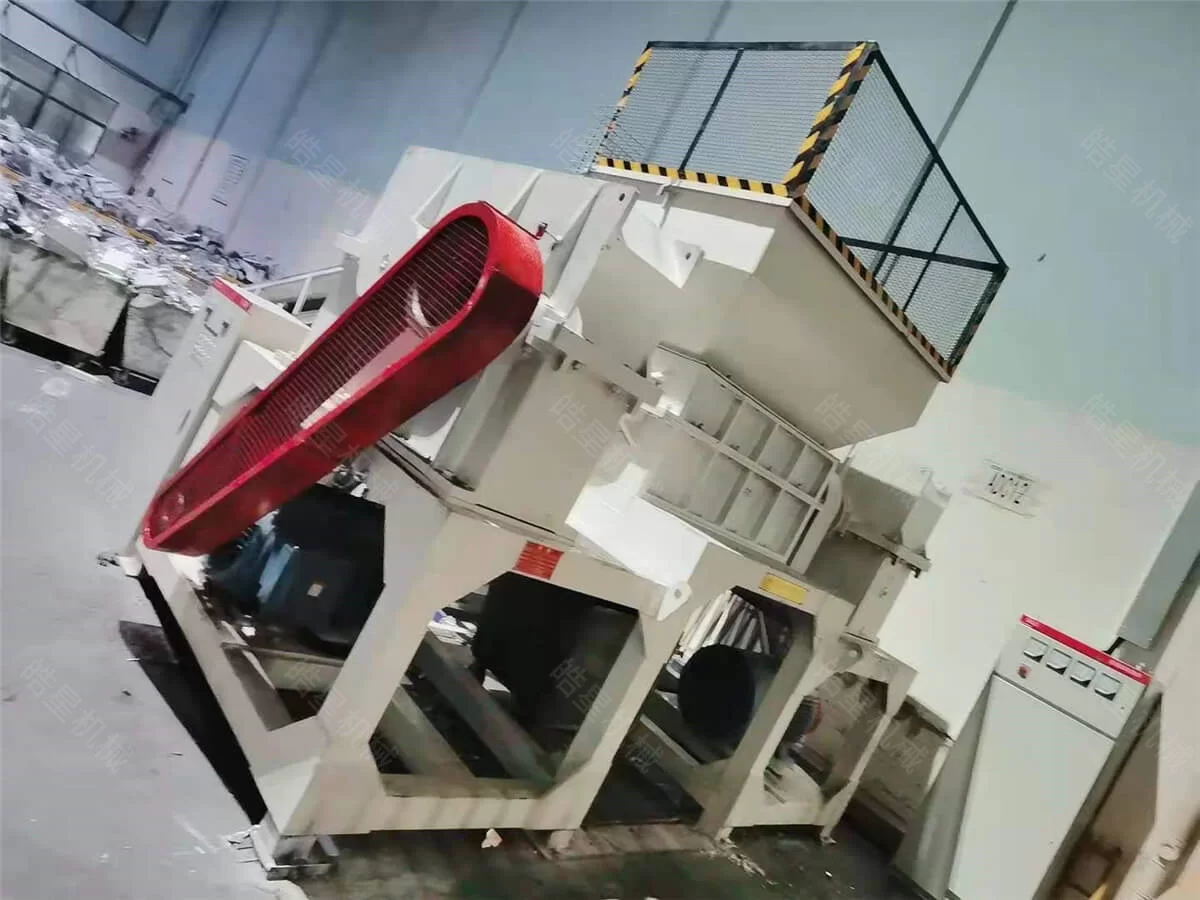
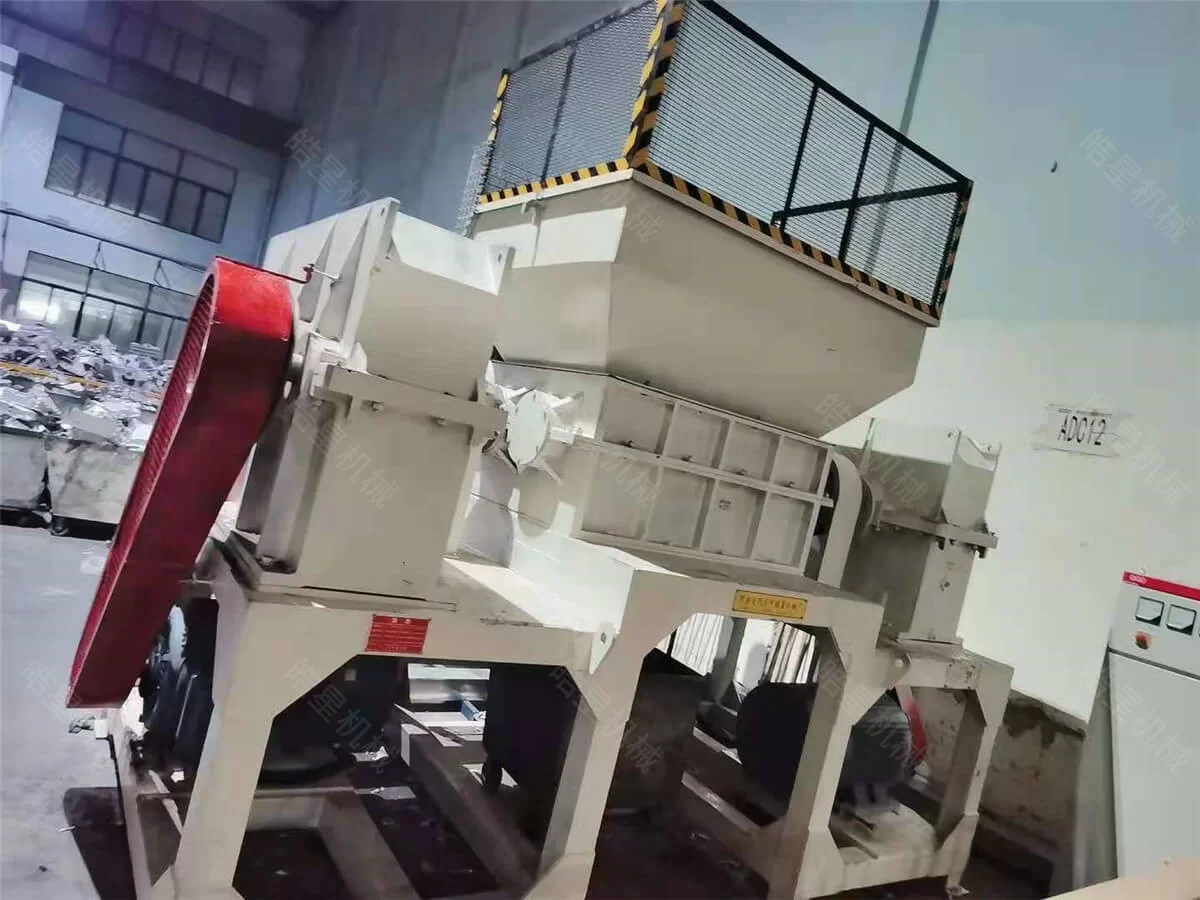
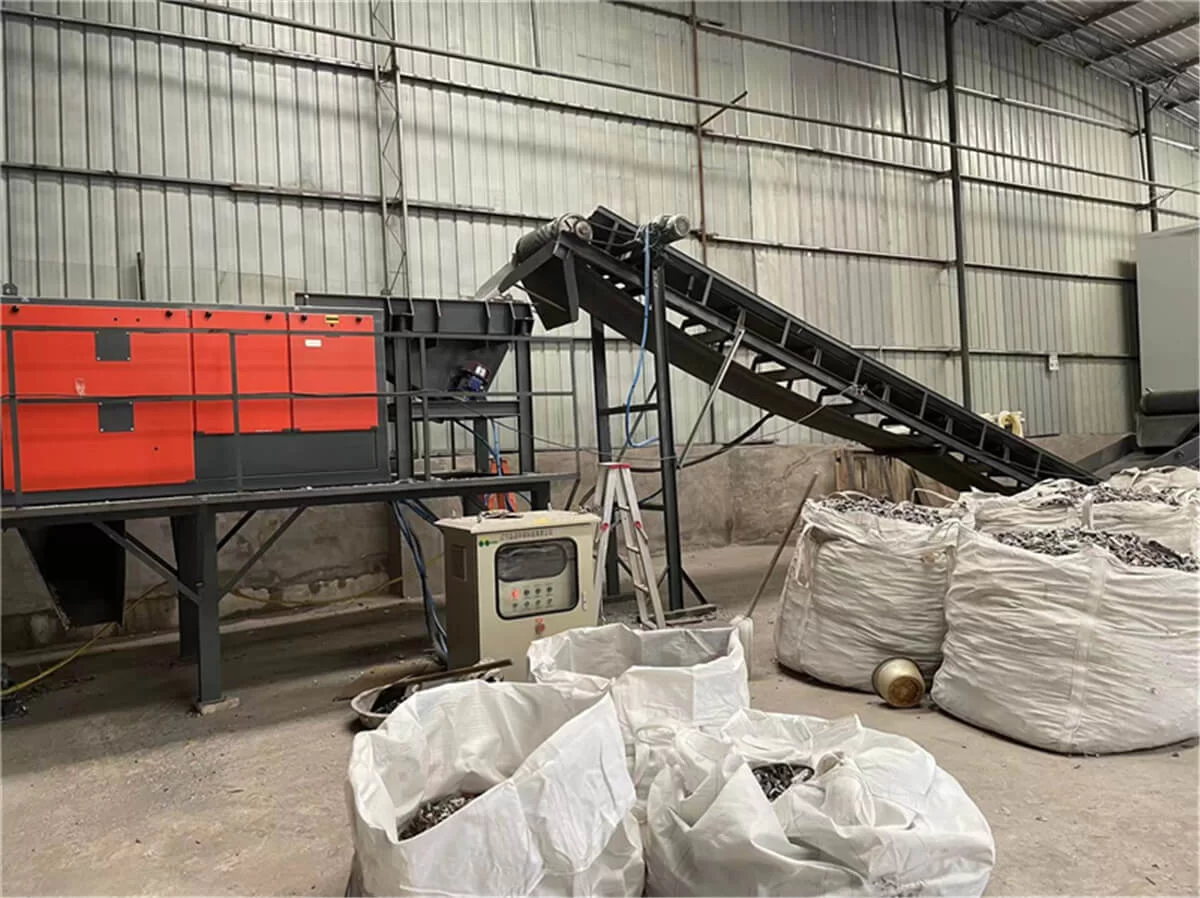
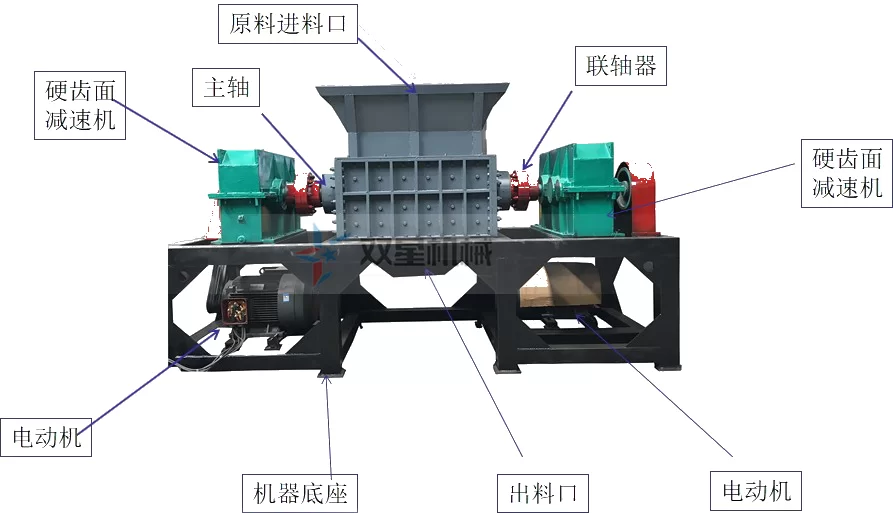
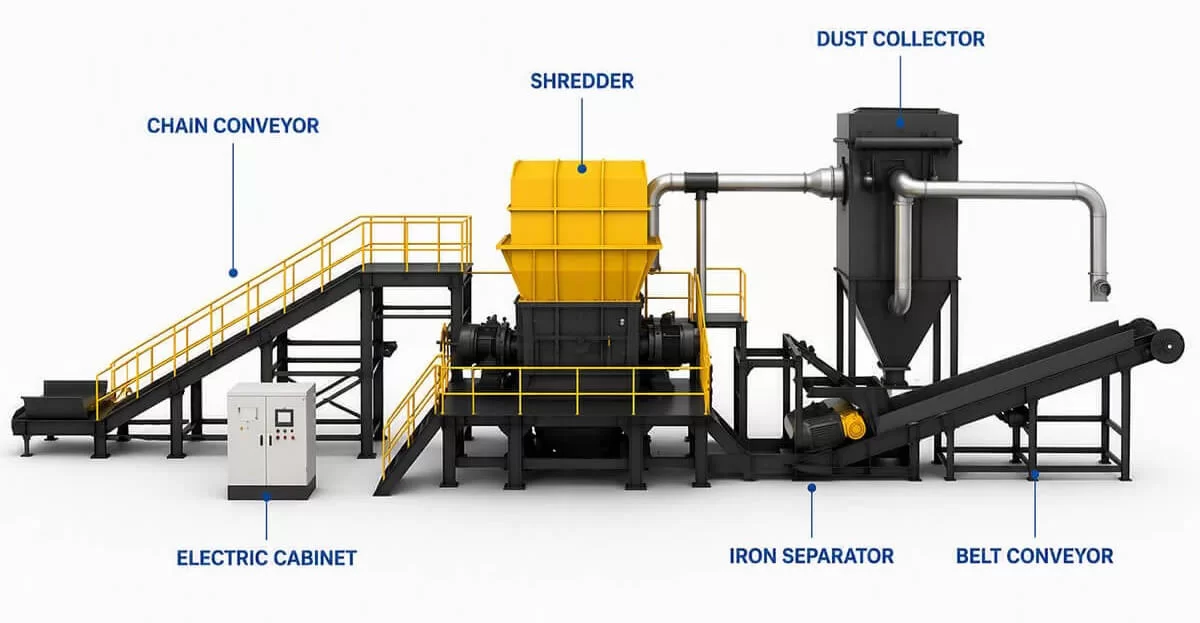
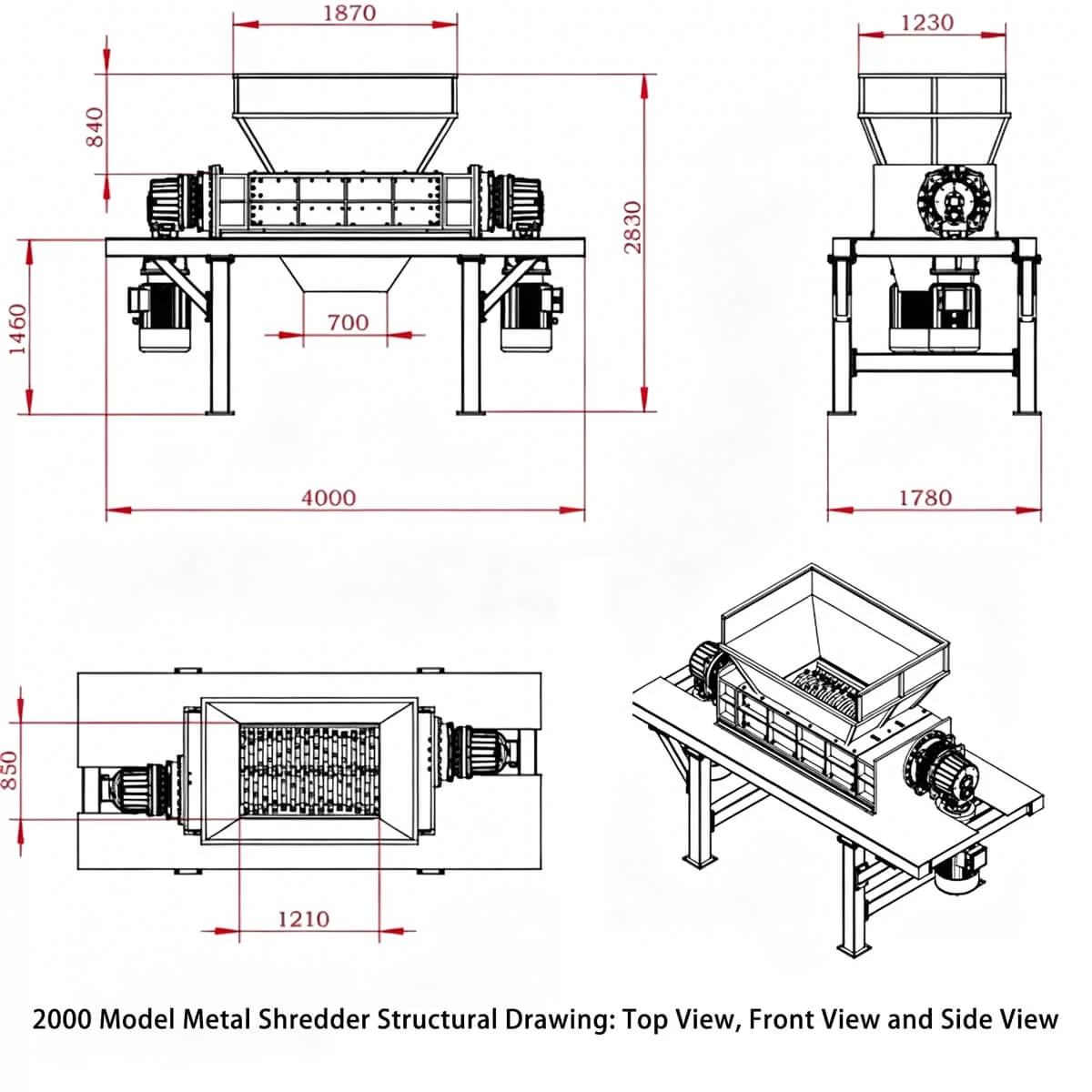
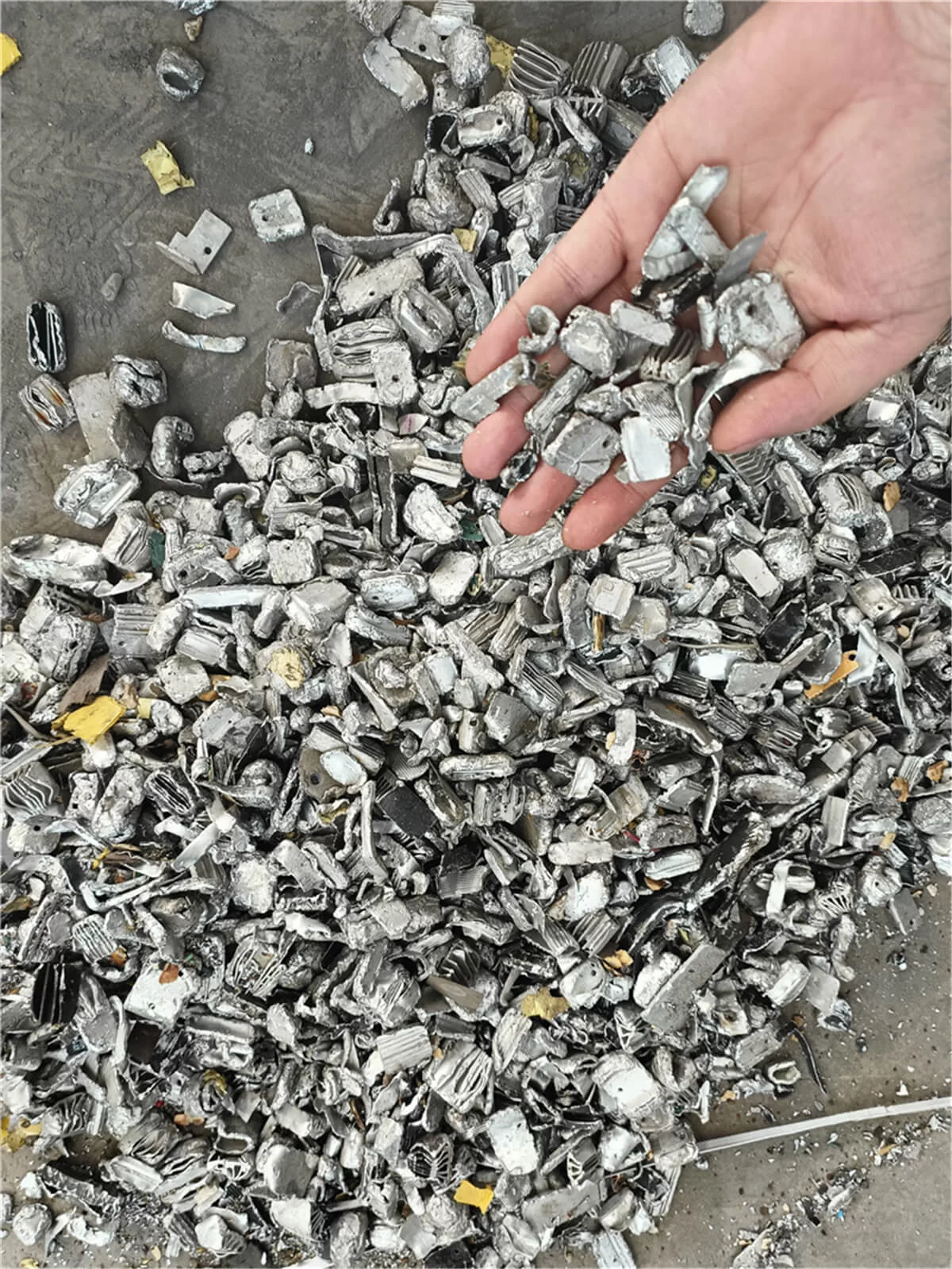
Parameter description diagram for Aluminum Crankcase Shredder for Coarse Pre-Treatment | Haoxing Machinery:
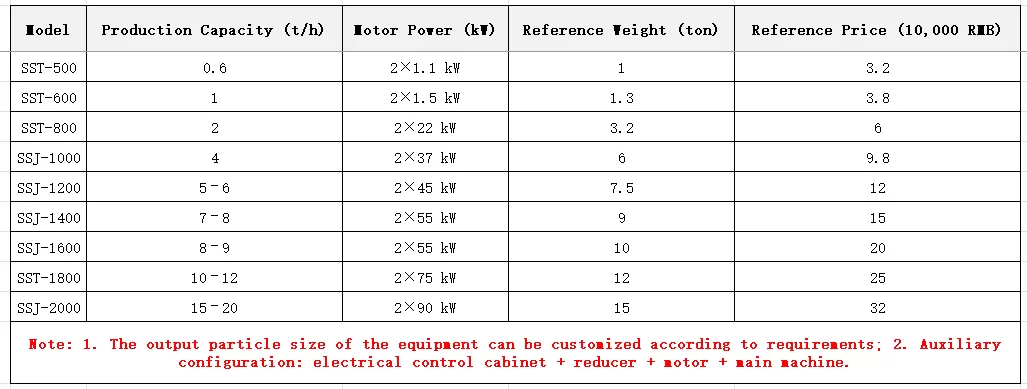
Aluminum Crankcase Shredder Selection
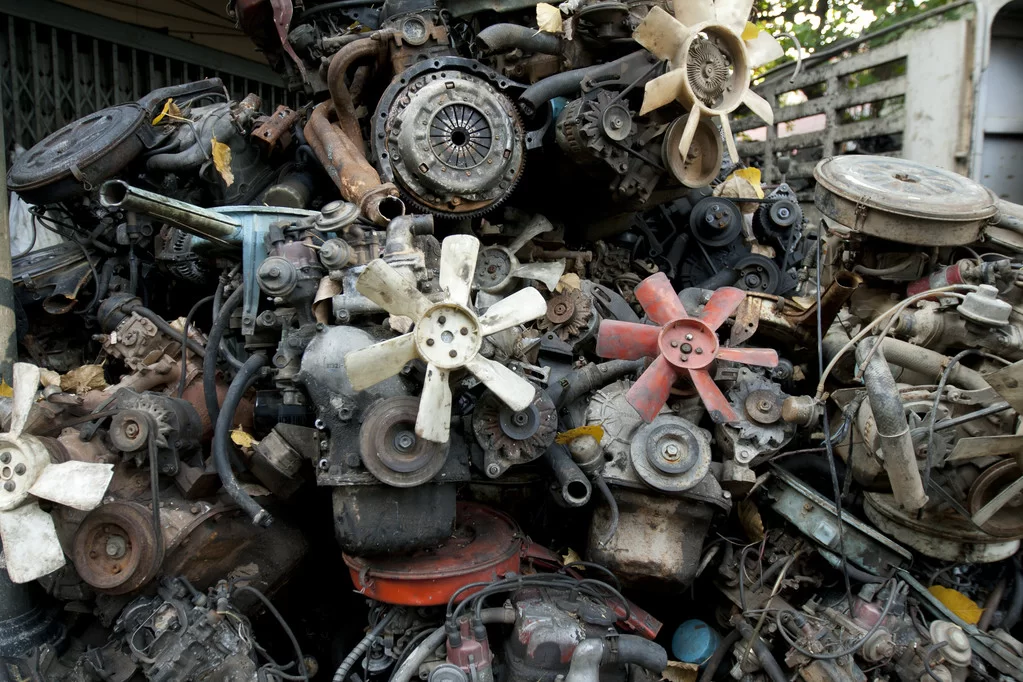
The shredder model should be selected from representative aluminum crankcase information rather than a material name alone. Housing dimensions, individual weight, wall thickness and internal steel components directly affect cutter size, shaft length, motor power and gearbox torque.
Information Required Before Selection
Representative material photos and working videos
Type of crankcase, engine housing or gearbox housing
Normal and maximum material dimensions
Approximate wall thickness and reinforced rib structure
Average and maximum weight of each component
Whether the housing is empty, dismantled or partially assembled
Types and sizes of remaining shafts, bearings, gears and steel inserts
Residual oil, coolant or other contamination
Required hourly processing capacity
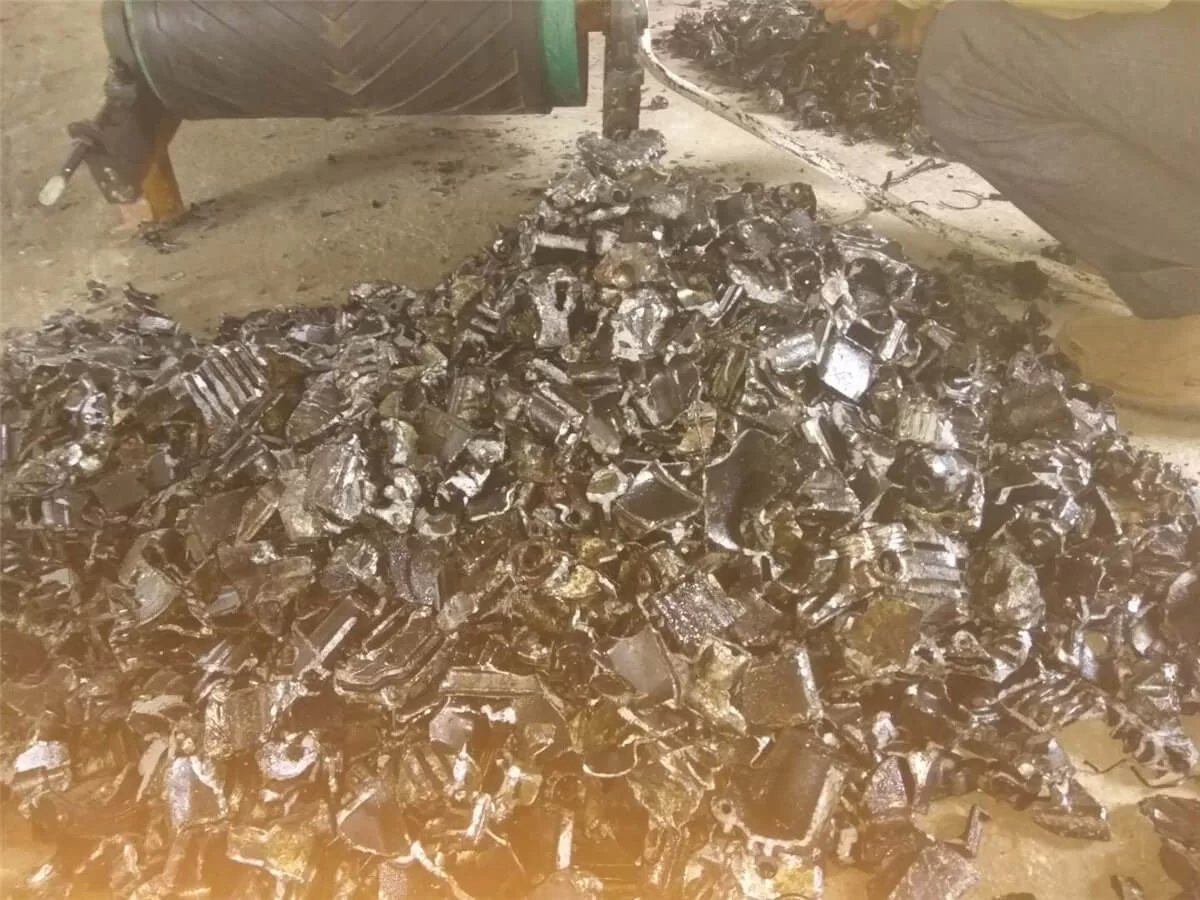
Expected condition of the coarse shredded output
Whether secondary hammer crushing will be installed
Feeding method and available loading equipment
Available installation length, width and height
Local voltage and electrical frequency
Main Selection Factors
Cutter Chamber Opening
The cutter chamber opening should accommodate the prepared housing after removable shafts, gears and other unsuitable components have been dismantled. Oversized housings may require hydraulic breaking or another preparation method.
Cutter Diameter and Thickness
Cutter dimensions are selected according to the housing wall thickness, rib structure, material strength and expected output condition. Thicker cutters generally provide greater strength, while narrower cutters may produce shorter pieces but require suitable material conditions.
Cutter Hook Design
The cutter hook shape and quantity affect the ability to engage irregular housing edges and openings. The design should balance material gripping, cutting force and resistance to abnormal loading.
Shaft Length
The effective shaft length determines the width of the shredding chamber. It should be selected according to common material dimensions and the intended feeding method rather than only the required capacity.
Motor and Gear Reducer
Drive power and reduction ratio should be matched to the cutter diameter, shaft speed, housing structure and expected loading condition. Motor power alone cannot be used to predict processing capacity.
Discharge Size
The twin shaft shredder produces coarse and irregular output. The result depends on cutter width, cutter arrangement, shaft spacing, material orientation and the original housing structure.
If the project requires a defined maximum output size, a downstream hammer crusher with a suitable screen or grate should be evaluated separately.
Processing Capacity
Actual throughput depends on the time required for each housing to be gripped, opened and discharged. Housing dimensions, internal steel content, individual weight, feeding intervals and operator loading method can all affect hourly production.
Representative material testing is recommended when the project includes unusually thick housings, large steel inserts or mixed component structures.
Reference Configuration Note
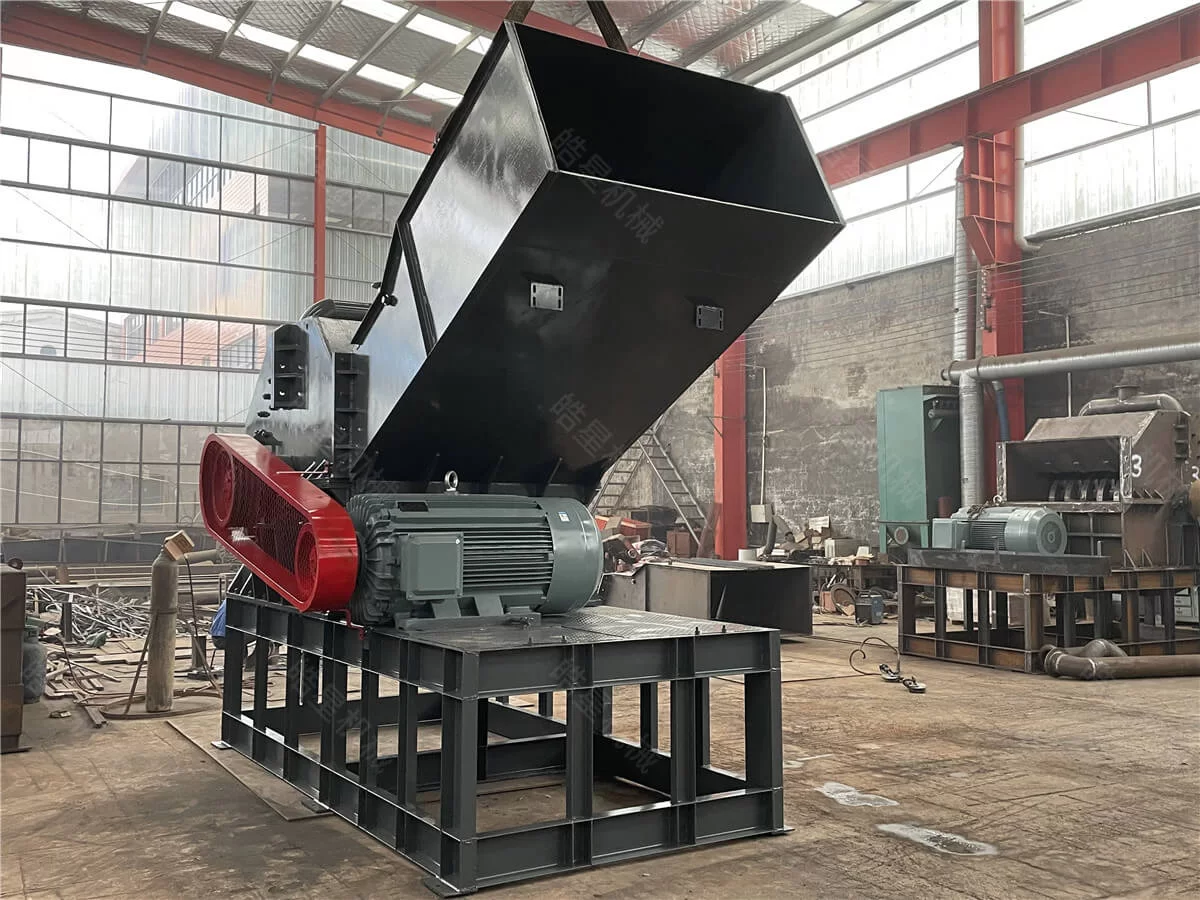
The final machine configuration may include twin cutter shafts, replaceable cutters, heavy-duty spacers, independent motor and reducer drives, reinforced bearing supports, automatic reverse control, a feeding hopper and a discharge connection.
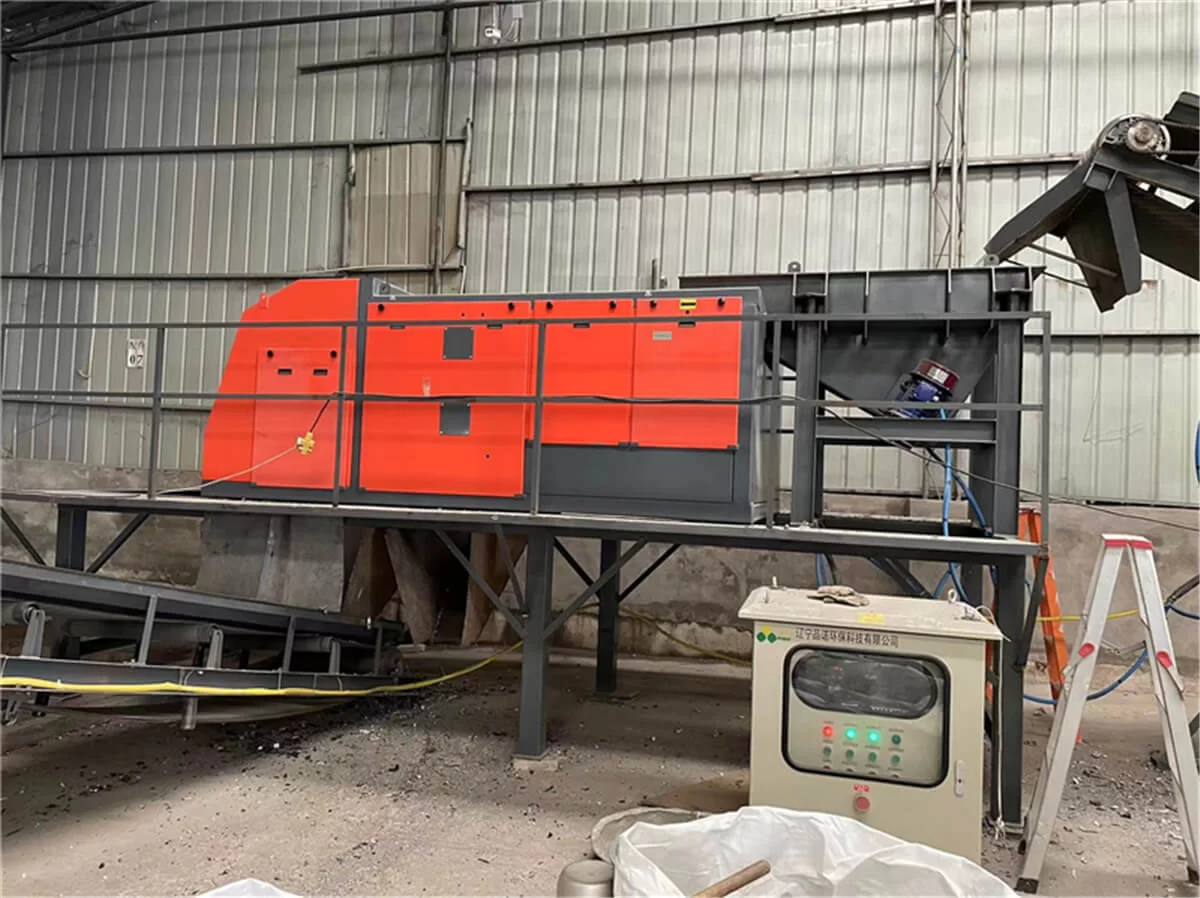
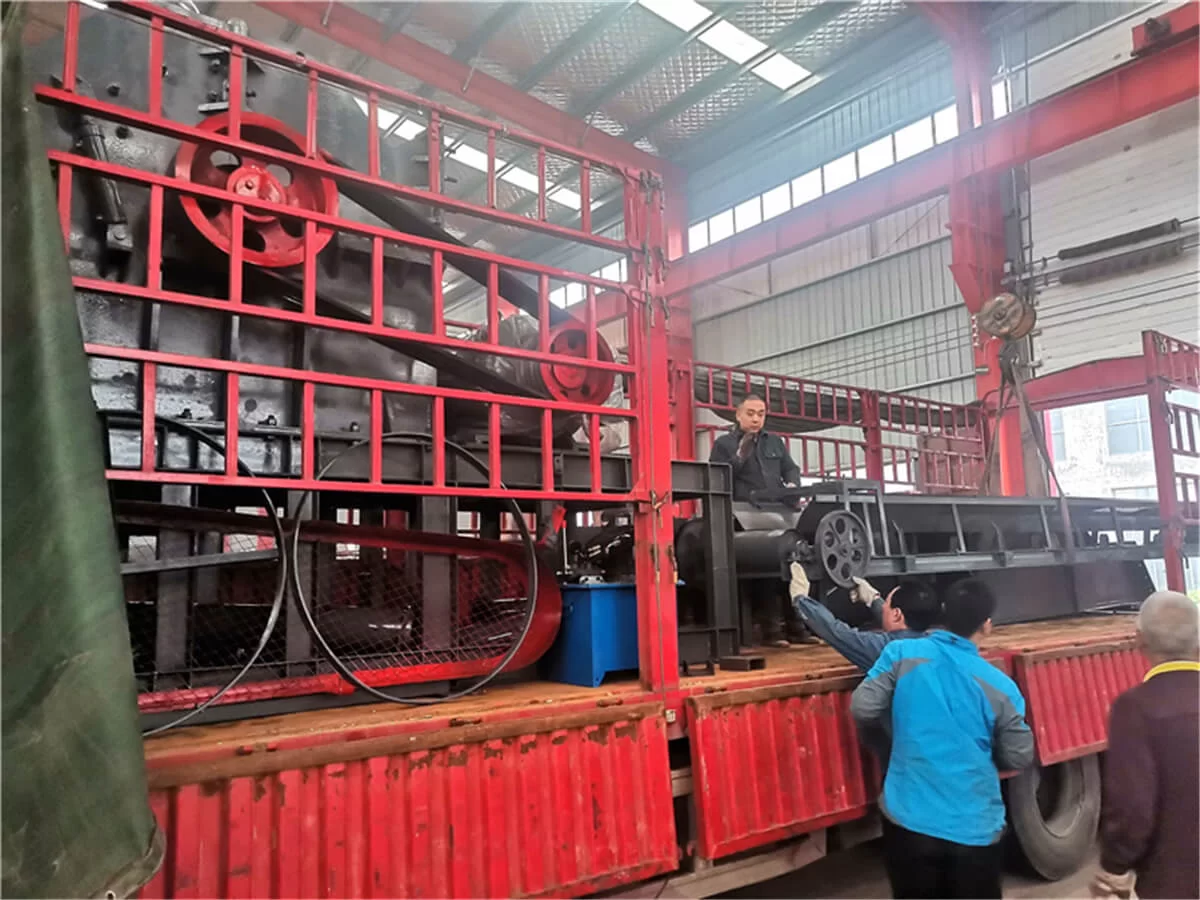
A feeding conveyor, discharge conveyor, hydraulic loading device or maintenance platform can be added according to the site. Secondary crushing, magnetic separation, screening and other downstream processes should be evaluated as separate equipment.
Material Restrictions
Complete engine assemblies should not be treated as prepared aluminum crankcases. Large steel crankshafts, gears, bearings, sealed cavities, residual fluids and other unsuitable components must be removed or evaluated separately.
The machine is not intended for hot aluminum dross, aluminum ash, aluminum powder, batteries, sealed pressure components, explosive containers or unidentified hazardous material.