Project Overview
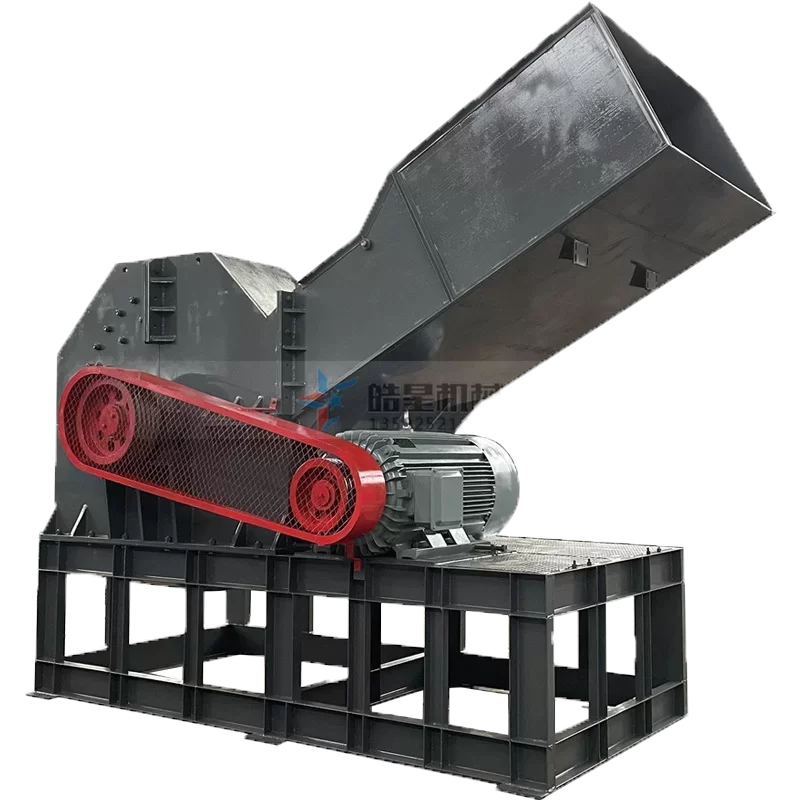
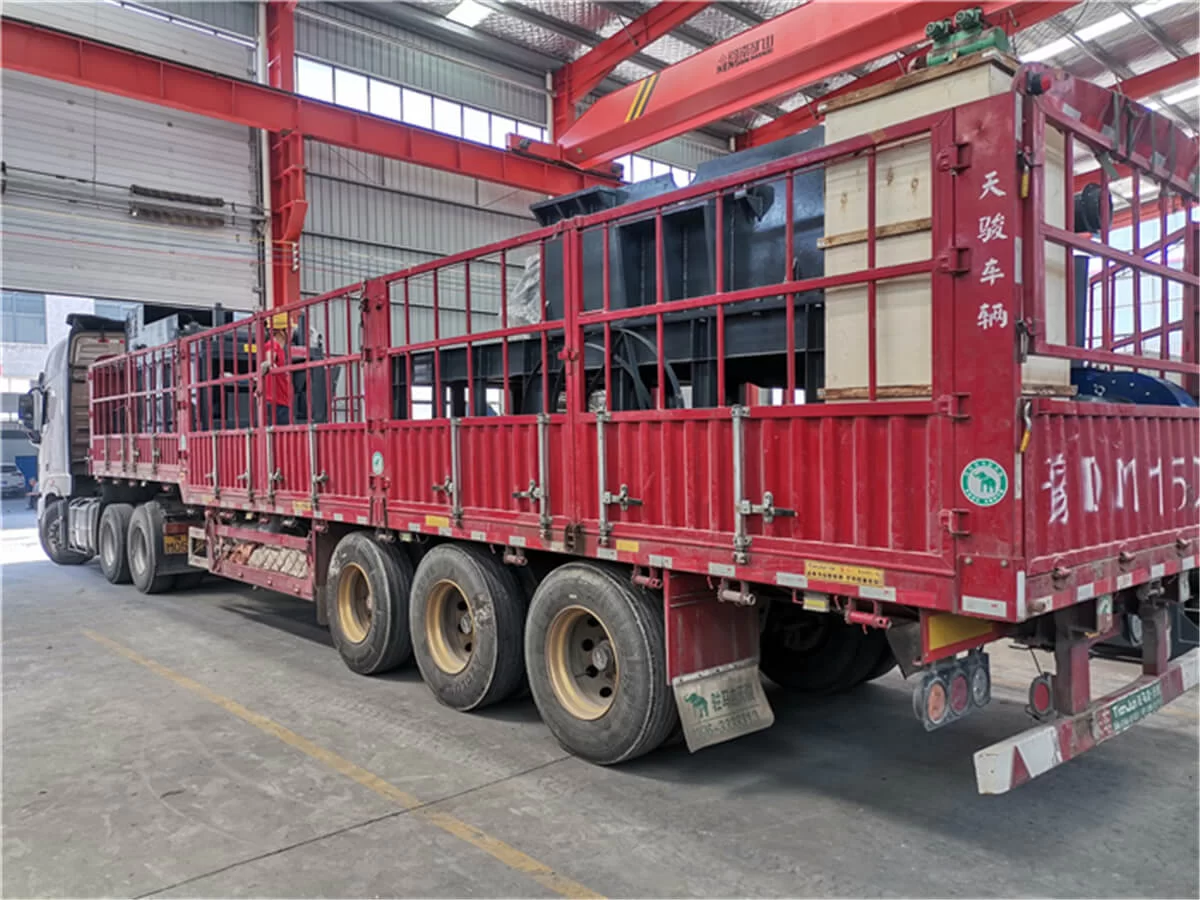
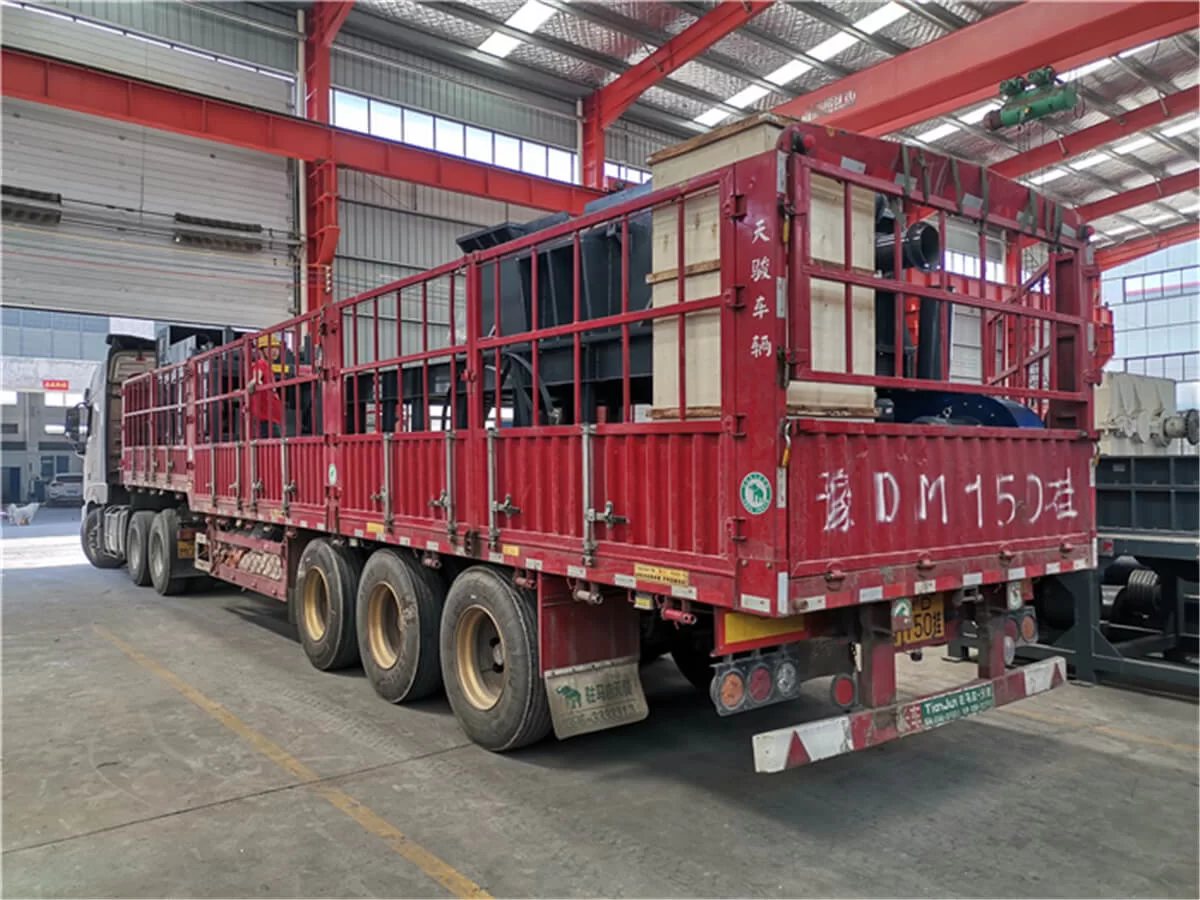
A 1600 aluminum crankcase crusher and conveyor system has been prepared for shipment to Tianjin. The equipment is designed for processing cast aluminum engine housings, transmission casings, and various aluminum scrap materials.
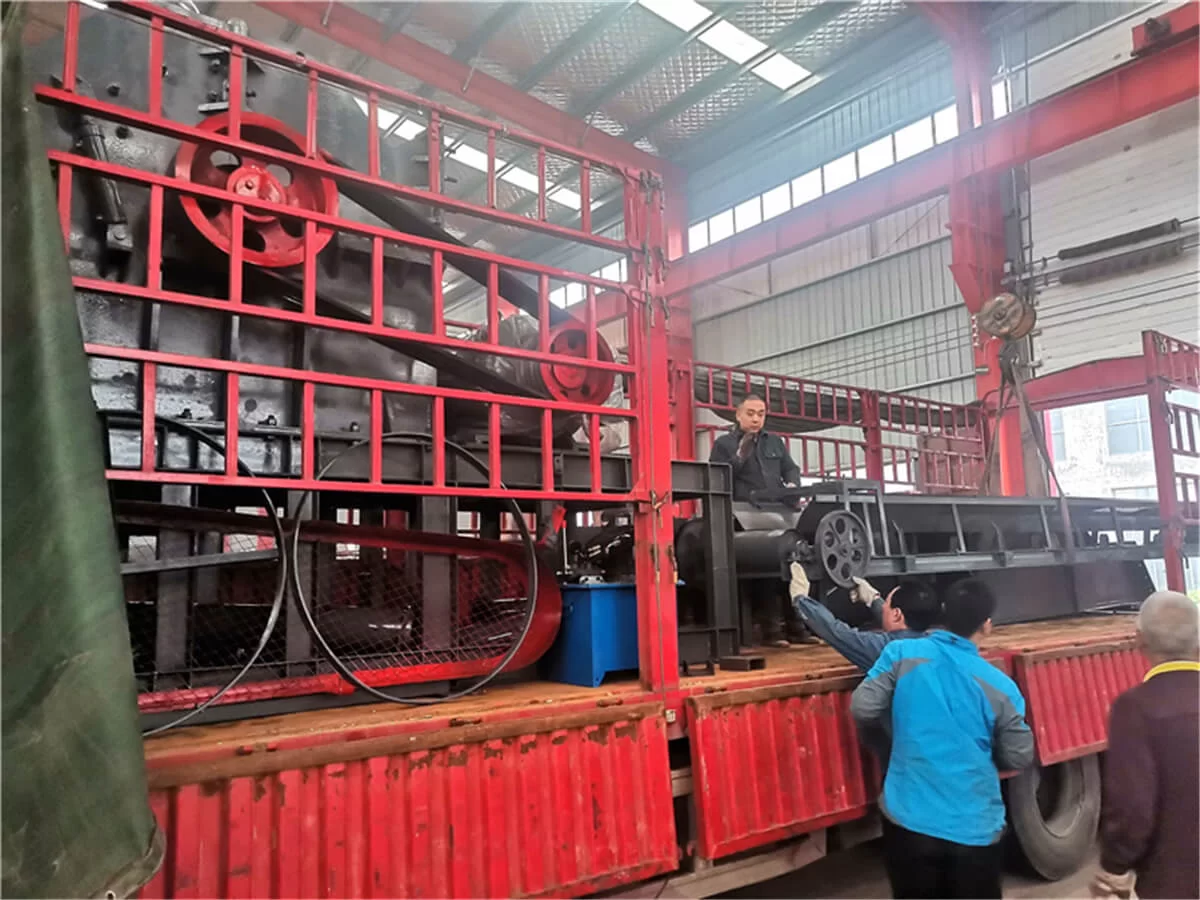
A 1600 aluminum crankcase crusher system was recently completed and prepared for shipment to a recycling company in Tianjin. The project focuses on the efficient processing of cast aluminum scrap generated from automotive dismantling, engine remanufacturing, and industrial metal recycling operations.
Unlike conventional aluminum profile recycling projects, this system is specifically configured for heavy cast aluminum materials with irregular shapes, higher density, and greater crushing resistance.
Why Process Aluminum Crankcases Separately?
Aluminum crankcases and engine housings contain valuable aluminum alloys that can be returned to the recycling market after proper processing. However, these materials often arrive mixed with residual iron components, bolts, bearings, and attached contaminants.
A dedicated aluminum crankcase crusher improves material liberation before downstream sorting processes. By reducing large castings into smaller and more uniform pieces, recyclers can achieve more efficient separation and higher recovery rates.
Typical materials processed include:
Scrap aluminum crankcases
Engine housings
Gearbox casings
Transmission housings
Cast aluminum automotive components
Industrial cast aluminum scrap
Equipment Configuration
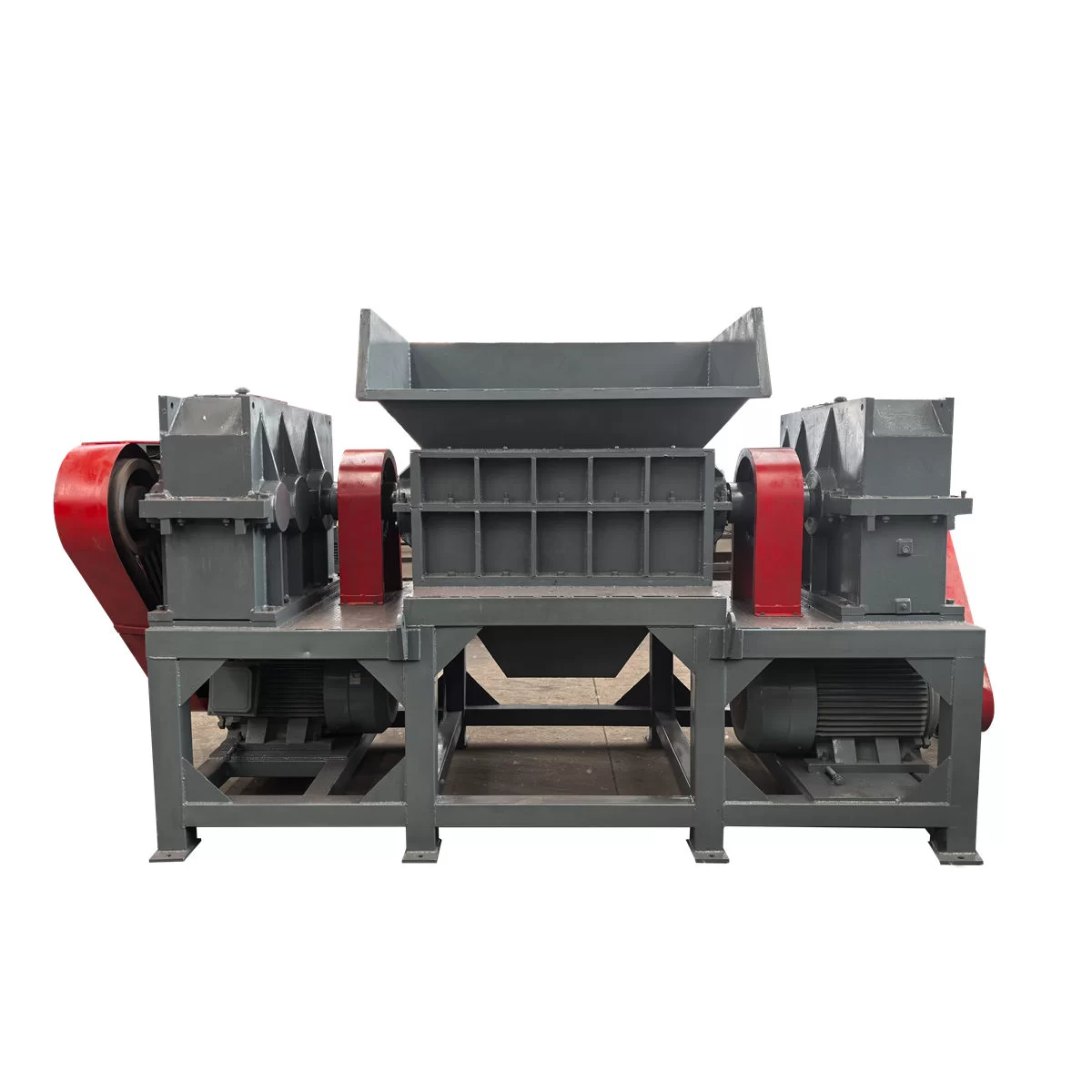
1600 Aluminum Crankcase Crusher
Feeding Hopper
Feeding Conveyor
Discharge Conveyor
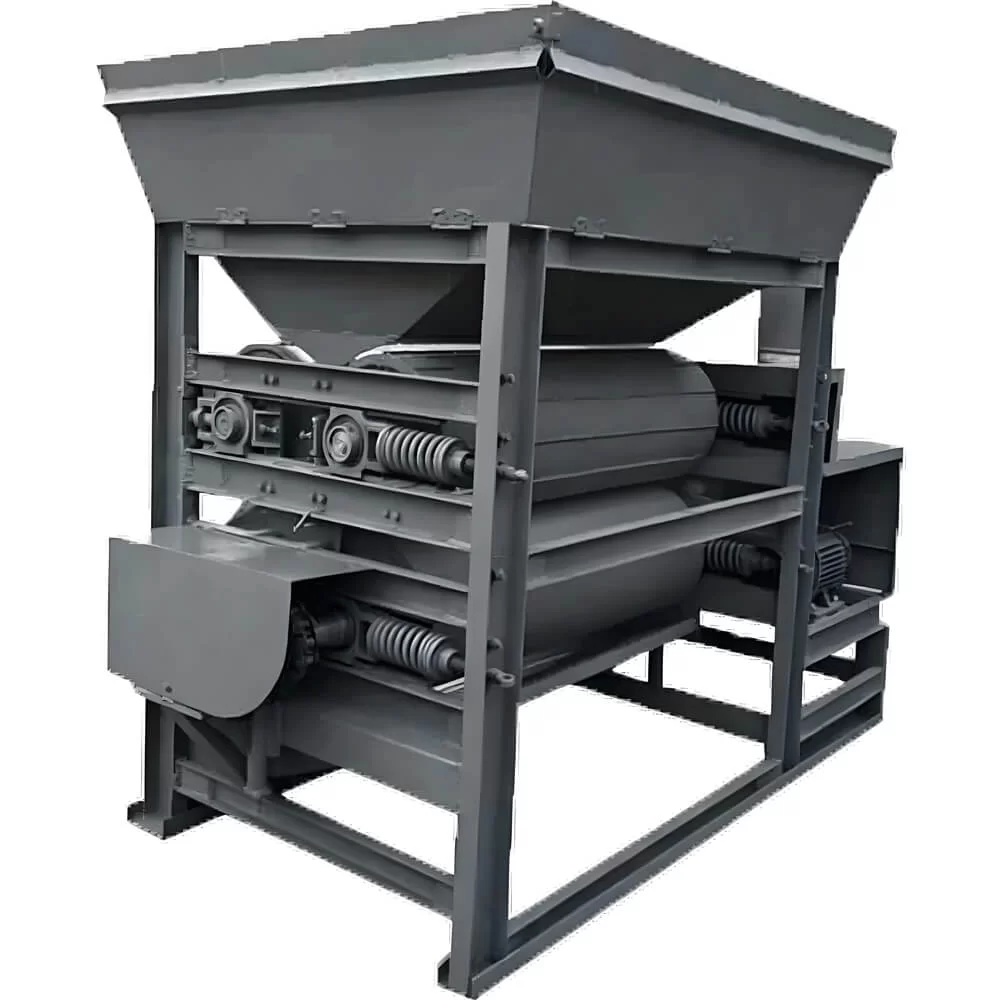
Magnetic Separator
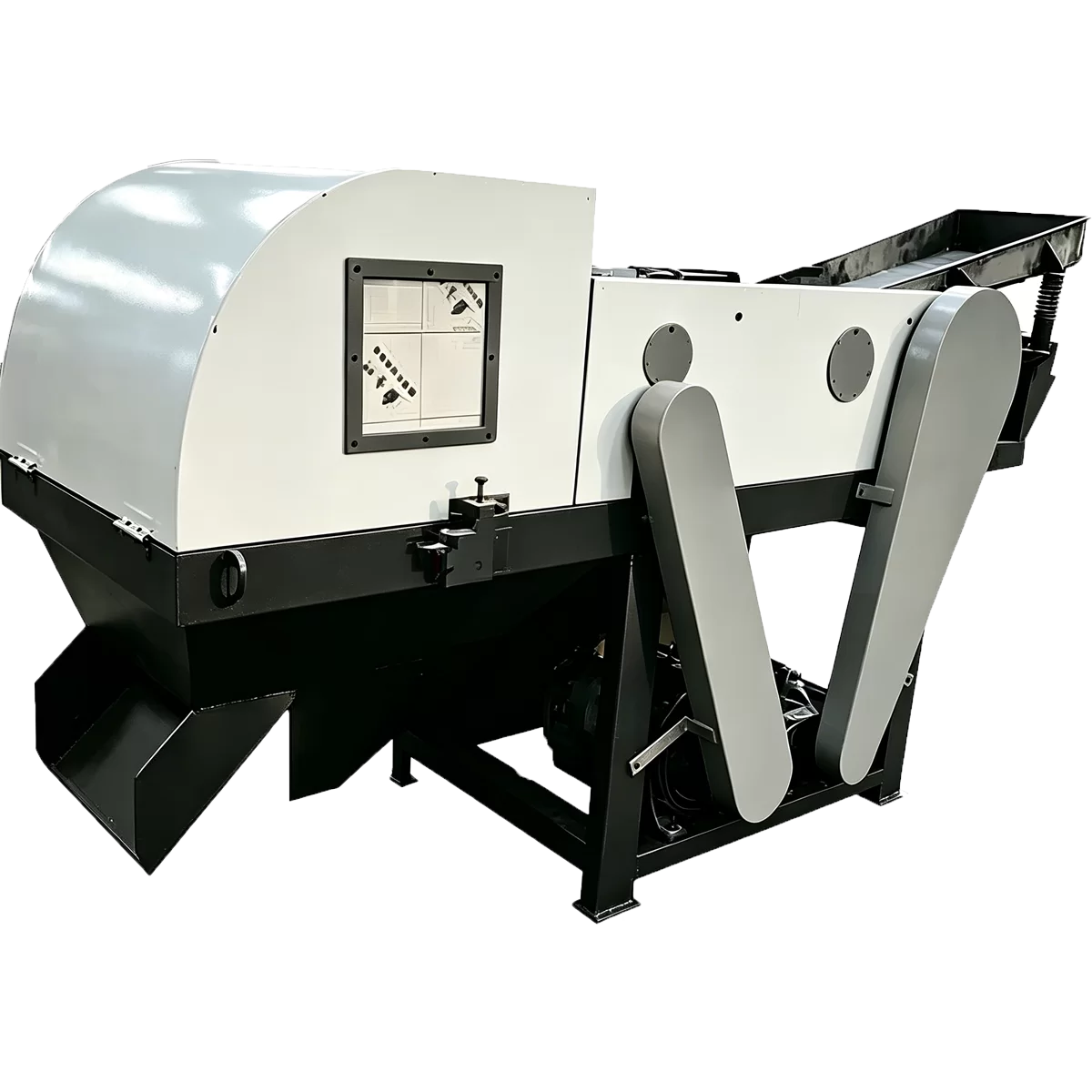
Eddy Current Separator
Electrical Control Cabinet
The production line is designed to maintain a continuous material flow from feeding to final separation.
Material Processing Workflow
The recycling process begins when aluminum crankcases are fed into the crusher through the feeding conveyor.
Large cast aluminum components are broken into smaller particles suitable for mechanical sorting. After crushing, the material passes through a magnetic separator to remove iron contaminants such as bolts, fasteners, and steel attachments.
The remaining material is then transferred to the eddy current separator, where valuable non-ferrous metals are recovered from mixed output streams. This configuration helps produce cleaner aluminum fractions for resale or further refining.
Advantages of the 1600 Model Crusher
The 1600 model is widely selected by recycling facilities that handle large volumes of cast aluminum materials.
Key advantages include:
Strong crushing capacity for heavy cast aluminum parts
Stable operation under continuous workloads
Reduced material size for improved separation
Better aluminum liberation efficiency
Lower manual sorting requirements
Compatibility with magnetic and eddy current separation systems
The equipment is particularly suitable for recyclers looking to increase recovery value from automotive aluminum scrap.
Prepared for Delivery to Tianjin
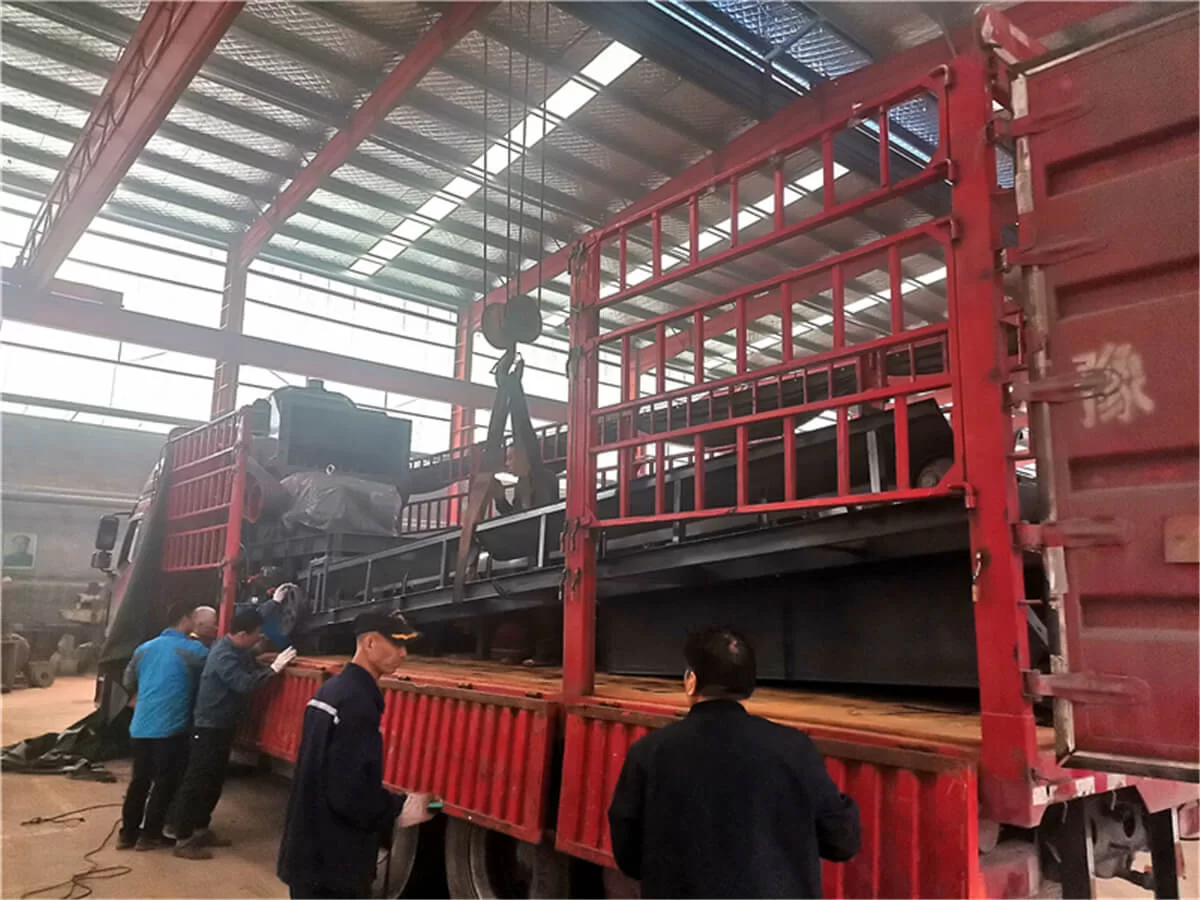
Following final inspection and loading preparation, the complete system is ready for transportation to Tianjin. Upon arrival, the equipment will be installed at the customer's recycling facility and integrated into existing aluminum recovery operations.
The project reflects increasing demand for specialized cast aluminum recycling solutions as recyclers seek to improve recovery rates and maximize the value of end-of-life automotive components.