🏭 Category: Steel Shredding Equipment

Metal Pulverizer

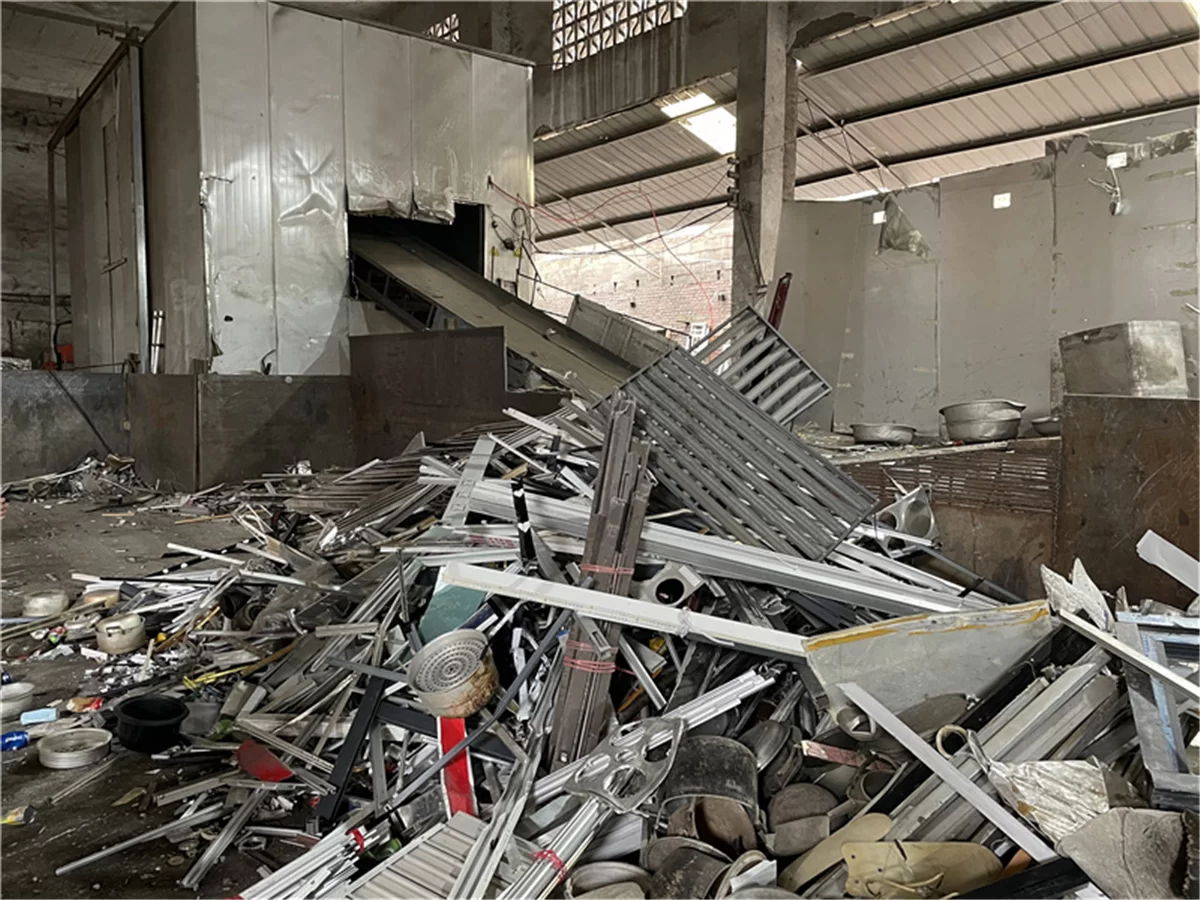
Applicable Materials: Prepared metal sheets, used beverage cans, color steel tiles, empty paint buckets, light scrap steel, aluminum scrap, appliance shell fragments, small metal offcuts and other recyclable metal materials within the pulverizer feeding limits.

Product Parameters

Key technical information for quick evaluation.

Power
30kW-450kW(View Specs)
Production Capacity
0.6t/h-16t/h(View Specs)
Output Size
20mm-100mm(Screen Customization Available)
Production Line Composition
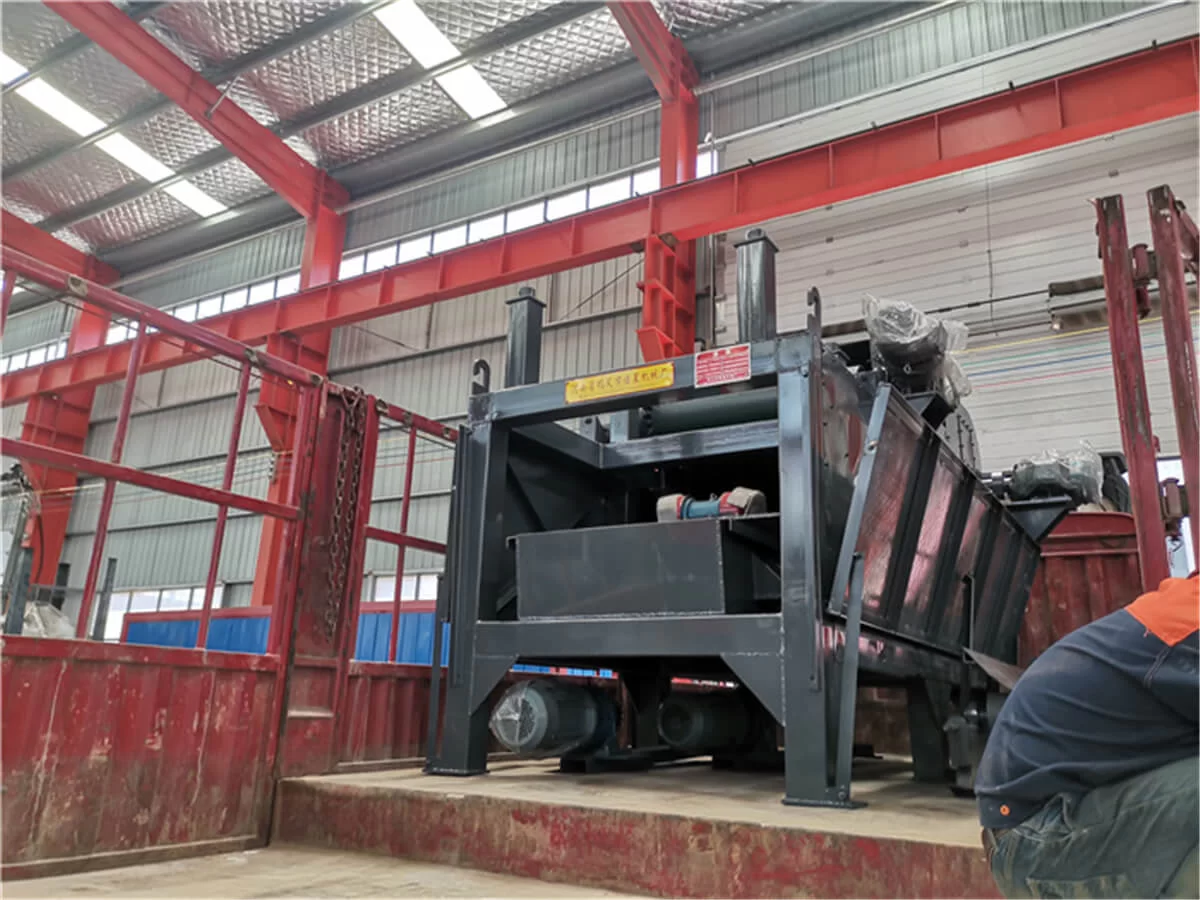
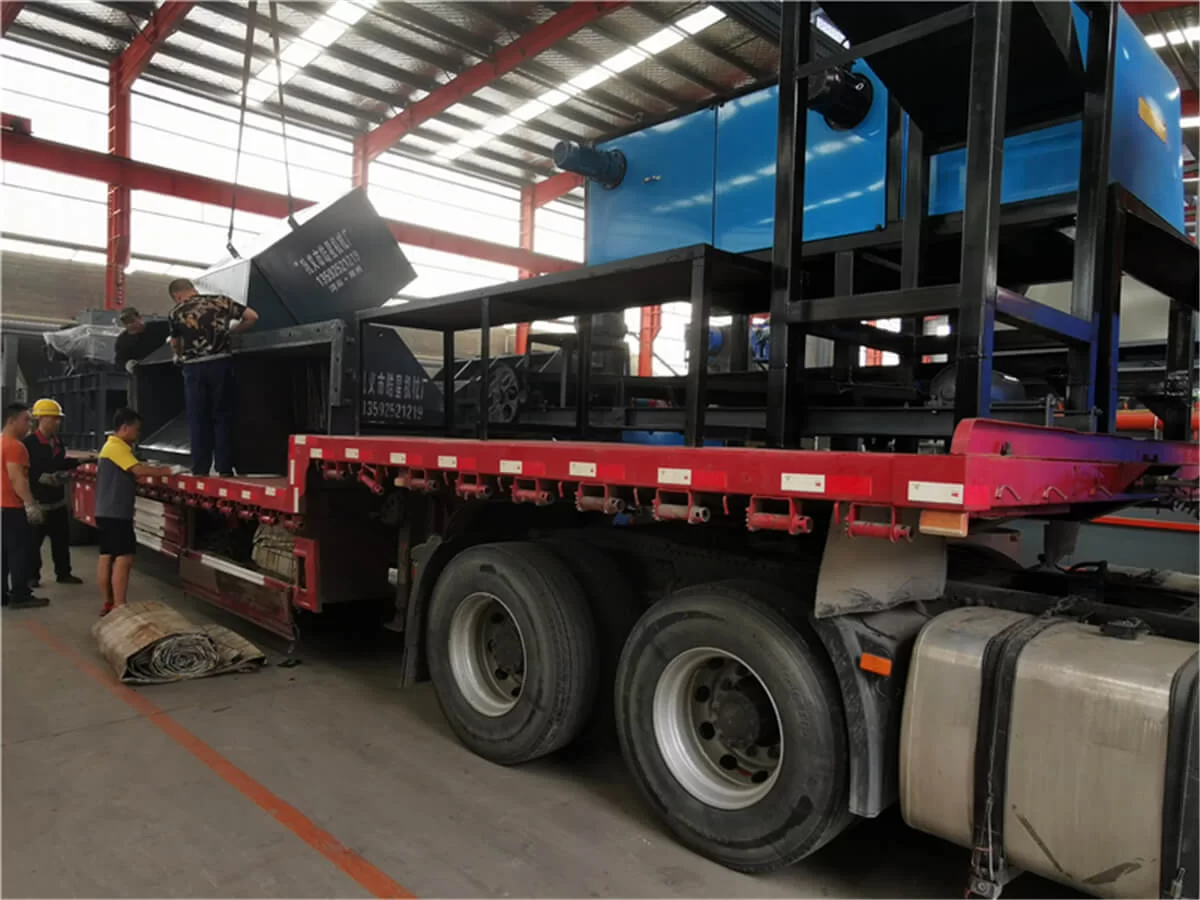
Metal pulverizer main unit, high-speed rotor, hammer assembly, stationary knives, wear-resistant liner plates, screen grate, drive motor, electric control cabinet and safety protection device. Optional equipment includes feeding and discharge conveyors, magnetic separator, vibrating screen, material spreading device, eddy current separator, sorting platform and dust collection system.
Reference Price
(Price varies by model. See specs or call.)
Product Details

Metal Pulverizer

Review the equipment introduction, working principle, advantages and technical specifications in one clear page.

01

Equipment Introduction

Metal Pulverizer

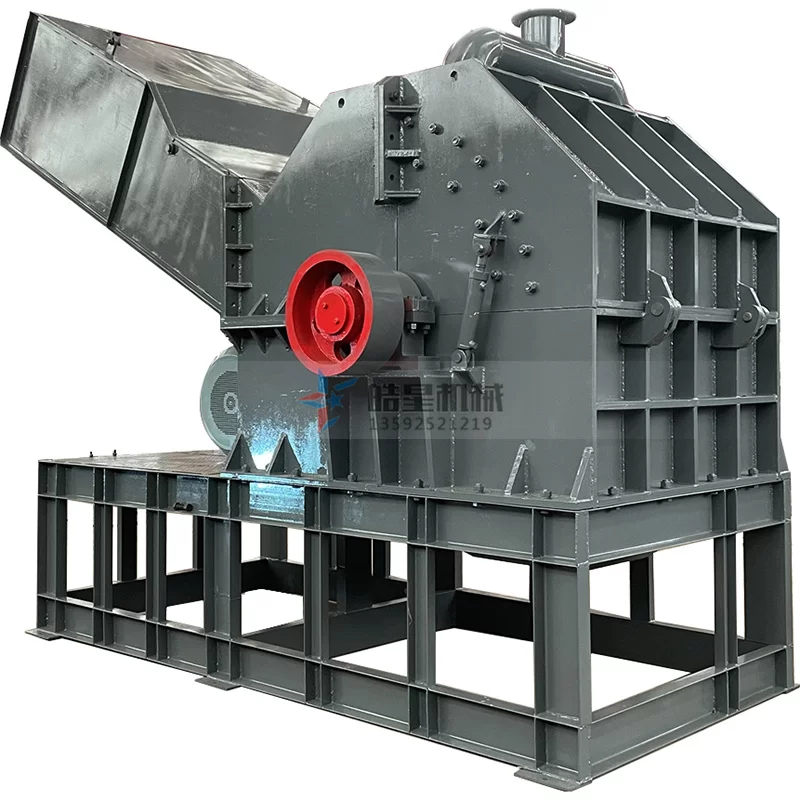
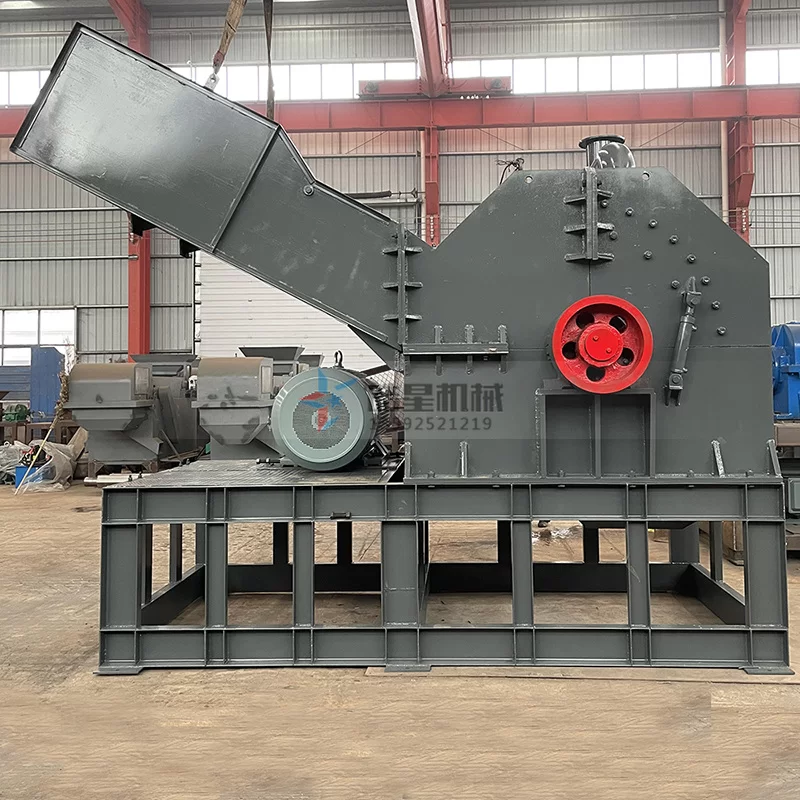
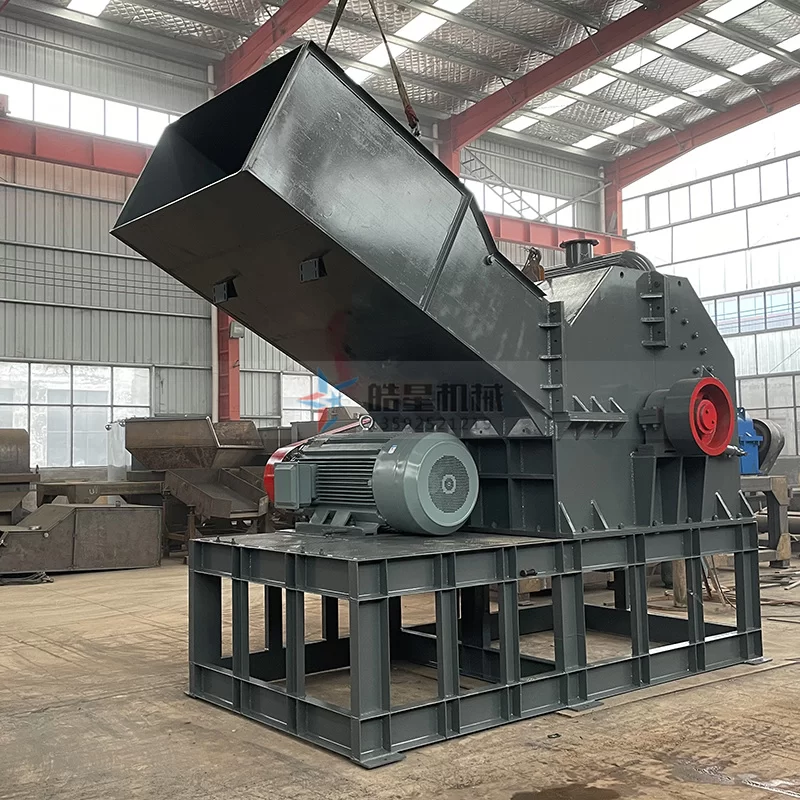
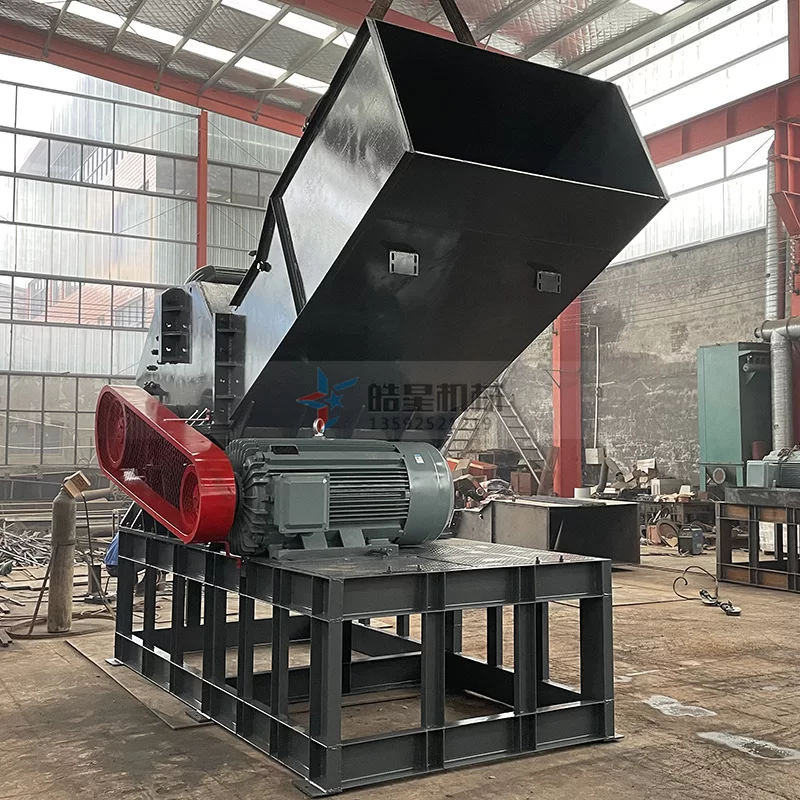
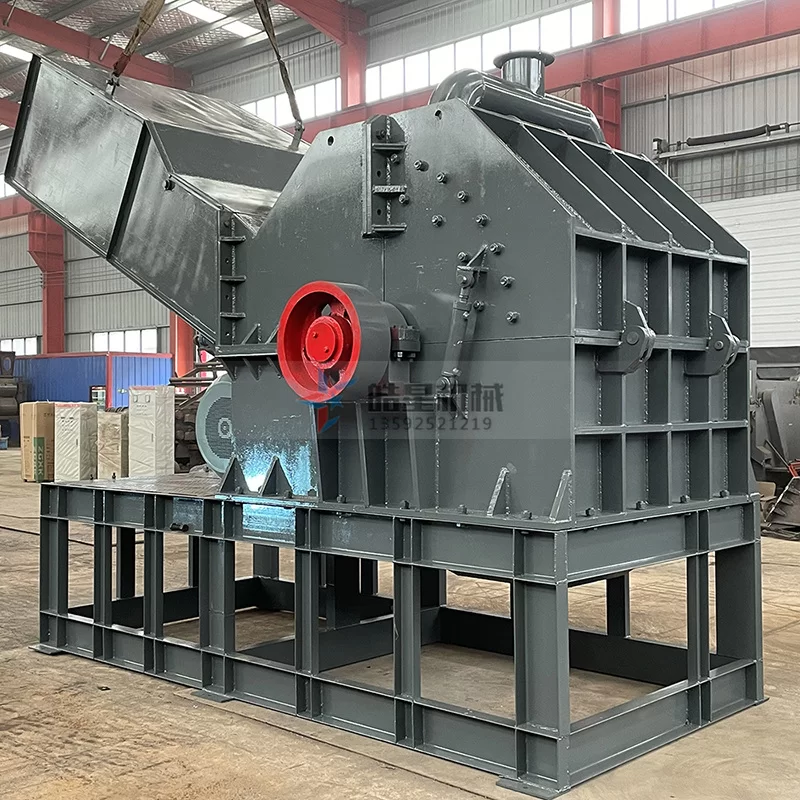
The metal pulverizer is a high-speed hammer mill used for the further size reduction of prepared scrap metal. It is suitable for processing metal sheets, used beverage cans, prepared paint buckets, color steel tiles, light scrap steel, aluminum scrap and appliance shell fragments that meet the machine’s feeding requirements.

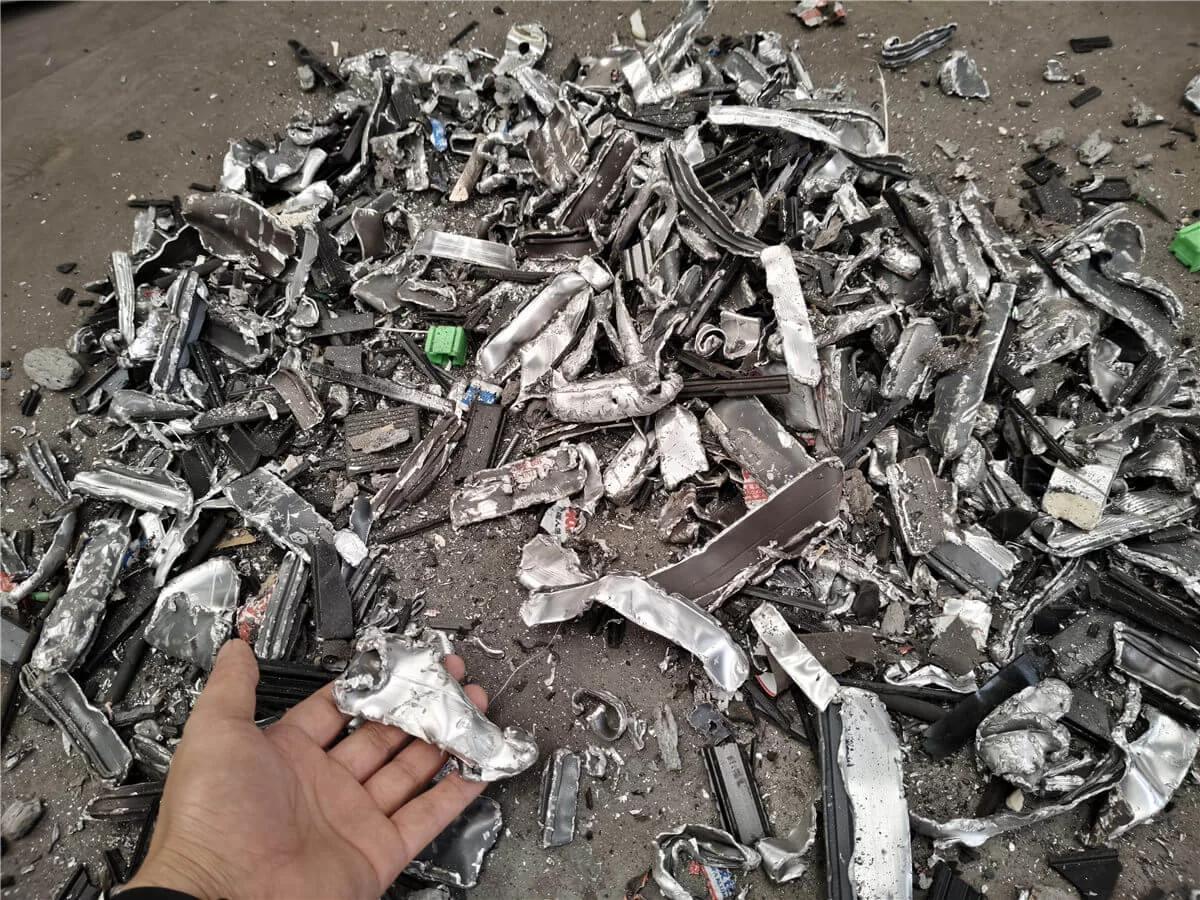
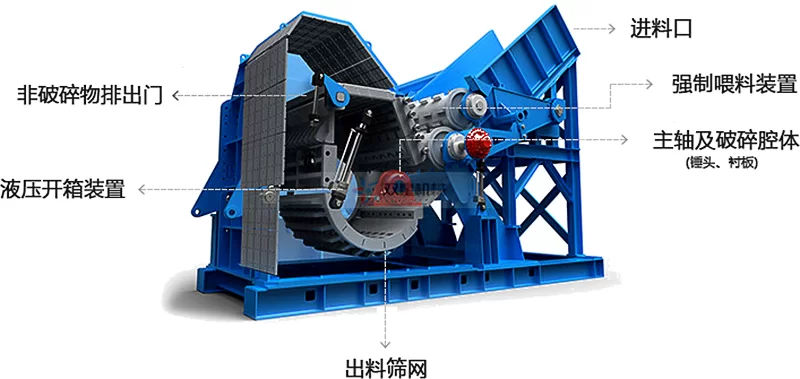
A high-speed rotor drives the hammers to repeatedly impact, shear and grind the material inside the crushing chamber. The hammers, stationary knives, wear-resistant liner plates and screen grate work together to produce smaller, screen-controlled pieces for downstream conveying, screening and separation.

Large, bulky, bundled or compressed scrap should not be treated as direct pulverizer feed. Such material may require pre-cutting, primary processing by a twin shaft shredder or initial size reduction by a scrap metal crusher before entering the pulverizing stage.

After pulverizing, a magnetic separator can recover iron and steel from loosened non-metallic residues or mixed processed material. Screening and material spreading equipment may be added when more consistent particle size or uniform feeding is required before further sorting.

An eddy current separator may be considered after ferrous metal removal when suitable conductive non-ferrous metals need to be recovered from an appropriately prepared non-metallic material stream.

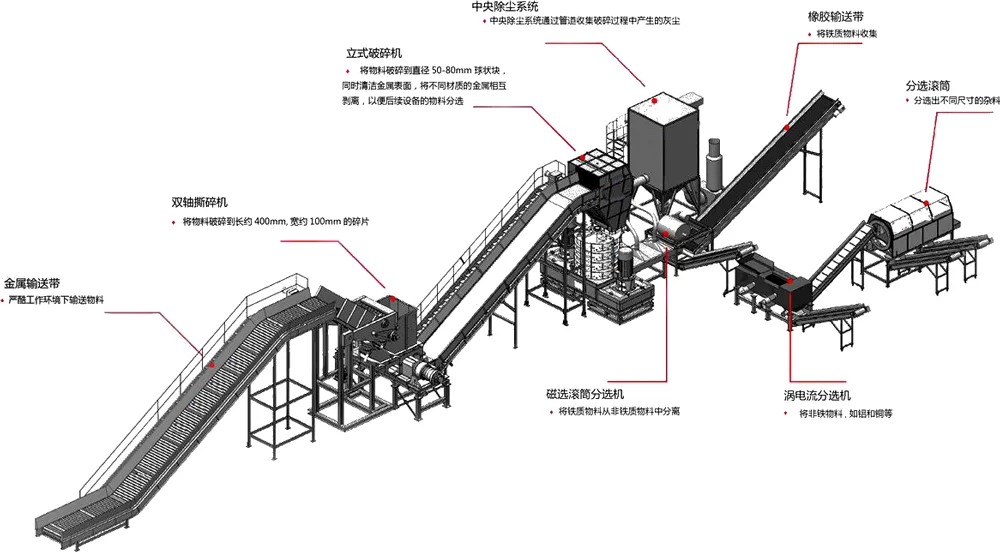
The metal pulverizer can operate as an individual machine or form part of a scrap metal recycling line with controlled feeding, material conveying, screening, magnetic separation, optional non-ferrous sorting and dust collection.

The machine model, hammer configuration, stationary knife arrangement and screen opening are selected according to the incoming material, feeding size, required capacity and expected output condition.
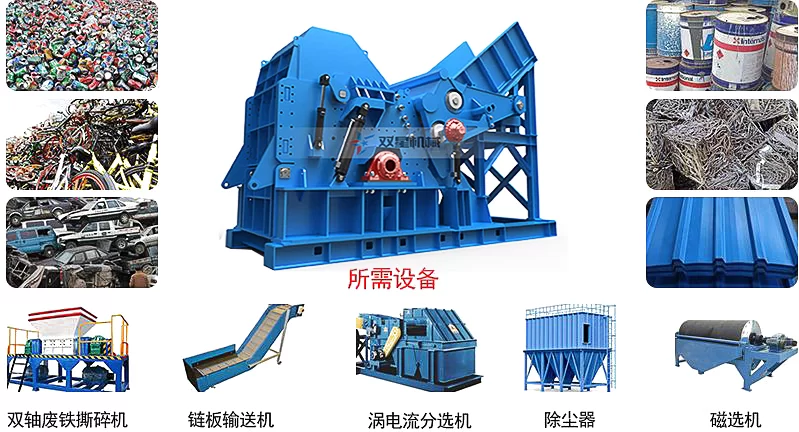
Metal Pulverizer

hxss metal crusher production line and the types of metal materials it can handle

02

Working Principle

Metal Pulverizer Material Handling Process

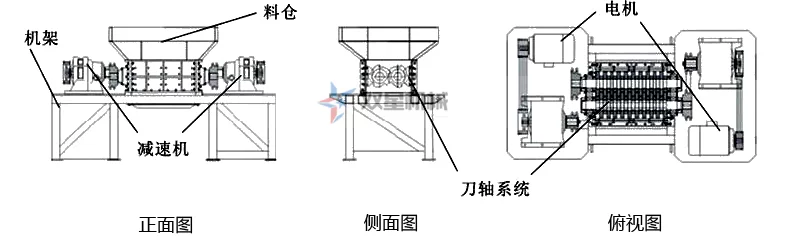
The metal pulverizer is a hammer mill type crushing machine used for further size reduction of scrap metal materials. It mainly consists of a main housing, rotor shaft, hammers, stationary knives, wear liners, screen grate, drive system and electric control system.

  • Feeding:Prepared scrap metal that meets the feeding dimensions is transferred into the pulverizing chamber by a conveyor or suitable feeding device. Bulky, compressed or oversized material requires primary size reduction before feeding.

  • Hammer crushing and pulverizing: Inside the crushing chamber, the high-speed rotor drives the hammers to repeatedly impact, tear and grind the material. The hammers, stationary knives, liner plates and screen area work together to reduce metal sheets, cans, paint buckets, color steel tiles, aluminum scrap, iron pieces and other recyclable metal materials into smaller fragments.

  • Screening and discharge: The screen grate at the bottom of the machine helps control the output size. Materials smaller than the screen openings are discharged from the machine, while larger pieces continue to be crushed inside the chamber until they reach the required size.

  • Magnetic separation: After pulverizing, the processed material can be conveyed to magnetic separation. Iron and steel are recovered from loosened non-metallic residues or mixed processed material.

  • Dust collection optional: According to material condition and site layout, the metal pulverizer can be connected with a dust collection system to help reduce dust generated during crushing, discharging and conveying.

Metal Pulverizer vs Metal Crusher

A metal crusher is commonly used for the primary or secondary crushing of prepared light and medium scrap metal. A metal pulverizer is used when the process requires further size reduction through repeated hammer impact, shearing between stationary knives and screen-controlled discharge.

The suitable machine depends on the incoming material size, material thickness, required output size and downstream separation process. The two names should not be treated as interchangeable when the machine structure or intended processing stage is different.

03

Features and Advantages

  • Hammer mill pulverizing structure: The metal pulverizer uses a high-speed rotor and hammer system to crush and grind scrap metal materials. It is suitable for further size reduction of metal sheets, cans, light scrap steel, aluminum scrap, paint buckets, color steel tiles and similar recyclable metal materials.

  • Reinforced machine housing: The main housing is welded with thick steel plates. The reinforced structure is suitable for continuous crushing and pulverizing work in scrap metal recycling lines.

  • Wear-resistant liners: The inside of the crushing chamber can be equipped with wear-resistant liner plates. The liners help protect the machine body from direct impact and can be replaced according to actual wear condition.

  • Alloy hammers: The crusher hammers can be made from wear-resistant alloy materials according to material type and production requirement. Hammer structure and material can be selected according to scrap metal hardness, output size and working condition.

  • Stationary knife and hammer combination: The stationary knives, hammers and liner plates form the main crushing area. During operation, the material is impacted, sheared and rubbed repeatedly, helping reduce it into smaller pieces for screening and discharge.

  • Adjustable screen grate: The bottom screen grate can be selected according to required output size. Different screen openings can be used for different materials and downstream sorting requirements.

  • Optional dust collection: A dust collection system can be added according to material condition and site layout. It helps reduce dust during crushing, discharging and conveying.

  • Suitable for recycling lines: The metal pulverizer can work with feeding conveyors, discharge conveyors, magnetic separators, eddy current separators, dust collectors, vibrating screens and sorting platforms to form a complete scrap metal recycling process.

Metal Pulverizer Material Handling Process

04

Technical Specifications

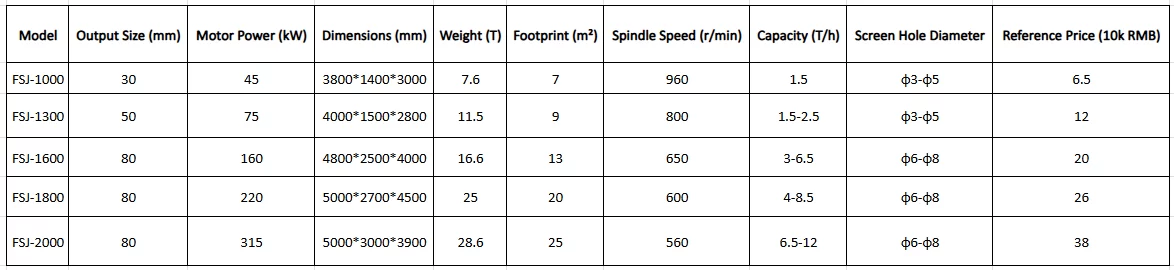
Parameter description diagram for Metal Pulverizer | Scrap Metal Size Reduction Machine | Haoxing Machinery:

Metal Pulverizer Parameters and Model List

Note: Capacity varies according to material type, material hardness, feeding size, moisture content, screen opening and production line configuration. Custom configurations are available according to material condition, required capacity, output size and site layout.

Optional equipment such as feeding conveyor, discharge conveyor, magnetic separator, eddy current separator, dust collector, vibrating screen and sorting platform can be added according to the recycling process.

Applications:

  • Scrap metal recycling and processing facilities

  • Light scrap steel crushing and pulverizing

  • Metal sheet, paint bucket and can recycling

  • Color steel tile and appliance shell processing

  • UBC and aluminum scrap recovery

  • Iron and aluminum scrap pre-treatment

  • ELV and appliance recycling lines

  • Industrial waste metal volume reduction

  • Scrap metal preparation before magnetic separation, sorting or further recycling

FAQ

Frequently Asked Questions

Find common questions about scrap metal crushers, shredders, recycling lines, equipment selection, capacity configuration and operation requirements.

QWhat maintenance is required for a metal pulverizer?

A

Regular maintenance includes checking cutters or hammers, screens, bearings, belts, fasteners, lubrication points, discharge parts, dust collection parts, and electrical components. Stable feeding, avoiding overload, and replacing worn parts in time can help reduce downtime and keep the metal pulverizer running efficiently.

QHow do I choose a suitable metal pulverizer model?

A

The suitable model depends on raw material type, feeding size, material thickness, hardness, hourly capacity, discharge size, motor power, power supply, and whether separation or dust removal equipment is needed. Customers can provide material photos, videos, dimensions, and output requirements, and we can recommend a suitable metal pulverizing solution.

QCan a metal pulverizer be used in a complete recycling line?

A

Yes. A metal pulverizer can be used in a complete scrap metal recycling line with feeding conveyors, pulverizing equipment, discharge conveyors, magnetic separators, screening equipment, dust collection systems, and electric control cabinets. The final configuration can be customized according to material type, capacity requirement, site layout, and recovery target.

QWhat final discharge size can a metal pulverizer produce?

A

The final discharge size depends on the pulverizer model, screen opening, cutter or hammer structure, feeding size, material thickness, and recycling requirements. The machine can be configured to produce suitable metal particles or pieces for magnetic separation, storage, transportation, furnace feeding, or further processing.

QWhat is the main purpose of using a metal pulverizer?

A

The main purpose of using a metal pulverizer is to reduce large, loose, or irregular scrap metal into smaller pieces for easier sorting, transportation, storage, melting, and recycling. Proper pulverizing can also improve feeding efficiency for the following separation or smelting process.

QWhat materials can a metal pulverizer process?

A

A metal pulverizer can process various recyclable metal materials, such as light scrap steel, iron sheets, aluminum scrap, copper scrap, paint buckets, oil drums, metal offcuts, appliance shells, and mixed metal waste. For hard alloy steel, thick plates, or oversized materials, the machine model and cutter configuration should be selected according to the actual material condition.

QHow much does a scrap metal shredder machine cost?

A

The price depends on production capacity, motor power, cutter configuration, reducer brand, automation level, and material type. Please provide your raw material and output requirement for an accurate quotation.

QIs an environmental impact assessment required for a scrap metal pulverizer project?

A

Environmental requirements vary by region, but dust control, noise reduction, waste oil treatment, and production permits may be required. It is recommended to consult local authorities and configure suitable environmental protection equipment before installation.

QWhat should I do if the main shaft of a metal pulverizer is bent or deformed?

A

If the main shaft is bent or deformed, the machine should be stopped immediately for inspection. In most cases, the shaft needs to be repaired, straightened, or replaced, and the cause such as overload, hard foreign objects, or bearing failure should also be checked.

QCan a metal pulverizer process H13 steel?

A

H13 is a high-hardness alloy steel material. Whether it can be processed by a metal pulverizer depends on material size, heat treatment condition, hardness, and required output size. A reinforced cutter and heavy-duty configuration may be required.

Post a Question

Leave your question about material type, capacity, equipment model or recycling line configuration.

Verification code
Get A Quote

Get Instant Pricing & Specs

Send your email and tell us your material type, capacity requirement and site condition. Our team will provide equipment selection, technical specifications and quotation details.

  • Model recommendation
  • Capacity configuration
  • Recycling line quotation

Request Product Details

We usually reply with equipment details and pricing information as soon as possible.

WhatsApp
💬
WhatsApp
WhatsApp QR Code
Scan or click to chat with us on WhatsApp.