ELV Car Body Crushing Line Working Process
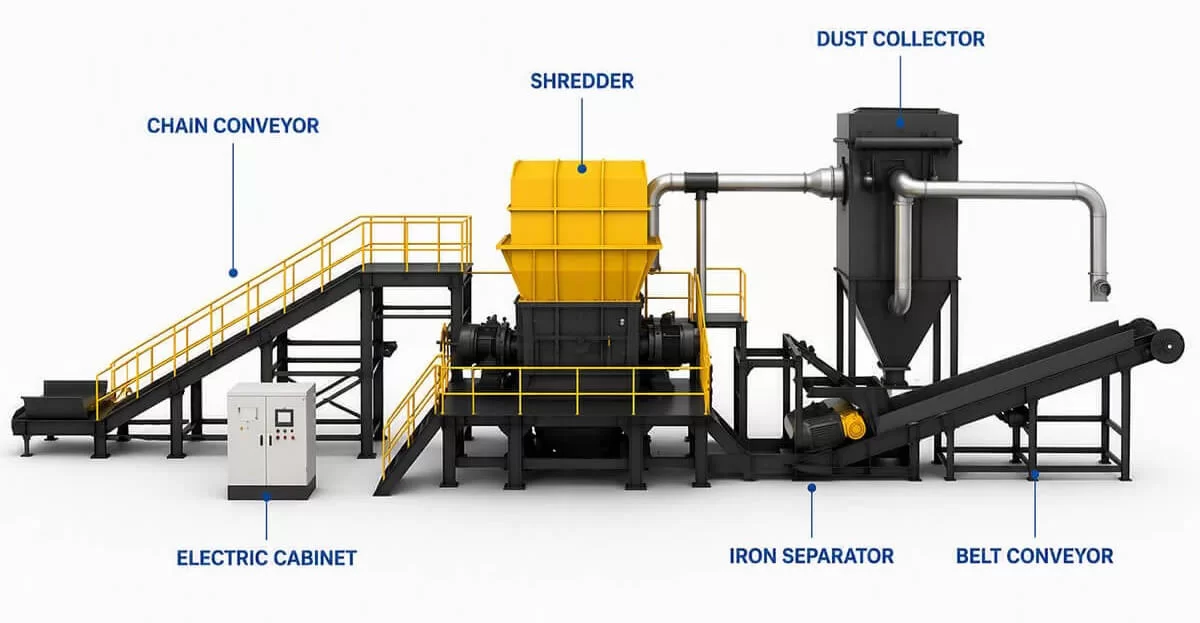
The ELV car body crushing line is designed for prepared vehicle bodies, stripped car shells, body panels, appliance shells and other suitable light ferrous scrap. The process can include vehicle preparation, controlled feeding, optional primary shredding, hammer crushing, magnetic separation, additional sorting, dust collection and centralized control.
1. Vehicle Preparation and Inspection
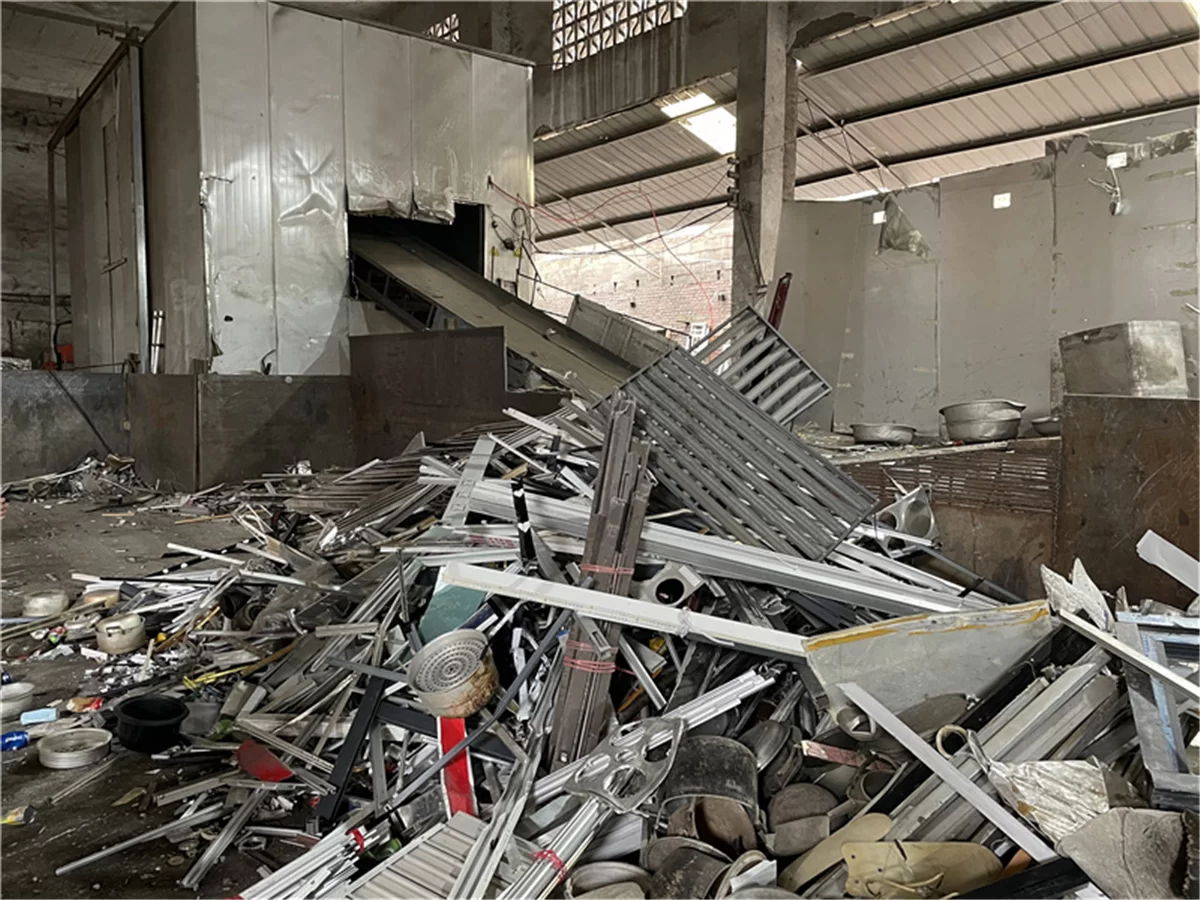
End-of-life vehicles must be dismantled and depolluted before entering the production line. Fuel, operating fluids, batteries, airbags, tires, gas cylinders, reusable parts and other hazardous or unsuitable components should be removed according to local operating requirements.
The intended feed material is a prepared and inspected vehicle body or body section that meets the feeding limits of the selected equipment.
2. Controlled Material Feeding
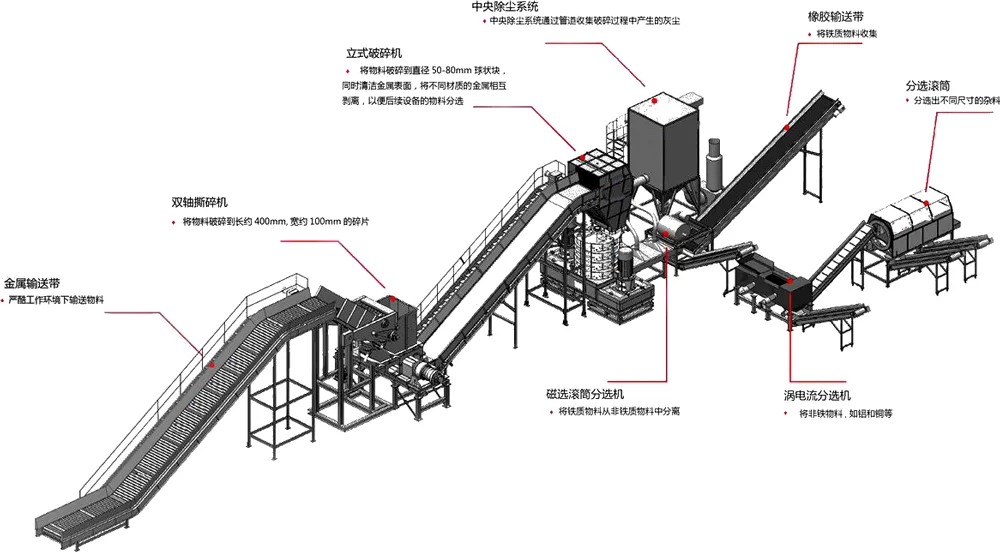
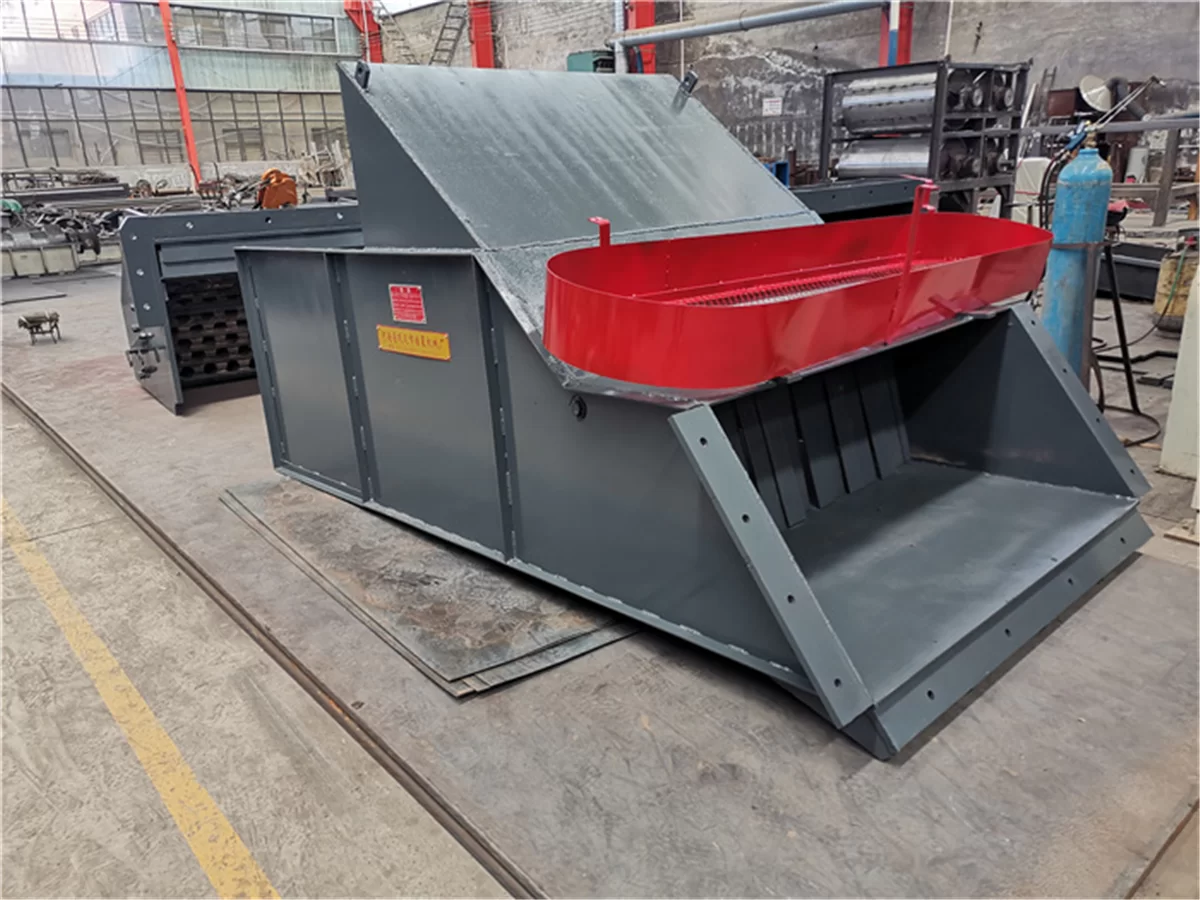
Prepared car shells, doors, roof panels, appliance shells and light automotive scrap are transferred into the line by a chain plate conveyor or another suitable heavy-duty feeding system.
The conveyor dimensions, loading height and feeding speed are selected according to the material size, individual weight, crusher load and required processing capacity.
3. Optional Primary Shredding
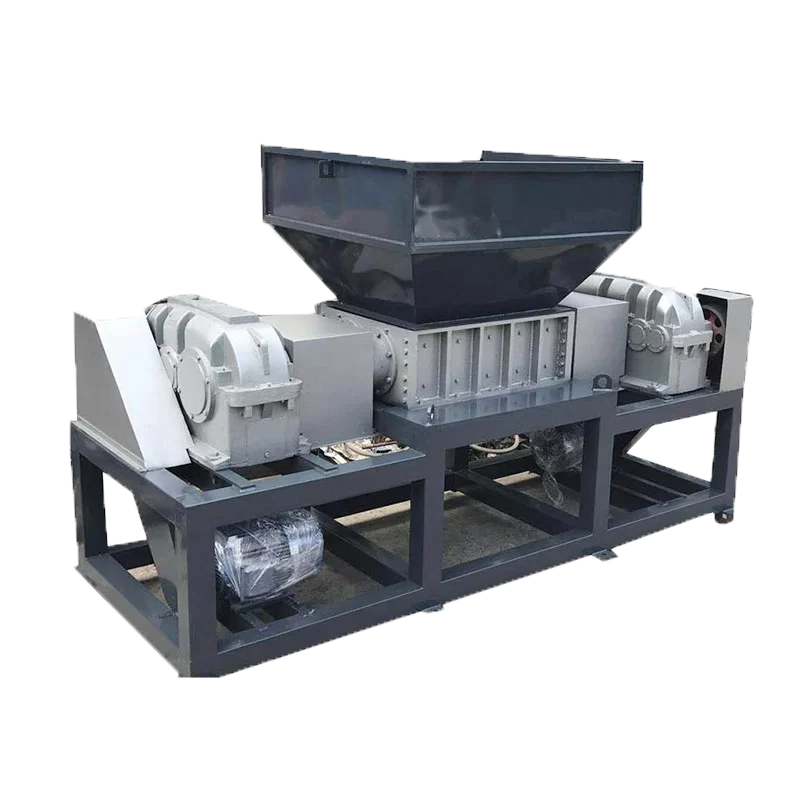
Bulky, folded, compressed or irregular vehicle body material may require pre-cutting or primary shredding before entering the hammer crusher. A low-speed, high-torque shredder reduces oversized material into shorter and looser pieces, helping provide more stable feeding for the downstream crushing stage.
Primary shredding is optional. Prepared doors, roof panels and smaller body sections may enter a suitable crusher directly when they meet its feeding requirements.
4. Hammer Crushing
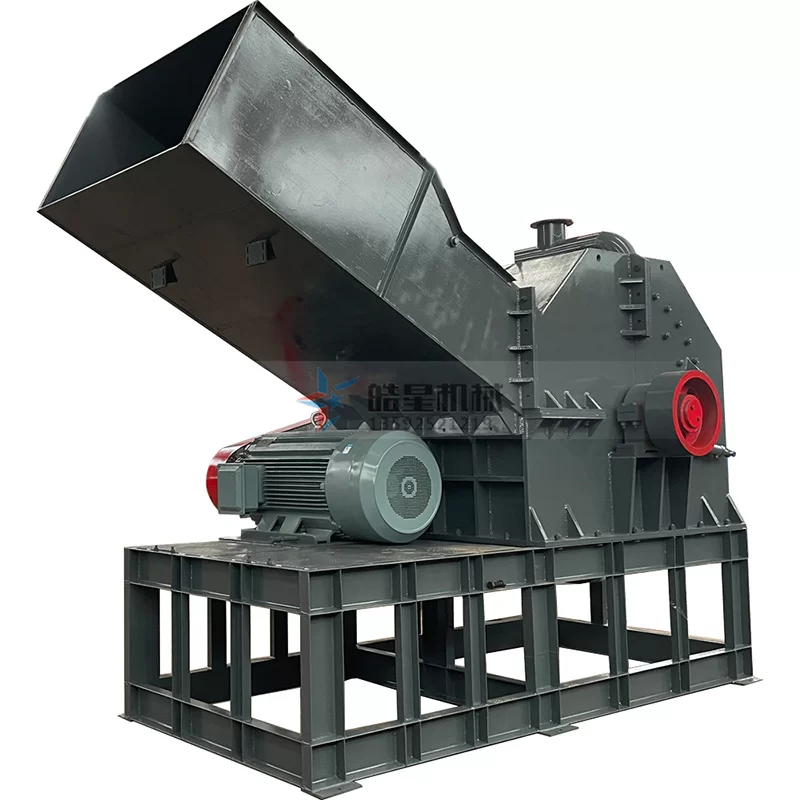
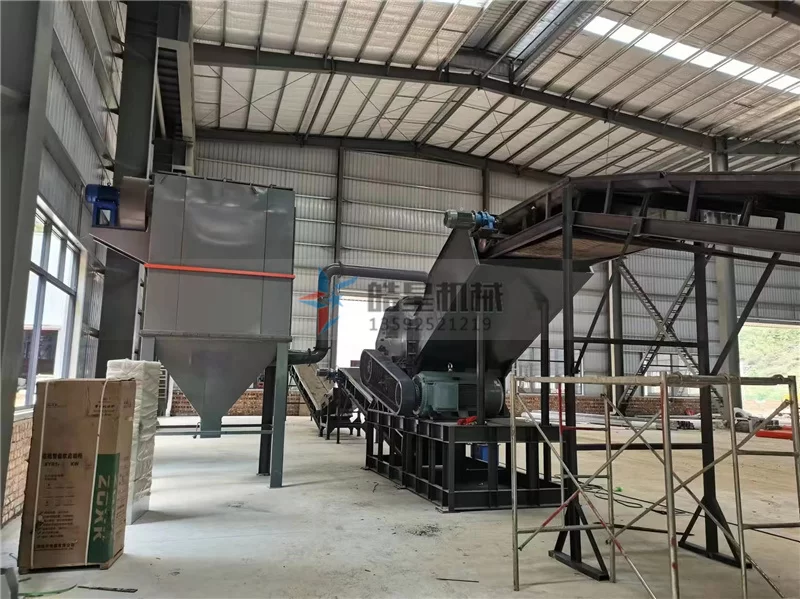
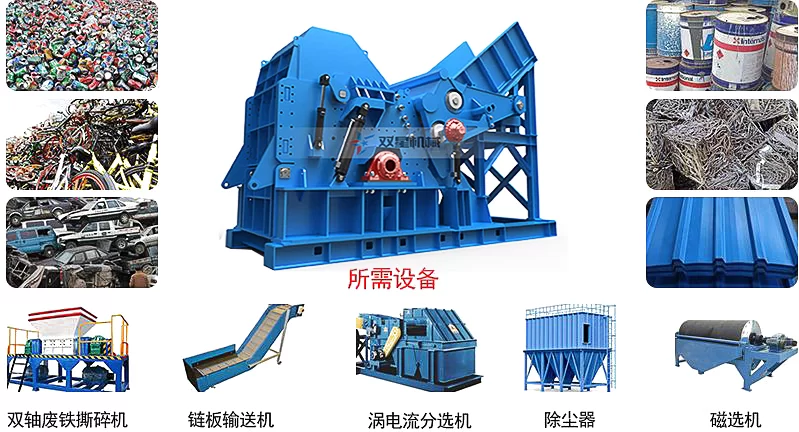
The prepared material enters the HXPS scrap steel crusher, where a high-speed rotor drives the hammers to repeatedly impact, deform and break the metal. The material is also rubbed and compressed between the hammers, liner plates and screen grate.
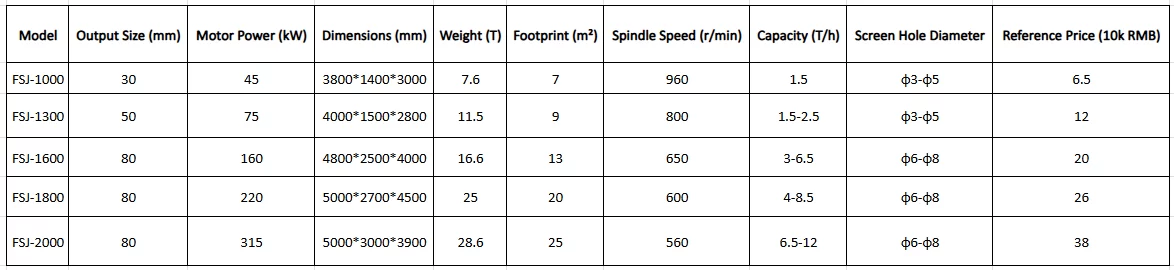
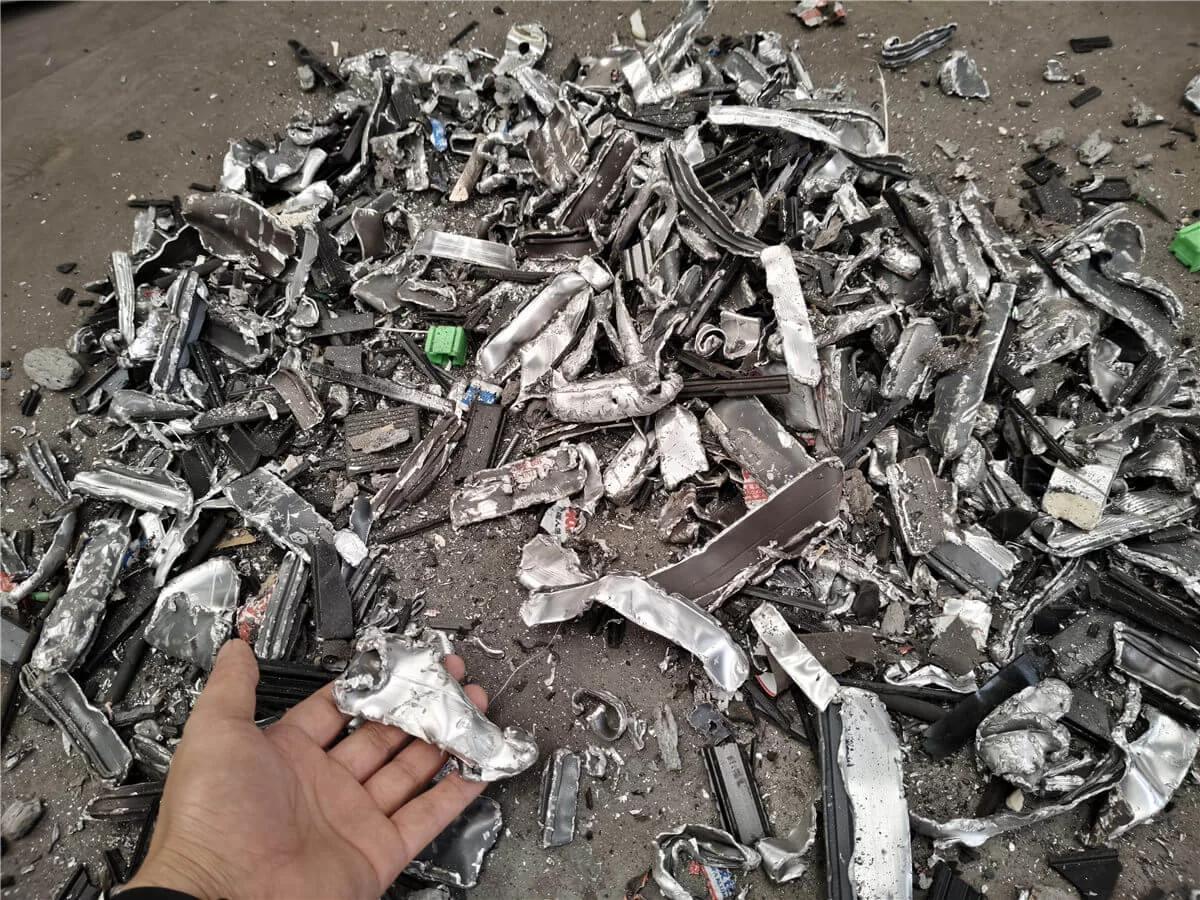
Material that meets the selected screen opening is discharged from the crushing chamber, while oversized pieces remain inside for further crushing. The actual output depends on the incoming material, hammer arrangement, screen opening and feeding rate.
5. Magnetic Separation
After crushing, the processed material is conveyed to a magnetic separator. Exposed iron and steel are recovered from loosened non-metallic residues and transferred to a separate collection area.
Magnetic separation performance depends on material size, material liberation, conveyor speed, loading depth and magnetic system configuration.
6. Optional Screening and Non-Ferrous Sorting
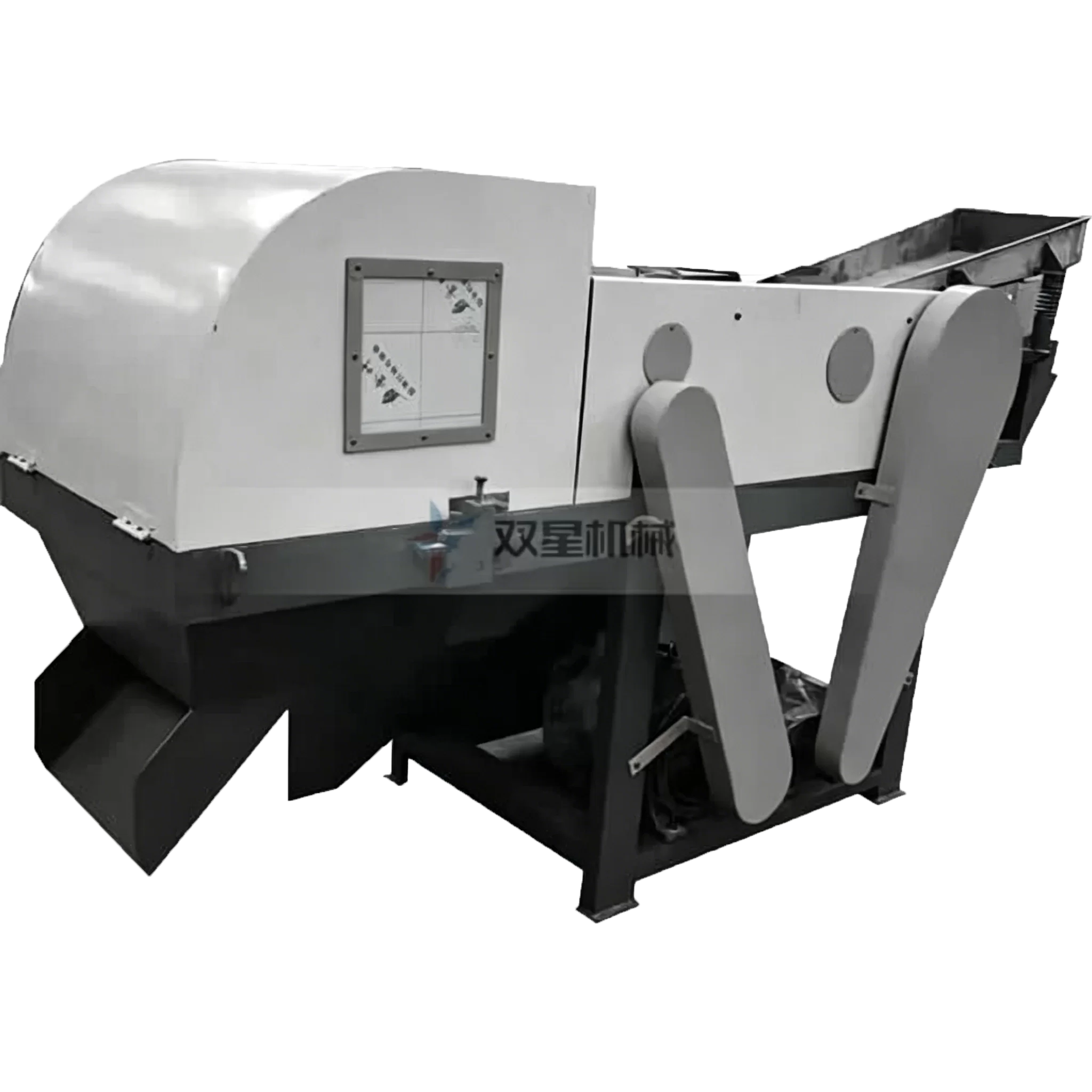
The remaining non-magnetic fraction can be screened or spread into a more uniform material layer before entering additional sorting equipment.
An eddy current separator may be used when suitable conductive non-ferrous metals need to be recovered from non-conductive residues. Its suitability depends on particle size, material composition, moisture, feeding uniformity and the required recovered fractions.
An eddy current separator does not normally separate mixed aluminum, copper and other non-ferrous metals into individual high-purity products. Additional sorting equipment may be required when separate metal fractions are needed.
7. Dust Collection
Crushing vehicle body material may generate rust particles, coating fragments, dust and light impurities. A dust collection system can be configured around the crusher, conveyor transfer points, screening equipment and discharge areas according to the material condition and workshop requirements.
8. Material Collection and Centralized Control
The processed ferrous material, non-magnetic fraction and separated residues are transferred to their respective collection areas by conveyors or other discharge equipment.
The electric control cabinet coordinates the operation of the feeding system, optional primary shredder, crusher, conveyors, magnetic separator and other auxiliary equipment. Interlocked control helps reduce material accumulation and supports coordinated start, stop and emergency protection.
Main Equipment in an ELV Car Body Crushing and Sorting Line
The production line configuration is selected according to the vehicle preparation condition, maximum feeding dimensions, material thickness, required capacity, expected output size and separation objective.
Chain plate feeding conveyor
Twin shaft shredder, optional
HXPS scrap steel crusher
Discharge and transfer conveyors
Magnetic separator
Screening or material spreading equipment, optional
Eddy current separator, optional
Sorting platform, optional
Dust collection system
Electric control cabinet
Supporting platform and safety protection system