Project Overview
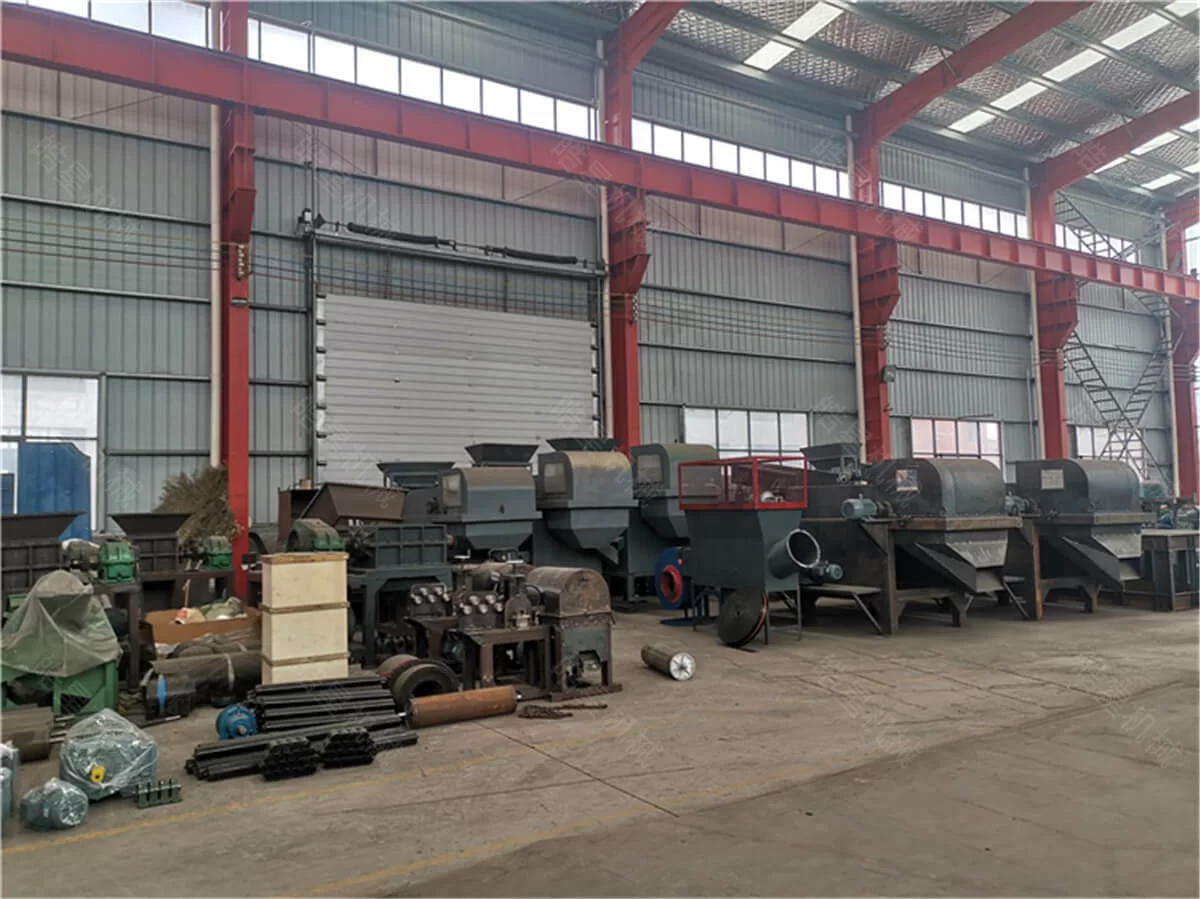
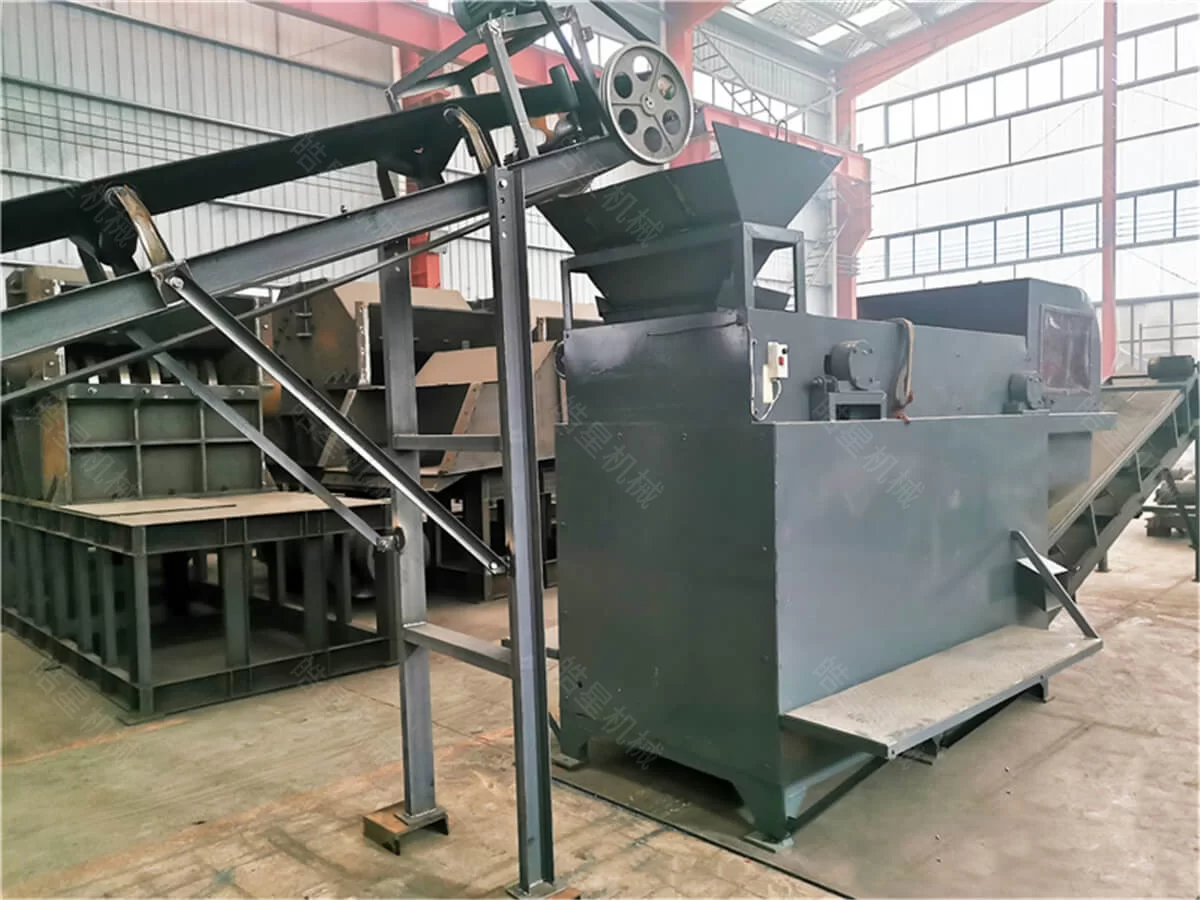
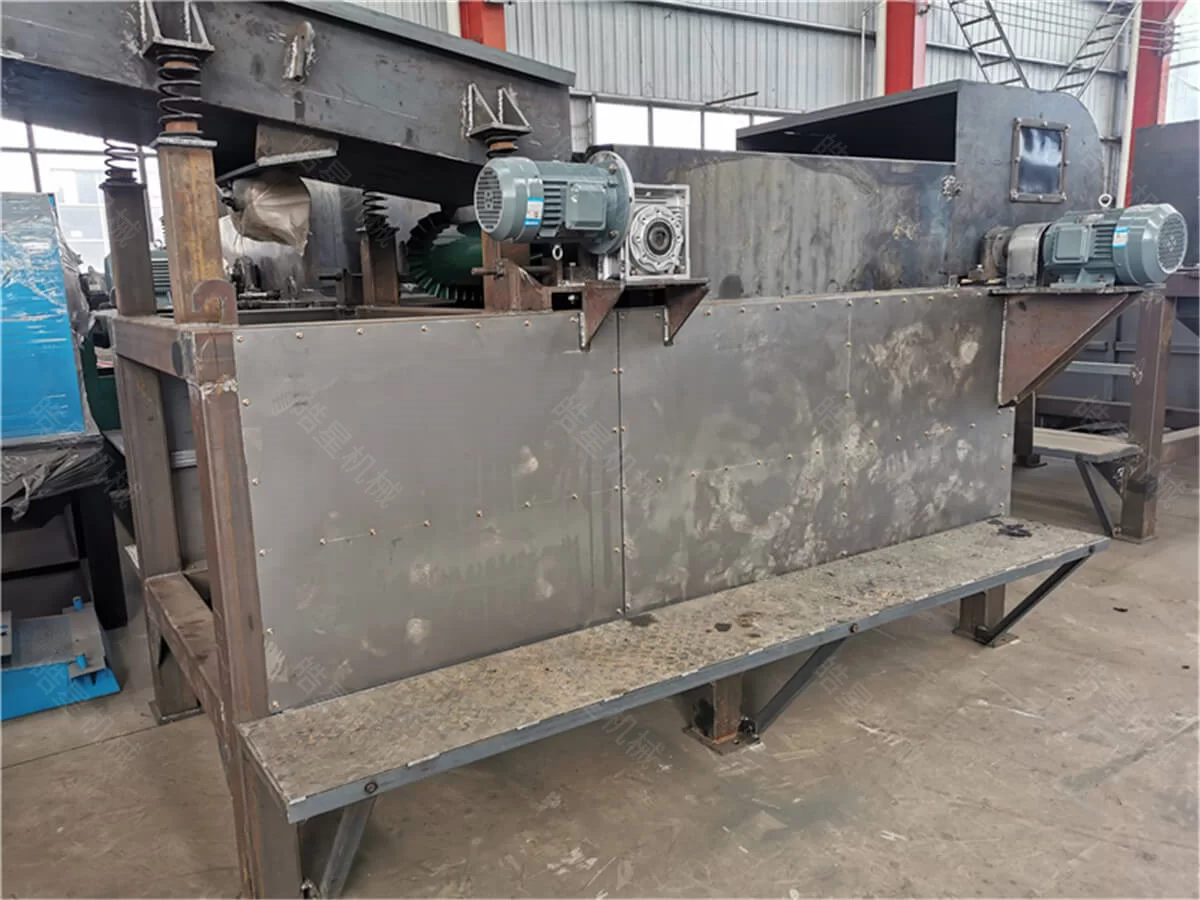
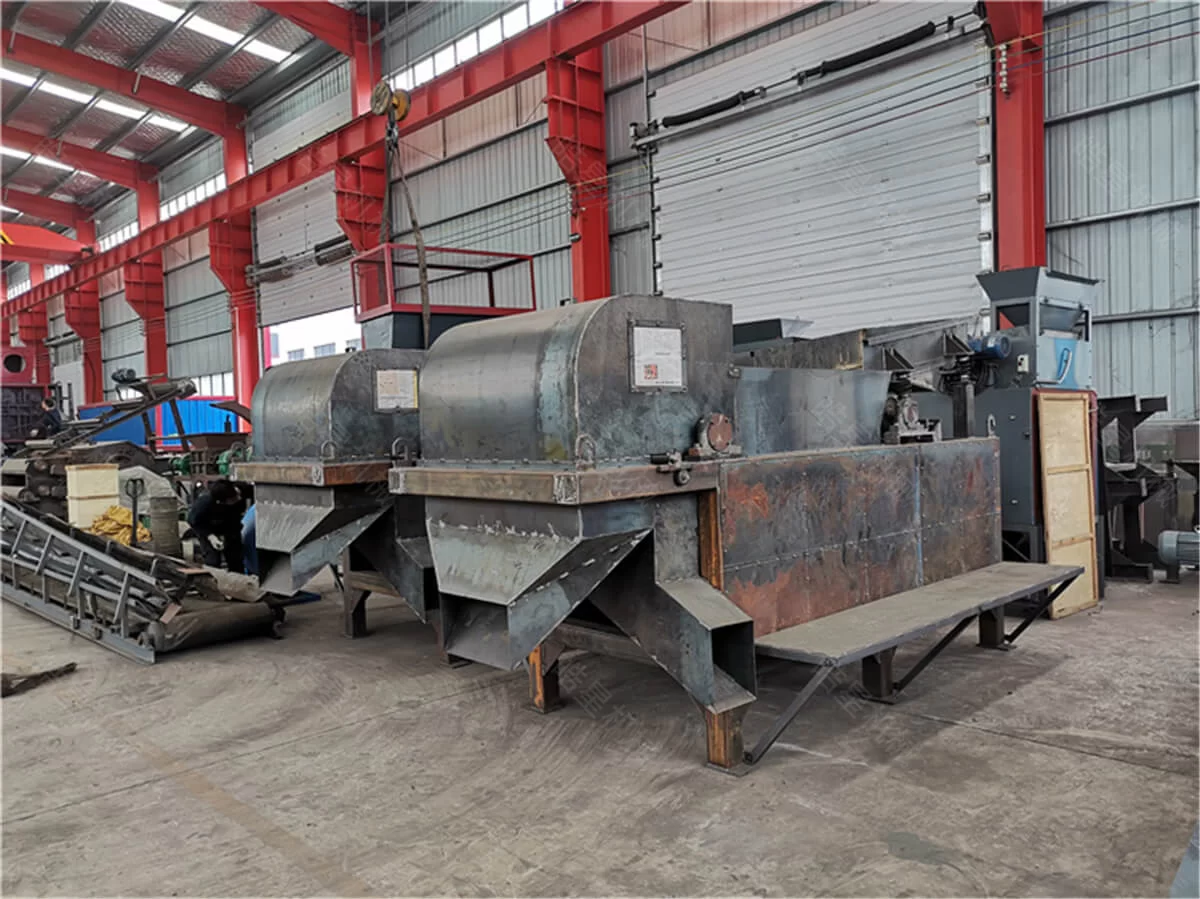
Factory photos of more than ten 1200 eddy current separators in the workshop stock area, showing completed machines awaiting inspection, configuration checks and delivery preparation.
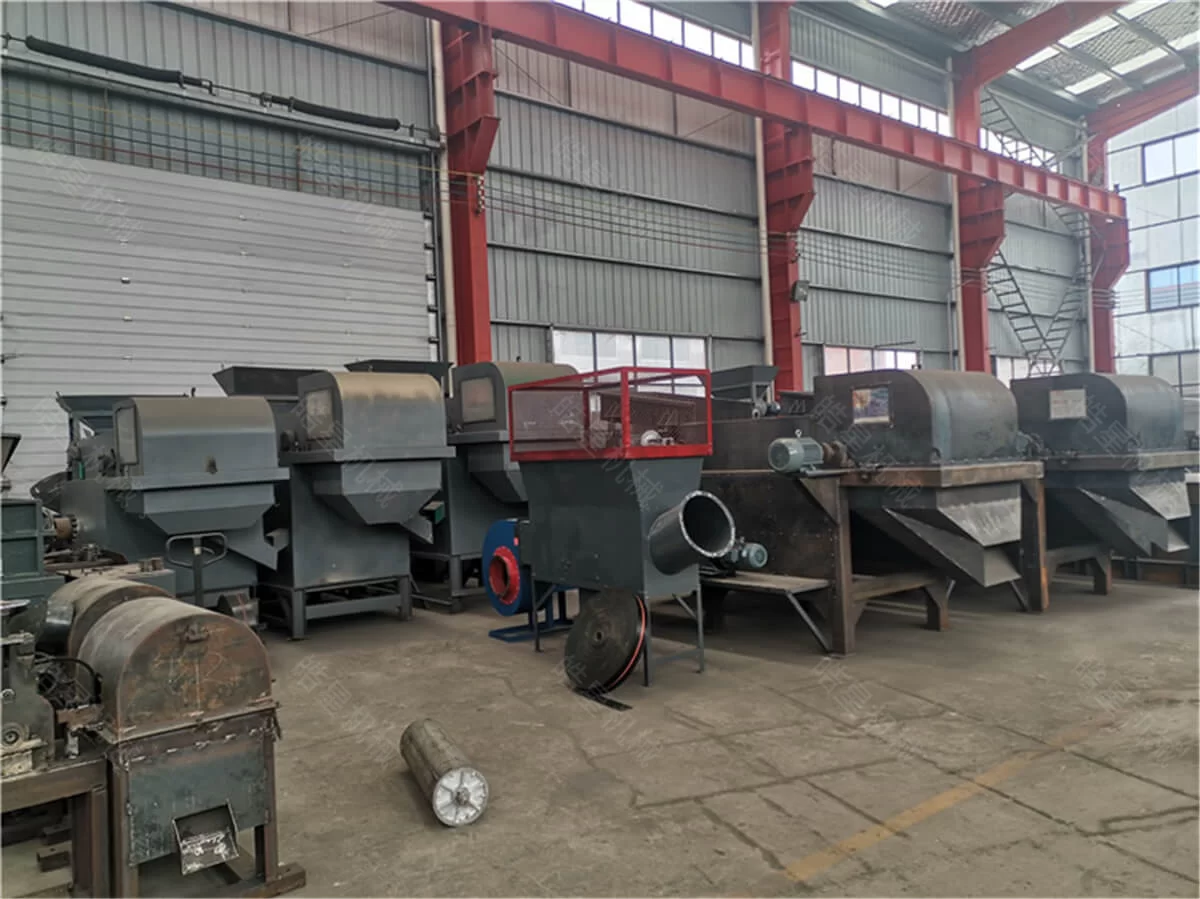
More than ten 1200 eddy current separators are currently arranged in the workshop stock area after completing the main manufacturing and assembly stages. The factory photos show the machines placed together for configuration checking, workshop inspection and subsequent delivery preparation.
The equipment has a nominal sorting width of 1200 mm. This model can be incorporated into recycling systems that separate aluminum and other conductive non-ferrous metals from suitable non-metallic materials after the incoming scrap has been properly crushed, screened and distributed.
The concentrated workshop arrangement is not presented as a single customer order or one complete production line. The machines may be prepared for different projects, so conveyor dimensions, discharge arrangements, electrical requirements and supporting equipment are checked according to the corresponding configuration before packing.
More Than Ten Machines in the Workshop Stock Area
The workshop stock area contains more than ten units in different stages of final preparation. Most of the main machine bodies, sorting belts, drive sections and protective structures have already been assembled.
Placing the equipment in a designated stock area makes it easier to organize the remaining work before shipment. The production team can check each machine against its configuration list instead of treating all visually similar units as identical equipment.
Items checked at this stage include:
Equipment model and working width
Machine body and frame condition
Sorting belt installation
Rotor and drive assembly
Conveyor direction
Belt tension and tracking
Protective cover installation
Material divider configuration
Discharge arrangement
Electrical specifications
Matching accessories
Equipment identification
Although the machines share the same 1200 model designation, specific details may vary between projects. The installation height, conveyor connection, power standard and discharge layout should match the customer’s upstream and downstream process.
1200 mm Sorting Width
The 1200 model is identified by its nominal working width. A wider sorting belt allows prepared material to be distributed across a broader separation area, but working width alone does not determine the final processing capacity.
Actual throughput depends on several factors:
Type of incoming material
Particle size range
Bulk density
Feeding-layer thickness
Moisture and contamination
Belt speed
Upstream screening efficiency
Required separation result
A thick and overlapping material layer may reduce separation consistency even when a wider separator is installed. The feeding equipment should spread the processed material rather than direct the entire flow toward one side of the belt.
For this reason, the 1200 eddy current separator must be selected together with its feeding and conveying system. The upstream equipment should supply a stable material flow that matches the separator’s effective working width.
Main Structure of the 1200 Model
Each machine in the stock area is assembled around several important working sections.
Machine frame
The frame supports the sorting belt, rotor assembly, drive components and discharge section. Frame alignment is checked before the machine enters continuous test operation.
Sorting belt
The belt carries prepared material toward the separation area. Belt tension and tracking must remain stable so that the material leaves the discharge end from a consistent position.
High-speed magnetic rotor
The rotor operates beneath the belt near the discharge end. The changing magnetic field generated by the rotor acts on conductive non-ferrous metals as the material leaves the belt.
Drive system
Separate drive arrangements may be used for the sorting belt and rotor. Motor direction, transmission condition and fastener installation are checked during workshop testing.
Adjustable material divider
The divider is positioned between the discharge trajectories of the conductive and non-conductive fractions. Its final position should be adjusted with the customer’s actual material after installation.
Electrical control system
The electrical system controls machine operation and coordinates the separator with the associated feeding and discharge sections. Voltage and frequency must be confirmed before delivery.
How Eddy Current Separation Works
Before reaching the separator, the incoming scrap should already be reduced to a suitable particle size. Ferrous metal should generally be removed before the remaining mixture enters the non-ferrous sorting stage.
When conductive material passes through the changing magnetic field near the rotor, electrical currents are induced within the metal. The resulting force changes the material’s discharge trajectory.
Aluminum and other suitable conductive non-ferrous metals are projected farther from the normal belt path. Plastic, rubber, glass and other non-conductive material follow a different trajectory.
The adjustable divider separates the two output streams.
This process does not mean that the separator can process complete metal products directly. Large frames, complete aluminum profiles, dense scrap bales and connected composite parts must first be opened or reduced according to their material condition.
Material Preparation Before Sorting
The eddy current separator is a sorting machine rather than a crusher or shredder. Correct upstream preparation has a direct effect on its performance.
Material preparation may include:
Initial inspection
Removal of unsuitable objects
Coarse size reduction when required
Main crushing
Screening by particle size
Ferrous metal removal
Controlled feeding
Eddy current separation
Separate material collection
A magnetic separator can be installed before the eddy current section to remove exposed iron and steel. This prevents ferrous components from remaining in the non-ferrous sorting feed and helps the downstream equipment handle a more suitable material stream.
Crushing also needs to release connected materials sufficiently. If aluminum remains firmly attached to plastic, rubber or steel, the combined piece may not enter the expected output fraction.
Typical Materials
Depending on the upstream preparation and project configuration, the 1200 model may be used for material streams containing:
Crushed aluminum profiles
Thermal-break aluminum after crushing
Aluminum-plastic mixtures
Processed aluminum door and window profiles
Crushed aluminum castings
Mixed non-ferrous scrap
Aluminum recovered from dismantling operations
Processed electrical and appliance scrap
Suitable metal fragments from mixed recycling streams
Conductive metal mixed with non-metallic residue
The material must be evaluated by size, shape and composition. The same machine setting should not be applied to every type of scrap without adjustment.
For example, flat aluminum pieces, irregular cast fragments and thin conductive particles can follow different discharge paths. Belt speed and divider position should be set according to representative production material.
Factory Inspection Before Packing
The machines shown in the stock-area photographs have reached the stage where their main structures can be inspected as complete units. Before packing, each separator undergoes checks based on its equipment configuration.
Rotor operation
The rotor is checked for stable rotation, abnormal mechanical noise and unusual vibration. The inspection confirms mechanical operation but does not replace a material test.
Belt tracking
The sorting belt is operated to check whether it remains centered. Tensioning and tracking components are adjusted where necessary.
Drive direction
The belt and rotor must operate in their specified directions. The connected conveyors are also checked to prevent incorrect material movement after installation.
Fasteners
Bolts and other fastening points around the frame, drive section, covers and conveyor structure are examined after trial operation.
Protective structure
Protective covers and guards are checked to confirm that rotating and transmission components are properly enclosed according to the equipment design.
Electrical functions
Start, stop and emergency controls are checked. Where equipment sections are designed to operate together, the basic control sequence is also examined.
External condition
The completed machine body is inspected for workshop residue, surface damage and loose accessories before packaging protection is applied.
Matching the Separator with Conveying Equipment
The sorting machine cannot work effectively without stable feeding. The conveying system should deliver material at a rate that allows particles to spread across the belt without excessive overlap.
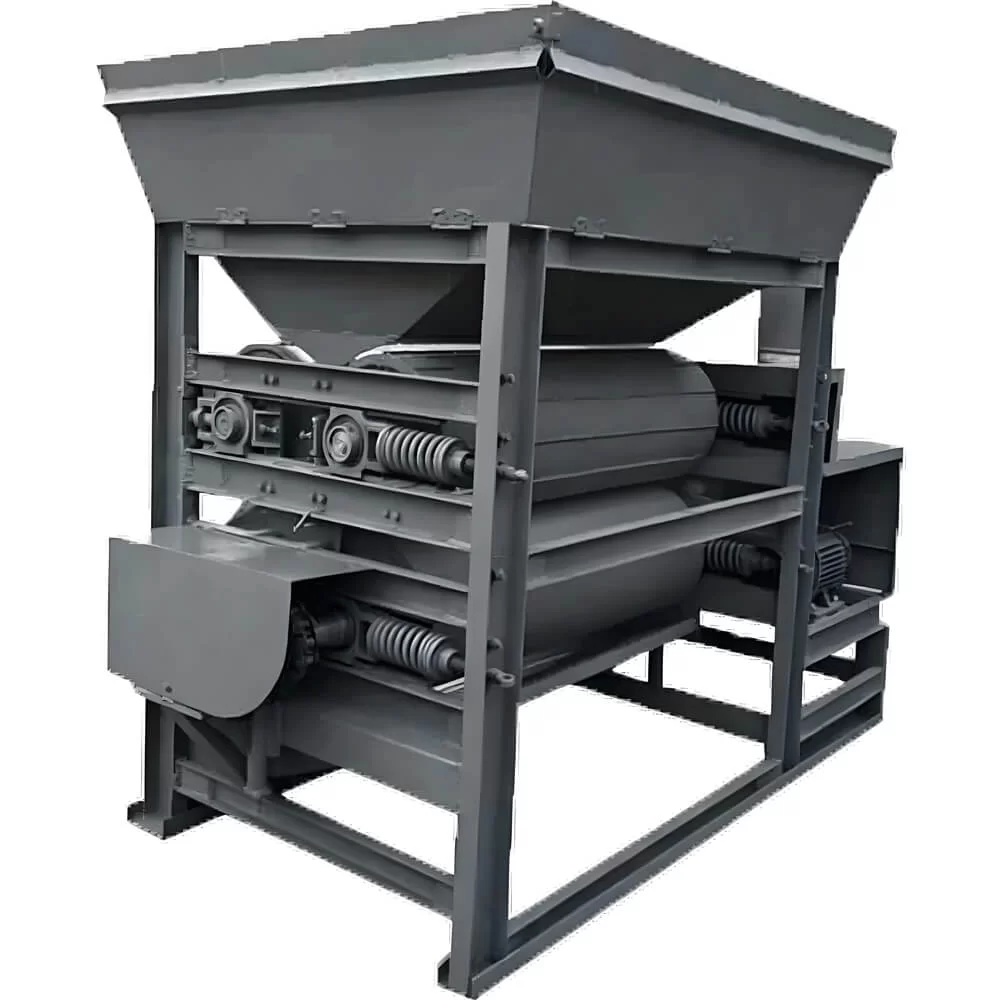
Depending on the project, a slat conveyor may be used in an upstream material-handling section for larger or irregular scrap. However, material entering the separator normally requires a more controlled and evenly distributed feed after crushing and screening.
The complete conveyor arrangement should consider:
Upstream discharge height
Separator inlet height
Working width
Feeding speed
Material bulk density
Required layer thickness
Metal and residue outlet positions
Available installation space
A 1200 mm separator should not automatically be paired with every 1200 mm conveyor. The usable material width, sidewall arrangement and flow distribution also need to be considered.
Application in a Non-Ferrous Sorting System
The machines in the workshop stock area can serve as downstream equipment in a non ferrous metal sorting line.
A complete system may include:
Feeding conveyor
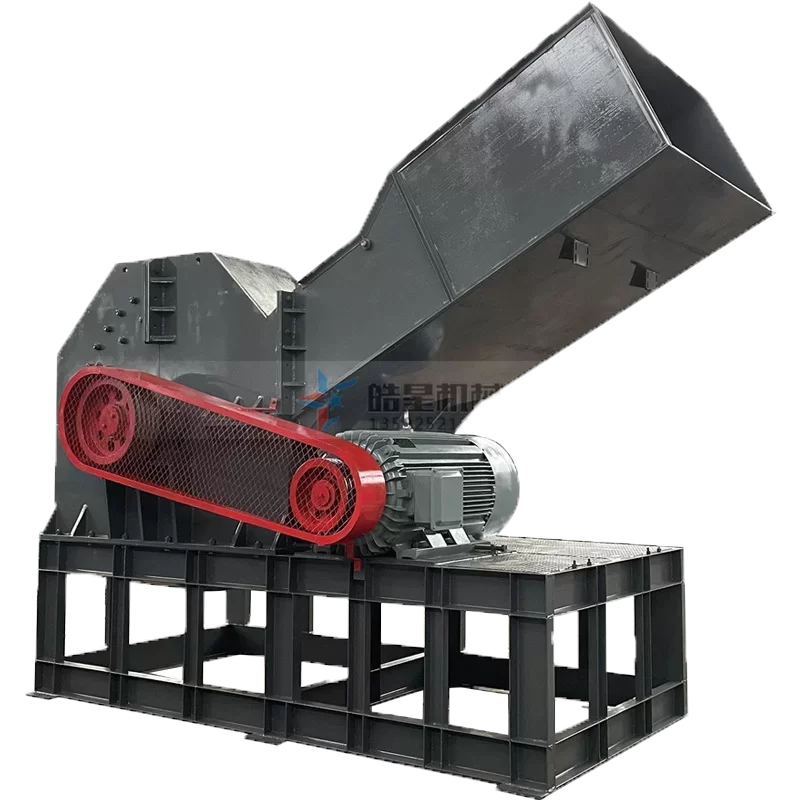
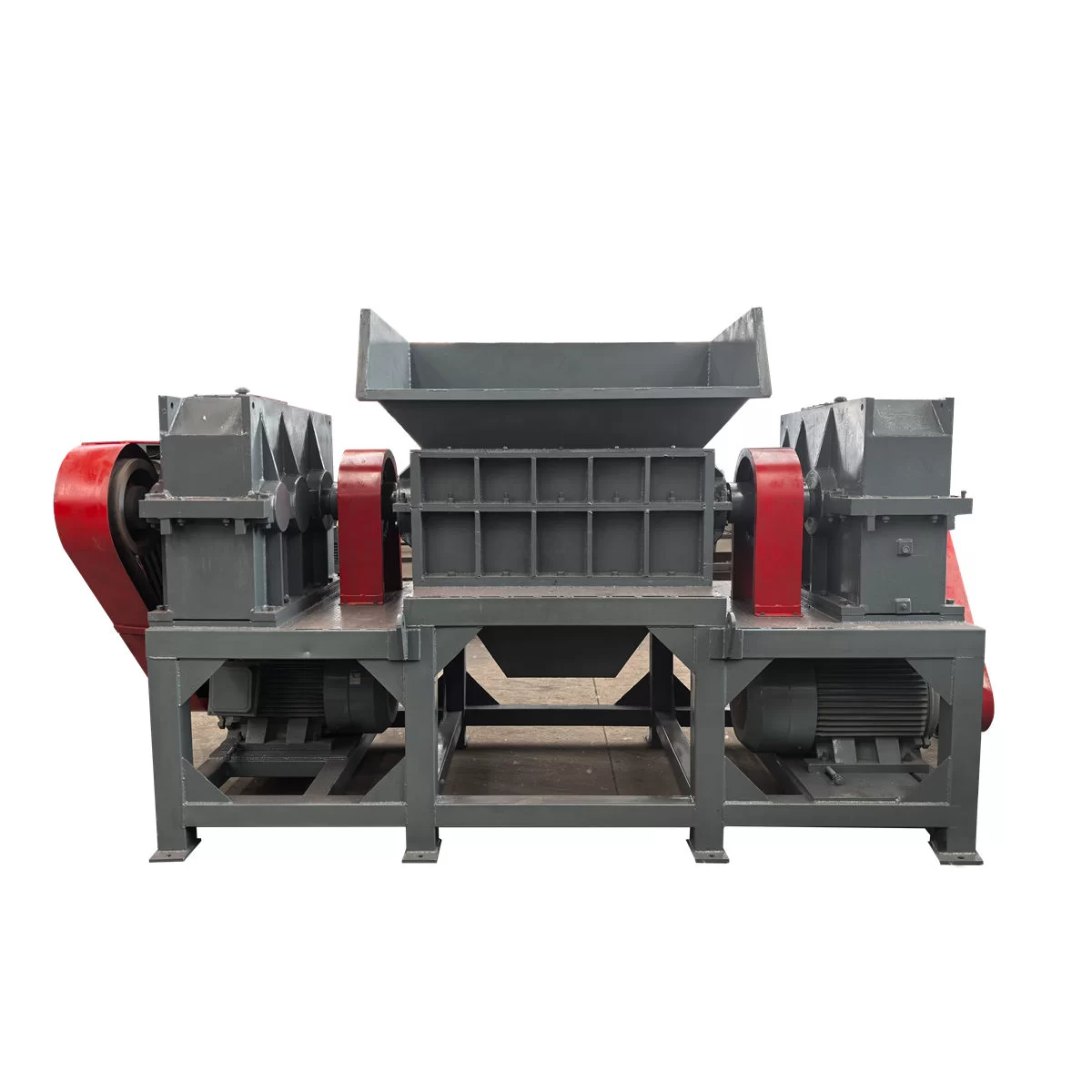
Shredder or crusher selected for the incoming material
Discharge conveyor
Screening equipment
Magnetic separator
Controlled distribution equipment
Eddy current separator
Metal collection conveyor
Non-metallic residue conveyor
Electrical control system
The actual equipment list depends on the material. Clean, screened particles may only require feeding and sorting, while composite aluminum scrap may require crushing, iron removal and particle-size control before separation.
The separator should therefore be treated as one part of the complete process rather than an isolated machine expected to correct every upstream problem.
Factors That Affect the Sorting Result
Several conditions should be adjusted after installation using the customer’s actual production material.
Particle size
A narrow and reasonably consistent particle-size range generally produces more stable trajectories than a mixture containing very large and very fine pieces.
Material liberation
Metal and non-metallic components need to be physically released. The separator cannot divide materials that remain firmly connected.
Feeding thickness
Excessive overlap can prevent individual particles from responding consistently near the rotor.
Belt speed
Belt speed affects the point and distance at which the material leaves the machine.
Rotor condition
The rotor must operate steadily to maintain the changing magnetic field required for separation.
Divider position
The divider should be positioned between the actual discharge paths. A setting suitable for one material may not suit another.
Moisture and contamination
Wet or dirty material may stick together, making uniform distribution more difficult.
Workshop Stock Does Not Mean Identical Configuration
The more than ten separators visible in the workshop may appear similar because they use the same basic 1200 mm working width. However, equipment prepared for different projects can have different requirements.
Possible differences include:
Local voltage
Electrical frequency
Motor specification
Conveyor length
Inlet height
Discharge height
Divider structure
Protective cover arrangement
Control cabinet configuration
Cable and connector standard
Required accessories
Each machine should therefore be checked against its own production and delivery list before packaging.
Information Required for Equipment Selection
Customers considering a 1200 eddy current separator should provide:
Photos or videos of the incoming material
Material composition
Maximum and average particle size
Percentage of aluminum or other conductive metal
Type of non-metallic residue
Moisture condition
Required hourly capacity
Upstream equipment configuration
Existing conveyor width
Available installation space
Required discharge arrangement
Local voltage and frequency
Expected output fractions
Representative material samples or clear operating videos are more useful than a general description such as “mixed metal.” Different mixtures can behave very differently on the sorting belt.
1200 Eddy Current Separators Awaiting Final Preparation
The workshop photos record more than ten 1200 eddy current separators arranged in the factory stock area. The machines have completed their main assembly work and are being organized for inspection, configuration verification and subsequent delivery preparation.
The concentrated stock-area view provides a direct look at current workshop production rather than a finished catalog display. From the machine frames and sorting belts to the rotor sections and discharge structures, the photographs show the equipment before individual packing and project-specific dispatch.
For each machine, the next steps depend on its delivery configuration. Final checks, accessory confirmation and packaging are completed according to the corresponding equipment list before the separator leaves the workshop.