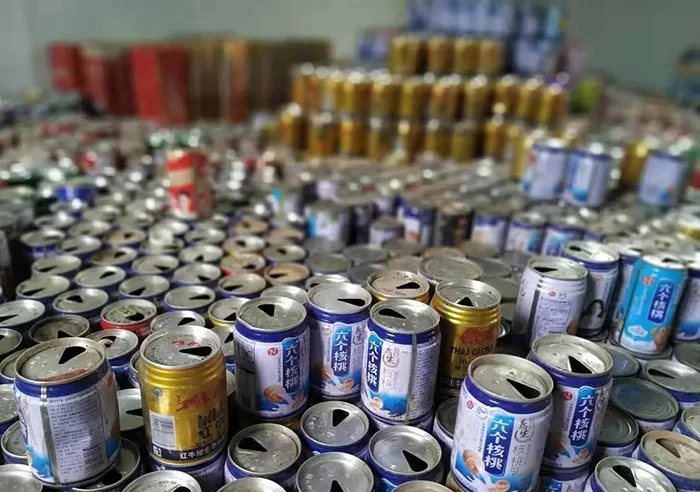
Loose used beverage cans and compressed can bales may contain the same metal, but they do not behave the same way in a recycling line. Loose cans flow easily in small quantities but occupy substantial space. Dense bales reduce transport volume, yet the compressed structure can make inspection and controlled feeding more difficult. Equipment should therefore be selected from the actual feed form, contamination level and required final material, not from the words aluminum cans alone.
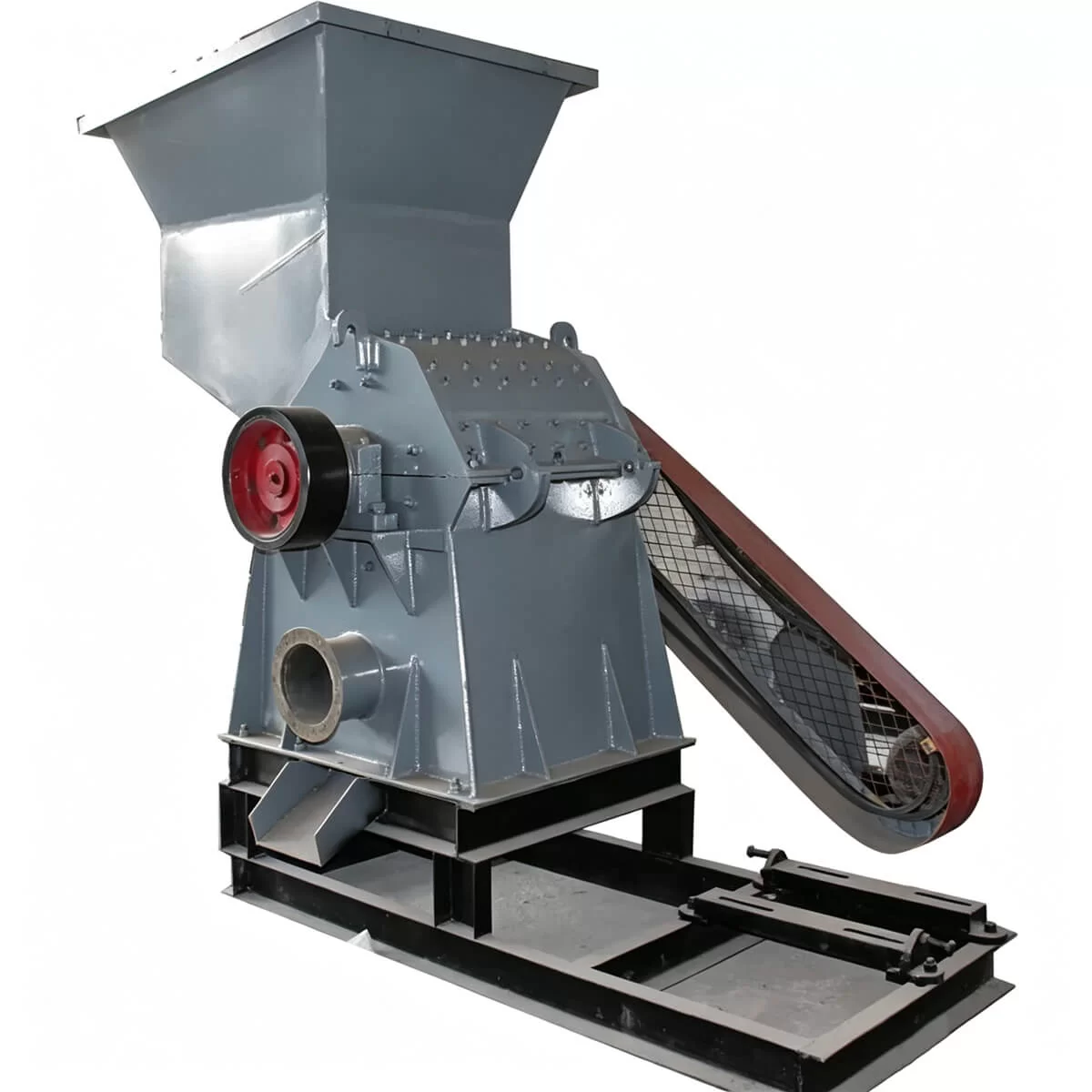
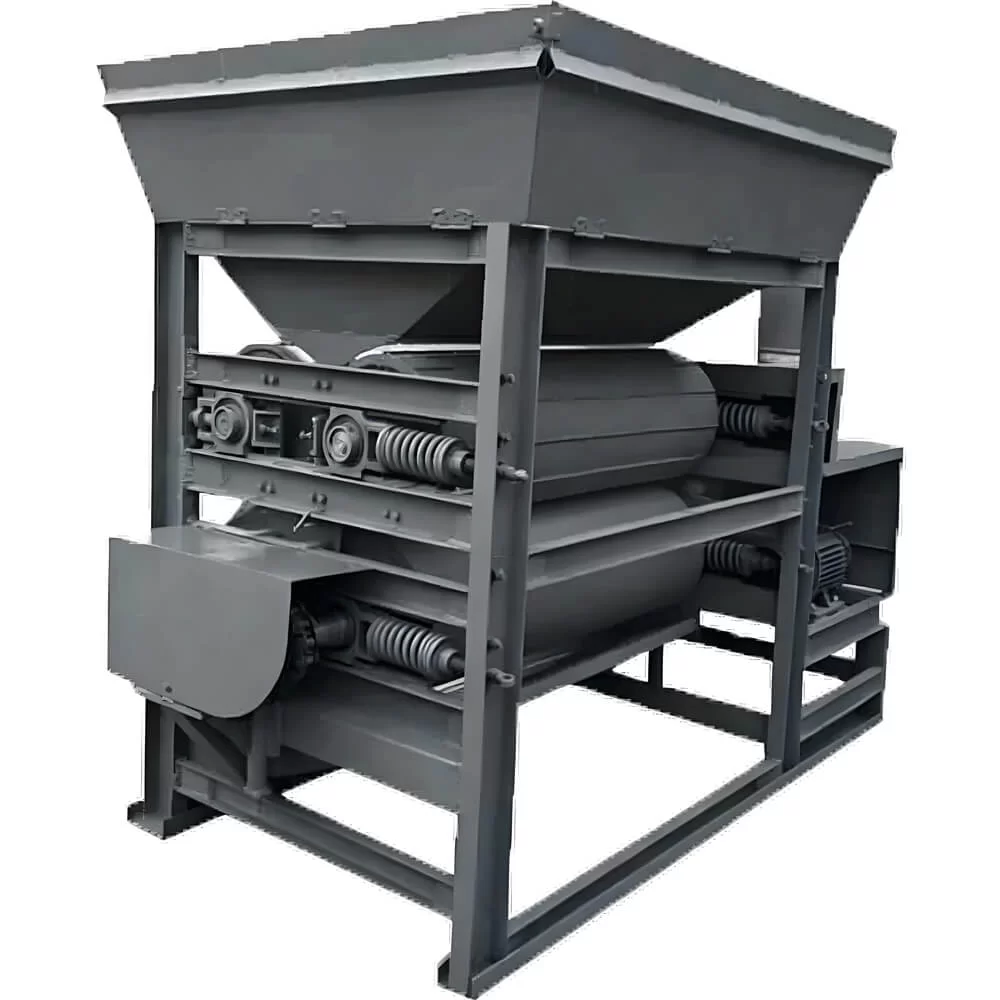
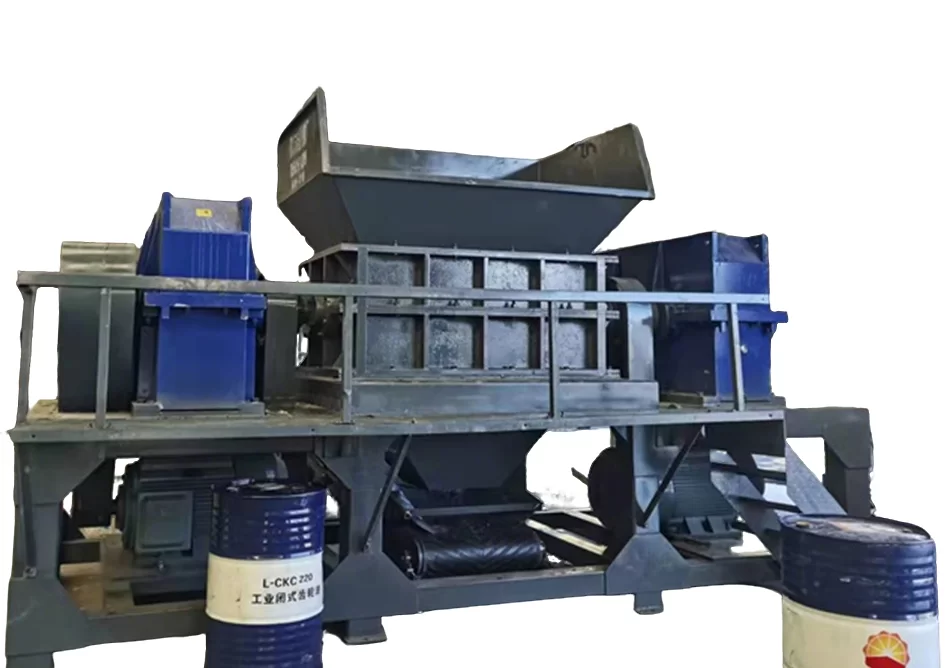
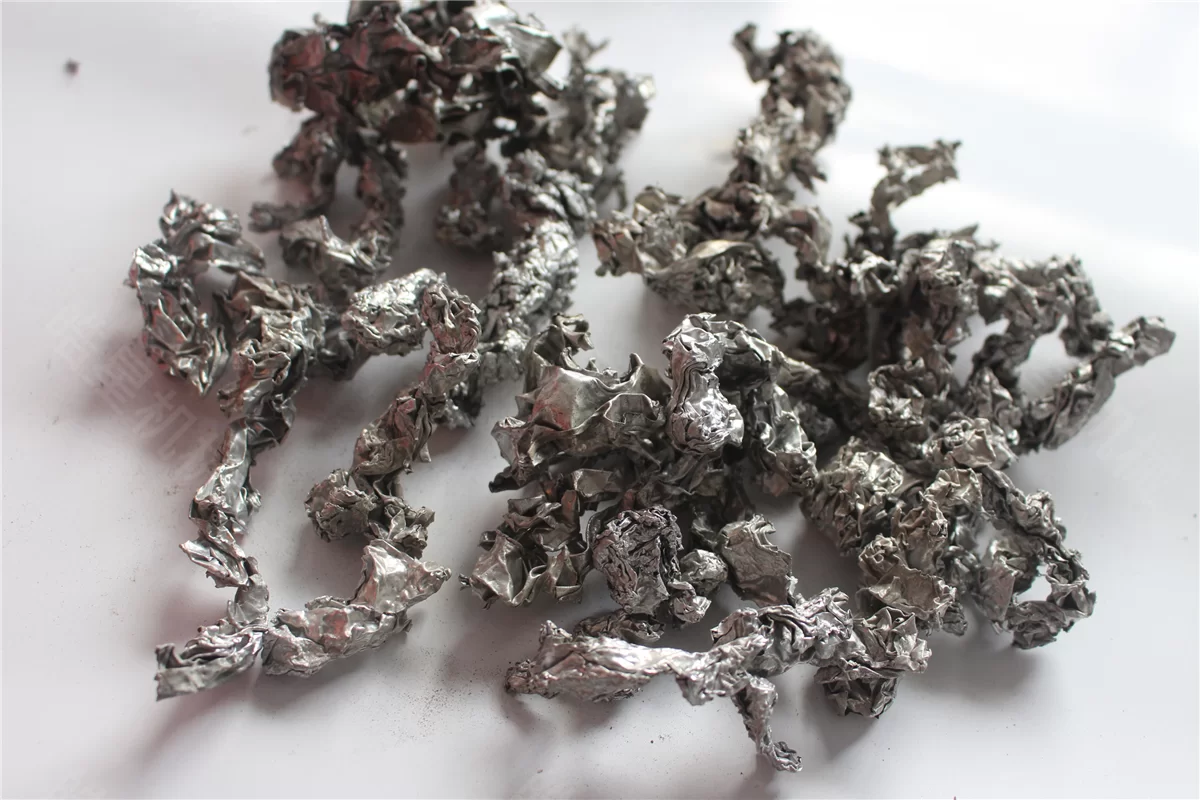
A can flattening machine, twin shaft shredder and can crusher perform different jobs. Flattening reduces volume without creating small particles. Shredding opens bales and tears material into coarse pieces at low speed. Crushing uses high-speed impact and a screen to produce smaller, more consistent output. A recycling plant may need one of these stages, or a combination of them, depending on what arrives at the yard and what the downstream buyer accepts.
Start with the Incoming Can Condition
Before selecting equipment, separate the incoming material into clear groups. The most important distinction is not simply loose or baled. A clean bale made from sorted beverage cans is different from a mixed bale containing tinplate cans, plastic bottles, dirt, moisture or sealed containers.
Useful information includes average bale weight, bale dimensions, compression density, percentage of steel cans, moisture condition, attached labels, loose fines and the maximum size accepted by the next process. Representative photos are useful, but a short feeding and discharge video usually provides more information about how the material behaves.
When Flattening Is Enough
A can flattening machine is suitable when the main objective is volume reduction and the incoming cans are loose, relatively clean and individually separated. The machine presses each can into a flatter shape so that storage, bagging, baling or transport becomes easier.
Flattening does not open a compressed bale and does not create screen-controlled particles. It is not a replacement for a shredder when cans arrive as dense blocks. It is also not intended to separate aluminum from steel or remove plastic and dirt. Those tasks require upstream inspection or downstream sorting.
Flattening is often practical for collection centers with loose cans, limited floor space and no immediate requirement for small output. If the flattened cans will later be baled, the baler opening and package specification should be checked before the flattening machine is selected.
When a Twin Shaft Shredder Is the Better First Stage
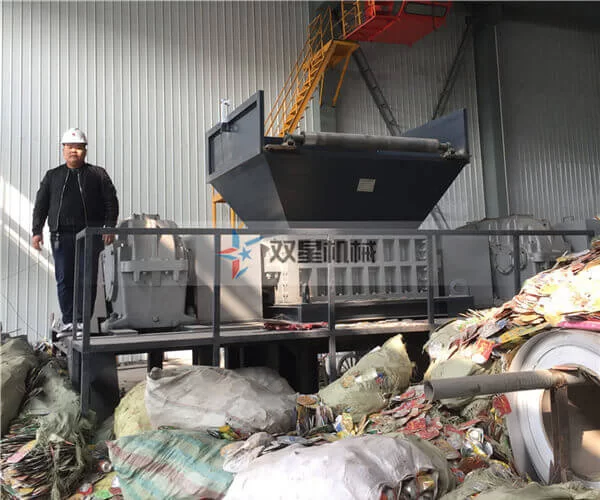
A twin shaft shredder is useful when aluminum cans arrive in compressed bales that must be opened before inspection, conveying or further processing. Its low-speed, high-torque shafts grip and tear the bale into loose, coarse pieces. This stage can expose material hidden inside the bale and reduce sudden feeding loads on downstream equipment.
The output from a shredder is normally irregular. A shredder does not use a screen to guarantee one particle size. Cutter width, hook geometry, shaft speed and bale density all influence the result. If coarse opened material is acceptable, shredding may be the only size-reduction stage required.
Before feeding a bale, sealed containers, batteries, pressure vessels and unknown hazardous material must be removed. Dense foreign objects can damage cutters or cause repeated reversing. Bale composition should be inspected rather than assumed from the material visible on the outside.
When a Can Crusher Is Required
A can crusher is selected when the recycling process needs smaller, denser and more consistent output. A high-speed rotor and hammer assembly repeatedly impact the prepared material. A screen helps control the discharge size, which can improve conveying and make the feed condition more stable for subsequent separation.
Loose cans that fit the inlet may be fed directly when their condition is suitable. Compressed bales may need to be opened first so the crusher receives a controlled and reasonably even feed. Feeding a complete dense bale into equipment designed for prepared loose material can cause unstable load, slow processing and unnecessary wear.
A smaller screen opening does not automatically create higher-value output. It increases circulation inside the crushing chamber and may raise wear, temperature and energy consumption. The screen should be selected from the downstream requirement rather than from a general preference for small particles.
Iron Removal and Non-Ferrous Sorting
Collected can scrap often includes steel cans, wire, caps or other ferrous parts. A magnetic separator should remove these materials after the cans have been opened or crushed enough for separation. Ferrous removal must take place before an eddy current separator is used for non-ferrous sorting.
An eddy current separator can help recover conductive non-ferrous metal from a prepared and evenly fed mixture. It is not a substitute for size reduction, screening or magnetic separation. Long tangled pieces, dense clumps and uneven surges can reduce separation stability. The complete line should therefore create a controlled feed before material reaches the sorting stage.
Three Practical Processing Routes
Loose and Clean UBCs for Volume Reduction
A simple route may use manual inspection, a can flattening machine and collection or baling. This arrangement is suitable when the buyer accepts flattened cans and no small particle output is required.
Compressed Can Bales for Coarse Opening
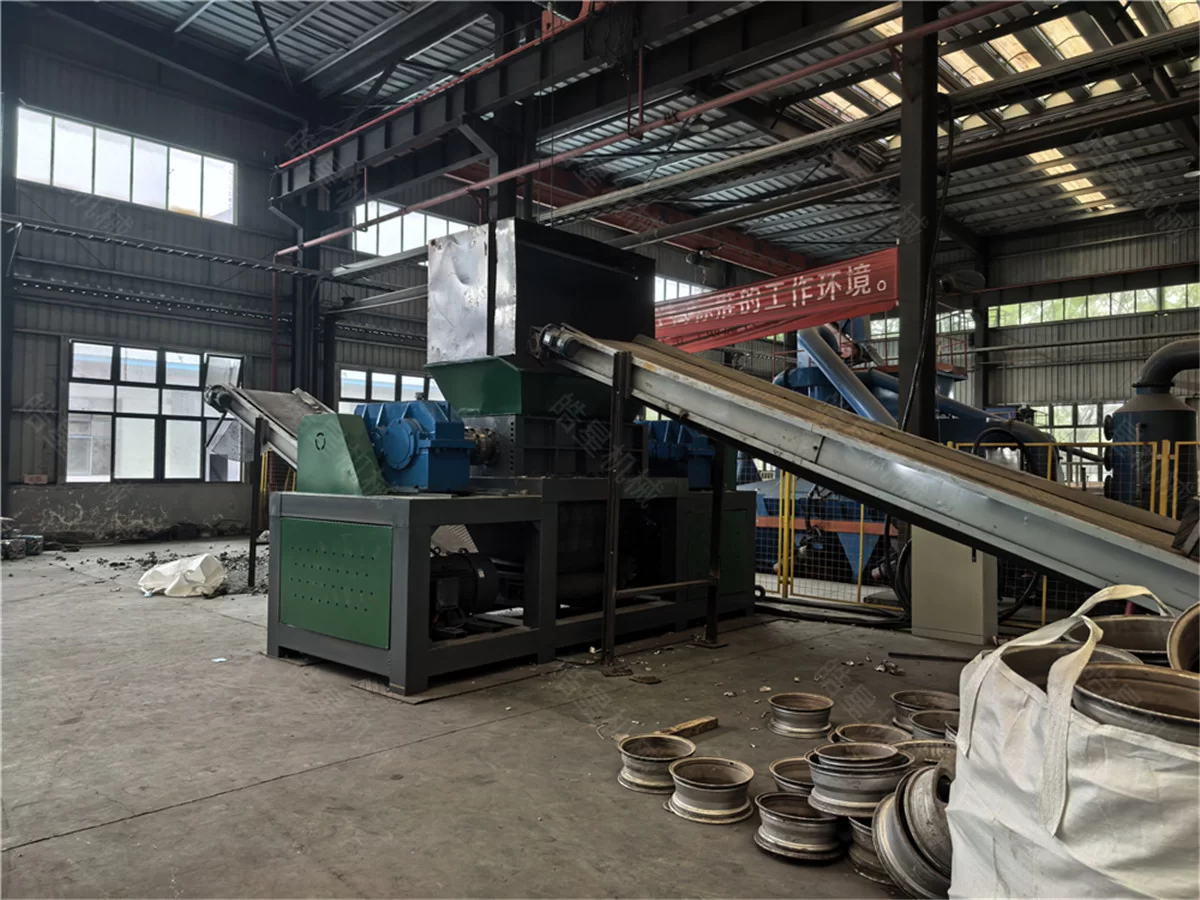
A controlled conveyor and a twin shaft shredder can open suitable bales. Magnetic separation may follow when steel contamination is present. The coarse output can then be collected or sent to another process.
Prepared Cans for Smaller Screen-Controlled Output
The line may include controlled feeding, bale opening when necessary, a can crusher, magnetic separation, screening and optional eddy current separation. Dust collection should be evaluated from the material condition and required process.
Information to Send Before Requesting a Configuration
For a practical equipment proposal, provide clear material data instead of only asking for a capacity. The following information affects machine selection and line layout:
Loose cans, flattened cans or compressed bales
Average bale dimensions and weight
Estimated percentage of aluminum and steel cans
Moisture, dirt, plastic and other attached material
Required output form and maximum particle size
Whether the output will be baled, sold, melted or sorted further
Required hourly input and daily operating hours
Available power supply, floor space and dust-control requirements
The correct choice is determined by the condition of the can scrap and the purpose of processing it. Flattening is appropriate for simple volume reduction. Shredding is appropriate for opening and coarse size reduction. Crushing is appropriate when smaller screen-controlled output is required. Defining the required result first prevents unnecessary equipment and creates a line that better matches the real material.