QWhat is the capacity of a metal shredder for sale?
Typical capacities range from about 1 to 20 tons per hour for medium-sized shredders, while larger industrial models can reach higher capacities depending on material type and configuration.
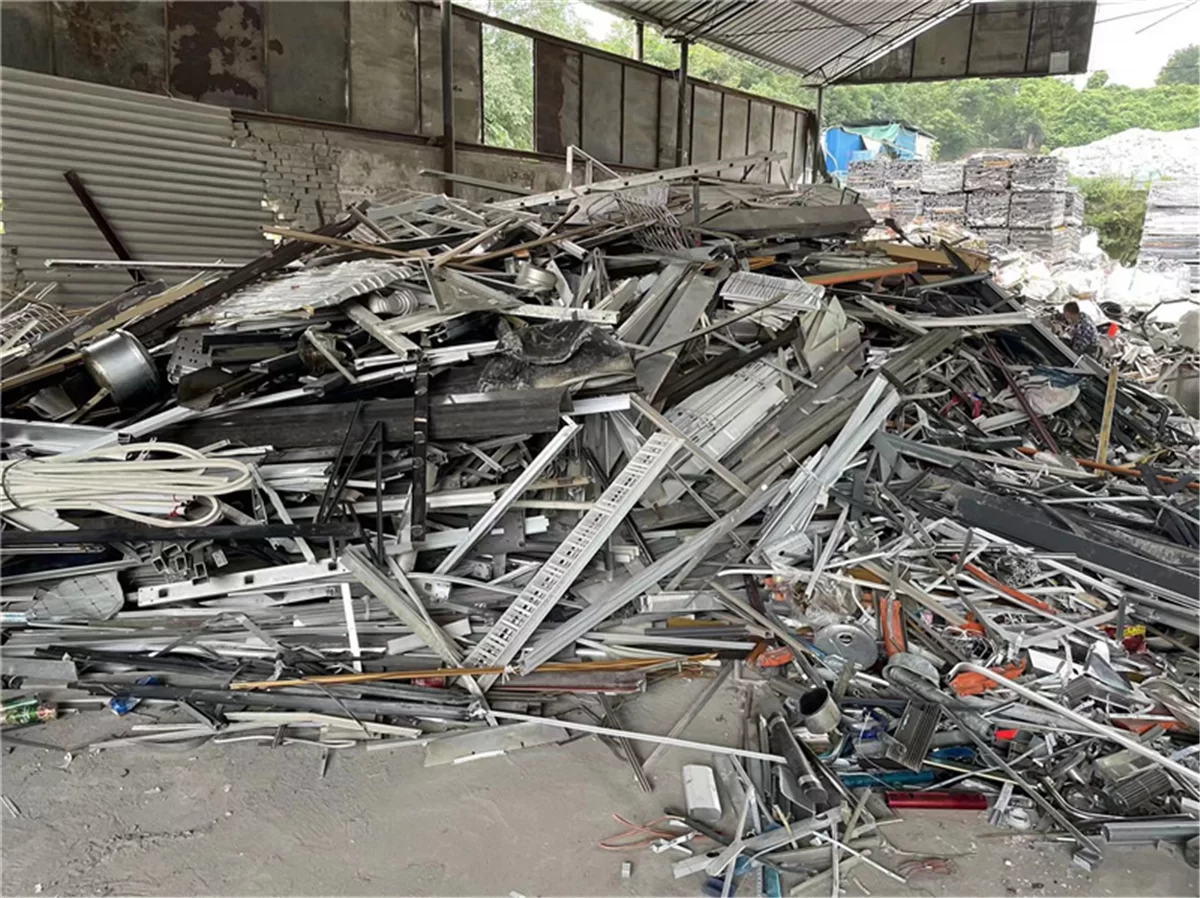
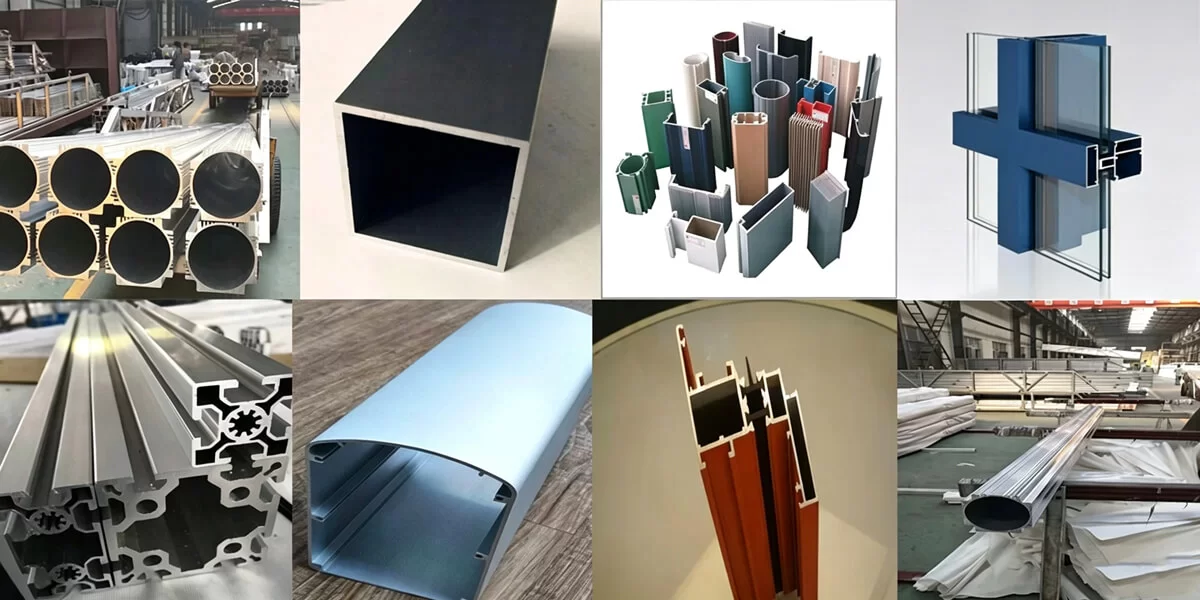
Applicable Materials: Thermal break aluminum windows and doors, aluminum tubing, architectural aluminum profiles, curtain wall extrusions, interior/exterior decorative aluminum, structural aluminum, cast aluminum, wrought aluminum, aluminum castings, aluminum dross, and other waste aluminum products.
Key technical information for quick evaluation.
Review the equipment introduction, working principle, advantages and technical specifications in one clear page.

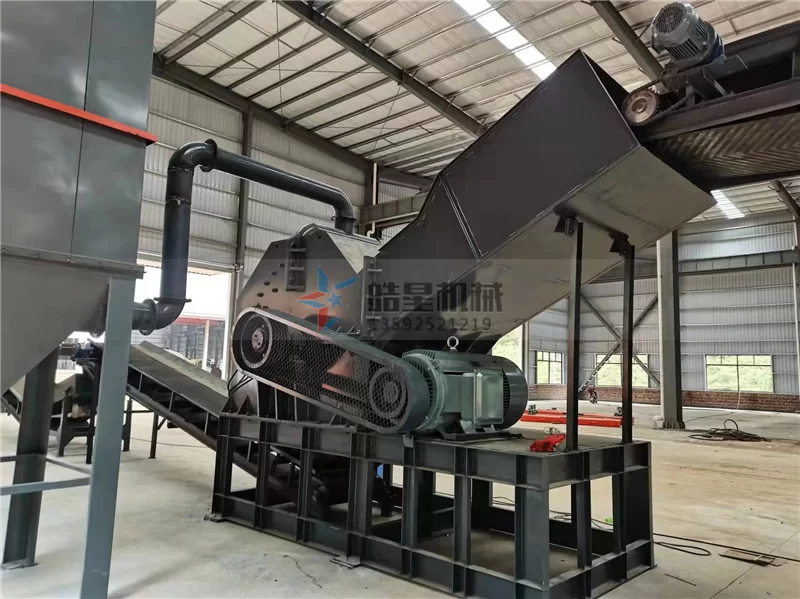
Haoxing Machinery's Thermal Break Aluminum Crusher is a hammer-type crushing machine used for processing waste thermal break aluminum profiles, aluminum window and door frames, aluminum alloy profiles, curtain wall aluminum, cast aluminum and wrought aluminum scrap.
The machine uses a high-speed rotor and hammer assembly to impact, tear and crush thermal break aluminum materials inside the crushing chamber. During crushing, aluminum profiles are reduced into smaller pieces through repeated impact, rubbing and squeezing between the hammers, liner plates and bottom grate.
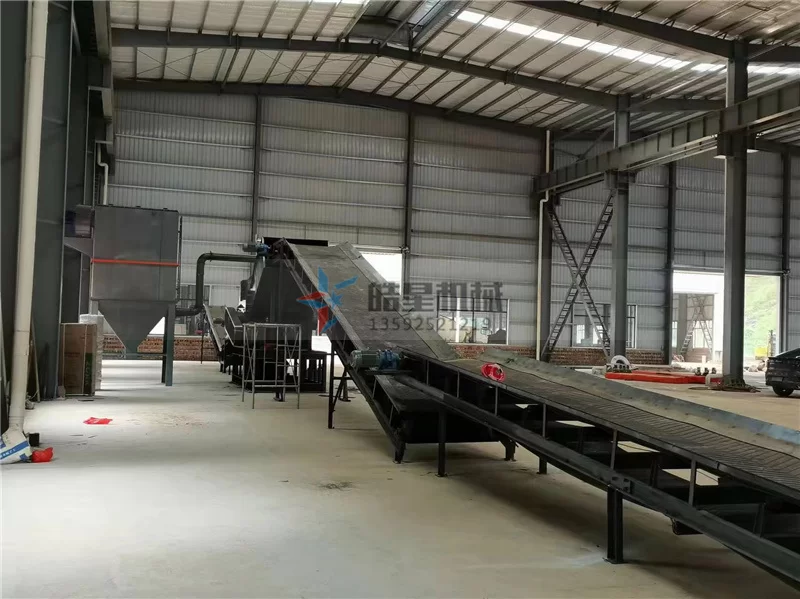
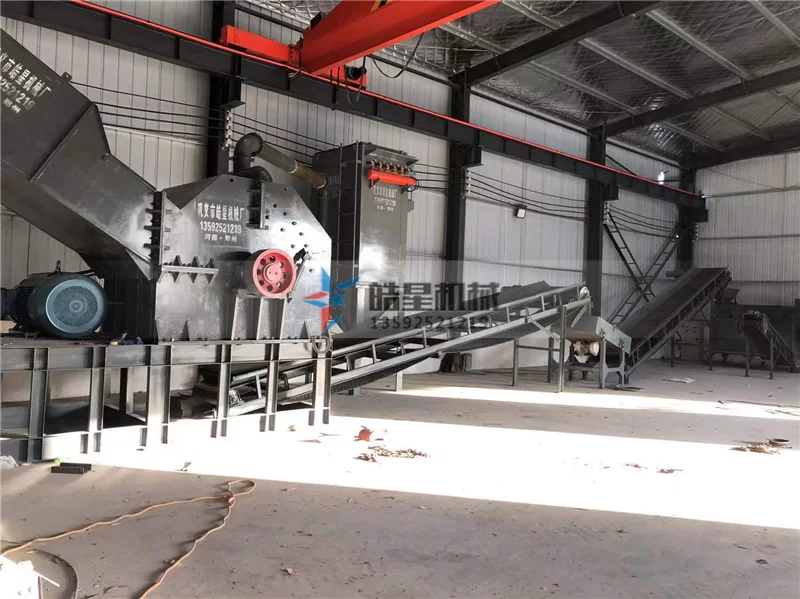
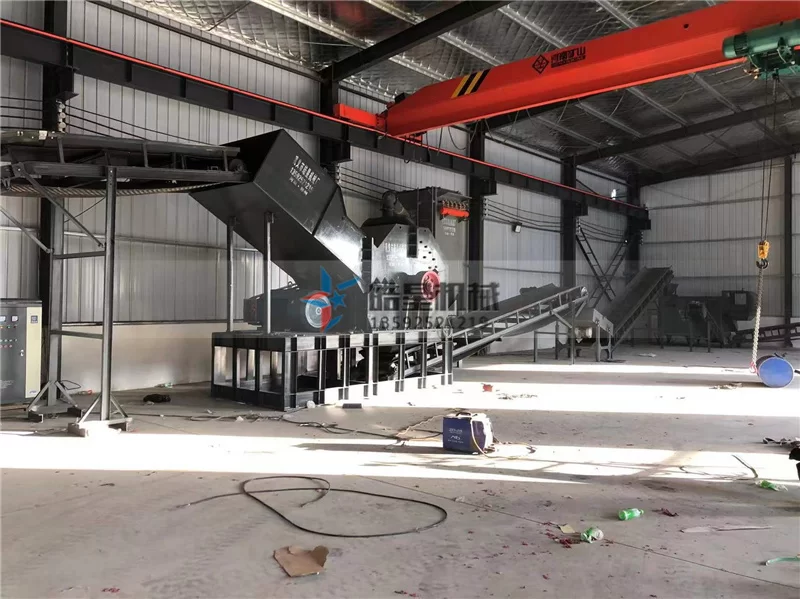
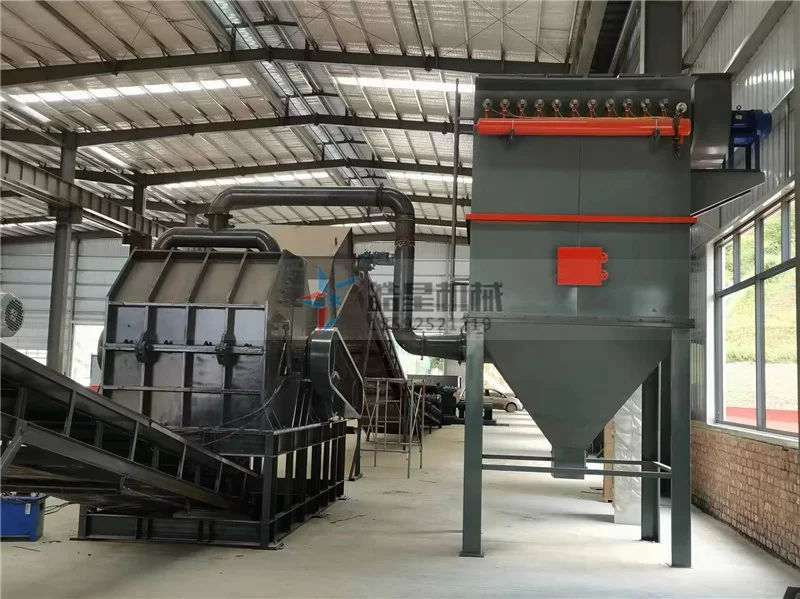
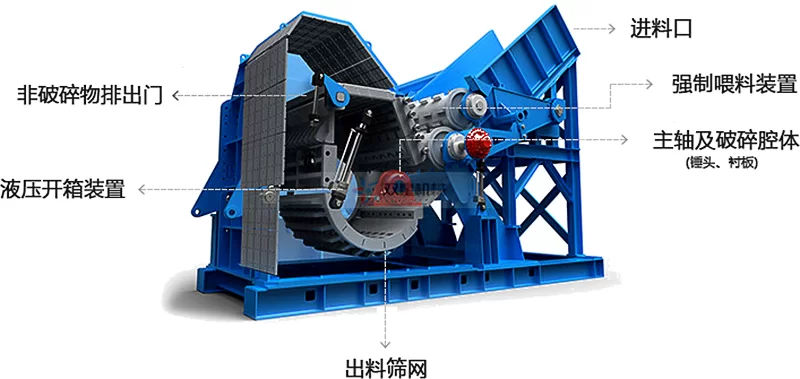
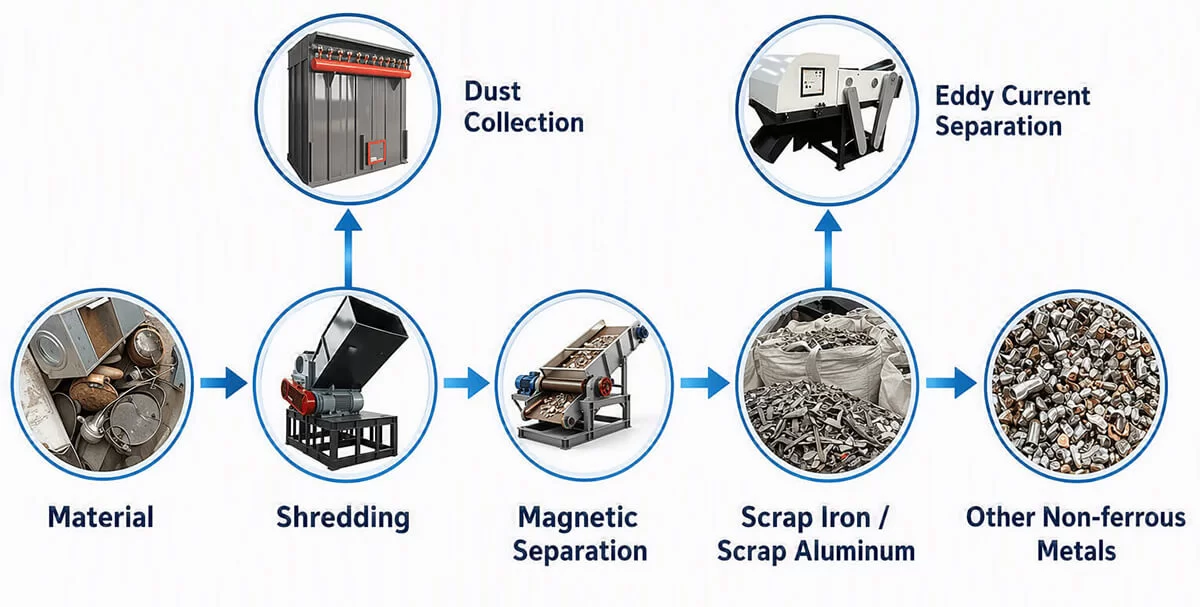
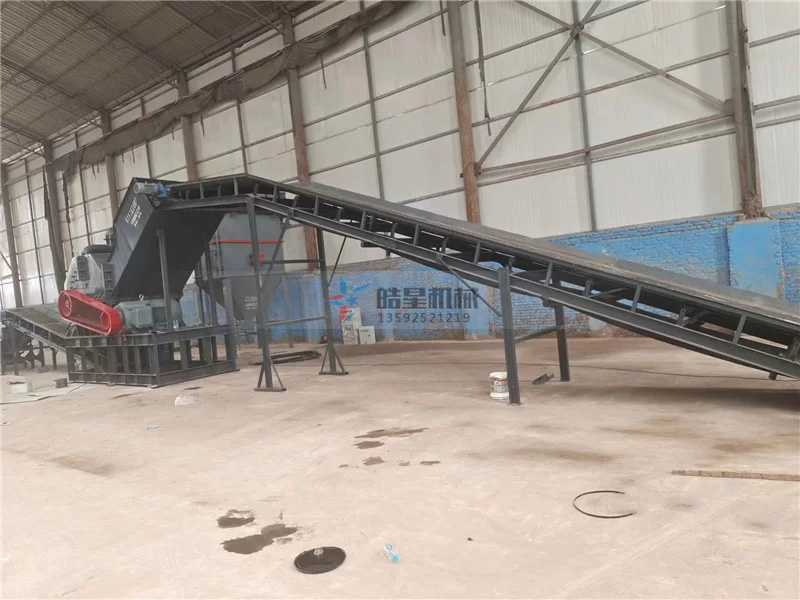
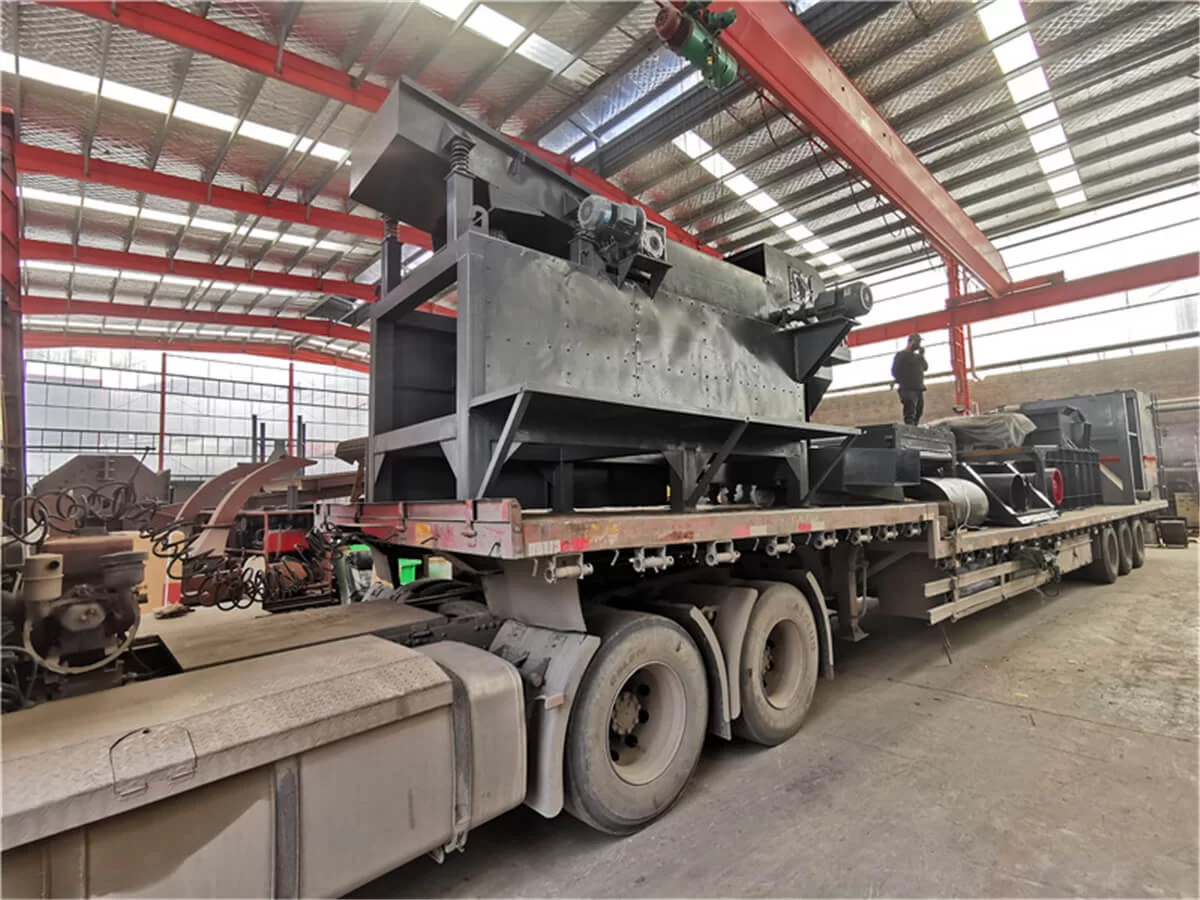
The main machine usually consists of crusher housing, rotor system, hammer assembly, wear-resistant liner plates, bottom grate, feeding device, discharge system, drive system and electric control system. A complete production line can include feeding conveyor, thermal break aluminum crusher, discharge conveyor, magnetic separator, optional eddy current separator, optional vibrating screen, pulse dust collector and supporting platform.
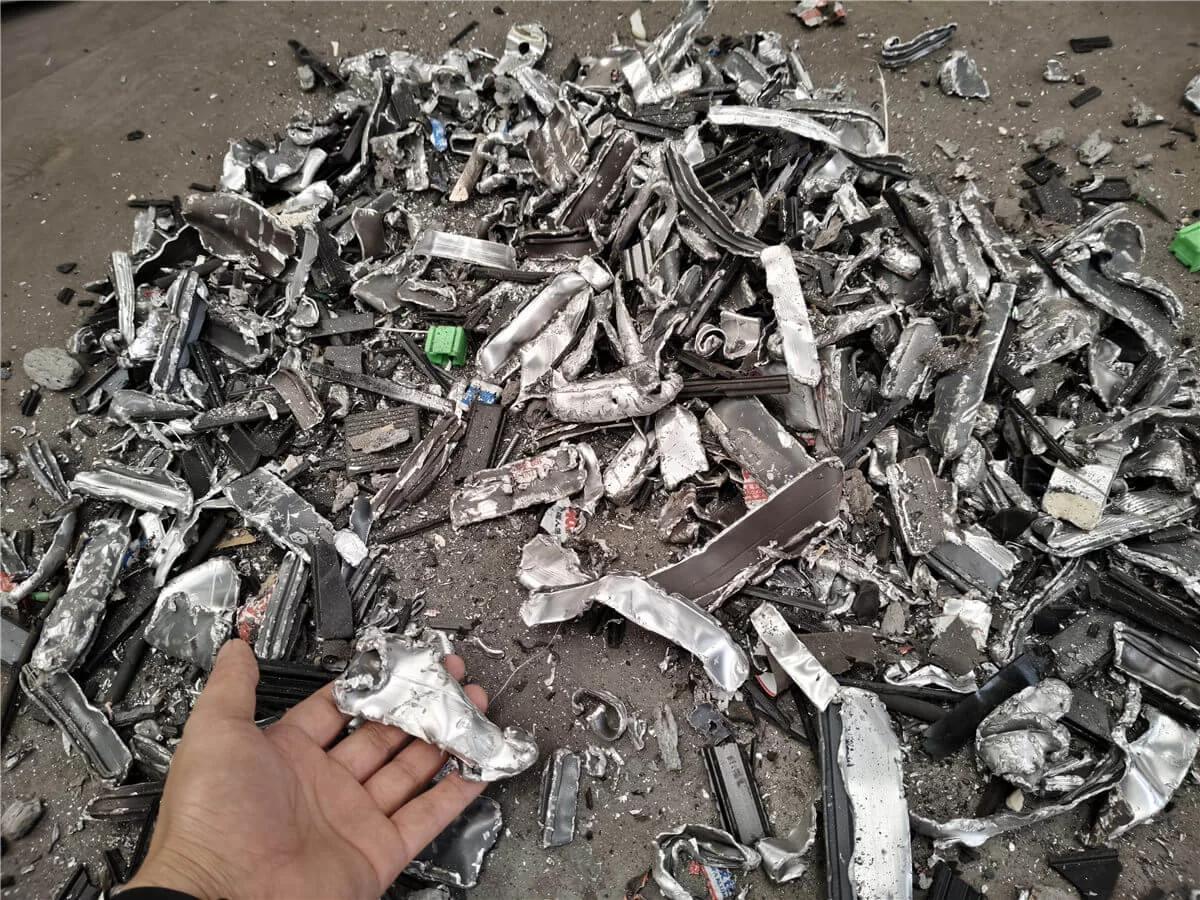
After crushing, the material can be conveyed to magnetic separation or downstream sorting equipment. Ferrous impurities such as screws, iron fittings and hinges can be removed by magnetic separator. Aluminum material can be further processed by screening, eddy current separation or manual sorting according to material condition and recycling requirements.
The thermal break aluminum crusher is commonly used in thermal break aluminum recycling plants, aluminum profile recycling sites, window and door material recycling projects, construction aluminum scrap recycling lines and scrap aluminum recovery production lines.

The thermal break aluminum crusher is a hammer-type crushing machine used for processing waste thermal break aluminum profiles, aluminum window and door frames, aluminum alloy profiles, curtain wall aluminum, cast aluminum and wrought aluminum scrap.
During operation, thermal break aluminum materials are fed into the crushing chamber by a conveyor or feeding device. The high-speed rotor drives the hammers to repeatedly impact, tear and crush the material. The material is also rubbed and squeezed between the hammers, liner plates and grate, gradually reducing bulky aluminum profiles into smaller pieces.
The bottom grate or screen helps control the discharge size. Materials smaller than the grate openings are discharged from the machine, while larger pieces remain in the crushing chamber for further crushing.
The crusher can be designed with a reinforced frame, wear-resistant liners, pivot-mounted hammers and a hydraulic lid opening system according to the material condition and maintenance requirements. The hydraulic opening system makes internal inspection, cleaning and hammer replacement more convenient.
After crushing, the material can be conveyed to magnetic separation, screening, eddy current separation or other downstream sorting equipment. Ferrous impurities such as screws, iron fittings and hinges can be removed by a magnetic separator, while aluminum can be further separated from plastic strips, rubber seals and other non-metallic materials by downstream sorting equipment.
A complete thermal break aluminum crushing line can include:
Thermal break aluminum crusher main unit
Feeding conveyor
Discharge conveyor
Magnetic separator
Eddy current separator (optional)
Vibrating screen (optional)
Pulse dust collector (optional)
Electric control cabinet
Supporting platform and auxiliary equipment

The thermal break aluminum crusher is built with a reinforced steel frame and wear-resistant liner plates. The structure is suitable for continuous crushing of thermal break aluminum profiles, aluminum window frames, curtain wall aluminum and other aluminum scrap materials.
The machine uses a high-speed rotor and hammer system to impact, tear and crush bulky aluminum profiles. The hammers, liner plates and bottom grate work together to reduce the material size and prepare it for conveying, screening or downstream separation.
The crusher can use pivot-mounted hammers for impact crushing. When hard or unsuitable materials enter the crushing chamber, this hammer structure can help reduce direct impact on the rotor and main shaft.
The hammers and liner plates can be made of wear-resistant alloy or high-manganese steel according to the material type and operating conditions. Wear parts can be inspected and replaced based on actual use.
The bottom grate helps discharge properly crushed material from the crushing chamber. The grate opening size can be selected according to the required output size and downstream sorting requirements.
The hydraulic lid opening system provides easier access to the crushing chamber for inspection, cleaning, hammer replacement and liner maintenance.
After crushing, the material can pass through a magnetic separator to remove ferrous impurities such as screws, iron fittings and other magnetic materials.
The crushing line can be configured according to the material type, required capacity, output size and site layout. Available equipment includes:
Feeding conveyor
Discharge conveyor
Magnetic separator
Eddy current separator
Vibrating screen
Dust collection system
Control system
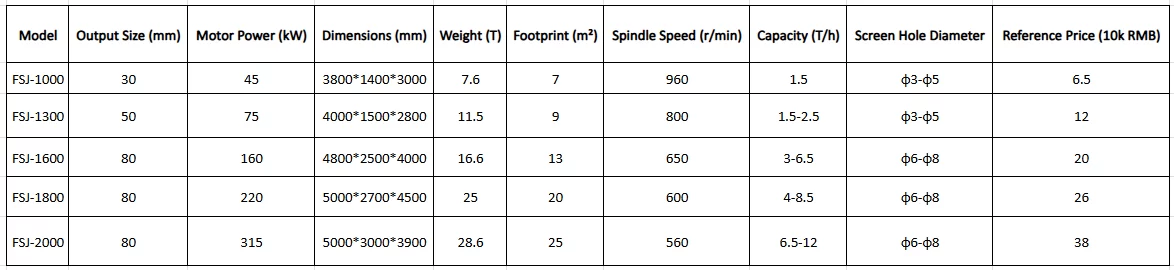
Parameter description diagram for Thermal Break Aluminum Crusher | Broken Bridge Aluminum Recycling Machine | Haoxing Machinery:

Note: Specifications are for reference only. Actual capacity depends on material type, material form, feeding size, material hardness, moisture content, grate opening and production line configuration.
Custom configurations are available according to material condition, required capacity, output size and site layout. The production line can be equipped with feeding conveyor, thermal break aluminum crusher, discharge conveyor, magnetic separator, optional eddy current separator, optional vibrating screen, pulse dust collector, electric control cabinet and other supporting equipment.
Thermal break aluminum window and door recycling
Waste aluminum profile crushing
Aluminum window and door frame processing
Curtain wall aluminum extrusion recycling
Aluminum profile manufacturing offcut recovery
Aluminum-plastic composite profile preprocessing
Cast aluminum and wrought aluminum scrap crushing
Construction aluminum scrap recycling
Scrap aluminum preparation for downstream separation and recycling
Find common questions about scrap metal crushers, shredders, recycling lines, equipment selection, capacity configuration and operation requirements.
Typical capacities range from about 1 to 20 tons per hour for medium-sized shredders, while larger industrial models can reach higher capacities depending on material type and configuration.
Yes. Some aluminum or metal battery shell materials can be crushed and separated with suitable equipment. The final process should be designed according to material composition, safety requirements, and recycling goals.
The price is affected by crusher model, motor power, feeding size, required capacity, discharge size, separation system, dust removal configuration, and automation level. A small single crusher costs less than a complete thermal break aluminum recycling line with screening and air separation.
Yes, some heavy-duty thermal break aluminum crushers or twin-shaft shredders can process thick aluminum plates. The final model should be selected according to plate size, thickness, hardness, and capacity requirements.
A 1600-type machine may be suitable for a 5-ton-per-hour line under certain conditions. The final model should be selected according to material size, profile thickness, feeding method, and separation requirements.
Yes. This production line can be used for processing thermal break aluminum materials. The configuration can include crushing, screening, magnetic separation, air separation, and dust removal according to the customer’s requirements.
Yes. A parameter sheet can be provided after confirming the machine model, capacity requirement, feeding size, discharge size, motor power, and separation configuration.
Yes. An 800-square-meter workshop is usually sufficient for a 2-ton-per-hour thermal break aluminum recycling line. The final layout should consider feeding, crushing, separation, dust removal, finished material storage, and maintenance space.
A thermal break aluminum crusher is mainly used for thermal break aluminum profiles, but it can also process aluminum profiles, scrap aluminum sheets, aluminum doors and windows, and similar aluminum materials depending on the configuration.
When processing thermal break aluminum, a 2-meter metal crusher may reach around 10 tons per hour under suitable feeding conditions. The actual capacity depends on profile size, material thickness, feeding speed, and separation configuration.
Leave your question about material type, capacity, equipment model or recycling line configuration.
Send your email and tell us your material type, capacity requirement and site condition. Our team will provide equipment selection, technical specifications and quotation details.
We usually reply with equipment details and pricing information as soon as possible.