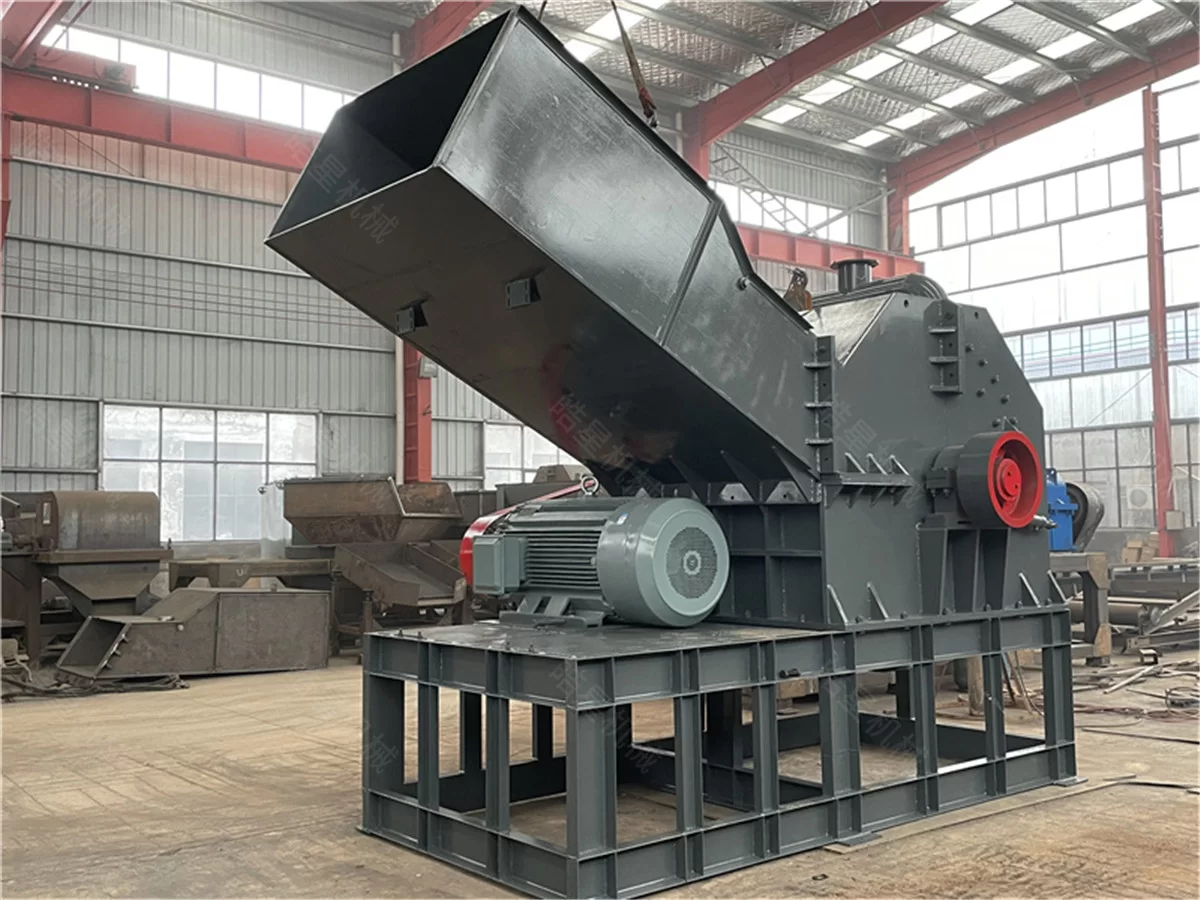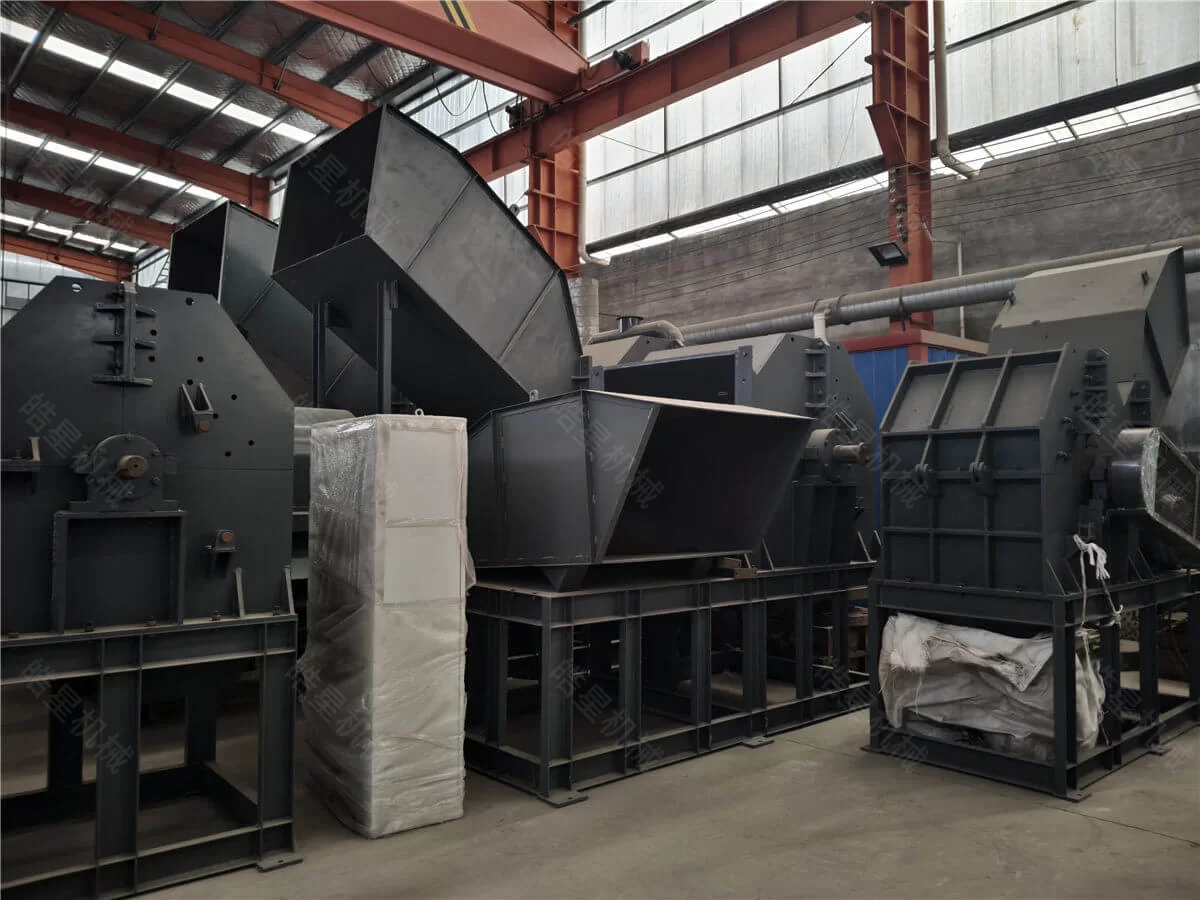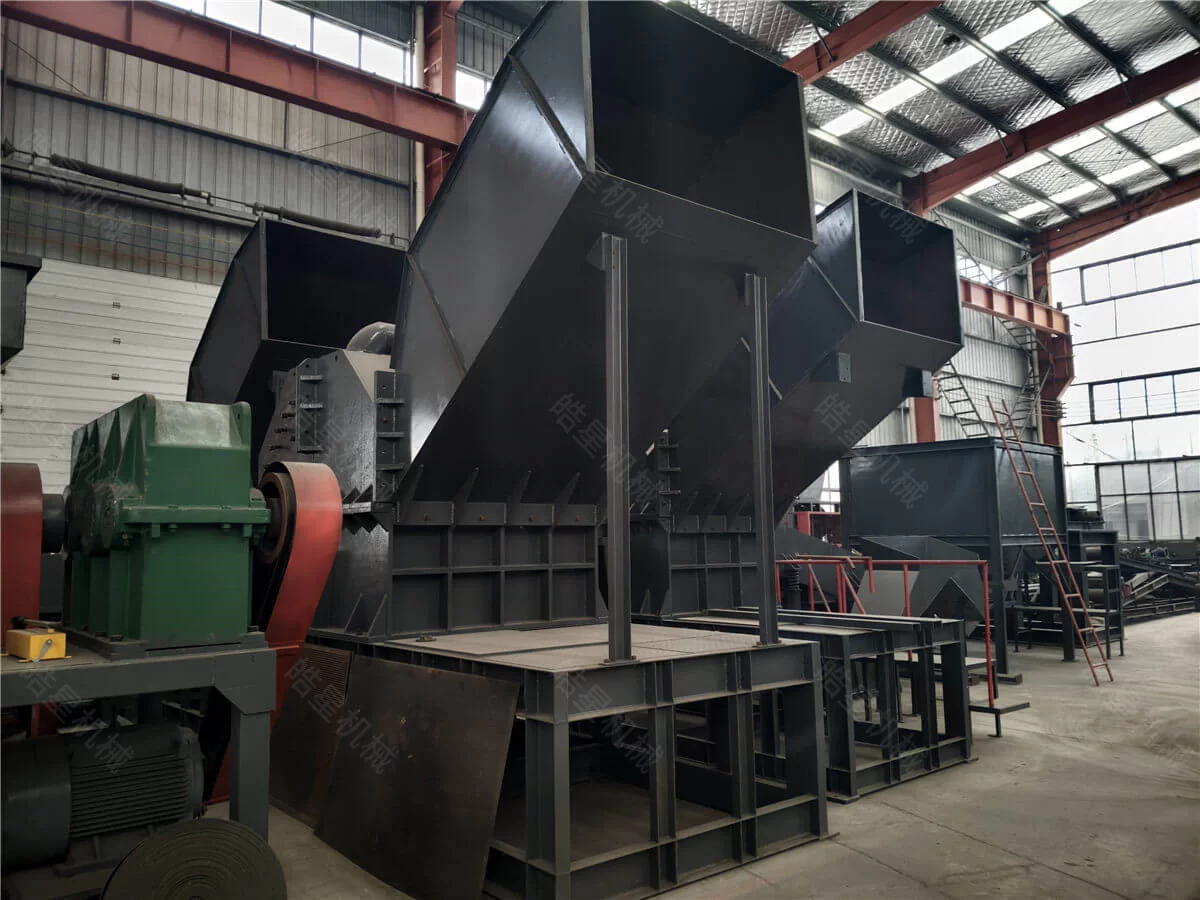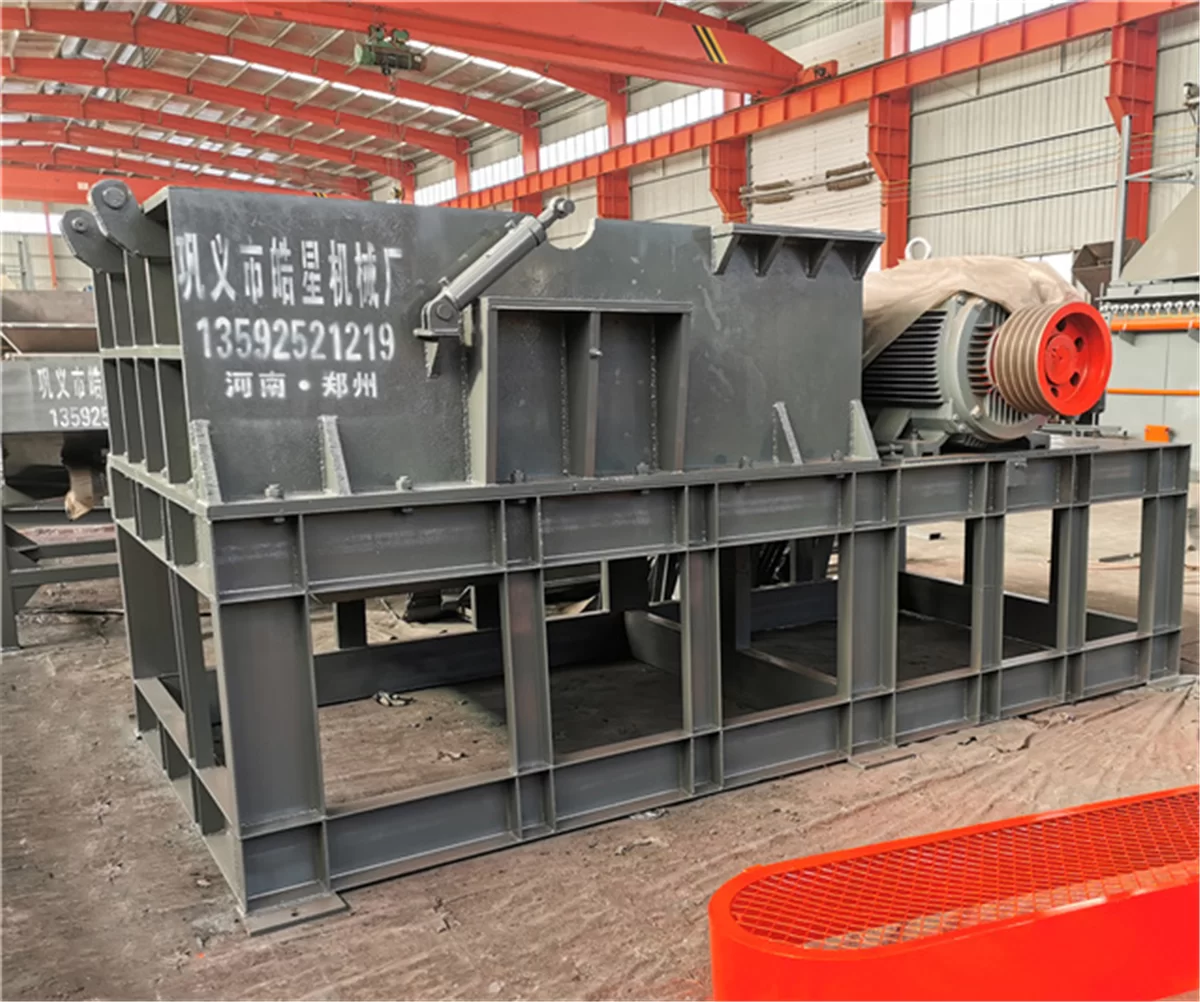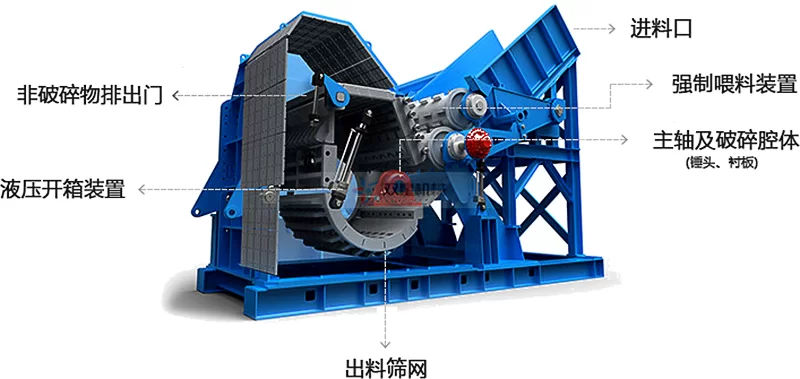
The motor rotor crusher is a high-speed crushing machine used to process prepared electric motor rotors, generator rotors, stator sections and other suitable copper-iron or aluminum-iron composite scrap.
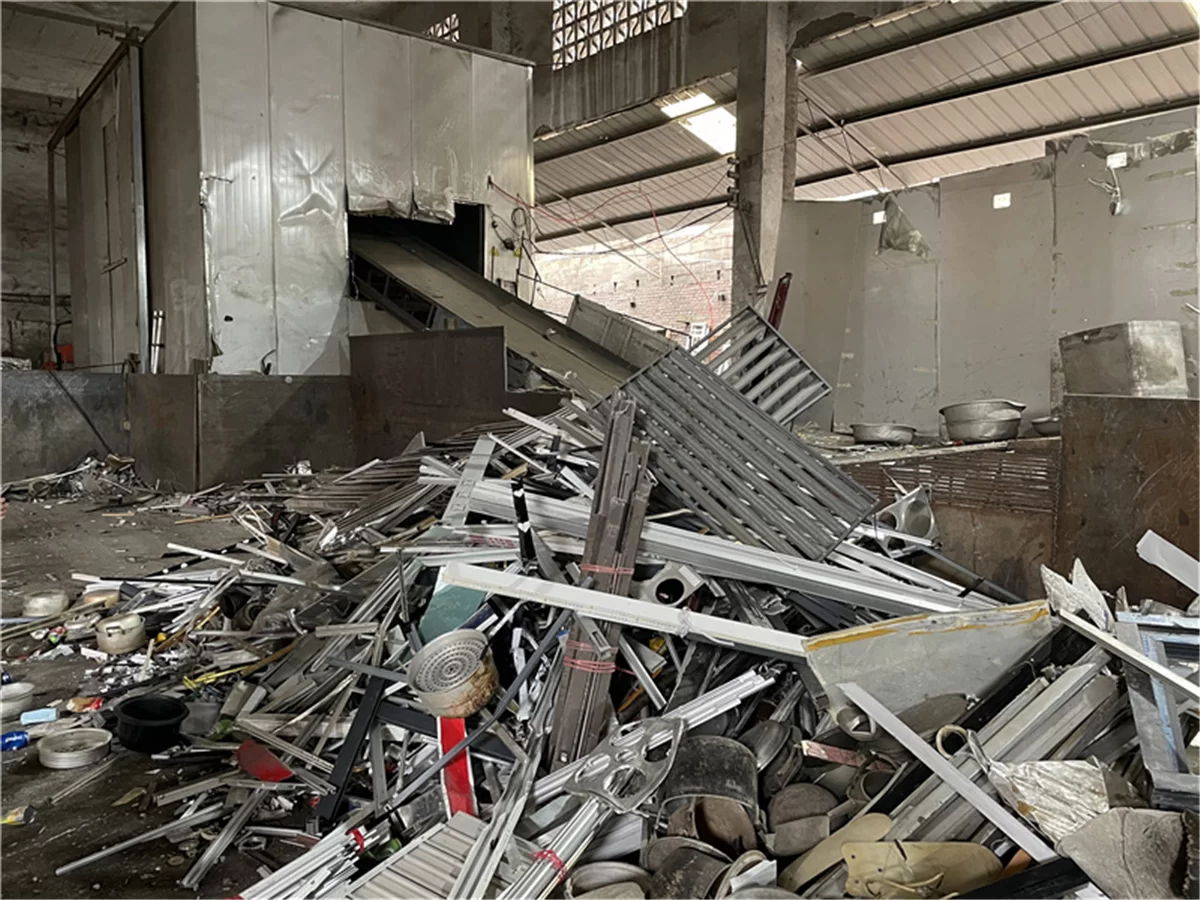
Complete motors must be dismantled before crushing. Housings, bearings, long steel shafts, lubricating oil, capacitors, electrical accessories and other easily removable components should be separated according to the selected recycling process.
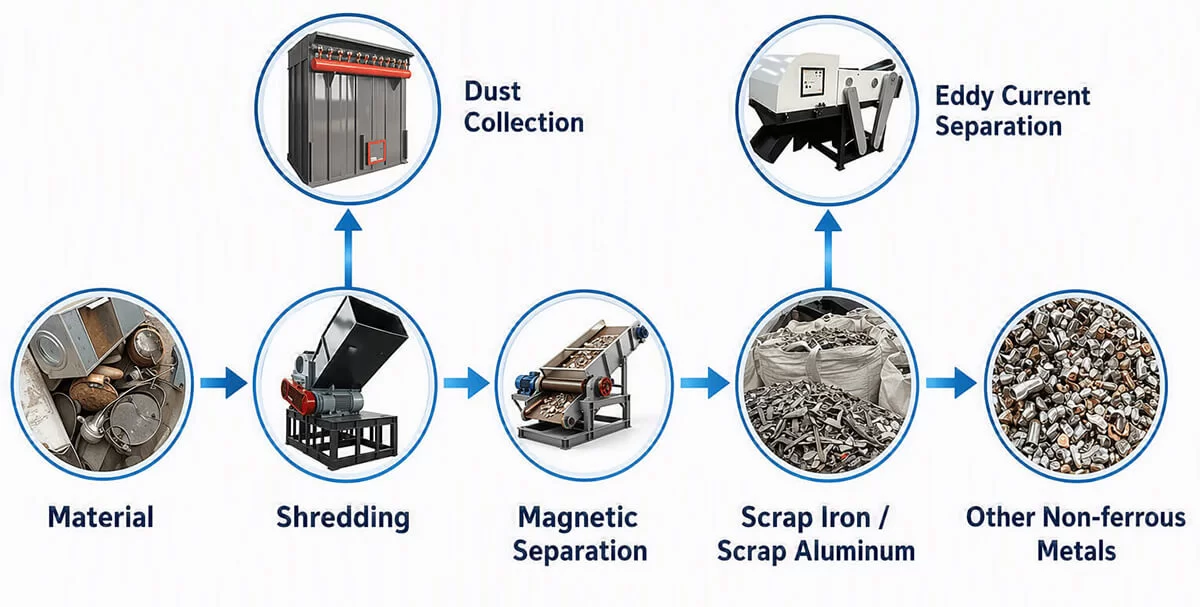
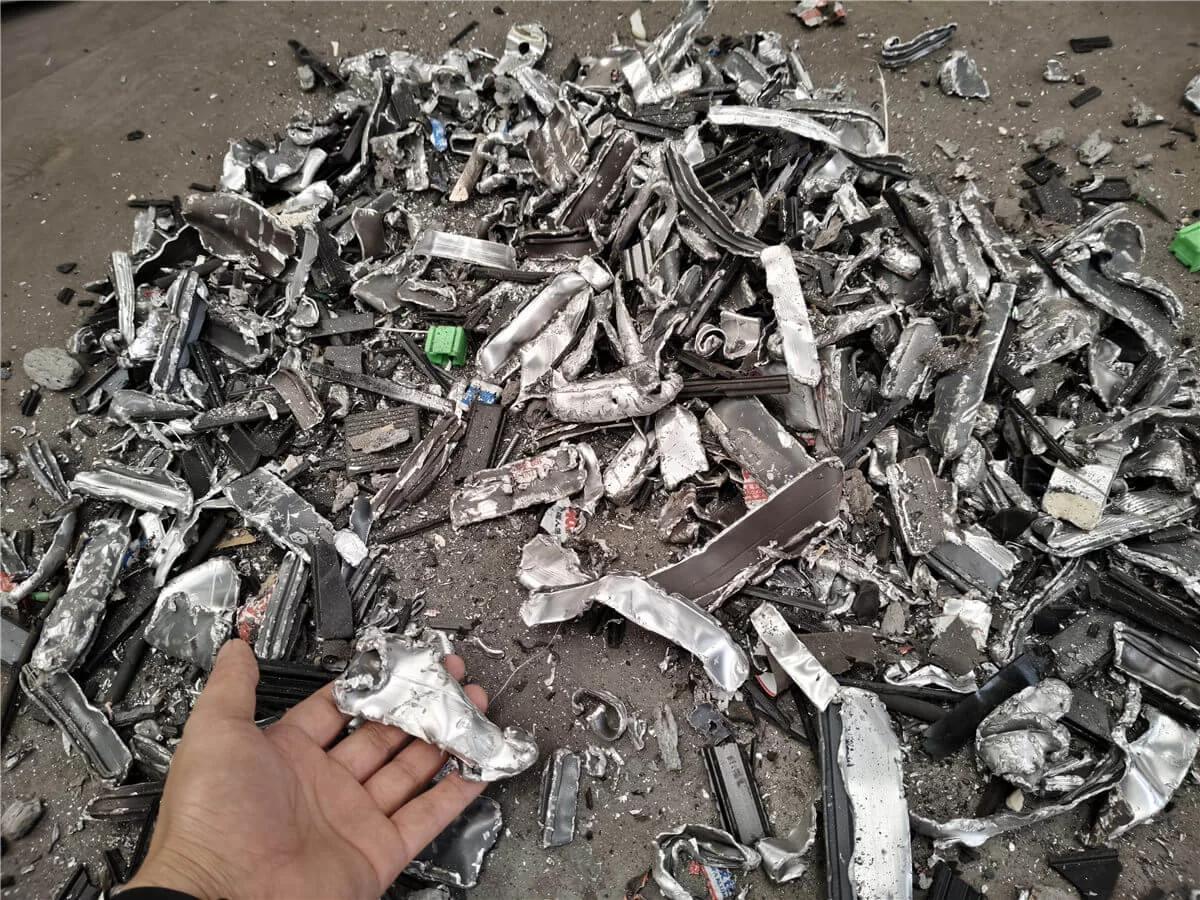
A high-speed rotor drives the crushing components to repeatedly impact, deform and break the prepared motor material. The crushing process reduces the material size and helps expose copper windings, aluminum conductors and ferrous core components for downstream separation.
Prepared rotor and stator sections that meet the crusher feeding limits may be processed directly. Large, heavy or irregular motor components may require dismantling, hydraulic breaking or primary size reduction by a twin shaft shredder before entering the crusher.
After crushing, a magnetic separator can recover liberated iron and steel from the processed material. The separation result depends on how effectively the copper or aluminum conductors have been released from the ferrous core.
After ferrous metal removal, screening and suitable material preparation, an eddy current separator may recover conductive non-ferrous metals from an appropriate non-metallic material stream. It does not normally separate copper from aluminum or recover copper that remains attached to iron.
When separate copper, aluminum and ferrous fractions are required, screening, density separation, sensor-based sorting or manual sorting may be added according to the processed material and required products.
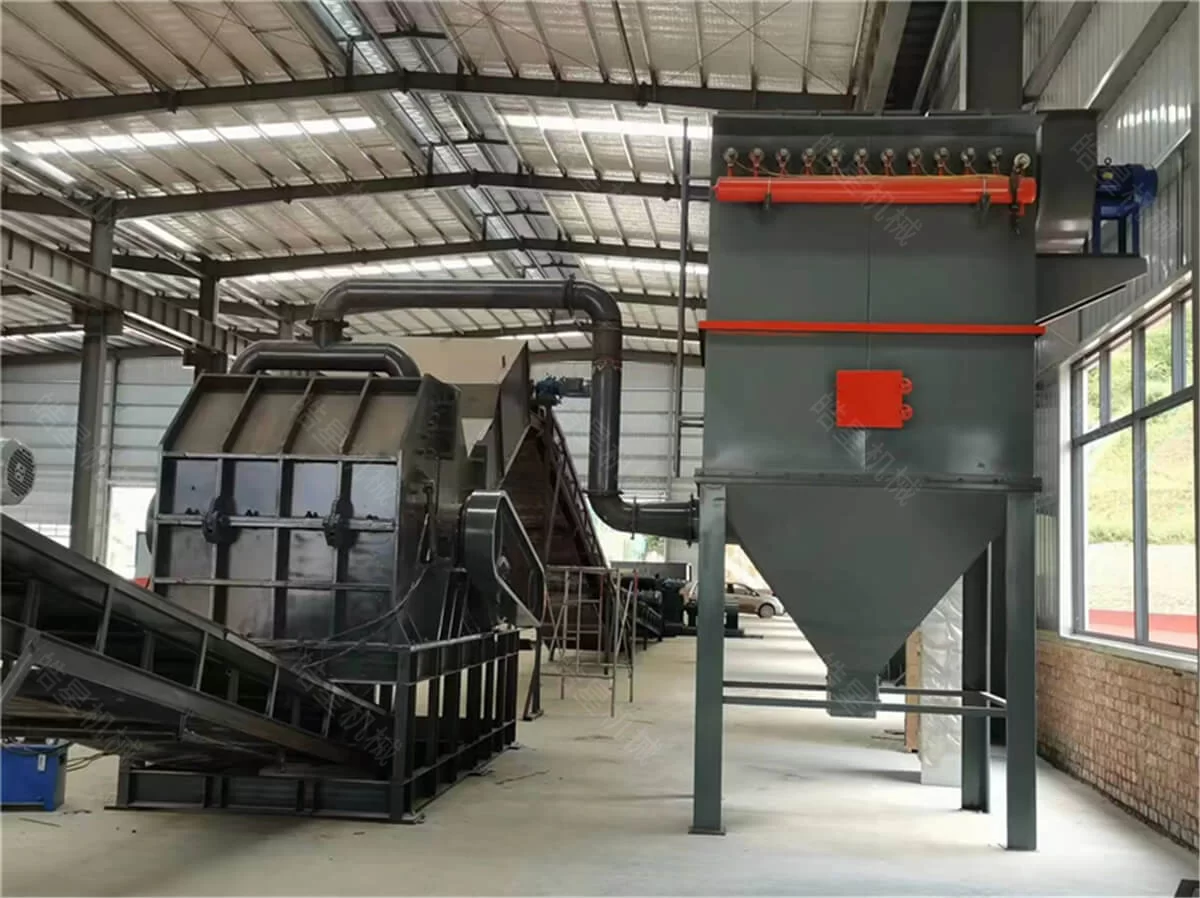
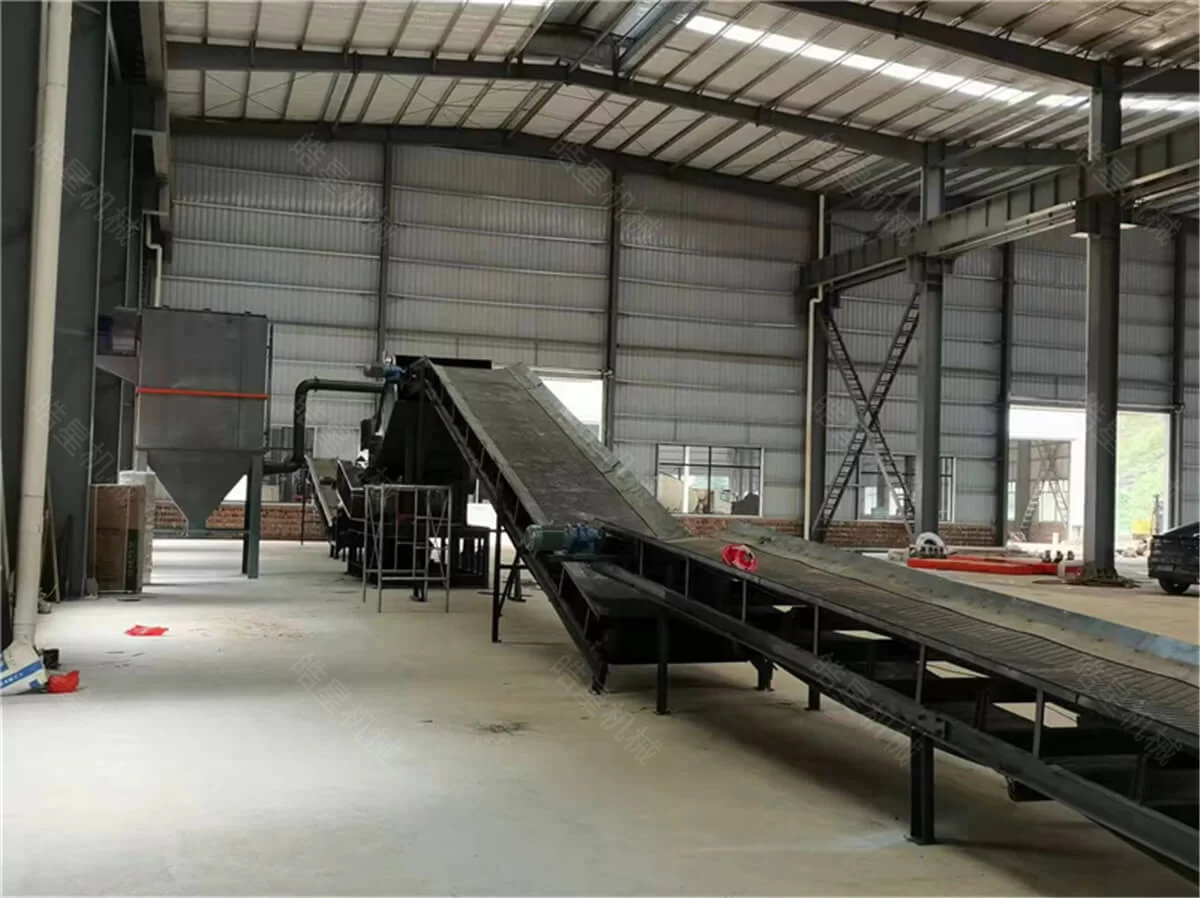
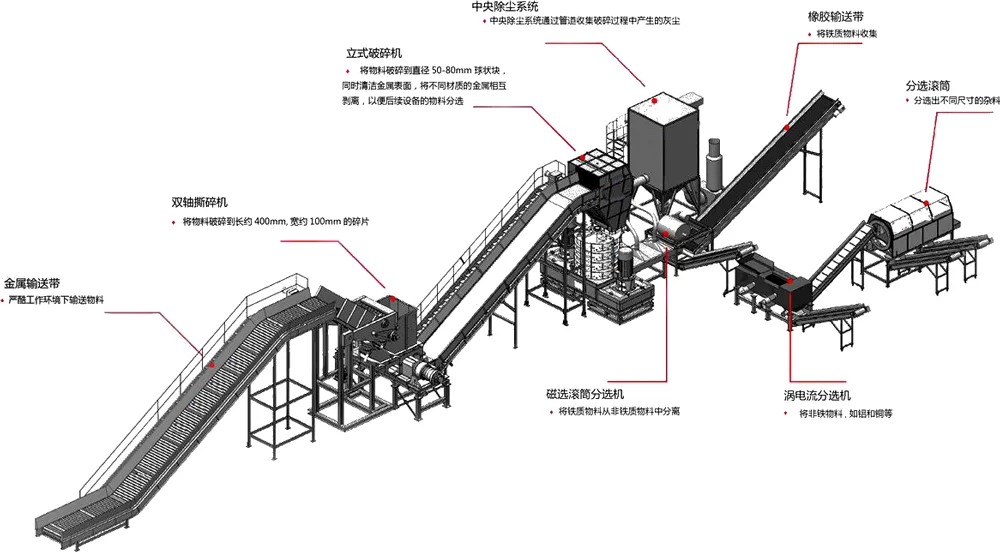
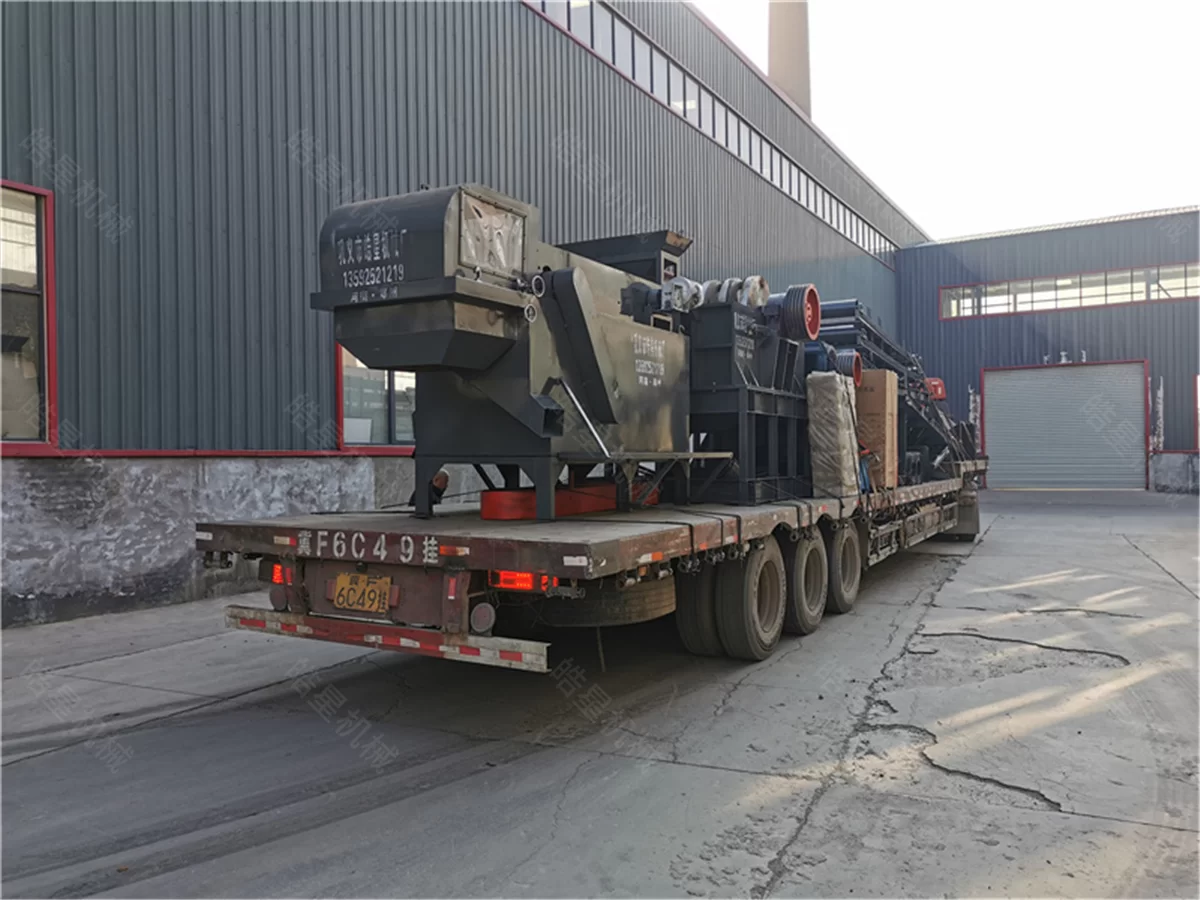
The motor rotor crusher can operate as an individual machine or form part of a non ferrous metal sorting line with dismantling, controlled feeding, crushing, magnetic separation, screening, additional sorting, dust collection and centralized control.
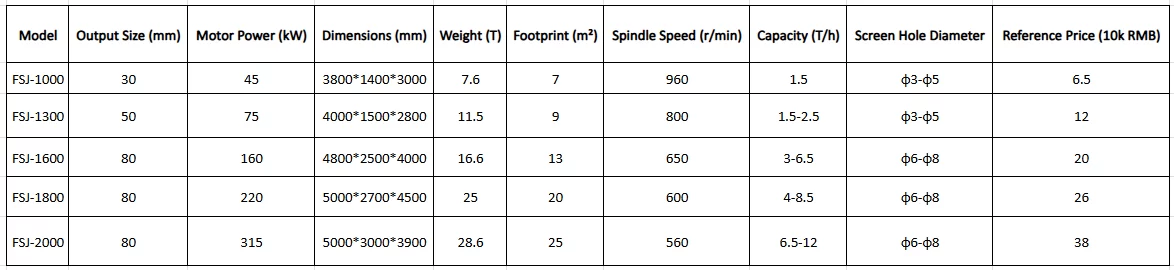
The final configuration depends on the motor type, rotor dimensions, shaft condition, copper or aluminum content, required capacity, expected output size and target recovered fractions.
Prepared Motor Rotors Suitable for Crusher Feeding
The motor rotor crusher is intended for prepared motor rotors and related components that fit the feed opening and crushing chamber. Before selection, confirm the rotor length, diameter, individual weight, shaft diameter, copper or aluminum conductor structure and the presence of bearings, gears or oversized steel attachments.
Complete Motors and Prepared Rotors Are Different Feeds
A complete electric motor may contain an outer housing, end covers, bearings, a long shaft, stator, rotor, insulation, plastic fan and residual grease. It should not automatically be treated as direct crusher feed. Depending on size and construction, dismantling, shaft removal, hydraulic separation or coarse shredding may be required before the prepared rotor reaches the crusher.
Crushing, Liberation and Screen Selection
The high-speed hammer system reduces the prepared rotor and improves the exposure of copper or aluminum conductors from iron-bearing components. Screen opening, hammer arrangement, rotor speed, shaft size, feed rate and recirculation all affect output and liberation. A smaller screen can increase size control but may reduce capacity and increase wear.
Separation After Rotor Crushing
After crushing, magnetic separation can remove sufficiently liberated ferrous material. Copper, aluminum and composite particles may require screening, density separation, sensor sorting or manual inspection according to the target products. Fixed copper recovery, iron recovery or product purity should not be promised without representative material testing.