Project Overview
This article shows the shredding effect of thermal break aluminum window profiles with PA66 inserts and protective film. The twin-shaft shredder reduces long and irregular aluminum profiles into smaller chunks for further sorting, crushing and recycling.
Thermal break aluminum profiles are common scrap materials from waste doors, window frames, curtain walls and aluminum profile production. Unlike clean aluminum extrusion offcuts, this material may contain PA66 insulation strips, protective film, rubber seals, screws and other attached components.
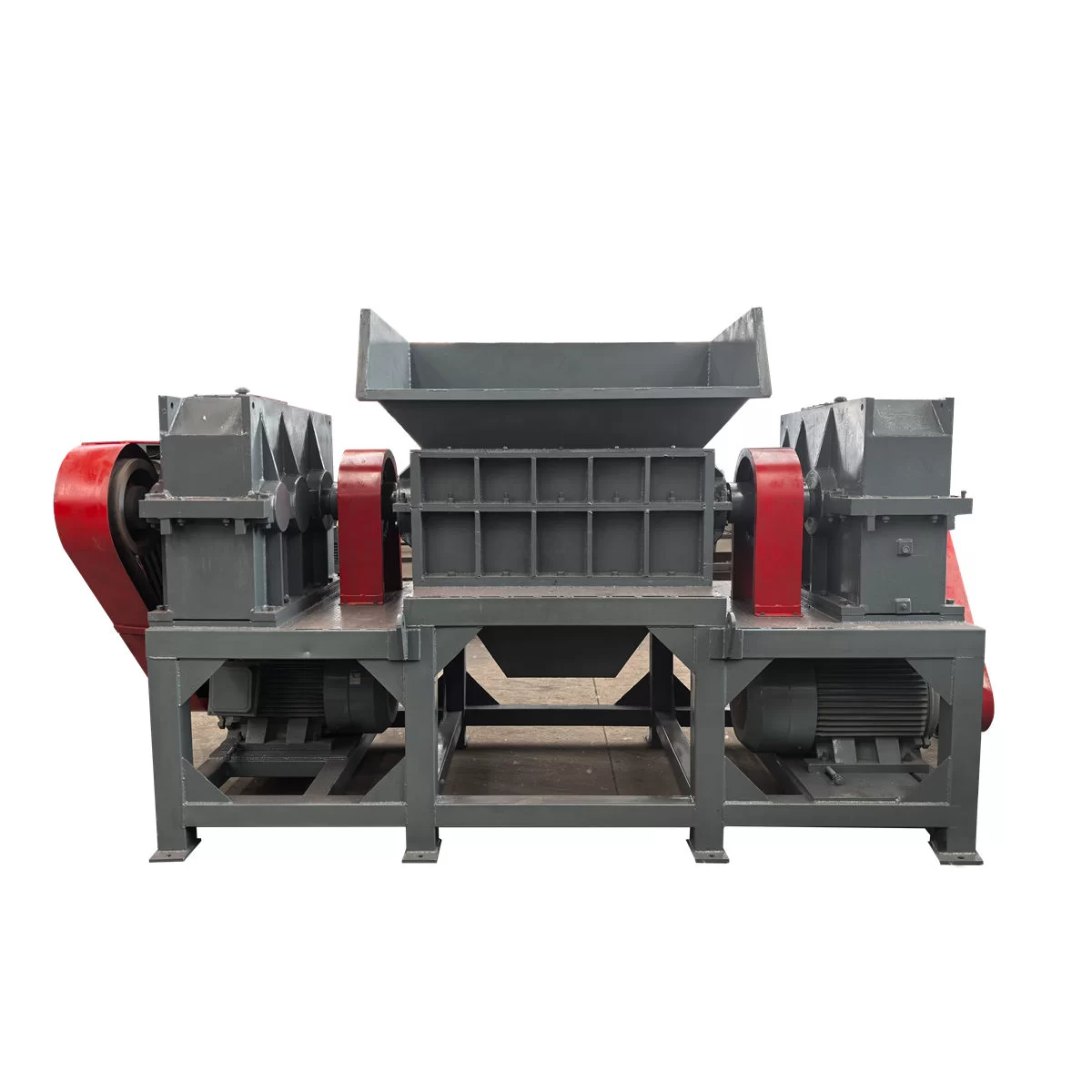
The material shown in this processing test was handled by a thermal break aluminum shredder. The machine uses low-speed, high-torque shearing and tearing to reduce long and irregular profiles into shorter, coarse pieces for easier conveying, inspection and downstream processing.
A twin shaft shredder is suitable for primary size reduction when aluminum profiles are too long, bulky, bundled or difficult to feed steadily into downstream equipment. Two counter-rotating cutter shafts grip and pull the profiles into the shredding chamber, where the material is repeatedly sheared, squeezed and torn.
The shredded output is generally coarse and irregular rather than a precise, screen-controlled final product. Its condition depends on the profile structure, cutter width, cutter tooth design, blade spacing, feeding method and number of cutting passes.
After shredding, the material can be collected, inspected, screened or transferred to additional processing equipment according to the required recycling result. If the prepared material contains conductive non-ferrous metals mixed with suitable non-metallic residues, an eddy current separator may be considered after ferrous metal removal and proper material preparation.
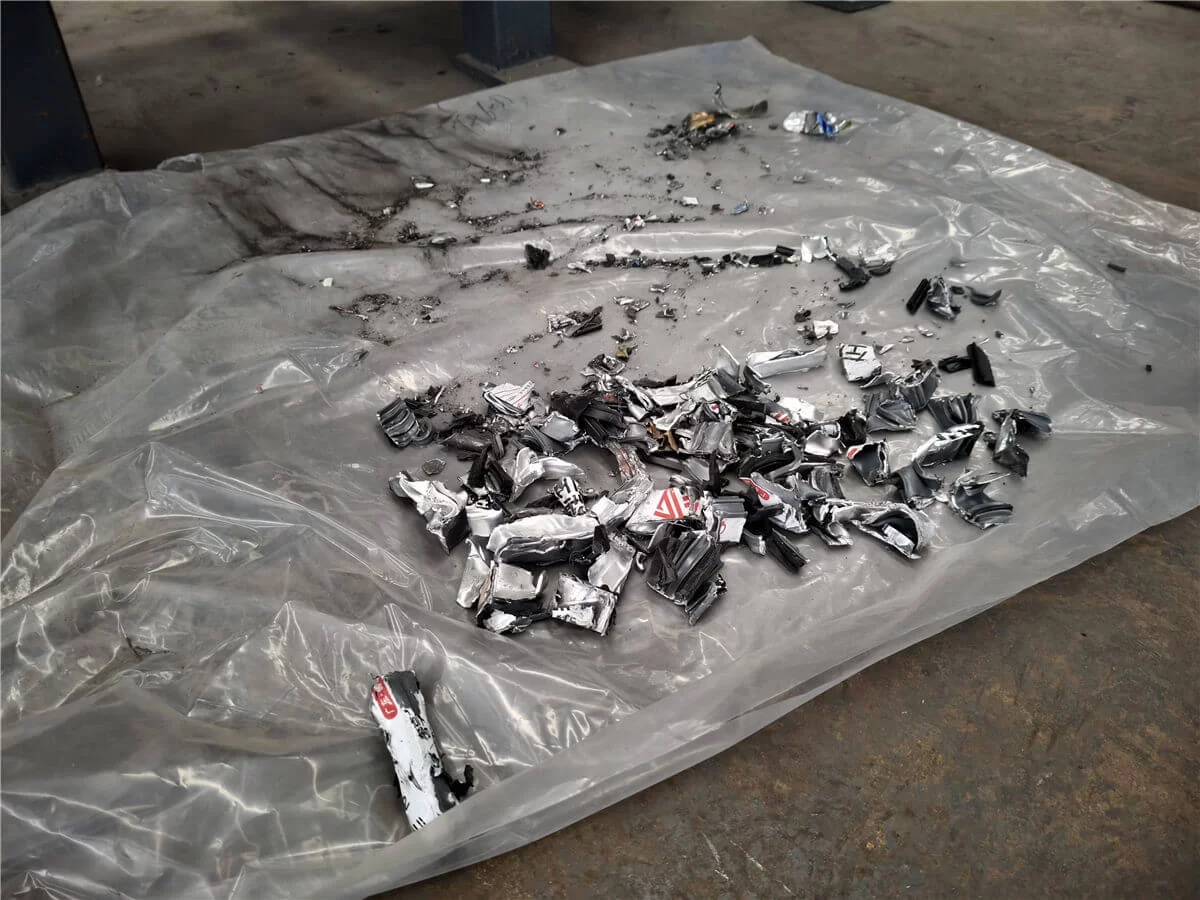
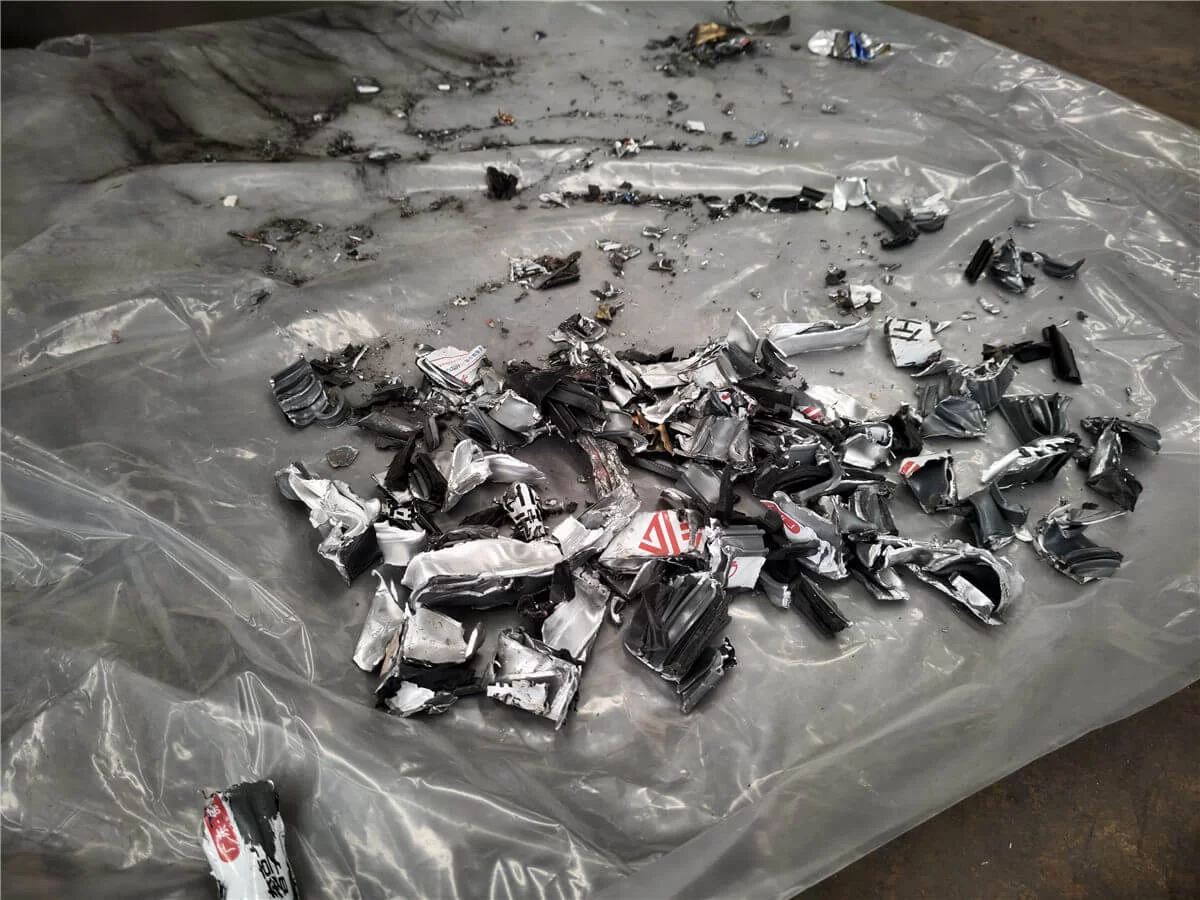
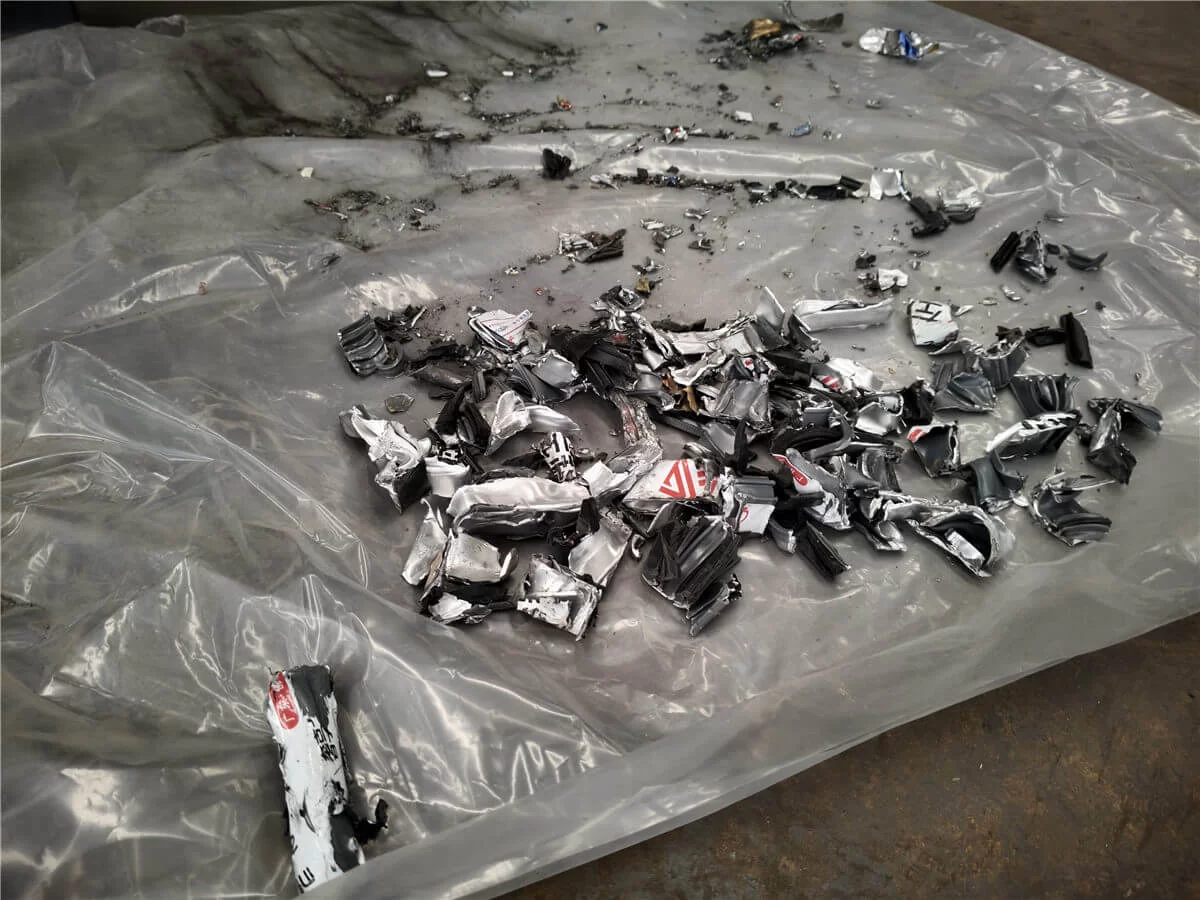
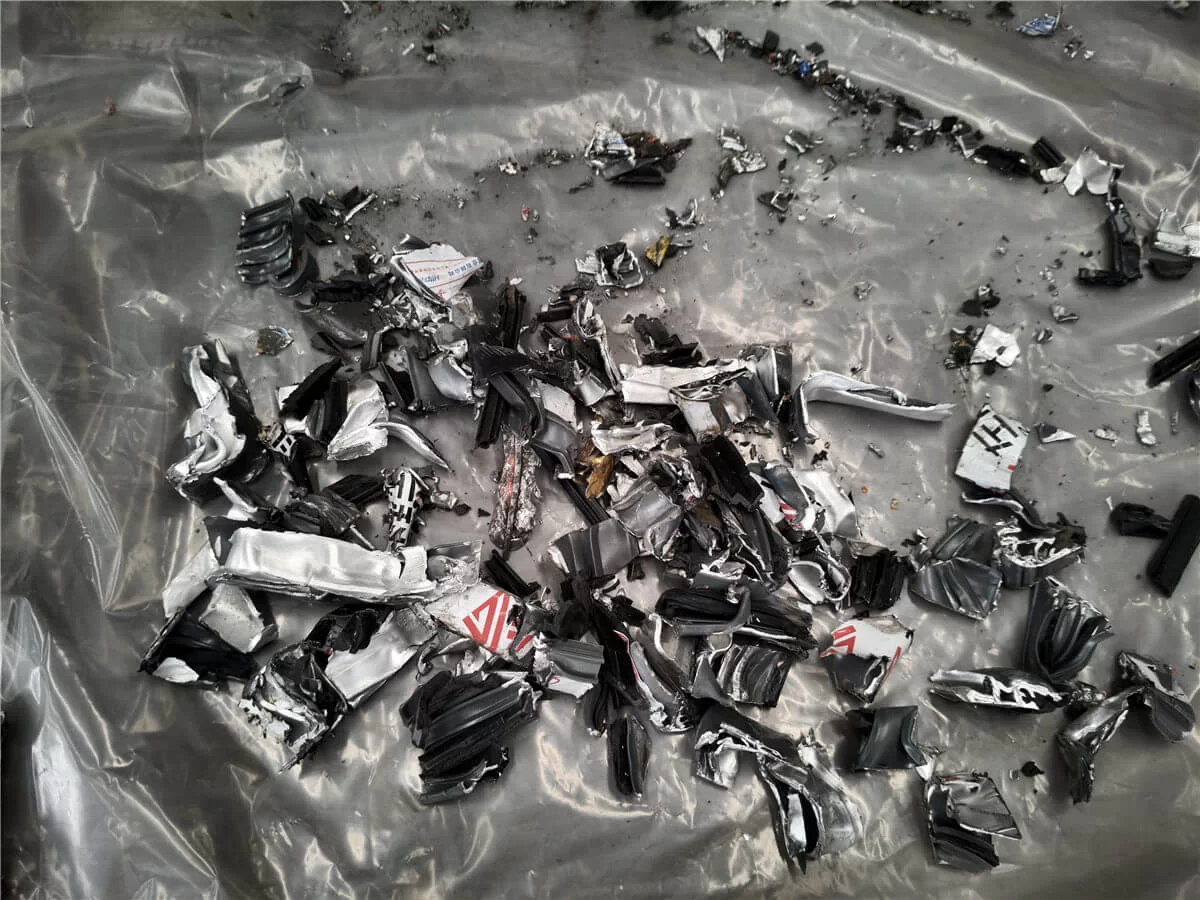
The photographs on this page show the thermal break aluminum profile condition before and after primary shredding. Additional crushing or sorting may be required when the project needs smaller output, improved material liberation or a cleaner recovered aluminum fraction.
Material Before Shredding
The raw material includes waste aluminum window and door profiles. These profiles usually have several features:
Long aluminum profile pieces;
Hollow or irregular profile structure;
PA66 thermal insulation strip inside the profile;
Protective film on part of the surface;
Possible rubber, plastic or small metal attachments.
Because of this mixed structure, thermal break aluminum profile is different from clean aluminum scrap. The purpose of shredding is not only to reduce the length, but also to open the profile structure and make the aluminum and attached materials easier to handle in the next process.
Shredding Process
A twin-shaft shredder is suitable for this type of material. The two shafts rotate at low speed with high torque, pulling the aluminum profiles into the cutting chamber and tearing them by squeezing, shearing and ripping.
This working method is suitable for long aluminum profiles, aluminum window frames, light metal scrap and aluminum-plastic composite materials. As a type of metal shredder, the machine can handle irregular aluminum profiles and reduce them into chunk-shaped output material.
For thermal break aluminum profiles, the shredder reduces long pieces into shorter, coarse chunks and may expose or loosen some PA66 insulation strips. The actual degree of separation depends on the profile structure, cutter configuration and number of cutting passes. During shredding, the machine grips the long profiles steadily and pulls them into the chamber, helping keep the feeding process stable.
Shredding Result
After shredding, the long profiles were reduced into shorter and more manageable pieces. Some hollow sections were opened, and parts of the PA66 insulation strips became exposed or loosened. The output remained coarse and irregular, making it suitable for conveying, inspection or optional downstream crushing.
The final output is mainly chunk-shaped material. This output size is suitable for many recycling processes, especially when the customer needs pre-shredded material instead of fine crushed particles.
The shredding result shows:
Long aluminum profiles are cut and torn into shorter pieces;
Hollow profile sections are opened;
PA66 insulation strips are partly exposed or loosened;
Protective film is shredded together with the aluminum profile;
The output material is easier to convey and sort;
The shredded chunks can be sent to further crushing or separation equipment.
For different recycling requirements, the output size can be adjusted by choosing different shredder models, blade thicknesses and cutter structures. If the project requires larger chunks, a coarse shredding configuration can be used. If smaller or more consistent output is required, the shredded material can be transferred to a suitable crusher for secondary size reduction. Magnetic separation, screening, eddy current separation or airflow sorting can then be selected according to the material composition and required recovered fractions.
Required Equipment
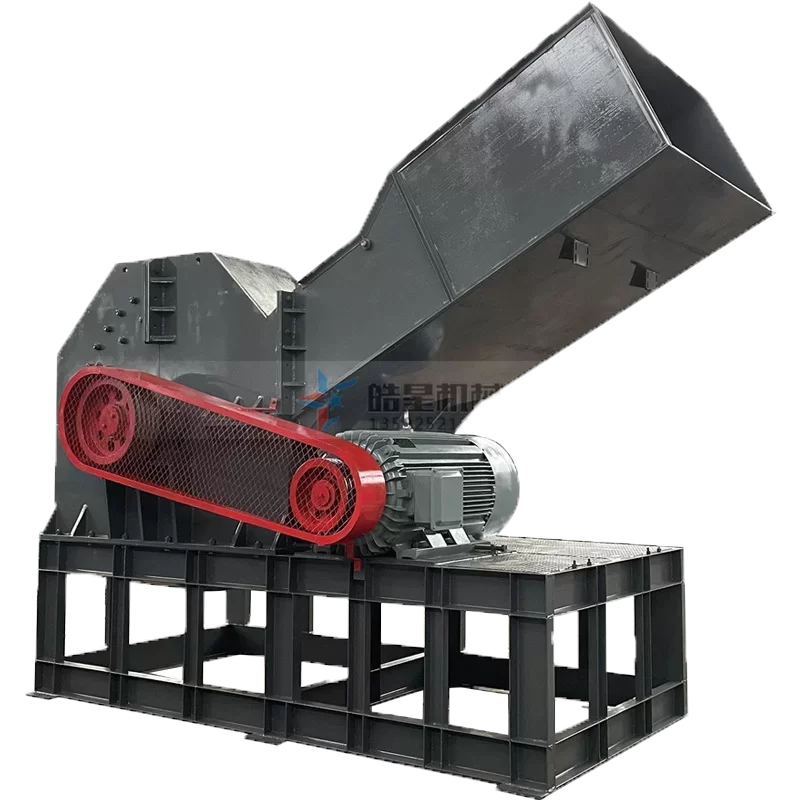
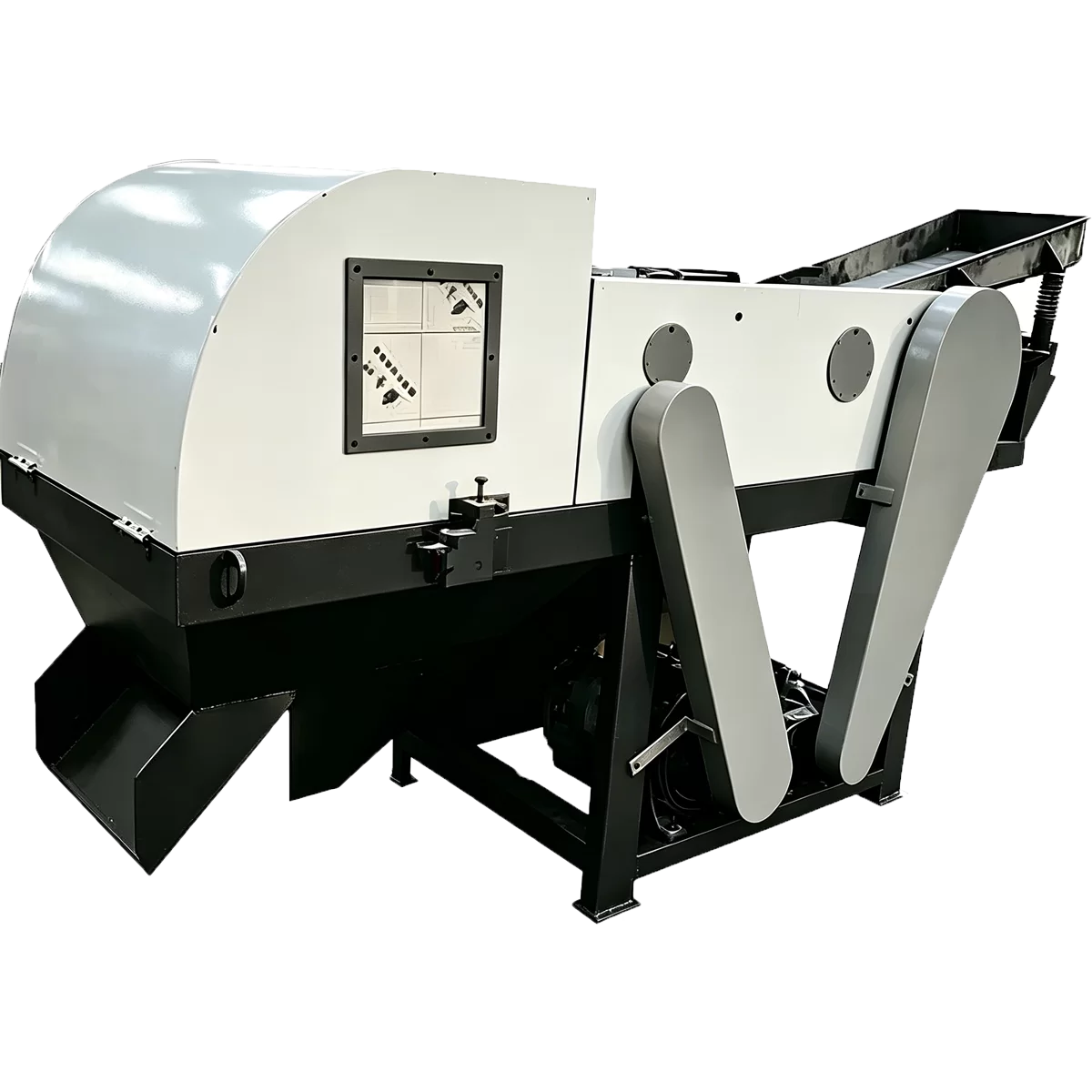
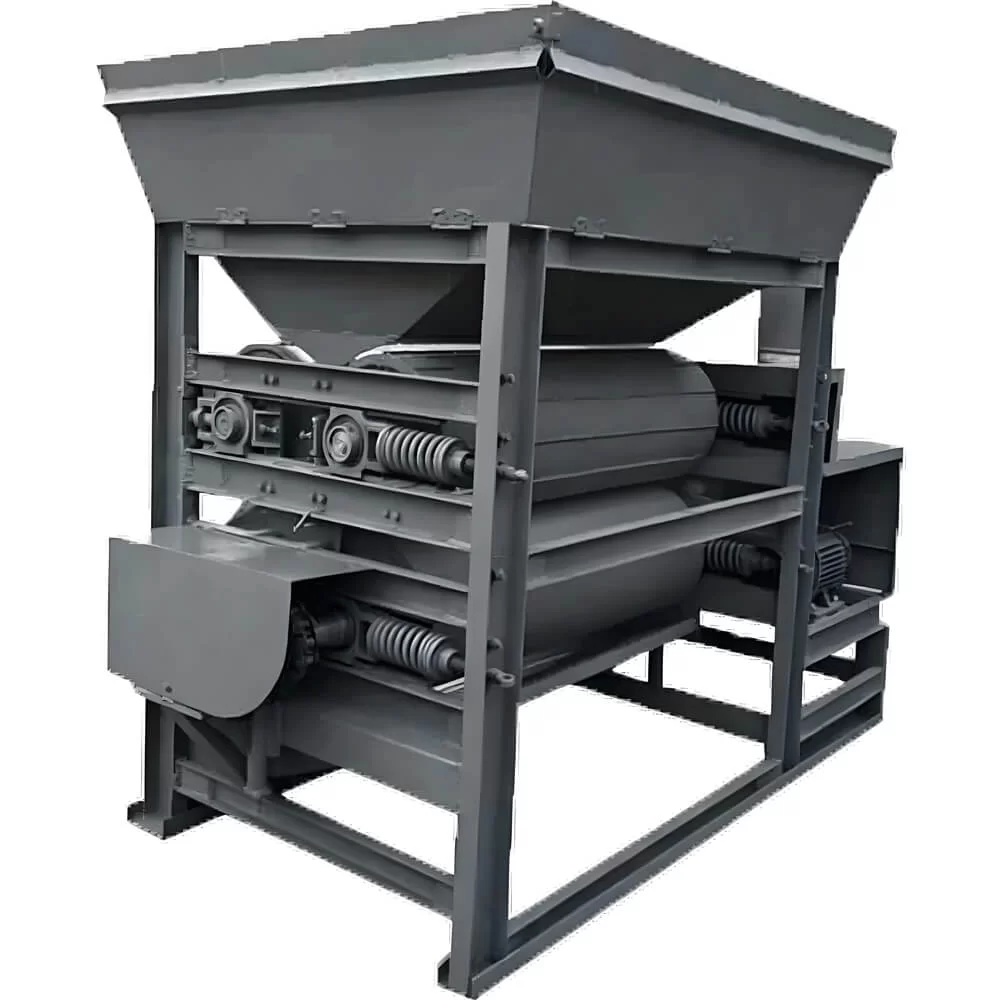
The equipment can be selected according to the required output size and separation purpose. A simple shredding solution may only need a shredder and conveyors, while a complete scrap aluminum shredding line may include several machines for size reduction and material separation.
Main Equipment
Twin-Shaft Shredder
Used for pre-shredding long thermal break aluminum profiles into shorter chunks.Thermal Break Aluminum Shredder
Suitable for aluminum window and door profiles with PA66 insulation strips, protective film and mixed attachments.Aluminum Profile Shredder
Used for processing aluminum profiles, aluminum window frames, industrial aluminum scraps and aluminum offcuts.Metal Shredder
Suitable for coarse shredding of light metal scrap, aluminum scrap and other recyclable metal materials.
Optional Equipment
Feeding Conveyor
Used to feed long aluminum profiles into the shredder continuously.Discharge Conveyor
Used to transfer shredded aluminum chunks to the next processing area.Magnetic Separator
Used to remove possible ferrous impurities such as screws, hinges or small steel parts.Eddy Current Separator
May be used after ferrous metal removal, screening and suitable material preparation to recover conductive non-ferrous metals from an appropriate non-metallic material stream.Air Separator
Used to separate light impurities such as protective film, plastic pieces and rubber strips.Dust Collection System
Used to collect dust generated during shredding and sorting.Electrical Control System
Used to control the operation of the whole line.
Suitable Materials
This shredding solution can be used for many kinds of aluminum profile recycling materials, including:
Thermal break aluminum profiles;
Waste aluminum doors and windows;
Aluminum window frame scrap;
Aluminum profiles with PA66 insulation strips;
Aluminum profiles with protective film;
Industrial aluminum profile waste;
Aluminum offcuts and production scrap;
Aluminum-plastic composite profile materials.
Processing Advantages
Using a thermal break aluminum shredder for this material has several practical advantages.
First, it can handle long and irregular materials. The profiles do not need to be cut into very short pieces before feeding, which helps reduce manual work.
Second, the low-speed and high-torque design gives the twin-shaft shredder strong biting force. It is suitable for pre-shredding aluminum profiles and other light metal materials with complex shapes.
Third, the shredded output is easier for downstream processing. After the material size is reduced, it can be conveyed, stored, sorted or further processed more efficiently.
Finally, the machine can be used as the first step of a complete scrap aluminum shredding line. According to the final material requirement, it can be connected with conveyors, magnetic separators, eddy current separators, air separators and dust collection systems.
Conclusion
Thermal break aluminum window and door profiles with PA66 strips and protective film are typical mixed aluminum recycling materials. They are long, irregular and contain both metal and non-metal parts, so pre-shredding is an important step before further processing.
A twin-shaft shredder can reduce these profiles into shorter chunk-shaped material, open the profile structure and make the material easier for sorting, separation and recycling. For recycling projects involving waste aluminum windows, aluminum profile scrap and thermal break aluminum materials, an aluminum profile shredder or complete scrap aluminum shredding line provides a practical front-end treatment solution.