

Project Overview
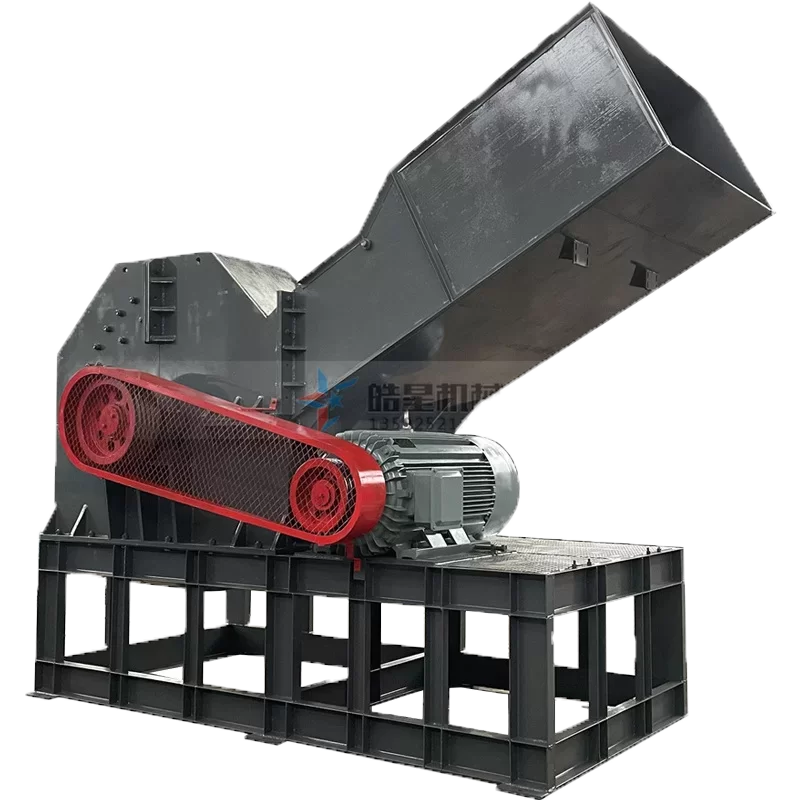
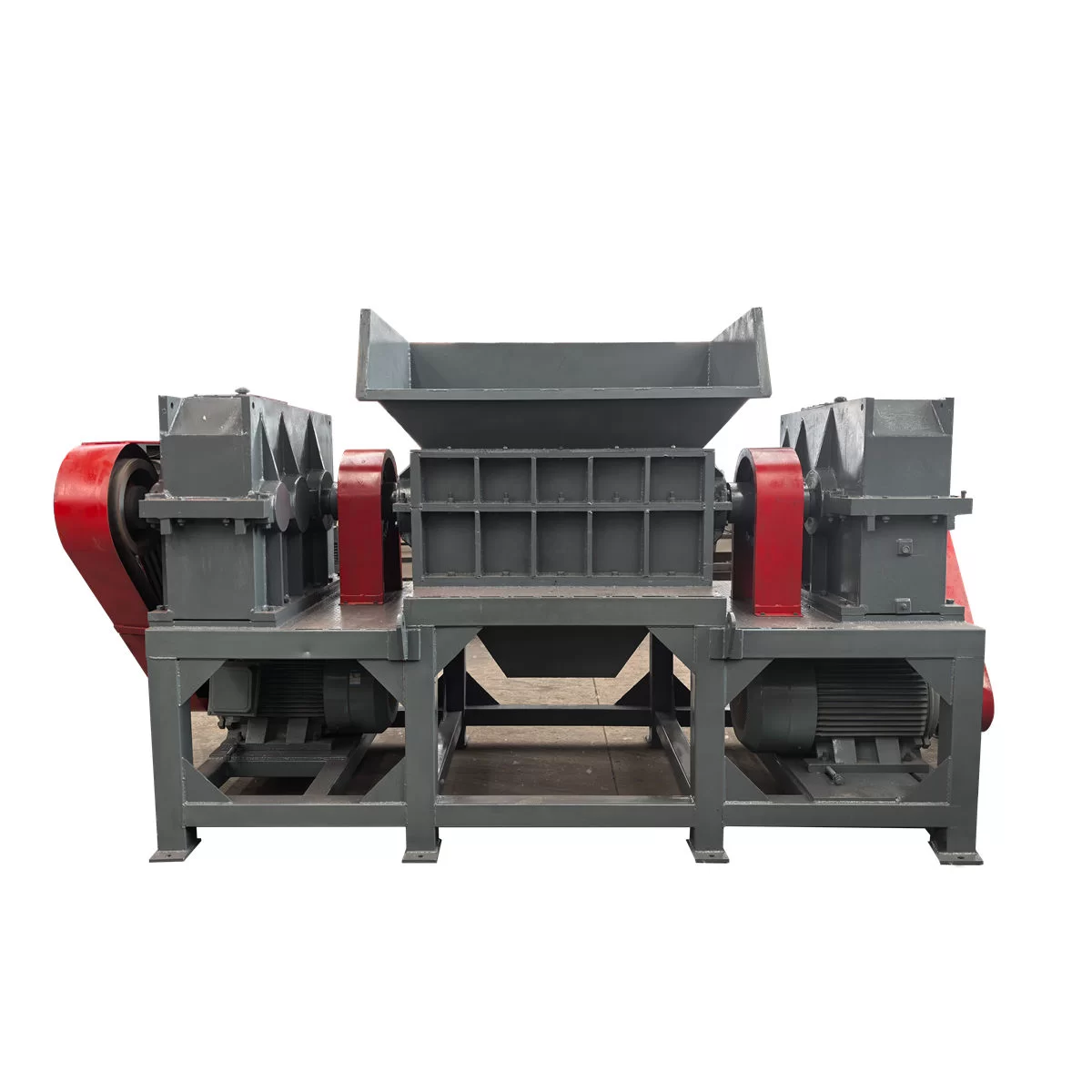
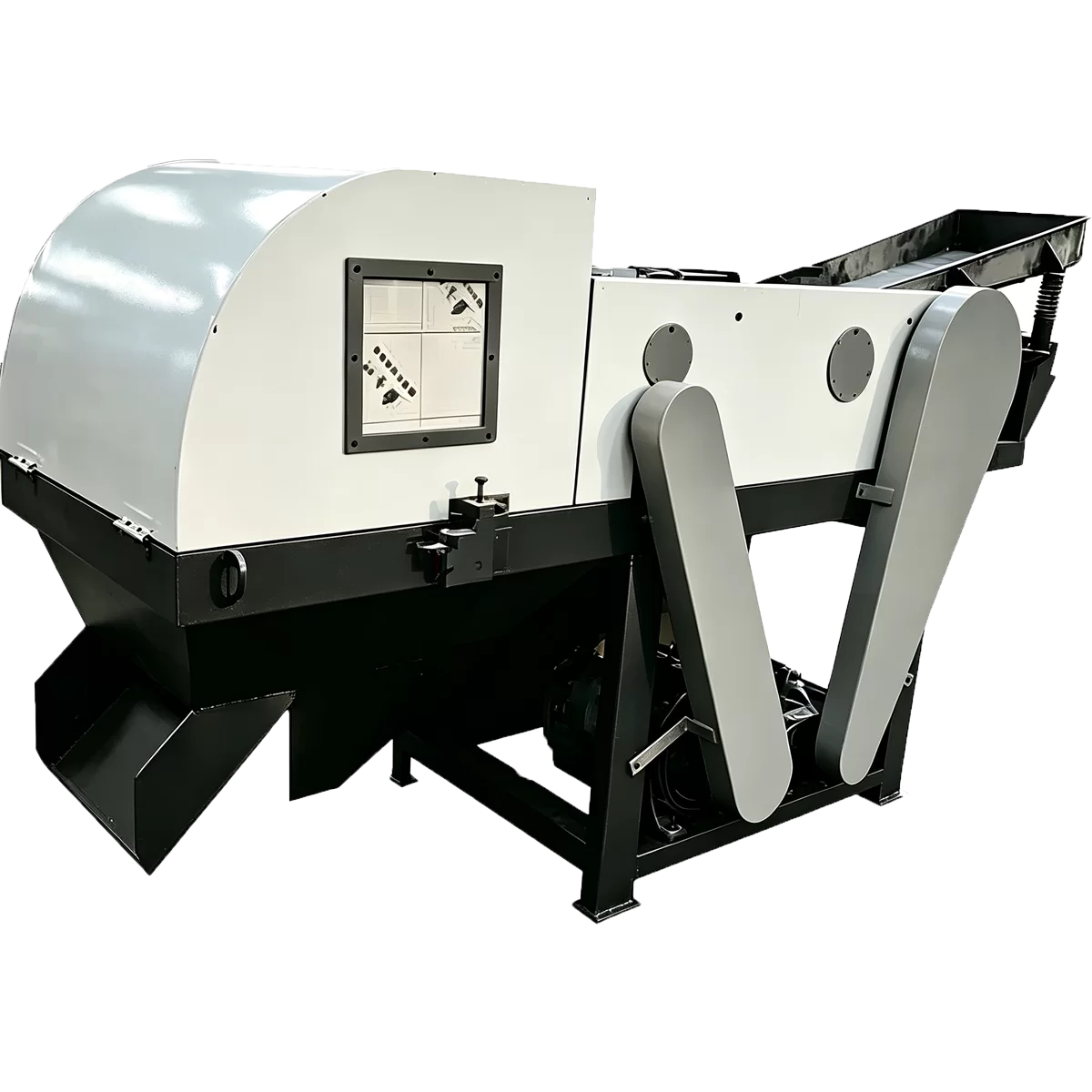
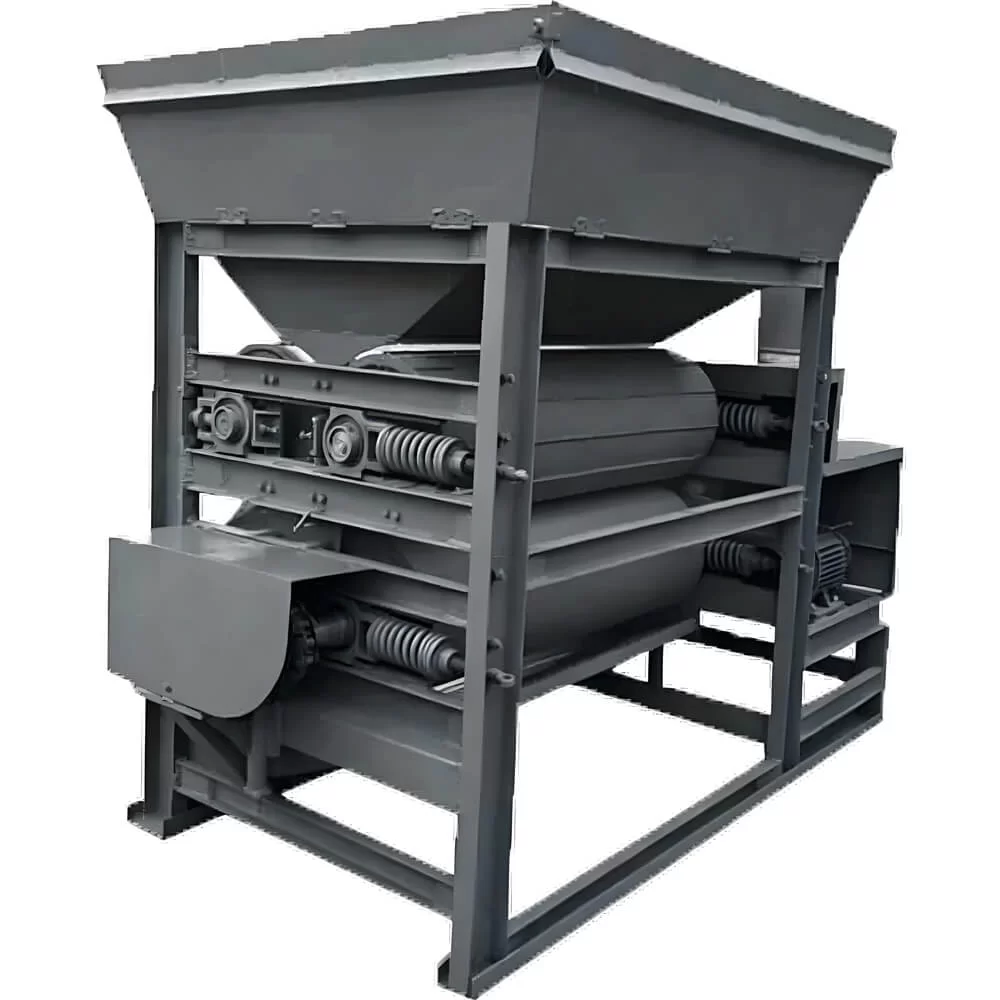
Real factory photos of a twin shaft shredder feed hopper manufactured by Haoxing Machinery. Heavy-duty steel construction, large feeding opening, and optimized hopper design for scrap metal, aluminum, steel, baled materials, and recycling applications. Custom sizes available.
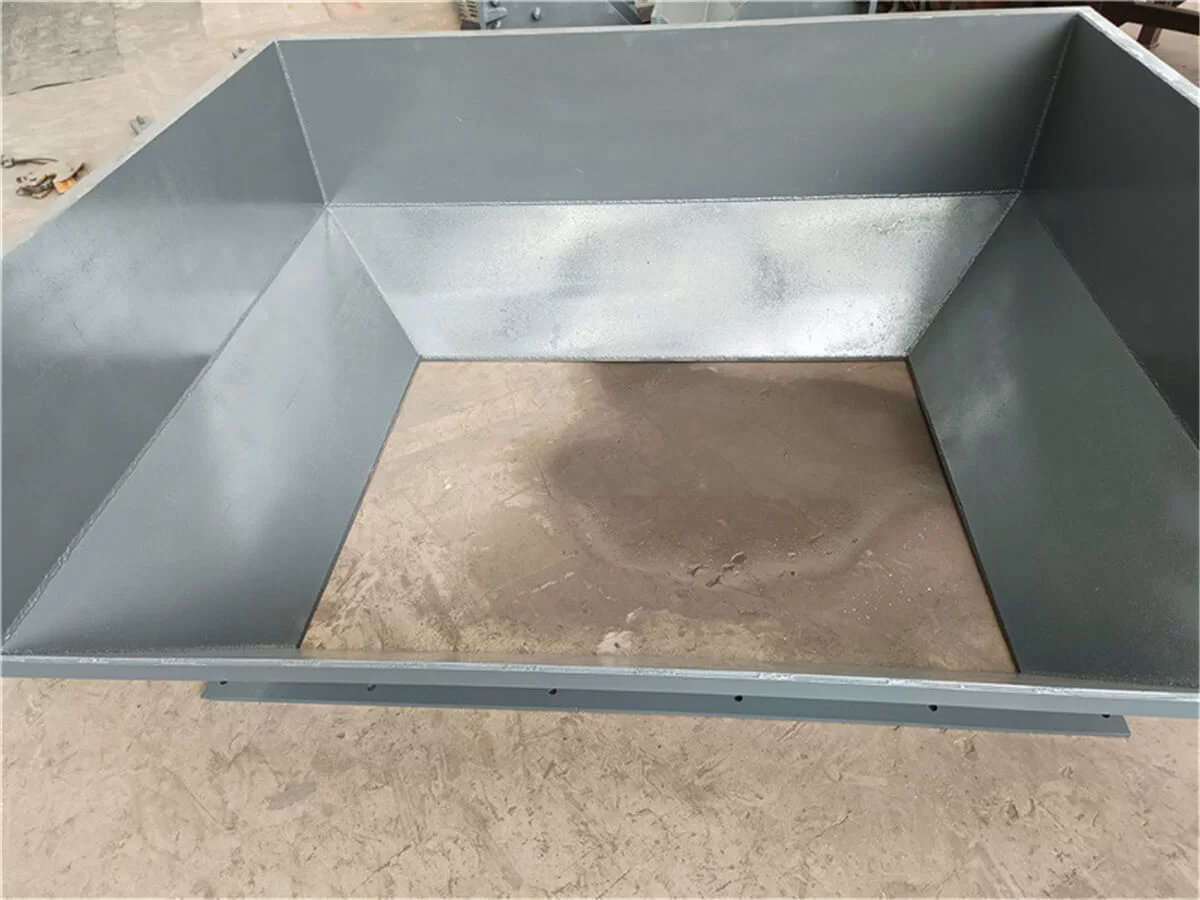
Factory Case Study of Shredder Feed Hopper Structure: How a Large Inlet Improves Feeding Efficiency
These are real factory photos of the shredder feed hopper structure from Haoxing Machinery. You can see a large inlet opening, heavy-duty welded steel plates, and sloped inner surfaces that guide material smoothly into the shredding chamber. This design helps reduce material bridging and feeding jams, which is especially important for bulky scrap such as scrap steel, scrap aluminum, profiles, baled material, and metal drums.
From an equipment selection point of view, a shredder feed hopper is not just “bigger is better.” It should be designed according to material size, density, feeding method, and the layout of the whole recycling line. On Haoxing Machinery’s current website, the key terms around twin shaft shredder, metal shredder, scrap iron shredder, bale shredder, and mobile metal shredder all focus on large feed opening, low-speed high-torque shredding, stable gripping performance, and bulky material handling.
In real production, this feed hopper structure is usually matched with a chain plate conveyor, grapple loader, or hydraulic feeding system. That improves feeding efficiency and reduces manual intervention. For overseas buyers, a good case study should clearly explain the structure, application, processed material, and real workshop photos. This helps search engines understand the page topic and also helps customers quickly judge whether the machine fits their raw material.
Key Features
Large feed inlet for bulky and irregular materials.
Heavy-duty welded frame for stable performance under load.
Sloped guiding design to reduce bridging and improve feeding continuity.
Easy connection to upstream conveying systems for a complete recycling line.
Suitable Materials
Scrap steel, scrap aluminum, aluminum profiles, metal drums, baled scrap, and mixed metal waste.
Factory Note
This case is based on real workshop photos from Haoxing Machinery. The machine is shown after fabrication and before final delivery. Dimensions, plate thickness, feeding method, and supporting systems can be customized according to customer requirements.
Inlet Size Must Match the Real Feed
The inlet of a twin shaft shredder should be selected from the maximum material length, width, height, individual weight and loading orientation. A large external hopper does not mean that every oversized item can reach the cutter shafts. The clear opening above the cutting chamber, internal guide plates and usable shaft length determine whether the material can enter and be gripped.
Hopper Volume and Cutting Chamber Are Different Parameters
Hopper volume provides temporary storage and supports continuous loading, while the cutting chamber performs the actual gripping and tearing. Increasing hopper height can hold more loose material but does not increase cutter width, shaft torque or allowable single-piece weight. Capacity should therefore not be estimated from hopper size alone.
Long, Wide and Nested Material
Long sheet, profiles, frames and bundled scrap can bridge across the hopper or rest above the cutters. Wide panels may require cutting, folding or controlled orientation before loading. Nested shells and hollow parts can form a dense group even when the wall thickness is limited. Feed preparation should prevent unstable drops and sudden load peaks.
Bales and Compacted Scrap
For baled material, confirm bale length, width, height, density, binding wire, internal composition and individual weight. The bale must fit the clear inlet and allow the cutter hooks to establish an initial bite. A hopper that accepts the bale geometrically does not guarantee that the shafts have enough torque or chamber clearance to tear it safely.
Hopper Angle, Bridging and Material Guidance
Side-wall angle, surface condition, vertical clearance and guide-plate arrangement influence sliding and bridging. Very light sheet can span the chamber, while irregular rigid pieces can lock against the walls. The hopper should guide material toward the cutter zone without creating narrow pinch points or allowing dangerous access to the rotating shafts.
Loader, Grapple or Conveyor Feeding
A loader or grapple is suitable for intermittent bulky feed when the bucket or grab can place material without striking the hopper. A conveyor supports controlled continuous feeding when the material dimensions are stable. The loading device, hopper height, platform, protective guard and emergency-stop arrangement should be considered together.
When a Hydraulic Pusher Is Not the Default Choice
Twin shaft shredders normally rely on gravity and cutter-hook engagement. A hydraulic pusher should not be added automatically because it can force unsuitable dense material into the shafts and increase overload risk. Pusher-assisted feeding is evaluated only when the feed behavior, chamber design and control logic are specifically engineered for it.
Information Required for Inlet Design
Please provide representative photos or video, maximum dimensions, single-piece weight, loose or baled condition, bulk density, binding method, loading equipment, required hourly throughput and available installation height. The final proposal should state the clear inlet dimensions, hopper volume, effective cutter length, loading height and excluded feed conditions.