Project Overview
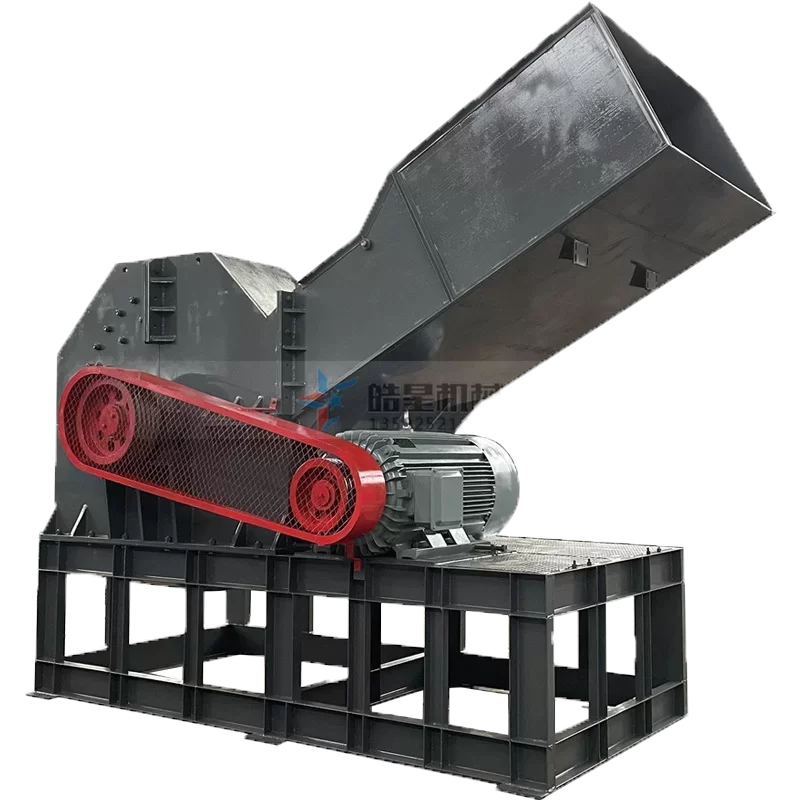
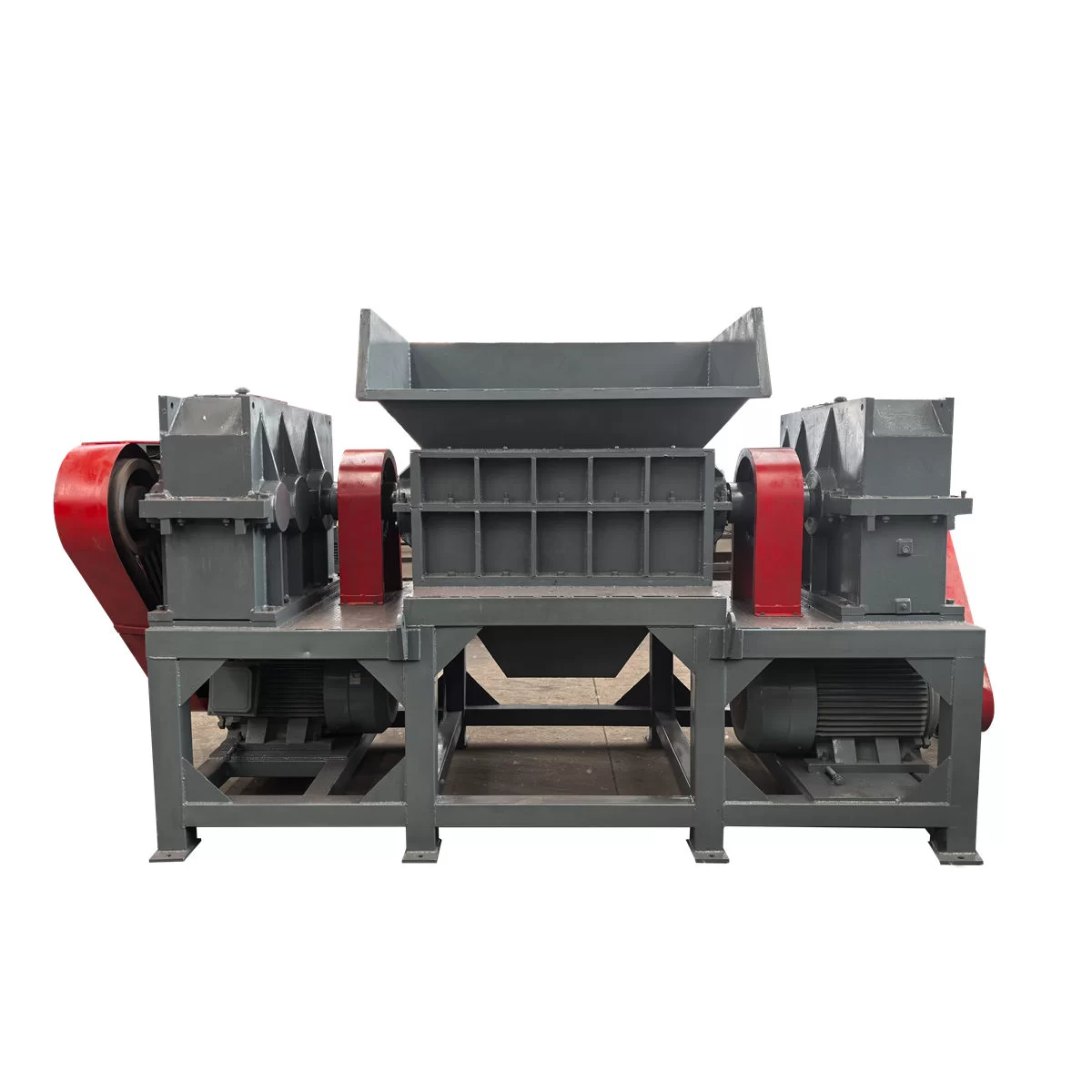
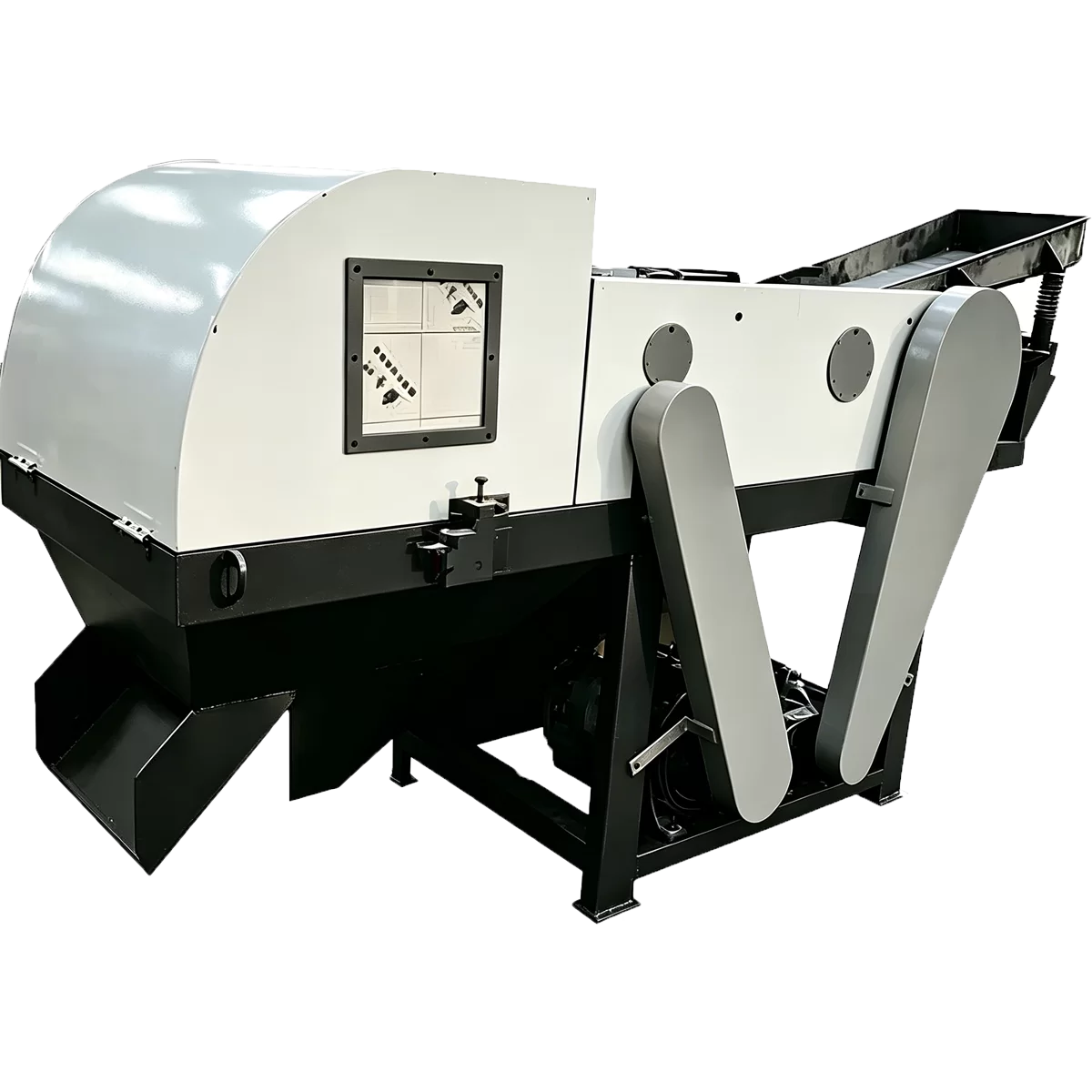
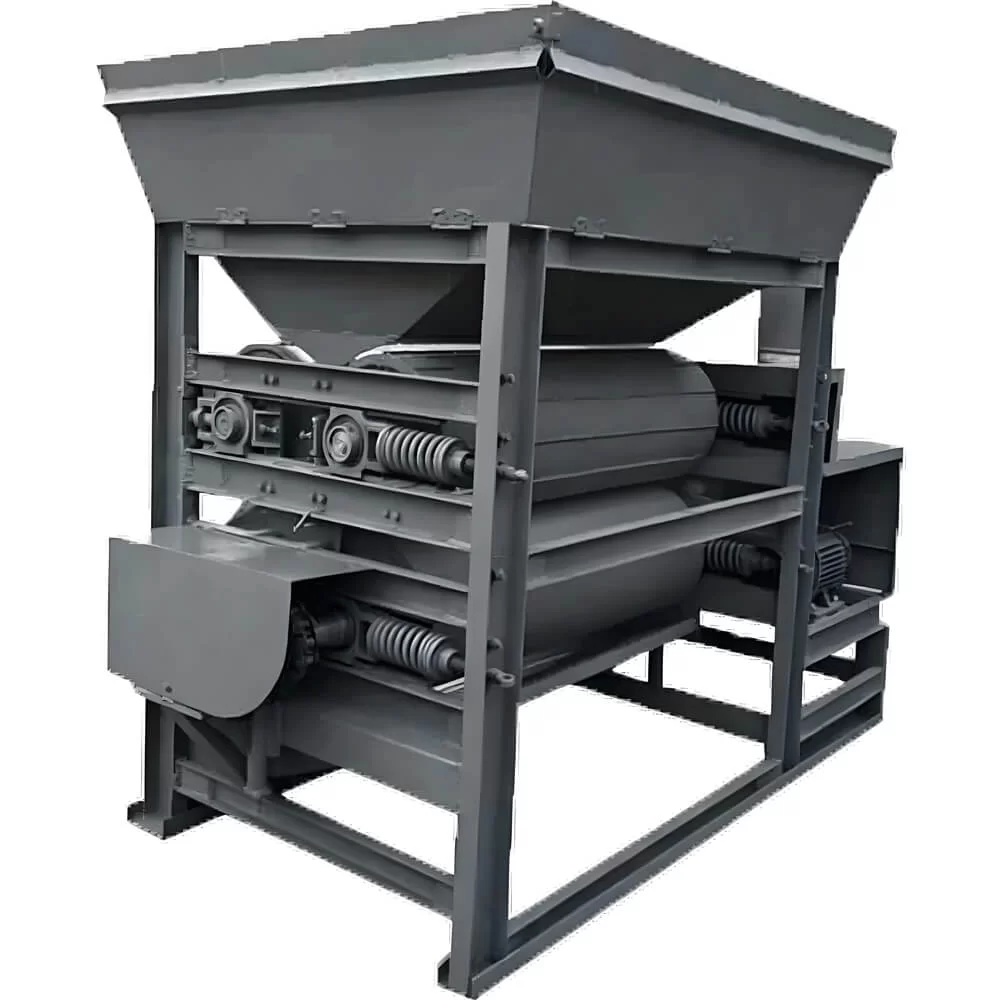
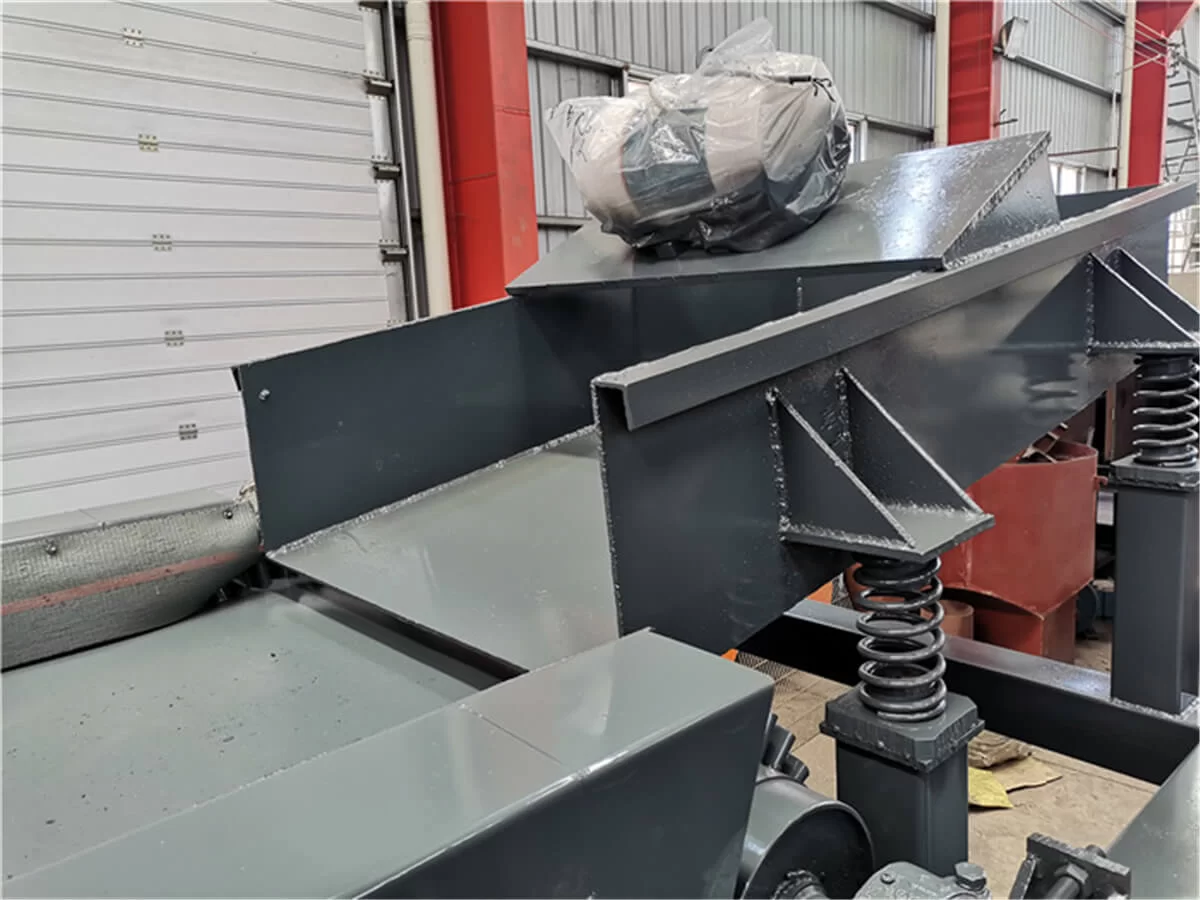
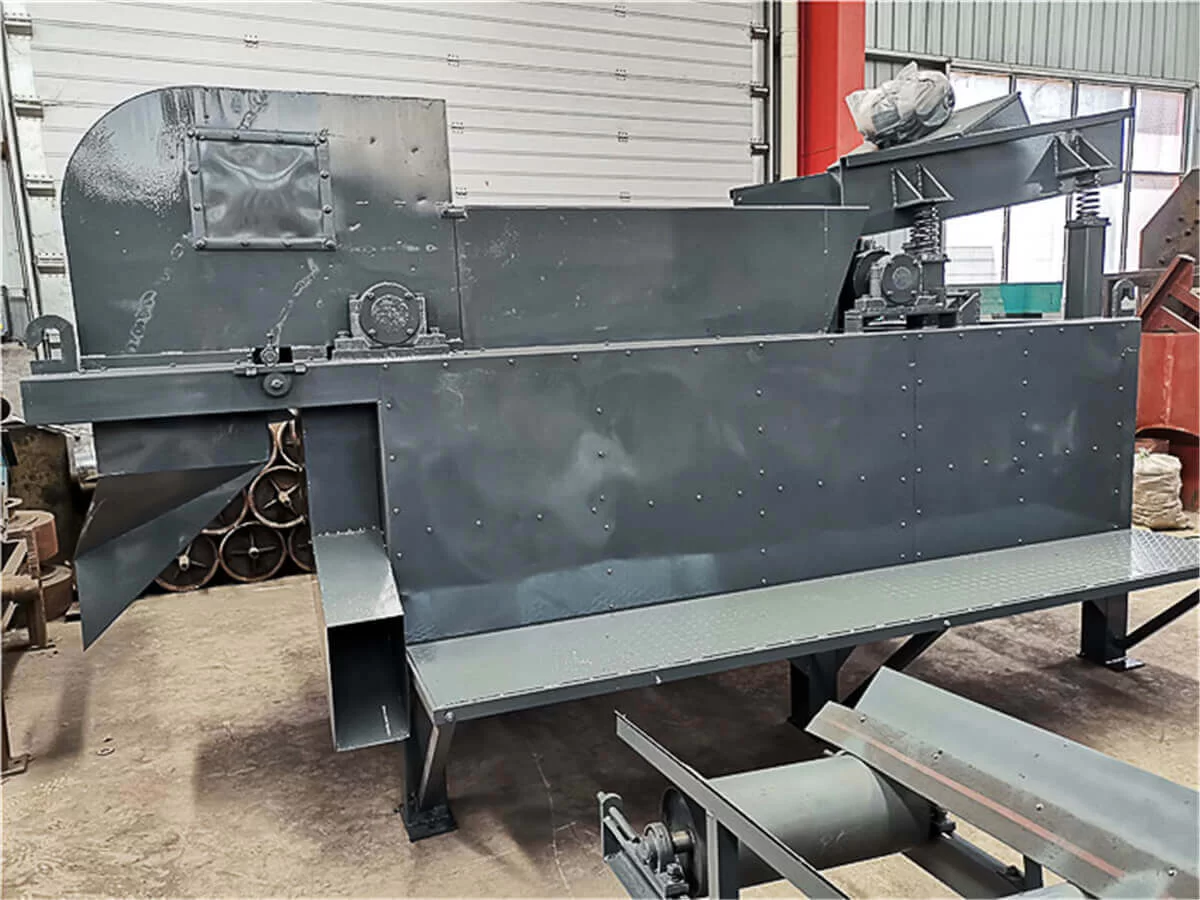
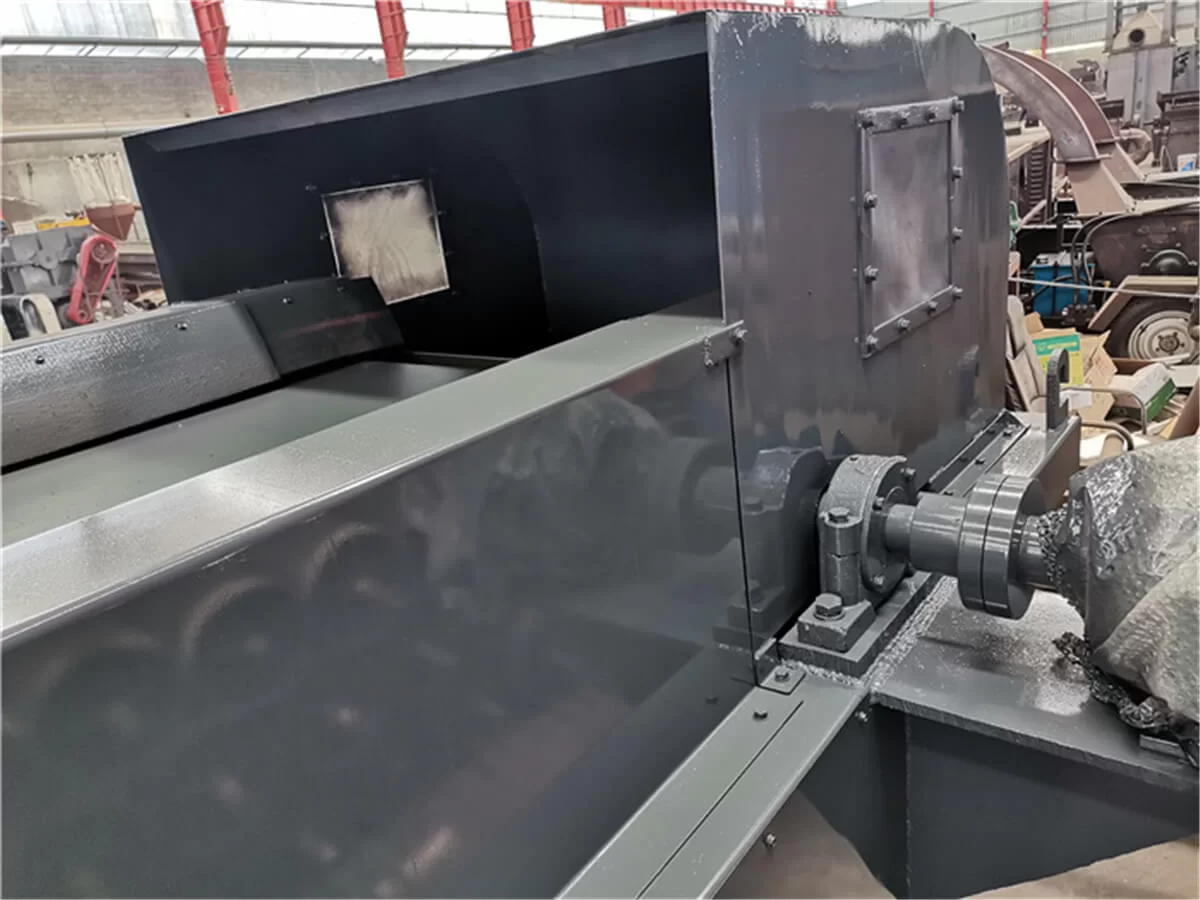
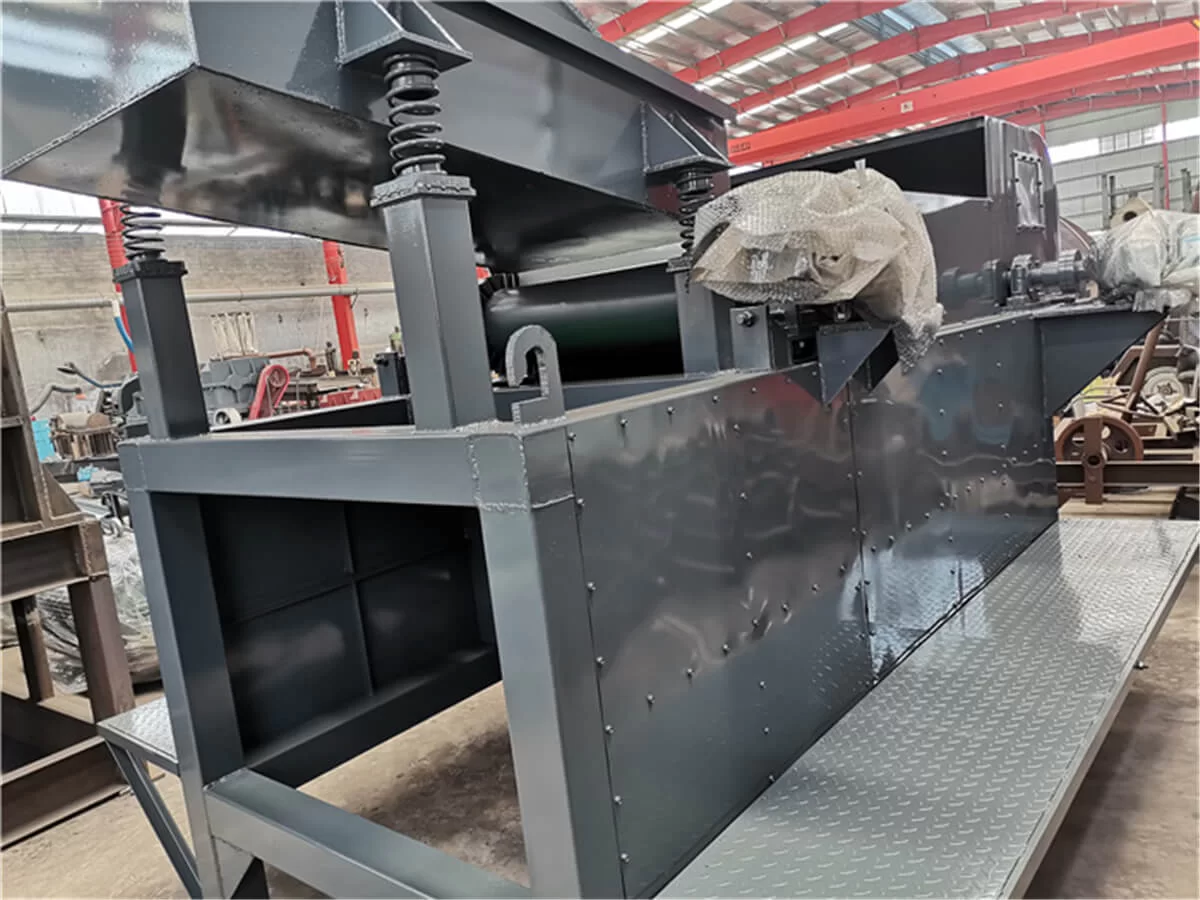
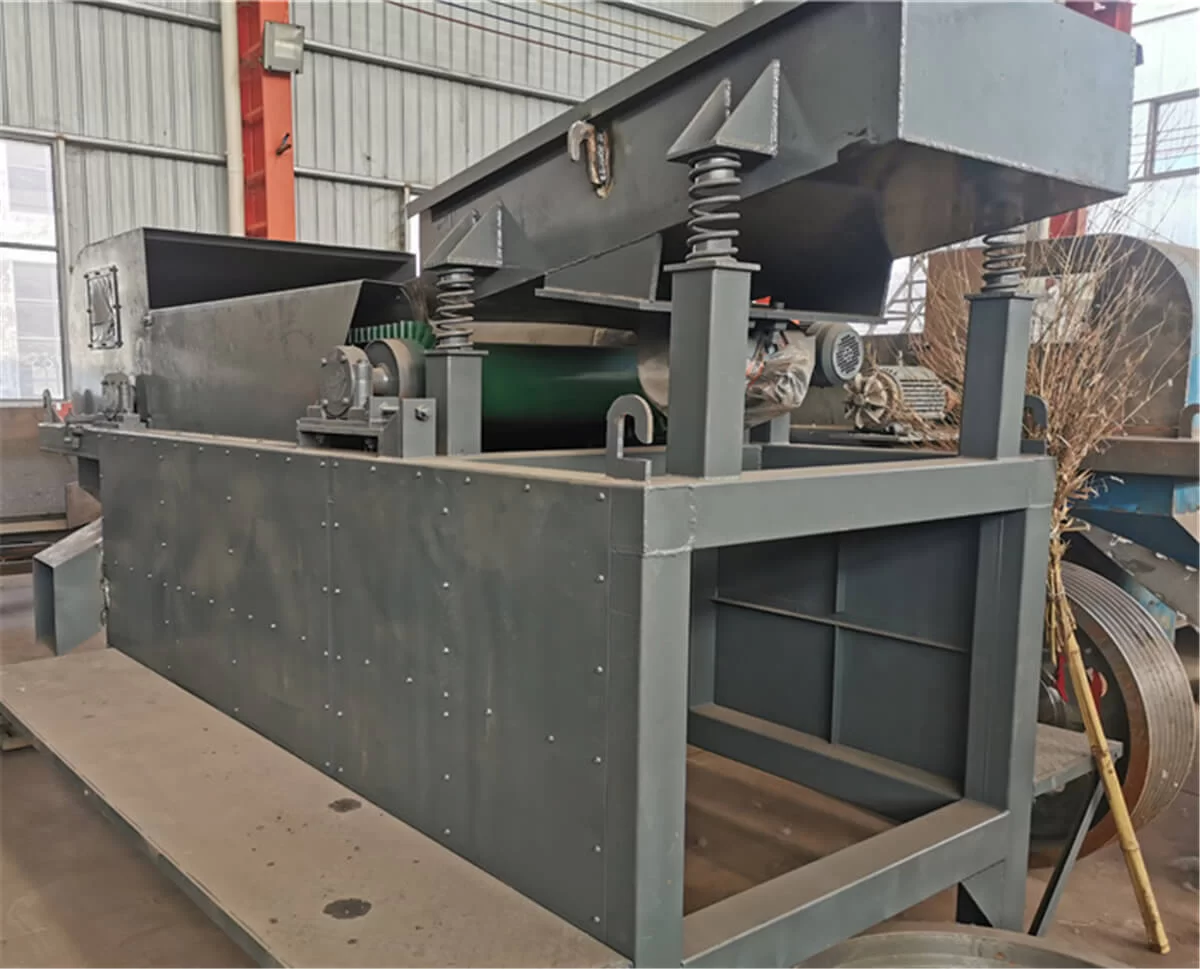
This group of photos shows detailed views of eddy current separators at the production site, including the machine frame, conveyor system, separation roller, protective cover, motor drive and assembly details. The eddy current separator, also called an aluminum separator or metal separator, is mainly used to separate aluminum, copper and other non ferrous metals from shredded scrap metal, municipal waste, electronic waste, aluminum plastic mixtures and industrial solid waste. The machine can be
Working with Scrap Metal Shredding and Sorting Lines
The eddy current separator is usually used as a downstream sorting machine. It can work with scrap metal crushers, twin shaft shredders, magnetic separators, belt conveyors, trommel screens and air separators. In shredded scrap metal recycling, non ferrous metal recovery, municipal waste sorting and industrial waste processing, the eddy current separator is mainly used to separate aluminum, copper and other non ferrous metals after magnetic separation.
A common process is: mixed waste → crushing or shredding → conveying → magnetic separation → screening → eddy current separation → non ferrous metal recovery.
If the material contains a high percentage of ferrous metals, magnetic separation is normally recommended before eddy current separation. This helps reduce the impact of iron materials on the downstream sorting process, protects the equipment and improves non ferrous metal recovery.
Reference Technical Parameters of Eddy Current Separator
| Item | Reference Data |
|---|---|
| Machine name | Eddy current separator / aluminum separator / metal separator |
| Applicable materials | Shredded scrap metal, municipal waste, electronic waste, aluminum plastic materials, industrial waste |
| Separated metals | Aluminum, copper, zinc and some other non ferrous metals |
| Belt width | 600mm, 800mm, 1000mm, 1200mm, 1500mm optional |
| Capacity | 1-20 tons per hour, depending on material condition |
| Suitable material size | Commonly 5-100mm, subject to material test |
| Magnetic rotor speed | Configured according to machine model |
| Motor power | Configured according to machine model and capacity |
| Separation method | Eddy current non ferrous metal separation |
| Auxiliary equipment | Crusher, magnetic separator, conveyor, trommel screen, air separator |
| Installation | Single machine or complete sorting line |
| Custom options | Belt width, frame size, capacity, separation angle, discharge method |
The above data is for reference only. Different models have different configurations. The final model should be confirmed according to material photos, feeding size, processing capacity, impurity content and site layout.
Why Production Detail Photos Are Useful
For customers who plan to purchase equipment, production detail photos are more practical than simple product descriptions. These photos show whether the machine is in real production and whether the manufacturer has stable manufacturing and assembly capability.
This type of content is suitable for website sections such as production site, equipment details, factory photos and machines in stock. By adding equipment structure, technical parameters, material applications and sorting line configuration, the page can be more useful for visitors and easier for search engines to understand.
Custom Sorting Solutions from Manufacturer
Different customers process different materials. Some customers mainly process shredded scrap metal residue, while others deal with municipal waste, electronic waste or aluminum plastic mixtures. The belt width, magnetic rotor configuration, processing capacity and auxiliary equipment should be selected according to actual material conditions.
The manufacturer can provide suitable aluminum separator models and metal sorting line solutions according to material photos, videos, feeding size, capacity requirements and site layout. For customers processing shredded scrap metal, aluminum and copper mixtures, waste sorting materials or industrial solid waste, the eddy current separator is an important machine for improving non ferrous metal recovery.