The international aluminum scrap market became increasingly active during the first half of 2026. According to recently published industry data, the United States exported approximately 1.25 million metric tons of aluminum-bearing scrap from January through June 2026. This represented a 21 percent increase compared with the same period in 2025.
Thailand, India, Malaysia, South Korea and Hong Kong were among the largest destinations for US aluminum scrap. The increase in trade volume creates new opportunities for scrap yards, exporters, secondary aluminum plants and recycling equipment suppliers. It also places greater emphasis on material preparation and quality control.
For recycling companies, collecting more scrap does not automatically produce higher profits. The density, cleanliness, composition and particle size of the material can directly affect transportation costs, selling prices, furnace efficiency and metal recovery.
Why Unprocessed Aluminum Scrap Is Difficult to Trade
Aluminum scrap is available in many forms, including:
Used beverage cans
Aluminum profiles
Window and door frames
Aluminum sheets
Mixed aluminum castings
Automobile aluminum parts
Aluminum radiators
Aluminum and plastic composite materials
Baled light aluminum scrap
Mixed non-ferrous metal scrap
These materials differ significantly in size, thickness, alloy composition and impurity content.
Loose aluminum cans and thin aluminum sheets occupy a large amount of storage and transportation space. Mixed aluminum scrap may contain iron, plastic, rubber, glass, copper, stainless steel or other contaminants. Painted and coated aluminum can also carry surface materials that affect downstream melting.
If these materials are loaded or exported without suitable processing, the recycler may encounter several problems:
Low loading weight per container
Higher transportation cost per ton
Inconsistent material grades
Greater risk of buyer deductions
More manual sorting work
Lower furnace feeding efficiency
Increased slag and metal loss
This is why many recycling plants no longer treat aluminum processing as simple volume reduction. A modern aluminum recycling system should produce a more consistent and identifiable material that can be transported, sold or melted more efficiently.
Shredding Is Suitable for Coarse Size Reduction
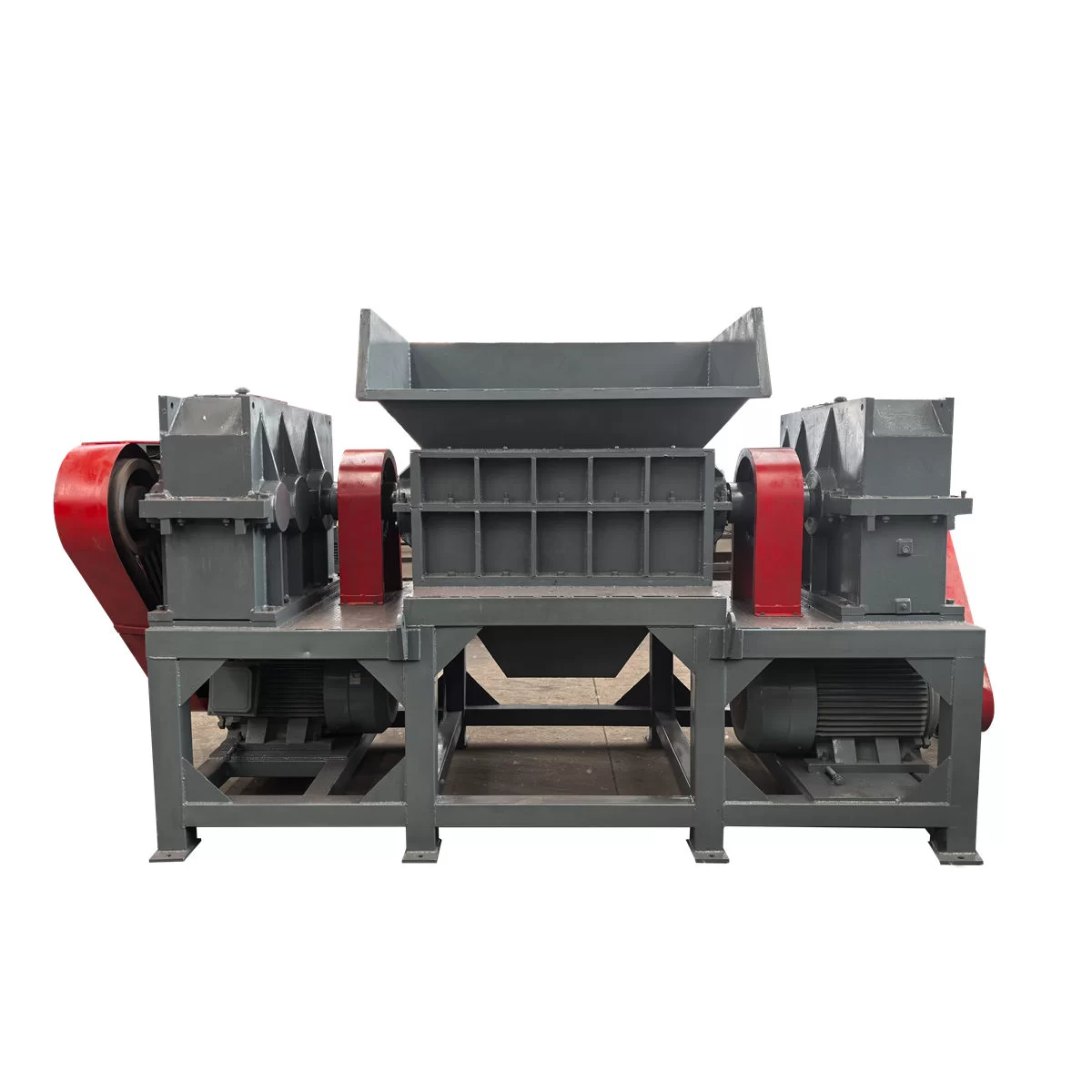
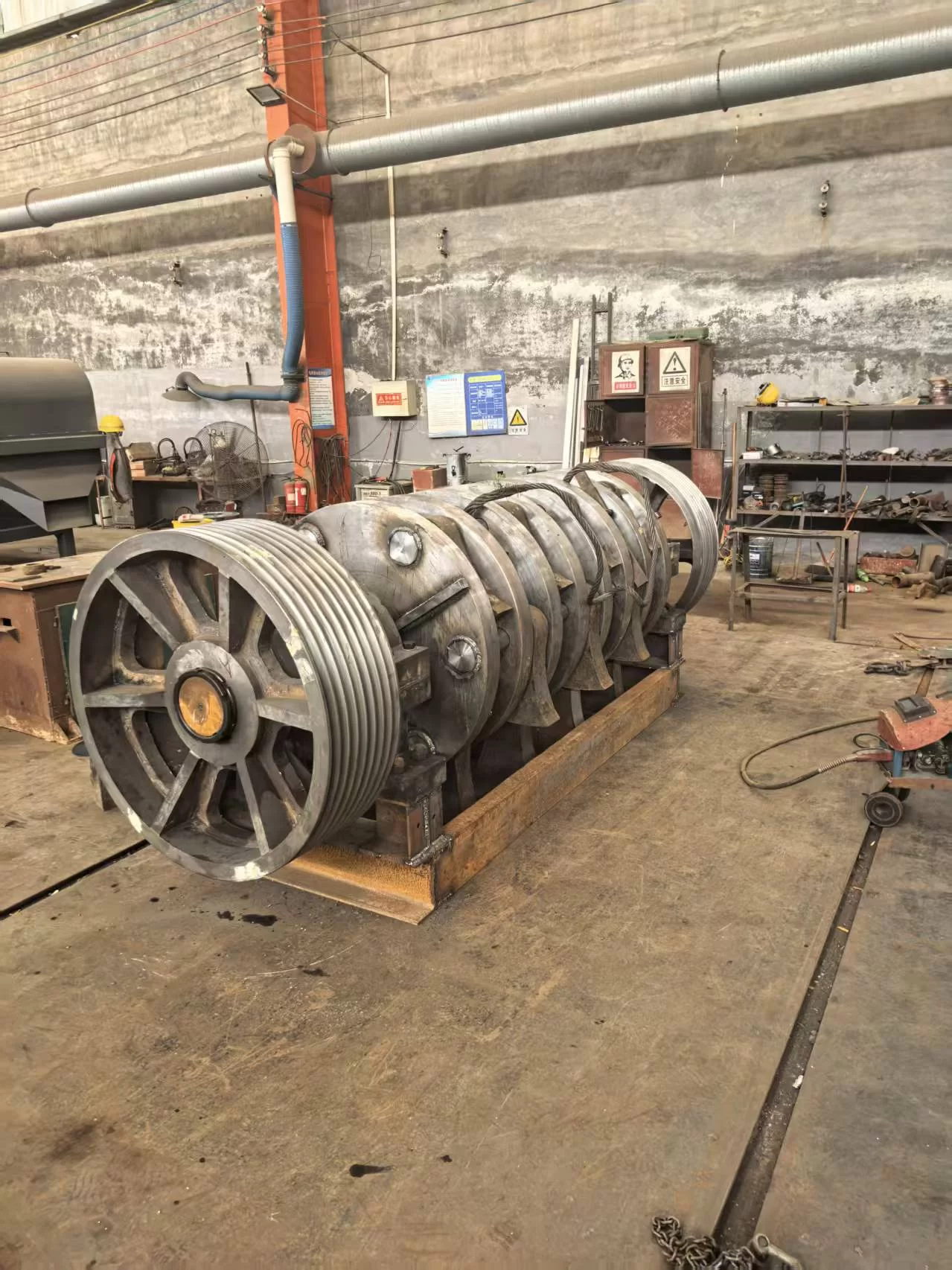
A metal shredder operates at relatively low speed and high torque. Its main purpose is to tear large, bulky or compressed aluminum scrap into smaller pieces.
Typical applications include aluminum can bales, light aluminum sheets, thin profile scrap and mixed aluminum products that are too large or irregular for direct feeding into subsequent equipment.
The shredder opens compressed material and reduces its overall size. It can also expose contaminants hidden inside a bale, making magnetic separation and manual inspection easier.
The required shredder structure depends on the actual raw material. An aluminum can bale and a thick aluminum casting should not be processed using the same cutter configuration.
Before selecting an aluminum scrap shredder, the buyer should provide representative material photographs, dimensions, thickness, bale density and required processing capacity.
Shredding should therefore be regarded as a preprocessing step rather than a complete aluminum sorting solution.
Crushing Produces Smaller and More Controlled Material
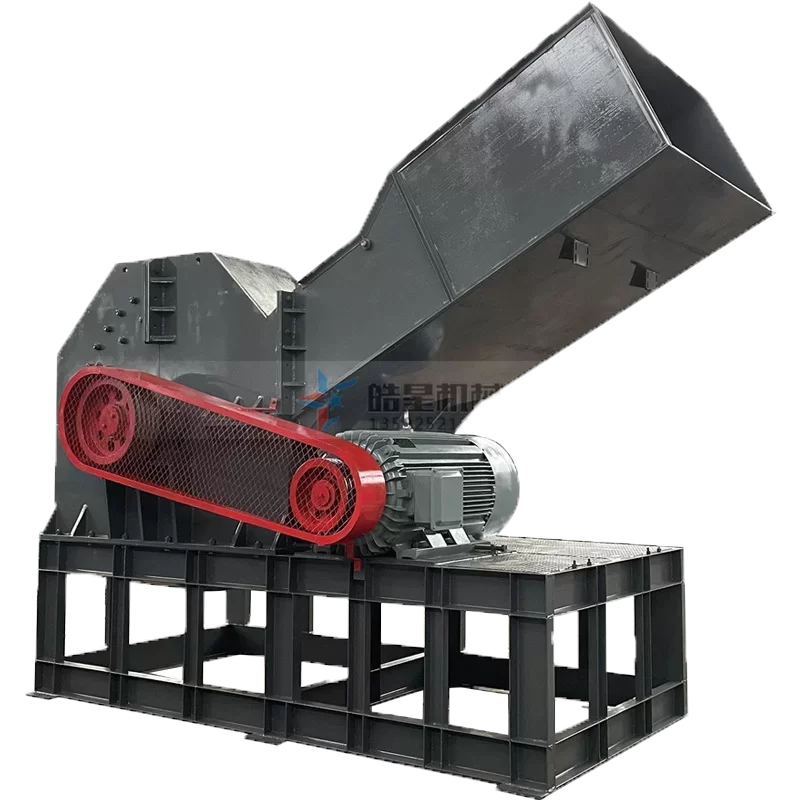
After coarse shredding, some recycling processes require further size reduction. A crusher uses higher-speed impact or hammering action to break the material into smaller particles. A screen can be installed to control the discharge size.
An aluminum scrap crusher may be used when the recycling plant requires:
Smaller aluminum particles
More uniform furnace feed
Better material liberation
Separation of attached iron
Removal of plastic and light impurities
Improved performance of downstream sorting equipment
The distinction between shredding and crushing is important.
A shredder performs low-speed coarse tearing and is generally used for material opening and preliminary size reduction. A crusher uses higher-speed crushing action and a screen to produce smaller and more controlled output.
The two machines can be used independently or combined in one production line, depending on the original material and final product requirements.
Sorting Determines the Purity of the Final Product
Size reduction alone cannot guarantee high-quality aluminum scrap. The processed material normally requires one or more sorting stages.
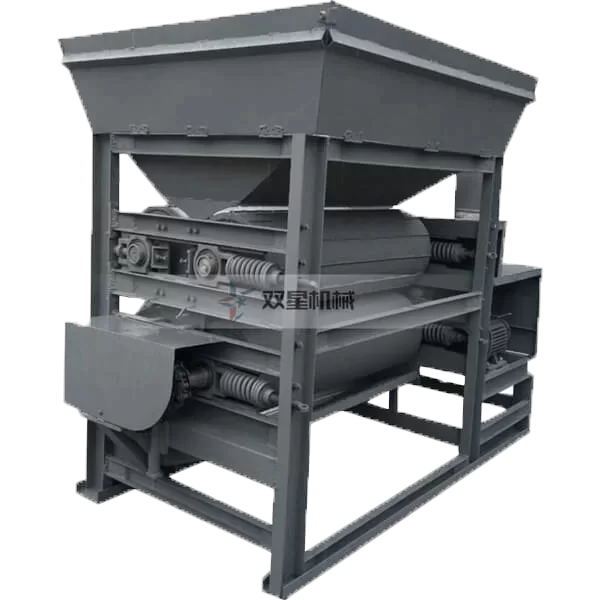
A magnetic separator removes ferrous metal after shredding or crushing. This prevents steel pieces, screws and other magnetic contaminants from remaining in the aluminum fraction.
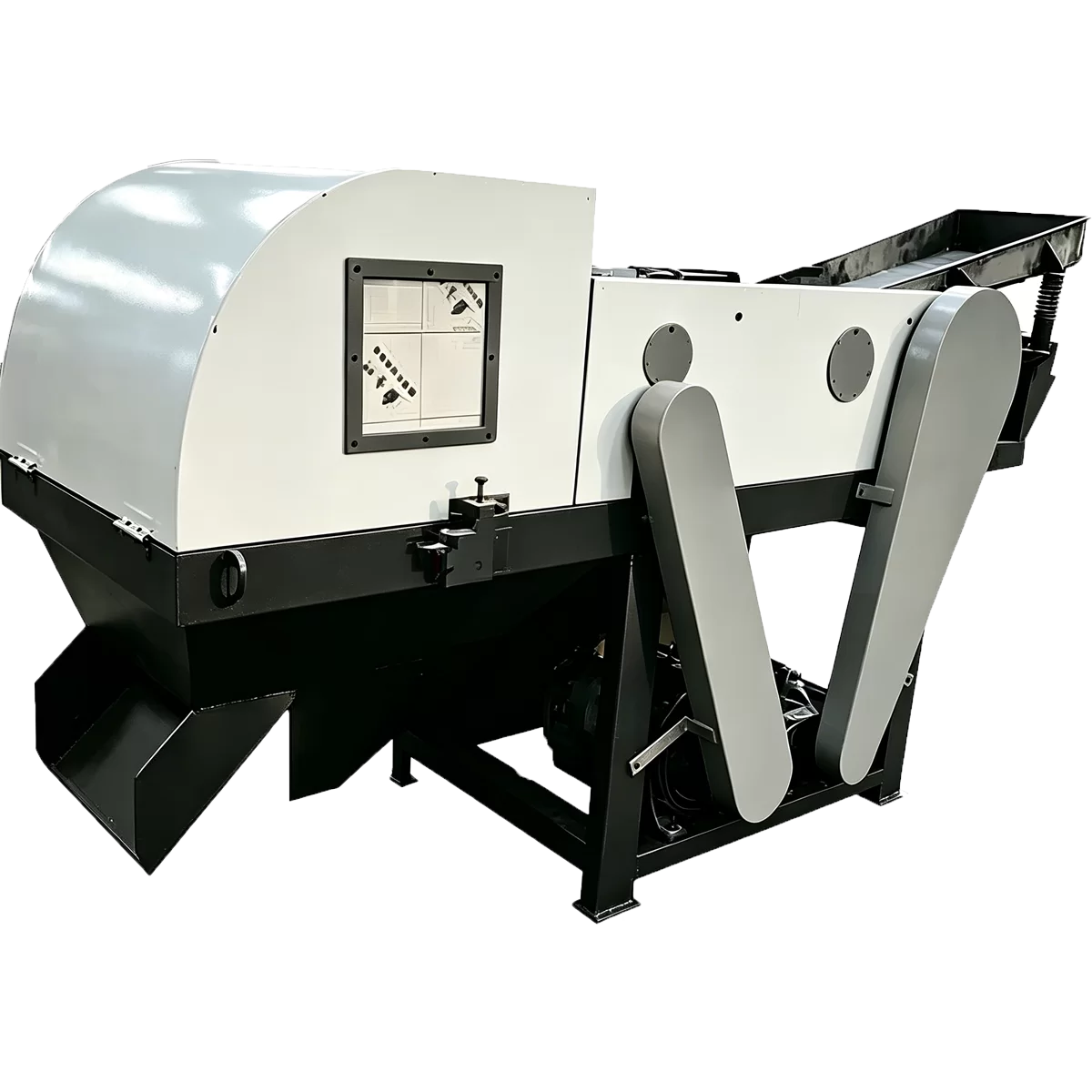
An eddy current separator can separate conductive non-ferrous metals from plastics, rubber, glass and other non-metallic materials. In systems that process mixed scrap, additional air separation, screening or manual sorting may also be required.
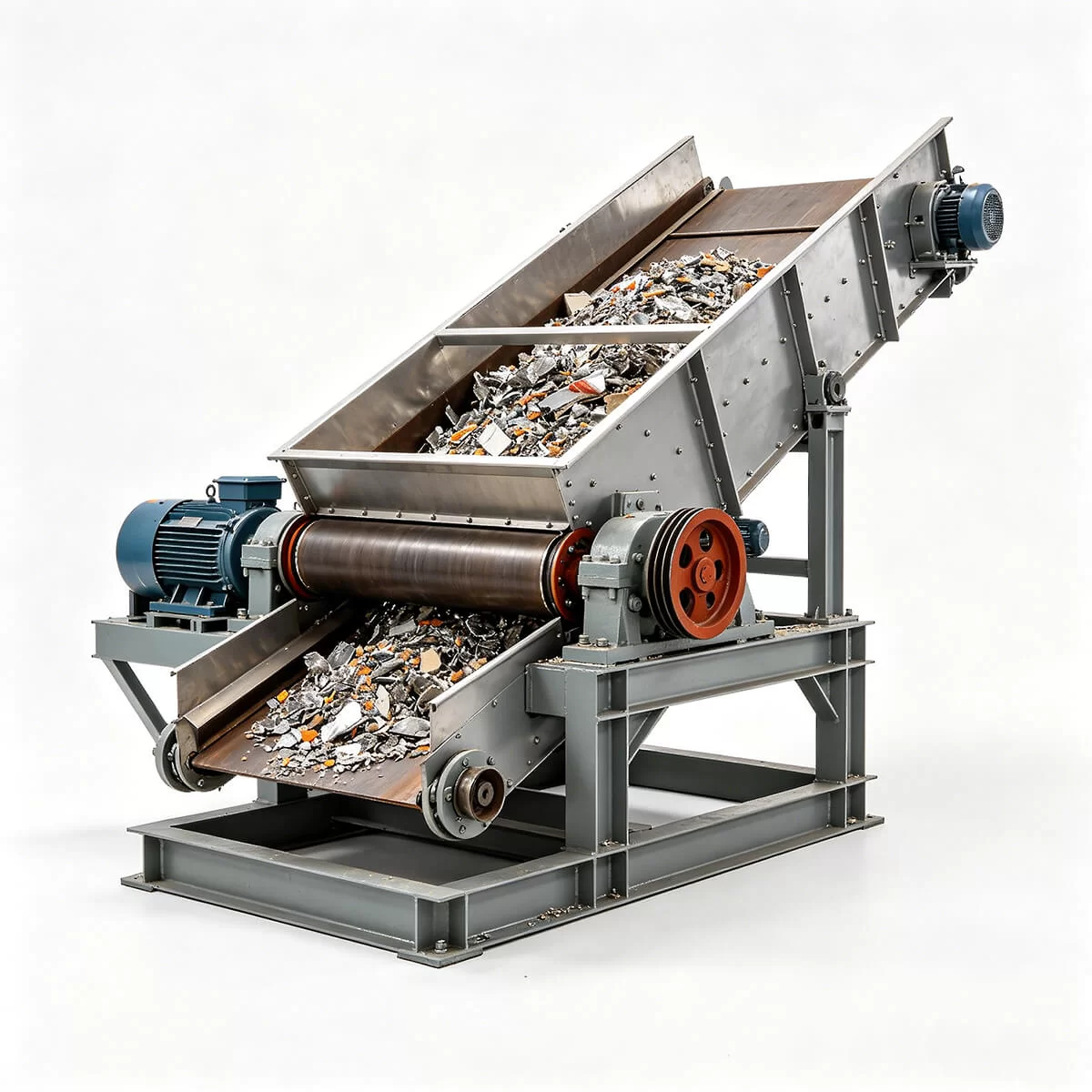
A typical aluminum scrap processing line may include:
Feeding conveyor
Metal shredder
Discharge conveyor
Magnetic separator
Metal crusher
Vibrating screen
Eddy current separator
Finished material collection system
Dust collection system
The actual configuration should be determined by the raw material rather than copied from another recycling project.
Clean aluminum profiles may only require cutting or shredding. Mixed post-consumer aluminum scrap may require shredding, crushing and several separation stages.
Processing Can Reduce Transportation Costs
One of the clearest advantages of aluminum scrap processing is improved loading efficiency.
Loose and irregular scrap contains a large amount of empty space. After controlled shredding or crushing, the material becomes easier to convey, store and load. More material may be placed in the same truck or shipping container, reducing the transportation cost assigned to each ton.
However, recyclers should not pursue the smallest possible particle size without considering the final application. Excessive crushing can generate unnecessary fines, increase dust, consume more electricity and cause recoverable aluminum to be lost with impurities.
The correct discharge size should be selected according to:
Buyer specifications
Furnace feeding requirements
Sorting equipment capability
Material thickness
Impurity content
Required throughput
Acceptable fine material percentage
The objective is to obtain a practical balance between loading density, separation efficiency, energy consumption and metal recovery.
Export Growth Creates New Requirements for Recycling Plants
The growth of aluminum scrap exports shows that secondary aluminum is moving through increasingly international supply chains. Buyers are not only comparing total tonnage. They are also paying attention to contamination, consistency, moisture, density and alloy composition.
Different aluminum scrap grades may also experience different price movements. Clean and accurately classified material is usually easier to evaluate and trade than mixed scrap with uncertain composition.
For recycling companies, improving material quality can provide more control than simply waiting for market prices to rise. A properly configured processing line can help a plant convert mixed or bulky scrap into cleaner and more consistent products.
When planning an aluminum scrap processing system, the following information should be confirmed first:
Material name and composition
Maximum feeding size
Average material thickness
Percentage of iron
Percentage of non-metallic impurities
Required hourly capacity
Target discharge size
Final material application
Local power supply
Available workshop space
Dust and environmental requirements
With accurate material information, the shredder, crusher and sorting equipment can be configured according to the actual project instead of relying only on a general capacity estimate.
Conclusion
Rising aluminum scrap exports are increasing the importance of efficient preprocessing. For scrap recyclers, the value of aluminum material depends not only on collection volume, but also on how well the material is reduced, cleaned, separated and prepared for transportation or remelting.
Metal shredders can open bales and carry out coarse size reduction. Crushers can produce smaller and more controlled particles. Magnetic separators and eddy current separators can remove iron and non-metallic impurities.
When these machines are selected according to the material and connected through suitable conveying equipment, they form a complete aluminum recycling line.
Recycling companies planning a new project should provide material photographs, dimensions, composition, capacity and finished product requirements. This allows the equipment configuration to match the actual processing objective and helps avoid unnecessary power consumption, excessive fines and unsuitable machine selection.