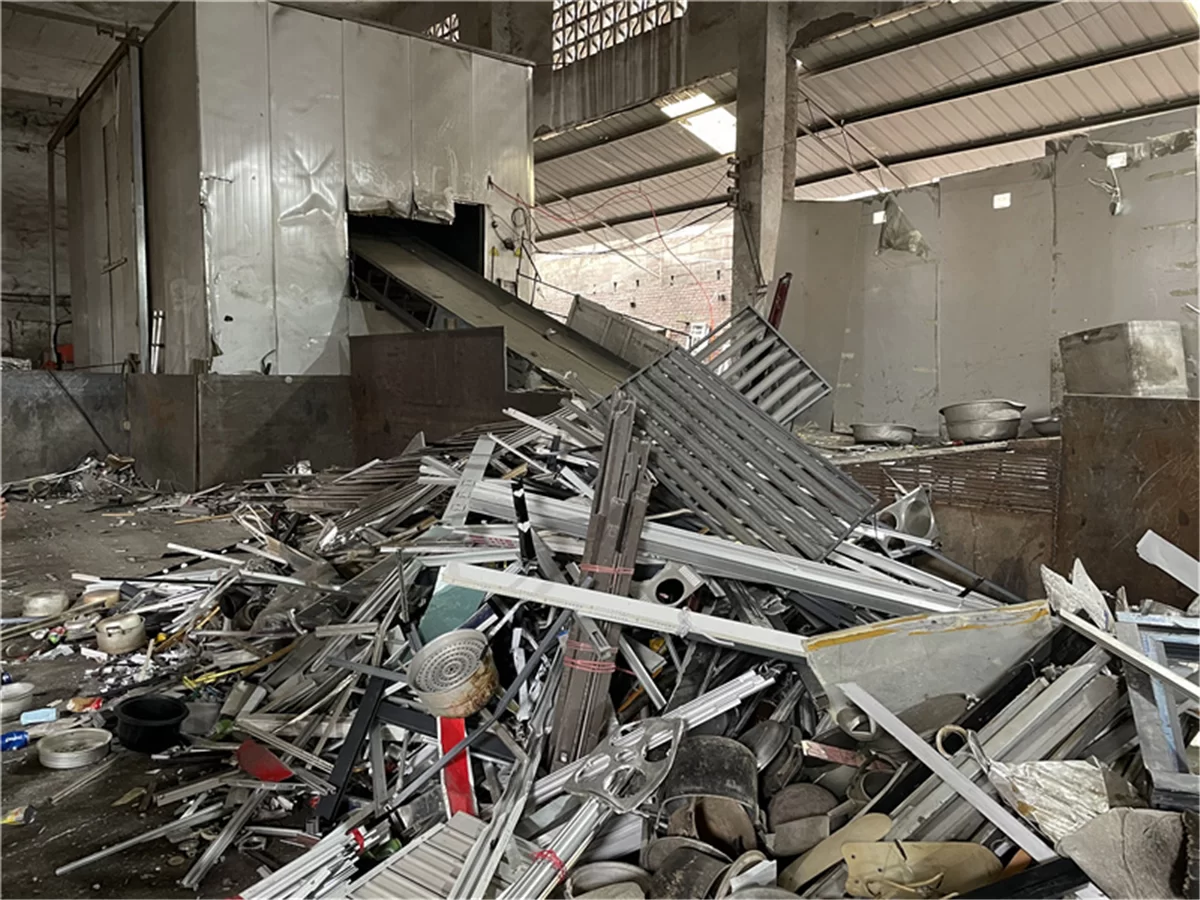
Mixed scrap loads can contain light steel sheets, aluminum profiles, beverage cans, appliance shells, wire, plastic, rubber and dirt in changing proportions. A load described as mixed metal does not define one fixed process. The correct line depends on the physical form of the scrap, the ratio of ferrous to non-ferrous material and the product that the recycler wants to recover.
Some loads need only controlled feeding and magnetic separation. Others must be opened, reduced in size and screened before stable sorting is possible. A shredder, crusher, magnetic separator and eddy current separator each perform a different task. Selecting all of them without understanding the feed can add unnecessary cost, while omitting a required preparation stage can make the sorting equipment unstable.
What Is a Straight Load and What Is a Mixed Load?
A straight load is dominated by one known material category, such as prepared light steel scrap, clean aluminum profiles or sorted aluminum cans. Composition can still vary, but the main metal and material form remain relatively consistent.
A mixed load contains several metals or product groups collected together. It may include steel and aluminum, or it may also contain copper, stainless steel and non-metallic residue. The term mixed does not indicate value or difficulty by itself. A loose mixture of separate steel and aluminum pieces may be easier to sort than a compacted bale where thin metals and plastic are pressed together.
Identify the Main Material Before Choosing Equipment
The first step is to estimate the composition by weight, not only by visible volume. Light aluminum occupies substantial space but may represent less weight than dense steel parts. A representative sample should record the approximate percentages of ferrous metal, aluminum, copper, stainless steel and non-metallic material.
The material shape is equally important. Long strips, folded sheets, hollow profiles, cans, cast aluminum housings and steel frames behave differently in a feeding system. Photographs of a pile cannot always show density, wall thickness or hidden contamination. A short video of loading and handling the scrap is useful for evaluating the feeding arrangement.
When Material Can Be Sorted Without Crushing
Size reduction is not always the first requirement. If the steel and aluminum pieces are already separate, reasonably sized and suitable for controlled feeding, magnetic separation may remove ferrous metal without a crusher. Manual pre-sorting can also remove large valuable components before mechanical processing.
Direct sorting becomes difficult when pieces overlap, remain compressed in bales, bridge at transfer points or contain attached material. An eddy current separator needs a stable single-layer feed. It cannot separate material effectively when dense clusters or long tangled pieces arrive in sudden surges.
When a Twin Shaft Shredder Is Needed
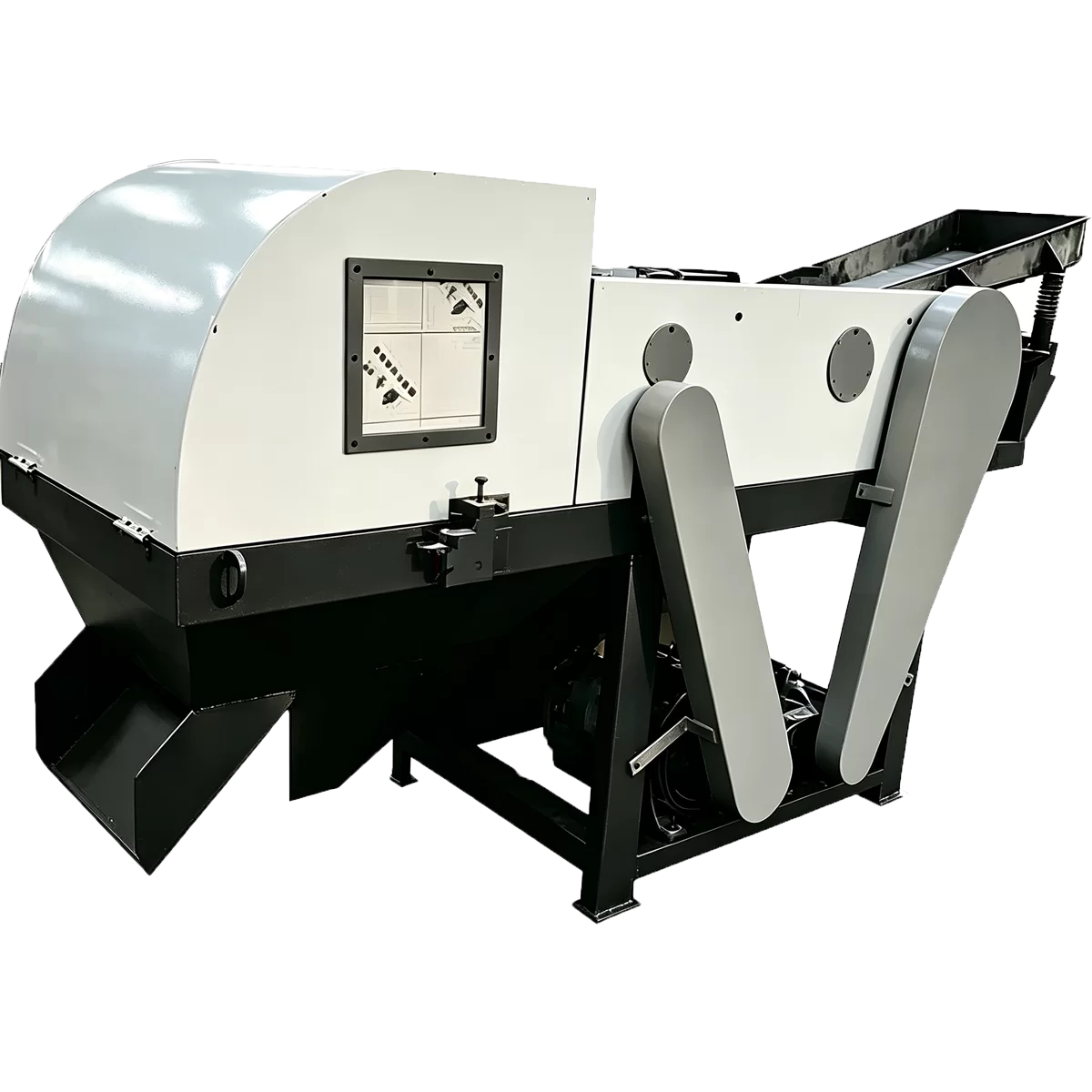
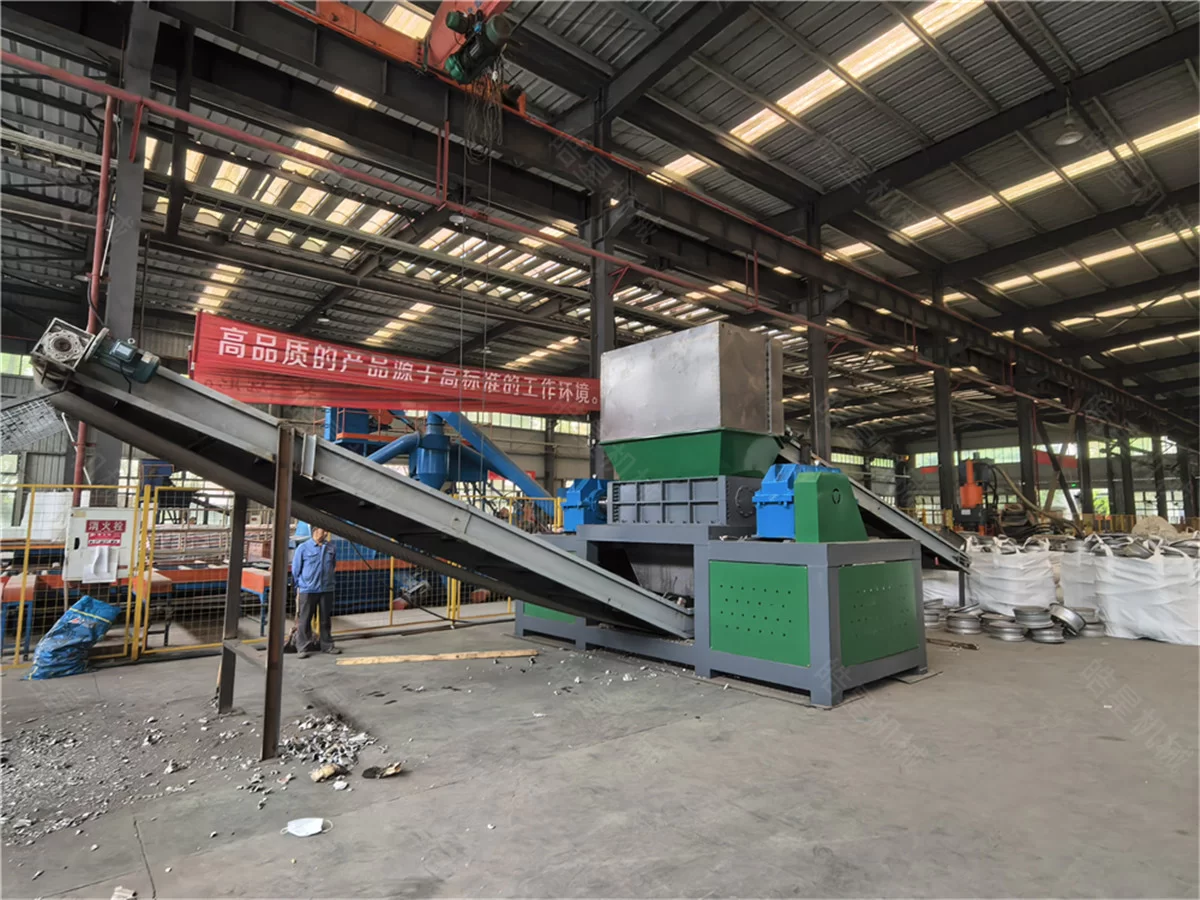
A twin shaft shredder is used for low-speed, high-torque opening and coarse size reduction. It is suitable when mixed scrap is bulky, folded, bundled or difficult to feed into the next stage. The purpose is to loosen the material and create a more manageable feed, not to produce a uniform small particle.
Compressed light scrap bales may be opened by a shredder before inspection and sorting. Large hollow material may also need coarse reduction. Heavy solid shafts, thick structural sections, sealed vessels, batteries and hazardous containers require separate evaluation and should not be mixed into a general light-scrap line.
When a Scrap Metal Crusher Is Needed
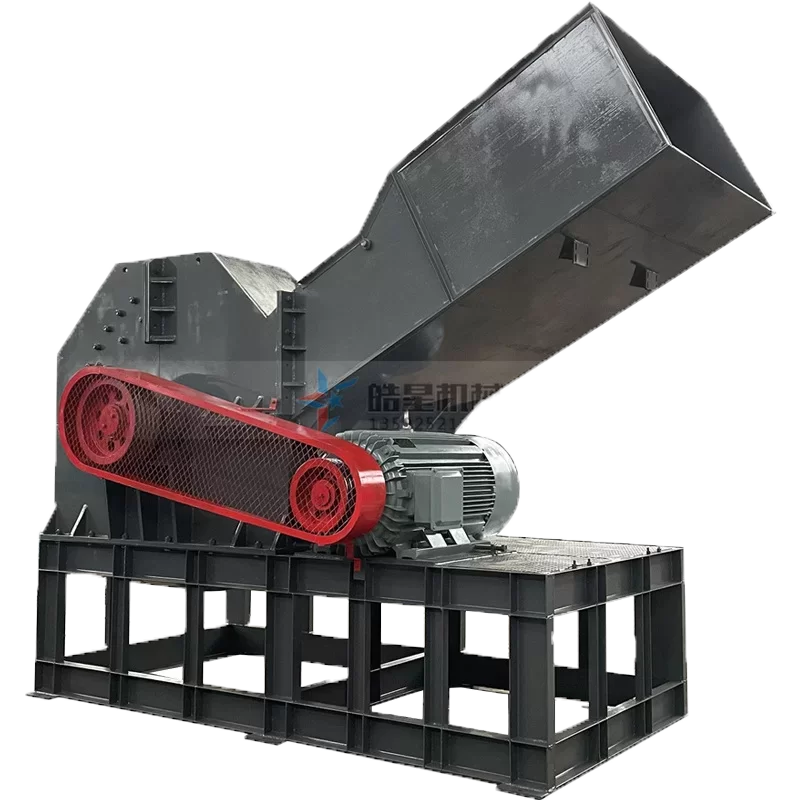
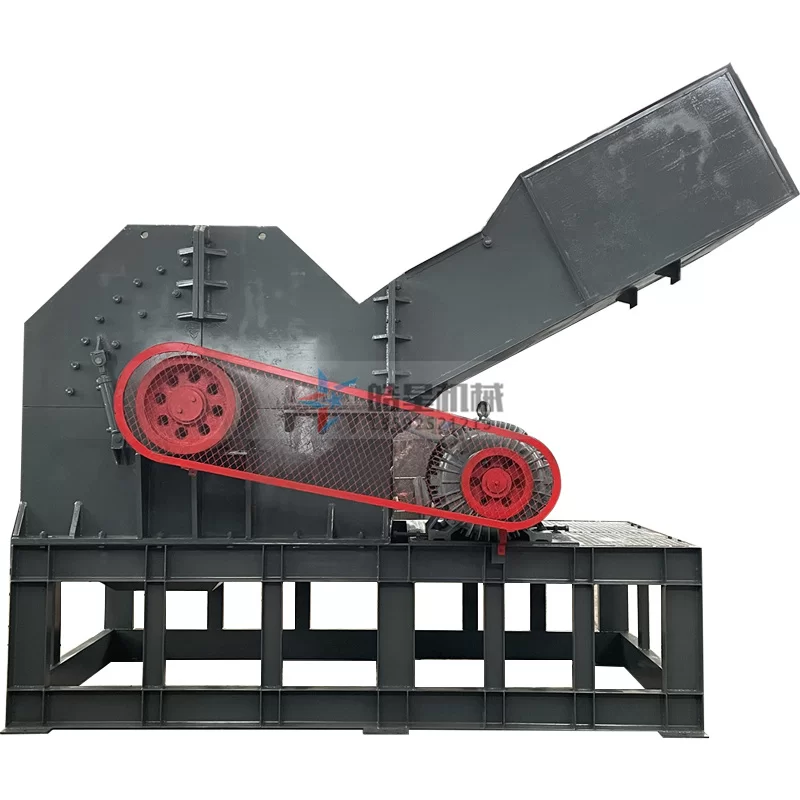
A scrap metal crusher uses high-speed impact, hammers, liner plates and a screen to reduce prepared light and medium scrap into smaller, denser pieces. It is selected when the line requires screen-controlled output for conveying, magnetic separation, storage or further sorting.
Thin steel sheets, appliance shells, prepared drums and suitable aluminum scrap may be crushed when their size and thickness remain within the selected machine limits. Bulky or compacted feed may require a shredder first. The crusher should not be treated as a universal solution for every mixed load.
Screen opening affects output size and internal circulation. A smaller opening can increase residence time and wear. The correct setting depends on the next separation stage and the required saleable fraction.
Remove Ferrous Metal Before Eddy Current Separation
A magnetic separator should recover iron and steel before the material reaches an eddy current separator. This protects the non-ferrous sorting stage from excessive ferrous loading and creates a clearer aluminum-rich fraction.
Magnetic separation works best when iron-bearing pieces are exposed and can move independently. If a steel part remains tightly attached to aluminum or plastic, size reduction or manual dismantling may be required first. The objective is not merely to place a magnet in the line, but to present material in a form that allows the magnet to act on each piece.
Prepare a Stable Feed for the Eddy Current Separator
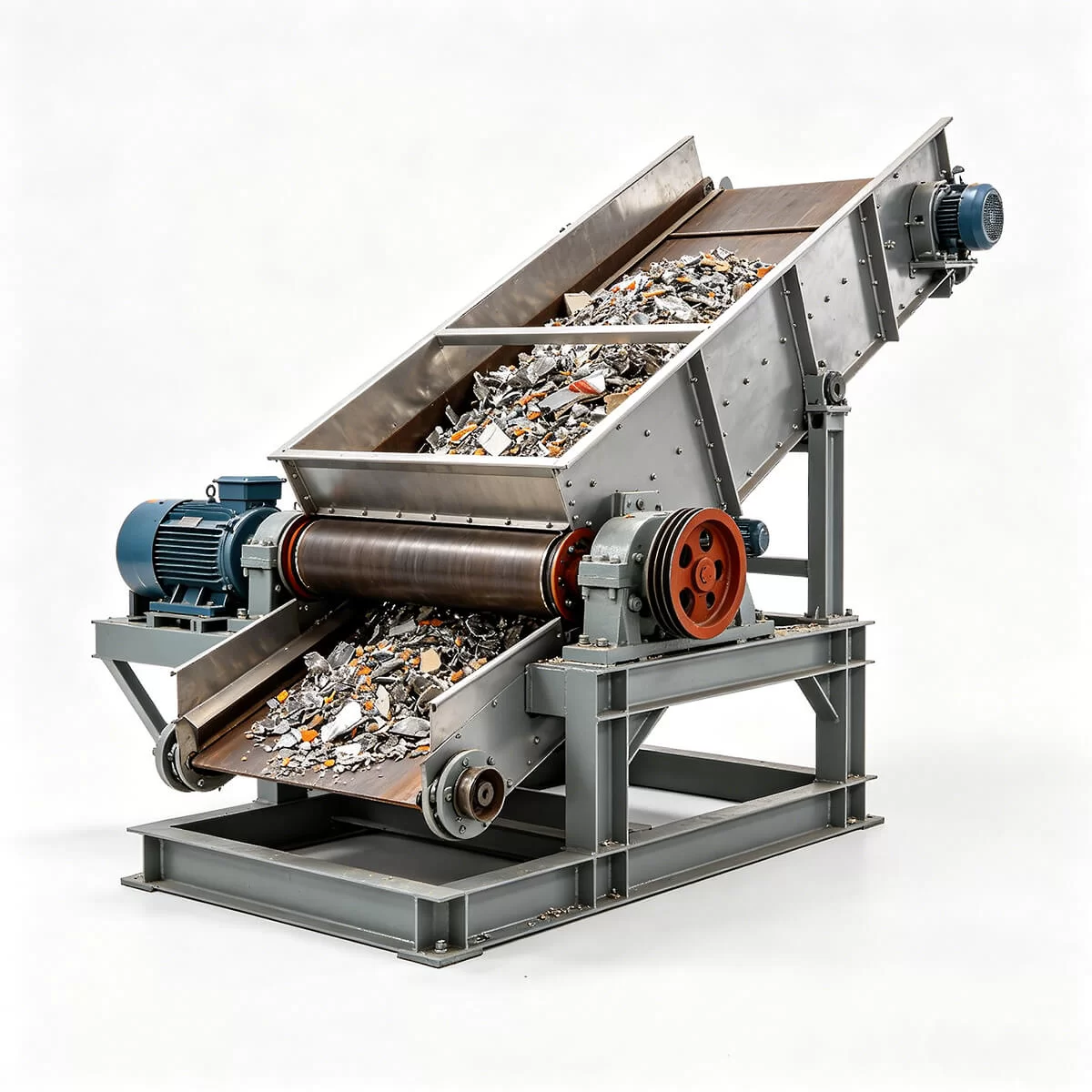
An eddy current separator ejects conductive non-ferrous metals such as aluminum from a prepared material stream. Performance depends on particle size range, conveyor loading, belt speed, rotor condition and the distance between pieces. It should not receive uncontrolled bulky scrap directly from a collection pile.
Screening can divide fines and oversized material before eddy current sorting. A vibrating feeder or controlled conveyor can distribute material more evenly. These preparation steps often matter more than increasing the nominal width of the separator.
Example Process Routes
Loose Steel and Aluminum Pieces
Manual removal of unsuitable items, controlled feeding, magnetic separation and optional eddy current sorting may be sufficient when material is already loose and within the accepted size range.
Baled or Tangled Light Mixed Scrap
A controlled conveyor and twin shaft shredder can open the material. Magnetic separation follows after ferrous pieces are exposed. Screening and eddy current sorting may be added when an aluminum fraction must be recovered.
Prepared Light Scrap Requiring Smaller Output
A scrap metal crusher can create smaller screen-controlled pieces. The line may then use magnetic separation, screening and eddy current separation according to the composition and required products.
Questions That Should Be Answered Before Line Design
What percentage of the load is steel and what percentage is aluminum?
Is the material loose, bundled, baled or tangled?
What are the common and maximum dimensions?
Are there solid shafts, thick sections or cast parts?
How much plastic, rubber, dirt and moisture is present?
Must the output be furnace feed, a saleable steel fraction or an aluminum-rich fraction?
What particle-size range can the downstream equipment accept?
What hourly input is required under the actual material condition?
Mixed scrap loads should be evaluated as a complete material stream. The main metal ratio, material shape, compression condition and required products determine whether shredding, crushing, magnetic recovery and eddy current sorting are necessary. A practical line uses only the stages required to prepare and separate the real feed, with enough flexibility to handle normal changes between incoming loads.
Commercial Load Description and Mechanical Processing Are Different Questions
Terms such as straight load and mixed load describe how scrap is grouped for trading or receiving, but they do not by themselves determine the required machinery. Equipment selection must use the actual material form, dimensions, contamination, compaction and target products.
Minimum Inspection Before Processing a Mixed Load
Check for batteries, pressure vessels, sealed tanks, residual fluids, hazardous items, long wire, heavy shafts and oversized solid pieces. Estimate the proportions of steel, aluminum, copper, stainless steel and non-metallic residue. A mixed load should not be fed as one batch until unsuitable objects and major material differences are identified.
Choose Only the Stages the Load Requires
Use coarse shredding for bulky, tangled or compacted material; crushing for further size reduction and liberation; magnetic separation for exposed iron and steel; and eddy current separation for suitable liberated conductive non-ferrous particles. Loads that are already loose and separated may bypass unnecessary size-reduction stages.