Investing in an aluminum scrap shredding and sorting line is a significant financial decision. While the shredder itself is the centerpiece, the selection of auxiliary equipment can make or break the line's profitability. Some add-ons are absolutely necessary for efficient, high-purity output and regulatory compliance. Others, however, are often oversold by equipment vendors as "essential upgrades" but deliver marginal value relative to their cost—the classic "智商税" (IQ tax / waste of money) in the recycling industry. This guide dissects the auxiliary equipment landscape, separating must-haves from nice-to-haves and outright money traps, with detailed parameter benchmarks to help you build a cost-effective line.
1. The Essential Auxiliary Equipment (Non-Negotiable Must-Haves)
These components are critical for operational efficiency, product quality, environmental compliance, or worker safety. Skimping on these will lead to downtime, lower selling prices, or regulatory fines.
1.1 Magnetic Separator (Overband or Drum Type)
Purpose: Removes ferrous metals (iron, steel, nails, screws) liberated during shredding. Iron contamination significantly degrades the value of aluminum furnace feedstock and can damage downstream eddy current separators.
Why It's Essential: Without it, you are selling "dirty" aluminum at a $30–$80/ton discount. It also protects the more expensive Eddy Current Separator from ferrous particle damage.
Recommended Configuration:
Type: Self-cleaning suspension overband magnet or high-intensity magnetic drum (for finer granules).
Magnetic Field Strength: ≥ 3000 Gauss (surface). For fine iron removal, ≥ 6000 Gauss is recommended.
Belt Width: Match the width of your discharge conveyor (typically 650–1000 mm).
Estimated Cost Range (Reference): $1,500 – $4,500 depending on size and field strength.
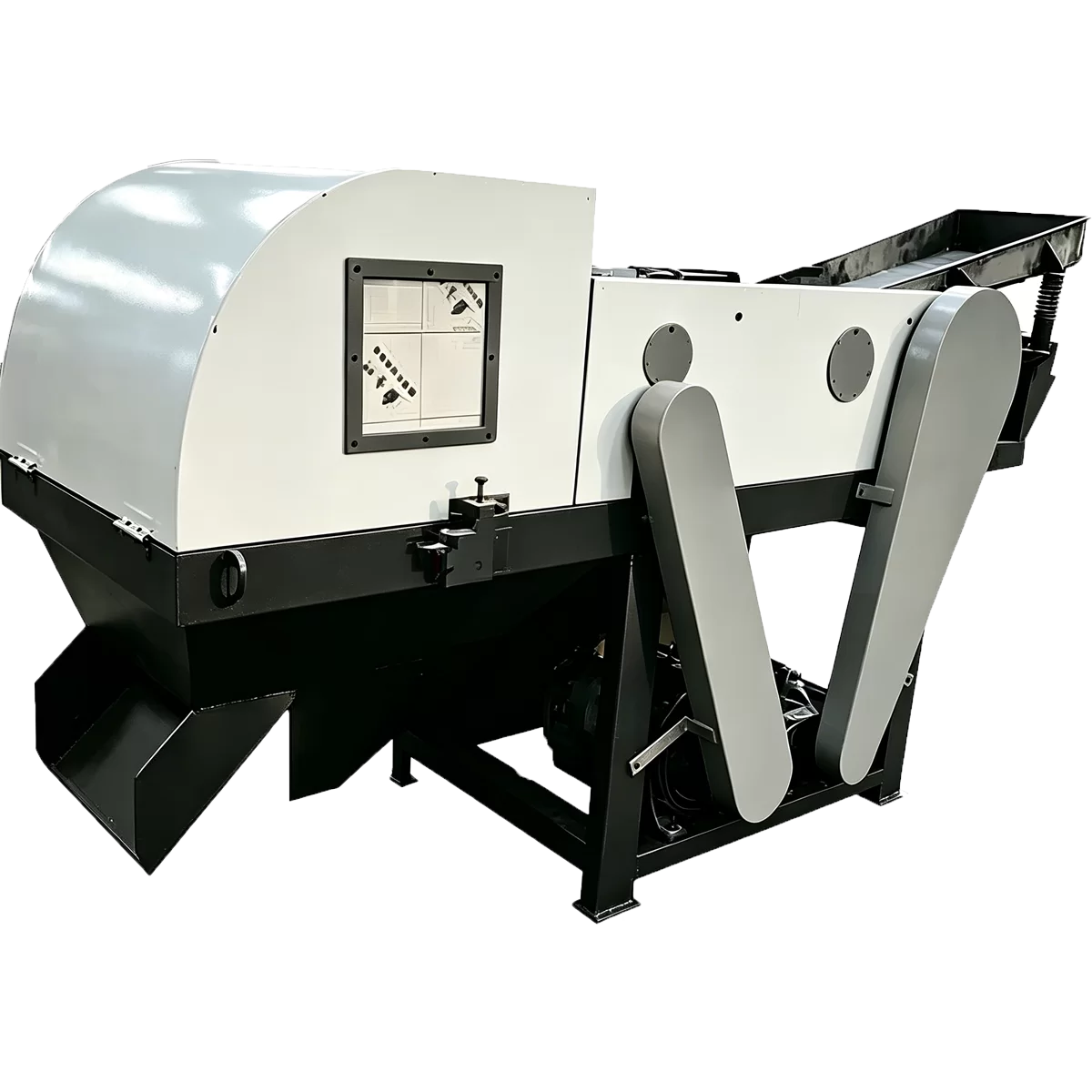
1.2 Eddy Current Separator (ECS)
Purpose: Separates non-ferrous metals (aluminum, copper, brass) from non-metallic materials (plastics, rubber, wood, foam). This is the core device that turns mixed shredded material into clean, saleable aluminum granules.
Why It's Essential: You cannot achieve high-purity aluminum without an ECS. Manual sorting of shredded material is impossible at commercial volumes. The ECS directly determines the premium price your product commands.
Recommended Configuration:
Magnetic Rotor Type: High-frequency NdFeB (Neodymium) rare earth magnets. Rotor speed should be adjustable (typically 0–3000 RPM).
Belt Width: 500–1200 mm, matched to throughput (e.g., 600 mm width handles ~3–5 t/h).
Splitter Position: Adjustable to fine-tune the separation cut point.
Estimated Cost Range (Reference): $5,000 – $18,000 for medium-scale aluminum lines.
1.3 Dust Collection System (Pulse Jet Baghouse)
Purpose: Captures airborne dust, fine aluminum powder, and light contaminants (foam, paper fibers) generated during shredding and conveying.
Why It's Essential:
Regulatory Compliance: Environmental inspectors will shut down operations without proper dust control.
Worker Safety: Aluminum dust is combustible and poses respiratory hazards.
Product Cleanliness: Removes light fluff that would otherwise contaminate the final aluminum product.
Recommended Configuration:
Type: Pulse-jet baghouse dust collector (higher efficiency than cyclones for fine particulates).
Air Volume: Calculated based on hood capture velocities (typically 8,000 – 20,000 m³/h for a medium shredder).
Filtration Area: 80–200 m² for typical SME lines.
Estimated Cost Range (Reference): $3,000 – $8,000.
1.4 Conveyor Belts (Infeed and Discharge)
Purpose: Transport material between processing stages.
Why It's Essential: Obvious, but many try to cut corners on quality. A cheap belt that tears or slips costs you production hours.
Recommended Configuration:
Infeed Conveyor: Heavy-duty chain plate or thick rubber belt (≥10 mm) with cleats to handle impact of heavy scrap.
Discharge Conveyor: Standard rubber belt with side skirts to prevent spillage.
Width: 650–1000 mm, matched to shredder output.
Estimated Cost Range (Reference): $800 – $2,500 per conveyor depending on length and type.
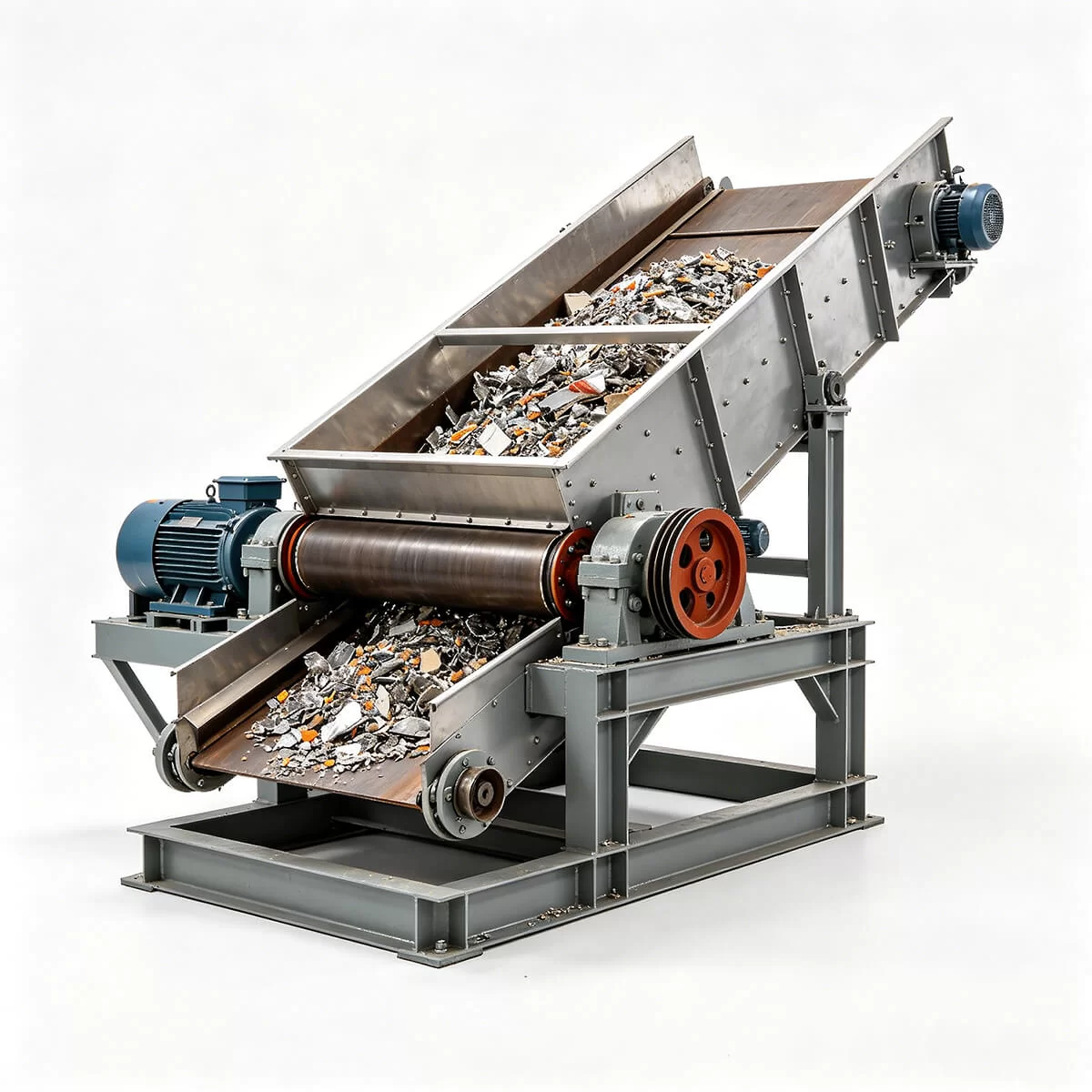
1.5 Vibrating Feeder (Optional but Highly Recommended for Hammermills)
Purpose: Provides a controlled, even feed of material into the shredder, preventing overloading and bridging.
Why It's Recommended: Manual feeding or dumping directly onto a belt often causes surge loads, tripping breakers or stalling the shredder. A vibrating feeder pays for itself by maximizing shredder throughput and reducing wear on hammers and screens.
Estimated Cost Range (Reference): $2,000 – $5,000.
2. The "IQ Tax" Equipment (Oversold or Unnecessary for Most SMEs)
These items are frequently pushed by sales representatives to inflate the total contract value. While they have niche applications, for a standard aluminum scrap processing line (processing extrusions, UBCs, castings), they often fail to provide a return on investment.
2.1 X-Ray Transmission (XRT) Sorters
What It Is: High-tech sensor-based sorting that identifies materials based on atomic density.
Why It's "IQ Tax" for Most Aluminum Recyclers:
XRT is phenomenal for separating heavy metals (copper, brass, zinc) from aluminum after ECS, but standard ECS already does this with >95% efficiency for most mixed scrap.
The incremental purity gain (e.g., from 98% to 99.5%) is often not worth the $150,000+ price tag unless you are processing extremely high-value aerospace alloys or specific wrought/cast separation.
Verdict: Unless you are a multi-million dollar operation exporting to smelters with extremely strict purity penalties, skip XRT. It's a luxury, not a necessity.
2.2 Industrial-Grade Centralized Lubrication Systems
What It Is: An automated network of pumps and pipes delivering grease to every bearing on the line.
Why It's Often Oversold: While useful on massive 2000+ HP mining crushers operating 24/7, for a small 40–75 kW aluminum shredder running a few hours a day, manual greasing with a $50 grease gun takes 5 minutes per shift. A $3,000+ automated system adds complexity, potential leak points, and maintenance cost with negligible time savings.
Verdict: Save your money for better wear parts.
2.3 "Ultra-Heavy-Duty" Structural Frames (Beyond Standard Design)
What It Is: Paying extra for 50 mm steel plate when 25 mm standard construction is sufficient for aluminum scrap.
Why It's a Trap: Steel plate is priced by weight. Some vendors convince buyers they need "mining spec" frames for light aluminum extrusions. Aluminum scrap is not granite. Standard structural frames (25–30 mm manganese steel plate) from reputable manufacturers are already designed for decades of service in aluminum recycling.
Verdict: Ensure the frame is robust, but don't pay a premium for unnecessary thickness. The extra weight also increases shipping costs to your site.
2.4 Elaborate Soundproof Enclosures (Full-Room Level)
What It Is: Fully enclosed, climate-controlled soundproof cabins surrounding the entire shredding line.
Why It's Questionable: Hammer mills are loud (~95–105 dB). Some noise abatement (e.g., sound-dampening curtains or partial panels) is useful if near residential areas. However, a full enclosure priced at $10,000–$20,000 is excessive. Operators should wear standard ear protection ($20 earmuffs) regardless. The enclosure also traps heat and dust, requiring additional ventilation.
Verdict: Use localized noise curtains or build a simple block wall barrier. Only consider full enclosures if local ordinances specifically mandate it after testing.
3. The Gray Area: Equipment That Depends on Your Feedstock
Some equipment is a "must-have" for some recyclers but "useless" for others. Evaluate based on your specific material.
3.1 Rotary Trommel Screen
Essential If: Your feedstock contains a lot of dirt, sand, or fine glass (e.g., post-consumer mixed waste, shredded auto residue).
Unnecessary If: You process clean industrial extrusions or baled UBCs. The shredder screen and dust collector handle the minimal fines generated.
3.2 Air Knife / Air Classifier
Essential If: You have persistent issues with light film, plastic labels, or foam fluff contaminating the aluminum stream after the ECS.
Unnecessary If: Your dust collection system already removes the majority of light materials, or if you are processing heavy cast aluminum with little fluff.
4. Summary: The Optimal SME Aluminum Shredding Line Configuration
Based on processing 2–6 tons per hour of mixed aluminum scrap (profiles, cast, UBCs).
| Component | Verdict | Estimated Cost (USD) |
|---|---|---|
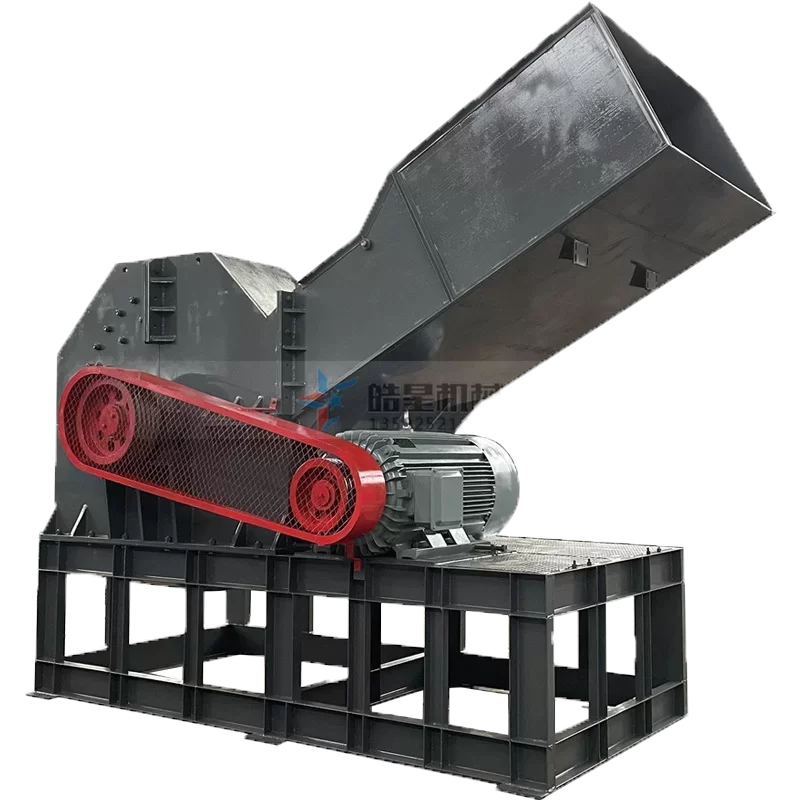
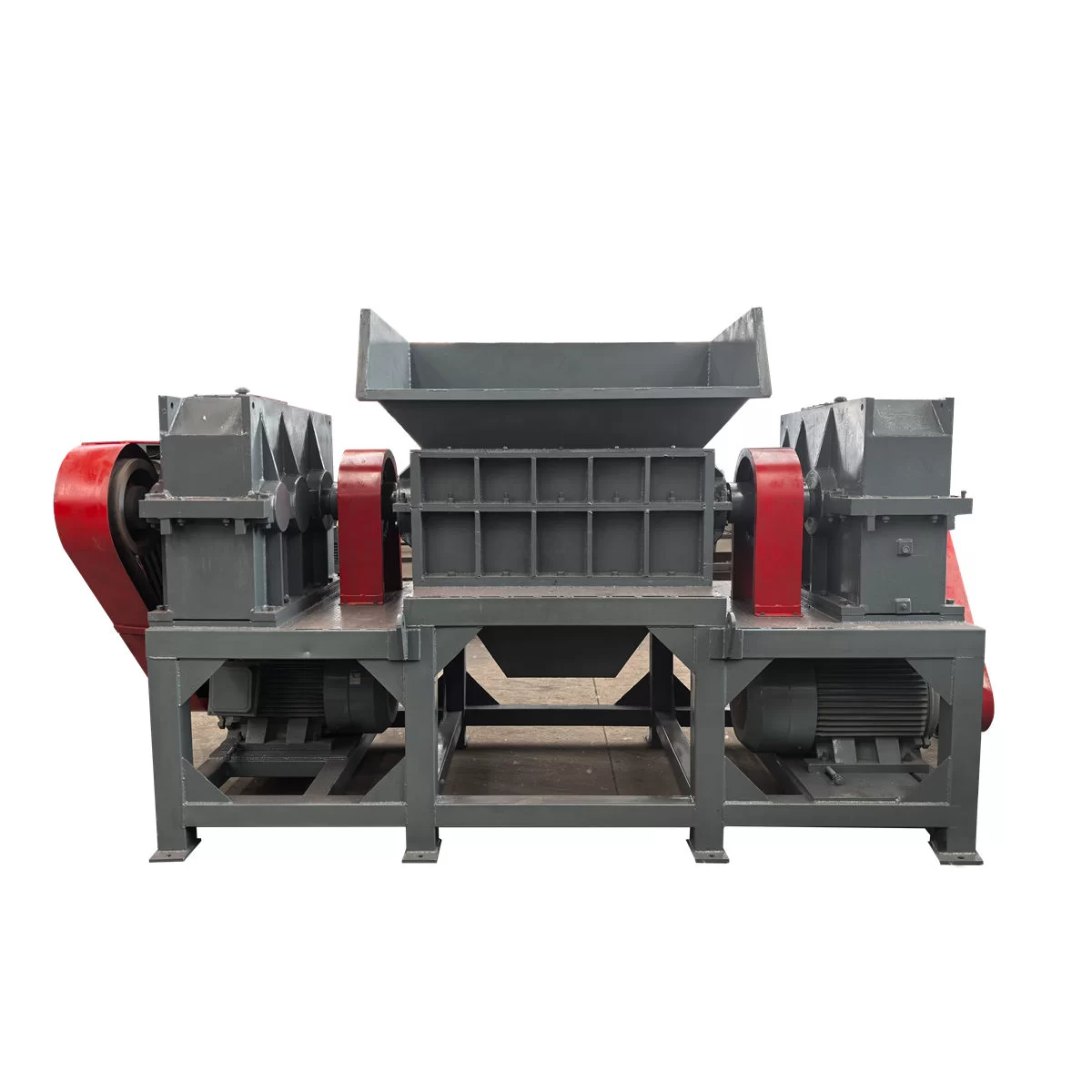
| Hammer Mill Shredder (37–75 kW) | Essential | $7,000 – $15,000 |
| Infeed Chain Conveyor | Essential | $1,500 – $3,000 |
| Overband Magnetic Separator | Essential | $1,800 – $3,500 |
| Eddy Current Separator (ECS) | Essential | $5,500 – $10,000 |
| Pulse Jet Dust Collector | Essential | $3,000 – $6,000 |
| Discharge Conveyor(s) | Essential | $1,000 – $2,000 |
| Vibrating Feeder | Highly Recommended | $2,000 – $4,000 |
| Centralized Lube System | IQ Tax (Skip) | – |
| XRT Sorter | IQ Tax (Skip) | – |
| Full Soundproof Enclosure | IQ Tax (Skip) | – |